Mastering the Savory Depth of Shacha Chicken: A 30-Minute Culinary Guide to Traditional Chinese Barbecue Stir-Fry

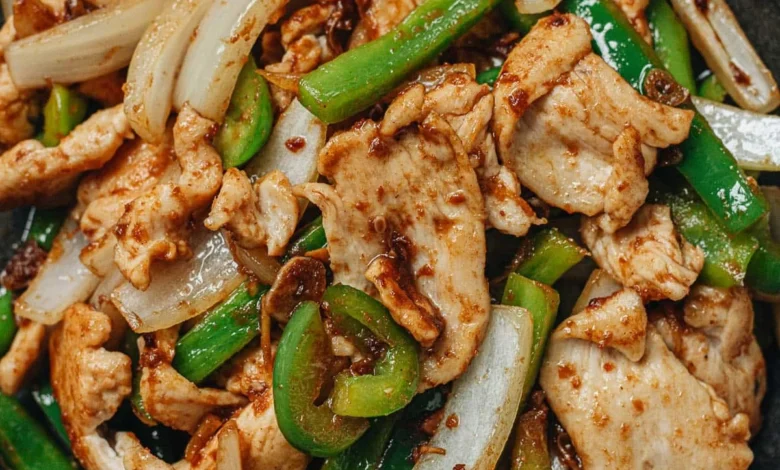
The global culinary landscape has experienced a profound shift toward accessible, high-flavor global ingredients, with specialty Asian pantry staples leading home-cooking trends. Among these, shacha sauce—frequently characterized as a Chinese barbecue paste—has emerged as a powerhouse umami enhancer for weeknight meals. Culinary experts and home cooks alike are increasingly turning to quick skillet preparations, such as the popular 30-minute shacha chicken stir-fry, to bring complex, restaurant-quality profiles into domestic kitchens without requiring extensive lists of individual seasonings.
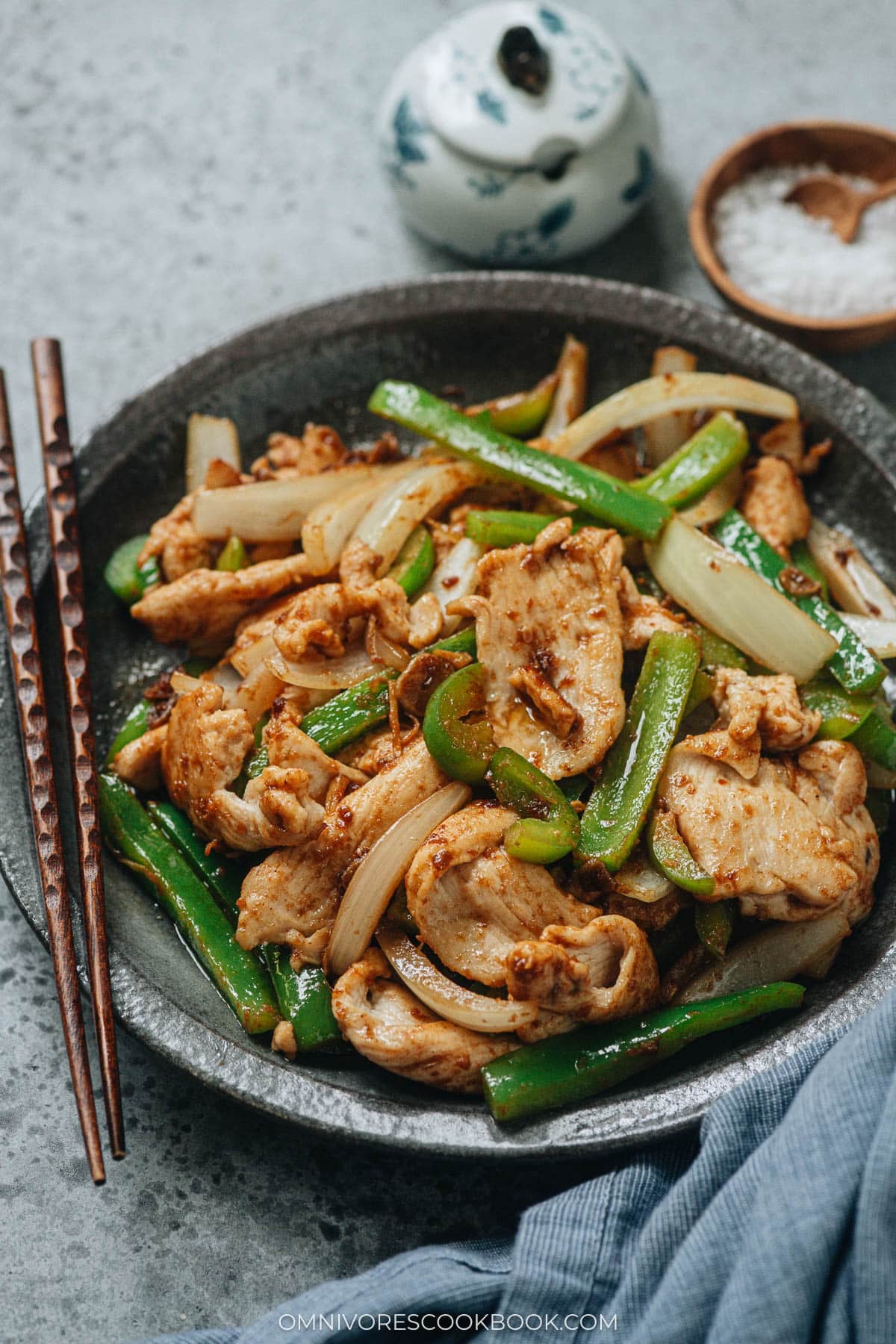
Origins and Evolution of Shacha Sauce
To understand the appeal of dishes like shacha chicken, one must examine the rich history of the sauce itself. Shacha sauce traces its roots back to the satay sauces of Southeast Asia, introduced to coastal China by overseas Chinese communities. Over generations, regional cooks in the Chaoshan area of Guangdong Province and throughout Taiwan heavily adapted the recipe to align with local palates.
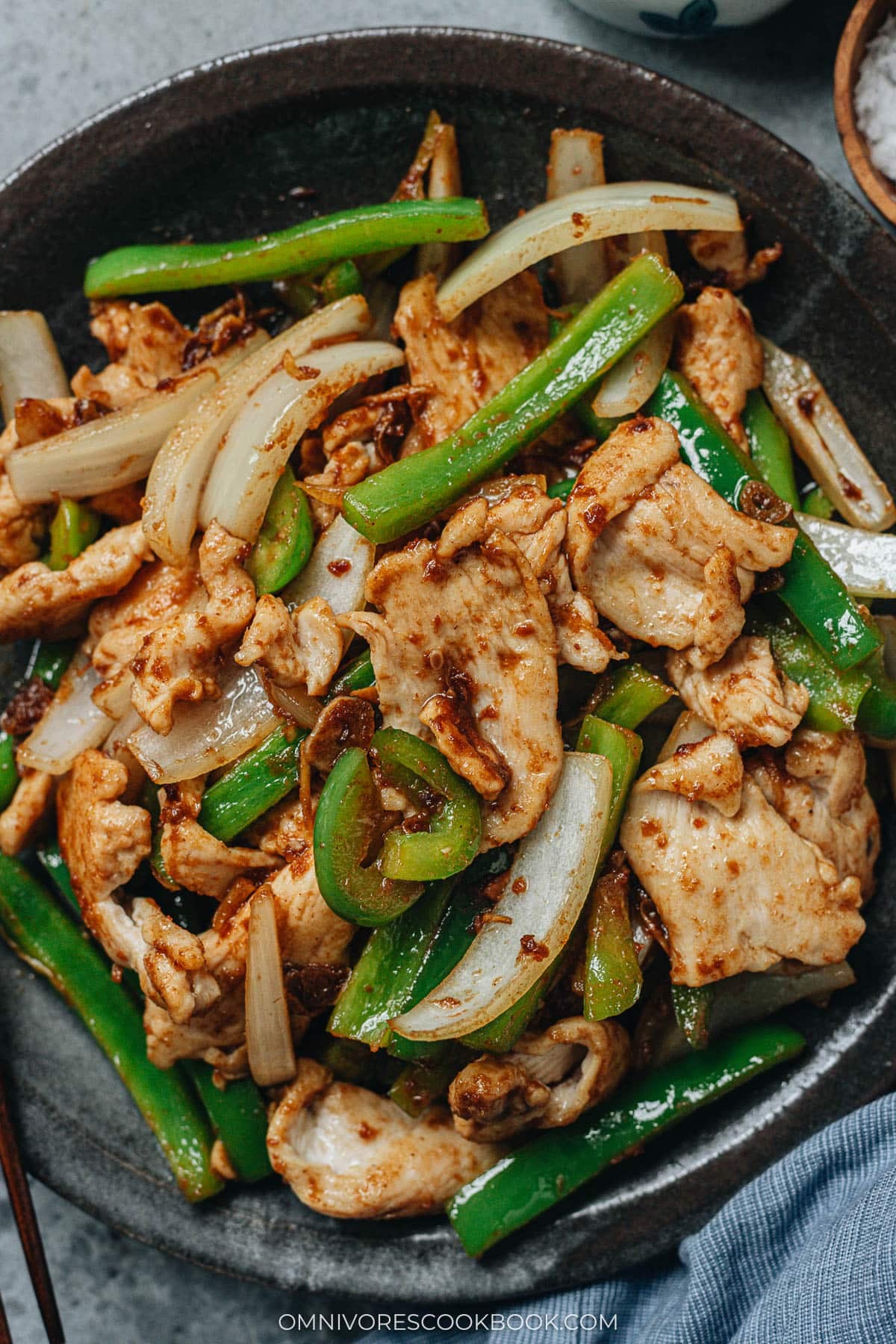
Unlike the peanut-heavy profiles typical of traditional Indonesian or Malaysian satay, Chinese shacha sauce evolved into a deeply savory, textured paste. Its formulation relies on a complex base of garlic, soybean oil, shallots, chilis, and a distinct blend of dried seafood—most notably brilliant fish and dried shrimp. This maritime influence gives shacha sauce its characteristic umami punch, making it a foundational element in Taiwanese hot pot dipping stations, marinades, and high-heat stir-fries.
Nutritional Profile and Ingredient Synergy
The modern shacha chicken recipe relies on a deliberate balance of lean protein, aromatic vegetables, and a concentrated seasoning matrix. Standard nutritional data for a single serving of this stir-fry highlights its efficiency as a balanced meal:
- Calories: Approximately 241 kcal
- Protein: 25.7 g (primarily derived from chicken breast)
- Carbohydrates: 11.4 g (sourced from onions, bell peppers, and minimal added sugars)
- Total Fat: 9.9 g (balanced across cooking oils and the oil base of the shacha paste)
- Sodium: 641 mg (attributable to soy sauce and the cured seafood elements within the shacha base)
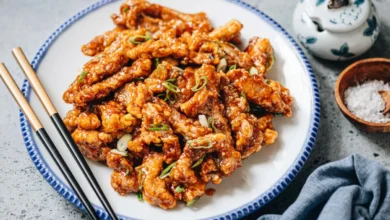
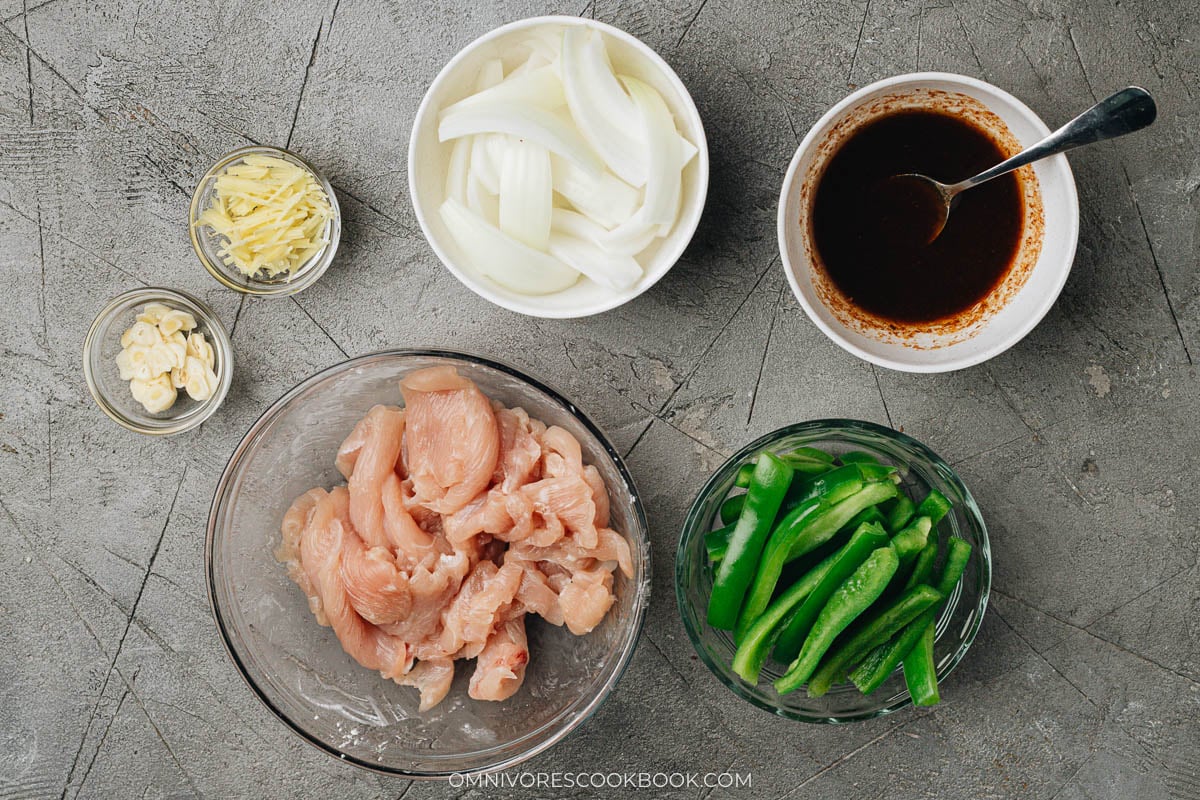
The preparation method is structured to maximize both texture and flavor retention. The cooking process is divided into three distinct phases: protein preparation, sauce blending, and high-heat skillet assembly.
Step-by-Step Culinary Methodology
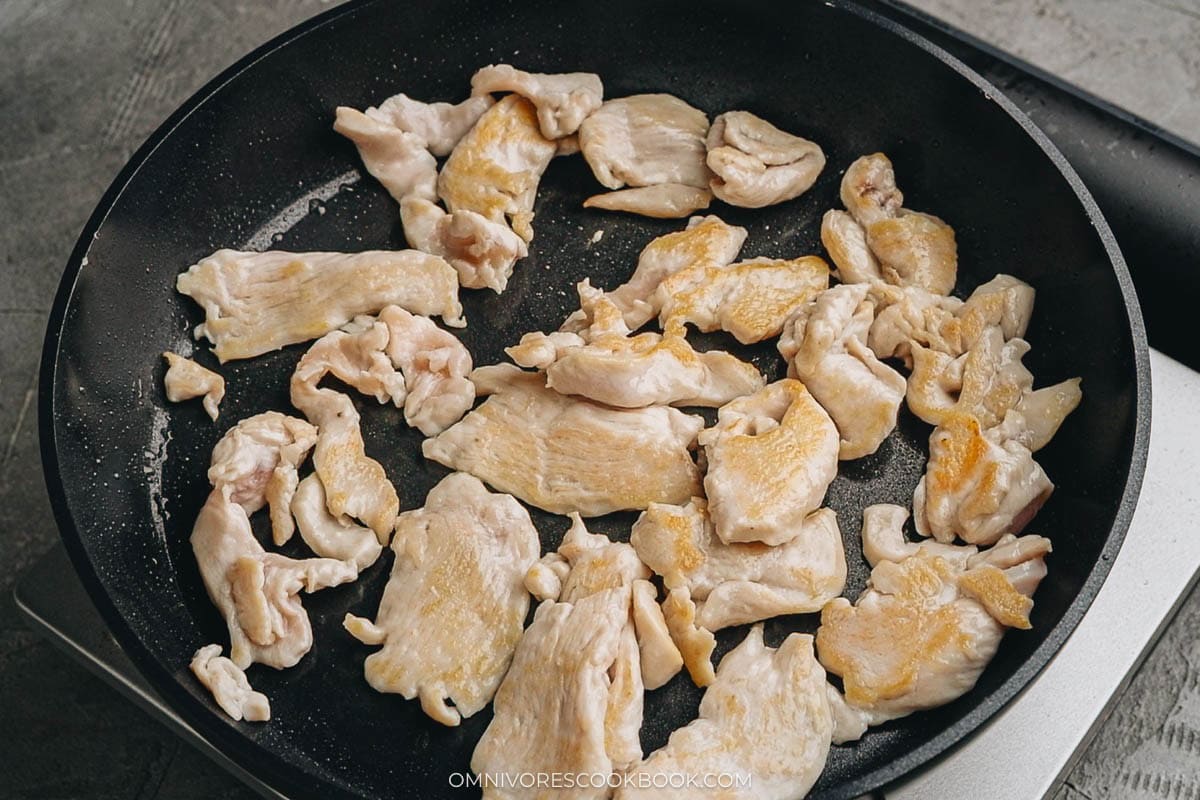
- Protein Marination: Boneless, skinless chicken breast—or alternatively, chicken thighs for a higher fat content and juicier texture—is sliced thinly against the grain. The meat is briefly coated in Shaoxing rice wine, a pinch of salt, and cornstarch. This technique, known as velveting, seals in moisture and protects the lean meat from drying out during high-heat searing.
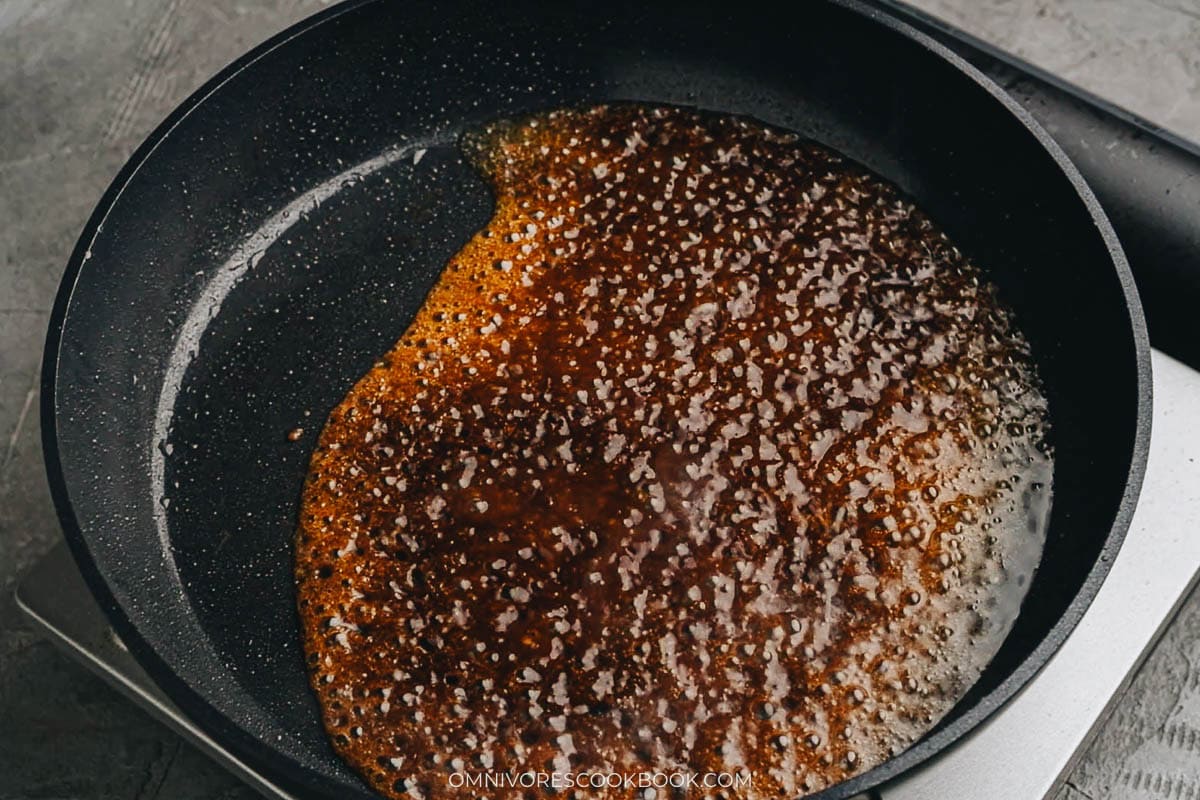
- Aromatics and Base Sauce Integration: A separate small vessel combines the shacha sauce, light soy sauce, a touch of sugar to balance the salinity, and sesame oil. Meanwhile, high-smoke-point oils—traditionally peanut oil—are heated in a skillet to sear the marinated chicken until golden edges develop, after which the meat is temporarily set aside.
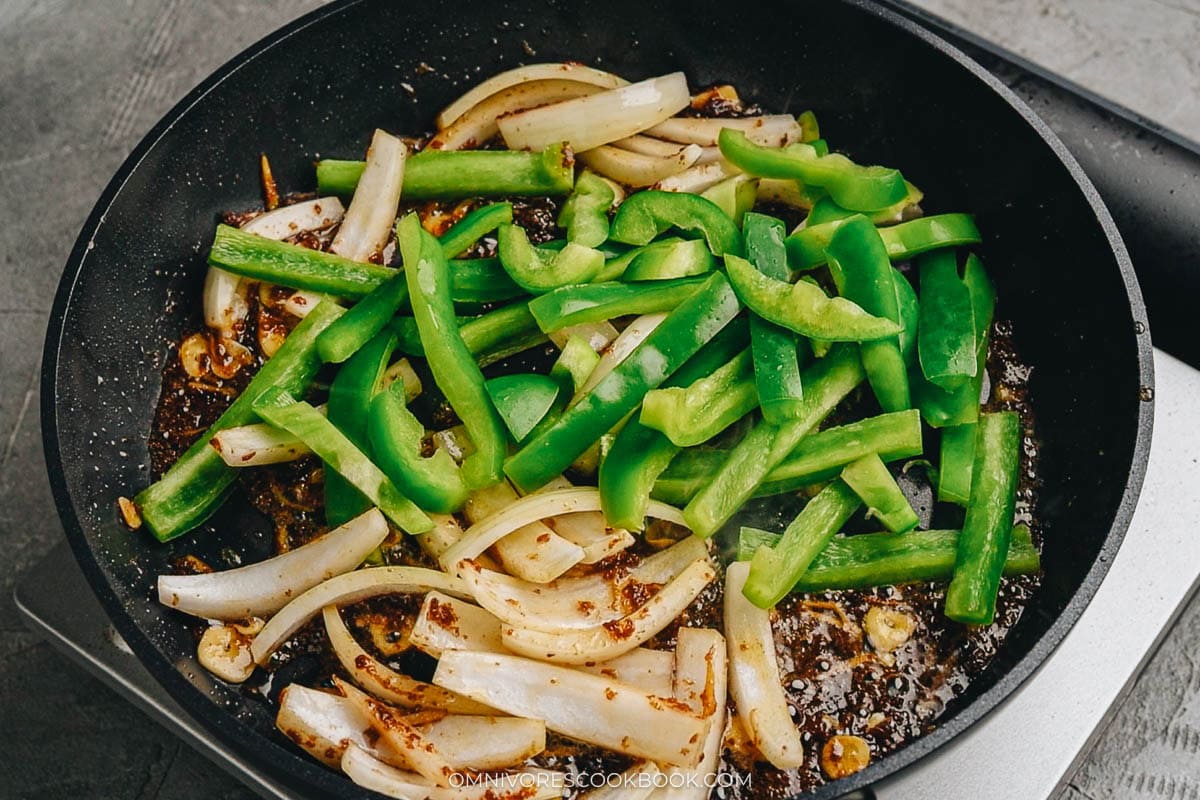
- Final Assembly: The prepared shacha sauce mix is introduced directly to the hot skillet alongside julienned ginger and sliced garlic, allowing the aromatics to bloom for approximately one minute. Crisp bell peppers and sweet white onions are then tossed in to soften slightly before the seared chicken is returned to the pan, ensuring every component is evenly glazed.
Broader Economic and Gastronomic Implications
The rising popularity of dishes featuring regional Chinese pastes reflects a broader consumer demand for authentic global flavors that offer time-saving convenience. Food industry analysts note that sales of specialty Asian condiments, including chili crisps, fermented bean curds, and shacha sauces, have seen steady year-over-year growth in Western supermarkets and specialty online retailers like Amazon.
This trend underscores a democratization of international cuisine, where home cooks are increasingly equipped with the knowledge and ingredients necessary to replicate complex regional dishes. By bridging traditional preservation methods—such as dried seafood pastes—with rapid contemporary cooking techniques like the 30-minute skillet stir-fry, dishes like shacha chicken demonstrate how historical trade routes and diaspora adaptations continue to shape modern global dining habits.
Related posts: