Moo Shu Chicken: A Culinary Bridge Between Northern Chinese Tradition and American Takeout Culture

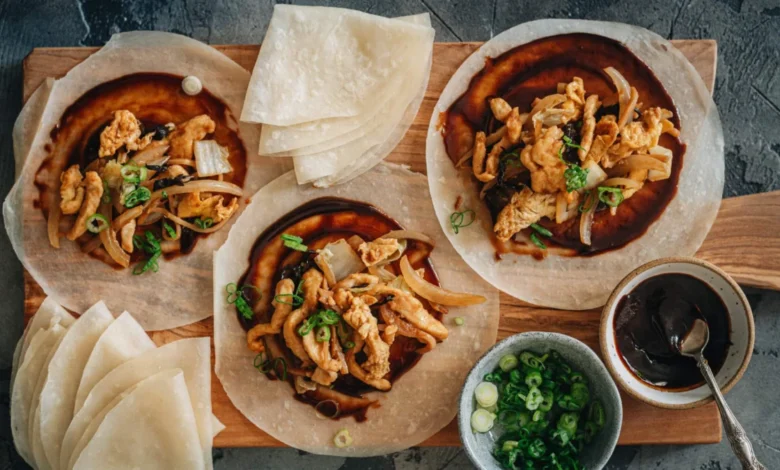
The culinary landscape of global cuisine frequently undergoes profound transformations when traditional dishes migrate across borders. Moo shu, a classic regional delicacy originating from Northern China, offers a prime example of this cross-cultural adaptation. While the authentic domestic version of the dish relies on a simple, savory stir-fry of thinly sliced pork, eggs, wood ear mushrooms, and assorted vegetables traditionally served alongside steamed rice, its Americanized counterpart evolved into something entirely distinct. In Western Chinese restaurants, moo shu is widely recognized as a festive, interactive dining experience featuring thin flour pancakes, fresh julienned vegetables, and a rich, sweet-savory bean sauce designed for wrapping and rolling.
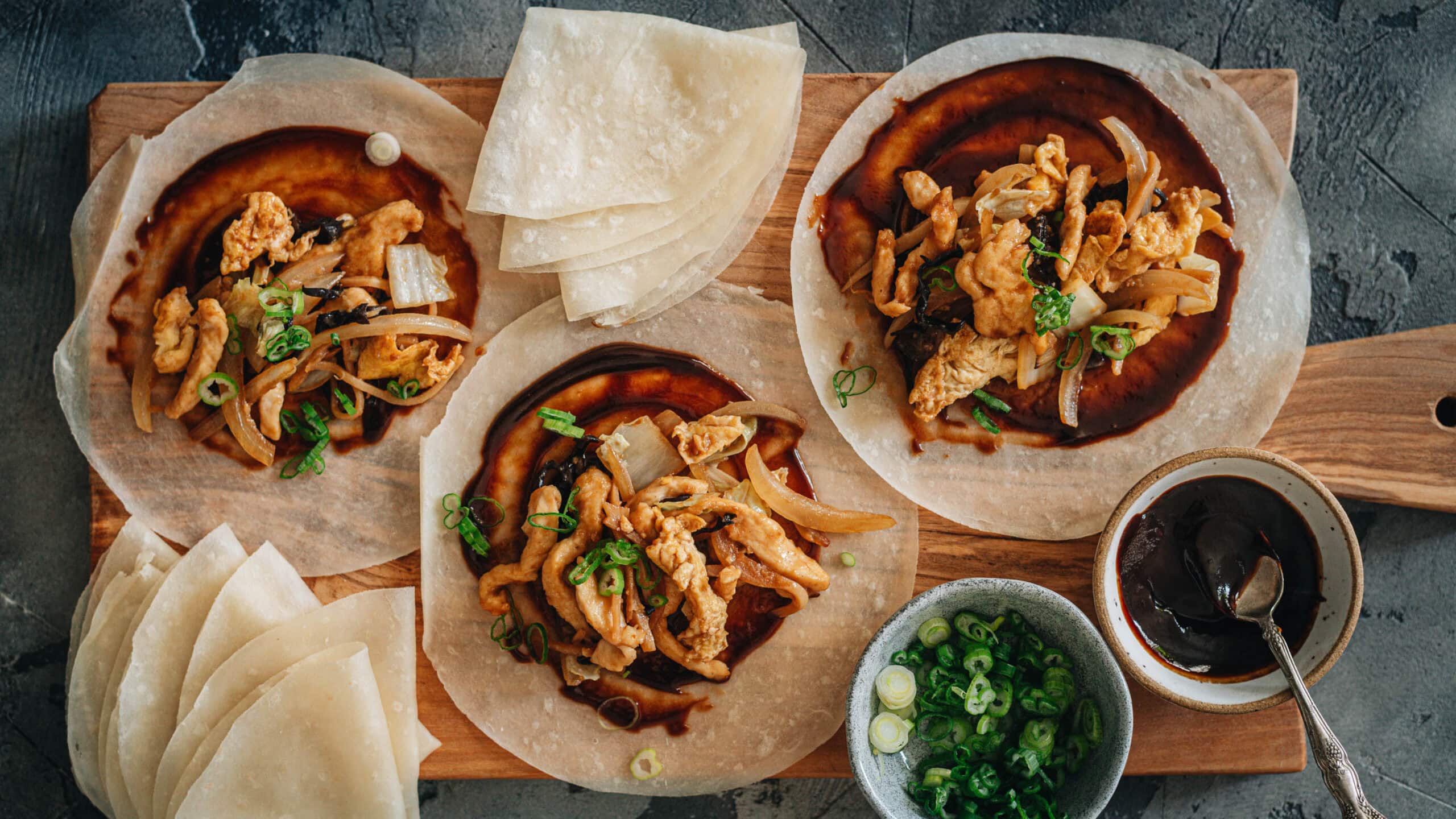
Culinary researchers and home cooking experts have increasingly sought to bridge this gap, creating hybrid recipes that honor the rustic integrity of Northern Chinese home cooking while satisfying the familiar flavor profiles popularized by international takeout culture. The development of modern iterations, such as the newly popularized Moo Shu Chicken recipe, highlights a broader trend in contemporary gastronomy: the synthesis of authentic preparation techniques with accessible, globally available ingredients.
Historical Evolution and Cultural Context
The roots of moo shu—historically recorded as muzu or mo-shi—trace back to the Shandong province in Northern China. Traditionally, the dish was defined by its use of local, seasonal ingredients, capitalizing on the region’s agricultural output. The inclusion of wood ear mushrooms (Auricularia auricula-judae), a staple of Chinese mycology valued for both its medicinal properties and its distinct cartilaginous crunch, was non-negotiable in traditional preparations.
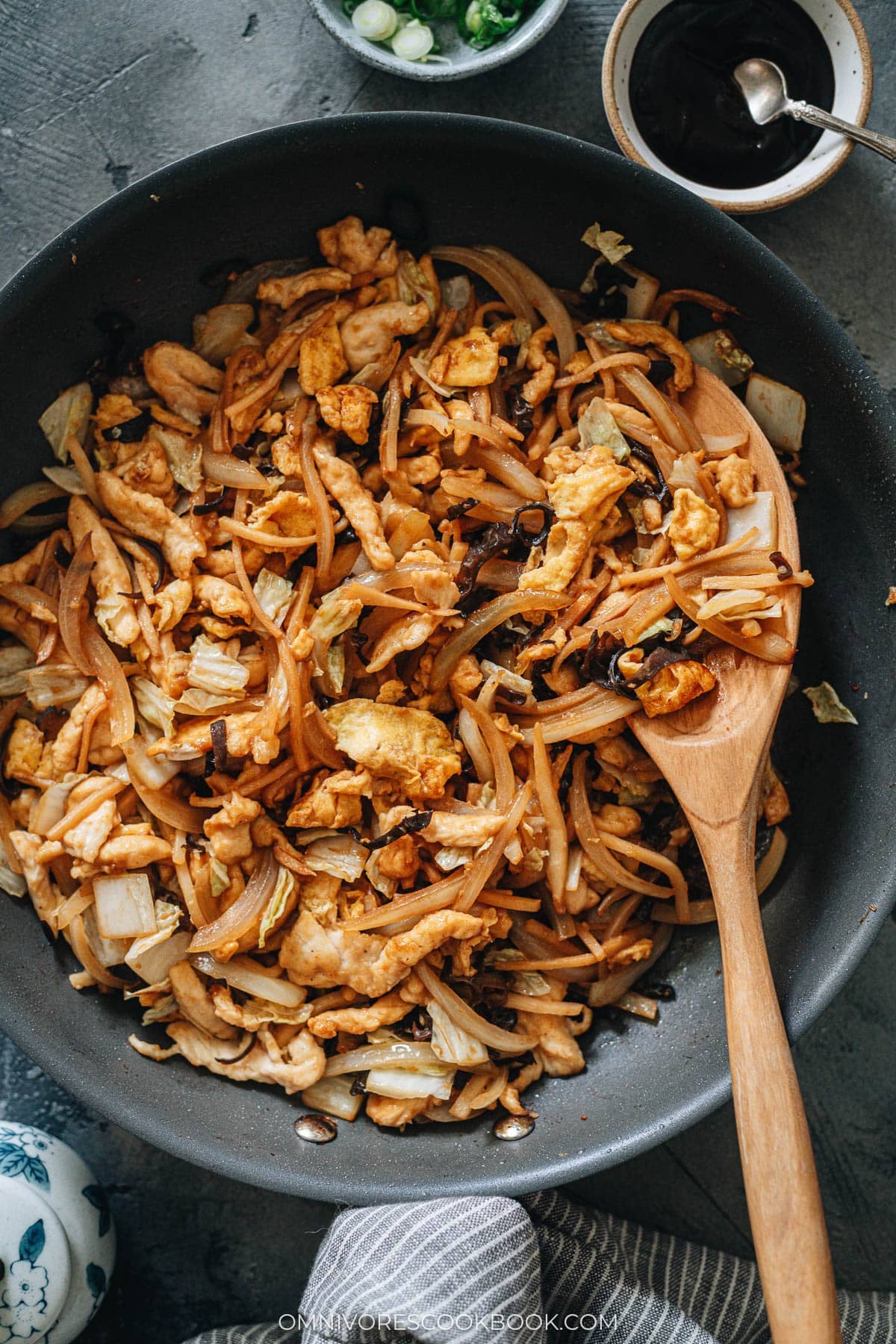
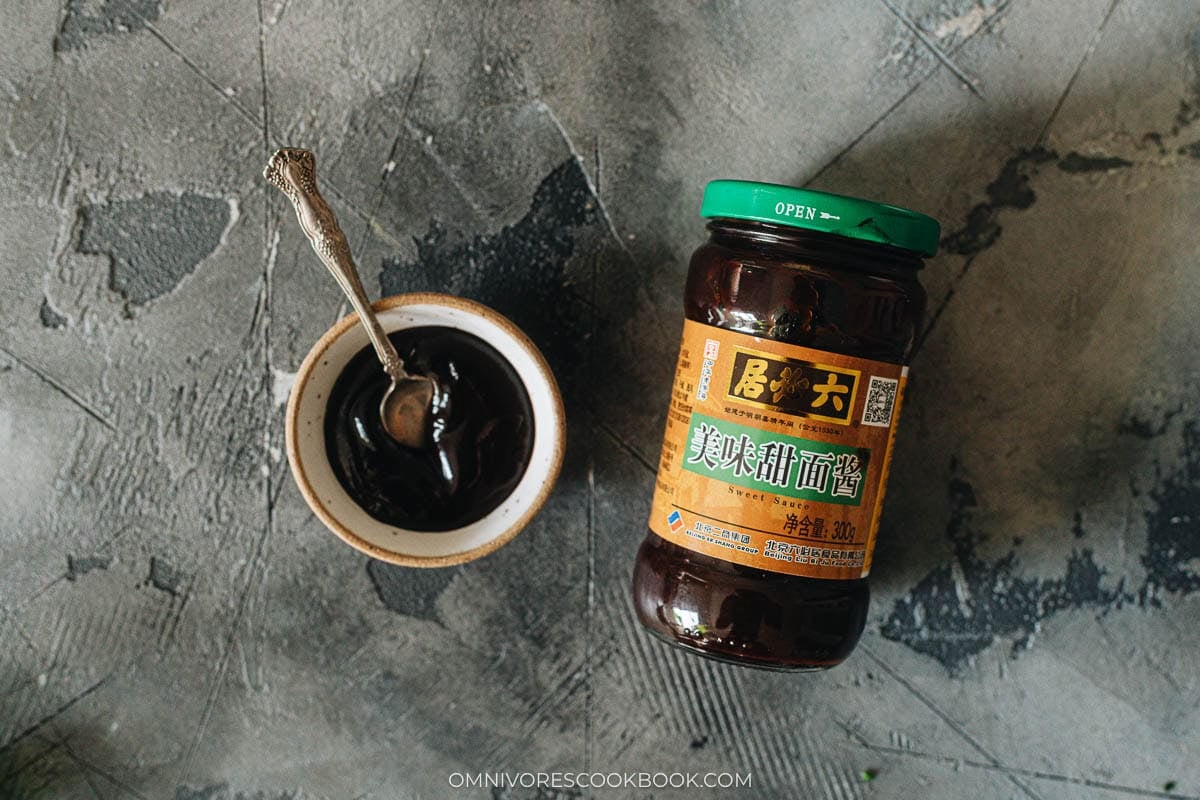
When Chinese immigrants established communities in North America during the 19th and 20th centuries, traditional ingredients were frequently substituted or adapted based on local availability. The introduction of moo shu pork to American menus in the mid-20th century marked a significant pivot. To appeal to Western palates accustomed to handheld or communal dining styles akin to Mexican fajitas or Peking duck, restaurateurs introduced thin wheat-flour wrappers—often referred to as duck pancakes or moo shu wrappers—alongside potent condiments like hoisin sauce and sweet bean sauce (Tian Mian Jiang).
Over the decades, poultry replaced pork in many household and restaurant kitchens due to dietary preferences, health consciousness, and shorter cooking times. This evolution transformed moo shu from a regional peasant stir-fry into a globally recognized benchmark of Chinese-American comfort food.
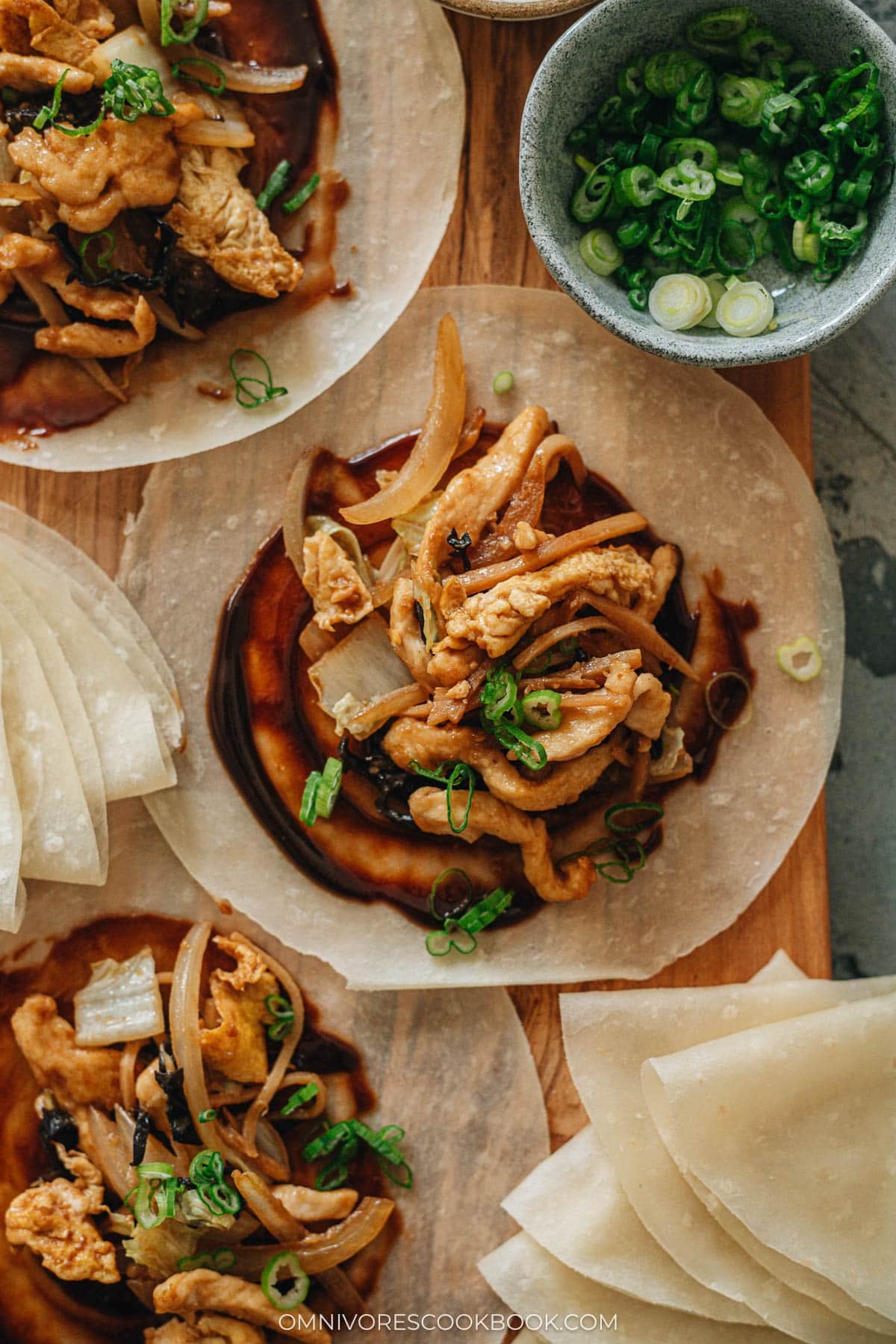
Culinary Anatomy: Ingredients and Preparation Methodology
The successful execution of an elevated moo shu dish relies heavily on ingredient segmentation, precise knife skills, and strict temperature control. Modern culinary formulations generally divide the process into three distinct components: the protein and its marinade, the aromatic and vegetable base, and the finishing sauce.
The Protein and Tenderization Process
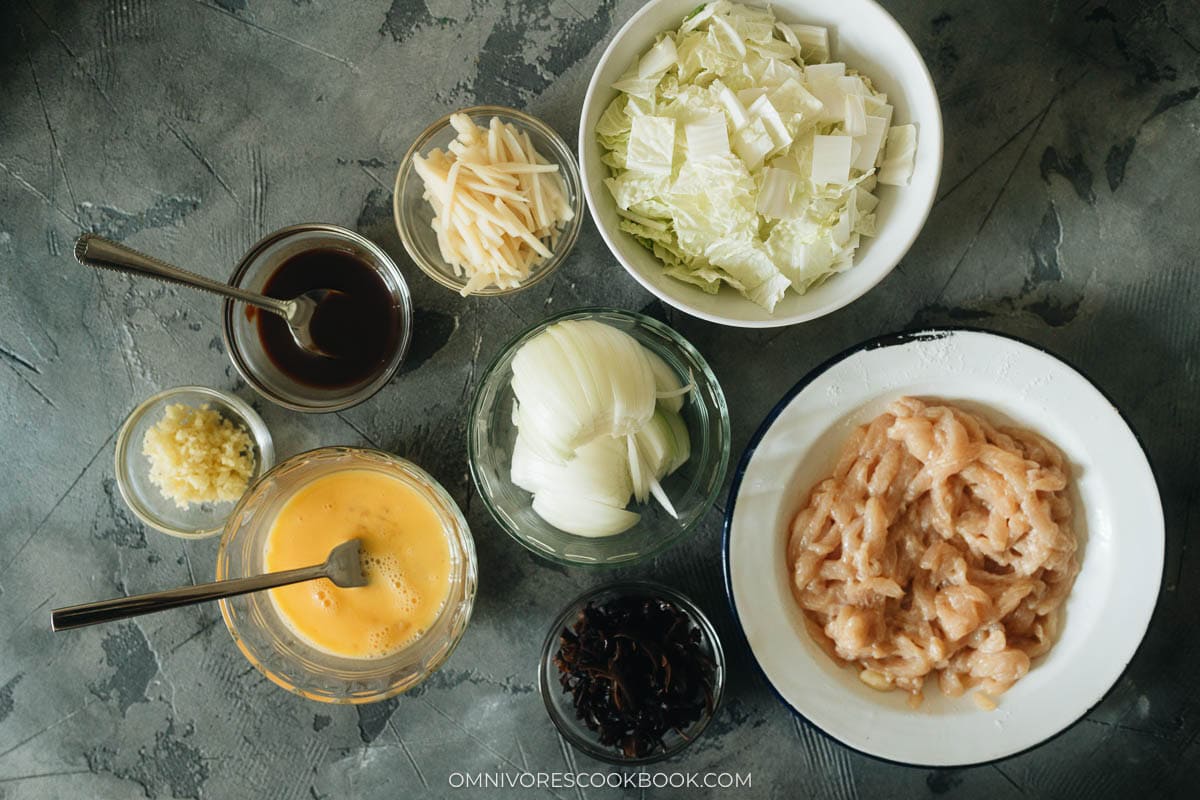
Utilizing chicken breast or boneless, skinless chicken thighs, the meat is sliced thinly against the grain to shorten muscle fibers and ensure tenderness. A brief chemical tenderization process—standard in professional Chinese kitchens—involves marinating the poultry strips in Shaoxing rice wine, a pinch of salt, white pepper, and cornstarch. The addition of sesame oil at the final stage of marinating coats the protein, preventing the strips from sticking together when introduced to high-heat cooking surfaces.
The Sauce Dynamics
The distinct flavor profile of moo shu is anchored by Tian Mian Jiang (sweet bean sauce), a thick, fermented paste traditionally derived from wheat flour or soybeans. In regions where authentic Northern Chinese sweet bean sauce is unavailable, culinary alternatives such as Hoisin sauce or a balanced blend of oyster sauce and brown sugar are frequently utilized. Nutritional analyses indicate that incorporating fermented bean pastes not only contributes deep umami profiles but also introduces natural probiotics and amino acids inherent to traditional East Asian fermentation practices.
Vegetable Integration
The textural complexity of the dish depends on a precise ratio of crisp-tender vegetables. Rehydrated wood ear mushrooms provide an elastic, resilient crunch that contrasts sharply with the soft, fluffy texture of scrambled eggs. Standard vegetable additions include shredded Napa cabbage, bamboo shoots, and yellow onions, which offer high water content and natural sugars that caramelize rapidly under high-heat stir-frying conditions.
Chronological Workflow and Execution Timeline
Achieving restaurant-quality results within a compressed home-cooking timeframe requires an optimized, step-by-step assembly line:
- Rehydration (Minutes 0–15): Dried wood ear mushrooms are submerged in warm water to reconstitute, expanding to several times their original volume before being trimmed and julienned.
- Marinade Phase (Minutes 10–25): The poultry is sliced, seasoned with Shaoxing wine, aromatics, and cornstarch, and allowed to rest. Concurrently, the sweet bean sauce is whisked into a smooth emulsion.
- Flash-Cooking Proteins (Minutes 25–28): In a preheated nonstick skillet or wok over medium-high heat, the marinated chicken strips are seared rapidly for approximately two minutes until just cooked through, then transferred to a holding plate to retain juiciness.
- Egg Integration (Minutes 28–30): Beaten eggs are quickly scrambled in the residual pan fats, removed, and reserved alongside the chicken.
- Aromatic Sautéing and Vegetable Crisp-Cooking (Minutes 30–35): Sliced onions, minced ginger, bamboo shoots, cabbage, and the prepared wood ear mushrooms are flash-cooked over high heat for two minutes to maintain structural rigidity and nutritional integrity.
- Final Amalgamation (Minutes 35–40): The cooked proteins and eggs are reintroduced to the pan, coated evenly with the savory-sweet bean sauce, and served immediately alongside warmed wheat pancakes or steamed white rice.
Nutritional Profile and Health Implications
From a dietary perspective, modern adaptations of moo shu chicken offer distinct advantages over traditional heavy takeout fare. Standard nutritional breakdowns per single-serving portion indicate an average caloric load of approximately 232 kilocalories, accompanied by 16 grams of protein, 15.2 grams of total fat (primarily unsaturated), and 8.2 grams of carbohydrates.
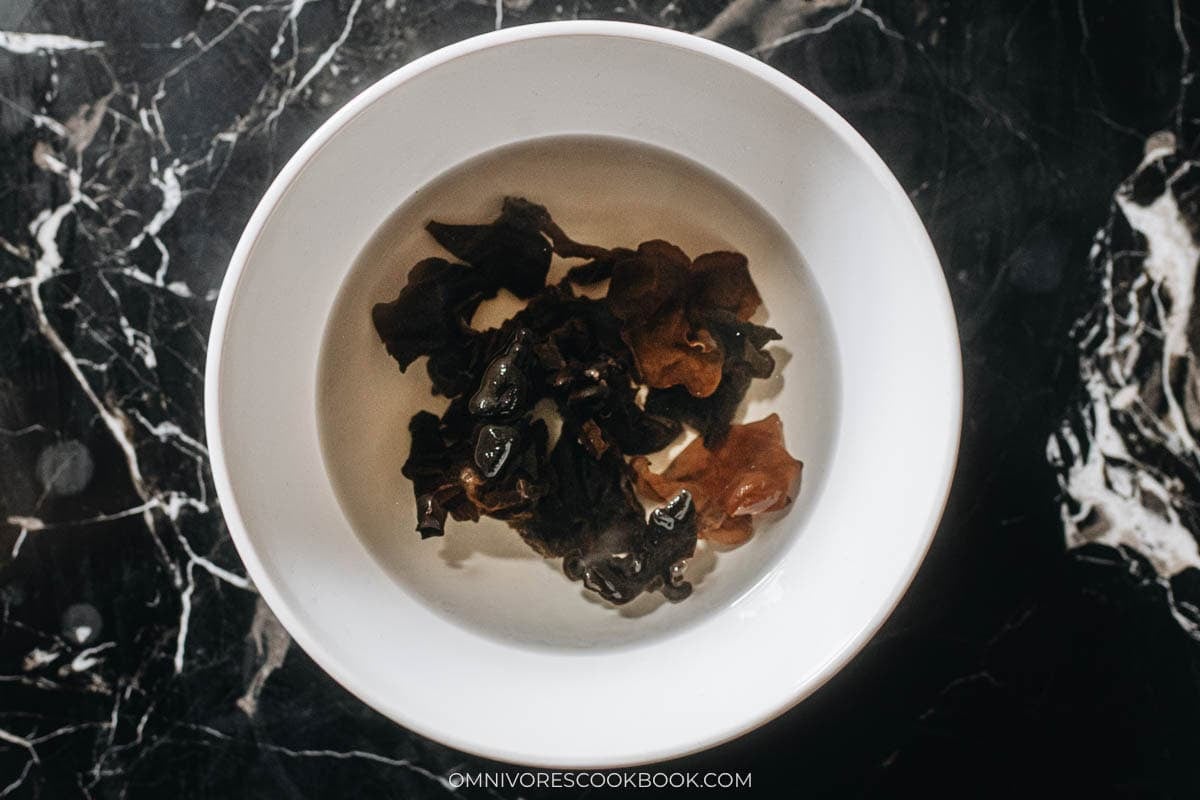
The inclusion of fiber-dense vegetables such as Napa cabbage and bamboo shoots contributes essential micronutrients, while wood ear mushrooms are recognized in nutritional science for their high iron, potassium, and dietary fiber content. Furthermore, because the cooking methodology relies on rapid flash-frying rather than deep-fat immersion, the dish maintains a balanced macronutrient profile suitable for diverse dietary regimens.
Broader Industry Impact and Economic Analysis
The persistent popularity of hybrid dishes like moo shu chicken underscores shifting consumer behaviors within the global food and beverage sector. As international travel restrictions fluctuated and home-cooking engagement surged following global supply chain disruptions, consumers increasingly sought recipes that replicated restaurant-quality sensory experiences using supermarket-accessible ingredients.
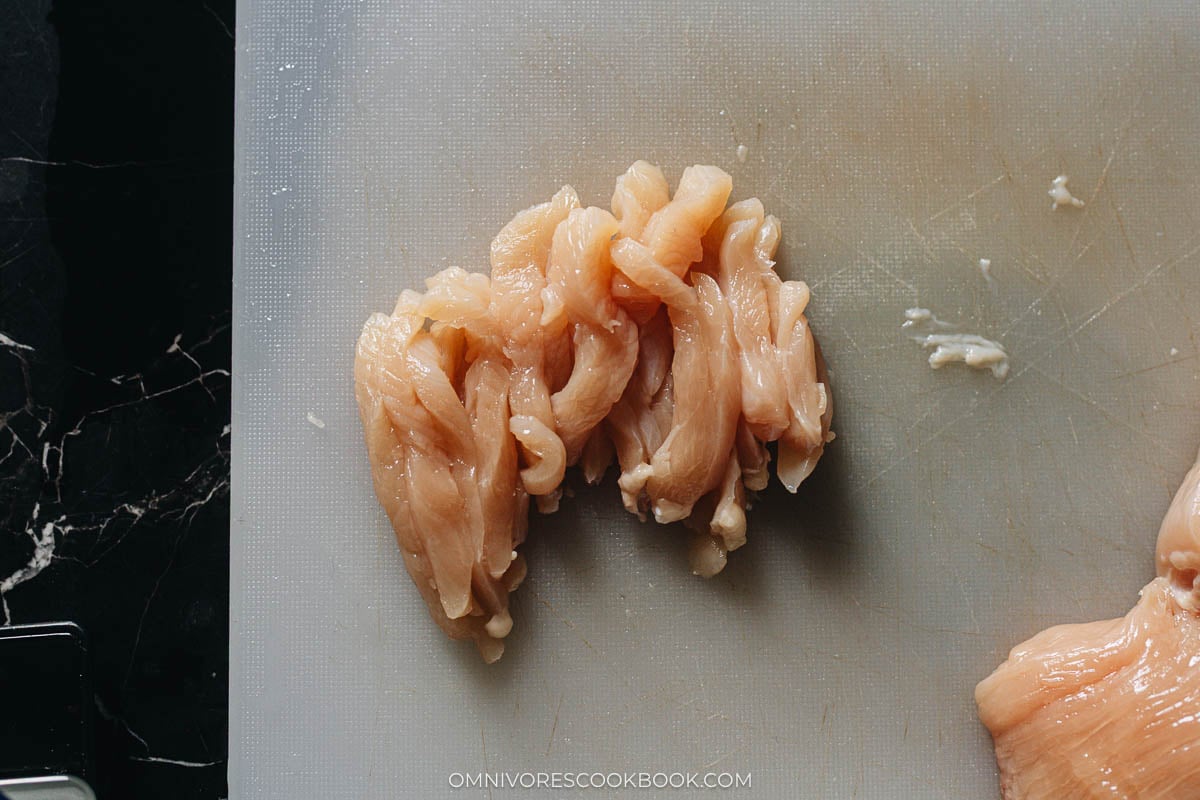
Culinary economists note that recipes requiring fewer than 40 minutes from preparation to consumption capture significant market share among urban professionals and families seeking efficient weeknight meal solutions. By demystifying traditional techniques—such as meat-velveting via cornstarch and grain-cutting—home-cooking platforms continue to drive demand for specialty Asian pantry staples, including Shaoxing wine, wood ear mushrooms, and authentic fermented bean pastes, expanding their presence in mainstream grocery retail networks.
Related posts: