Restaurant News Bites: Disappearing Restaurant Experiences, Discontinued Fast Food Burgers, Grandma-Core, and More!

The landscape of the modern dining industry is undergoing a period of rapid transformation as of late 2026, driven by shifts in labor economics, changing consumer preferences, and the integration of advanced operational technology. From the phasing out of labor-intensive tableside service to the evolution of fast-food value strategies, restaurant operators are recalibrating their business models to survive in an era of thin margins and heightened competition.
The Erosion of Traditional Tableside Service
For decades, tableside preparation—the practice of finishing dishes like Caesar salad, steak Diane, or flaming desserts directly in the dining room—was the hallmark of high-end hospitality. However, a recent industry analysis indicates that these traditions are rapidly disappearing. The primary catalyst for this shift is the ongoing labor shortage and the resulting increase in operational costs.
Tableside service requires highly trained, specialized staff and significant time commitments per table, which conflicts with modern efficiency standards. As restaurants struggle to maintain profitability, the priority has shifted toward maximizing table turnover rates. Furthermore, the logistical challenge of maneuvering service carts through crowded dining rooms, combined with the difficulty of maintaining consistent food safety and quality during manual preparation, has rendered these spectacles increasingly impractical for all but the most exclusive, high-ticket establishments.
Fast Food: From Value Wars to Quality Focus
The third quarter of 2026 marked a strategic pivot point for the fast-food industry. For years, major chains engaged in aggressive price wars, utilizing deep discounts and bundled meal deals to secure market share. Data now suggests that this strategy has reached a point of diminishing returns. As inflation has driven the cost of a typical combo meal from an average of $3–$5 in the early 2000s to a range of $9–$16 today, consumers are increasingly prioritizing ingredient quality over sheer affordability.
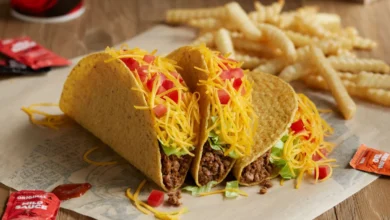
Consequently, industry leaders are moving away from the "value menu" obsession, opting instead to invest in premium ingredients and product innovation. This transition is not without its casualties. Many legacy menu items—once staples of the fast-food experience—have been permanently retired to make room for cleaner, more modern menus. The loss of items such as the McDonald’s Arch Deluxe or the Taco Bell Bell Beefer serves as a reminder of the industry’s willingness to prune its history in pursuit of a more streamlined, profitable future.
The Rise of Grandma-Core Dining
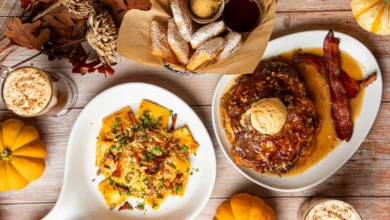
Amidst this shift toward technical efficiency, a counter-movement has emerged in the culinary world: "Grandma-core." This trend emphasizes a return to slow-cooked, unpretentious, and deeply nostalgic comfort foods. Unlike the complex molecular gastronomy that dominated the early 2020s, Grandma-core focuses on the emotional connection to food.
Industry analysts suggest that this shift is a psychological response to the high-tech, fast-paced nature of contemporary life. By highlighting recipes that evoke the feeling of a home-cooked meal, restaurants are finding success by offering a sense of "genuine care." This trend is particularly evident in independent, family-run establishments that rely on legacy recipes, providing a stark contrast to the standardized offerings of national chains.

Globalized Menus and the McFlurry Phenomenon
While domestic menus in the United States are being streamlined, international fast-food markets continue to experiment with hyper-localized flavors. The McDonald’s McFlurry serves as a prime case study in regional adaptation. While American consumers are largely limited to standard Oreo or M&M mix-ins, global markets—including Japan, South Korea, and various European nations—regularly feature innovative, culturally significant flavors such as matcha, strawberry, and local pastry integrations. This disparity highlights the potential for U.S. chains to leverage global R&D to excite a maturing domestic customer base that is increasingly well-traveled and culturally curious.
Technology, Loyalty, and the Administrative Burden
The backend of the restaurant industry is currently experiencing a technological revolution aimed at mitigating the costs of errors and inefficiencies. A primary concern for operators is the management of food recalls and inventory. When a recall occurs, the financial impact often extends far beyond the disposal of tainted product; it encompasses complex invoice reconciliation and administrative labor. Modern, integrated accounting software that links inventory management to procurement is proving essential in recovering supplier credits and maintaining margins.
Parallel to this, the proliferation of restaurant loyalty programs has created a new layer of complexity for both operators and consumers. A report on the "State of Loyalty" reveals a significant gap between the perceived value and actual utility of these programs. While some chains offer high-velocity rewards, others require significant spend thresholds that discourage the average diner. The challenge for brands is to ensure these programs foster genuine loyalty rather than simply adding to the "digital clutter" on a customer’s smartphone.
The Human Element in a Digital Age
Despite the push for automation, the role of human-to-human interaction remains a contentious topic. The debate over whether restaurants should maintain a live person to answer phone calls highlights the tension between cost-cutting and customer experience. While automated systems can effectively handle FAQs and booking, they often fail to address the nuance of special requests or unique guest concerns. Data suggests that the presence of a human voice is still a critical touchpoint for guest satisfaction, serving as a primary indicator of a restaurant’s commitment to hospitality.
Sustainable Business Models: The Worker-Owned Future
As the industry grapples with labor turnover, the model adopted by the Newport Restaurant Group offers an alternative path. By operating as a fully employee-owned entity, the group has managed to pay out over $33 million to its workforce since 1995. This structure effectively aligns the incentives of the staff with the success of the business, leading to increased retention and long-term stability. As private equity investment in the restaurant sector faces increasing scrutiny, the worker-owned model is being viewed as a potential blueprint for sustainable, community-focused growth.
Regional Culinary Identity and Cultural Preservation
The preservation of regional culinary history continues to be a point of differentiation for local restaurant scenes. Oklahoma City, for example, has leaned into its history, promoting the "onion burger"—a depression-era invention designed to maximize flavor and bulk with minimal meat—as a symbol of its cultural identity. By framing these simple, historical dishes as premium, heritage-led experiences, local scenes are successfully resisting the homogenization of the national restaurant market.
Conclusion: A New Era of Dining
The restaurant industry in late 2026 is defined by a dichotomy: the aggressive pursuit of technological efficiency and the simultaneous search for traditional, human-centric connection. As chains continue to scale back on non-essential services and focus on quality, the gaps in the market are being filled by independent operators and unique business models that prioritize employee ownership and historical authenticity. For the modern diner, navigating this environment requires an awareness of these underlying trends, from the design psychology behind a menu to the economic reality of the loyalty points they collect. Ultimately, the restaurants that will succeed are those that manage to balance the demands of the bottom line with the fundamental human need for connection, comfort, and, above all, a memorable meal.