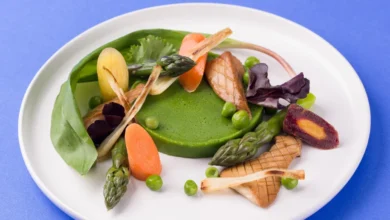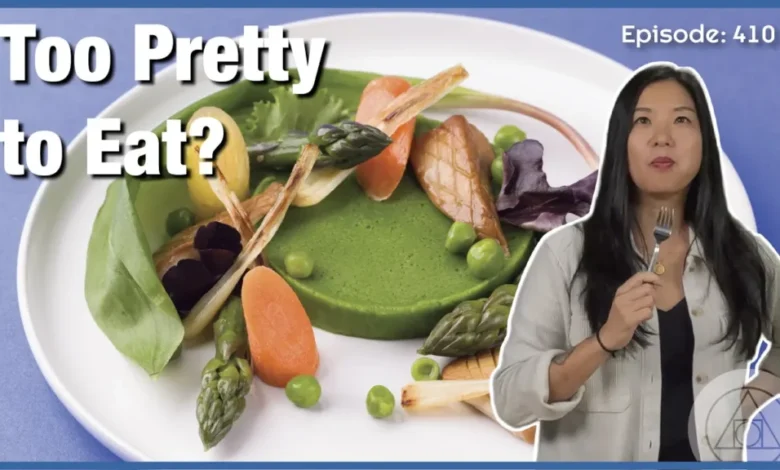
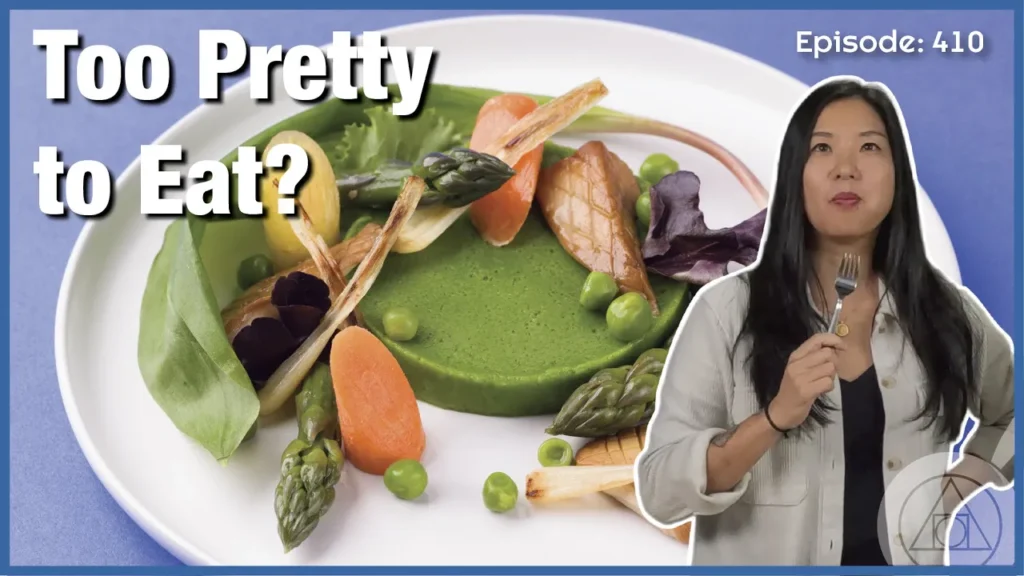
The culinary landscape has witnessed a significant shift toward the integration of modernist techniques in domestic kitchens, a trend epitomized by the recent release of the 410th episode of the series "We Transform Food." Produced by Modernist Pantry, the latest installment focuses on the technical deconstruction of a traditional Italian dessert, the panna cotta, and its radical repurposing into a savory, vegetable-forward appetizer. By utilizing hydrocolloids and plant-based gelling agents, the recipe challenges the conventional binary between dessert and salad, offering a case study in the application of food science to contemporary gastronomy.
The Evolution of the Panna Cotta Concept
Historically, panna cotta—which translates literally to "cooked cream"—is a quintessential Piedmontese dessert made by simmering cream, sugar, and gelatin. Its simplicity is its defining feature, relying on the structural integrity of animal-derived gelatin to achieve a characteristic "wobble." However, the "Secret of Spring Pea Panna Cotta Salad" represents a departure from this dairy-heavy legacy.
In this iteration, the traditional heavy cream is replaced with a pea-infused emulsion, and animal gelatin is substituted with vegan-friendly stabilizers. This adaptation reflects a broader industry move toward inclusive, plant-based luxury dining. By incorporating the verdant, sweet flavor profile of spring peas, the dish shifts the panna cotta from the end of a meal to its beginning, positioning it as a structural centerpiece for a composed salad.
Technical Methodology and Ingredient Science
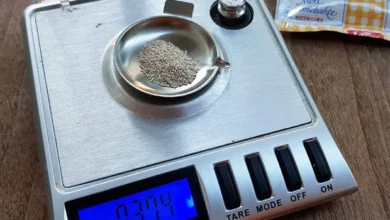
The transformation of the pea panna cotta relies heavily on the precise measurement of hydrocolloids. Modernist cooking—a field popularized by publications such as Modernist Cuisine—utilizes tools like precision scales and immersion circulators to ensure consistency.
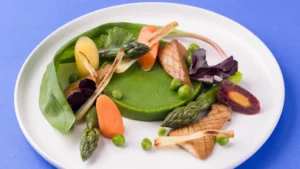
The process involves blanching fresh peas to preserve their vibrant chlorophyll-rich color and then processing them into a fine puree. This puree is then stabilized. In professional kitchens, this often involves the use of gelling agents like agar-agar, gellan gum, or carrageenan, depending on the desired texture. These agents allow the pea puree to set into a firm yet delicate structure that can withstand the weight of accompanying ingredients such as sautéed mushrooms, shaved asparagus, and micro-herbs. The result is a texturally complex dish that maintains the visual elegance of a dessert while providing the savory nutritional profile of a spring vegetable salad.
A Chronology of Modernist Culinary Adoption
The rise of "We Transform Food" as a pedagogical platform mirrors the democratization of modernist techniques. Since its inception, the series has tracked the following trajectory:
- Early 2010s: The emergence of modernist cooking as a high-end restaurant phenomenon, characterized by the use of liquid nitrogen, centrifuges, and obscure chemical additives.
- Mid-2010s: The normalization of sous-vide and hydrocolloid usage in home kitchens, fueled by the accessibility of affordable immersion circulators and ingredient kits.
- Late 2010s to Early 2020s: A focus on "Clean Label" modernist cooking, where chefs and home cooks seek plant-based, natural alternatives to synthetic gelling agents.
- 2024: The current era, where the blending of savory and sweet techniques—as seen in the Spring Pea Panna Cotta—has become a hallmark of creative menu development.
The 410th episode serves as a benchmark for this progression, demonstrating that complex chemistry can be reduced to manageable steps for the home enthusiast.
Data and Nutritional Implications
From a nutritional perspective, the transition from a dairy-based panna cotta to a vegetable-based one represents a significant decrease in saturated fat and an increase in dietary fiber. Standard cream-based panna cotta is calorie-dense, whereas a pea-based version leverages the natural sugar and protein content of legumes.
According to data from the USDA FoodData Central, green peas contain approximately 5.4 grams of protein and 5.7 grams of fiber per 100 grams. When processed as a base for a panna cotta, these nutrients remain largely intact, provided the cooking temperature does not exceed the degradation point of heat-sensitive vitamins. The inclusion of asparagus and mushrooms further enhances the dish’s micronutrient profile, providing essential vitamins K and B, as well as minerals such as selenium and potassium.
Perspectives from the Culinary Industry
While some traditionalists may argue that the term "panna cotta" should be reserved for the dairy-based original, industry experts suggest that the term has evolved into a structural descriptor rather than a rigid ingredient list.
"The modern palate is increasingly seeking texture over tradition," says a consultant for the Modernist Pantry. "When you remove the constraints of dairy, you open up the possibility to use the panna cotta technique as a vehicle for any flavor, from sweet fruits to savory vegetables. It is not about replacing the classic; it is about expanding the vocabulary of the plate."
This sentiment is echoed by those who view the integration of food science as a vital tool for sustainability. By moving toward plant-derived gelling agents, the industry reduces its reliance on animal-derived byproducts, which have a significantly higher carbon footprint compared to legume-based alternatives.
Broader Impact on Home Gastronomy
The release of this episode highlights a persistent trend: the "gourmetization" of the home kitchen. As viewers engage with content that utilizes ingredients once reserved for professional molecular gastronomy, the barrier between fine dining and home-cooked meals continues to thin.
The "Secret of Spring Pea Panna Cotta Salad" is not merely a recipe; it is an exercise in composition. It forces the cook to consider the interaction between the soft, yielding texture of the panna cotta and the crisp, firm texture of raw or lightly cooked spring vegetables. This focus on "mouthfeel"—a critical component of sensory science—is what elevates a standard salad to a memorable dining experience.
Challenges and Considerations
Implementing these techniques is not without its challenges. The primary obstacle for home cooks is the precision required. Unlike traditional baking, where a slight deviation in measurement might result in a denser cake, a slight error in the ratios of gelling agents can result in a panna cotta that is either too firm (rubbery) or too soft (unable to hold its shape).
Modernist Pantry addresses this by providing standardized protocols. However, the success of the dish remains dependent on the quality of the raw ingredients. Because the flavor of a pea panna cotta is so reliant on the freshness of the peas, the dish is inherently seasonal. It serves as a reminder that even with the most advanced culinary science, the quality of the final output is inextricably linked to the quality of the raw materials.
The Future of Savory Gels
Looking ahead, the techniques demonstrated in the 410th episode of "We Transform Food" are likely to see further application. As the food industry continues to explore the potential of hydrocolloids for meat substitutes and dairy alternatives, the ability to create stable, plant-based structures will become increasingly valuable.
The "Spring Pea Panna Cotta" serves as a prototype for this future. It demonstrates that the future of food is not just about what we eat, but how we engineer the experience of eating. By combining the aesthetic of classical Italian plating with the rigor of modern food science, the industry is creating a new category of "composed" vegetables that satisfy both the eye and the palate.
In summary, the 410th episode of "We Transform Food" provides more than just a recipe for a creative appetizer. It offers a window into the evolving philosophy of modern cooking, where technique, nutrition, and sustainability intersect. Whether viewed as an educational tool for the aspiring modernist cook or a creative inspiration for the professional chef, the pea panna cotta salad remains a testament to the transformative power of food science in the contemporary kitchen.