The Complex Chemistry and Craft of Coffee Extraction: Navigating Pour-Over and Immersion for the Perfect Brew

The pursuit of the perfect cup of coffee is a journey fraught with scientific complexity and artistic endeavor, a delicate balance between extracting desired flavors and avoiding undesirable compounds. Far from a simple act of pouring hot water over ground beans, coffee brewing, particularly through methods like pour-over and immersion, involves a sophisticated interplay of chemical reactions and physical parameters that determine the final beverage’s aroma, taste, and body. This intricate process, often underestimated, reveals itself as a highly dynamic system where even subtle variations can lead to dramatically different results, shaping the landscape of coffee preparation from the professional barista to the home enthusiast.
The Foundational Chemistry of Coffee Extraction
At its core, brewing coffee is an act of selective extraction, where water acts as a solvent to draw soluble compounds from ground coffee beans. A single cup of coffee contains a staggering array of chemical compounds, with concentrations spanning nine orders of magnitude. These include volatile aromatics responsible for scent, various acids contributing to brightness and complexity, bitter compounds like caffeine and chlorogenic acids, and sugars that impart sweetness. Each compound possesses a unique solubility and extraction rate, meaning some dissolve quickly, while others require more time and energy.
If all compounds extracted at the same rate, brewing would be a static process, devoid of the creativity and variation that coffee lovers cherish. Fortunately, this is not the case. The objective is rarely to achieve a maximal, "full" extraction, which would involve grinding coffee as finely as possible, steeping for extended periods, and even boiling to reach extraction yields approaching 30%. Such a method, akin to a sugar- and spice-free Turkish coffee, would produce an intensely strong brew, but not necessarily the most palatable. Instead, the goal for many is a selective extraction, where specific desirable compounds are preferentially drawn out, leading to a balanced and nuanced flavor profile. This ideal typically falls within an extraction yield range of 18-22%, a sweet spot identified by specialty coffee associations for optimal taste.
The term "even extraction" is sometimes misleadingly used to describe a good coffee. From a chemical perspective, what is often sought is an uneven extraction in terms of compound concentration, where different compounds are extracted to varying degrees, creating layers of flavor rather than a monolithic taste. The pour-over or percolation technique is widely regarded as one of the best methods to achieve this selective extraction. It is crucial to distinguish this from the historical coffee percolator, an early 19th-century invention that relies on convection to cycle heated coffee through a central tube, re-percolating it through the grounds – a method that often leads to over-extraction and bitterness dueated to repeated contact with hot water.
Pour-Over Brewing: A Symphony of Interdependent Variables
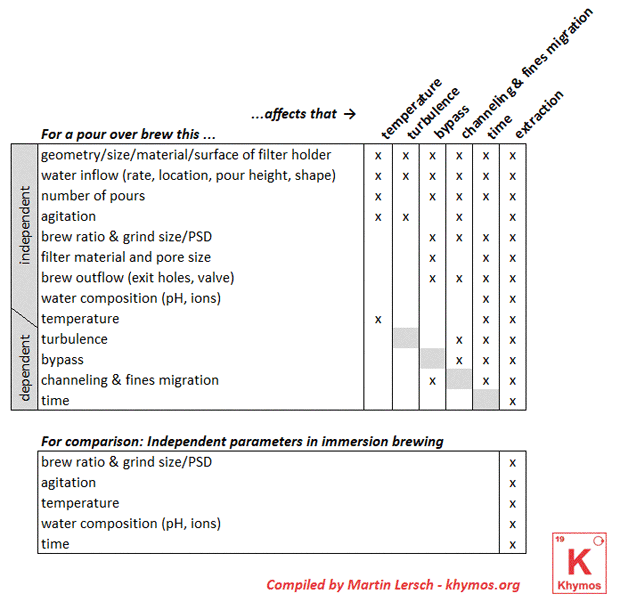
Pour-over brewing, at first glance, appears deceptively simple: hot water is poured over ground coffee, and the brew drips through a filter into a vessel via gravity. However, this seemingly straightforward process conceals a surprising number of adjustable parameters, many of which are intricately correlated. Beyond fundamental factors like brew ratio, grind size, water composition, and temperature, a host of other elements significantly influence the final cup:
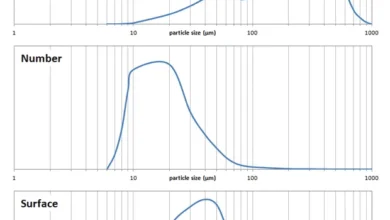
- Grind Size and Particle Size Distribution (PSD): The most critical factor, influencing the total surface area available for extraction. Finer particles increase surface area, speeding up extraction but also slowing flow rates and increasing the risk of filter clogging. An uneven PSD can lead to channeling, where water finds paths of least resistance, bypassing significant portions of the coffee bed.
- Water Chemistry: The mineral content of brewing water plays a vital role. Hardness (calcium and magnesium ions) and alkalinity (bicarbonates) affect the solubility of coffee compounds, influencing acidity, body, and overall flavor perception. Specialty coffee standards often recommend specific water profiles.
- Water Temperature: Optimal brewing temperatures typically range from 90-96°C (195-205°F). Too low, and under-extraction occurs, leading to a sour, thin taste. Too high, and over-extraction of bitter compounds can result.
- Filter Material and Pore Size: Paper filters offer a clean cup by trapping fines and oils, but can impart papery notes if not rinsed. Metal filters allow more fines and oils through, contributing to a fuller body but a less clean cup. Cloth filters offer a middle ground, but require meticulous cleaning.
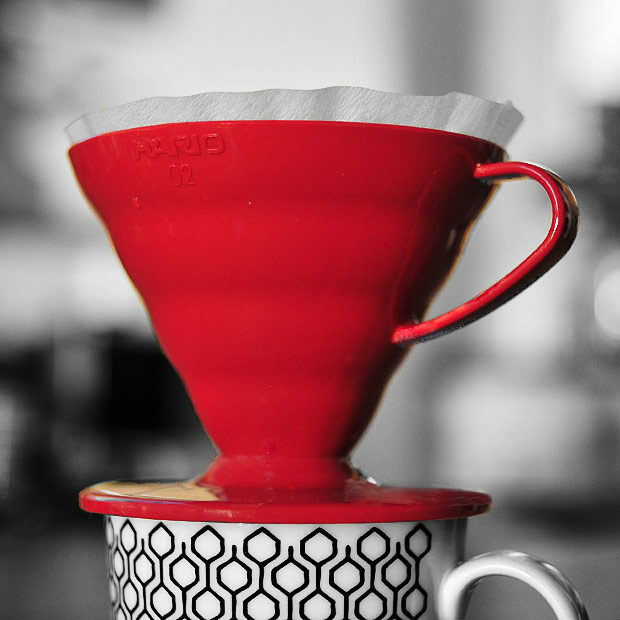
- Brewer Geometry (Shape/Design): The shape of the filter holder—cone (Hario V60), trapezoid (Melitta), or flat-bottom (Kalita Wave)—dictates the coffee bed’s geometry. A tall, narrow bed ensures greater contact time but slower flow, while a flat, wide bed allows faster flow but risks channeling.
- Inside Wall Surface: The presence of ridges or patterns on the inner walls of a pour-over cone prevents the wet filter paper from adhering completely, allowing coffee to flow through the sides of the filter. A smooth surface, as seen in the Chemex, forces all liquid through the bottom, significantly reducing bypass.
- Inflow Control: The method of pouring water is critical. Goose-neck kettles facilitate precise, controlled pouring, minimizing disturbance to the coffee bed and promoting even saturation. Accessories like the Gabi Dripmaster B or Melodrip distribute water evenly across the coffee bed, preventing channeling and ensuring a perfectly flat bed, though some designs may lead to temperature loss.
- Exit Holes and Outflow Control: The number and size of exit holes, along with the filter holder’s internal design, dictate the overall flow rate. Single large holes (V60) promote faster flow, while multiple smaller holes (Kalita Wave) or a restricted opening (Chemex neck) slow it down. Some brewers, like the Clever Dripper or Hario Switch, incorporate a valve to completely stop or restrict flow, enabling an initial immersion phase before percolation, offering greater control over contact time.
- Bypass: This refers to water that flows around, rather than through, the coffee bed, effectively diluting the brew without contributing to extraction. It’s a significant factor in pour-over complexity. Designs with internal ridges or folded filters inherently allow for some bypass. Minimizing bypass is often a goal for maximizing extraction efficiency and flavor concentration, a concept highlighted by coffee scientists like Jonathan Gagné. The ideal, from an extraction standpoint, is for the coffee bed itself to be the primary restrictor of water flow, not the equipment, unless an intentional valve is present. This is why cylindrical filter holders with filters situated entirely below the coffee bed (like the Aeropress, Tricolate, or even a Büchner funnel) are lauded for their bypass-free extraction.
The intricate correlations among these parameters—for instance, finer grinds increasing contact time but also raising the risk of clogging and bypass—underscore the immense complexity of pour-over brewing. The sheer volume of YouTube tutorials and specialized equipment on the market testifies to this complexity, yet also to the method’s enduring popularity among professional and home baristas seeking unparalleled control over their brew.
The Evolution of Coffee Brewing Equipment: A Century of Innovation
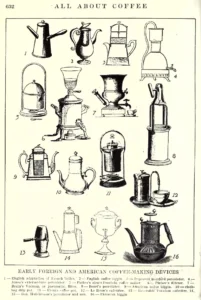
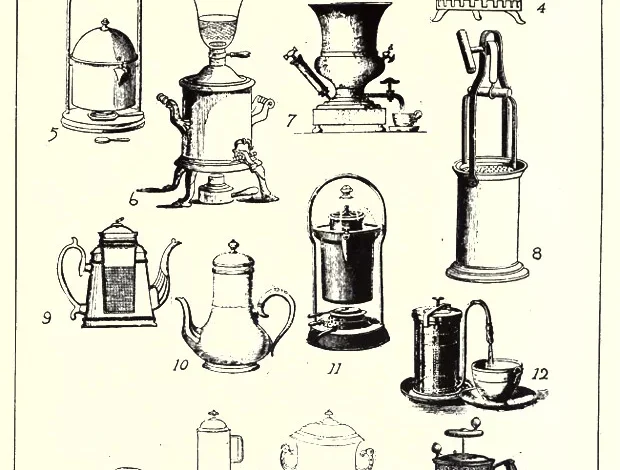
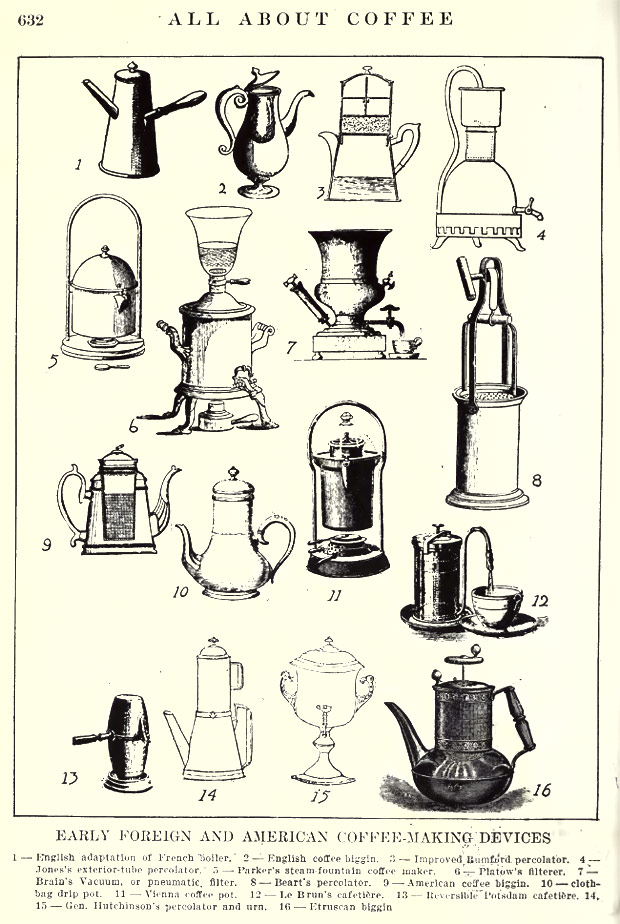
The quest for the ideal coffee maker is not a modern phenomenon. Historical records, such as W. A. Ukers’ monumental 1922 work, "All About Coffee," illustrate a rich history of invention and refinement in coffee brewing devices. Early percolators, drip pots, and siphon brewers laid the groundwork for the diverse array of equipment available today. The modern specialty coffee movement has accelerated this innovation, with countless designers and manufacturers striving to "untie the coffee knot"—to solve the inherent challenges of extraction and consistency.
From the iconic Hario V60, first introduced in 2004, to the flat-bottomed Kalita Wave and the elegantly simple Chemex, each brewer offers a distinct approach to managing flow, temperature, and extraction dynamics. Materials vary widely, from heat-retaining ceramic and durable plastic (like the polypropylene Hario V60, favored for its thermal stability and sturdiness over fragile glass or conductive metal) to vacuum-insulated metal (Stagg X/XF) designed to minimize heat loss during brewing. The design choices, such as the number of exit holes or the presence of internal ridges, are not arbitrary; they are deliberate attempts to optimize specific aspects of the brewing process, from mitigating clogging to controlling bypass.
Immersion Brewing: The Pursuit of Repeatability and Robustness
While pour-over offers unparalleled control, its complexity introduces unintended variations that can lead to inconsistent results and fuel "coffee preparation myths." For those prioritizing repeatability and a foolproof method, immersion brewing presents a robust alternative. In this technique, all the coffee grounds are steeped in water for a predetermined time, typically with an initial stir to ensure full saturation and gas release. After steeping, the brew is separated from the grounds by filtration.
Immersion brewing is inherently more forgiving. Two individuals following the same recipe are far more likely to produce similar results compared to pour-over, making it a favorite for those seeking consistent quality without constant vigilance. Pressure filtration methods, like the French press or Aeropress (when used inverted), are common within immersion brewing. A significant advantage is that brewing time can be largely controlled independently of grind size. As extraction time increases, so do Total Dissolved Solids (TDS) and Extraction Yield (EY), eventually leveling off as an equilibrium between the coffee brew and grounds is approached.
Despite longer contact times, immersion brewing remains selective. The coarser grind sizes typically employed and the natural temperature drop during steeping mean that the extraction profile differs from a full-spectrum "extract all" approach. This often results in a wonderfully balanced cup. Further variation can be achieved by adjusting steep time, grind size, and brew ratio.
The French press, characterized by its relatively coarse metal mesh filter, allows a significant amount of fines and oils to pass into the cup. These fines contribute to the beverage’s distinctive body and texture, often leaving a noticeable sediment. While many appreciate this mouthfeel, the extended contact with fines can also introduce undesired bitterness. For a cleaner, brighter cup, filtering French press coffee through a paper filter post-brew is a highly recommended experiment, demonstrating the impact of fine particle removal on flavor and clarity. However, even filtered immersion coffee can sometimes be perceived as "muted" compared to the vibrancy achieved through optimized pour-over.
The Unifying Quest: Bridging Complexity and Consistency
The dichotomy between pour-over’s intricate control and immersion’s robust simplicity highlights a fundamental tension in coffee brewing. The pursuit of "the very best cup of coffee we have ever tasted" is a driving force, inspiring both meticulous scientific inquiry and passionate experimentation. The iconic scene from "Breaking Bad" where Gale Boetticher meticulously explains his elaborate coffee extraction setup to Walter White perfectly encapsulates this longing for perfection, blending chemistry with an almost obsessive dedication.
The vast array of coffee makers and brewing techniques available today reflects this ongoing quest. Whether it’s the precision of a multi-parameter pour-over or the dependable consistency of an immersion brew, each method offers a unique pathway to unlocking coffee’s complex flavors. Understanding the underlying chemistry and the interplay of brewing variables empowers coffee enthusiasts to move beyond anecdotal "myths" and engage with coffee preparation as both a science and an art. Future innovations will undoubtedly continue to refine our ability to control extraction, bringing us ever closer to that elusive, perfect cup, a testament to humanity’s enduring fascination with this globally cherished beverage.