Steamed Ribs with Sticky Rice: A Deep Dive into Cantonese Comfort Food and Culinary Heritage

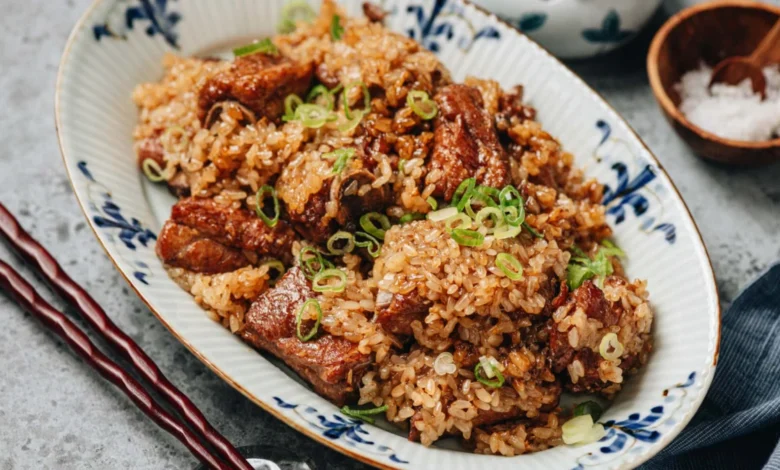
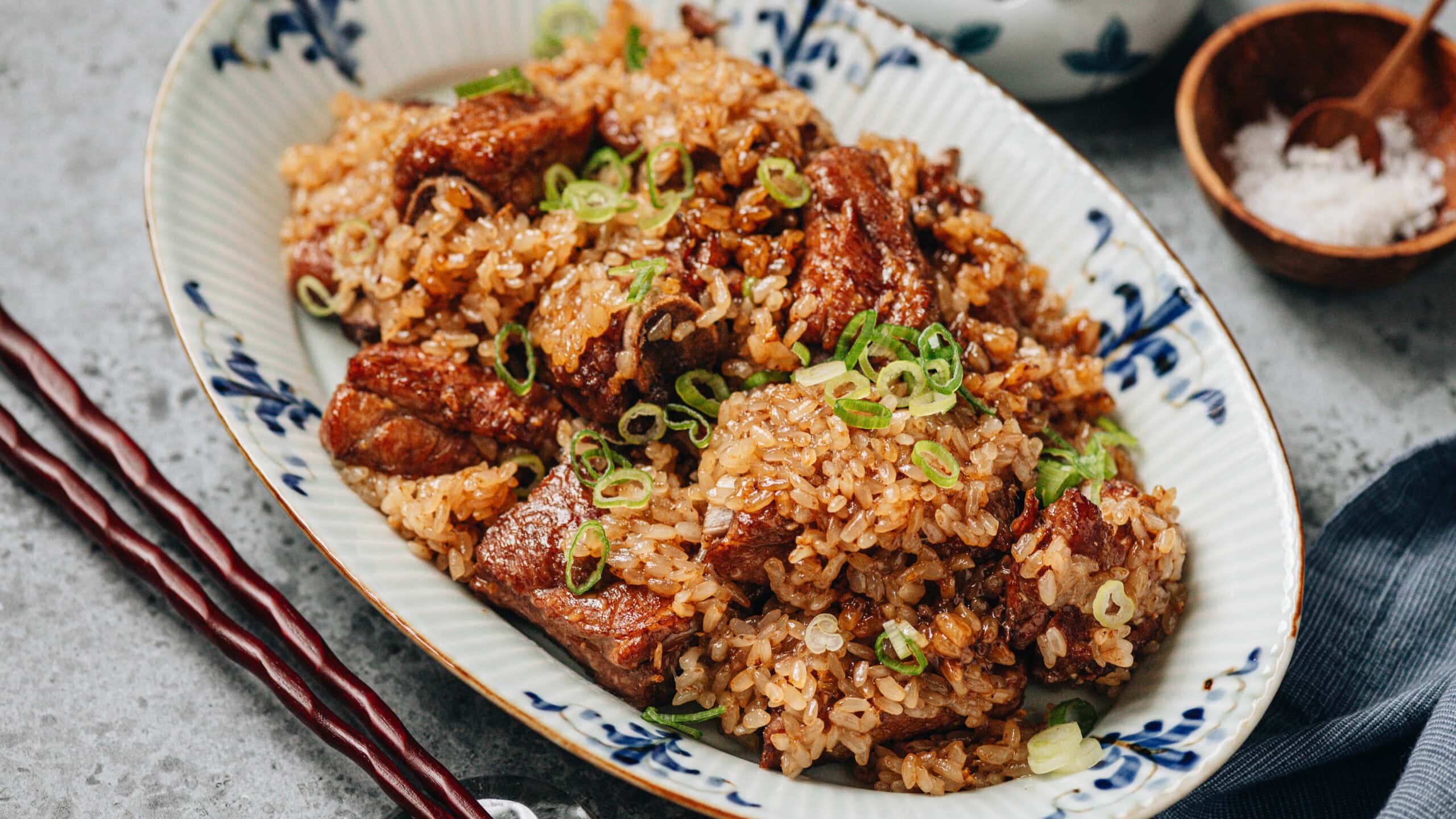
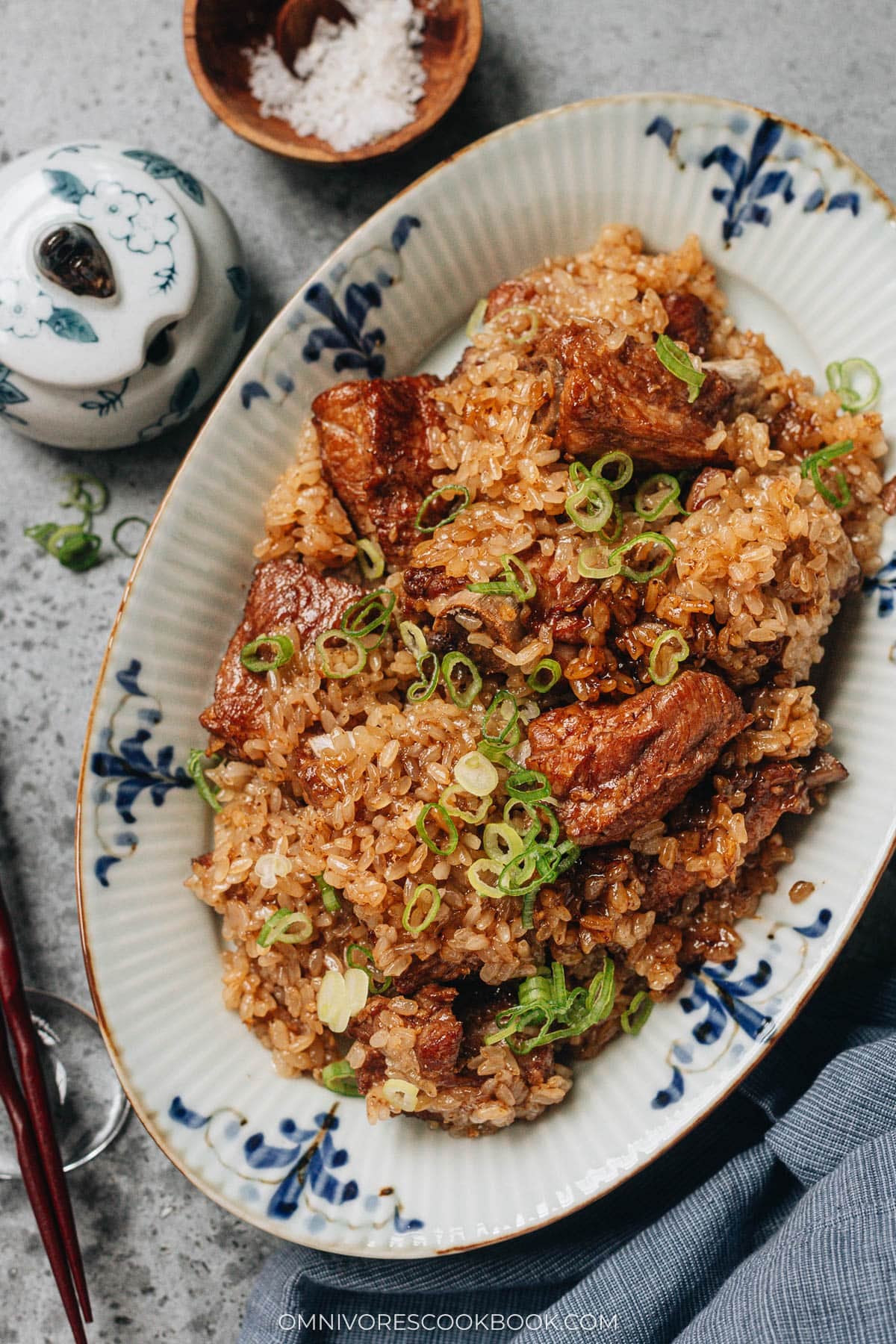
The global appreciation for Cantonese cuisine has long extended beyond restaurant dining rooms into the intricate landscape of homestyle cooking. Among the myriad traditional preparations, steamed pork ribs paired with glutinous rice—a comforting, unified dish often likened to the classic dim sum staple lo mai gai—has experienced a quiet resurgence among home cooks seeking depth of flavor coupled with manageable preparation timelines. While restaurant menus frequently feature lotus leaf-wrapped sticky rice stuffed with savory chicken, the home-kitchen iteration utilizing individual pork riblets and glutinous rice offers an accessible yet deeply authentic alternative that highlights the ingenious efficiency of traditional Chinese steaming techniques.
Origins, Evolution, and Accidental Discovery
The culinary lineage of steamed meat and grain dishes in Southern China is deeply rooted in historical preservation, resourcefulness, and the thermodynamics of bamboo steaming. Traditionally, home cooks utilized whatever cuts of meat were available, combining them with glutinous rice (also known as sticky rice or mochi rice) to stretch expensive proteins while maximizing caloric satisfaction and flavor absorption.
The modern popularity of this specific recipe in many domestic kitchens often stems from unexpected culinary experimentation. For instance, home cooking documentation frequently reveals instances where standard long-grain white rice is mistakenly substituted with glutinous rice, prompting cooks to explore traditional Chinese preparations such as Chinese Pearl Balls (Zhen Zhu Wan) and ultimately, sticky rice ribs. Rather than resulting in kitchen failures, these happy accidents have reintroduced time-honored techniques to a new generation of culinary enthusiasts who value streamlined, one-pot or one-steamer meal preparation.
Nutritional Profile and Dietary Metrics
From a nutritional perspective, steamed dishes occupy a favorable position in culinary science due to the absence of added frying oils, relying instead on moisture transfer via steam. Laboratory and dietary analyses of a standard serving of steamed ribs with sticky rice (calculated at approximately 300 grams per portion) indicate a robust macronutrient distribution tailored for sustained energy:
- Calories: 536 kcal
- Total Carbohydrates: 43 g
- Dietary Fiber: 2 g
- Sugars: 2 g
- Protein: 23 g
- Total Fat: 28 g
- Saturated Fat: 9 g
- Cholesterol: 95 mg
- Sodium: 750 mg
The inclusion of pork ribs introduces a rich source of complete proteins and essential amino acids, while glutinous rice provides complex carbohydrates that undergo gelatinization during the prolonged steaming process, resulting in high digestibility.
Anatomy of the Dish: Ingredients and Scientific Synergy
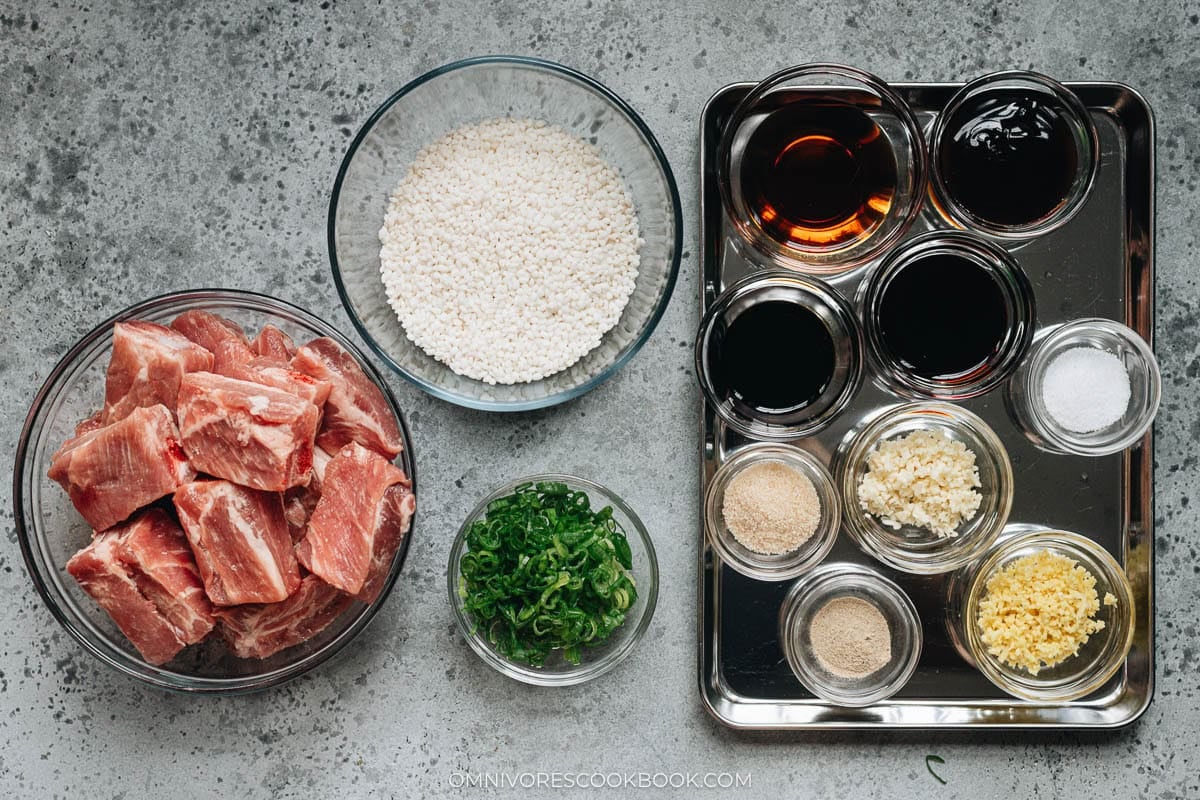
The success of steamed ribs with sticky rice relies on a minimalist philosophy where a single, master sauce mixture fulfills dual responsibilities: seasoning the protein and hydrating the starch.
Pork Rib Selection and Preparation
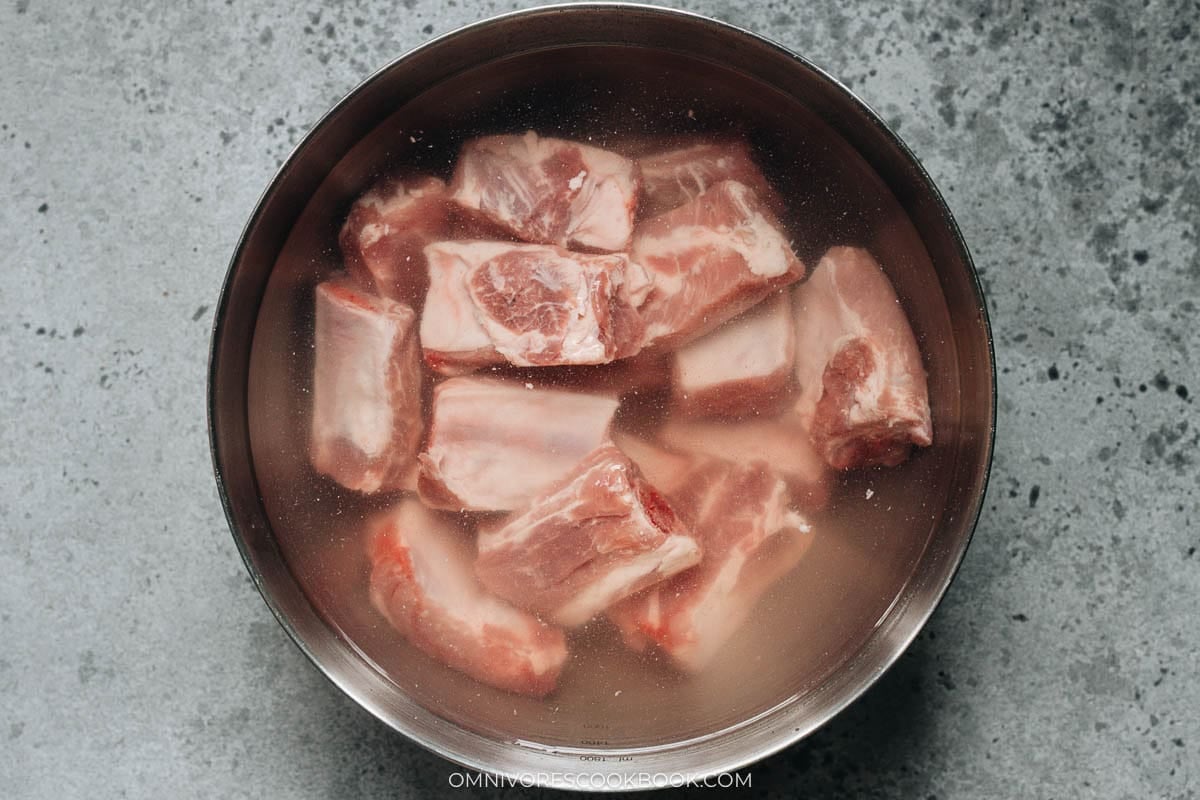
Culinary experts recommend utilizing short-cut pork ribs, wherein a standard rack is sawed crosswise into compact sections and subsequently separated into individual riblets. This morphology maximizes the surface area-to-volume ratio, allowing the gelatinous rice grains to adhere uniformly to the meat. Furthermore, traditional Chinese culinary protocol dictates soaking the raw ribs in cold water for approximately 30 minutes prior to marination. This step draws out residual blood and impurities, ensuring a cleaner flavor profile upon cooking.
The Unified Marinade
The foundational seasoning matrix relies on a precise balance of traditional pantry staples:
- Shaoxing rice wine: Provides aromatic ester compounds that neutralize any gamey notes in the pork.
- Oyster sauce and soy sauces (both light and dark): Light soy sauce contributes sodium and savory depth (glutamates), while dark soy sauce imparts the characteristic deep amber hue and mild molasses undertones.
- Aromatics: Minced ginger and garlic introduce sulfur compounds that break down slightly under heat, infusing the fats.
- Modifiers: A balanced proportion of sugar, salt, and white pepper rounds out the flavor profile.
Starch Hydration and Steaming Dynamics
Glutinous rice lacks amylose and is composed almost entirely of amylopectin, the branched starch molecule responsible for the sticky, adhesive texture characteristic of mochi and similar foods. Depending on the specific cultivar—such as short-grain mochi rice or long-grain Thai glutinous rice—soaking times vary between two to five hours. Crucially, professional techniques require thorough draining of the soaked rice before it is combined with the reserved marinade. This prevents waterlogging, ensuring the rice absorbs the concentrated flavors of the pork rather than excess ambient moisture.
Step-by-Step Chronology of Preparation
Preparing this dish requires deliberate timing, though the vast majority of the duration is passive:
- Protein Purification: Submerge short-cut pork ribs in cold water for 30 minutes. Drain thoroughly and pat dry.
- Marinade Formulation: Whisk together Shaoxing wine, oyster sauce, light and dark soy sauces, sugar, salt, white pepper, minced ginger, and garlic. Reserve four tablespoons of this mixture for the rice.
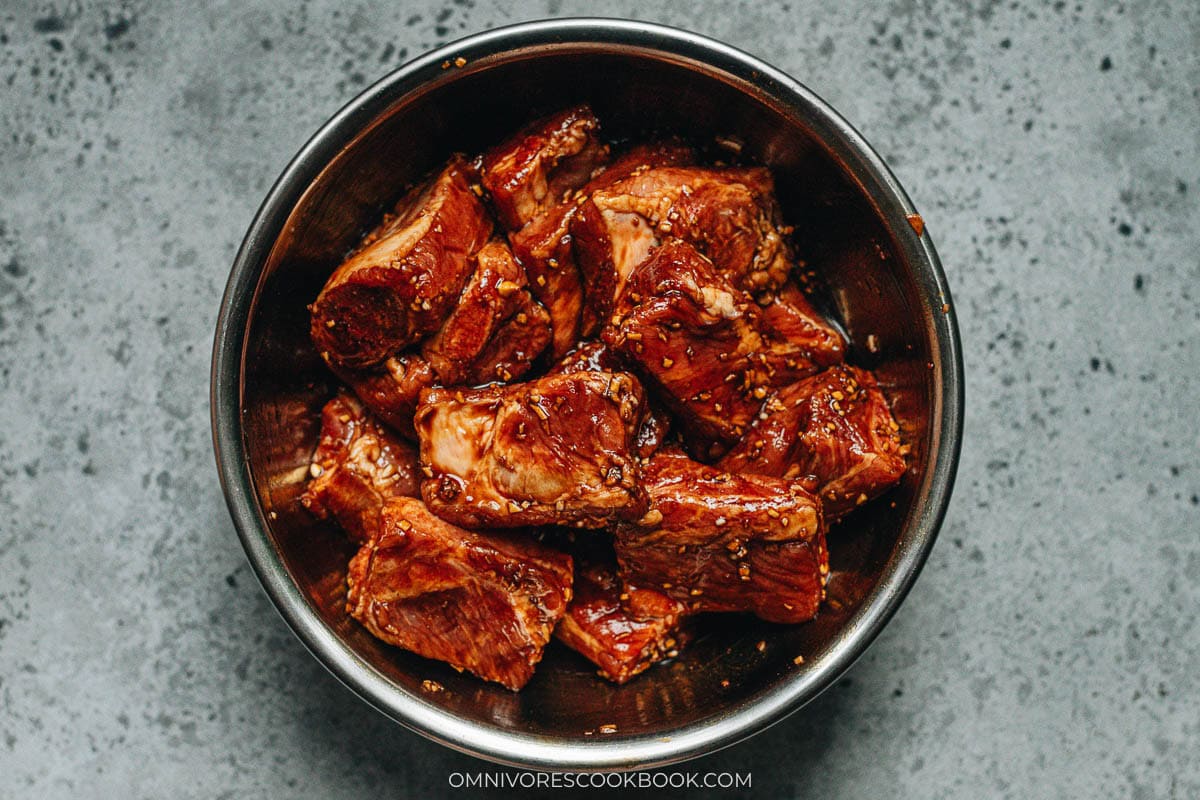
- Protein Marination: Coat the ribs with the remaining marinade. Refrigerate for a minimum of two hours, though overnight marination is strongly advised to achieve deep flavor penetration.
- Grain Hydration: Rinse glutinous rice multiple times until the water runs clear. Soak in cold water (2 to 3 hours for short-grain; 4 to 5 hours for long-grain).
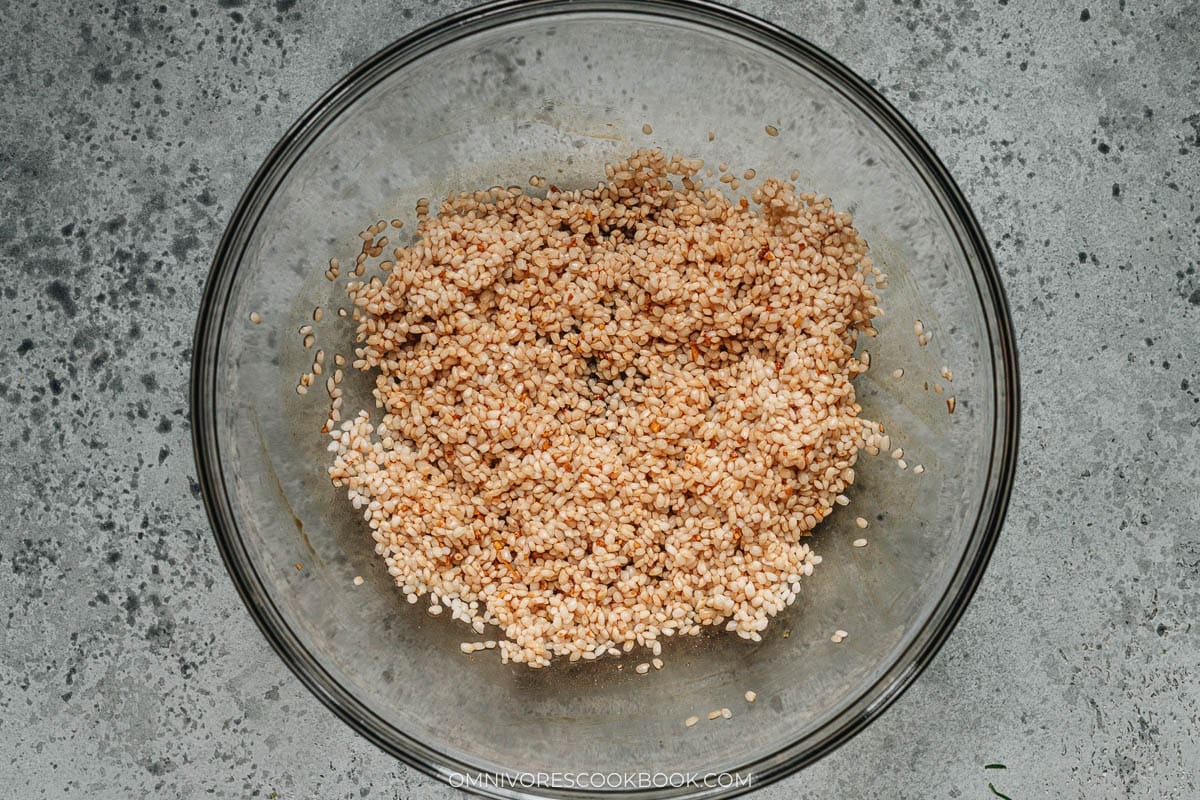
- Starch Seasoning: Drain the soaked rice completely in a fine-mesh strainer until dripping ceases, then toss the grains with the reserved four tablespoons of sauce.
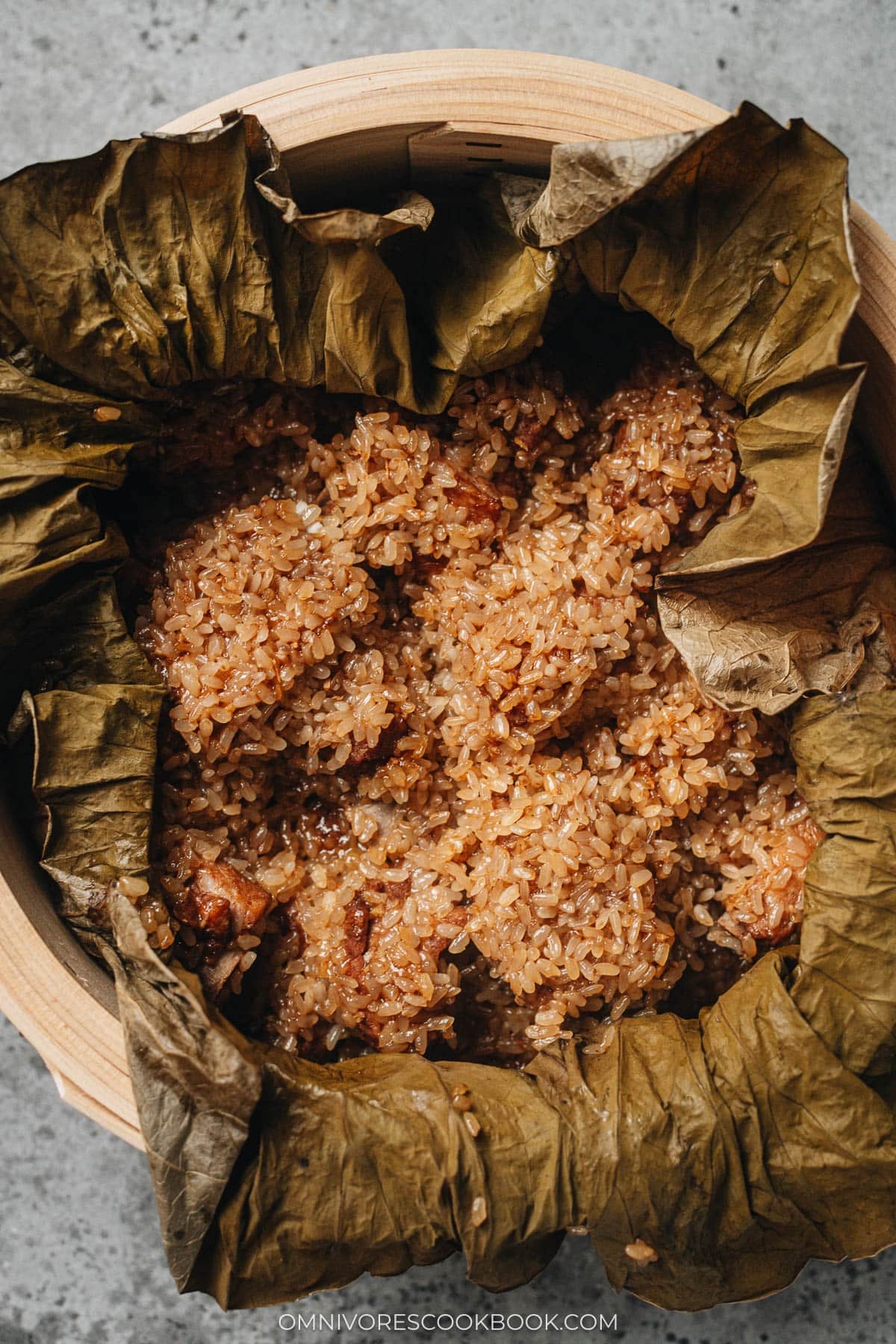
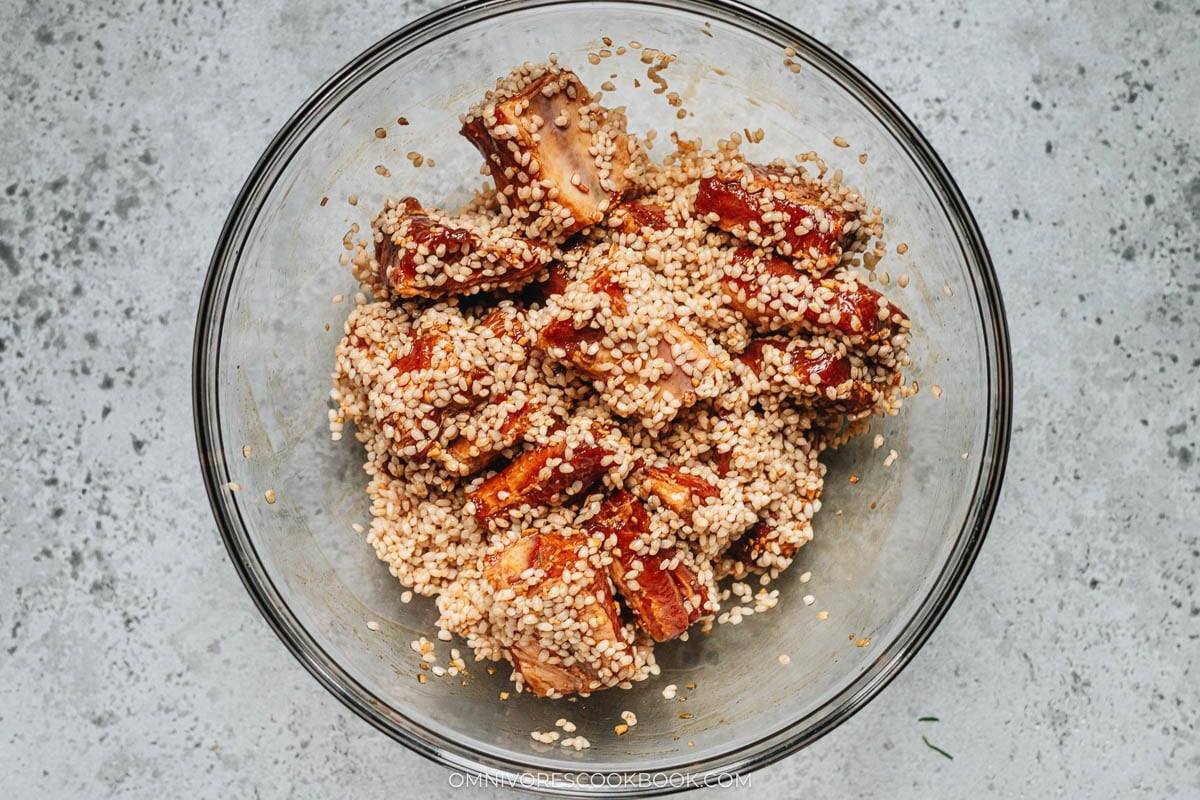
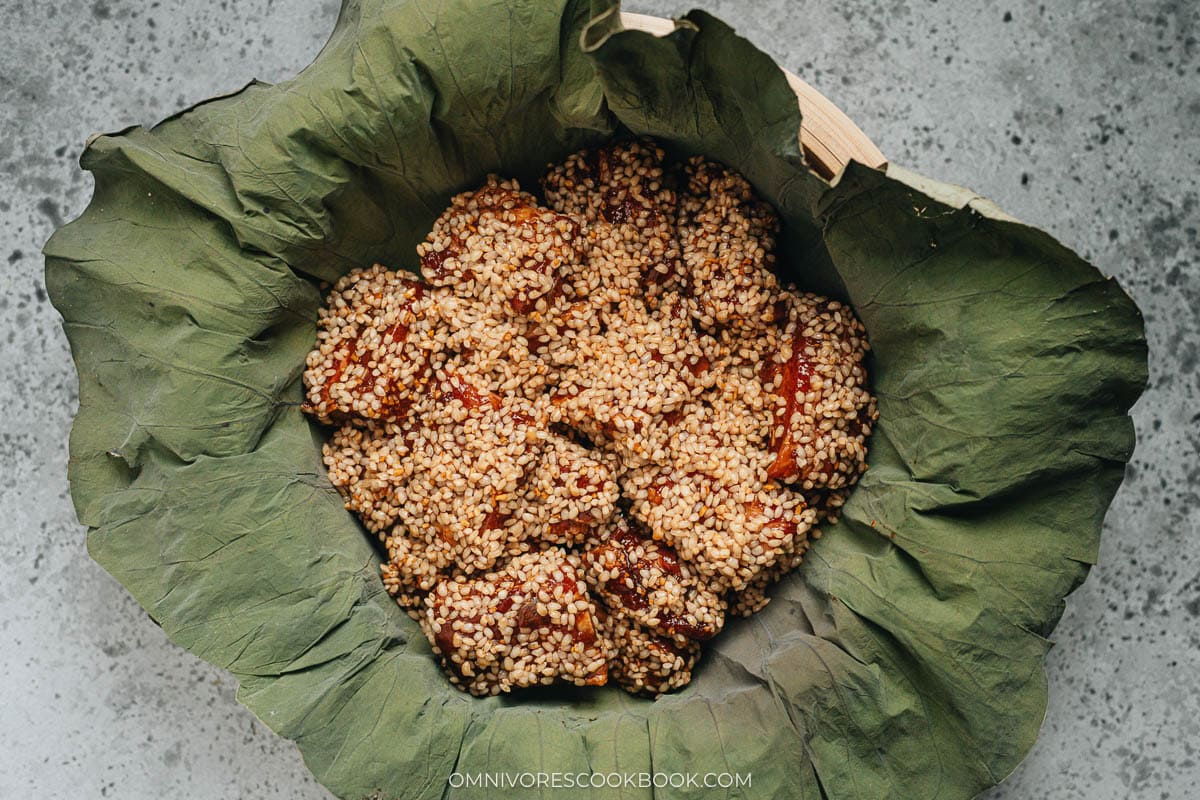
- Assembly: Combine the marinated ribs and seasoned sticky rice so that the grains evenly coat the meat. Line a bamboo or metal steamer with a soaked, rehydrated dried lotus leaf (or parchment paper as a functional alternative) and transfer the mixture inside.
- Thermal Processing: Set the steamer over a pot of rapidly boiling water. Bring to steam over medium-high heat, then reduce to medium and maintain a steady steam for approximately one hour. Periodic monitoring of the water level is essential to prevent the steaming vessel from running dry.
- Finishing: Garnish with freshly sliced scallions immediately prior to service.
Broader Culinary Implications and Family-Style Dining
In contemporary home environments, dishes that combine protein and starch into a single vessel hold significant appeal for meal-prep efficiency and streamlined cleanup. By consolidating cooking stages into a single bamboo steamer or heat-safe dish, home cooks minimize active kitchen labor while preserving traditional textures and presentation aesthetics.
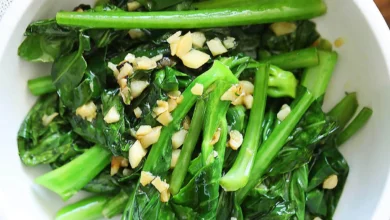
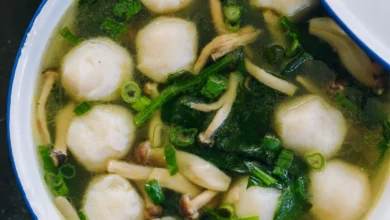
When integrated into a broader dining spread, steamed sticky rice ribs serve as a rich, savory centerpiece. Culinary tradition dictates balancing this heavy, unctuous dish with crisp, acidic, or herbaceous accompaniments. Common pairings include smashed cucumber salad tossed with vinegar and garlic, blanched Chinese broccoli (gai lan) or bok choy dressed in oyster sauce, and light broths such as traditional egg drop soup.
Storage, Food Safety, and Reheating Protocols
From a food safety and preservation standpoint, cooked glutinous rice dishes demonstrate favorable longevity when managed correctly. Leftovers can be stored in airtight containers within refrigeration for three to four days or frozen for up to two months. Culinary testing indicates that the optimal method for reheating frozen or refrigerated portions involves direct steaming rather than microwave heating. Steaming restores moisture to the amylopectin matrix, reviving the signature chewy texture of the rice and rendering the pork as tender as it was upon initial preparation.