Curry Noodle Soup with Popcorn Chicken Emerges as a Defining Culinary Trend for Home Cooking

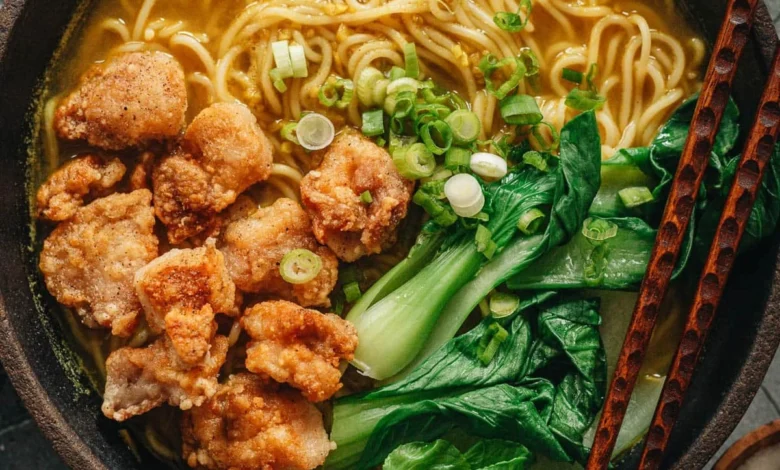
The intersection of traditional Chinese home-style cooking and global comfort food has yielded a striking new favorite for weeknight dining: Curry Noodle Soup with Popcorn Chicken. Blending the deep-rooted Chinese preference for freshly prepared noodle soups with the universally appealing texture of crispy, bite-sized fried chicken, this dish has captured the attention of culinary enthusiasts seeking efficient yet complex flavor profiles. Moving away from long-simmered, traditional Indian curry bases, this modern home recipe relies on Japanese-style curry powder, aromatic roots, and a streamlined one-skillet cooking process that delivers a restaurant-quality meal in approximately 35 minutes.
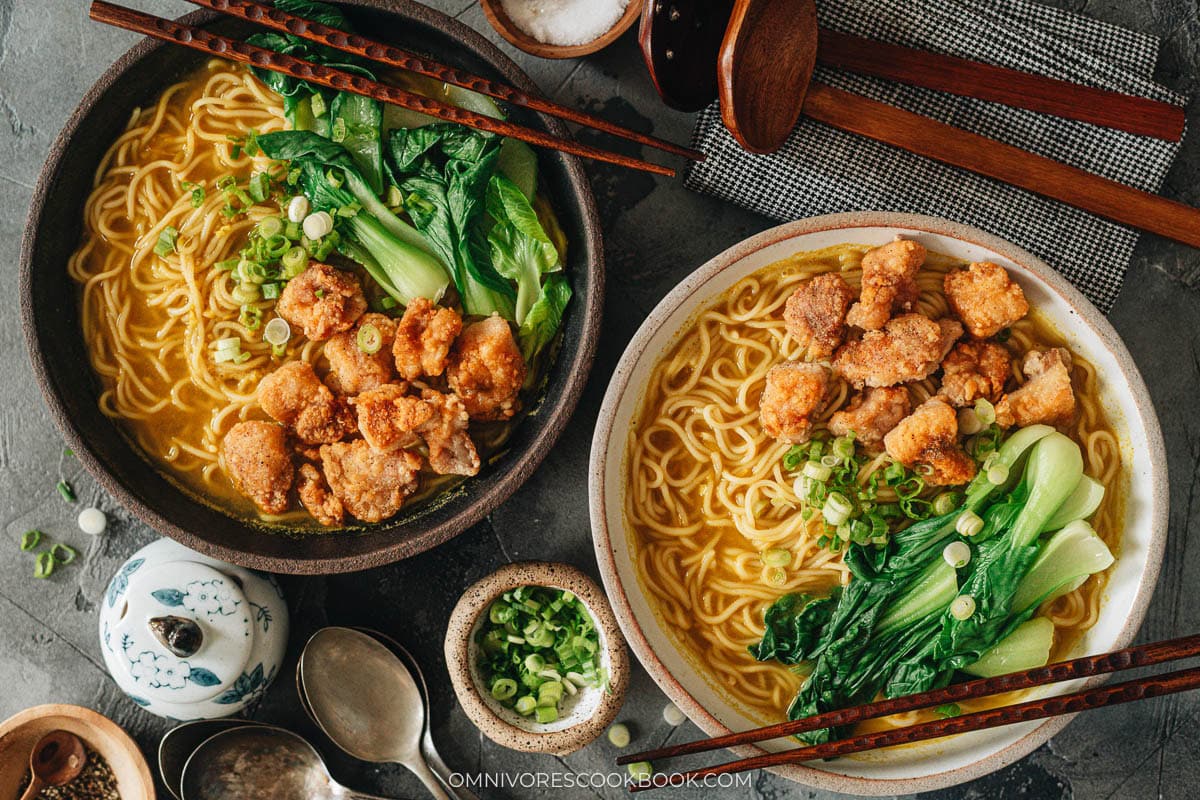
Background Context and Culinary Evolution
The evolution of home-cooked fusion dishes in contemporary kitchens reflects a broader shift toward accessible global gastronomy. While traditional curry noodle soups—such as Malaysian Laksa or Thai Khao Soi—often require extensive preparation, spice pastes, and prolonged simmering, the new wave of Chinese home-style curries prioritizes efficiency without sacrificing depth.
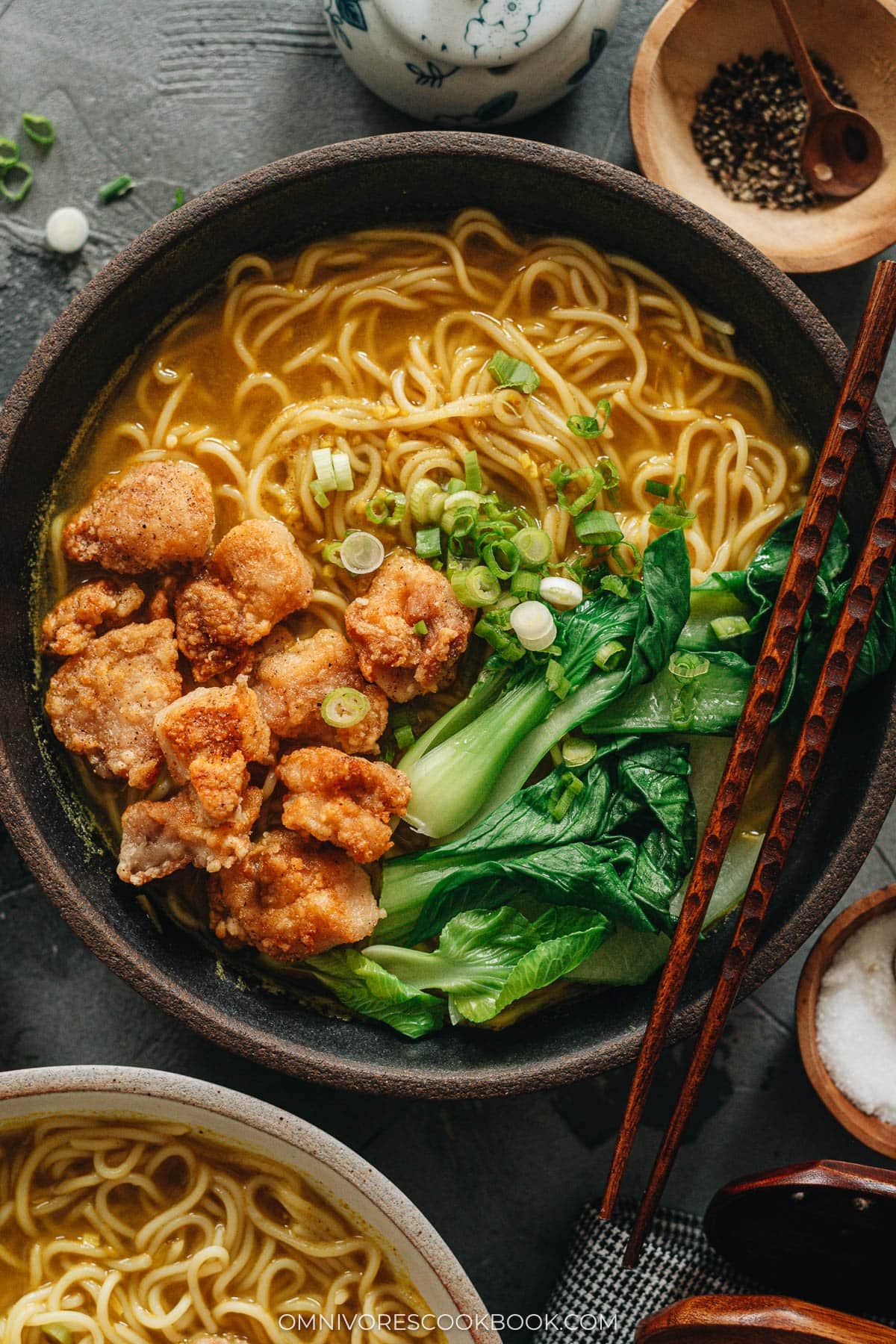
The integration of popcorn chicken into a broth-based noodle dish represents a clever culinary technique. Rather than functioning as a standard, pre-cooked protein topping, the chicken is marinated in Shaoxing wine and salt, coated in cornstarch just before cooking, and pan-fried to achieve a resilient exterior crunch. This preparation ensures that the chicken maintains textural integrity even when introduced to a hot, fragrant broth. Culinary historians note that this technique draws inspiration from the popularity of Taiwanese street-food-style popcorn chicken, successfully bridging the gap between snack foods and main-course dining.
Chronology of the Culinary Process
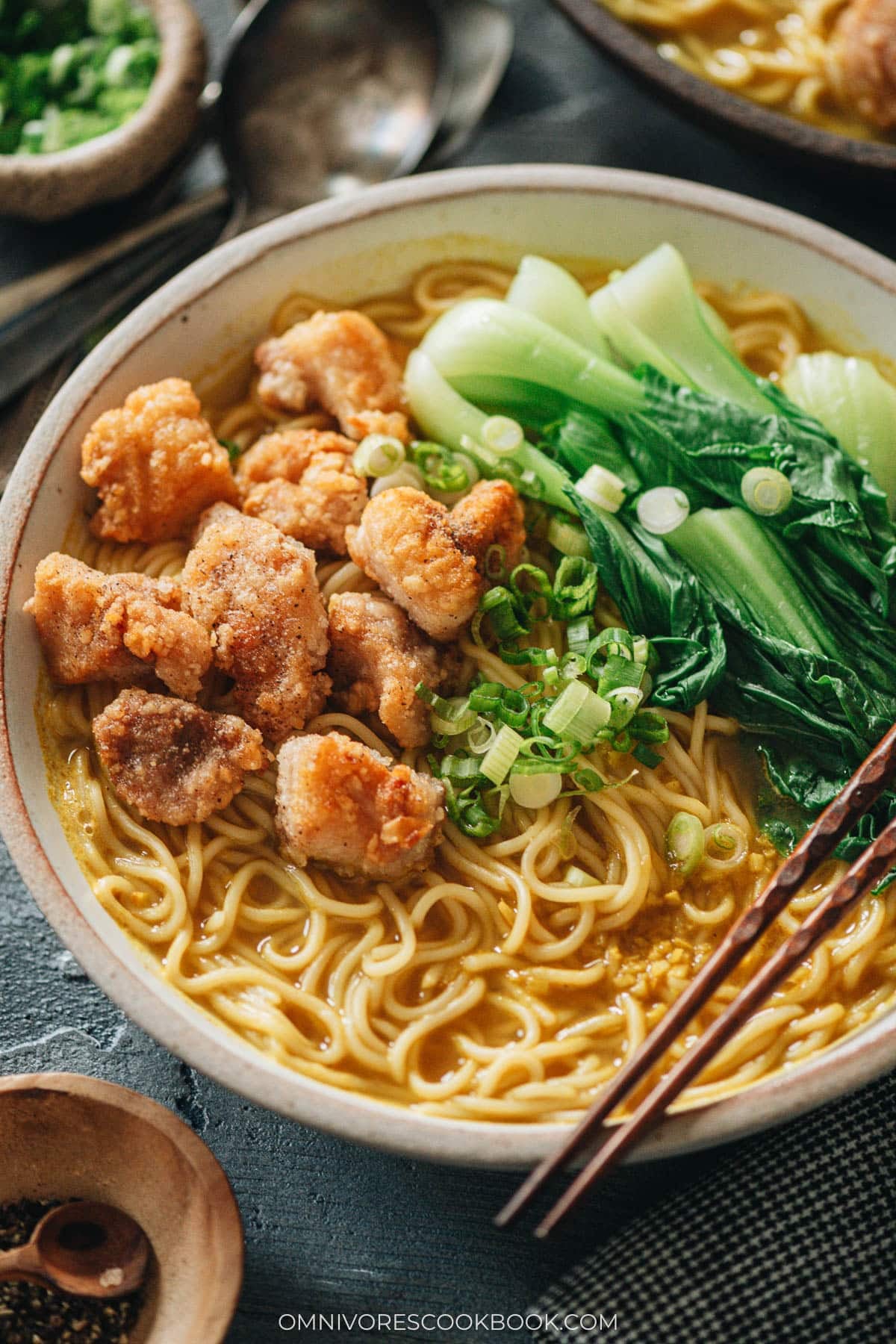
The efficiency of the recipe hinges on a meticulously structured workflow that minimizes cleanup and maximizes flavor development.
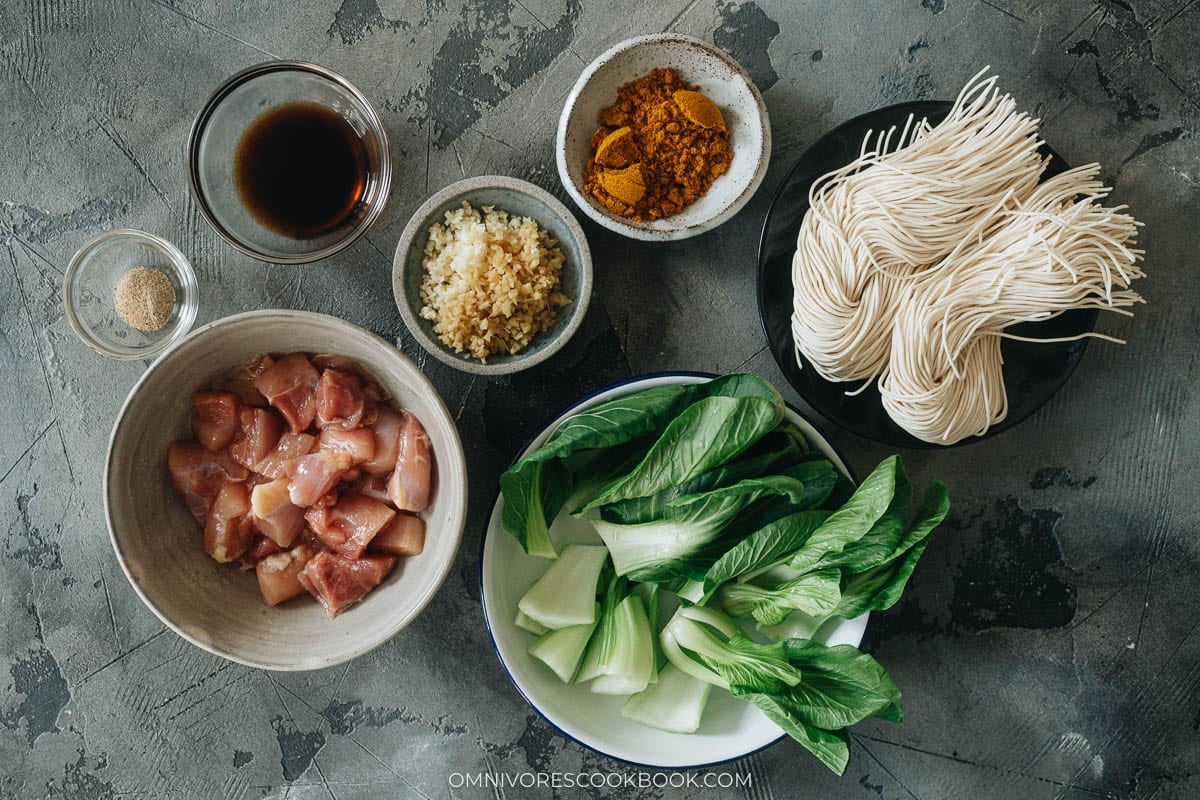
- Preparation and Marinating: Boneless chicken thighs are diced into uniform pieces and combined with Shaoxing wine and salt. The meat is allowed to marinate while secondary ingredients are gathered.
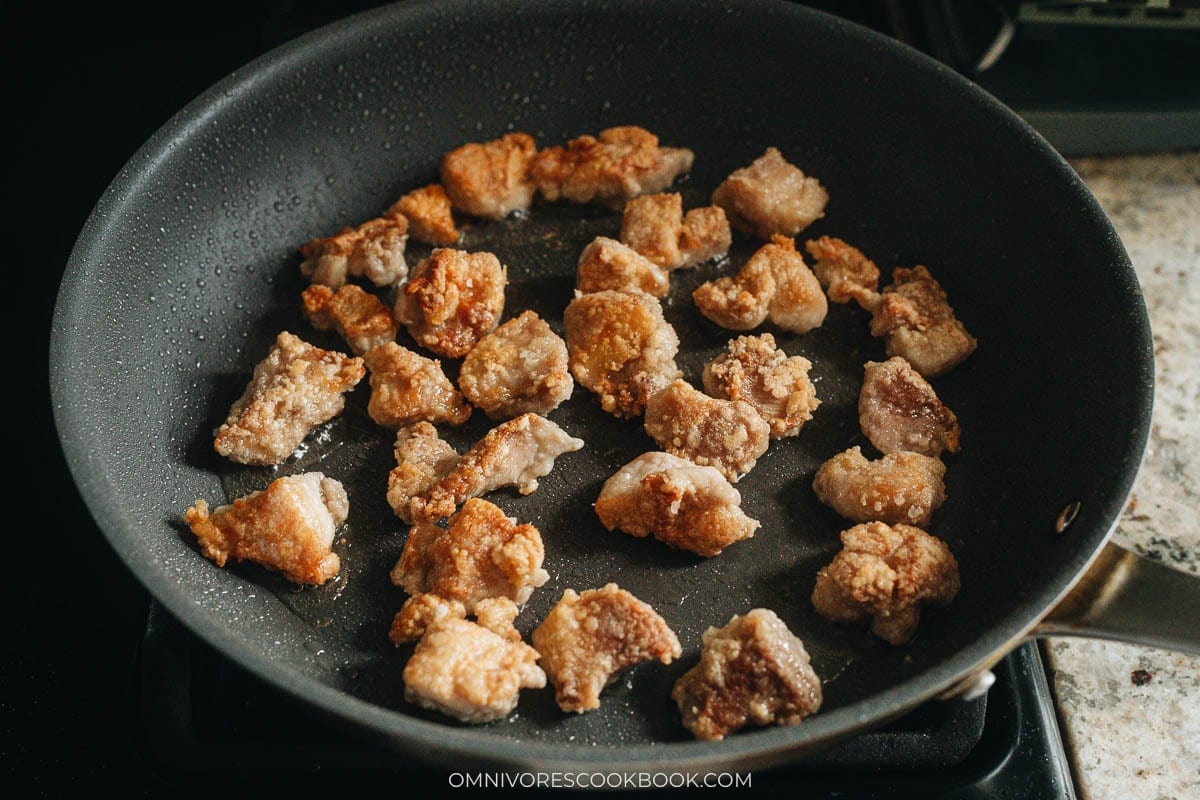
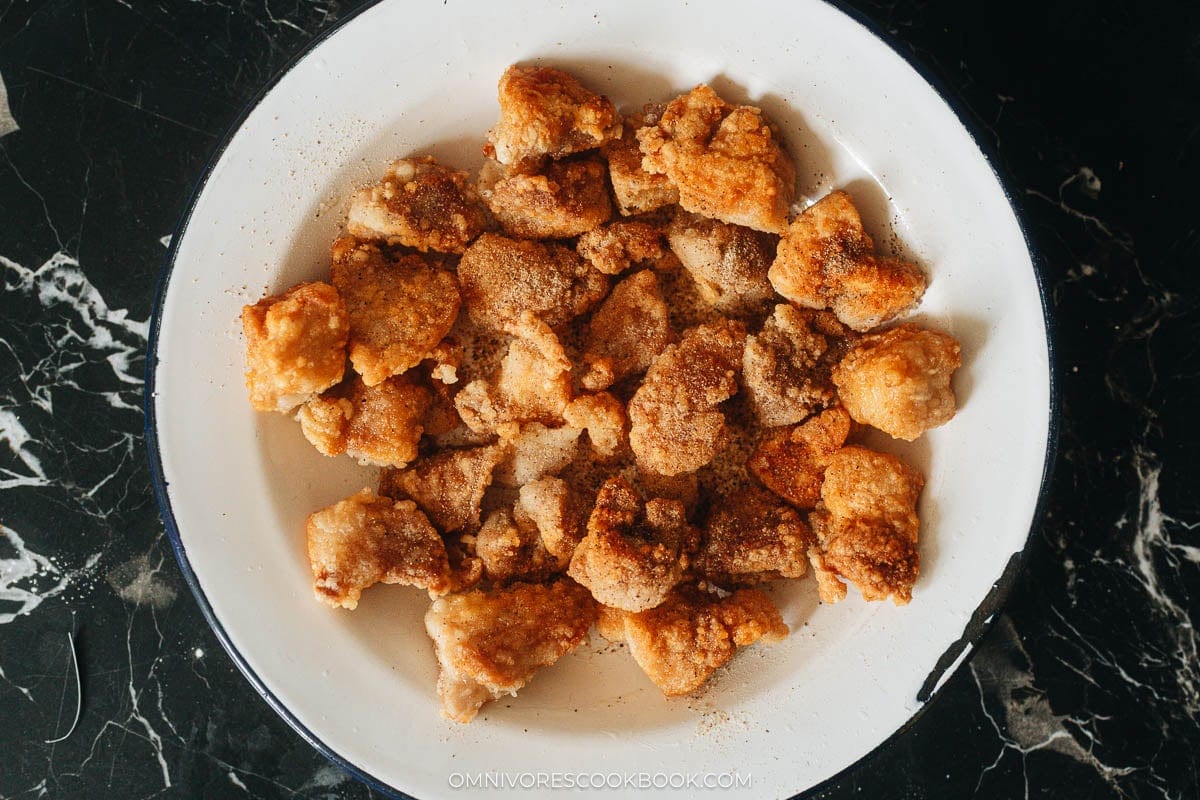
- The Sear: Coated lightly in cornstarch, the chicken pieces are arranged in a single layer within a large nonstick skillet or Dutch oven using high-heat peanut oil. Searing takes approximately two to three minutes per side until a deep golden crust is achieved. The chicken is then removed and seasoned immediately with white pepper.
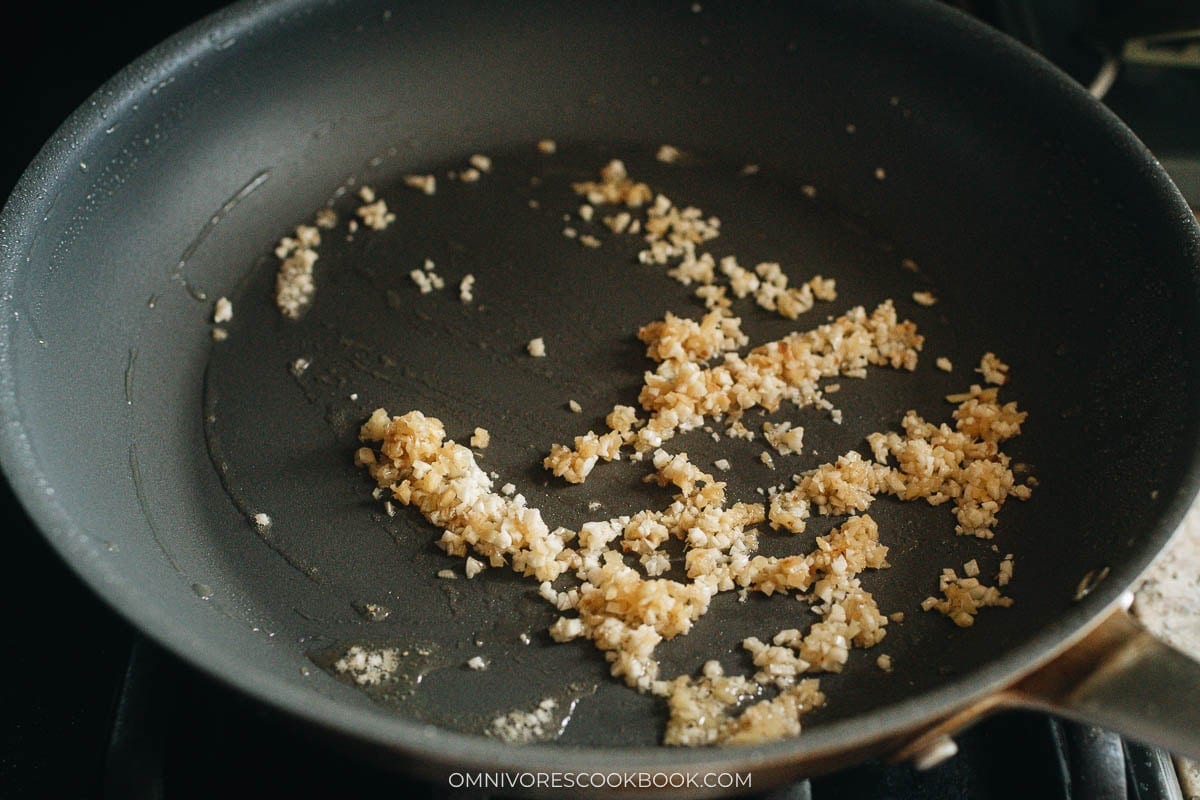
- Broth Activation: Utilizing the residual oil and rendered fats remaining in the skillet, culinary aromatics—specifically grated ginger and garlic—are introduced and bloomed for 30 seconds. Japanese curry powder is subsequently added to the fat, releasing fat-soluble aromatic compounds before the addition of chicken stock, soy sauce, rice vinegar, and complementary seasonings.
- Final Assembly: While the curry broth simmers on low heat, thin Chinese wheat noodles and baby bok choy are blanched in a separate boiling pot. The dish is assembled immediately prior to service by layering the noodles, tender greens, hot curry broth, and a final topping of the crispy popcorn chicken.
Nutritional Profile and Dietary Specifications
Designed as a balanced single-bowl meal, the recipe accommodates both nutritional considerations and dietary flexibility. Standard nutritional tracking for a single serving of the curry noodle soup indicates an energy density of approximately 531 kilocalories.
The macronutrient distribution features roughly 47.2 grams of carbohydrates, 38.3 grams of high-quality protein primarily derived from the chicken thigh meat, and 20.2 grams of total fat, of which only 3 grams are saturated. Sodium levels register at approximately 1,551 milligrams, largely attributed to the soy sauce and chicken stock base, though home cooks retain the ability to moderate sodium content through product selection. Dietary fiber sits at 4.5 grams, bolstered by the inclusion of fiber-rich leafy greens like baby bok choy.
Industry Analysis and Market Implications
Food industry analysts observing home-cooking trends note that recipes requiring 30 to 45 minutes of active time continue to dominate digital culinary platforms. As consumers increasingly balance busy work schedules with a desire for scratch-made meals, dishes that utilize pantry staples—such as curry powder, soy sauce, and dry wheat noodles—alongside fresh proteins experience heightened engagement.
Furthermore, the adaptability of the recipe contributes to its widespread appeal. Dietary modifications, such as substituting chicken thighs with leaner chicken breasts or swapping standard wheat noodles for gluten-free alternatives or udon, allow home cooks to tailor the dish to specific nutritional needs without compromising the core flavor profile. The emphasis on utilizing a single skillet for both protein preparation and broth development also aligns with consumer demands for simplified kitchen cleanup.
Broader Impact on Home Dining Culture
The popularity of Curry Noodle Soup with Popcorn Chicken underscores a permanent shift in how modern households approach weeknight cuisine. By democratizing complex flavor pairings—combining the sharp, warm notes of curry with the comforting familiarity of noodle soup and the indulgence of fried chicken—home cooks are redefining traditional boundaries. As digital recipe sharing accelerates the exchange of innovative homestyle techniques, dishes that successfully merge convenience, texture, and deep flavor profiles are expected to remain staples of contemporary residential kitchens for the foreseeable future.