A 15-Minute Culinary Evolution: How Childhood Nostalgia Inspired a Modern Weeknight Bell Pepper Shrimp Stir-Fry

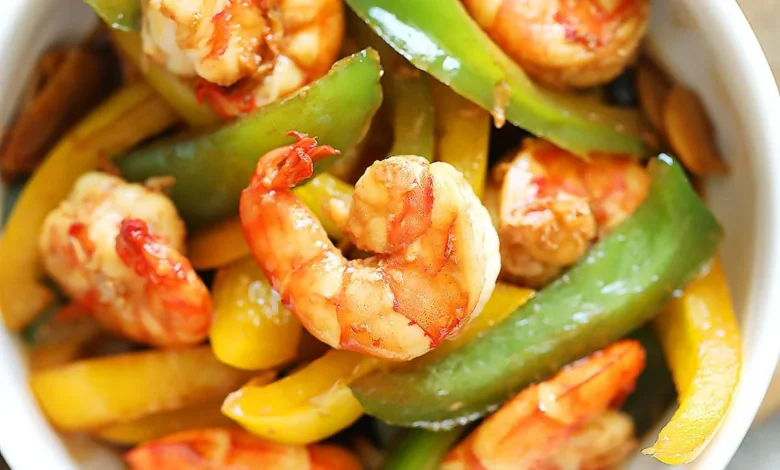
In the fast-paced landscape of contemporary home cooking, the demand for high-speed, nutritionally dense weeknight meals has never been higher. Navigating the intersection of traditional culinary heritage and modern grocery accessibility, food historians and home cooks alike are increasingly turning to streamlined adaptations of classic dishes. A prime example of this evolution is the revitalized bell pepper shrimp stir-fry, a 15-minute dish that bridges the gap between mid-century immigrant resourcefulness and modern Western supermarket convenience.
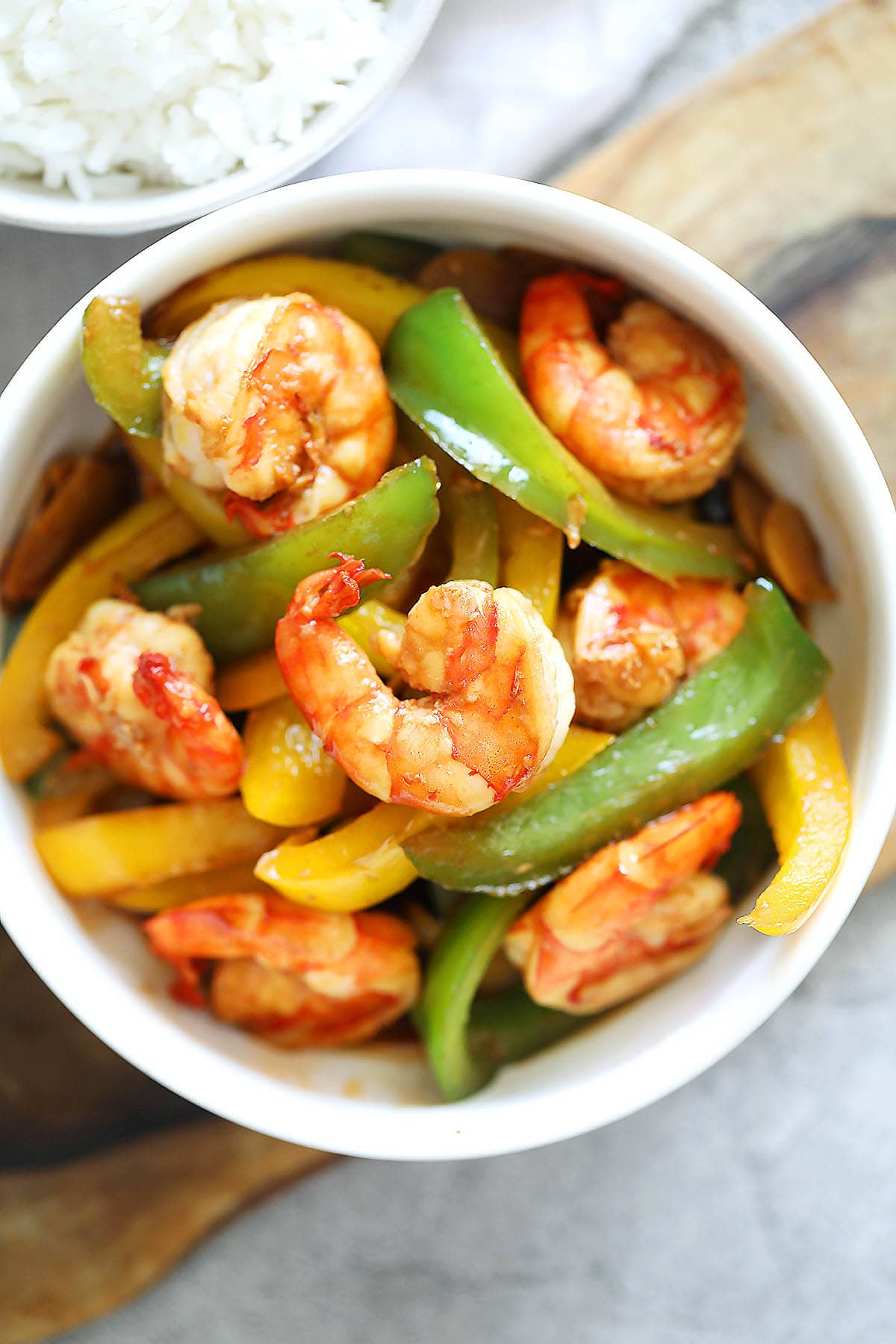
The Origins of a Comfort Classic: From Budget Staple to Modern Table
The conceptual roots of the bell pepper shrimp stir-fry trace back decades, born out of necessity in households balancing tight financial constraints with a desire for flavorful, wholesome family dinners. Historically, dishes of this nature relied heavily on foundational ingredients sourced from specialized Asian markets. Early iterations frequently featured small, economical baby shrimp—a protein choice dictated by cost rather than preference—paired with deeply savory flavor bases anchored by taucheo, a traditional fermented yellow soybean paste.
To achieve the signature balance of acidity and depth, home cooks traditionally utilized freshly pressed tamarind juice, counterbalancing the tart profile with measured pinches of raw cane sugar. Over time, as culinary practices migrated across cultural boundaries and integrated into standard Western domestic routines, these specialized components underwent significant simplification. The modern adaptation substitutes hard-to-find pastes and fresh tamarind with globally accessible ingredients, most notably kecap manis, an Indonesian sweet soy sauce that effortlessly delivers the requisite umami, salinity, and caramelized depth in a single step.
Nutritional Architecture and Ingredient Selection
From a nutritional and gastronomic standpoint, the success of a rapid-fire stir-fry depends heavily on the precise selection of raw produce and proteins. Culinary experts emphasize that the choice of bell pepper significantly impacts both the flavor profile and the micronutrient yield of the finished dish.
Market research indicates a distinct hierarchy among bell pepper varieties based on their maturation timeline. Green bell peppers, harvested prematurely, possess the lowest overall nutrient density and a sharper, more herbaceous flavor profile. Conversely, yellow peppers exhibit exceptionally high concentrations of Vitamin C, while fully ripened red bell peppers emerge as the most nutrient-dense and naturally sweet option. Because retail pricing across these color variations is typically uniform, culinary analysts frequently recommend utilizing red or yellow peppers to maximize both dietary value and flavor complexity without increasing food budgets.
Protein selection similarly dictates the textural outcome of the dish. While premium selections such as tiger prawns or jumbo shrimp frequently command attention in modern marketing campaigns, traditional wisdom favors smaller or baby shrimp for this specific style of stir-fry. Smaller crustaceans offer a naturally sweeter flavor profile and yield a springier, more tender bite that integrates harmoniously with crisp vegetables.
Technical Execution and Culinary Chemistry
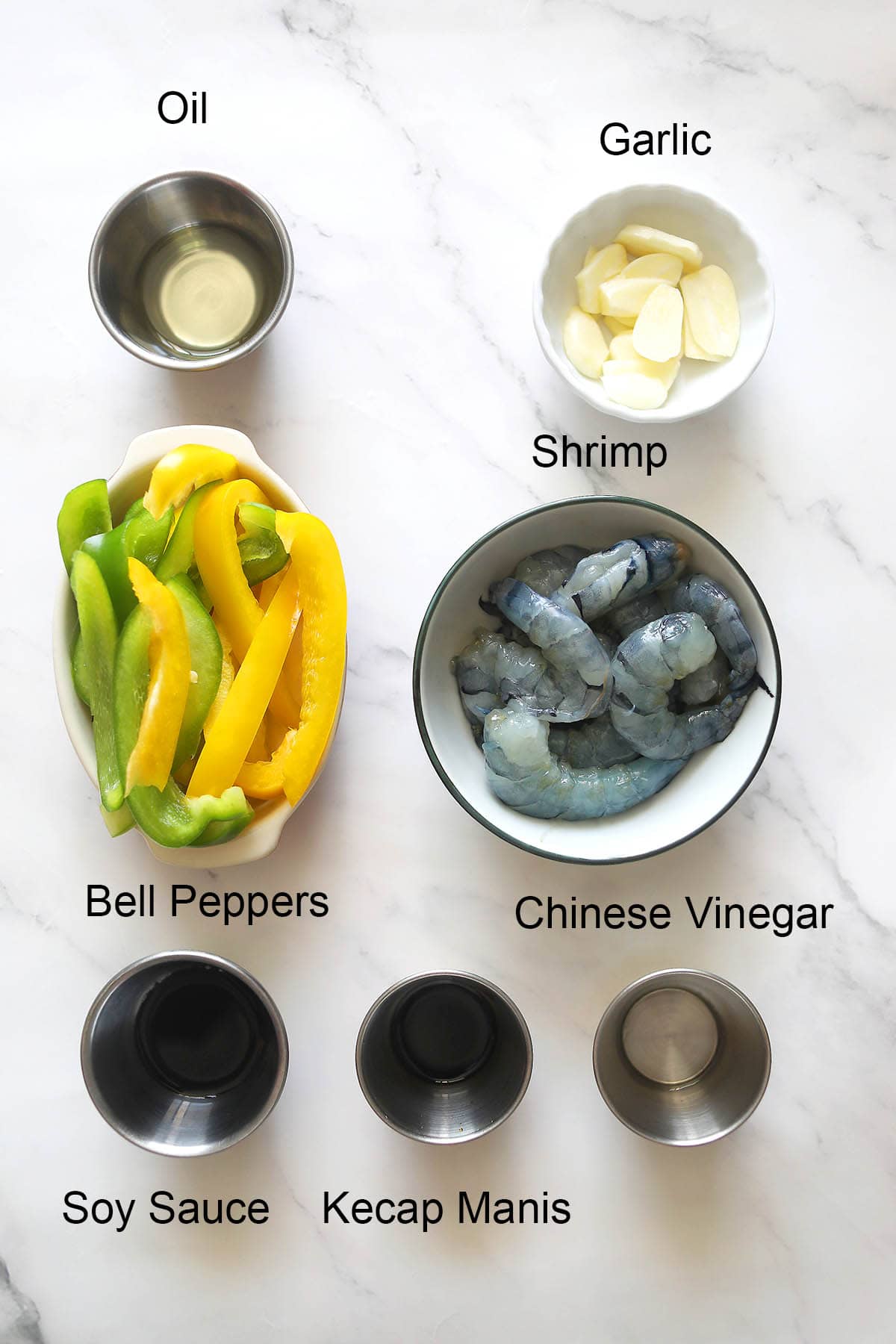
Executing a high-heat stir-fry in under 15 minutes requires adherence to fundamental culinary techniques. According to professional kitchen standards, the process relies heavily on thermal control and oil selection. Cooks are advised to utilize high-smoke-point neutral oils—such as canola, peanut, or standard vegetable oil—which allow ingredients to sear rapidly at elevated wok temperatures without scorching or imparting unwanted flavors. Conversely, unrefined oils like extra virgin olive oil or unrefined sesame oil are discouraged due to their low smoke points and propensity to overpower delicate seafood profiles.
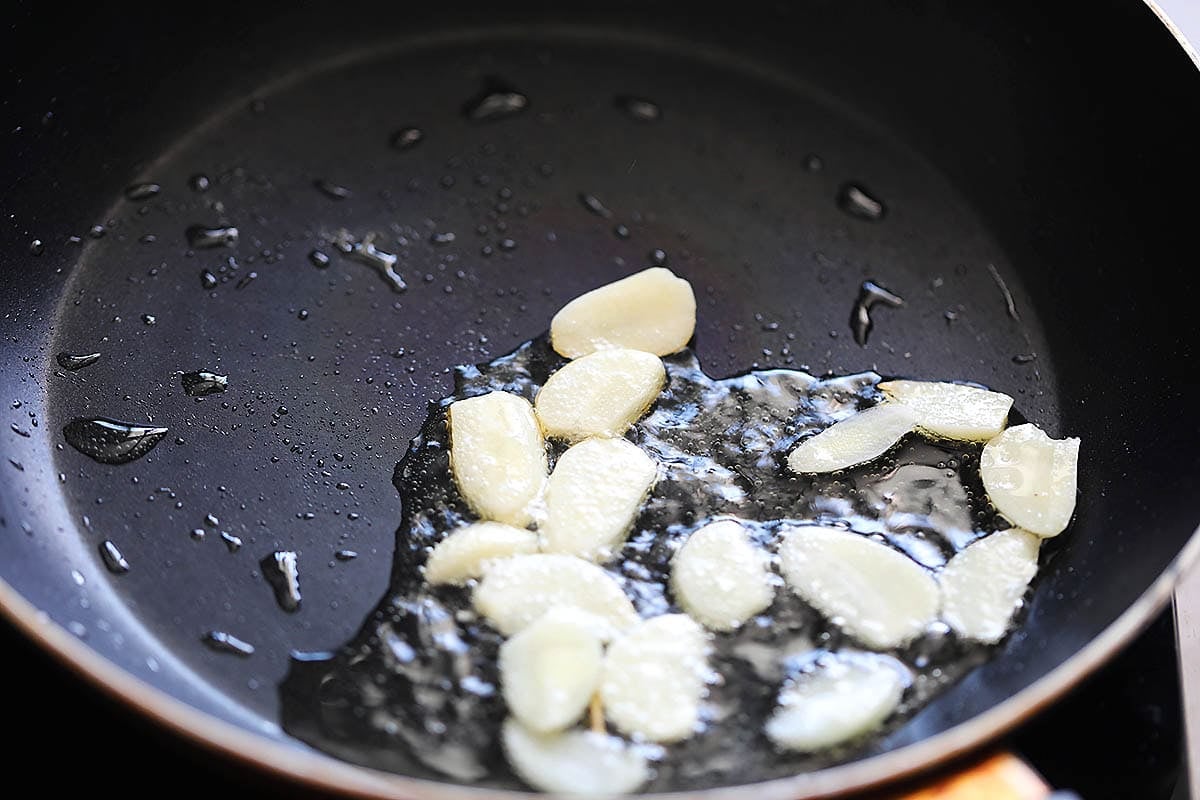
The chronology of the cooking process is intentionally concise:
- Aromatics Integration: Thinly sliced garlic is introduced to shimmering hot oil, tossed briefly until aromatic. Slicing rather than mincing garlic prevents rapid burning at high temperatures while generating delicate, edible garlic chips that absorb the surrounding sauce.
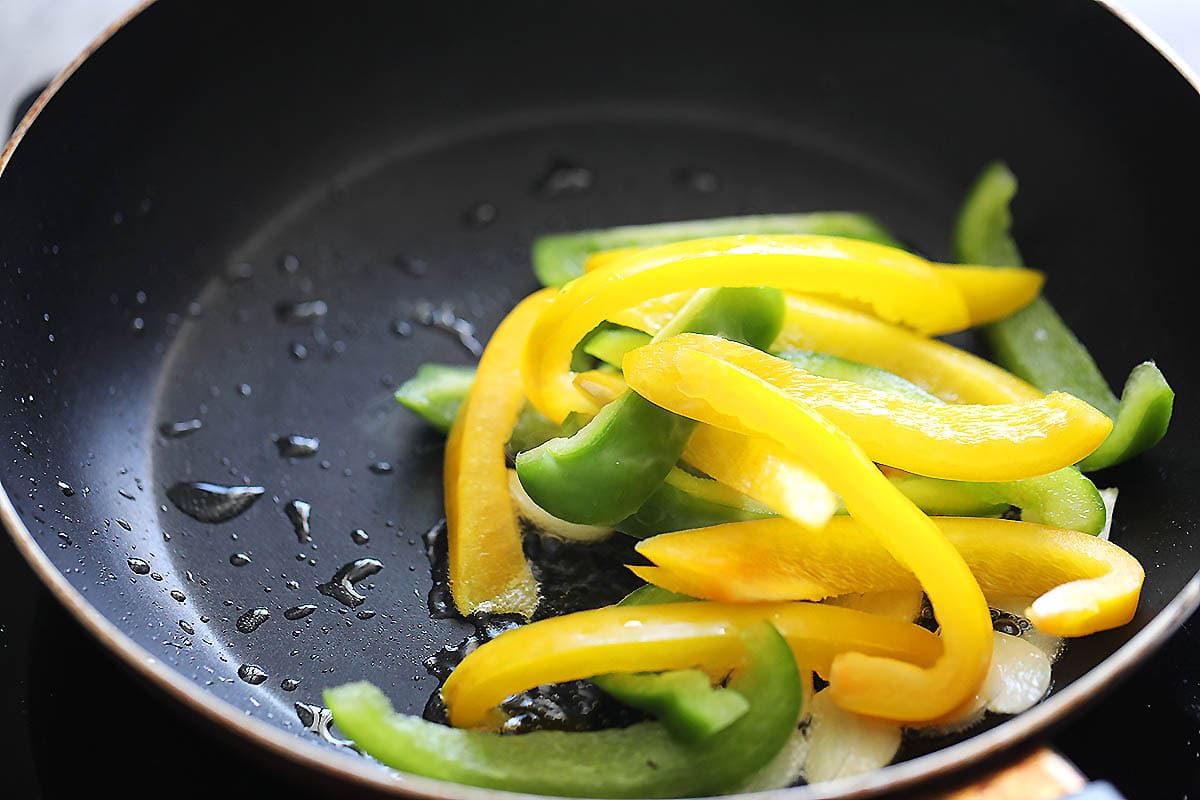
- Vegetable Searing: Bell pepper strips are added for a brief one-to-two-minute window, a process designed to eliminate raw bitterness while preserving the cellular structure necessary for a satisfying crunch.
- Protein Flash-Cooking: Shrimp are introduced to the center of the pan, transitioning from translucent to opaque pink in a matter of moments.
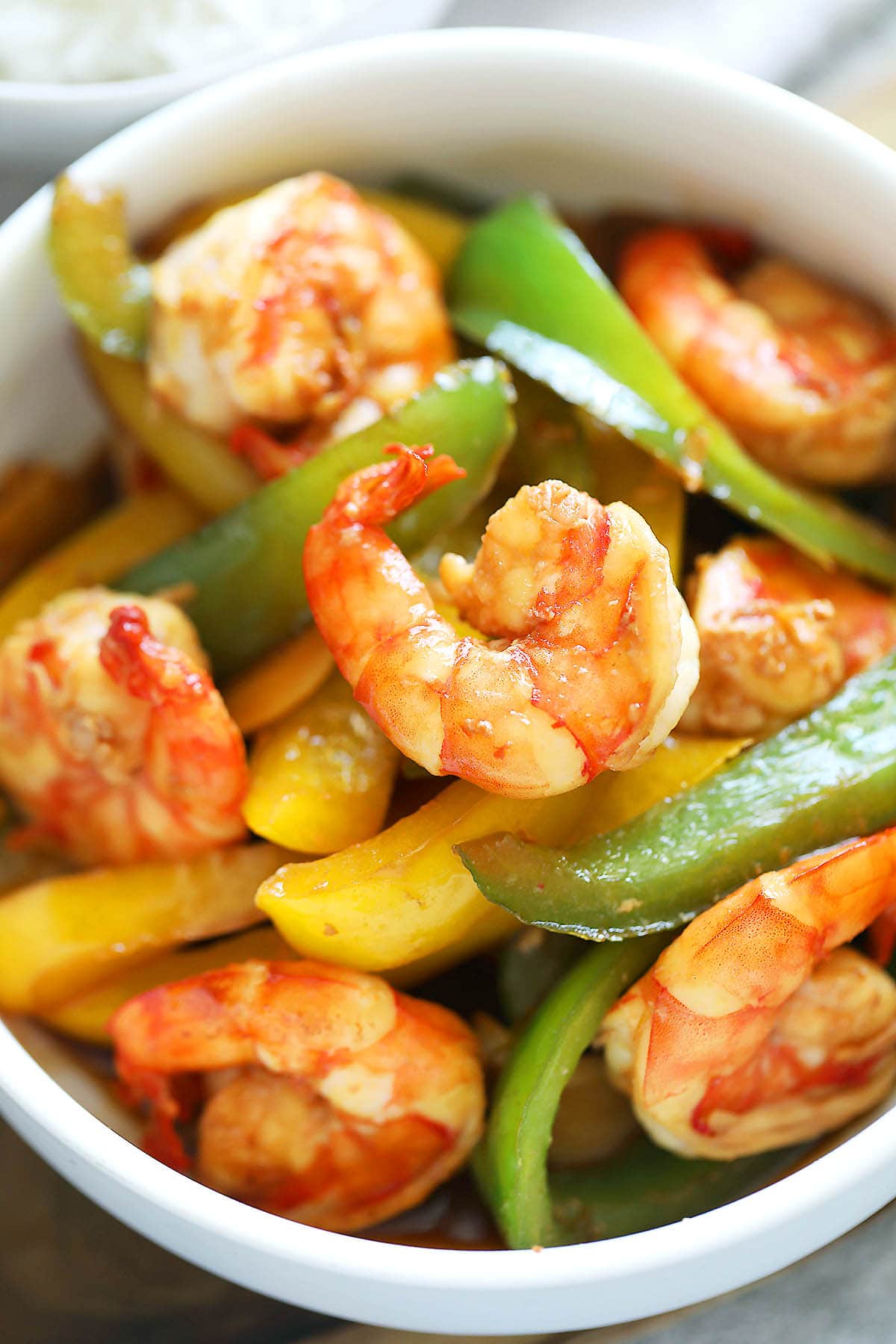
- Sauce Emulsification: A final splash of regular soy sauce, sweet kecap manis, and Chinese vinegar is incorporated, binding the components together just as the shrimp curl into a loose, tender "C" shape—the universally recognized visual indicator of proper doneness.
Industry Analysis: The Shift Toward Rapid, Adaptable Home Cooking
The enduring popularity of quick-assembly seafood dishes reflects broader shifts in contemporary consumer behavior. Market analysts note a rising preference for meals that require minimal preparation time, utilize standardized grocery store inventories, and maintain a strict nutritional profile. At approximately 265 calories per serving, alongside robust protein metrics and significant micronutrient contributions, dishes like the bell pepper shrimp stir-fry cater directly to health-conscious demographics seeking efficiency without sacrificing cultural authenticity or flavor complexity.
Furthermore, the flexibility of the recipe accommodates modern dietary restrictions. Adaptations such as substituting standard soy sauce with tamari or verifying the gluten-free status of sweet soy sauces ensure that traditional flavor profiles remain accessible to individuals managing celiac disease or gluten sensitivities.
As home kitchens continue to evolve under the influence of global interconnectedness, recipes that successfully honor their historical roots while adapting to modern logistical realities will undoubtedly remain foundational staples of the contemporary culinary landscape.