Sichuan Pickled Mustard Greens: The Cultural Heritage, Science, and Global Revival of China’s Iconic Fermented Staple

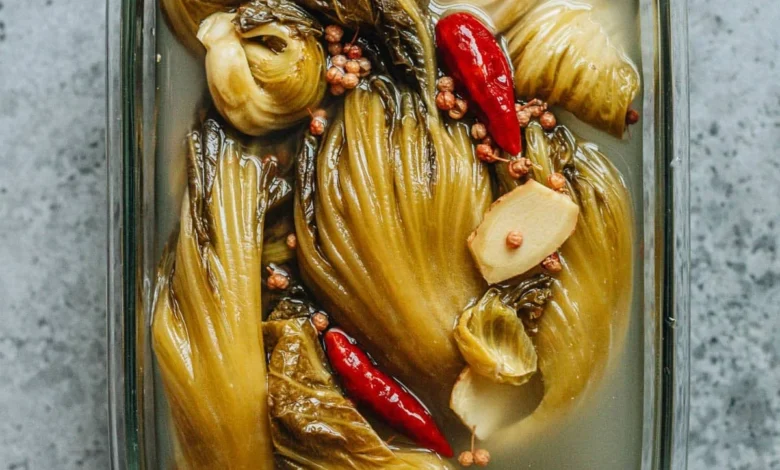
The traditional art of wild lactic acid fermentation has long served as a cornerstone of culinary preservation in southern and southwestern China, with Sichuan pickled mustard greens—locally known as suancai (酸菜)—standing out as an enduring cultural and gastronomic landmark. Unlike commercially produced quick-pickled vegetables reliant on vinegar and artificial preservatives, authentic Sichuan suancai develops its deeply savory, complex acidity over weeks of anaerobic fermentation. As home cooks and international culinary professionals alike increasingly reject mass-produced, heavily salted alternatives in favor of traditional techniques, this humble brassica has taken center stage in a broader global movement toward ancient preservation methods and gut-healthy gastronomy.
Historical Context and Cultural Significance
The practice of fermenting vegetables in China dates back more than two millennia, originating out of necessity during eras when agrarian societies required reliable methods to preserve perishable crops through harsh winters and lean agricultural cycles. In the mountainous, humid terrain of Sichuan province, where high ambient humidity and seasonal temperature fluctuations complicated standard food storage, fermentation emerged as an indispensable survival mechanism.
Mustard greens (Brassica juncea), a resilient leafy crop that thrives in southern Chinese soil and cooler autumn weather, became the natural medium for this tradition. Over centuries, households perfected regional variations of the pickling craft, passing down dedicated earthenware pickling vessels—known as paocai tan—from generation to generation. These specialized pots feature a unique water-sealed rim that allows internal fermentation gases to escape while blocking ambient oxygen and harmful airborne bacteria, establishing a stable microecosystem for beneficial microorganisms.
The Science of Lactic Acid Fermentation
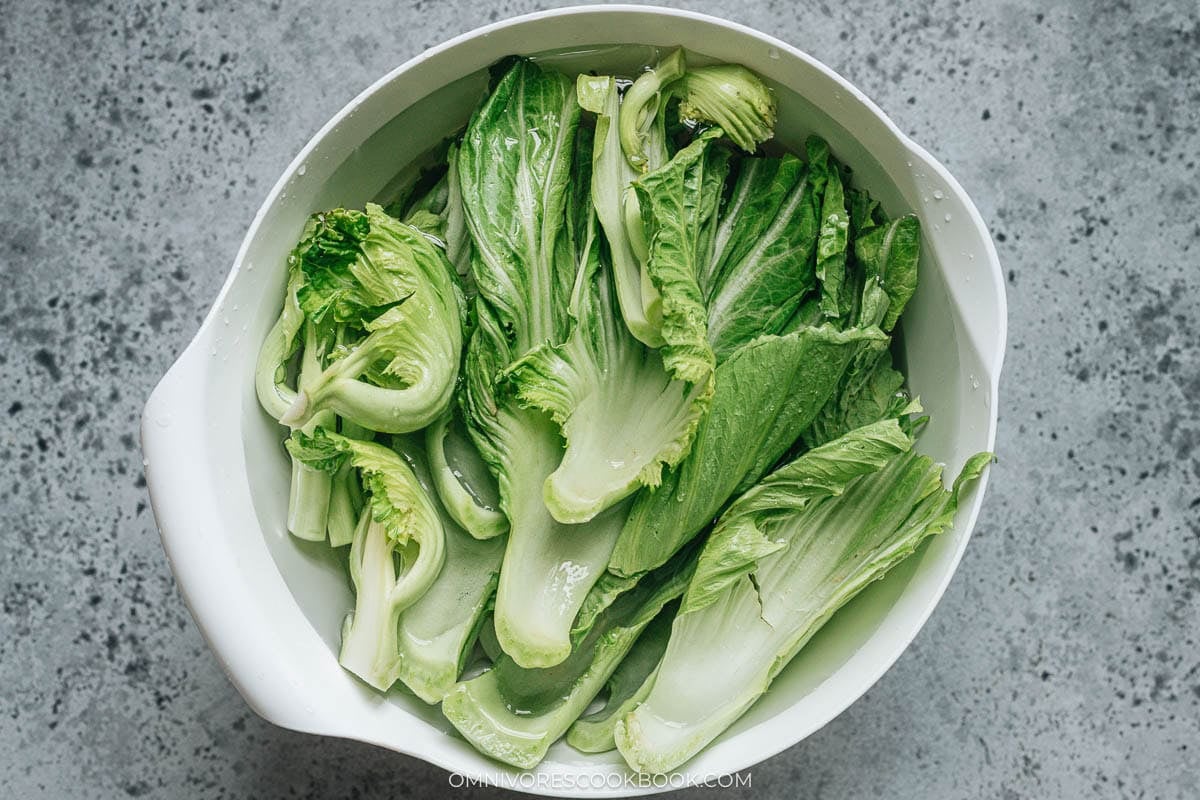
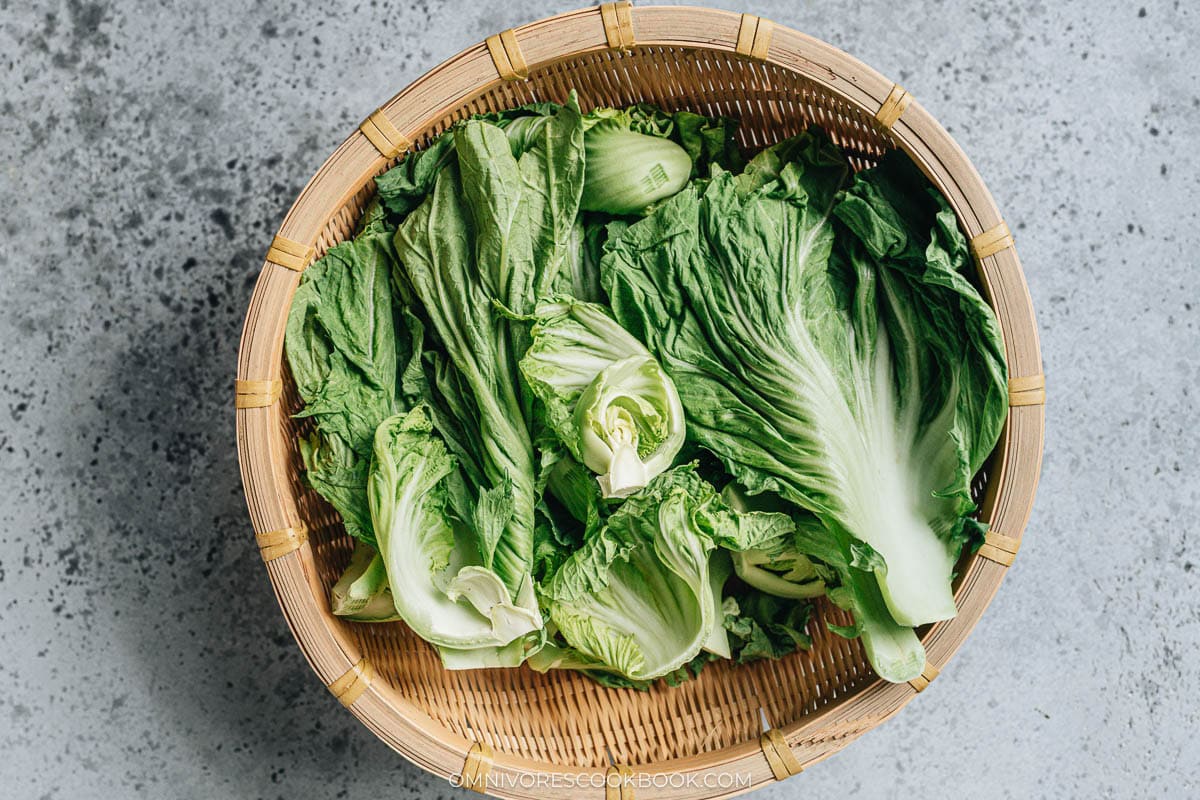
The transformation of fresh mustard greens into pungent, vibrant suancai is governed by natural microbial ecology rather than chemical acidification. The process begins with the selection of fresh mustard greens, which are typically harvested, trimmed, and subjected to a brief wilting period. Air-drying the leaves reduces their internal moisture content, concentrates their natural cellular sugars, and makes the plant tissues more pliable for tight packing.
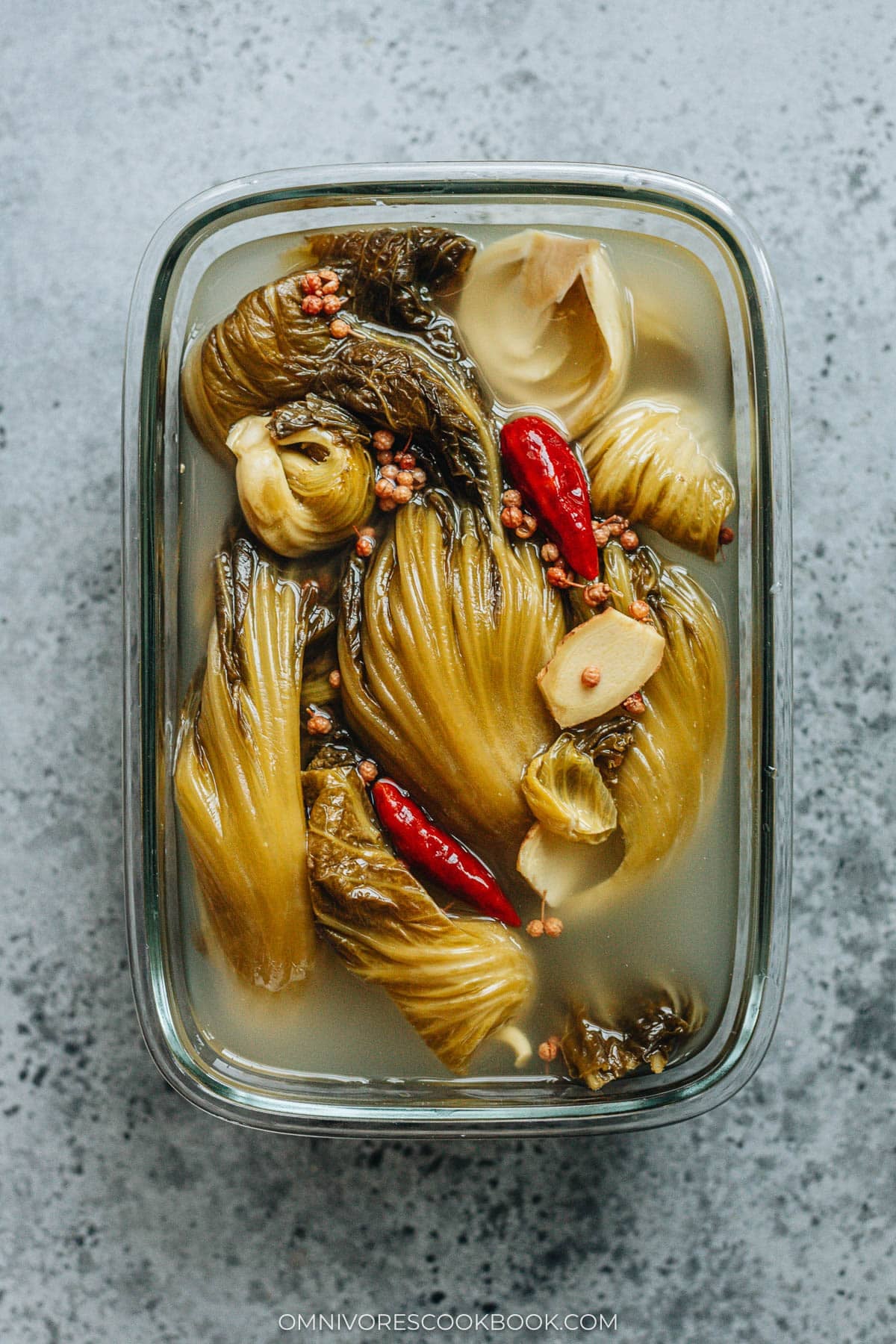
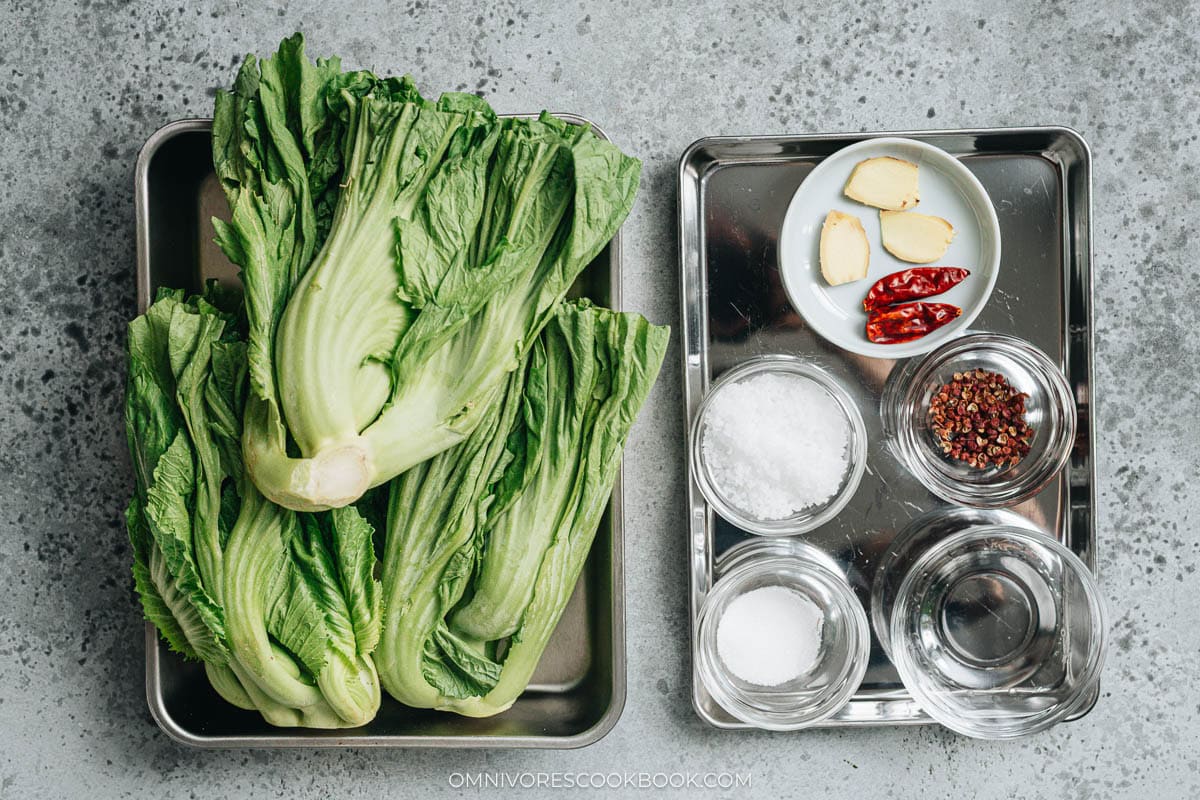
Once prepared, the vegetables are massaged with non-iodized salt—usually applied at a precise concentration of roughly four percent by weight relative to the water—and tightly packed into a sterilized glass or earthenware vessel alongside aromatic elements. These traditional aromatics commonly include fresh ginger root, dried Chinese chili peppers, whole Sichuan peppercorns, and a small quantity of baijiu, a high-proof Chinese grain liquor. While the salt concentration creates a selective environment that suppresses undesirable putrefactive bacteria, the trace alcohol inhibits surface mold growth and contributes delicate aromatic esters to the brine.
Over a period ranging from five to fourteen days, depending on ambient room temperatures, naturally occurring lactic acid bacteria (Lactobacillus species) consume the fermentable sugars present within the plant tissues. These bacteria metabolize the sugars into lactic acid, systematically lowering the pH of the brine. This steady acidification turns the liquid a distinct yellow-green hue, imparts a sharp, pleasing sourness, and cures the greens into a crisp, shelf-stable ingredient capable of elevating everything from broths to stir-fries.
Culinary Applications and Global Gastronomic Influence
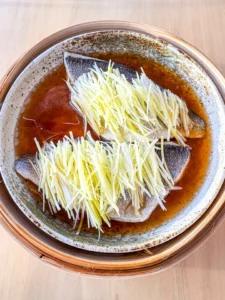
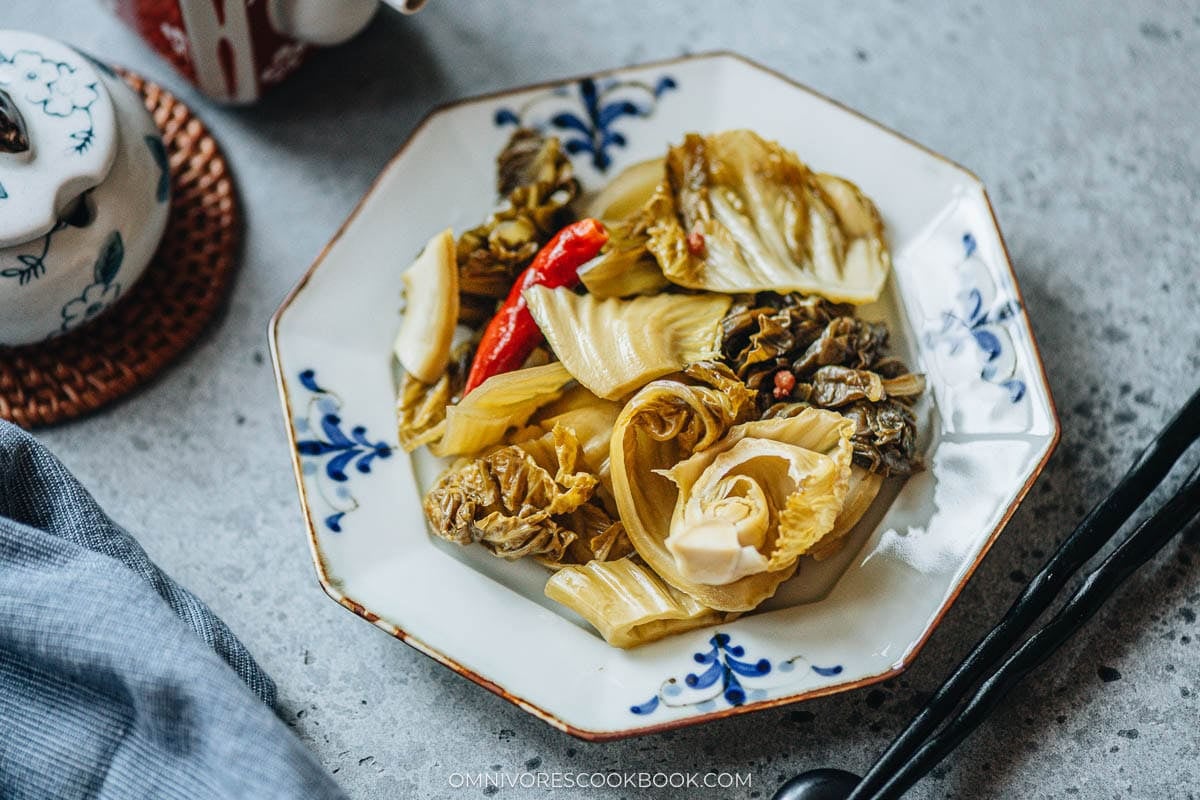
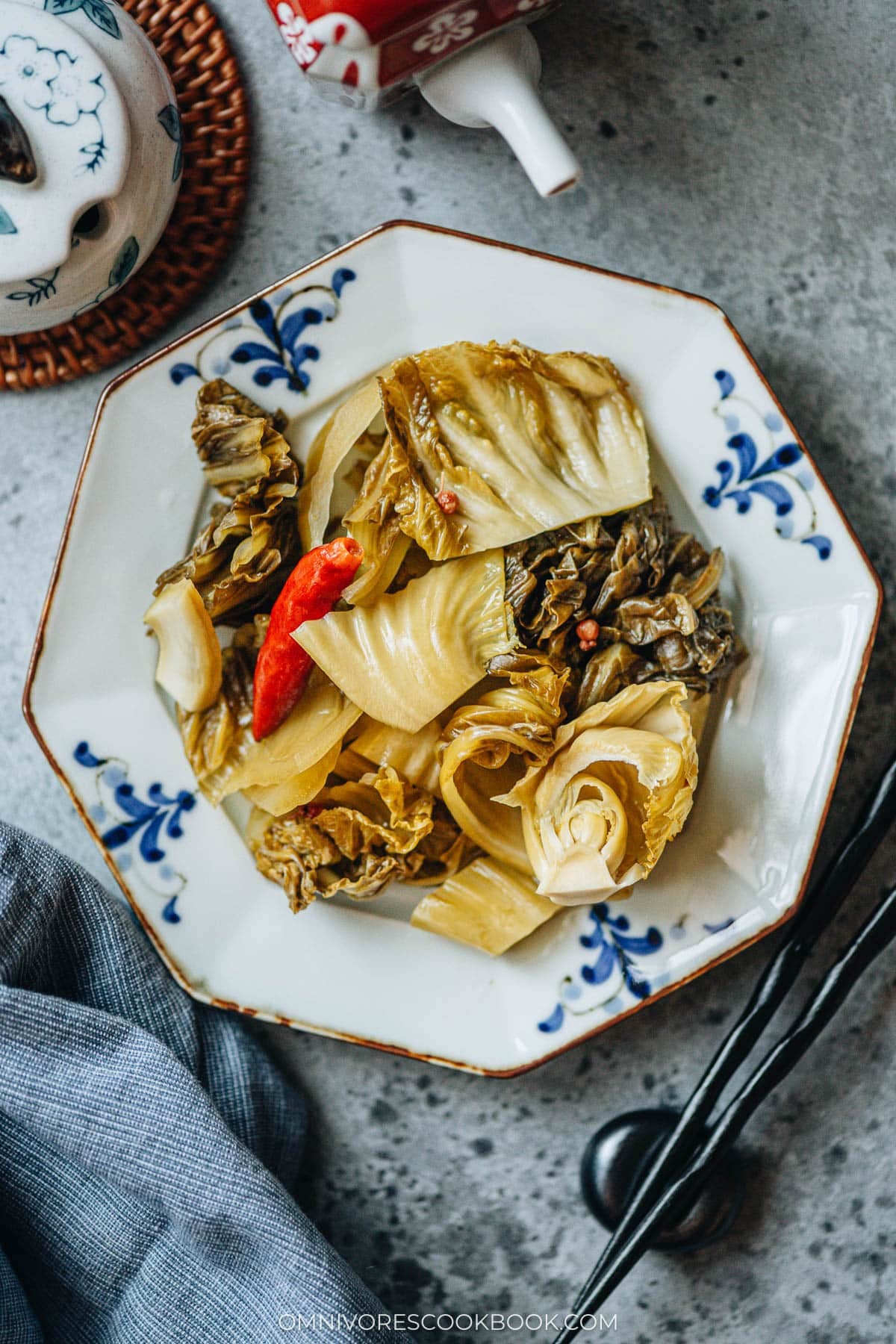
Within regional Chinese cuisine, pickled mustard greens are rarely consumed in isolation; rather, they function as a foundational flavor agent. Their primary claim to global culinary fame is their indispensable role in Suan Cai Yu, a classic Sichuan dish consisting of poached fish fillets served in a fiery, tongue-tingling, and profoundly sour broth. The natural acidity of the greens cuts through the rich, gelatinous textures of river fish, while their umami profile bridges the heat of fresh bird’s eye chilies and the numbing qualities of roasted Sichuan peppercorns.
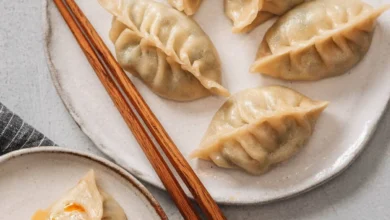
Beyond fish soups, suancai serves as a vital component in regional noodle preparations, pork belly stir-fries, and pork-stuffed dumplings. When served simply as a condiment alongside a morning bowl of rice congee (zhou), the pickles provide a sharp, appetite-stimulating contrast that balances bland carbohydrates.
In recent years, the globalization of regional Chinese cuisine has driven international demand for authentic fermented foods. Culinary historians and food scientists note that this trend aligns with a surging consumer interest in functional foods. Because naturally fermented mustard greens retain live lactic acid bacteria prior to pasteurization or high-heat cooking, nutritionists point to them as potential contributors to a diverse and healthy gut microbiome, echoing findings associated with other global ferments such as Korean kimchi and European sauerkraut.
Modern Adaptations and Best Practices for Home Fermentation
While traditional Sichuan households rely on a continuous "mother brine"—a mature, highly seasoned pickling liquid passed down over months or years—modern culinary enthusiasts frequently initiate fresh batches using sterile water, precision weighing scales, and readily available pantry ingredients.
Culinary experts emphasize several critical parameters for achieving success outside of traditional environments:
- Salinity Control: Maintaining an accurate salt-to-water ratio is paramount. A concentration of approximately 40 grams of salt per liter of water ensures food safety without rendering the final product overwhelmingly salty.
- Anaerobic Integrity: Keeping the mustard greens fully submerged beneath the brine surface prevents oxidative browning and mold proliferation. The use of glass fermentation weights and airlock-equipped lids has largely replaced traditional water seals in modern Western kitchens, allowing amateur cooks to replicate authentic results safely in standard Mason jars.
- Temperature Monitoring: Fermentation kinetics are heavily dictated by ambient thermal conditions. Kitchens maintained between 75°F and 82°F (24°C to 28°C) typically yield a fully matured pickle within five to seven days, whereas cooler spaces require up to two weeks.
Broader Implications for Food Preservation and Sustainability
The resurgence of interest in homemade Sichuan pickled mustard greens highlights a broader cultural shift toward culinary self-reliance and waste reduction. By transforming bulky, highly perishable fresh greens into shelf-stable, probiotic-rich ingredients, home cooks engage in a sustainable kitchen practice that minimizes food waste while deepening their connection to historical foodways.
As culinary boundaries continue to dissolve, the art of Sichuan fermentation demonstrates how simple elements—leafy vegetables, mineral salt, water, and time—can be combined to create complex flavor profiles that endure across generations and geographical divides.