Traditional Cantonese Red Bean Mooncakes: A Complete Guide to Mastering the Mid-Autumn Festival Classic from Scratch

The annual Mid-Autumn Festival, historically celebrated on the 15th day of the eighth lunar month, represents a cornerstone of East Asian culture where families gather to give thanks for the autumn harvest and enjoy celestial moon gazing. Central to this centuries-old celebration is the mooncake, a rich, round pastry traditionally shared among loved ones. While commercial markets in both Asia and Western diaspora communities are annually flooded with mass-produced varieties, a growing culinary movement among home bakers emphasizes scratch-made techniques. Emphasizing fresh ingredients, reduced sugar content, and traditional craftsmanship, homemade preparations have evolved from a nostalgic pastime into an artisanal culinary pursuit.
Historical Context and Cultural Significance of Mooncakes
The origins of mooncakes trace back over a millennium to the Tang and Ming dynasties, where they initially served as royal offerings to the moon deities. Over subsequent centuries, the pastry transformed into a symbol of familial unity and resilience, famously associated with historical legends involving resistance messages hidden inside the pastries during the fall of the Mongol-led Yuan dynasty.
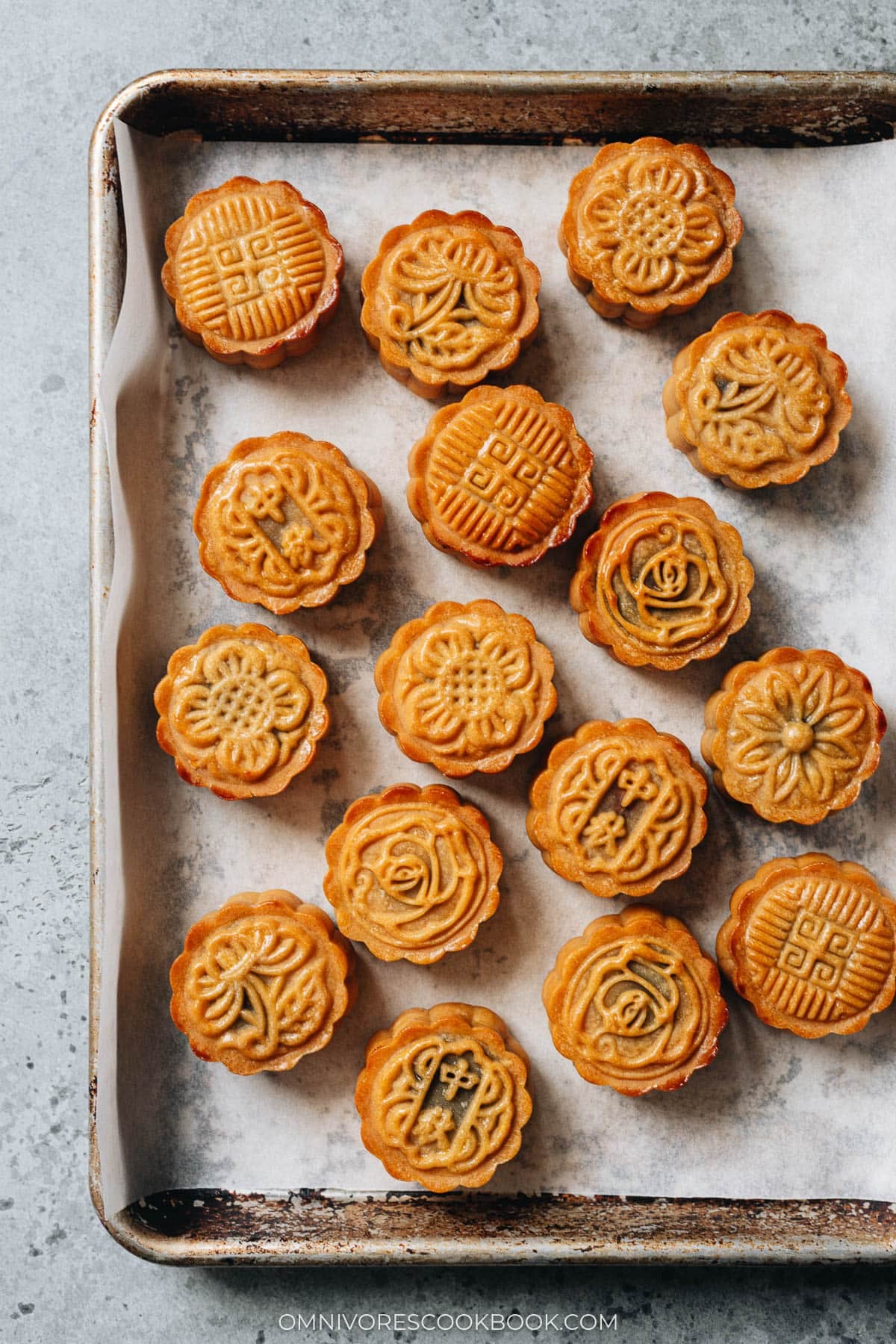
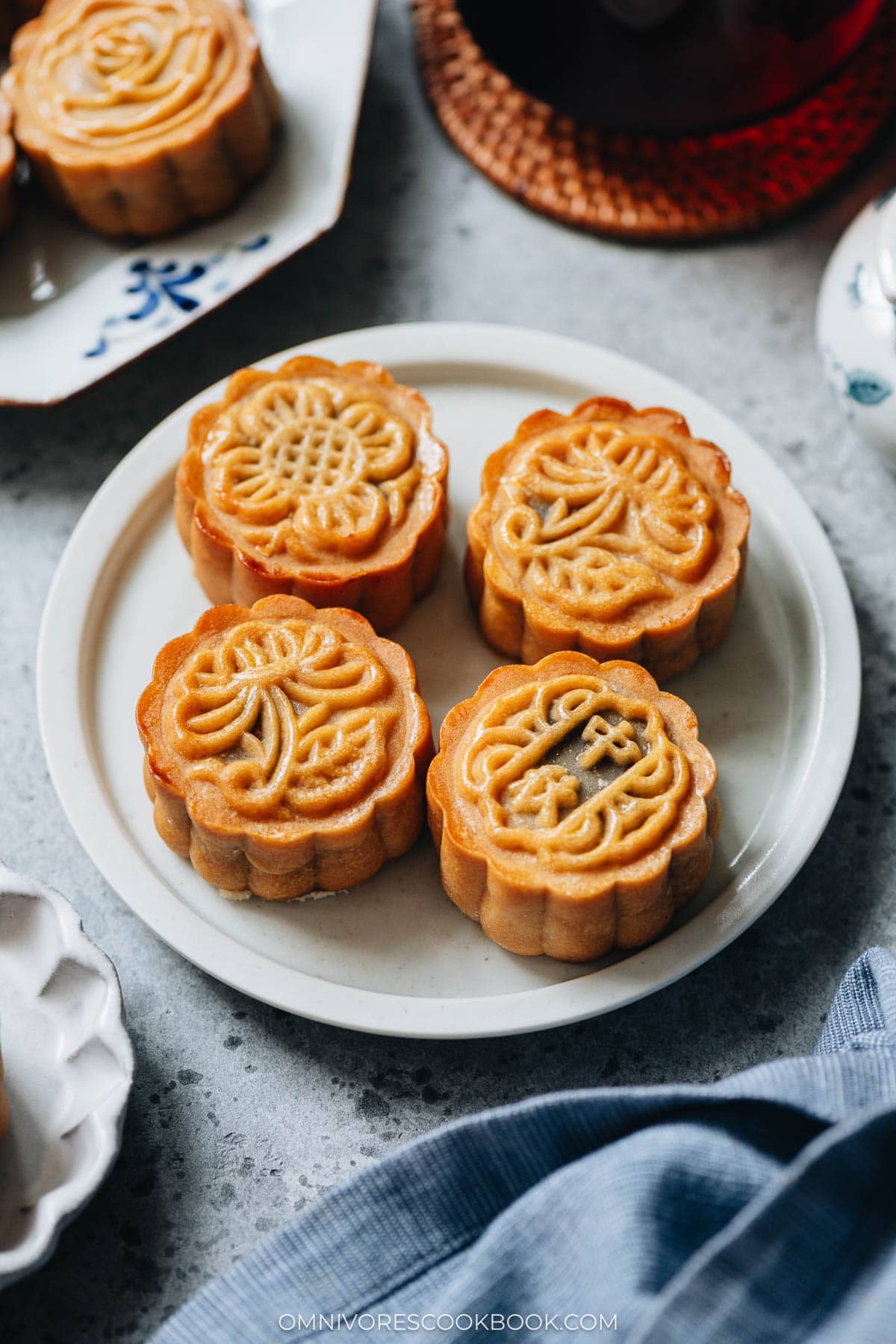
Traditionally, Cantonese-style mooncakes feature a tender, golden-brown crust encasing a dense, sweet filling, often incorporating salted duck egg yolks to symbolize the full moon. While commercial mass production has streamlined the availability of these confections, traditional bakers note that industrial manufacturing often relies on heavy preservatives and excessive sugar to extend shelf life. Consequently, contemporary home cooks are returning to traditional methods—utilizing dried beans, natural maltose, and precise emulsification techniques—to recreate the delicate flavor profiles characteristic of authentic, artisanal bakery items.
Comprehensive Ingredient Breakdown and Scientific Principles
Mastering Cantonese mooncakes requires a precise understanding of the chemical interactions between core ingredients. The baking process relies heavily on specific components to achieve the desired structural integrity, texture, and visual appeal.
Red Bean Filling Components
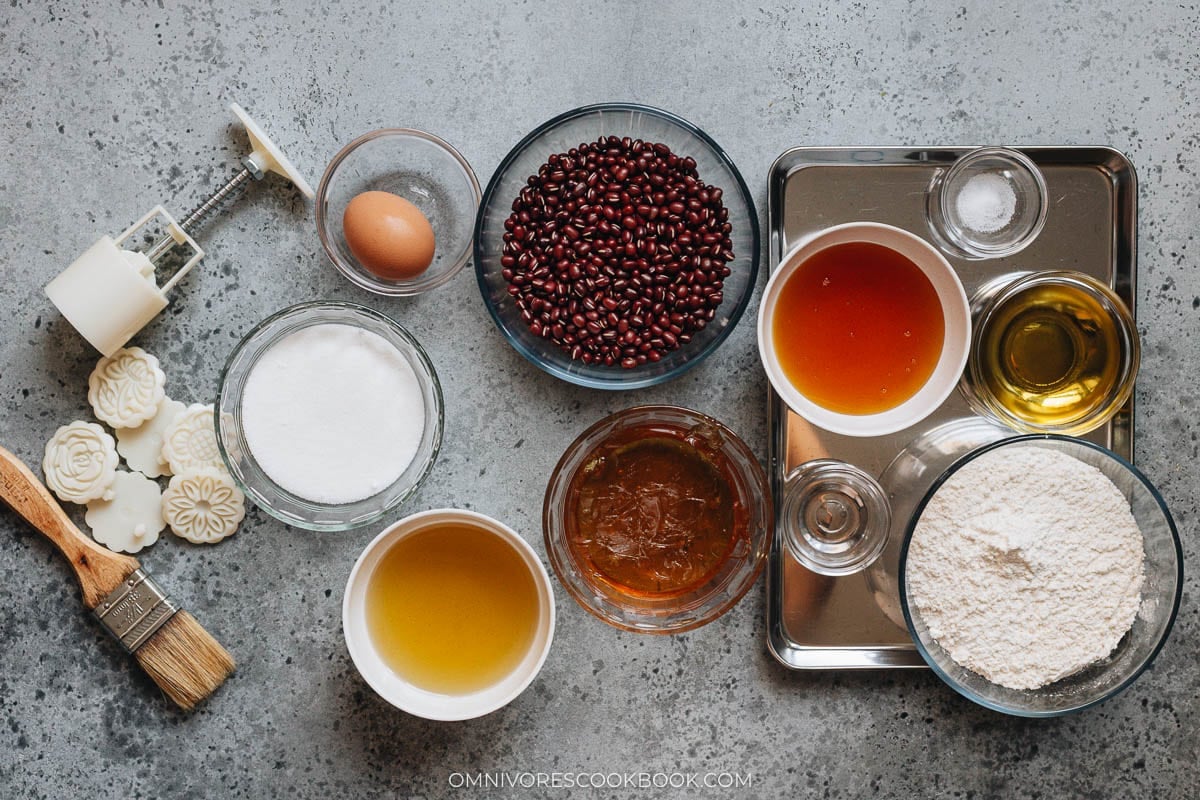
The filling is constructed from dried red adzuki beans, maltose, granulated sugar, and neutral vegetable oil. Unlike commercially produced pastes that utilize high-fructose corn syrup and chemical stabilizers, a scratch-made filling relies on maltose to impart structural viscosity and a subtle, natural fruitiness. Sugar provides the primary sweetness, while vegetable oil functions as an essential softening agent.
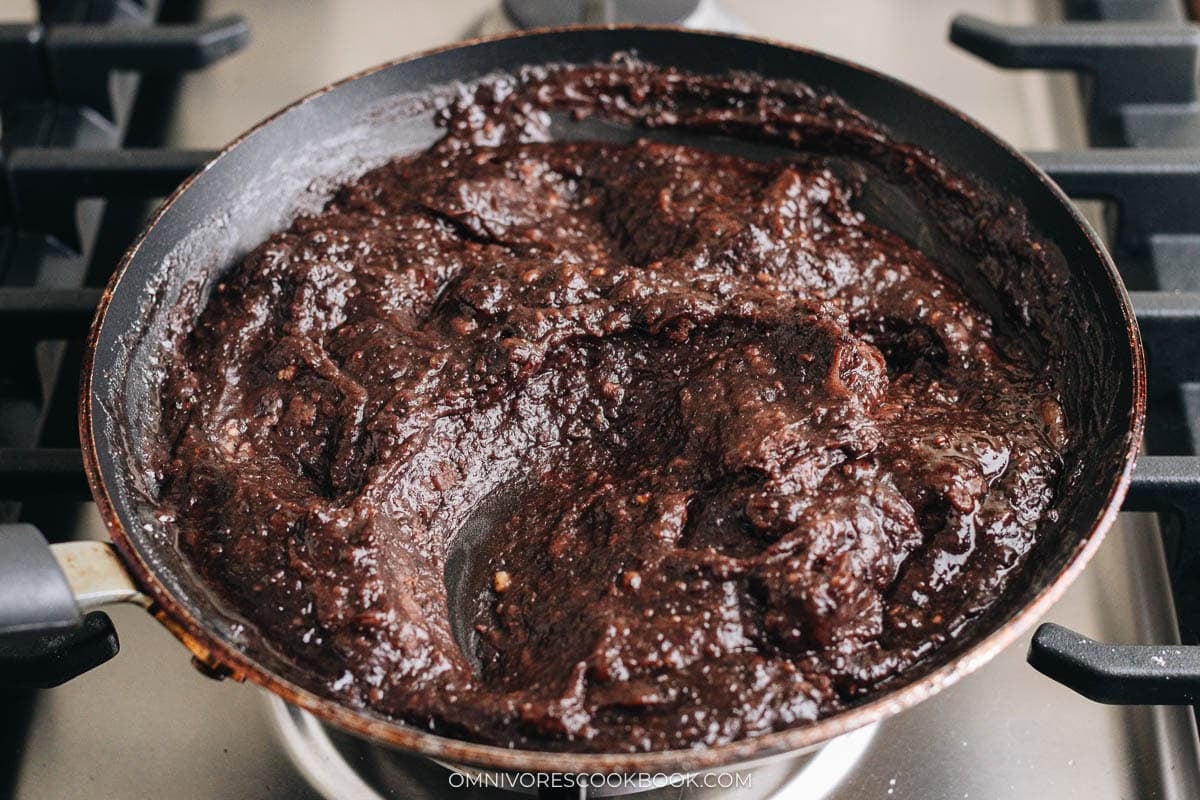
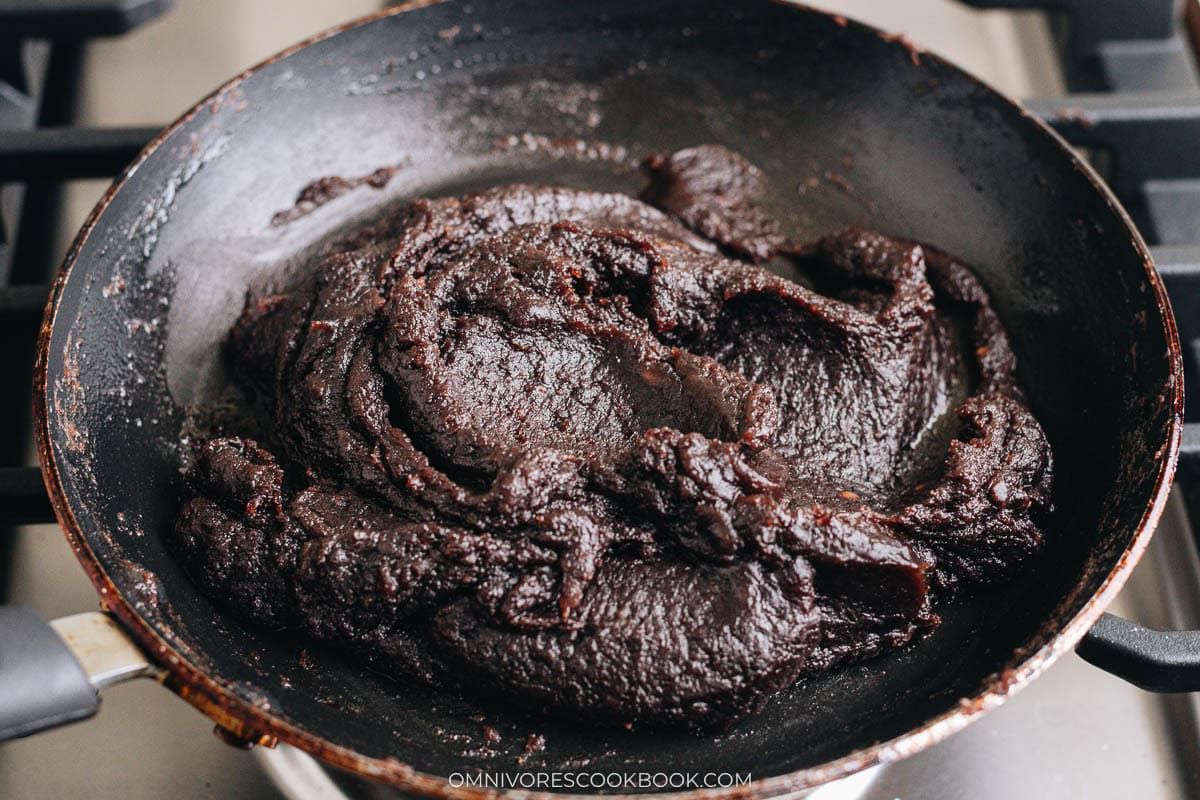
A critical phase in filling preparation is emulsion. During the reduction stage over medium-low heat, oil must be incorporated gradually—typically two tablespoons at a time—and stirred vigorously until fully absorbed. Failure to achieve a proper emulsion results in oil separation during cooling, compromising both the texture and the structural integrity of the filling. Furthermore, bakers caution against overcooking the paste in the pan; it must be removed while still malleable, as it naturally firms up significantly upon refrigeration.
Dough and Crust Formulation
The exterior dough requires golden syrup, kansui (an alkaline potassium or sodium carbonate solution), vegetable oil, salt, and low-protein flour.
- Golden Syrup: Acts as the primary sweetening and moisturizing agent, facilitating the Maillard reaction that yields the signature golden-brown exterior.
- Kansui: This alkaline solution reacts chemically with the golden syrup, deepening the crust color and neutralizing excess acidity to produce the characteristic tender texture of Cantonese pastry.
- Flour Selection: While Chinese recipes frequently call for domestic all-purpose flour, the protein content of American all-purpose flour differs significantly. To maintain consistency, professional home bakers recommend using cake flour or Korean/Chinese all-purpose flour. The lower protein content minimizes gluten development, yielding a pliable dough that stretches easily over the filling without tearing.
The Egg Wash and Visual Dimensionality
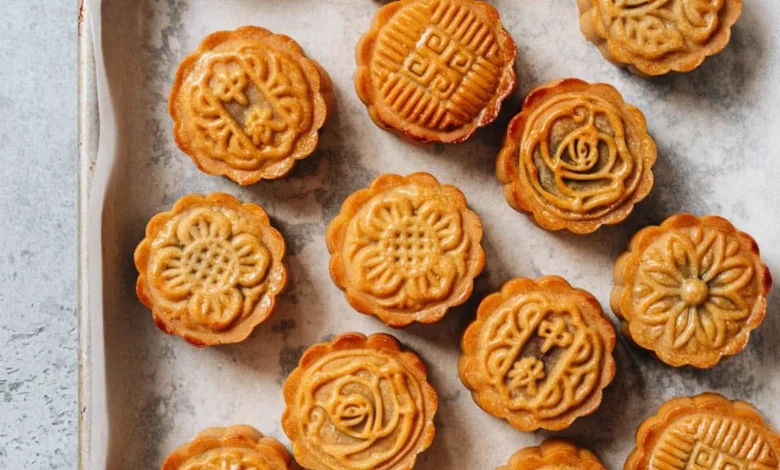
To accentuate the intricate geometric patterns pressed into the pastry, a specialized egg wash combining egg yolk and milk is applied sparingly. The high yolk-to-liquid ratio creates a rich golden pigmentation that highlights the raised ridges while leaving recessed areas lighter, providing visual depth to the molded design.
Essential Equipment for Precision Baking
Achieving professional results requires specific culinary tools designed for measurement and shaping:
- Kitchen Scales: Precision is paramount. Standard kitchen scales measure bulk ingredients, while micro-scales measuring to 0.1 grams are necessary for portioning potent agents like kansui.
- Mooncake Molds: Press-style plastic molds, commonly available in 50-gram and 100-gram capacities, ensure uniform geometric impressions and consistent portion sizes.
- Rolling Pins and Parchment Paper: Rolling the dough between sheets of parchment paper eliminates the need for excess dry flour, preventing the dough from drying out or losing its hydration balance.
- Pastry Brushes: Maintaining two distinct brush sizes allows for precise application of the egg wash on raised surfaces while facilitating the removal of excess liquid from intricate grooves.
Chronological Step-by-Step Preparation Protocol
Phase 1: Red Bean Paste Production
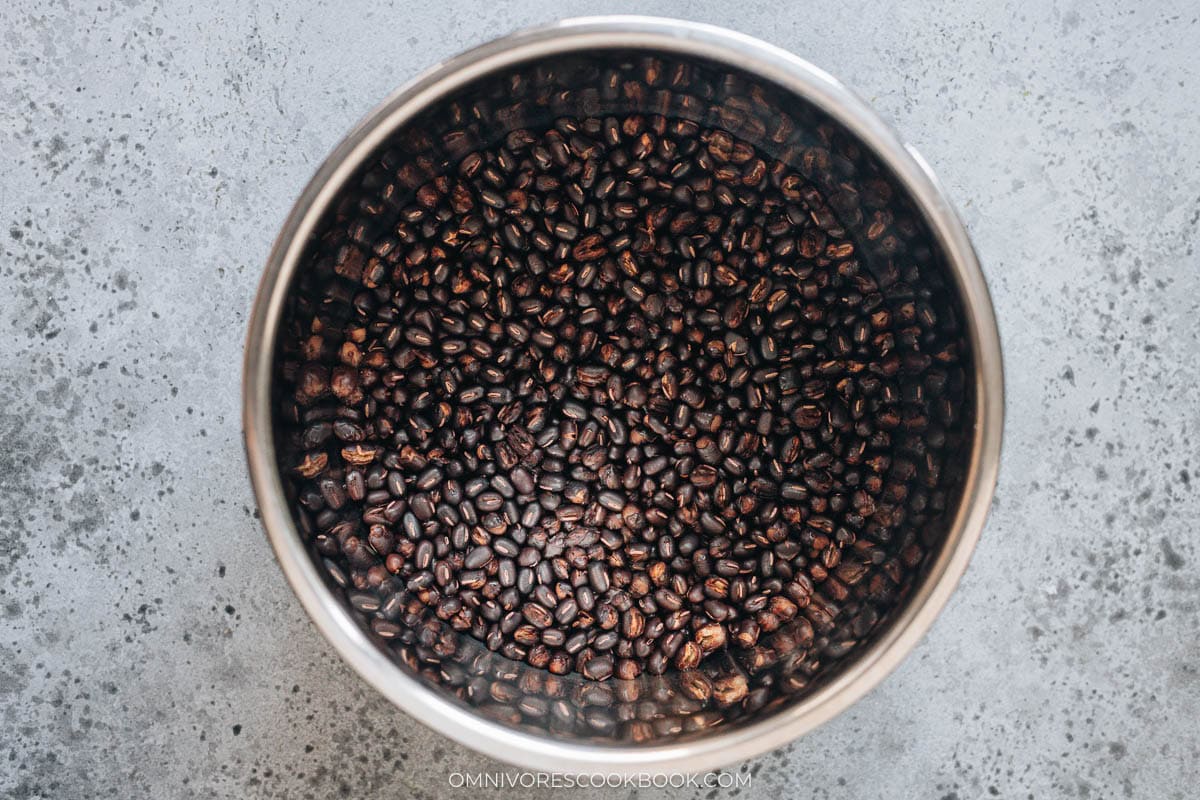
- Cooking: Utilize a pressure cooker to cook dried adzuki beans efficiently without overnight soaking, using minimal water to reduce subsequent reduction time. Alternatively, stovetop methods require a mandatory overnight soak.
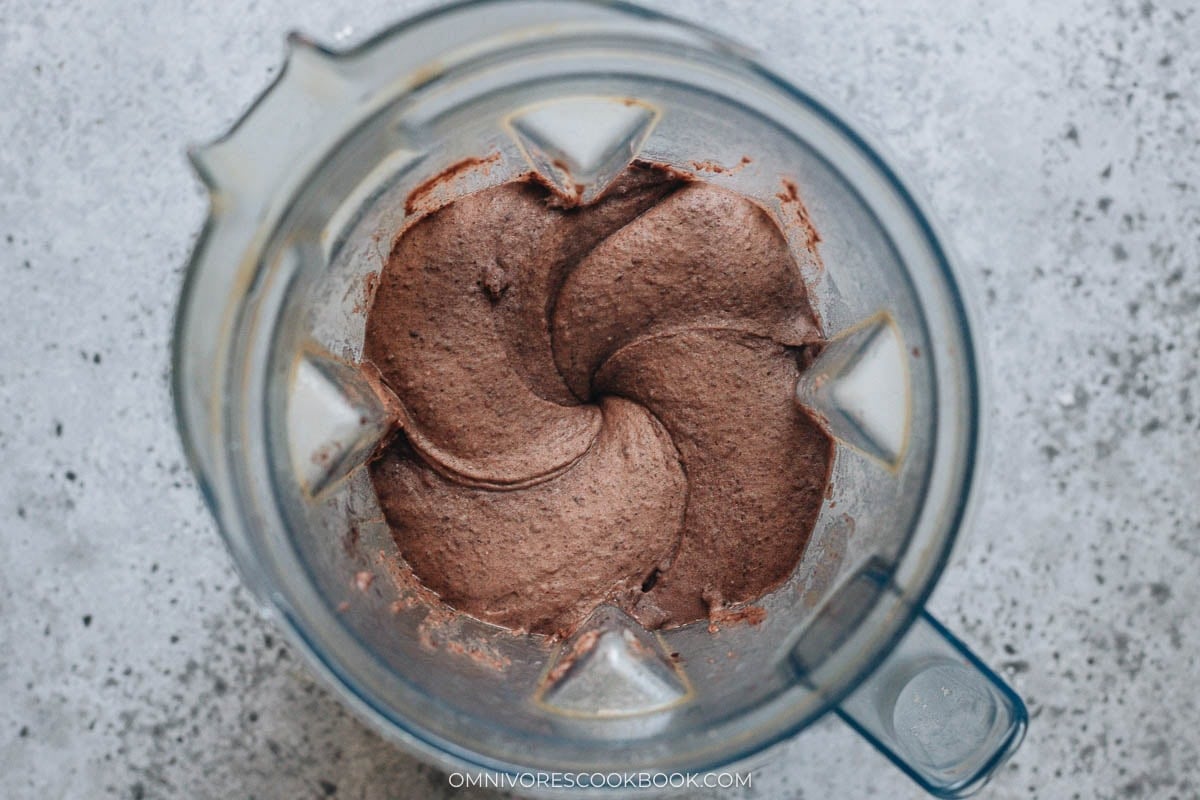
- Blending: Process the cooked beans at a continuous low speed to prevent the paste from jamming against the food processor walls, retaining a desirable rustic texture.
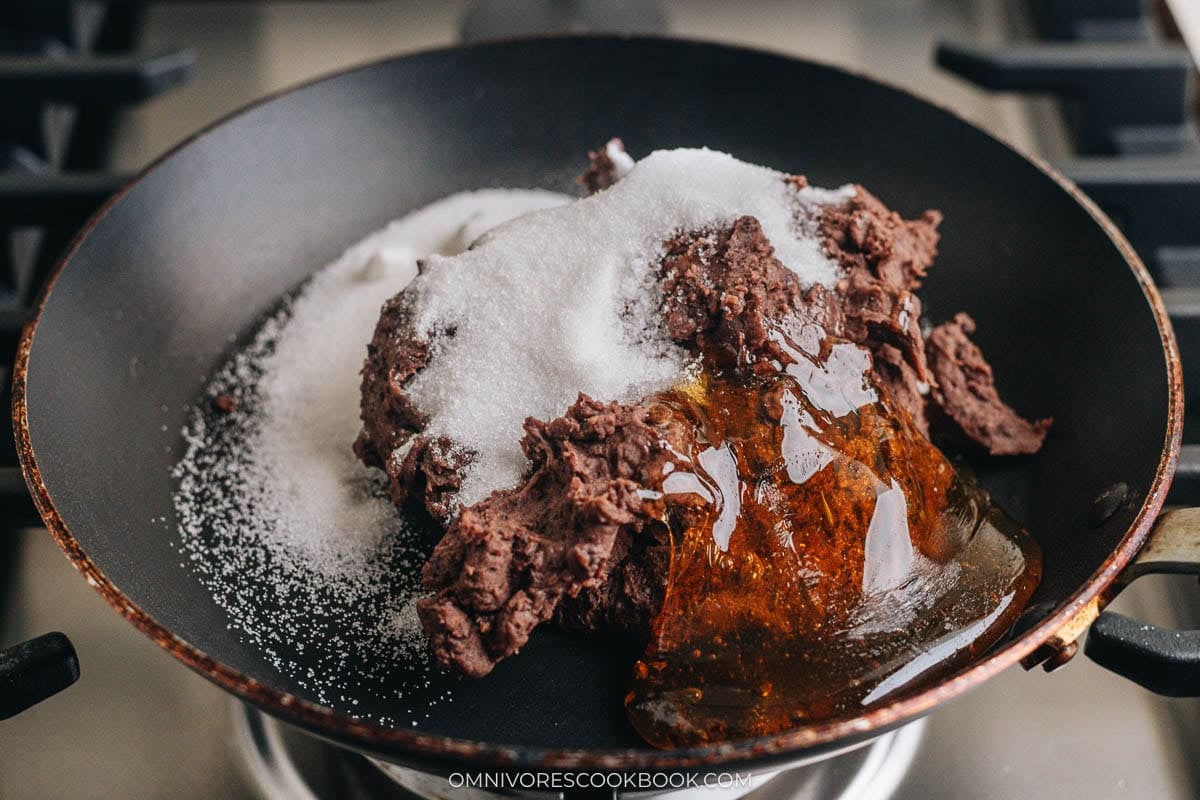
- Reduction and Emulsification: Transfer the paste to a nonstick skillet, incorporating maltose and sugar over medium-low heat. Gradually emulsify vegetable oil into the mixture, stirring constantly for approximately 20 minutes until the paste pulls cleanly away from the pan.
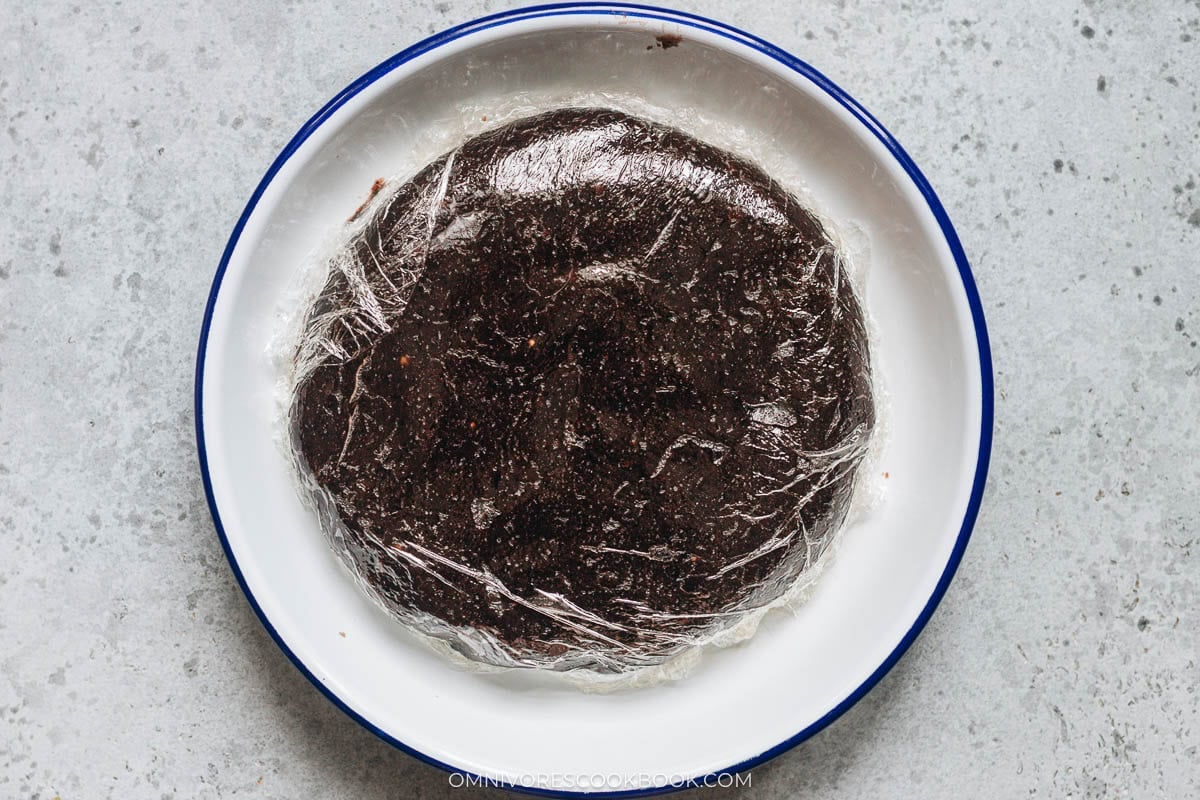
- Chilling: Spread the paste on a shallow dish, seal with plastic wrap pressed directly against the surface, and refrigerate until thoroughly chilled.
Phase 2: Dough Preparation and Resting
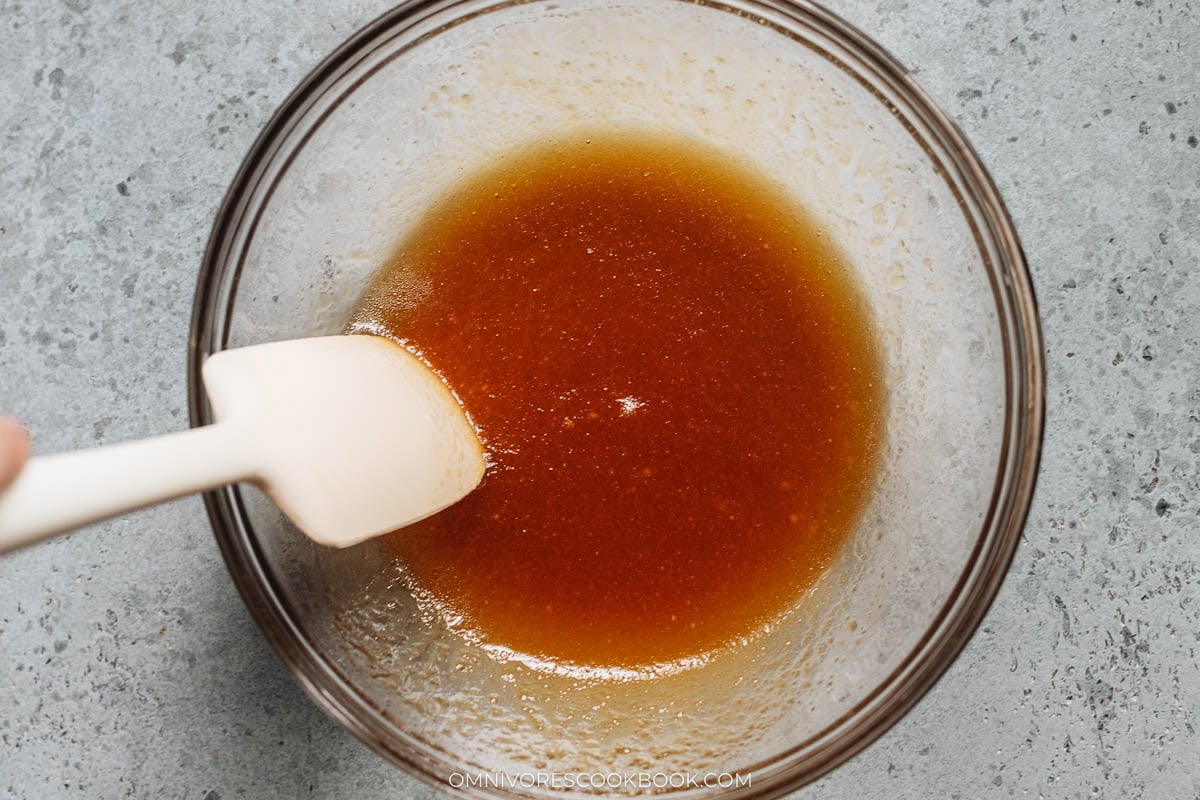
- Mixing: Whisk golden syrup, kansui, and vegetable oil in a large bowl until fully emulsified. Gently fold in cake flour and salt using a spatula to avoid developing excess gluten.
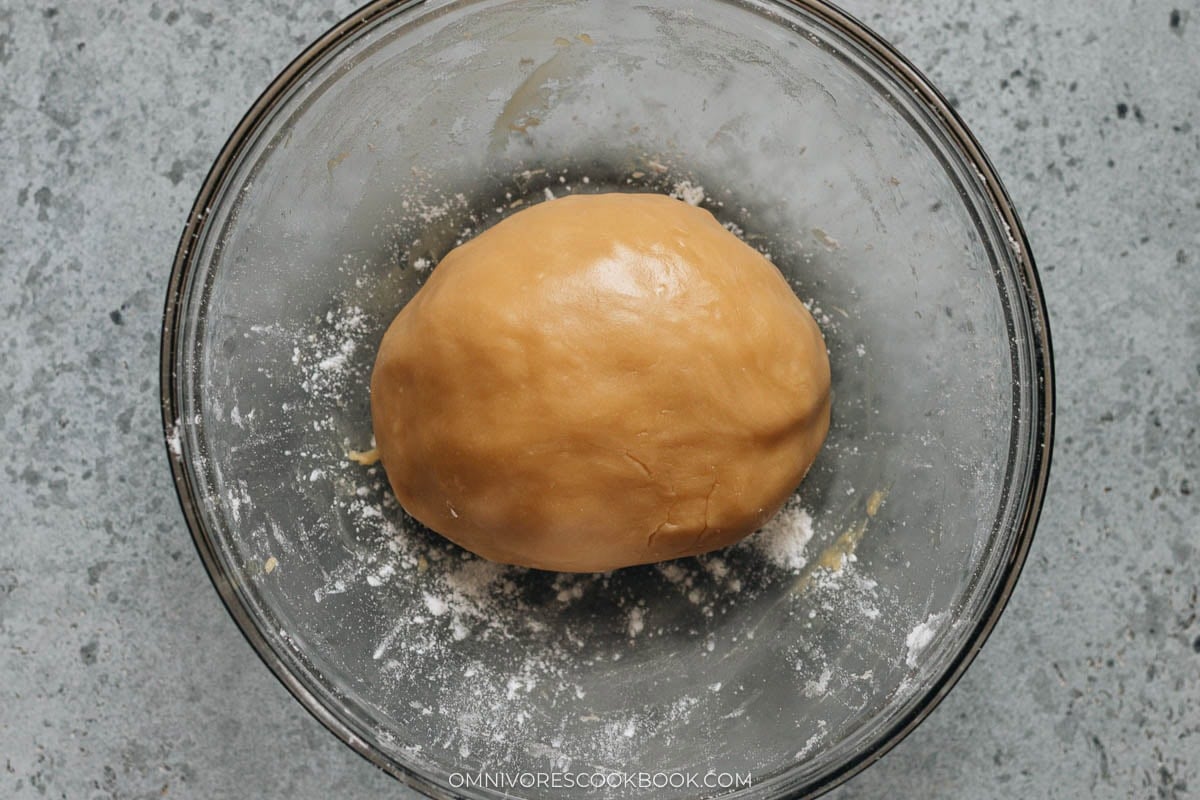
- Resting: Form the soft, slightly tacky dough into a cohesive ball and allow it to rest tightly covered at room temperature for two hours. This hydration window is critical for developing dough elasticity and workability.
Phase 3: Assembly and Molding
- Portioning: Divide the chilled red bean paste into 30-gram balls (optionally wrapping them around halved salted duck egg yolks). Portion the rested dough into 20-gram balls.
- Wrapping: Flatten the dough balls between parchment paper into 4-inch disks. Encase the filling completely, sealing any air pockets or gaps by patching with micro-portions of excess dough.
- Molding: Lightly dust the assembled sphere with flour, place it into the press mold with the thicker side of the dough facing the pattern disc, and press firmly downward for five seconds before releasing onto a parchment-lined baking sheet.
Phase 4: Two-Stage Baking Process
- Initial Set: Mist the molded mooncakes lightly with water to prevent surface cracking. Bake at 400°F (200°C) for five minutes to set the exterior pattern.
- Egg Wash Application: Remove the pastries from the oven, apply a microscopic layer of egg yolk and milk wash exclusively to the raised ridges, and clean any pooled liquid from the grooves.
- Final Bake: Lower the oven temperature to 350°F (176°C) and bake for an additional 12 to 15 minutes until the exterior achieves a uniform golden-brown hue.
The Science of Hui You (Returning Oil) and Storage Implications
Freshly baked mooncakes emerge from the oven with a firm, dry, and relatively pale exterior. The transformation into the soft, glossy pastry characteristic of traditional Cantonese mooncakes occurs during a mandatory post-baking maturation phase known as hui you (returning oil).
Once cooled, the mooncakes must be sealed in airtight containers and stored at room temperature for a minimum of 24 to 72 hours. During this window, residual moisture and fats from the rich interior filling migrate outward toward the crust. This natural diffusion softens the outer layer, deepens its golden coloration, and imparts a glossy finish.
For optimal quality, finished mooncakes can be stored at room temperature for up to one week, refrigerated for up to three weeks (with adequate time allowed for thermal equilibration before serving), or frozen for up to two months. Culinary analysts note that respecting this resting period is critical for achieving the harmonious balance of textures required for a successful Mid-Autumn Festival presentation.