Mastering Shacha Chicken: A 30-Minute Culinary Guide to Savory Chinese Barbecue Stir-Fry

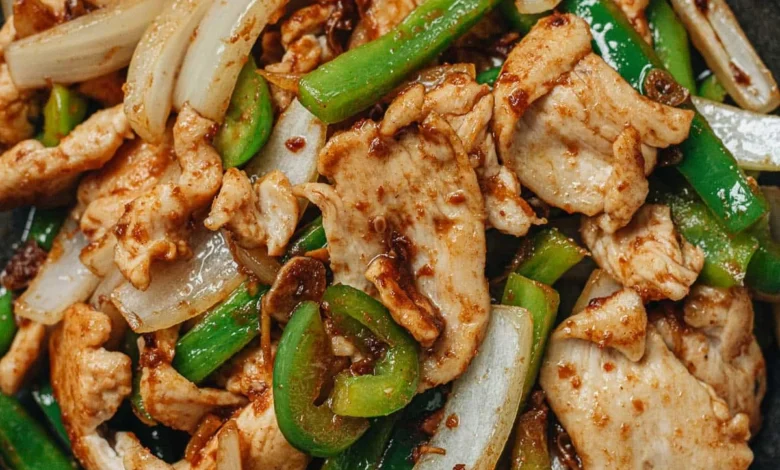
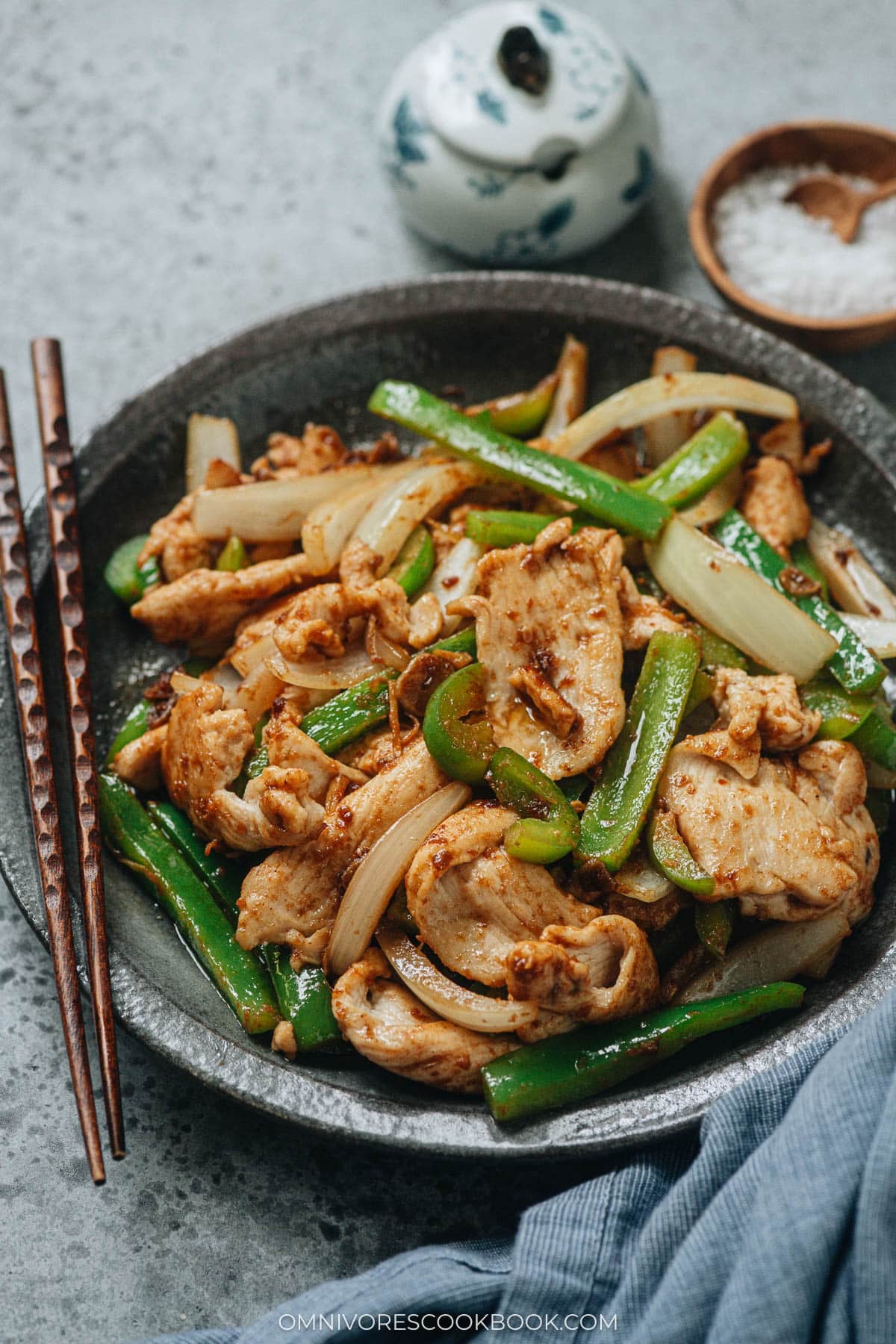
Home cooks seeking a dynamic yet efficient weeknight meal often turn to well-stocked pantries capable of delivering deep flavor profiles without requiring an extensive list of individual spices. Among the most versatile components for achieving this balance is shacha sauce—a traditional Chinese barbecue condiment renowned for its complex, savory umami depth. This culinary staple forms the foundation of a rapid, 30-minute shacha chicken stir-fry that pairs tender poultry with crisp bell peppers and sweet onions, offering an accessible entry point into regional Asian cooking techniques.

Origins and Culinary Evolution of Shacha Sauce
The historical trajectory of shacha sauce reflects centuries of maritime trade and cultural exchange across Asia. The condiment traces its roots back to the traditional satay sauces of Southeast Asia, which were introduced to coastal China by overseas Chinese communities returning from regions such as Malaysia and Indonesia. Settling primarily in the Chaoshan region of Guangdong province, local culinary practitioners adapted the peanut-and-spice-heavy foreign recipes to suit local palates.
Over generations, the formulation evolved significantly. Unlike Indonesian satay paste, which relies heavily on peanuts, Chaoshan shacha sauce incorporates a distinct base of garlic, shallots, chili peppers, soybean oil, and a robust selection of dried seafood, most notably brill fish and dried shrimp. This maritime influence imparts a characteristic briny complexity that distinguishes shacha from other regional barbecue sauces. Today, the condiment holds a prominent position in Taiwanese cuisine and Chaoshan gastronomy, where it serves dual purposes as a foundational stir-fry glaze and an essential dipping sauce for communal hot pot dining.
Ingredients and Structural Components
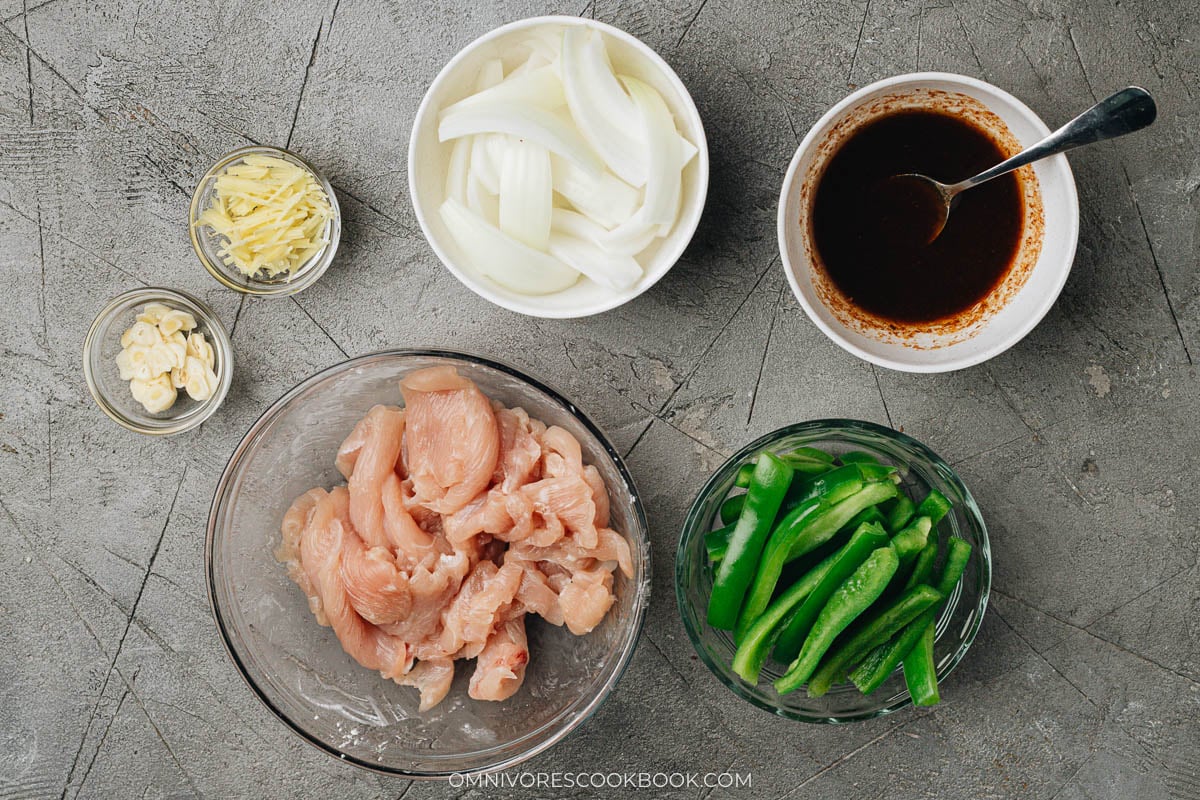
Executing a successful shacha chicken stir-fry requires careful organization of ingredients into three distinct operational phases: the protein marinade, the sauce emulsion, and the aromatics-vegetable matrix.
For the protein, culinary standards typically favor boneless, skinless chicken breasts due to their ability to absorb flavors rapidly and cook within minutes. Alternatively, boneless, skinless chicken thighs provide an option with higher fat content, yielding a juicier texture for diners who prefer richer cuts. The meat undergoes a brief preliminary treatment involving Shaoxing rice wine, a small quantity of salt, and cornstarch. This technique—commonly known in Chinese cooking as "velveting"—seals in natural moisture during high-heat searing.
The primary flavor delivery system relies on a measured combination of shacha sauce, light soy sauce, granulated sugar to balance the condiment’s natural salinity, and a finishing drop of sesame oil. Aromatics consist of thinly sliced garlic and julienned ginger, which release essential oils when introduced to the hot
pan. These are complemented by white onion and bell pepper, providing structural crunch and visual contrast. Peanut oil is frequently selected as the cooking medium due to its high smoke point and subtle nutty undertones, though standard vegetable oil serves as an acceptable substitute.
Step-by-Step Preparation Chronology
Achieving optimal texture and flavor distribution in a high-heat skillet environment depends on strict adherence to a sequential timeline.
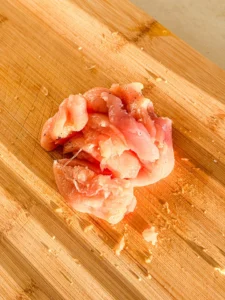
- Protein Maceration: The preparation begins by slicing the chicken against the grain to ensure tender bites. The pieces are combined in a bowl with Shaoxing wine, salt, and cornstarch until uniformly coated, allowing the meat to rest while vegetable preparation takes place.
- Emulsion Creation: In a separate vessel, the shacha sauce, light soy sauce, sugar, and sesame oil are blended thoroughly to ensure the sugar fully dissolves into the thick paste before cooking commences.
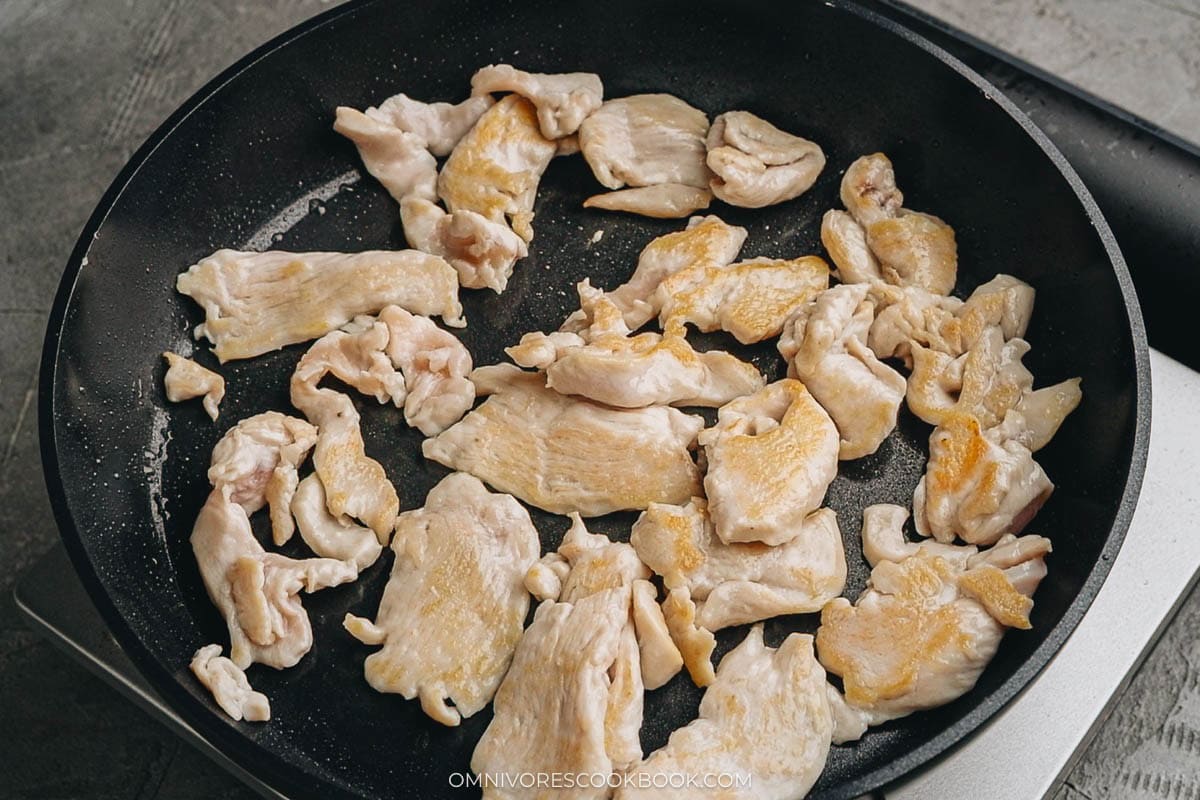
- High-Heat Searing: A large skillet or wok is heated over medium-high until the cooking oil shimmers. The marinated chicken is arranged in a single, non-overlapping layer to facilitate direct contact with the hot surface. Searing continues until the lower edges develop a light char, after which the pieces are flipped briefly before being transferred to a holding plate.
- Aromatics Integration: The blended sauce mixture is poured directly into the hot skillet alongside the sliced garlic and julienned ginger. The mixture is stirred continuously for approximately 60 seconds to release volatile aromatics without burning the paste.
- Vegetable Incorporation: White onions and bell peppers are introduced to the skillet, sautéed for roughly one minute to soften their structure while preserving their essential crispness.
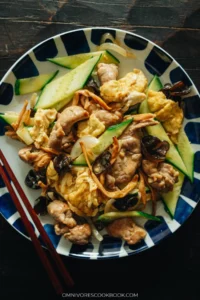
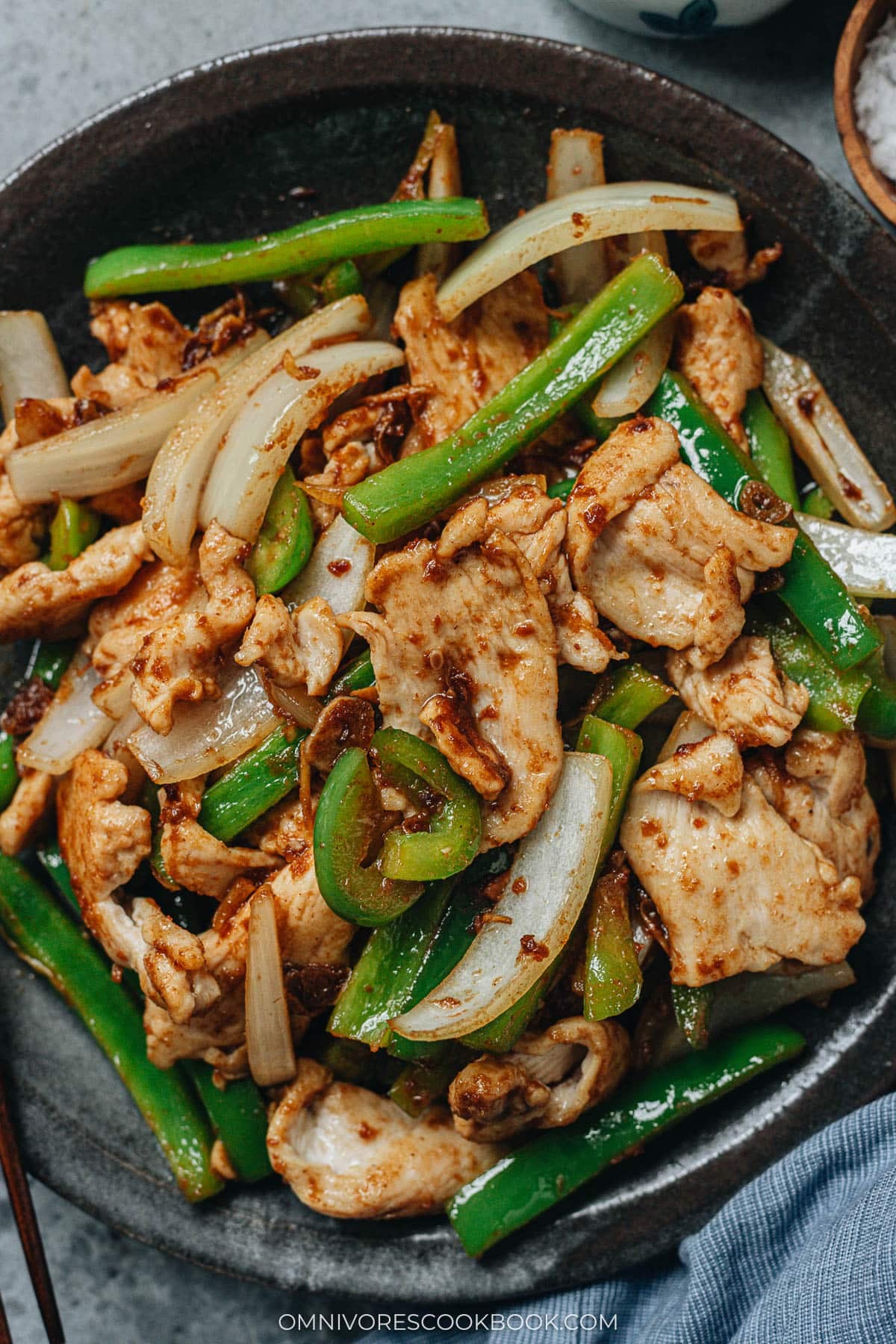
- Final Assembly: The reserved chicken is returned to the pan, tossing vigorously with the vegetables and sauce until every component is evenly glazed. The dish is plated immediately for service.
Professional Techniques for Superior Results
Culinary professionals emphasize specific methodological adjustments to elevate home-prepared stir-fries to restaurant standards.
- Grain Orientation: Slicing poultry against the natural direction of the muscle fibers shortens the protein strands, significantly improving mouthfeel and tenderness, particularly when utilizing leaner cuts like chicken breast.
- Thermal Management: Introducing ingredients to a lukewarm pan frequently results in steaming rather than searing. Ensuring the cooking oil reaches its shimmering point before adding the chicken guarantees the development of a savory exterior crust.
- Post-Cooking Adjustments: Commercial formulations of shacha sauce vary considerably in sodium content and regional flavor profiles. Cooks are advised to sample the finished sauce prior to final plating, introducing minor adjustments such as water to dilute excessive saltiness or additional soy sauce to enhance depth.
- Aromatic Formatting: Utilizing julienned ginger rather than minced paste prevents the spice from overpowering the complex seafood notes of the shacha sauce while imparting a pleasant textural element to the final dish.
Broader Implications for Weeknight Meal Planning
The adoption of regional condiments like shacha sauce reflects a broader shift in contemporary home cooking toward global pantry integration. By relying on concentrated umami pastes, home cooks can replicate complex, restaurant-quality flavor profiles within compressed timeframes. At 241 calories per serving, alongside 25.7 grams of protein and moderate carbohydrate content, dishes of this nature align with nutritional demands for lean, high-protein weeknight dinners.
When integrated into broader meal planning, shacha chicken demonstrates exceptional versatility. It pairs naturally with foundational starches such as steamed white rice, which absorbs the residual glaze. To balance the richness of the savory barbecue paste, meals are frequently rounded out with crisp, fresh sides, including garlic-infused green beans, blanched baby bok choy, or cold cucumber salads. This scalability ensures that traditional regional flavors continue to find a receptive audience in modern domestic kitchens worldwide.