Mastering Authentic Sichuan Mapo Tofu: A Comprehensive Culinary Guide to China’s Iconic Dish

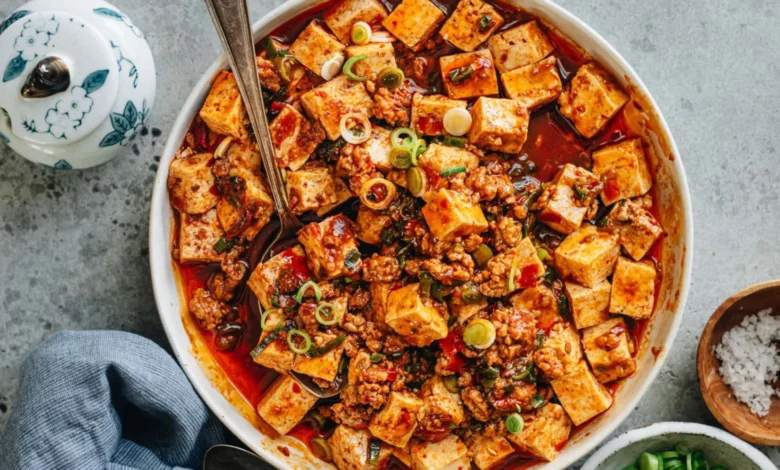
Mapo tofu (麻婆豆腐, ma po dou fu) remains one of the most culturally significant and globally celebrated exports of Sichuan regional cuisine, combining silky cubes of protein with a fiery, fermented chili sauce designed to deliver both intense heat and a signature neurological tingle. Originating in Chengdu during the late Qing Dynasty, the dish has evolved from a humble local meal served to roadside travelers into an international benchmark for Sichuan gastronomy. Unlike heavily modified Westernized adaptations that prioritize simple capsaicin heat, the authentic restaurant-style preparation relies on a precise balance of preserved broad bean paste, aromatic spices, and a specialized cooking chronology that transforms basic ingredients into a complex, multi-dimensional culinary experience.
Historical Origins and Cultural Context
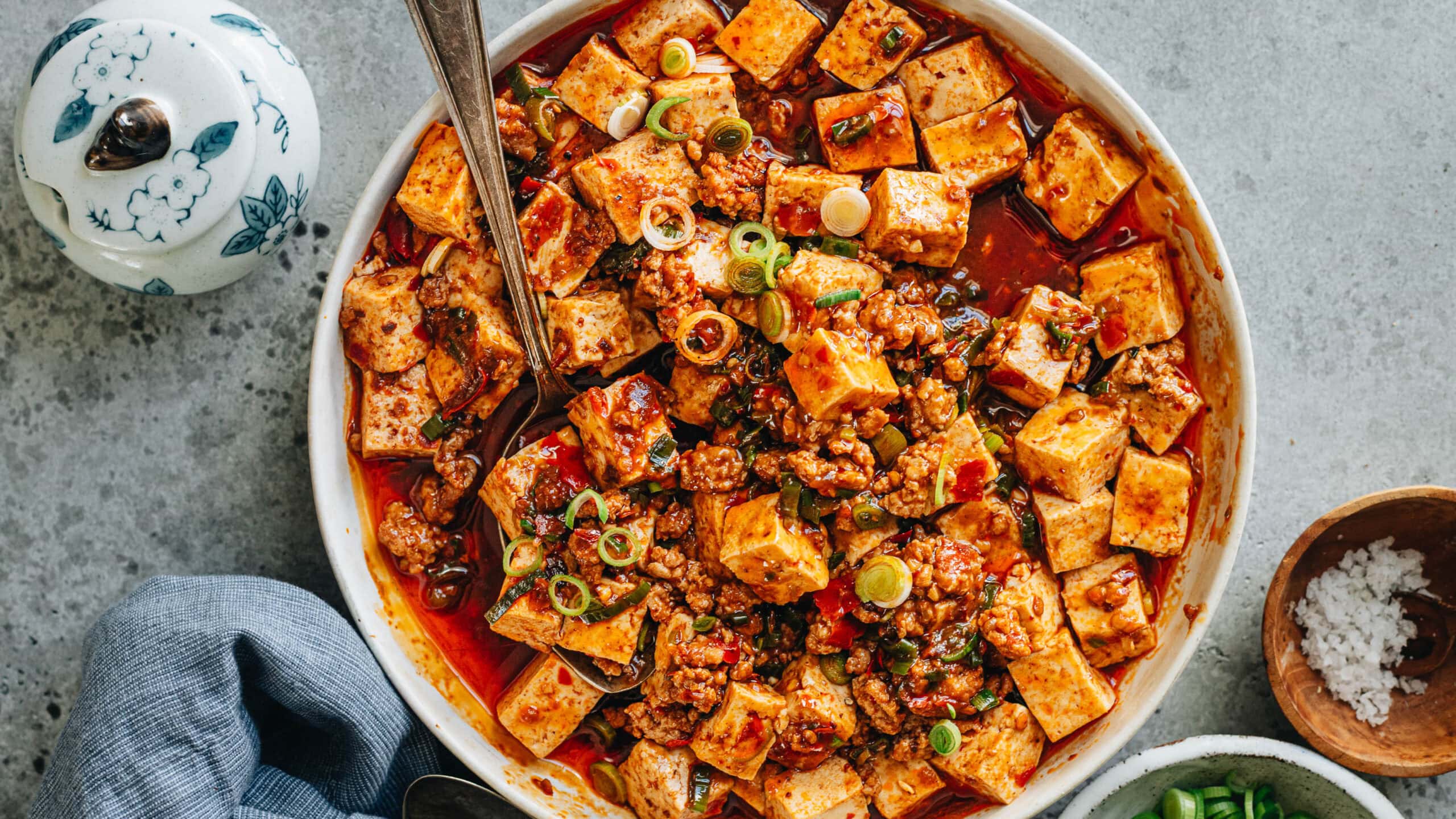
The culinary history of mapo tofu is deeply rooted in the working-class culture of Chengdu’s northern suburbs. Historical accounts trace the dish’s creation to the 1860s, during the reign of the Tongzhi Emperor. It was reportedly invented by a woman named Chen Mapo—"Ma" denoting pockmarks on her face, and "Po" serving as an honorific for an older woman—who operated a small eatery near the Wanfu Bridge. Originally catering to local laborers, oil transporters, and merchants, Chen developed a hearty, inexpensive dish using readily available local staples: blocks of fresh bean curd, leftover beef or pork trimmings, cheap cooking oil, fermented broad bean paste (doubanjiang), and locally harvested Sichuan peppercorns.
The dish quickly gained a reputation for its exceptional flavor profile, characterized by the Chinese culinary concept of mala (麻辣)—a simultaneous numbing (ma) and burning (la) sensation. Over the decades, the recipe transitioned from a localized working-class meal into a staple of official Sichuan cuisine, codified in regional cookbooks and eventually exported worldwide alongside the broader globalization of Chinese dining.
Anatomy of Authentic Flavor: Key Ingredients
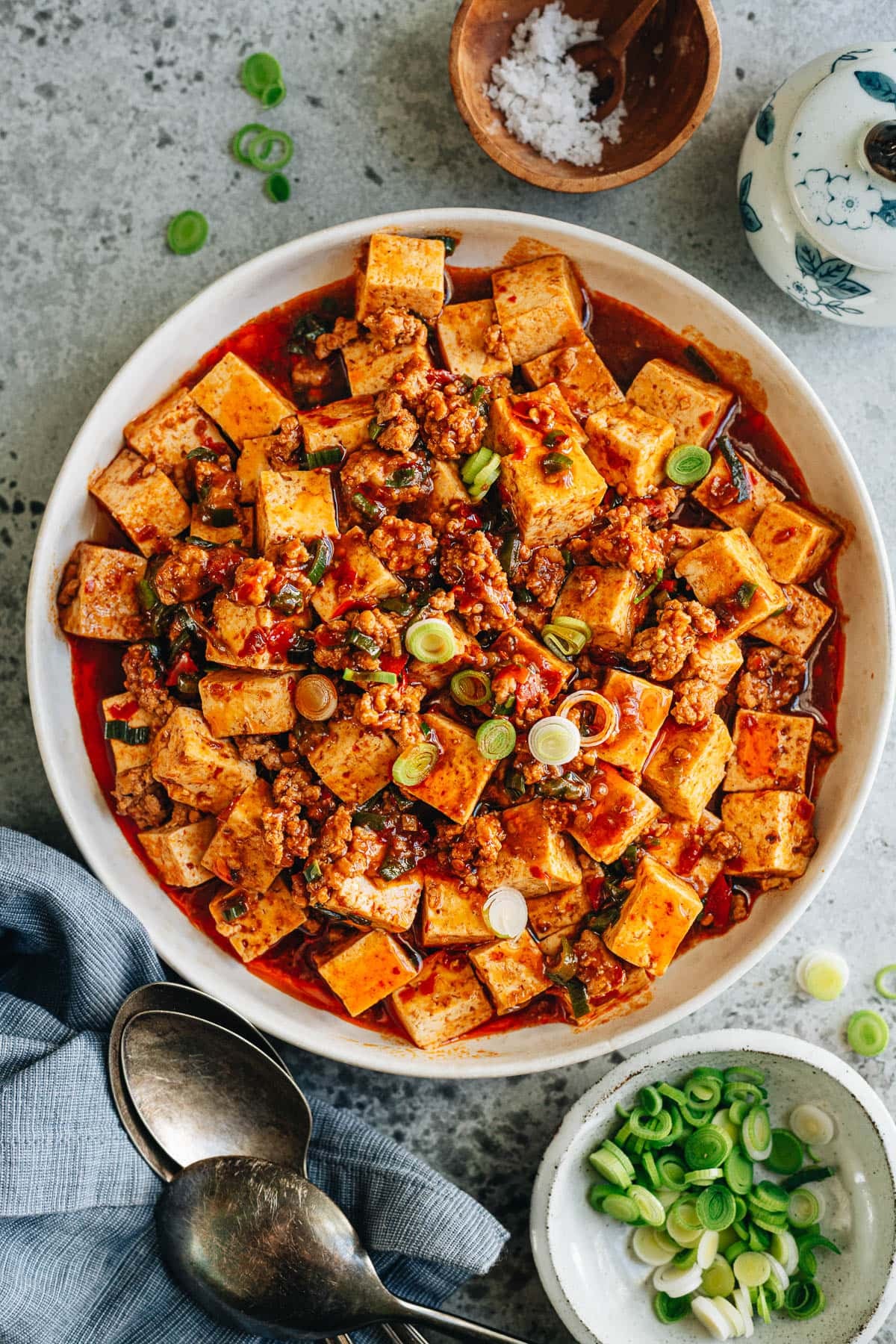
Replicating the authentic flavor profile of traditional mapo tofu requires sourcing specific regional ingredients that cannot be effectively substituted with standard Western pantry items. Culinary experts emphasize three core components that define the dish’s structural integrity:
Doubanjiang: Often referred to as spicy fermented bean paste, chili bean paste, or broad bean sauce, doubanjiang is universally recognized as the soul of Sichuan cooking. The premier variety is Pixian doubanjiang, originating from the Pixian region of Sichuan province. Aged outdoors in large earthenware jars for up to several years under the regional sun, this paste combines fermented broad beans, soybeans, salt, and flour with sun-dried red chilies. Pixian doubanjiang in red oil provides a deep, savory umami base, a natural reddish-brown hue, and a complex salinity that anchors the entire dish. Chefs note that commercial brands vary significantly in salt content, requiring adjustments to supplementary seasonings depending on the specific paste utilized.
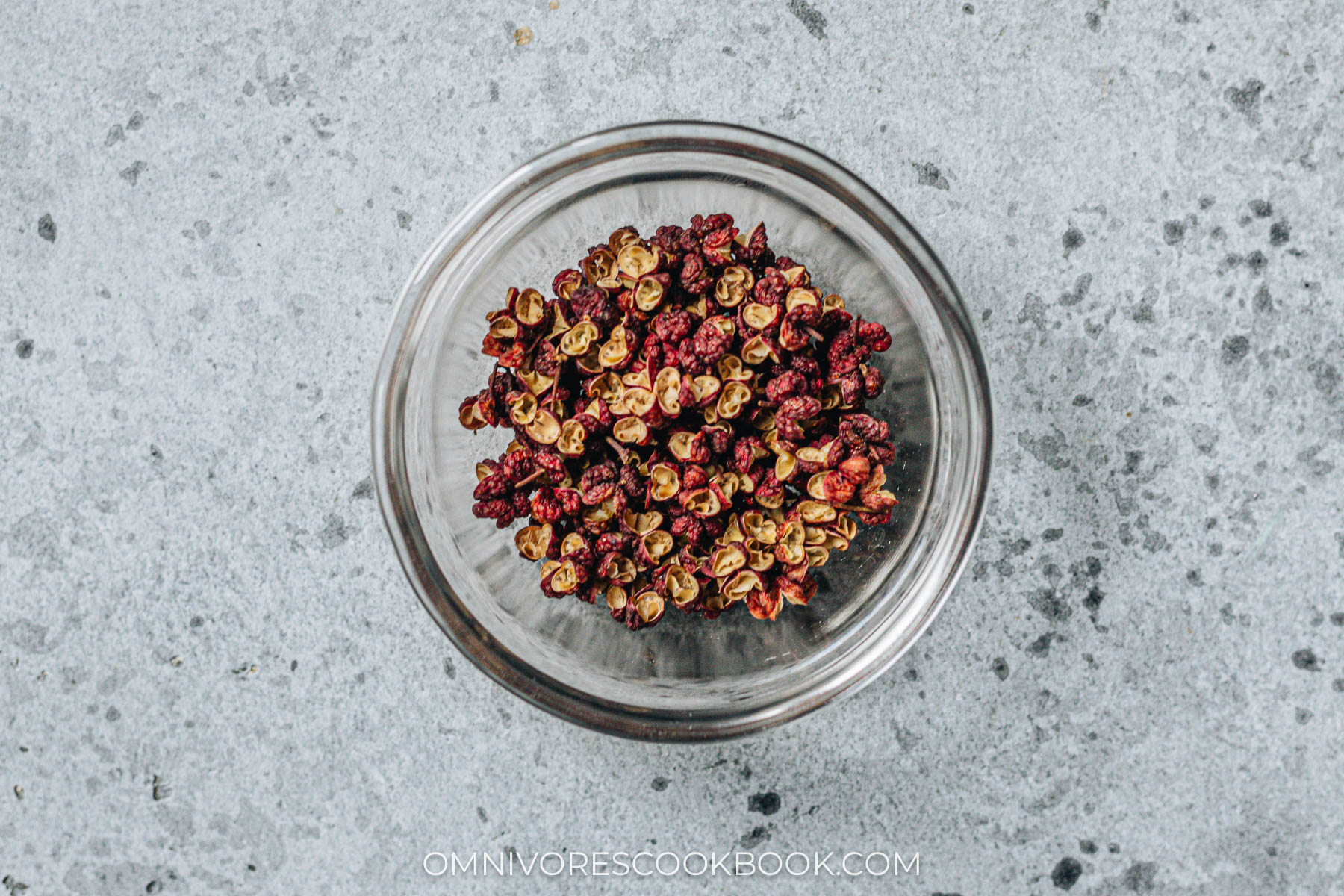
Sichuan Peppercorns (Hua Jiao): These dried husks of the prickly ash tree are botanically unrelated to black or chili peppers, belonging instead to the citrus family (Rutaceae). They produce a distinct, bright, lemony aroma coupled with hydroxy-alpha-sanshool, a chemical compound that triggers mechanoreceptors on the tongue, creating a pronounced numbing and buzzing sensation. This tactile experience is critical to authentic Sichuan cuisine, elevating the dish beyond simple chili-induced heat. Modern culinary practitioners often employ a dual application method: whole peppercorns are initially fried in oil to infuse the cooking base, while a secondary batch is ground into a fine powder and applied as a finishing garnish.
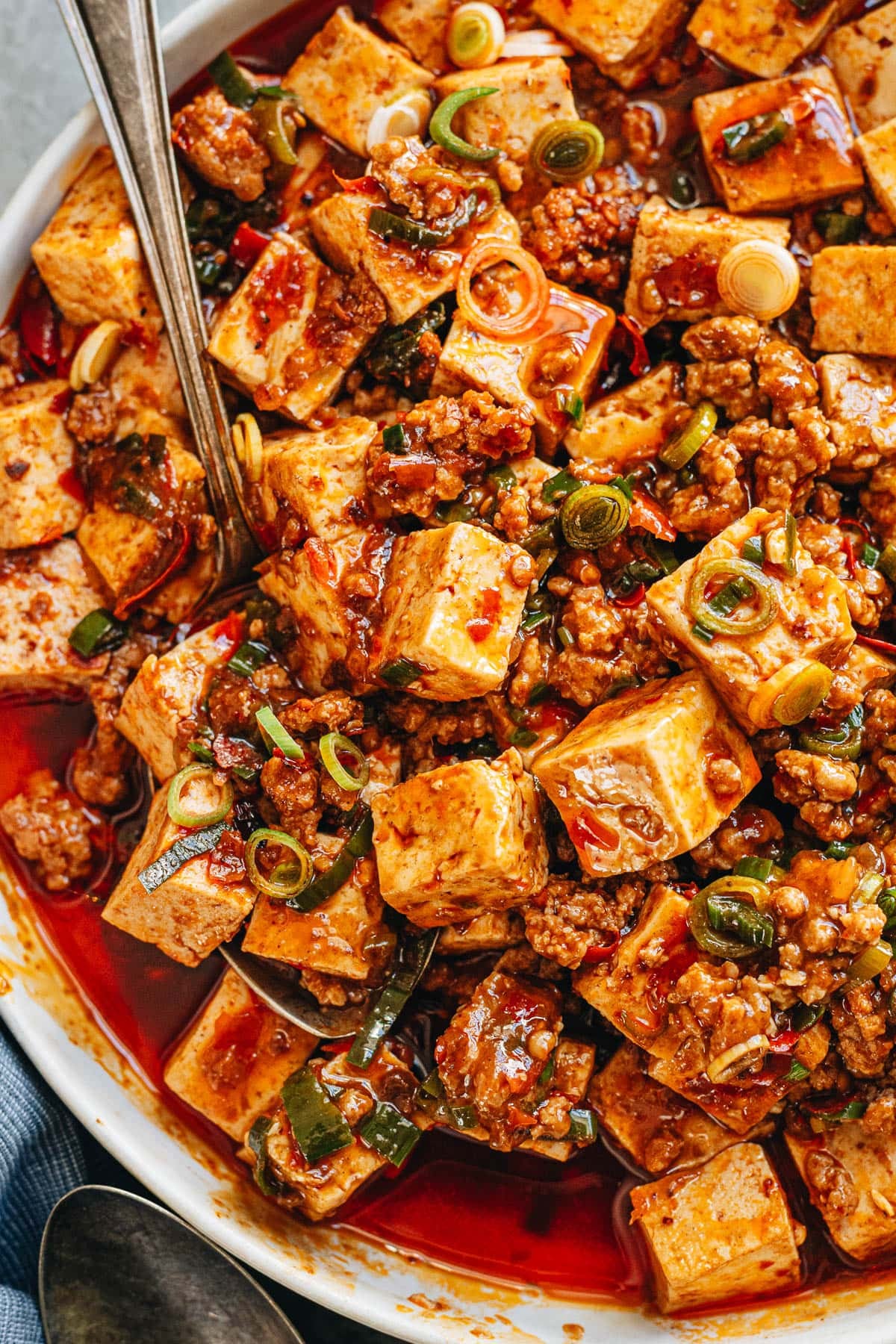
Chili Oil and Protein Integration: Traditional preparations incorporate freshly rendered chili oil—typically infused with toasted red chilies, star anise, and cinnamon—to add a brilliant crimson sheen and supplementary warmth. While modern home cooks frequently utilize ground pork or beef to add savory depth and textural contrast, the meat functions primarily as a seasoning agent rather than the dominant protein, coating the individual bean curd cubes in a rich, meaty emulsion.
Step-by-Step Culinary Methodology
The preparation of mapo tofu relies on precision, timing, and specific thermal controls to prevent the fragile bean curd from disintegrating during the braising process. Professional kitchens divide the 30-minute cooking sequence into distinct operational phases:

-
Protein Preparation: Ground meat is lightly marinated with Shaoxing rice wine, light soy sauce, and finely minced ginger. This preliminary seasoning ensures the protein retains structural flavor before encountering the dominant sauces.
-
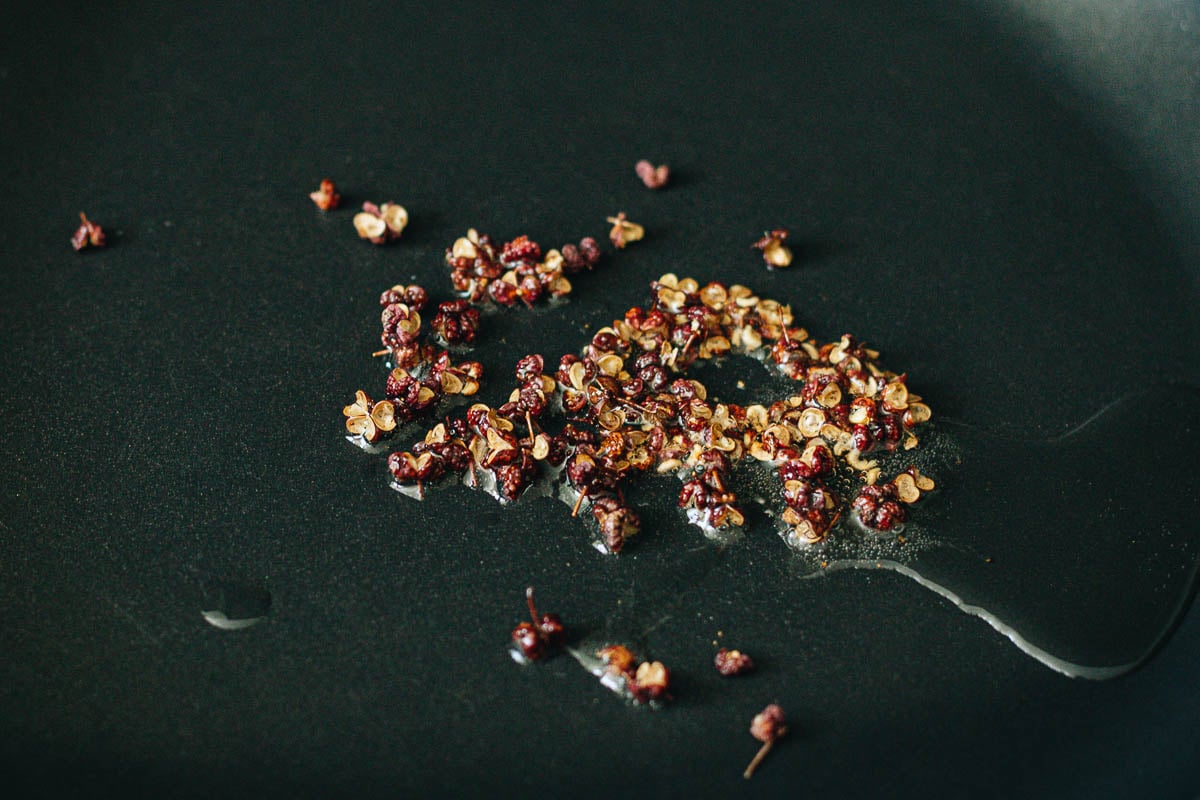
Aromatic Infusion: Cooking oil is heated in a wok or heavy-bottomed skillet alongside whole Sichuan peppercorns over medium heat. Once the peppercorns release their volatile oils and turn dark brown, they are extracted, leaving behind a heavily scented cooking medium.
-
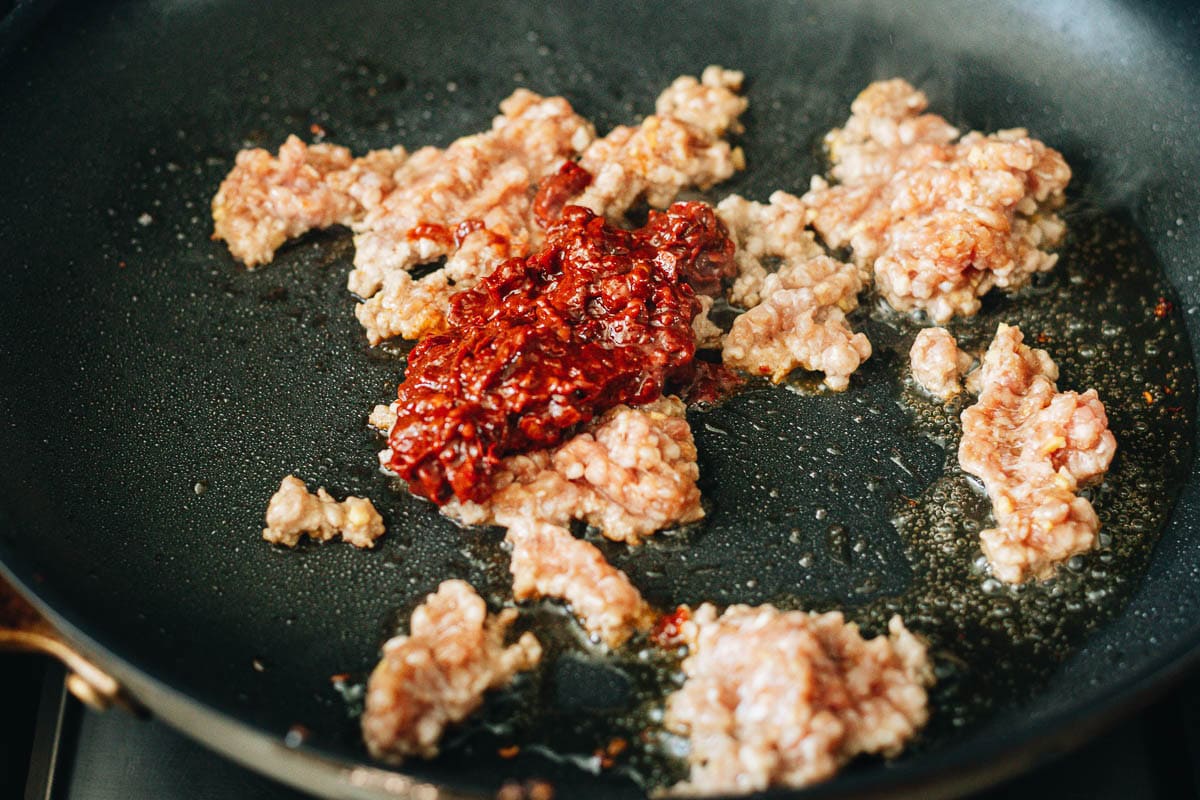
Paste Development: Doubanjiang is introduced directly into the infused oil alongside the marinated protein. Constant agitation over moderate heat allows the fermented bean paste to fry, caramelizing its sugars, releasing its trapped oils, and developing the characteristic deep red color essential to the dish’s visual appeal. Finely chopped green onions are subsequently folded in to build aromatic complexity.
-
Braising Phase: Liquid—typically a light chicken stock or filtered water—is added to the wok alongside the bean curd, which has been pre-cut into uniform cubes. Unlike stir-fry techniques that require rapid movement, mapo tofu relies on a gentle braising process. The mixture is covered and allowed to simmer over medium-low heat for approximately 8 to 10 minutes. This controlled simmering enables the porous bean curd to absorb the surrounding broth, infusing each cube with the savory, spicy flavor profile.
-
Thermal Emulsification and Thickening: A cornstarch slurry (cornstarch dissolved in cold water) is gradually swirled into the simmering liquid in stages. This precise thickening phase transforms the cooking broth into a glossy, clinging sauce that coats the bean curd without becoming gummy or gelatinous.
-
Final Assembly: The dish is removed from the heat source and garnished with freshly toasted, ground Sichuan peppercorns and chopped scallions before being served immediately over steamed white rice.
Technical Variations and Adaptations
Culinary adaptability remains a hallmark of modern mapo tofu preparation. While traditional recipes frequently utilize soft or silken bean curd to achieve a melt-in-your-mouth texture that requires careful handling, home cooks often substitute firm or medium-firm varieties. Firm bean curd holds its structural integrity more reliably during the braising phase, reducing the likelihood of accidental fragmentation for inexperienced cooks.
Dietary adaptations have also emerged to accommodate shifting global dietary preferences. Vegetarian and vegan iterations frequently replace animal proteins with finely minced shiitake mushrooms, textured vegetable protein (TVP), or fermented black beans (douchi), which supply the necessary umami backbone traditionally provided by meat and doubanjiang. Furthermore, home chefs frequently moderate the dish’s inherent salinity and capsaicin levels by blending doubanjiang with milder fermented pastes, such as Japanese white miso, making the complex flavor profile accessible to a wider demographic of diners.
Economic and Global Implications
As Asian grocery supply chains expand across North America, Europe, and Oceania, specialized ingredients such as Pixian doubanjiang and authentic Sichuan peppercorns have transitioned from niche import items to mainstream pantry staples. Food industry analysts attribute this shift to a broader consumer appetite for regional authenticity, moving away from localized fusion cuisine toward hyper-regional specialties. Culinary tourism to Chengdu has similarly surged, driven by international interest in UNESCO-recognized gastronomy cities, cementing mapo tofu’s status as a cornerstone of global culinary diplomacy and cultural exchange.