Historical and Cultural Significance
The origins of steaming fish in Cantonese cuisine are deeply rooted in the geography of the Pearl River Delta. With proximity to coastal waters, Cantonese chefs developed a refined palate for fresh seafood. Unlike Northern Chinese culinary traditions that might utilize heavy braising or frying to mask the "fishiness" of freshwater varieties, Cantonese chefs focused on techniques that highlighted the "xian" (freshness) of the catch.
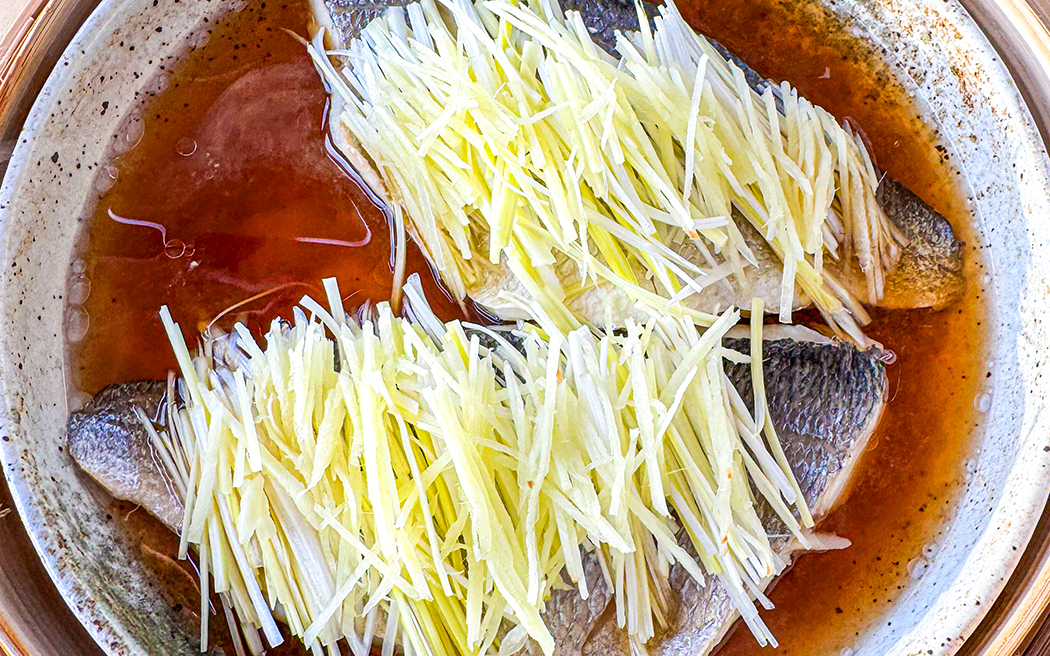
In Chinese culture, serving a whole fish is of profound symbolic importance. The word for fish, "yú," is a homophone for the word "surplus" or "abundance." During major holidays, the head and tail must remain intact, signifying a strong beginning and a complete end to the year. This cultural mandate has cemented the steamed whole fish as an essential component of the regional identity, transcending its role as mere sustenance to become a vessel for tradition.
The Science of the Steaming Method
Steaming is a thermal process that utilizes water vapor to cook food at a consistent temperature of approximately 100°C (212°F). In the context of fish, this method is superior to direct heat because it minimizes the risk of protein toughening. When fish is subjected to high-intensity dry heat, the muscle fibers contract rapidly, often resulting in a dry or rubbery mouthfeel. Steaming, conversely, keeps the environment moist, allowing the collagen in the fish to break down into gelatin without compromising the structural integrity of the flesh.

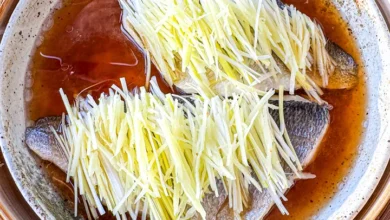
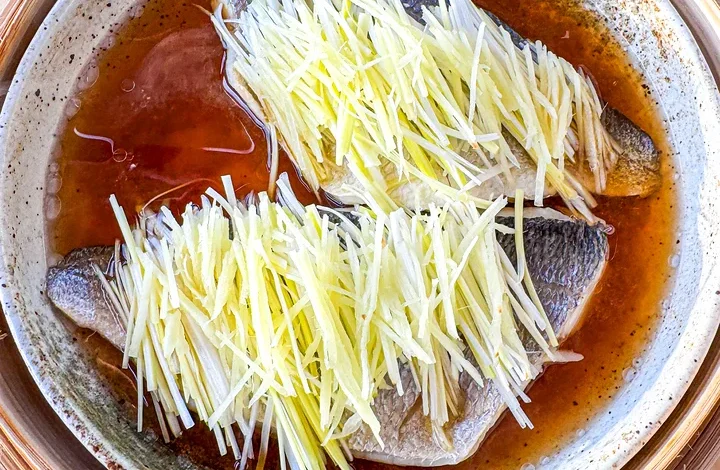
The inclusion of aromatics—specifically ginger and scallions—is not merely for flavor. From a biochemical perspective, ginger contains compounds like gingerol and shogaol, which are known to neutralize the volatile amines responsible for the strong, sometimes unpleasant odor associated with certain fish. By julienning these aromatics and placing them over the fish, the steam carries the volatile oils throughout the flesh, creating an integrated flavor profile that is both sharp and refreshing.
Chronology of Preparation and Technique
For the home cook, the preparation of an authentic Cantonese steamed fish follows a rigorous sequence designed to maximize freshness:

- Selection and Cleaning: The fish must be cleaned thoroughly, with particular attention paid to removing the dark membrane inside the cavity, which can impart a bitter taste.
- Scoring: By making shallow diagonal incisions along the thickest part of the fillet or the sides of a whole fish, the cook ensures that heat penetrates evenly, preventing the outer layers from overcooking while the center remains raw.
- The Pre-Steam Stage: The fish is typically placed on a heat-resistant plate elevated above boiling water. The plate is essential, as it captures the "essence" of the fish—a flavorful, nutrient-rich liquid that is later incorporated into the final sauce.
- Thermal Application: The timing is critical. A standard-sized fish (approximately 500–700 grams) typically requires between 6 to 9 minutes of high-heat steaming. Overcooking by even two minutes can alter the texture from silky to chalky.
- The Dip Yau Finish: The final, signature step is the application of hot oil. By heating neutral oil to a smoking point and pouring it over the raw julienned scallions and ginger placed atop the finished fish, the cook creates an instantaneous flash-fry effect. This releases the essential oils, creating a dramatic aromatic release that serves as the dish’s sensory focal point.
Nutritional Analysis and Health Implications
Modern nutritionists frequently cite Cantonese steamed fish as a gold standard for healthy eating. According to the USDA FoodData Central, a typical portion of white fish (such as sea bream or sea bass) provides a high-quality, lean protein source while remaining low in saturated fats.
The preparation method avoids the addition of heavy oils, trans fats, or deep-frying, which are common culprits in cardiovascular disease. Furthermore, by using light soy sauce, sesame oil, and aromatics, the dish remains low in caloric density while providing essential micronutrients. Omega-3 fatty acids, crucial for brain health and inflammation reduction, remain largely intact due to the low-impact nature of the steam.

Broader Culinary Impact and Global Adoption
The international popularity of this dish has grown in tandem with the global appreciation for "clean" diets. Culinary experts note that the democratization of the recipe—moving it from professional Cantonese kitchens to the home environment—has been facilitated by the availability of high-quality, sustainably sourced seafood.
In professional settings, the dish is often evaluated by the "clarity" of the sauce. A successful version of this dish will feature a sauce that is transparent yet savory, often achieved by balancing light soy sauce with a touch of sugar or rock sugar to offset the salinity. Chefs often warn against using heavy dark soy sauce, which would muddy the color and overpower the delicate sweetness of the fish.

Troubleshooting and Best Practices
For those aiming to replicate the restaurant-quality experience, culinary instructors emphasize three primary factors:
- Plate Temperature: Some traditionalists recommend pre-heating the plate or the steamer to ensure that the cooking process begins immediately upon placement.
- The "Clear" Factor: If the fish releases too much "milky" liquid during the steaming process, it may indicate that the fish was not fresh or not cleaned properly. Proper pat-drying of the fish before steaming is essential.
- Oil Temperature: The oil must be smoking hot. If the oil is not hot enough, the scallions will not "bloom," and the dish will lack the signature fragrant punch that defines the Cantonese style.
Conclusion: A Legacy of Restraint
The enduring appeal of the Cantonese steamed fish lies in its refusal to mask the ingredient. In a culinary world often dominated by complex flavor profiles and heavy sauces, this dish serves as a testament to the power of restraint. By relying on a few high-quality components—fresh fish, ginger, scallions, and a light soy-based sauce—the cook can achieve a result that is both technically sophisticated and deeply comforting. Whether served at a grand banquet or a simple family dinner, the dish continues to hold its place as a quintessential example of how traditional Chinese cooking prioritizes harmony, health, and the celebration of natural flavors.