Mediterranean Style Quinoa Fritters Provide a Nutritious and Versatile Solution for Modern Meal Planning

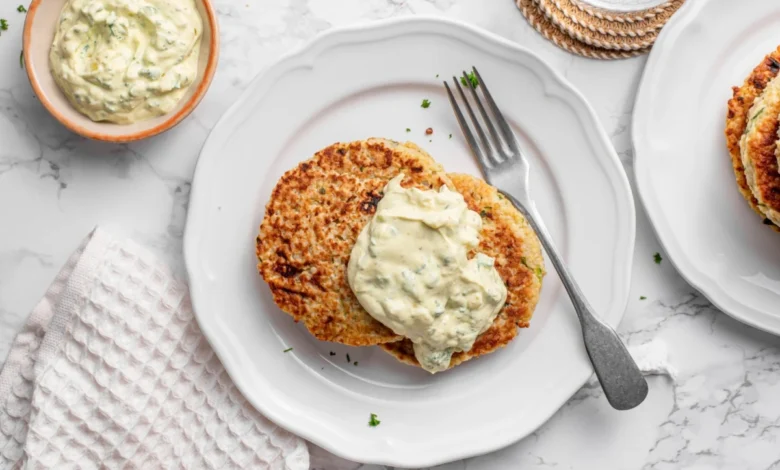
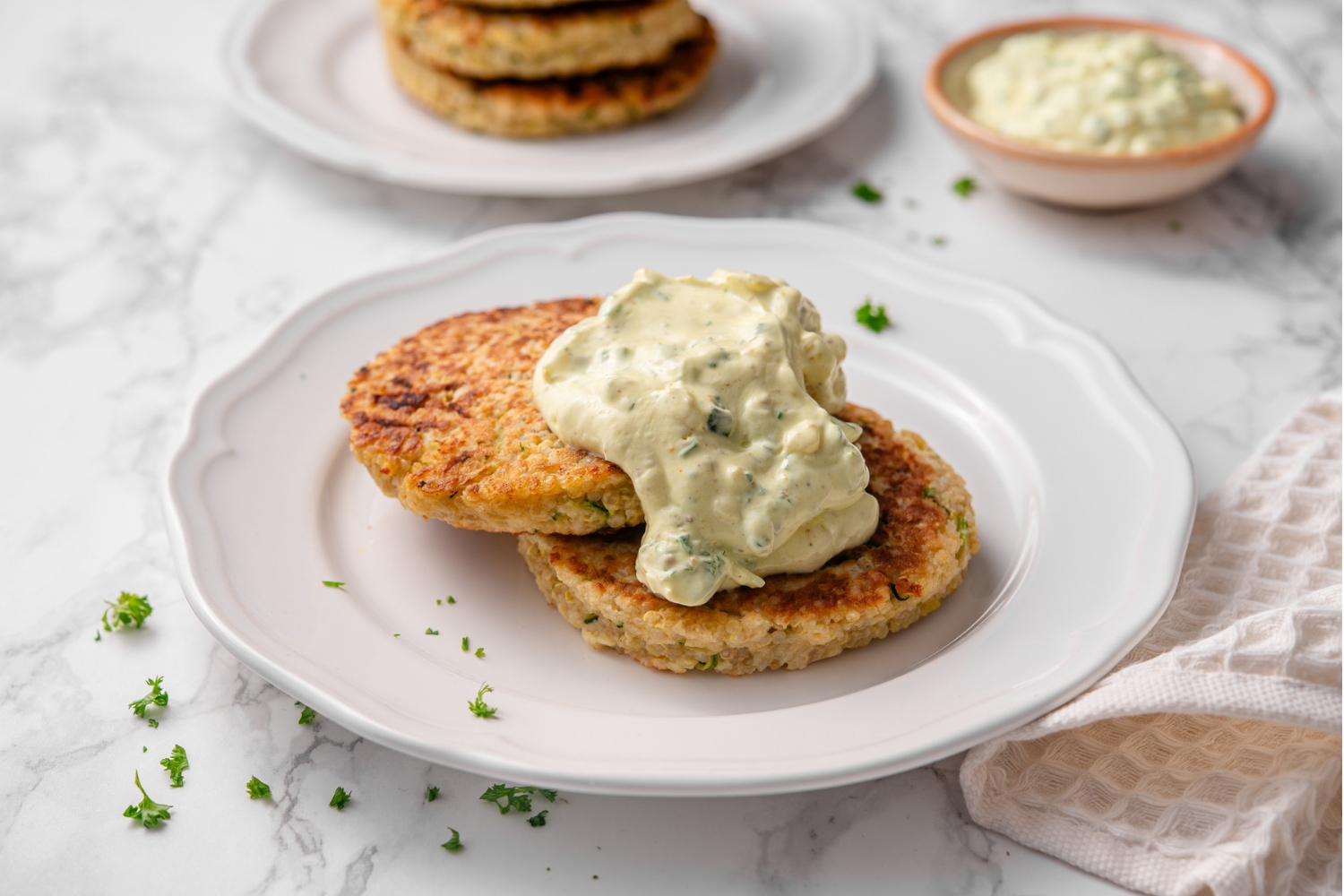
The culinary landscape has increasingly pivoted toward plant-forward, nutrient-dense dishes that prioritize efficiency without compromising flavor. Among the most recent additions to this category is the Mediterranean-inspired quinoa fritter, a dish that bridges the gap between traditional vegetarian staples and the modern demand for quick, protein-rich meals. By leveraging quinoa—a pseudo-cereal renowned for its complete amino acid profile—alongside fresh zucchini, feta cheese, and aromatics, home cooks are adopting a preparation method that effectively reduces food waste while maximizing dietary intake.
As households look for sustainable ways to incorporate fiber and plant-based proteins into their daily routines, the popularity of such fritters has surged. The dish serves as a testament to the versatility of the Mediterranean diet, which remains one of the most clinically recommended eating patterns globally due to its emphasis on whole foods, monounsaturated fats, and lean proteins.
The Nutritional Profile of Quinoa and Its Integration
Quinoa (Chenopodium quinoa) has transitioned from an ancient Andean crop to a global dietary staple. Unlike many plant-based proteins, quinoa is categorized as a complete protein because it contains all nine essential amino acids that the human body cannot synthesize on its own. According to data from the Cleveland Clinic, a single cup of cooked quinoa provides approximately 8 grams of protein and 5 grams of dietary fiber, alongside essential minerals such as magnesium, iron, and potassium.
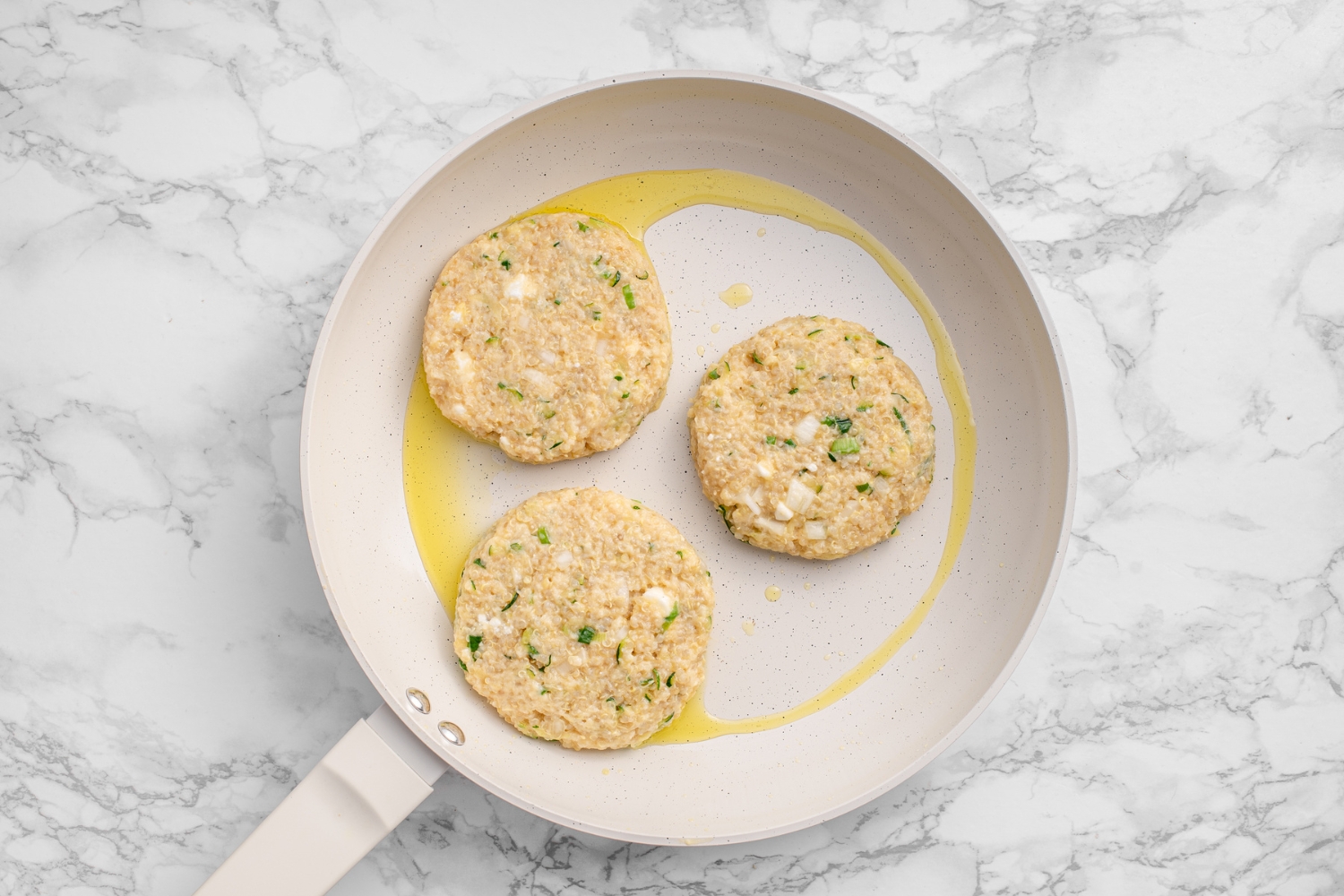
In the context of the fritter recipe, quinoa acts as the structural foundation. When combined with eggs, which serve as a binding agent, the resulting patty achieves a balance of texture—crispy on the exterior, tender on the interior. The addition of grated zucchini further enhances the nutritional value by introducing water-soluble vitamins, specifically Vitamin C and Vitamin A, without significantly increasing the caloric density of the dish.
Chronology and Preparation Methodology
The preparation of these fritters follows a standardized culinary timeline designed for efficiency. A typical preparation sequence takes approximately 30 minutes, split evenly between active preparation and thermal processing.
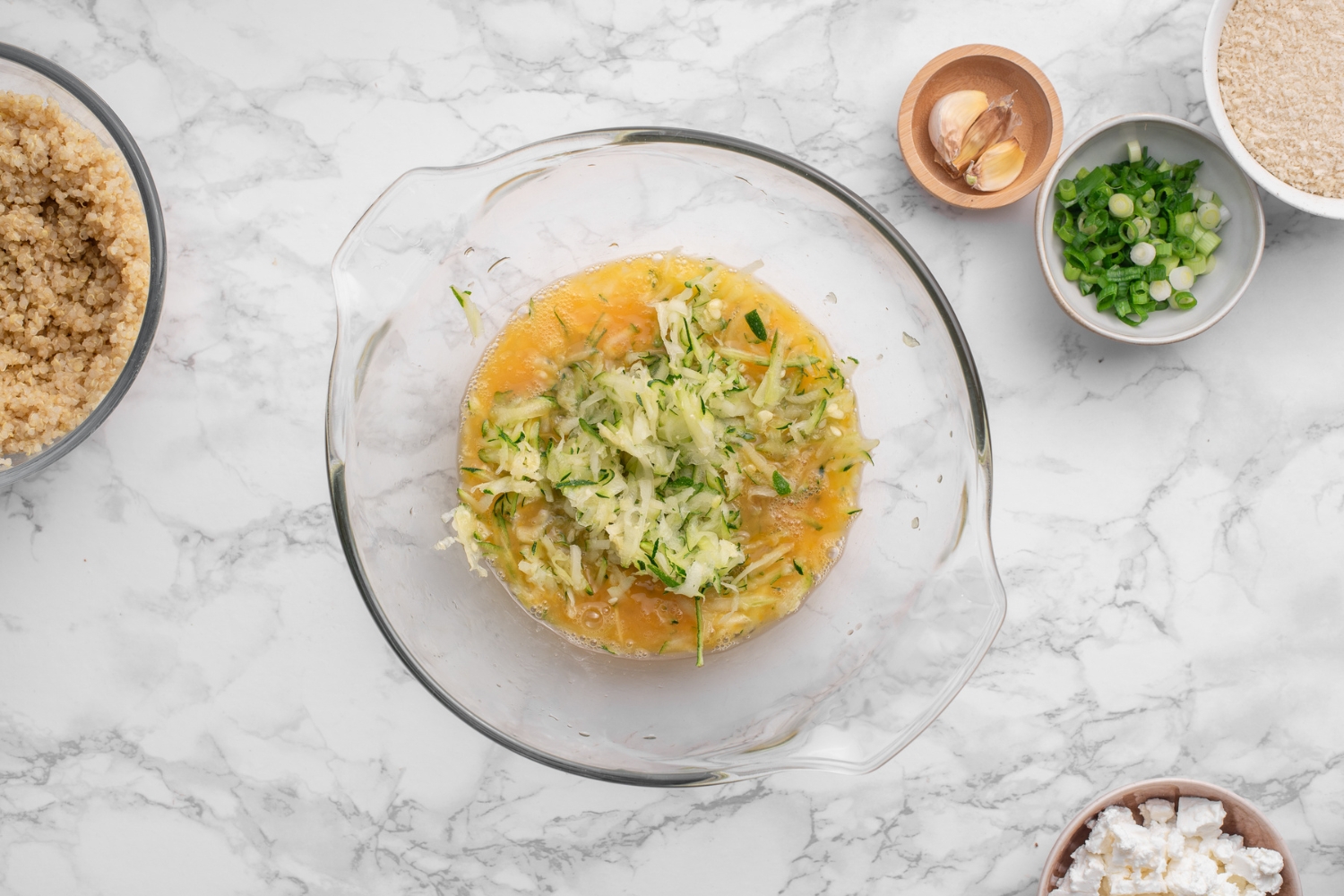
- Moisture Management (0-10 minutes): The critical first phase involves the preparation of the zucchini. Culinary experts emphasize that moisture is the primary variable affecting the structural integrity of the fritter. Grating the zucchini and applying manual pressure to remove excess water prevents the patties from becoming saturated or falling apart during the cooking process.
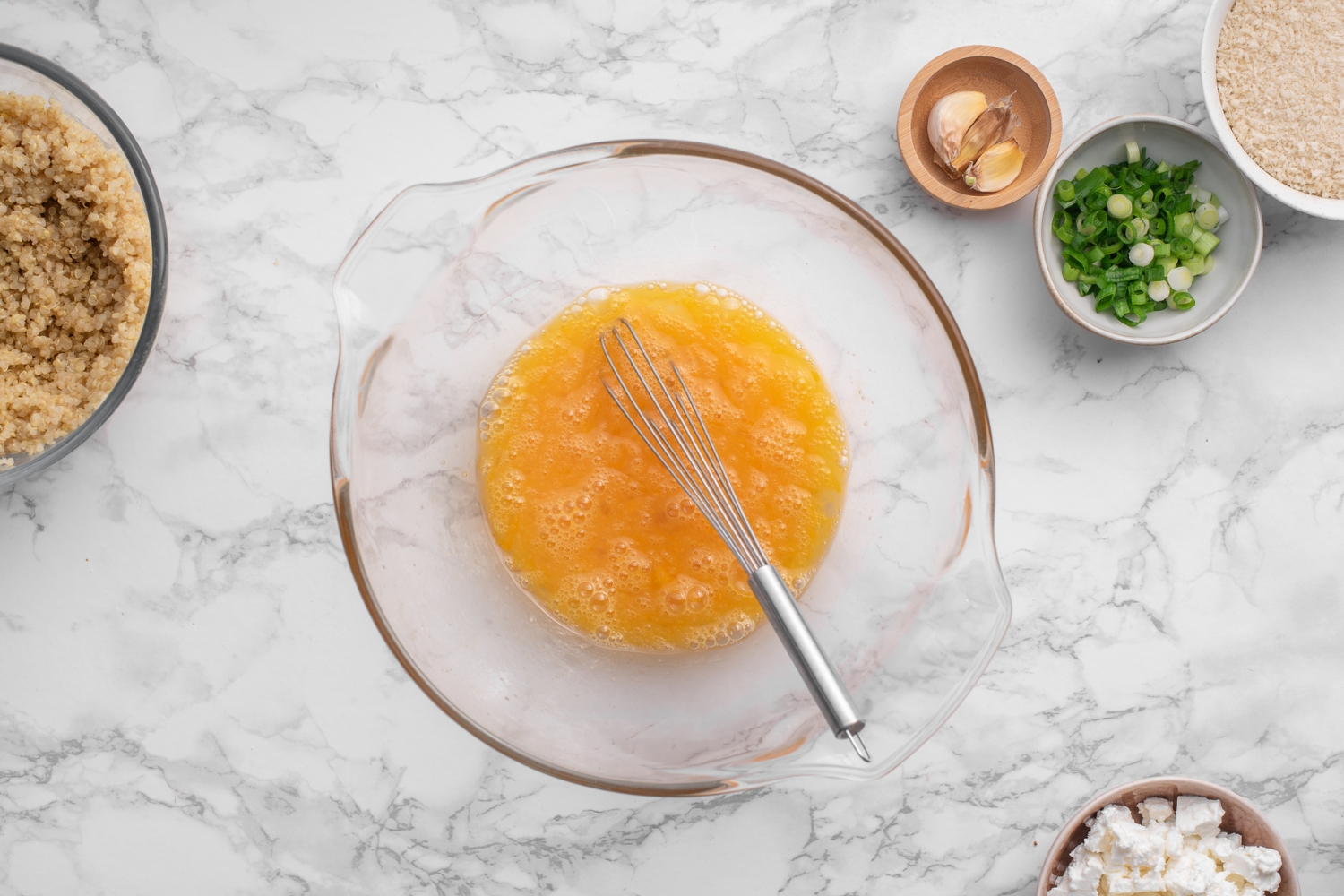
- Binding and Emulsification (10-15 minutes): Once the zucchini is processed, it is integrated into a base of whisked eggs. The introduction of panko breadcrumbs—or a gluten-free alternative—is a strategic step. Allowing the mixture to rest for five minutes is essential, as this time allows the starch in the breadcrumbs to hydrate, effectively binding the quinoa and vegetables into a cohesive mass.
- Thermal Processing (15-30 minutes): The cooking phase utilizes extra virgin olive oil, a cornerstone of the Mediterranean diet known for its heart-healthy monounsaturated fats. By using medium heat, the cook ensures that the Maillard reaction—the chemical reaction between amino acids and reducing sugars that gives browned food its distinctive flavor—is achieved without burning the exterior before the center is fully cooked.
Culinary Analysis and Structural Integrity
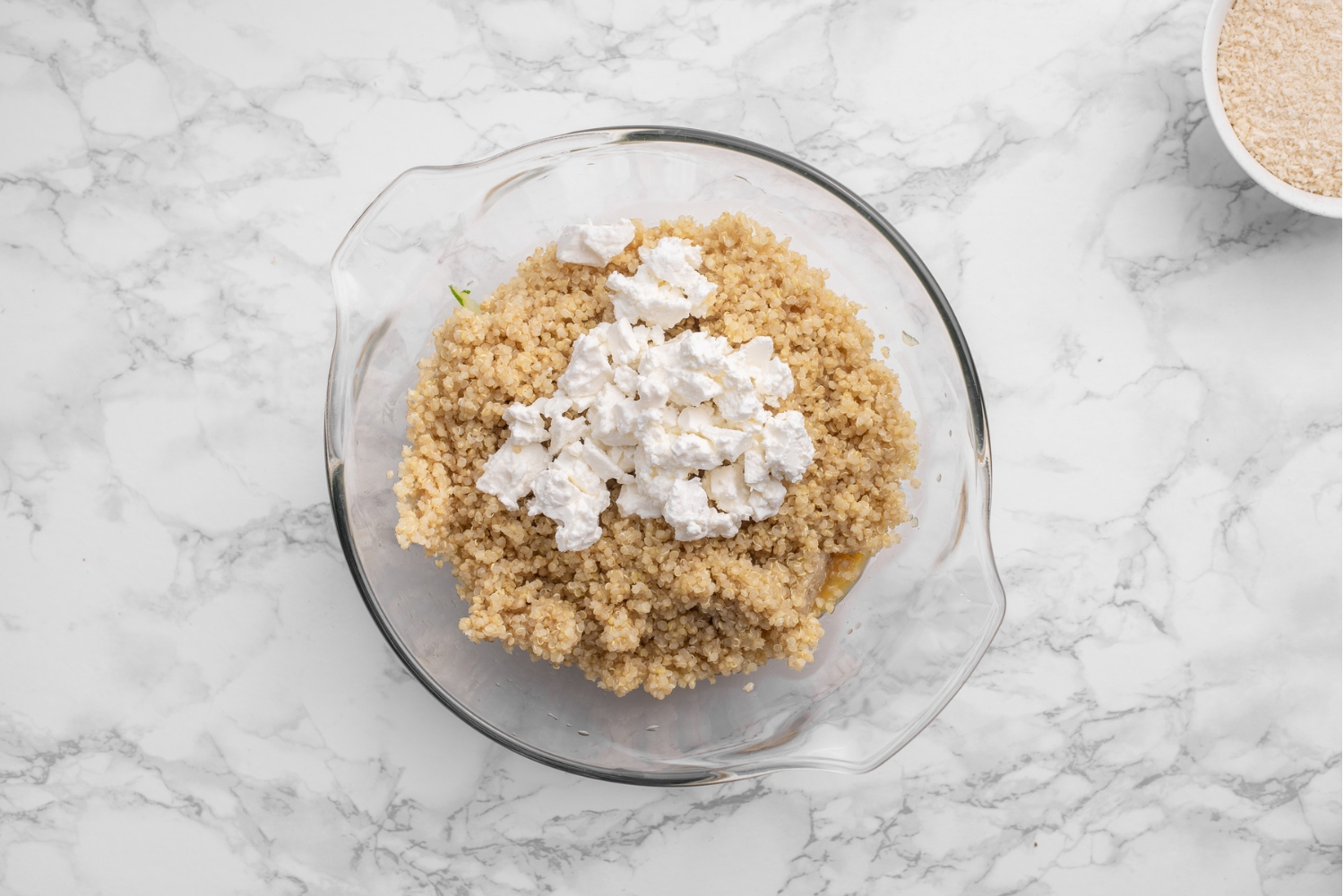
The technical success of a quinoa fritter relies heavily on the ratio of binder to solids. Because quinoa is essentially a grain-like seed, it lacks the inherent gluten required to hold a shape under heat. The combination of eggs and breadcrumbs creates a matrix that traps the quinoa and shredded vegetables.
Food scientists often point out that the inclusion of feta cheese in this recipe provides a dual function: it contributes a salty, umami profile that enhances the flavor of the zucchini, and the fats within the cheese contribute to the overall mouthfeel. From a logistical standpoint, the ability to store the mixture in a refrigerator for up to 24 hours before cooking allows for advanced meal preparation, a significant advantage for those managing time-constrained schedules.
Economic and Dietary Implications
The rise of the quinoa fritter is reflective of broader socioeconomic trends in home cooking. As grocery prices fluctuate, the ability to repurpose leftovers—such as using pre-cooked quinoa—has become an essential skill for economic household management. This recipe functions as a "zero-waste" vehicle, allowing consumers to utilize excess zucchini, scallions, and garlic that might otherwise reach the end of their shelf life.
From a health perspective, the dish aligns with the "Mediterranean Pattern," which has been linked in numerous longitudinal studies to reduced risks of cardiovascular disease, metabolic syndrome, and cognitive decline. By substituting heavier, meat-based proteins with quinoa and pairing the fritters with Greek yogurt—a source of probiotics and high-quality protein—consumers can achieve a satiety level comparable to a meat-based meal while adhering to plant-centric guidelines.
Official Responses and Culinary Expert Perspectives
While home cooks have embraced this recipe, nutritionists and professional chefs have noted the importance of balancing the sodium content, which can rise if the feta cheese used is particularly briny.
"The beauty of this dish is its modularity," says one culinary consultant. "It allows for the integration of whatever is fresh in the produce drawer. However, the secret lies in the ‘squeeze.’ If you don’t remove the water from the zucchini, you lose the structural integrity that makes these patties an effective main course rather than a mushy side dish."
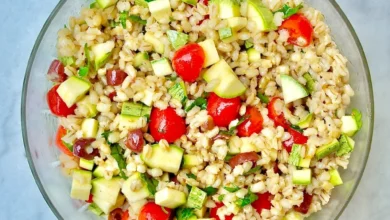
Experts also highlight the versatility of the serving suggestions. Pairing the fritters with a simple cucumber and tomato salad provides the necessary acidity to cut through the richness of the pan-fried patty, creating a balanced sensory experience.
Storage and Scalability for Modern Households
The practicality of the dish extends to its post-cooking lifespan. Unlike many vegetable-based patties that lose their texture upon cooling, quinoa fritters are highly resistant to structural breakdown if stored correctly.
- Refrigeration: Storing the fritters in an airtight container for up to three days is standard practice.
- Reheating protocols: To restore the exterior crispness, reheating in an air fryer or a 350°F oven is superior to microwave reheating, which tends to steam the patties and soften the crust.
- Freezing: For long-term storage, the fritters can be flash-frozen on a baking sheet before being transferred to a freezer-safe container. They remain viable for up to two months, providing a "convenience food" that is significantly more nutrient-dense than processed commercial alternatives.
Future Implications for Mediterranean-Inspired Dining
As the interest in "functional foods"—dishes that offer health benefits beyond basic nutrition—continues to grow, recipes like the quinoa fritter will likely remain a fixture in health-conscious kitchens. The integration of high-fiber grains with accessible, inexpensive vegetables represents a shift toward more sustainable, localized cooking.
Furthermore, the adaptability of the recipe to different dietary requirements, such as substituting panko with gluten-free binders or replacing feta with dairy-free alternatives, ensures that it remains accessible to a broad demographic. As the food industry continues to move toward transparent, ingredient-focused home cooking, the quinoa fritter stands as a model for how to transform simple, wholesome components into a sophisticated and satisfying dining experience.
By combining the historical weight of Mediterranean culinary traditions with modern understanding of nutritional science, these fritters offer a blueprint for the future of domestic meal planning: one that is efficient, healthful, and environmentally mindful. Whether served as a primary protein source or a supporting appetizer, the dish continues to demonstrate that complex flavor profiles do not require complex preparation.