The Ultimate Culinary Hack: How the Water Bowl Method Revolutionizes Pomegranate Deseeding Without the Mess

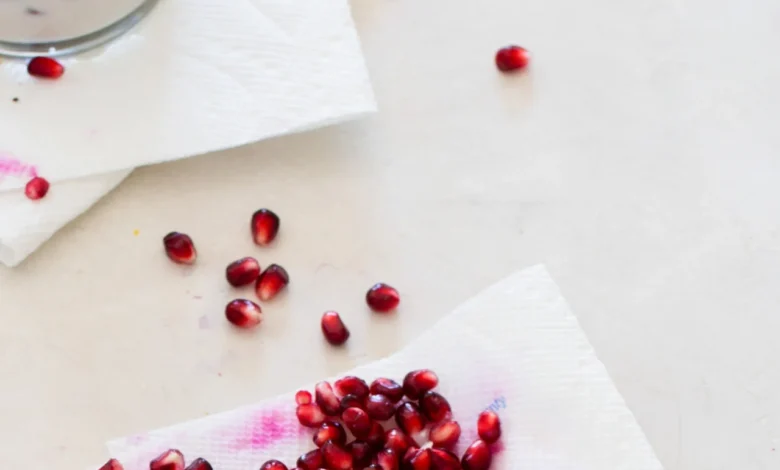
The culinary world has long grappled with one of the most frustrating kitchen conundrums: how to extract the vibrant, nutrient-dense arils from a pomegranate without turning the kitchen into a crime scene. Splattered crimson juice on freshly laundered blouses, stubborn stains on countertops, and mangled, pulpy seeds have historically turned a simple ingredient preparation into a dreaded chore. However, a culinary technique known as the water bowl method has emerged as the definitive solution to this domestic dilemma, streamlining the deseeding process while preserving the structural integrity of the fruit.
Popularized by home cooks and culinary experts alike—including food writer Alejandra Graf—this minimalist approach relies on basic physics and fluid dynamics rather than brute force or specialized kitchen gadgets. As consumers increasingly seek cost-effective, sustainable, and clean ways to prepare fresh produce at home, mastering this simple five-minute technique offers a practical alternative to purchasing expensive, pre-packaged pomegranate arils at grocery stores.

The Mechanics Behind the Water Bowl Method
At its core, the water bowl technique leverages the differing densities of the pomegranate’s anatomical components. A fresh pomegranate consists of three main elements: the leathery outer pericarp (rind), the bitter white spongy inner membrane (mesocarp and albedo), and the moisture-rich seed pods known as arils.
When a pomegranate is scored and broken apart submerged in a vessel of cold water, a natural separation occurs almost instantaneously. The dense red arils, weighted down by their internal juices, immediately sink to the bottom of the bowl. Conversely, the lightweight, fibrous white pith and membrane contain trapped air and lesser density, causing them to float to the surface.
This buoyancy differential eliminates the tedious, manual picking process that often ruptures the delicate arils. Once the fruit is opened underwater, the cook simply skims away the floating white debris, pours the contents through a fine-mesh strainer, and is left with pristine, undamaged arils ready for consumption or culinary application. While a negligible amount of juice inevitably dissolves into the surrounding water, culinary purists agree that the trade-off is negligible when weighed against the preservation of whole seeds and a spotless workspace.
Step-by-Step Chronology of the Process
Executing the water bowl method requires minimal preparation, standard kitchen tools, and approximately five minutes from start to finish. The chronological execution unfolds as follows:
- Preparation and Scoring: Using a sharp paring knife, gently score the outer skin of the pomegranate from crown to stem, making four to six vertical cuts along the natural ridges of the fruit without slicing deeply enough to pierce the interior arils.
- Submersion: Fill a large mixing bowl with cold water, ensuring the depth is sufficient to completely submerge the entire fruit.
- Opening the Fruit: Place the scored pomegranate inside the water-filled bowl. Using both hands and utilizing the initial score lines, gently pull the sections apart. The fruit will naturally yield along the segments.
- Extraction: Working underwater, use the thumbs to gently nudge and roll the arils away from the remaining membrane fragments. The loosened seeds will cascade directly to the bottom of the bowl.
- Separation and Straining: Skim the floating white pith from the surface of the water and discard it. Pour the remaining water and settled arils through a colander or fine-mesh sieve.
- Storage: Transfer the strained arils to an airtight container for short-term refrigeration or prepare them for long-term preservation.
Economic and Practical Implications
The resurgence of interest in traditional produce preparation methods highlights a broader shift in consumer behavior, particularly regarding household economics and food waste reduction. In many modern supermarkets, pre-packaged plastic containers filled with ready-to-eat pomegranate arils command a significant markup compared to whole, raw fruit. By investing five minutes of labor into manual extraction, households can bypass these inflated convenience costs.
Furthermore, the environmental implications of reducing single-use plastic packaging align with the zero-waste ethos championed by contemporary culinary educators. Whole pomegranates typically feature a thick, protective rind that shields the interior fruit during transport, eliminating the need for protective plastic clamshells.

From a nutritional standpoint, handling fresh fruit minimizes nutrient degradation often accelerated by industrial processing and packaging. Pomegranates are rich in dietary fiber, vitamin C, potassium, and potent antioxidants such as punicalagins and anthocyanins. Quick, efficient extraction ensures that these delicate compounds remain intact before consumption.
Preservation and Culinary Applications
Once extracted using the water bowl method, pomegranate arils boast versatile shelf-life capabilities depending on the chosen storage method. When stored in an airtight container within a standard refrigerator, fresh arils maintain their texture, vibrant color, and flavor profile for up to five days. For extended preservation, the arils can be flash-frozen on a baking sheet and subsequently transferred to freezer-safe bags, where they remain viable for up to six months—albeit with a slightly softer texture upon thawing, making them ideal for smoothies, sauces, and reductions.
Culinary integration of fresh arils extends far beyond simple garnishes. In contemporary Mediterranean, Middle Eastern, and Latin American cuisines, the seeds provide a sharp, tart crunch that elevates both sweet and savory dishes. Common applications include:

- Dairy Pairings: Layering arils over Greek yogurt, cottage cheese, or artisanal oatmeal bowls to introduce textural contrast and natural sweetness.
- Salads and Grain Bowls: Tossing the seeds into autumn grain salads featuring quinoa, wild rice, or leafy greens paired with goat cheese or feta and toasted walnuts.
- Beverage Enhancements: Mutilating or floating arils in sparkling water, festive cocktails, or mocktails to impart a subtle tartness and visual elegance.
- Sauces and Glazes: Incorporating the juice and seeds into reductions for poultry, pork, or lamb dishes, balancing savory proteins with vibrant acidity.
As home cooking continues to blend efficiency with traditional kitchen wisdom, techniques like the water bowl method demonstrate that complex culinary hurdles often have remarkably simple, physics-based solutions. By eliminating the hazards of staining and frustration, home cooks can more easily incorporate nutrient-dense superfoods into their daily routines without disrupting their kitchens.
Related posts: