The Ultimate Gingerbread Loaf Recipe with Orange Icing and Sugared Cranberries

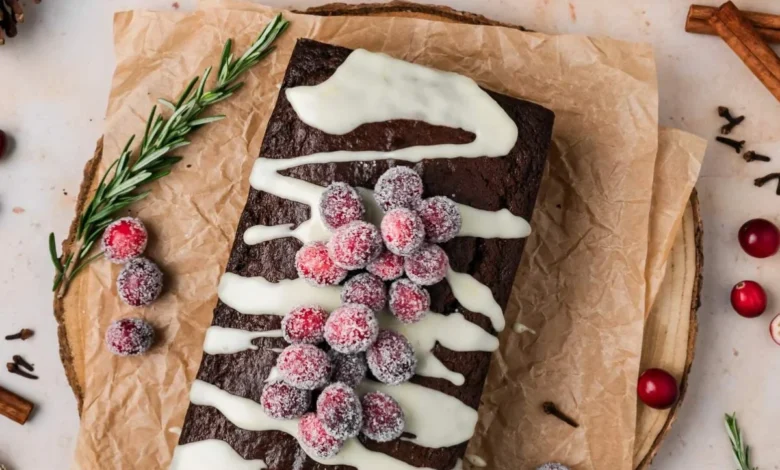
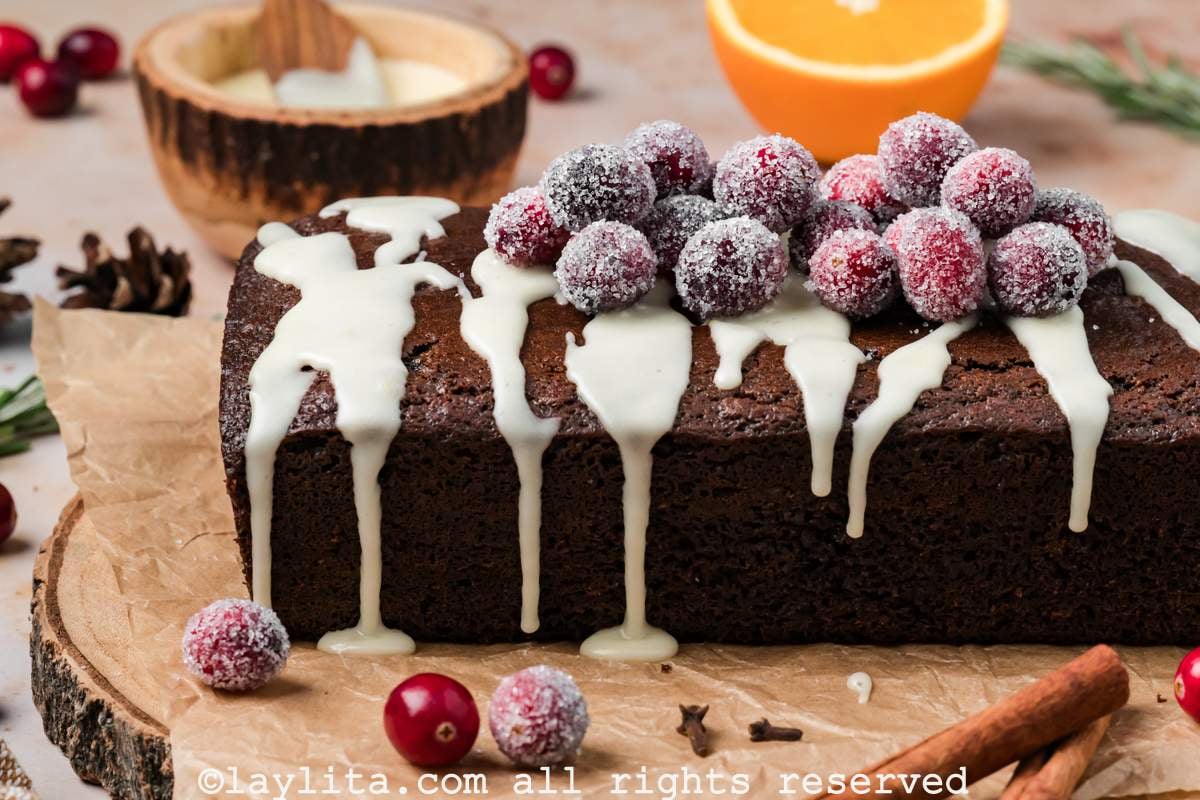
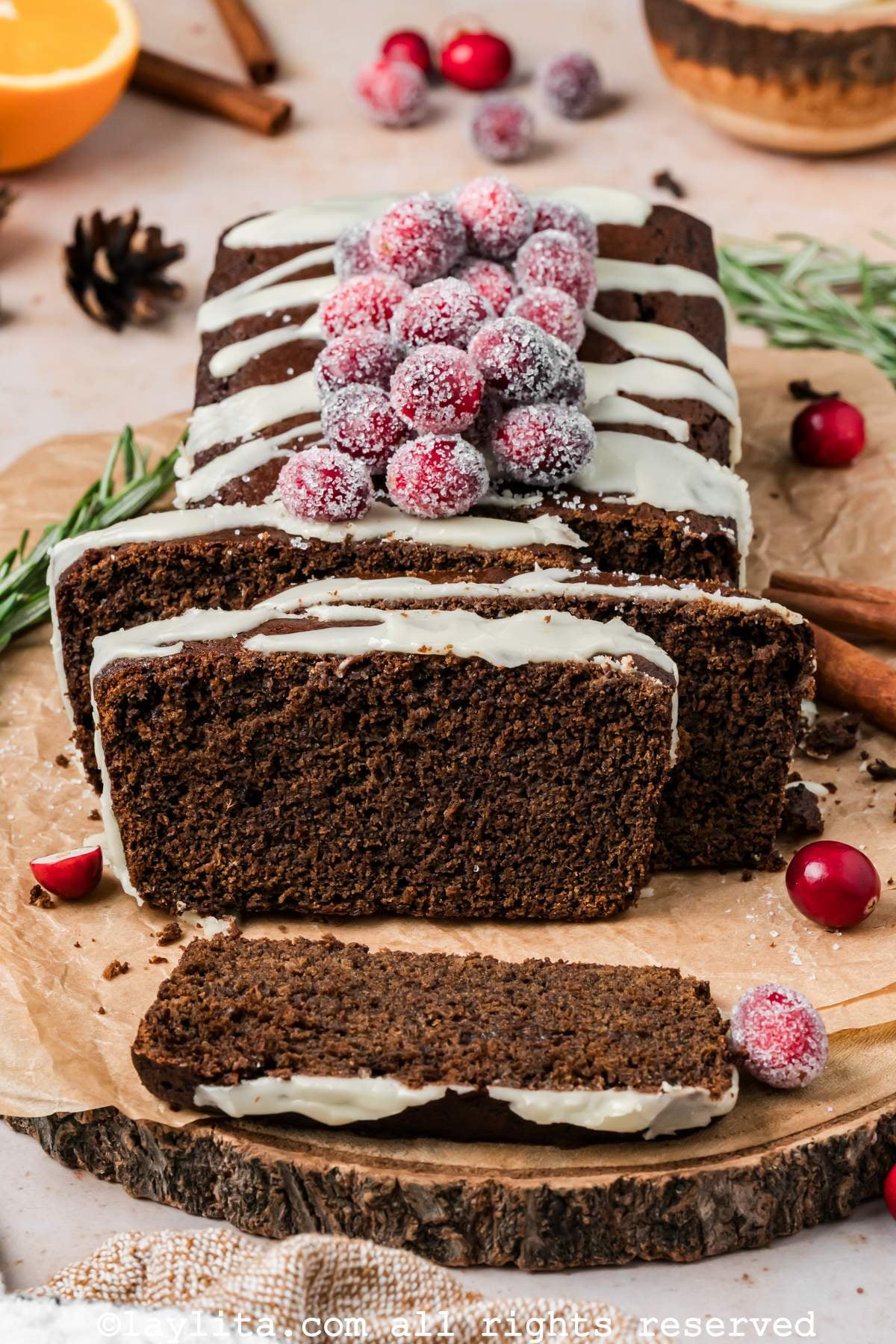
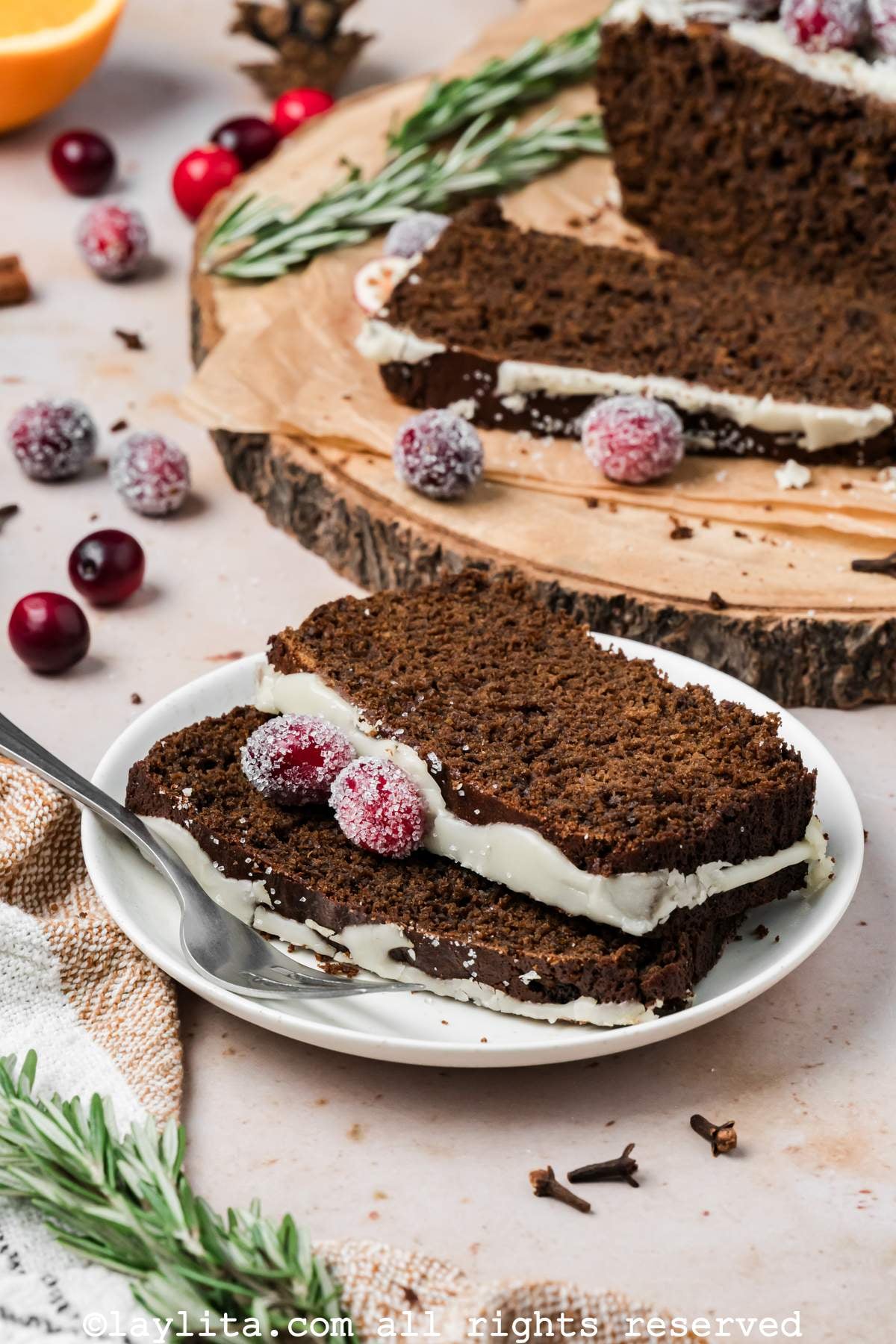
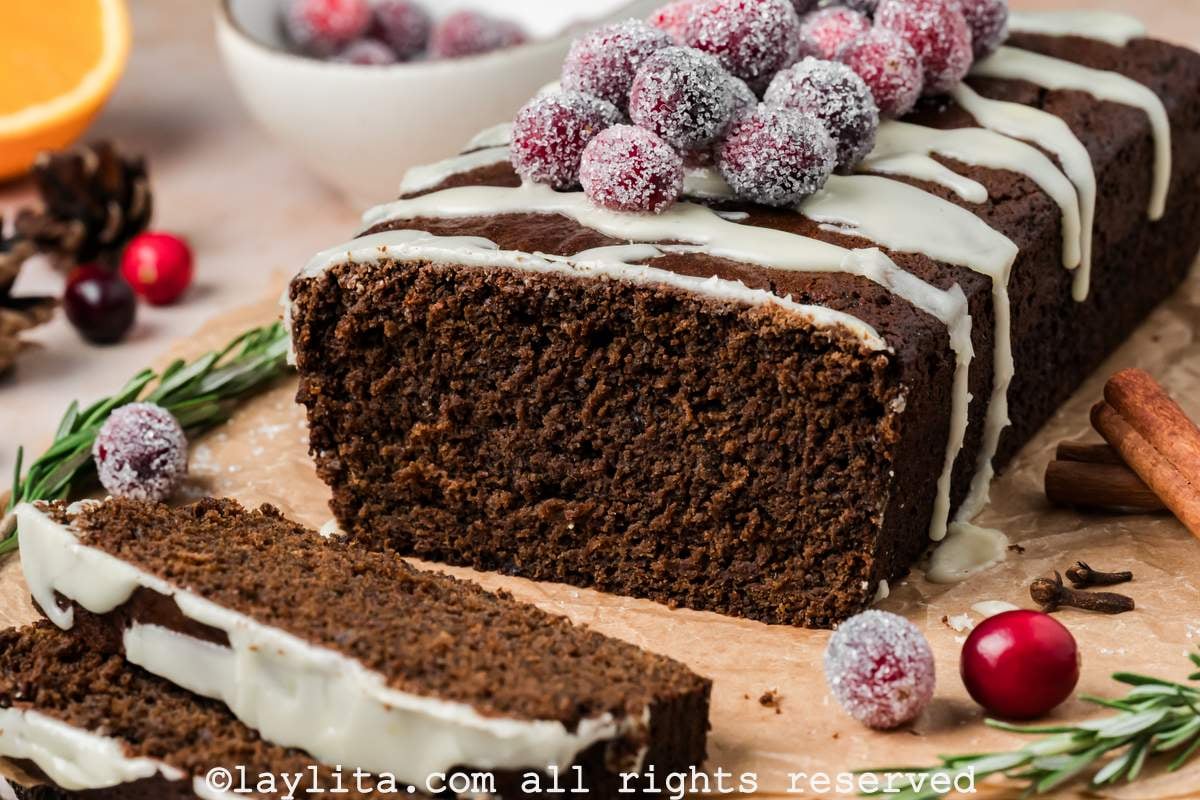
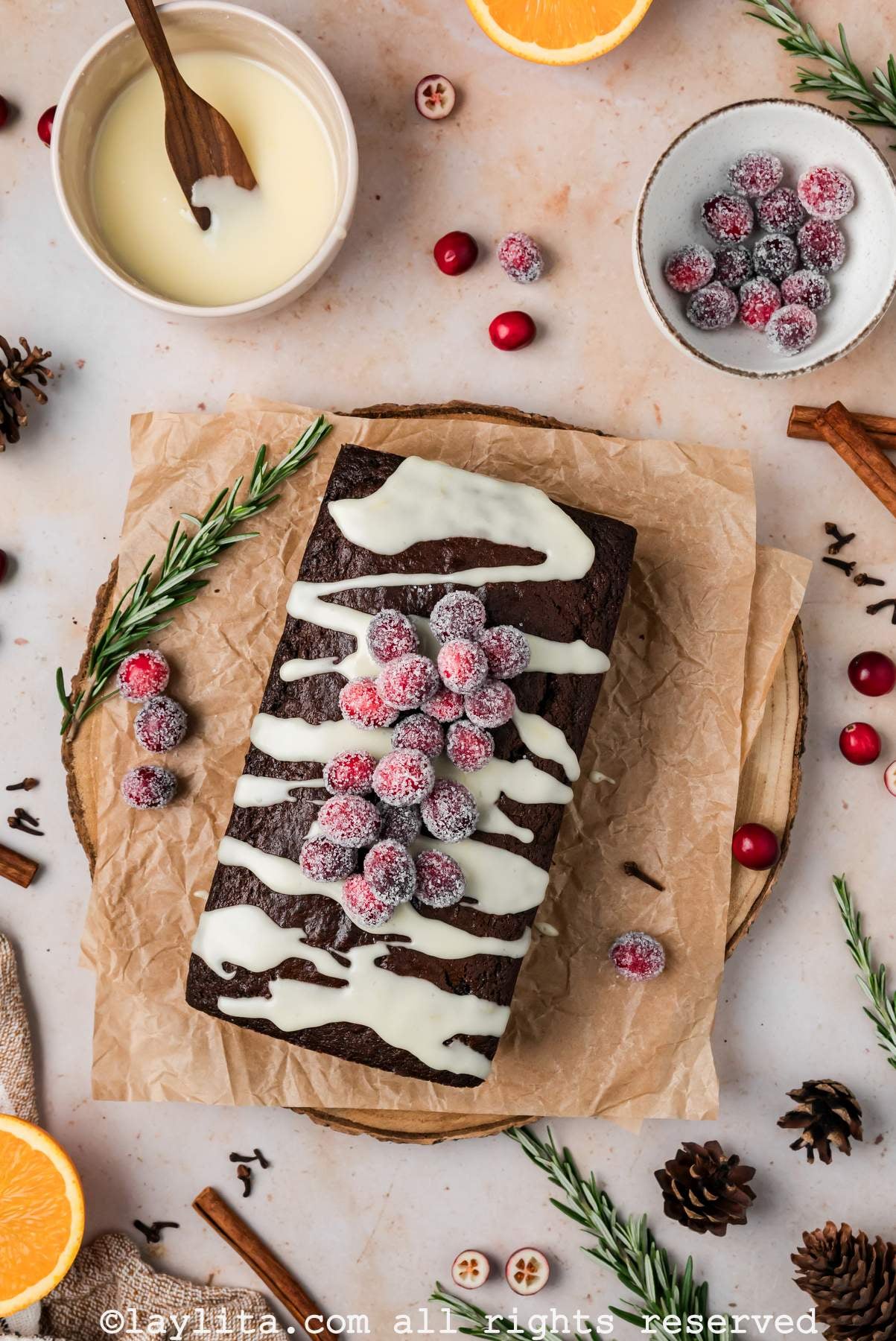
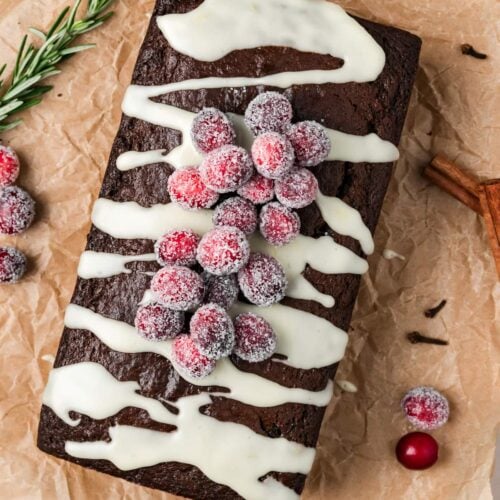
Seasonal baking traditions undergo a flavorful evolution each winter as home cooks and professional pastry chefs alike seek out recipes that encapsulate the aromatic profile of the colder months. Among the most enduring culinary symbols of the holiday season is gingerbread, a spiced creation that has transitioned from medieval European honeycakes into a versatile staple of modern autumn and winter gastronomy. A prime example of this ongoing culinary evolution is the newly popularized spiced gingerbread loaf, a dense, moist quick bread featuring rich molasses, traditional warming spices, a vibrant orange sugar glaze, and an ornate topping of sugared cranberries.
Background Context and Cultural Origins
The history of gingerbread stretches back over a millennium, originating in ancient Greece and China before making its way into Europe via the Silk Road in the 11th century. Crusaders returning from the Near East brought back recipes for ginger-spiced honeycakes, which quickly gained popularity across monastic communities in Europe. By the 15th century, gingerbread guilds had emerged in major European cities such as Nuremberg, Ulm, and London, establishing strict regulations on how the spiced loaves and biscuits were produced.
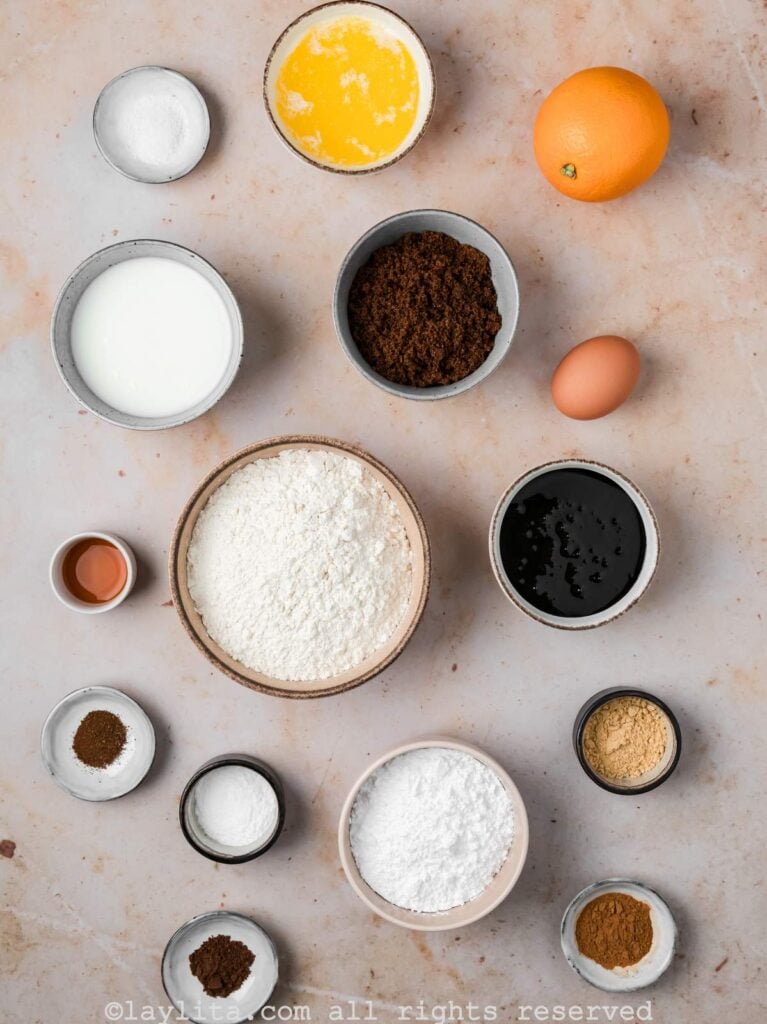
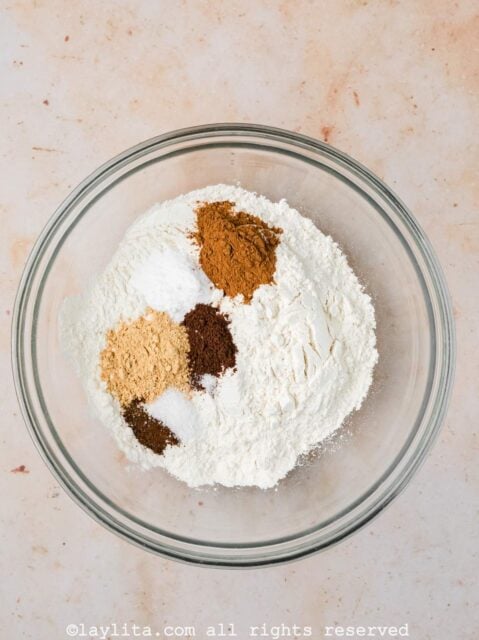
While traditional holiday markers like crisp gingerbread cookies and decorative houses remain popular, contemporary home bakers have increasingly favored quick breads—such as loaves and bundt cakes—for their ease of preparation and extended shelf life. The modern gingerbread loaf bridges the gap between historical flavor traditions and modern convenience. Utilizing molasses as both a sweetener and a moisture-retaining agent, the loaf incorporates a robust blend of ground ginger, cinnamon, nutmeg, and cloves. This flavor profile is heavily inspired by the sensory experience of European winter markets, where the mingling aromas of mulled wine—known regionally as Glühwein or Vino Caliente—and freshly baked spiced goods define the seasonal atmosphere.
Culinary Analysis and Flavor Pairing Mechanics
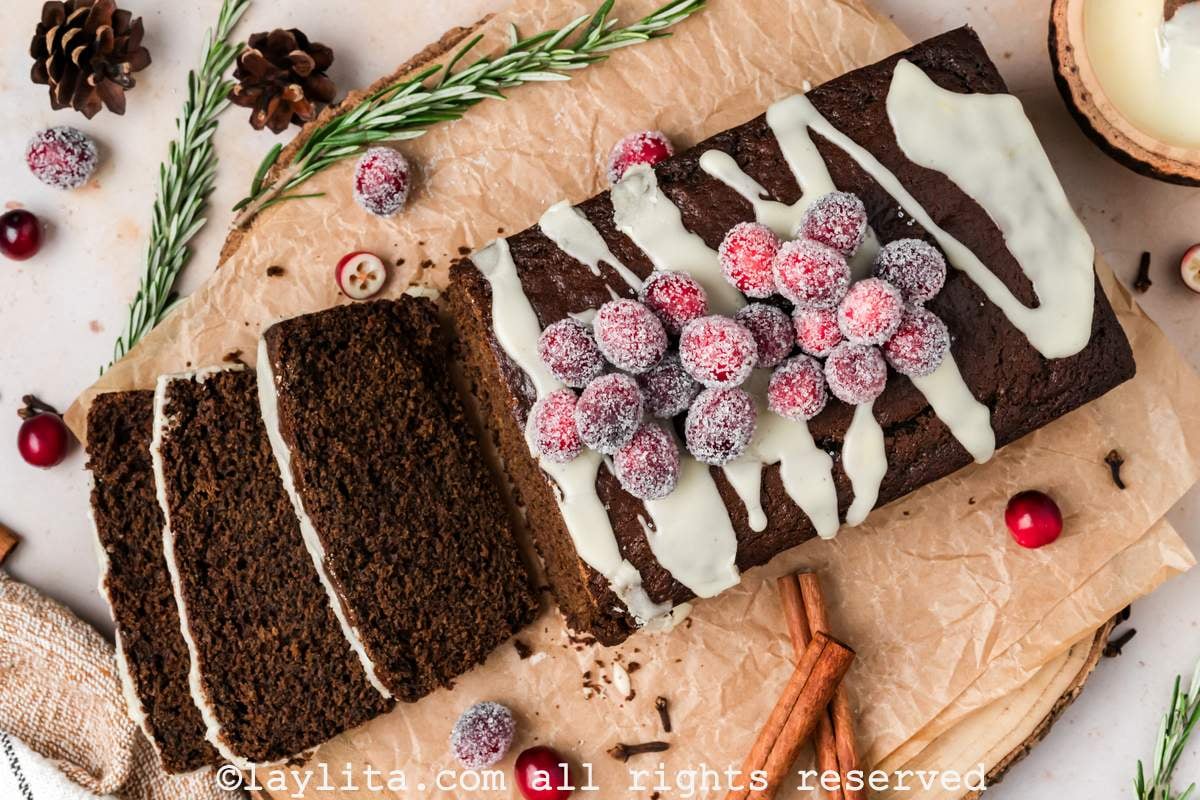
From a culinary perspective, the success of a modern gingerbread loaf lies in the careful balance of acidity, sweetness, and spice. Molasses provides a heavy, slightly bitter undertone that anchors the aggressive heat of ground ginger and the woodsy notes of cinnamon and cloves. To counteract this inherent richness, contemporary variations frequently incorporate bright citrus elements, such as fresh orange zest and juice, both in the batter and within the surface glaze.
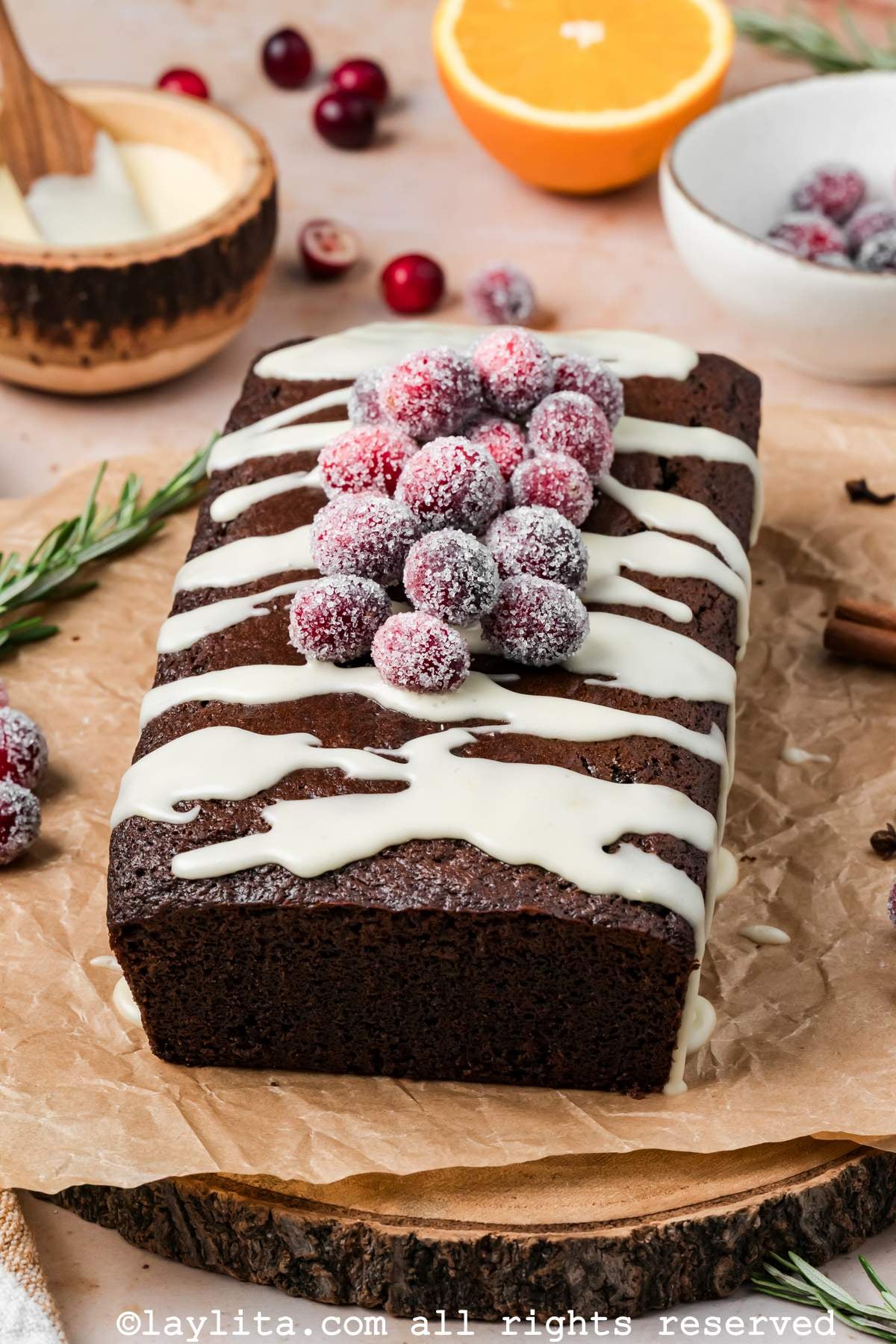
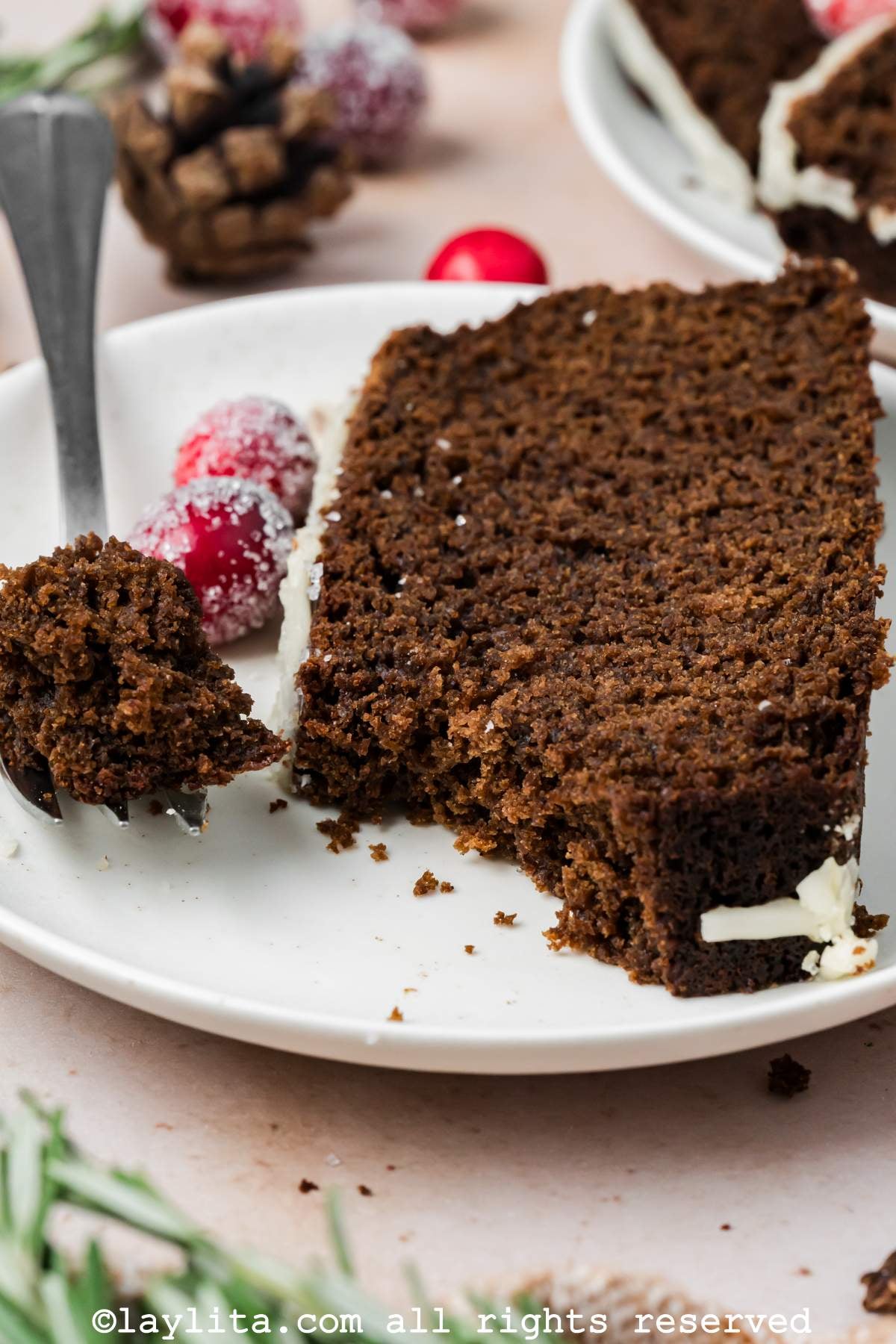
Food scientists and pastry chefs note that quick breads like gingerbread rely on chemical leavening agents—typically a combination of baking soda and baking powder—rather than yeast, allowing the batter to be mixed and baked quickly without proofing time. The inclusion of dairy, such as buttermilk or sour cream, reacts with the alkaline baking soda to create a tender crumb structure while locking in moisture. Furthermore, garnishes such as sugared cranberries introduce a textural contrast and a tart flavor profile that cuts through the dense sweetness of the sugar icing, elevating a rustic quick bread into a refined holiday dessert suitable for formal gatherings.
Broader Industry Trends in Holiday Baking
The introduction of specialized seasonal loaf recipes reflects broader shifts in consumer baking habits during the fourth-quarter holiday season. According to culinary retail data, sales of specialty baking ingredients—including molasses, whole spices, and decorative sugars—consistently surge between November and January. Home bakers are increasingly drawn to projects that offer sensory engagement, such as filling the household with aromatic scents, alongside aesthetic presentation values driven by social media food culture.
Moreover, culinary experts observe a growing trend toward flavor cross-pollination, where classic holiday profiles are adapted across multiple formats. For instance, the exact spice matrix found in traditional gingerbread is now frequently utilized in unexpected formats such as empanadas, dessert bars, puddings, and seasonal cheesecakes. This versatility allows home cooks to maintain a cohesive flavor theme throughout a multi-course holiday menu without repeating the exact same dish.
Preparation Standards and Technical Execution
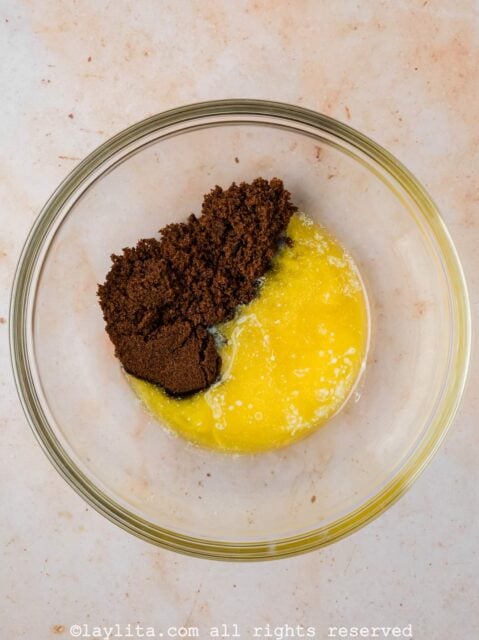
Achieving optimal results with a gingerbread loaf requires strict adherence to technical baking standards. Culinary instructors emphasize the importance of room-temperature ingredients to ensure proper emulsion of fats and liquids, which prevents the dense batter from breaking. Additionally, overmixing is cited as the primary pitfall in quick bread preparation; stirring the batter only until the dry ingredients are incorporated preserves the tender crumb and prevents excess gluten development, which can lead to a heavy, rubbery texture.
Storage and shelf-life studies on molasses-based baked goods indicate that the flavor profile actually improves after twenty-four to forty-eight hours, as the spices fully permeate the crumb. Properly stored in airtight containers at room temperature or refrigerated, a well-baked gingerbread loaf can maintain its structural integrity and moisture levels for up to five days, making it an ideal make-ahead item for holiday entertaining and corporate gifting.
As winter baking trends continue to evolve, the gingerbread loaf remains a testament to the enduring appeal of traditional spices paired with contemporary presentation techniques. By combining historical European flavor foundations with accessible modern baking methods, home kitchens continue to preserve and reinvent the comforting culinary traditions of the cold-weather season.