Plantain Bites for Brunch or Parties: A Modern Take on Traditional Caribbean Flavors Reimagines Dominican Culinary Heritage

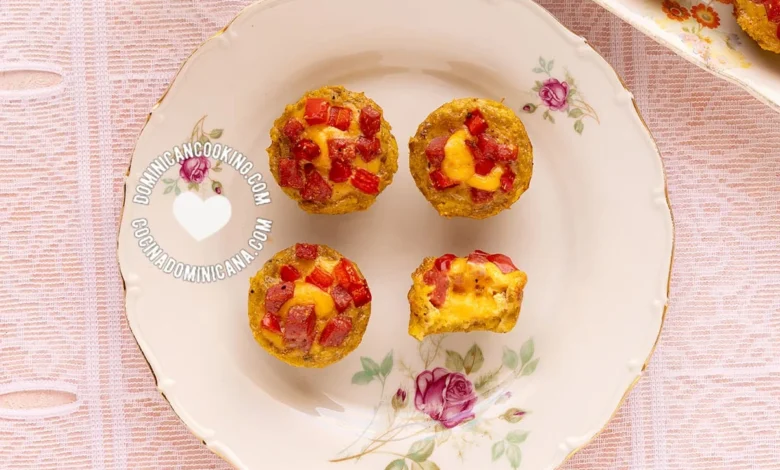
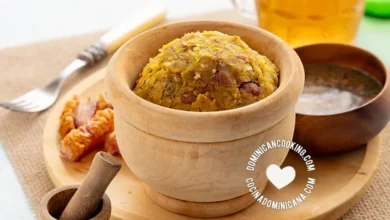
The culinary landscape of contemporary Caribbean-inspired entertaining is undergoing a subtle yet vibrant transformation, spearheaded by innovative adaptations of staple ingredients. Among the most versatile and beloved components of Caribbean gastronomy is the plantain, a member of the banana family that serves as a cornerstone of daily nutrition and celebratory feasts alike. Recently, home cooks and professional caterers have increasingly turned their attention to bite-sized appetizers that encapsulate traditional flavors within a refined, modern presentation. Chief among these culinary innovations are plantain bites—small, savory cups and morsels inspired by the classic Dominican breakfast dish known as mangú.
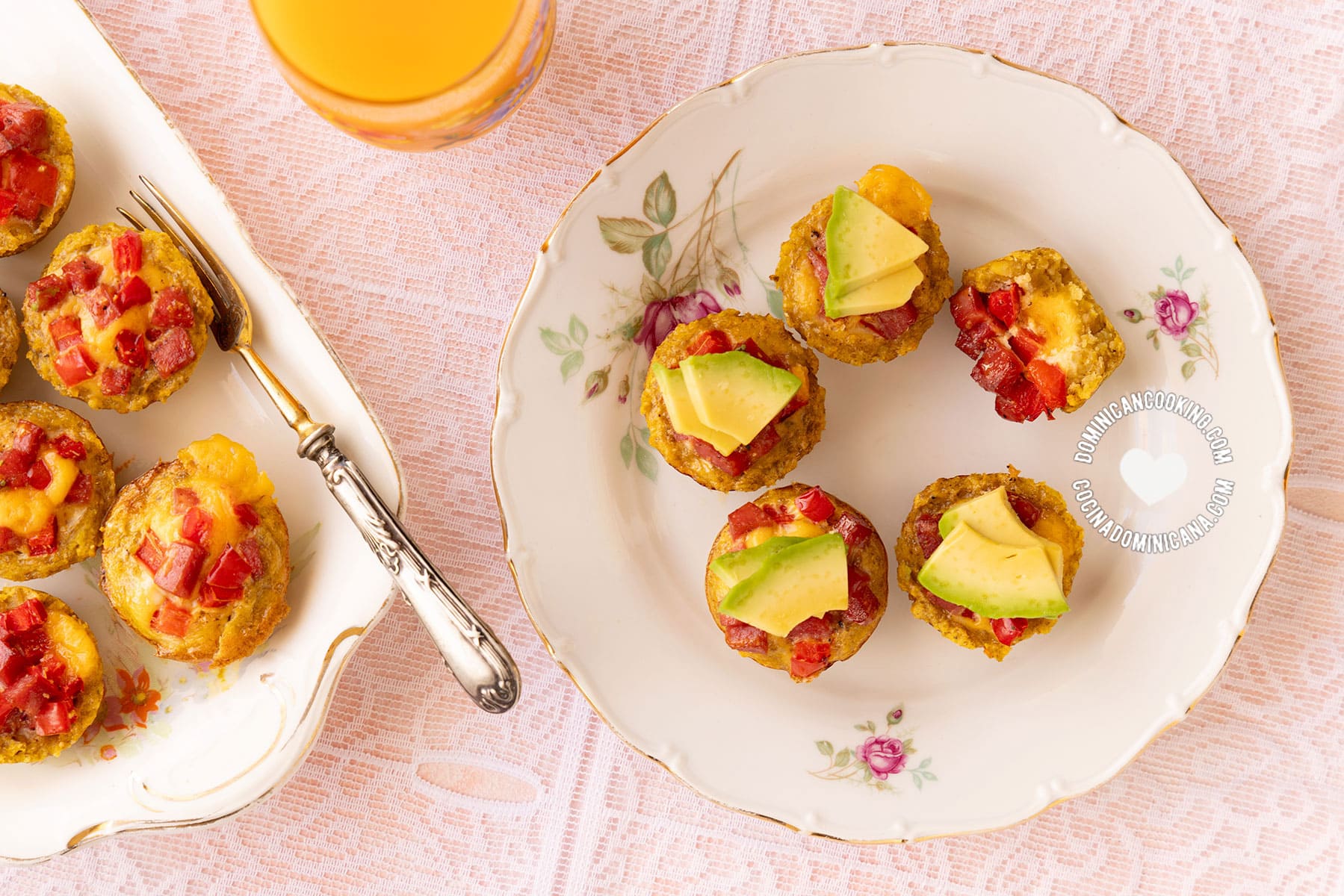
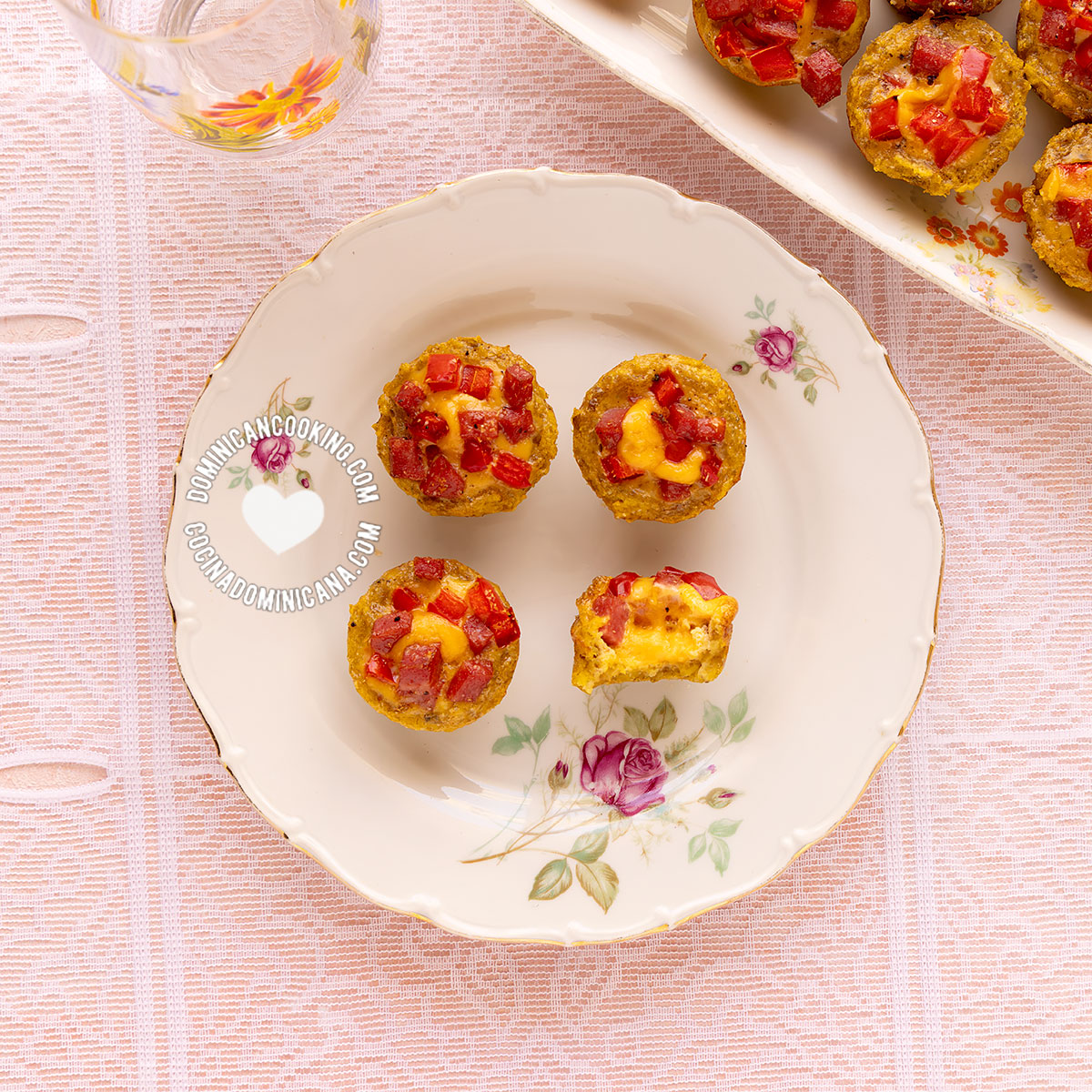
Mangú, traditionally composed of boiled and mashed green plantains beaten to a smooth, velvety consistency with butter or oil, is typically served alongside "Los Tres Golpes," which translates to "the three strikes": fried salami, fried cheese, and eggs, frequently accompanied by pickled red onions and sliced avocado. While this hearty combination remains a revered morning ritual across the Dominican Republic and within its diaspora, modern lifestyle demands have prompted a reimagining of these authentic criollo flavors. The newly popularized plantain bites translate the comforting, savory profile of mangú into finger food suitable for cocktail hours, brunch buffets, and upscale potluck gatherings, known locally in Dominican culture as "fiestas de traje."
The Historical and Cultural Significance of the Plantain in the Caribbean

To understand the cultural resonance of plantain-based appetizers, one must examine the deep-rooted history of the plantain within Caribbean agriculture and cuisine. Plantains (Musa paradisiaca) are not native to the Americas; rather, they were introduced to the Caribbean and Latin America during the early colonial period. Historical records indicate that Portuguese and Spanish traders transported plantains from Southeast Asia and West Africa to the Canary Islands, and subsequently to the Caribbean islands, including Hispaniola, in the early 16th century.
Upon arrival, the plantain found an ideal tropical climate and fertile soil, allowing it to flourish rapidly. It quickly became a staple crop for indigenous populations, enslaved Africans, and European settlers alike. Over the centuries, Caribbean culinary traditions evolved to incorporate plantains across various stages of ripeness. Green plantains, high in starch and low in sugar, are typically boiled, fried into tostones, or grated into mofongo. Conversely, ripe plantains, characterized by their yellow-black skins and high sugar content, are fried as maduros or baked to caramelize their natural sugars.
In the Dominican Republic, the green plantain achieved iconic status through mangú. Food historians often debate the etymology of the word "mangú," with popular folklore suggesting the term originated during the American occupation of the Dominican Republic (1916–1924). According to local legend, American soldiers consuming the mashed plantains exclaimed, "Man, good!" which locals phoneticized into "mangú." While linguists and historians generally view this derivation as folk etymology, the anecdote highlights the universal appeal of the dish across cultural divides.
Evolution of Brunch Culture and the Rise of Finger Foods
The adaptation of traditional dishes into bite-sized appetizers reflects broader shifts in global dining trends, specifically the meteoric rise of brunch and interactive buffet culture over the past two decades. Historically, traditional Dominican breakfast was a sit-down affair, heavy and sustaining, designed to fuel agricultural or manual labor. However, as urbanization increased and work schedules shifted toward contemporary corporate environments, weekend brunch emerged as a social ritual for families and friends.
In modern metropolitan centers with significant Caribbean populations, such as New York City, Miami, and Boston, weekend brunch menus frequently bridge the gap between American comfort food and Caribbean heritage. Chefs and home cooks alike recognized that while dishes like mangú with Los Tres Golpes are intensely flavorful, their traditional presentation can be heavy for casual cocktail parties or standing receptions. This realization catalyzed the development of fusion and reimagined finger foods, including mofonguitos (miniature mofongo cups stuffed with garlic shrimp or pork), plantain quiches, and the increasingly popular baked plantain breakfast bites.
Culinary Profile and Nutritional Analysis of Plantain Bites
From a nutritional and gastronomic standpoint, plantain bites offer a balanced profile that appeals to health-conscious consumers seeking nutrient-dense alternatives to traditional wheat-based pastry appetizers. A standard serving of plantain bites—typically calculated at four pieces per person—yields approximately 257 kilocalories, driven primarily by complex carbohydrates and healthy fats.
A detailed nutritional breakdown per serving illustrates the composition of these appetizers:
- Carbohydrates: 21 grams, primarily derived from complex starches in green plantains, which provide sustained energy and dietary fiber (2 grams per serving).
- Protein: 6 grams, contributed largely by the incorporation of eggs and cheese within the stuffing and base.
- Total Fat: 17 grams (4 grams of saturated fat), originating from the butter, oil, and cheese used to achieve the characteristic smooth texture of the mash and the richness of the filling.
- Micronutrients: Significant amounts of potassium (395 milligrams), Vitamin A (915 IU), and Vitamin C (14 milligrams), reflecting the natural vitamin profile of the fruit.
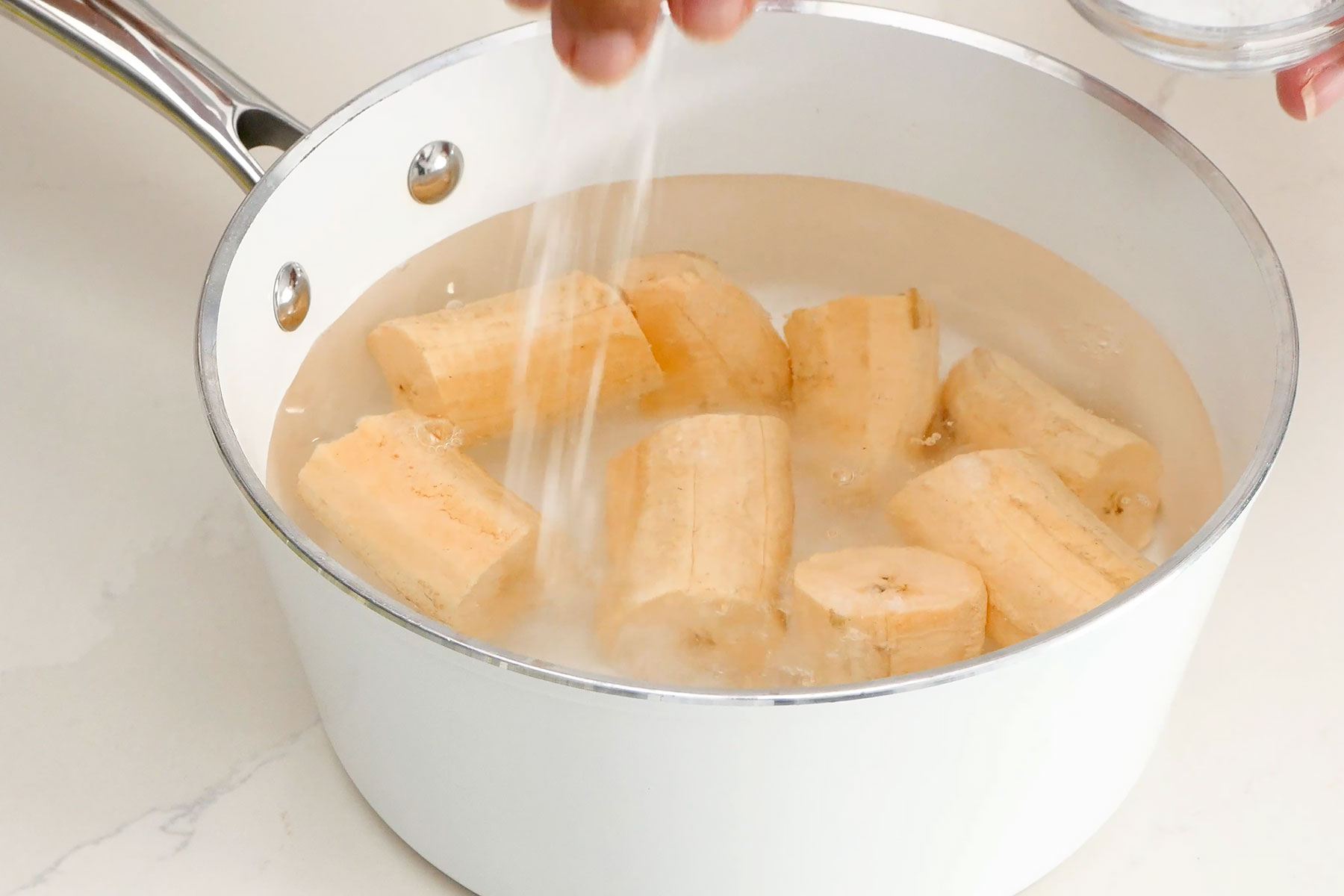
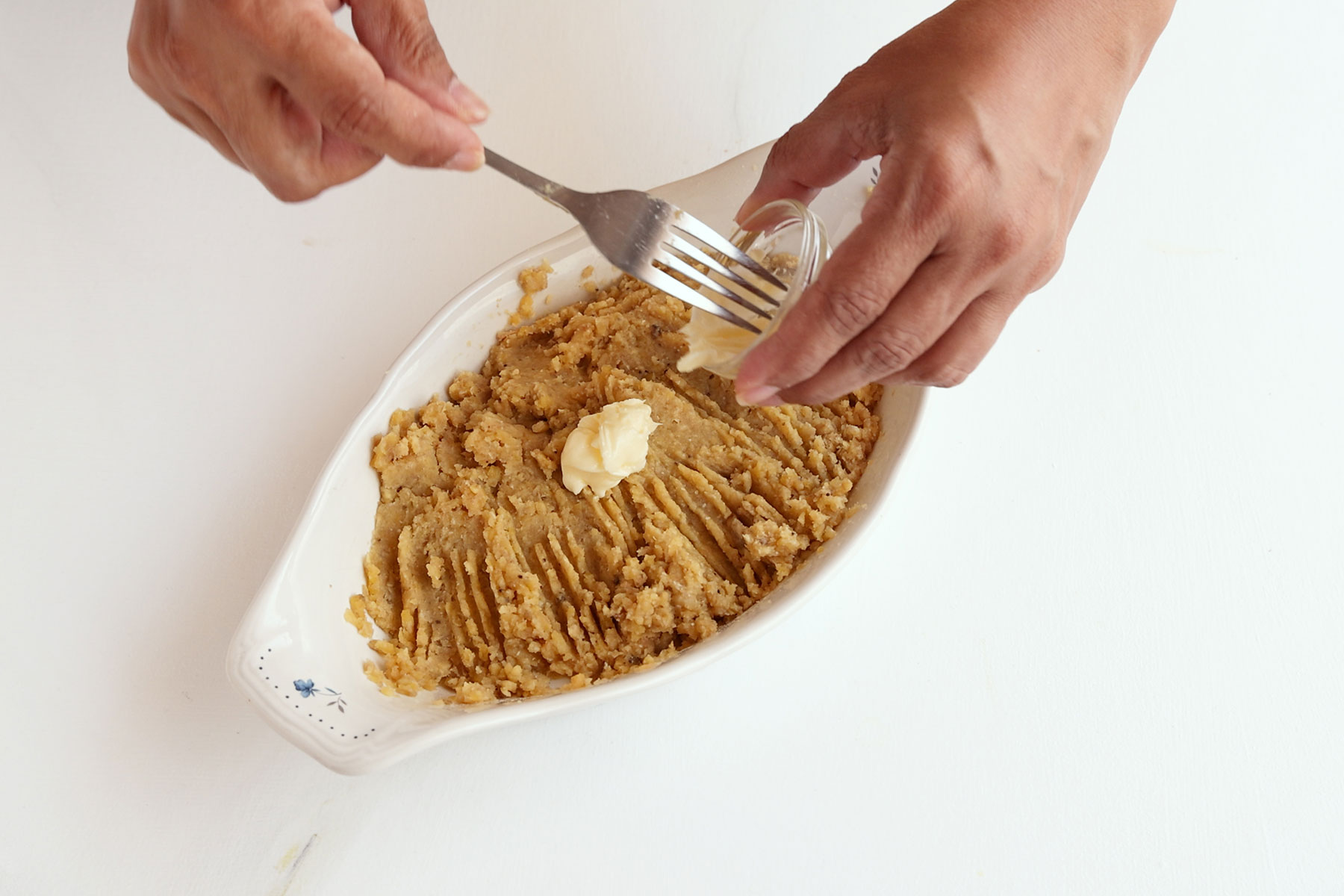
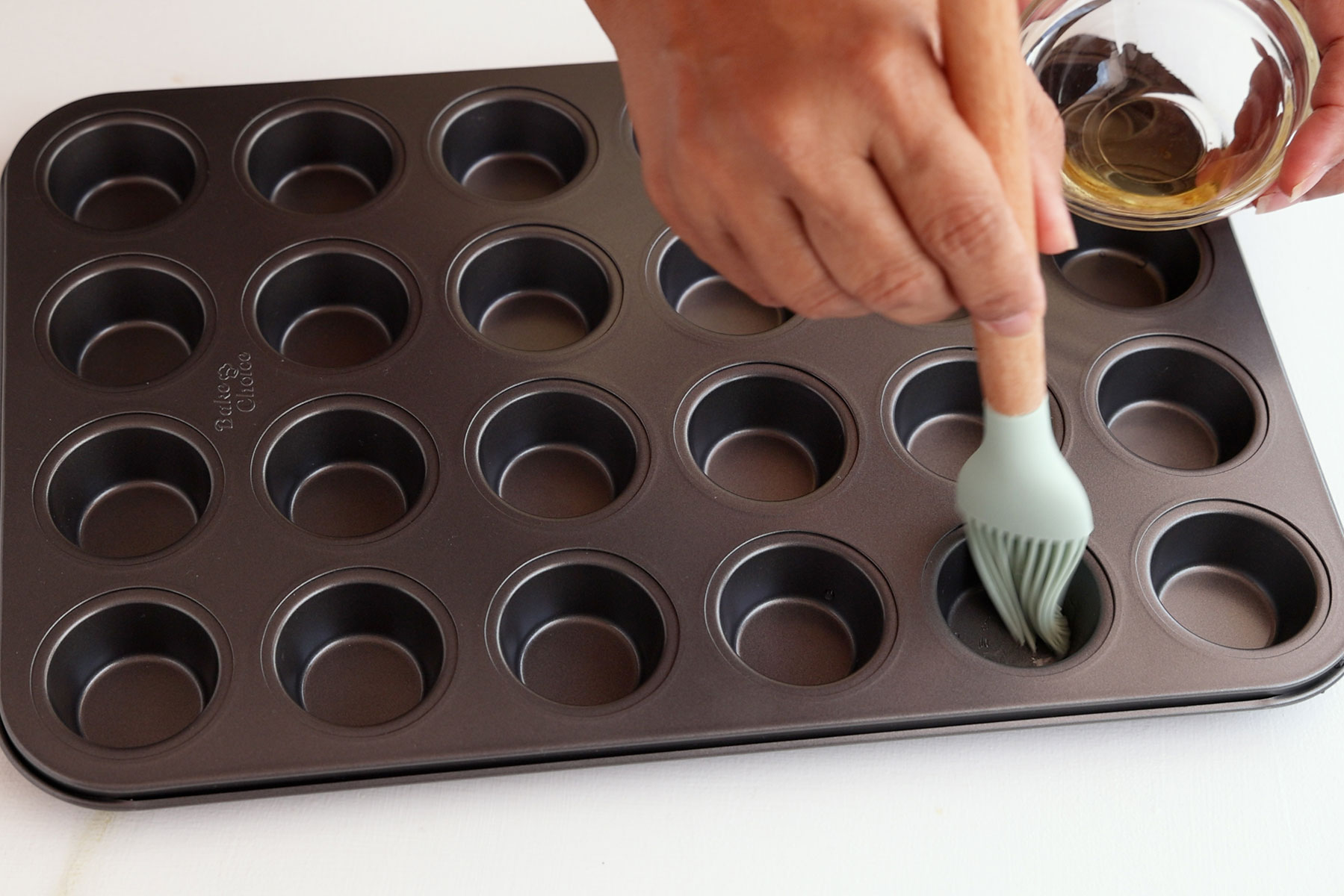
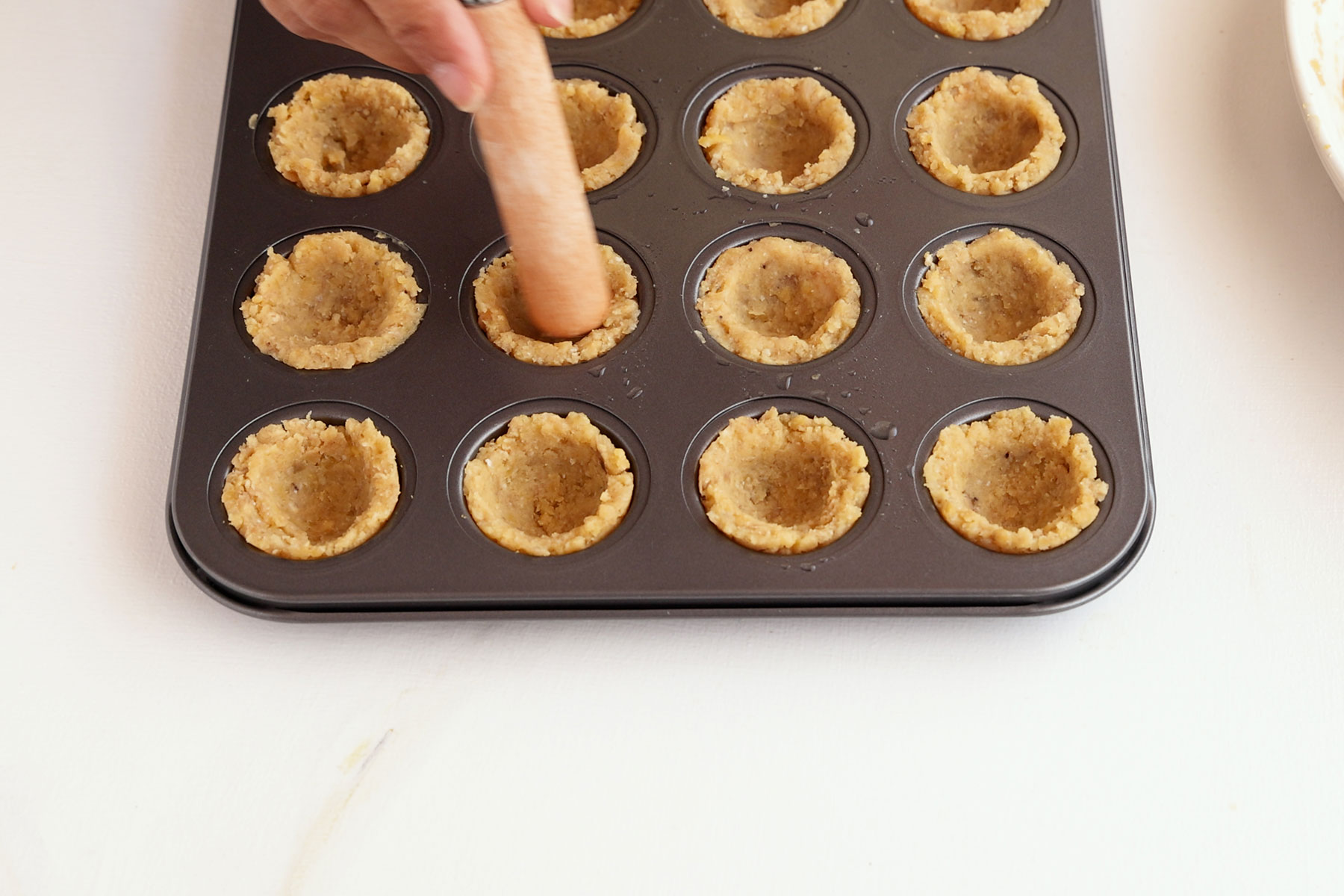
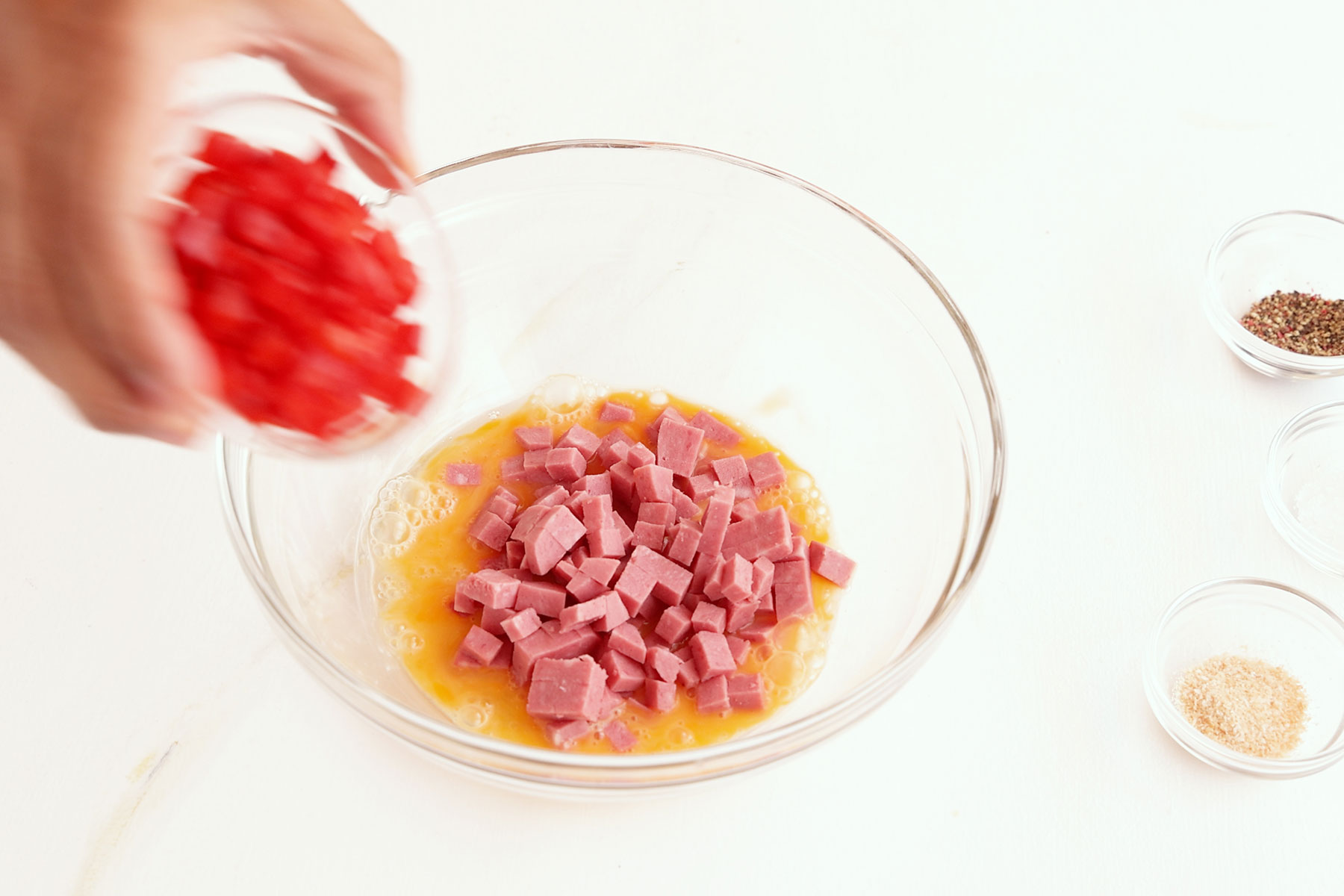
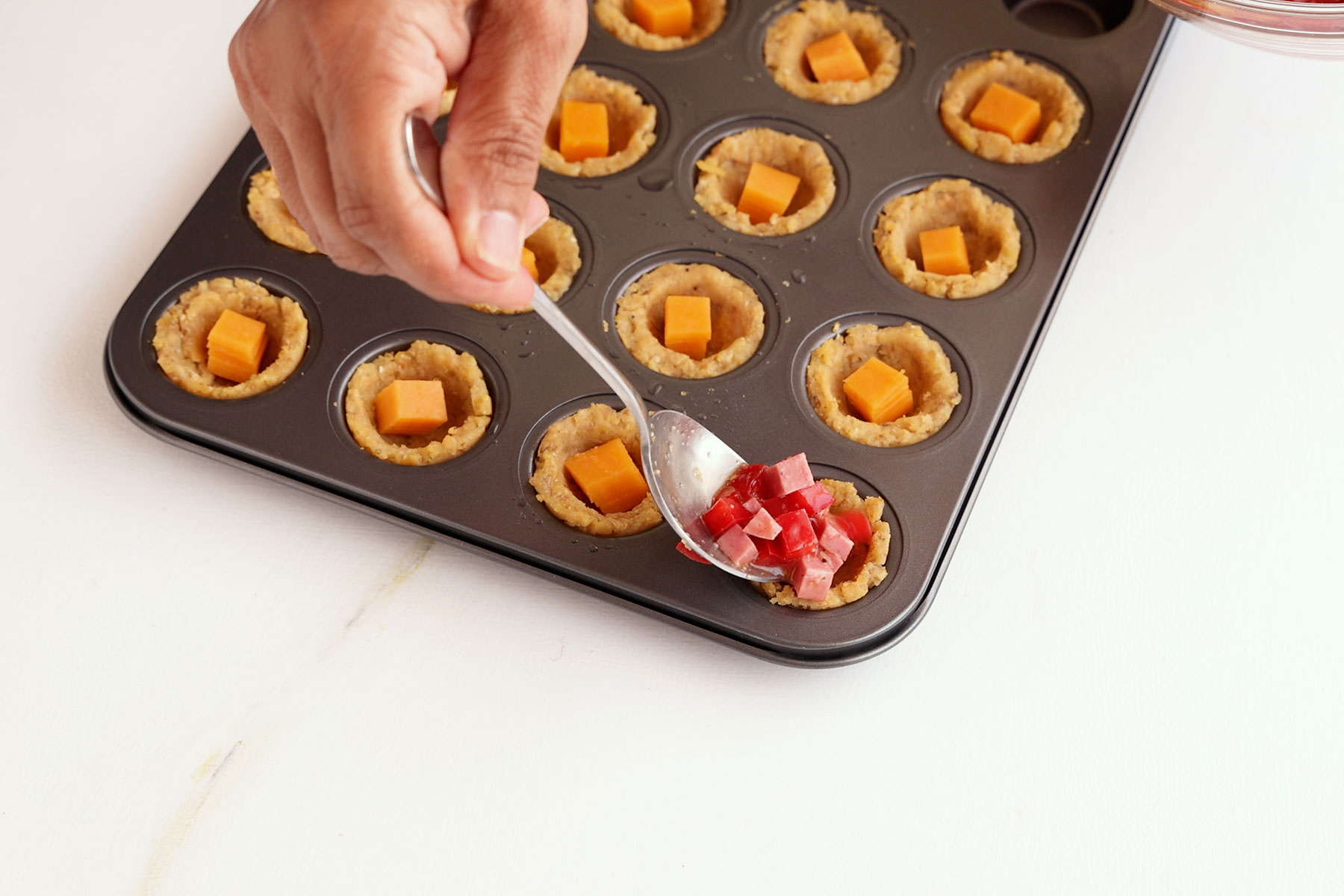
Culinary experts note that the preparation of plantain bites requires precision. The process begins with boiling peeled green plantains until tender, followed by mashing them thoroughly with warm water, butter, or oil to eliminate lumps while maintaining structural integrity. The warm mash is then pressed into greased muffin tins or mini tart molds to form small cups. These cups are subsequently filled with a savory mixture—frequently incorporating beaten eggs, cheese, and seasoned meats or vegetables—before being baked until golden brown and set.
Socio-Economic Implications and the Global Spread of Dominican Gastronomy
The growing popularity of Dominican-inspired finger foods aligns with a larger economic and cultural trend: the global elevation of Caribbean gastronomy. For decades, Caribbean cuisine—with notable exceptions like Jamaican jerk chicken—remained underrepresented in fine dining and international gourmet media compared to European, East Asian, or Mexican culinary traditions.
However, the proliferation of food blogs, cooking channels, and social media video tutorials has democratized access to authentic regional recipes. Platforms dedicated to Dominican cooking have reported surges in engagement surrounding appetizer recipes, particularly those categorized under "picadera" (the Dominican term for finger foods and casual party snacks). Picadera culture is an essential component of Dominican social gatherings, traditionally featuring items like catibias (yuca empanadas), quipes (bulgur and beef croquettes), and pastelitos. The integration of mangú-inspired bites into the picadera repertoire represents a synthesis of traditional breakfast flavors with the dynamic social structures of modern celebrations.
Furthermore, the commercial availability of green and ripe plantains in mainstream supermarket chains across North America and Europe has facilitated this culinary expansion. No longer confined to specialized ethnic grocery stores, plantains are increasingly recognized by mainstream consumers as a versatile, gluten-free alternative to potatoes and wheat flour.
Market Reception and Future Outlook
Culinary analysts tracking food trends project continued interest in hybridized ethnic comfort foods. As multicultural demographics expand in urban centers, consumers increasingly seek out foods that offer both emotional comfort and novelty. Plantain bites fulfill this dual demand by offering the nostalgic, comforting flavor profile of traditional Caribbean home cooking within a contemporary, shareable format.
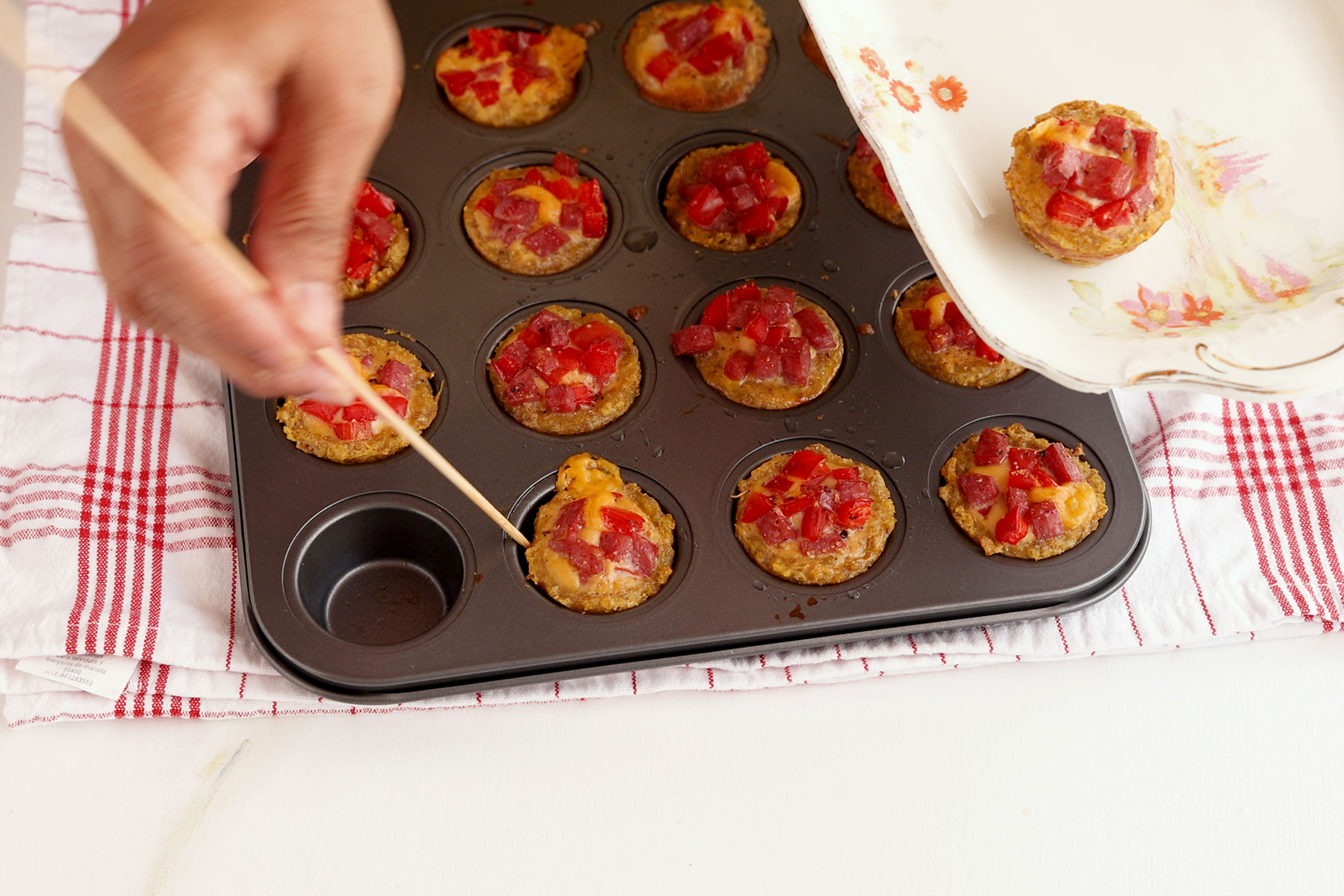
For home cooks, the appeal lies in the relative simplicity of the ingredients and the high visual impact of the final dish. Food presentation experts note that the vibrant yellow-green hue of the plantain crust, contrasted with savory fillings and garnishes such as fresh cilantro, avocado crema, or pickled onions, creates an aesthetically refined plate suitable for formal and informal events alike.
As culinary boundaries continue to blur, the trajectory of dishes like plantain bites underscores the adaptability of traditional foodways. By honoring foundational techniques—such as the meticulous boiling and mashing of green plantains perfected generations ago—modern cooks ensure that the rich heritage of Caribbean cuisine continues to evolve, thrive, and capture the imaginations and appetites of a global audience.