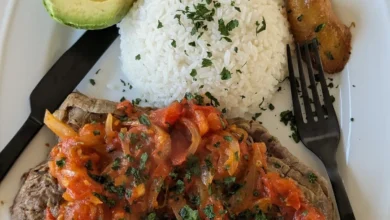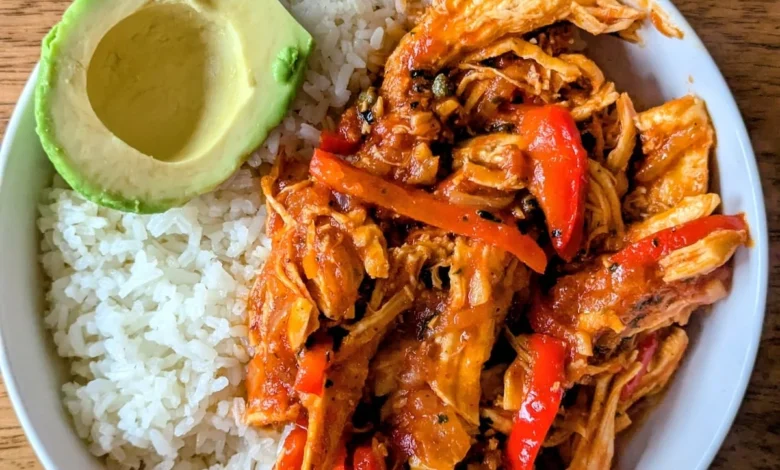
The landscape of contemporary Latin American home cooking is currently witnessing a significant shift toward efficiency and health-conscious alternatives to traditional, time-intensive recipes. Among the most notable adaptations is the emergence of Chicken Ropa Vieja, a streamlined iteration of the classic beef-based dish that has long served as a centerpiece in households across Cuba, Colombia, and the broader Caribbean. By replacing the traditional slow-cooked flank or skirt steak with lean poultry, home cooks are reducing preparation times by more than 50 percent while maintaining the structural and flavor profiles that define this historic comfort food.
Historical Context and Cultural Significance
The term "Ropa Vieja," which translates literally to "old clothes," originates from the shredded appearance of the meat, which resembles the frayed fabric of worn garments. Legend often attributes the dish’s creation to a desperate cook who, lacking the funds to provide for his family, shredded his own clothes into a tomato-based stew, only for the mixture to transform into a delicious meal through a miracle.
Historically, Ropa Vieja is a quintessential example of the "sofrito" tradition—a foundational aromatic base consisting of onions, bell peppers, garlic, and tomatoes simmered in olive oil. While the beef-based version remains a culinary icon, the transition to a chicken-based variant reflects a broader trend in global gastronomy: the modernization of heritage recipes to suit the demands of the contemporary, time-constrained workforce.
Comparative Analysis: Preparation and Nutrition
The primary motivation for the shift toward chicken-based Ropa Vieja is logistical. Traditional beef preparations often require a multi-stage process involving long-duration boiling to break down connective tissue, followed by manual shredding and a secondary simmering period to incorporate the sauce. Depending on the cut of beef, the total active and inactive cooking time can exceed three to four hours.
In contrast, the chicken variation achieves a similar textural outcome in approximately 50 to 60 minutes. Because chicken breast or thigh meat requires significantly less time to reach a state where it can be easily shredded, the dish has transitioned from a weekend-only commitment to a viable weeknight dinner option.
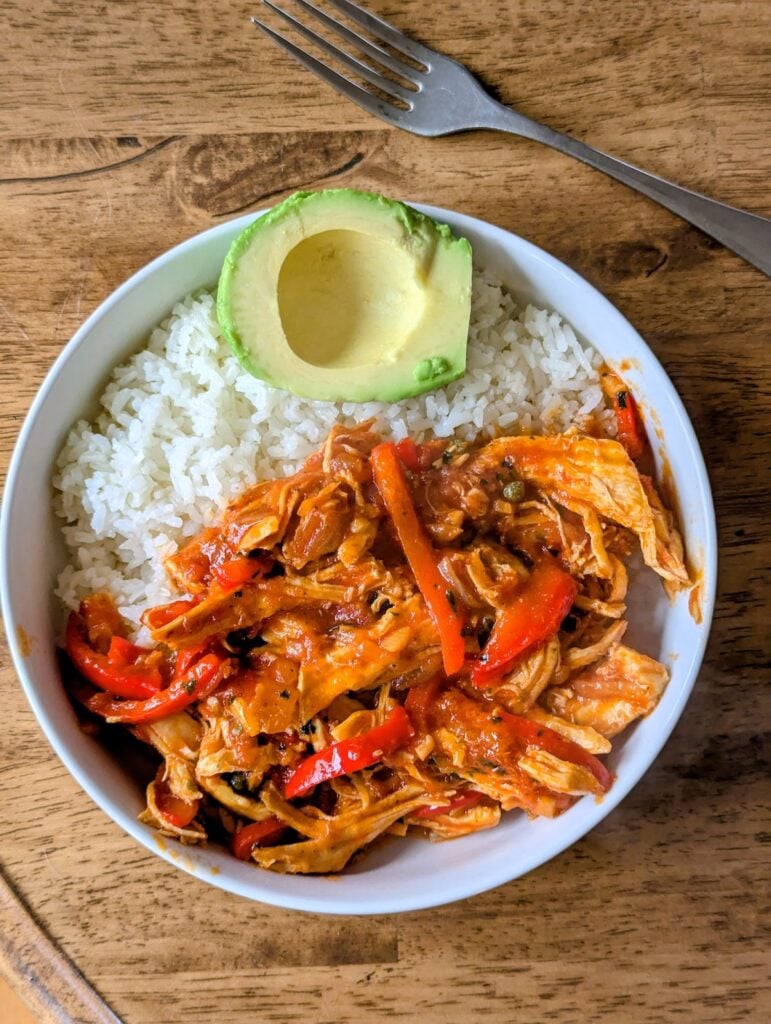
From a nutritional perspective, the substitution of beef with chicken offers a distinct profile. Standard beef Ropa Vieja, often prepared with fattier cuts to ensure tenderness, carries a higher caloric and saturated fat load. A standard serving of Chicken Ropa Vieja, typically ranging around 227 calories, provides a high-protein, low-fat alternative. Data indicates that a 4-ounce serving contains roughly 26 grams of protein while maintaining a relatively low lipid profile, making it a preferable option for those monitoring cardiovascular health or managing weight.
The Anatomy of the Recipe
The success of the dish relies on the precision of the preparation, which is divided into two distinct phases: the primary cooking of the poultry and the development of the flavor-dense sauce.

- The Braise: The chicken is initially boiled in a broth infused with aromatics. This stage is critical, as it provides the foundation for the final flavor. The liquid retained from this stage is often utilized as a base for the subsequent sauce, ensuring that the essence of the chicken is fully integrated.
- The Shred: Once cooked, the chicken must be manually pulled into thin strips. This is the most labor-intensive portion of the recipe, requiring attention to detail to ensure the meat is shredded uniformly to absorb the sauce effectively.
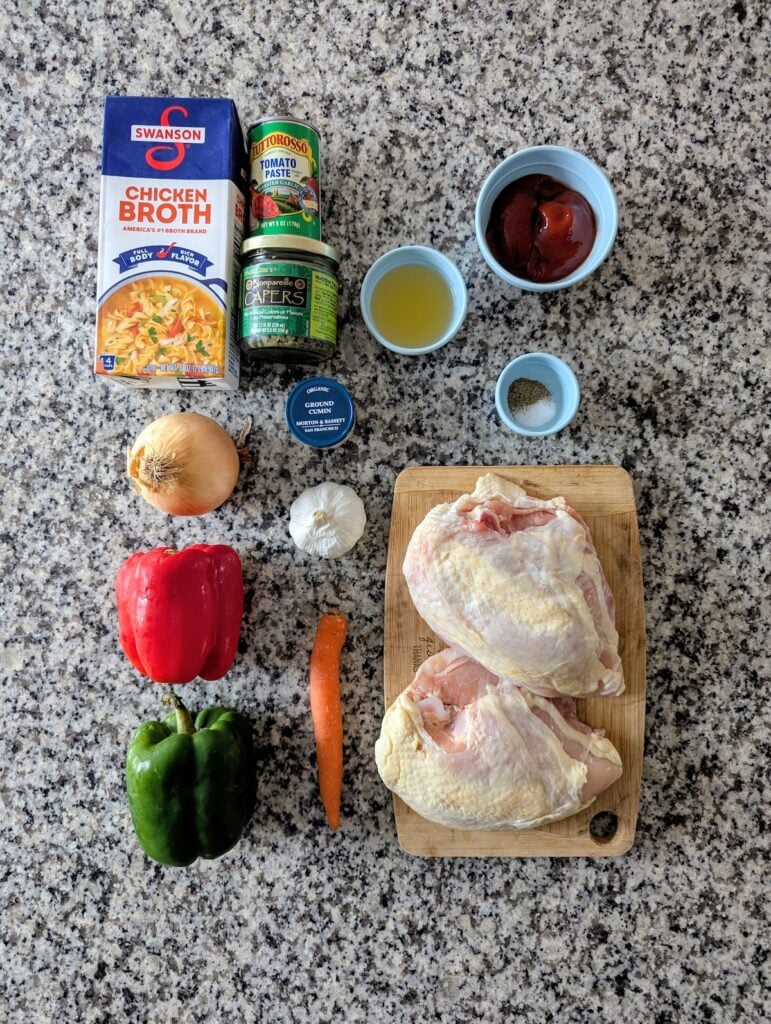
- The Sofrito: The sauce is constructed by sautéing onions, peppers, and garlic until they are translucent and fragrant. Tomato sauce or paste is added, along with spices such as cumin, oregano, and occasionally a splash of dry white wine or vinegar to provide acidity.
- The Integration: The shredded chicken is folded into the simmering sofrito, allowing the proteins to absorb the sauce over low heat.
Economic and Logistical Implications
The adoption of chicken as a primary ingredient in Ropa Vieja has tangible economic implications for households. Poultry, particularly chicken breast, remains one of the most cost-effective protein sources in the global market. As food inflation continues to affect grocery bills, the pivot to chicken-based alternatives for labor-intensive, meat-heavy dishes has been cited by nutritionists and home economists as a sustainable way to maintain dietary variety without sacrificing traditional flavor.
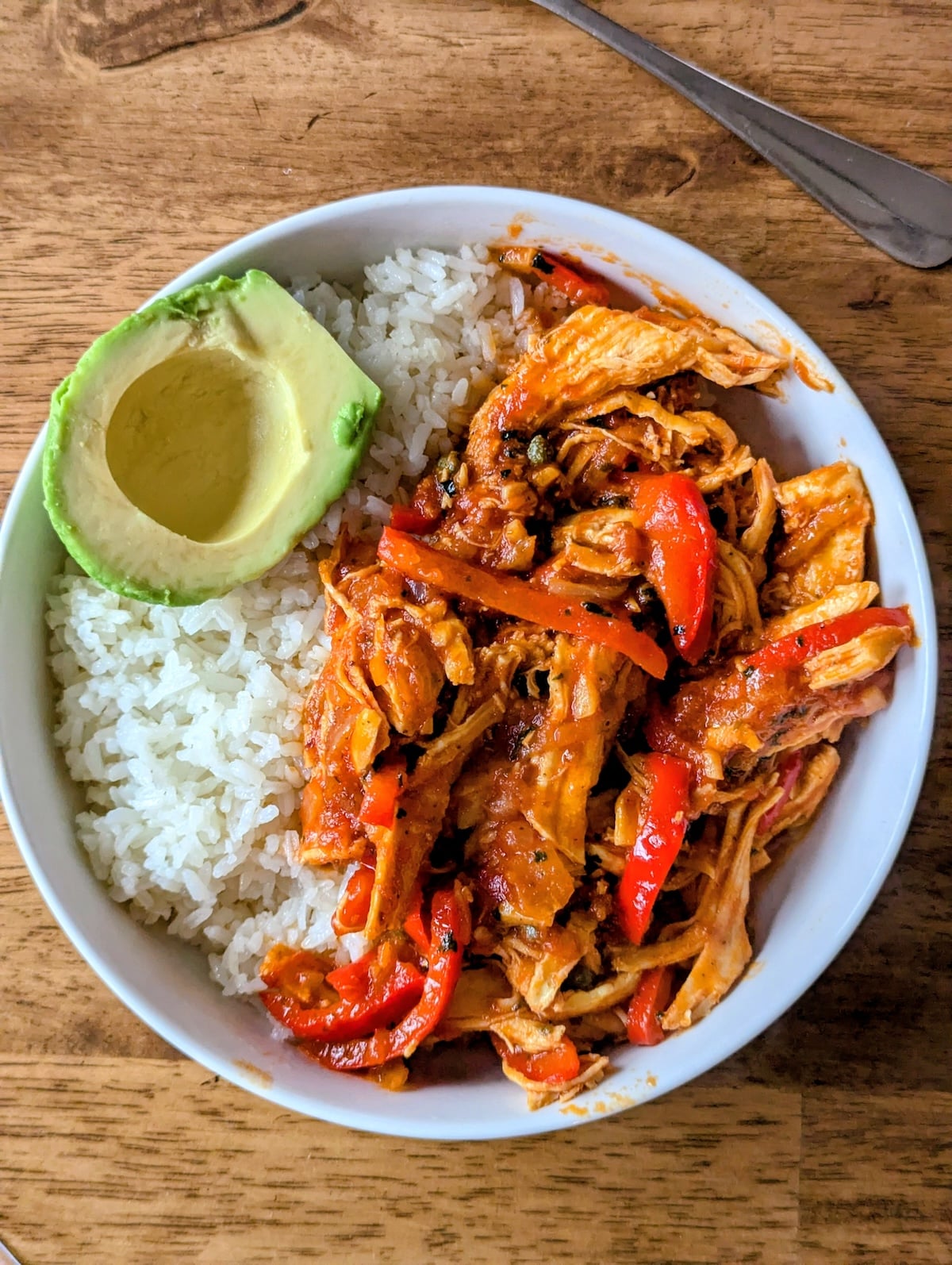
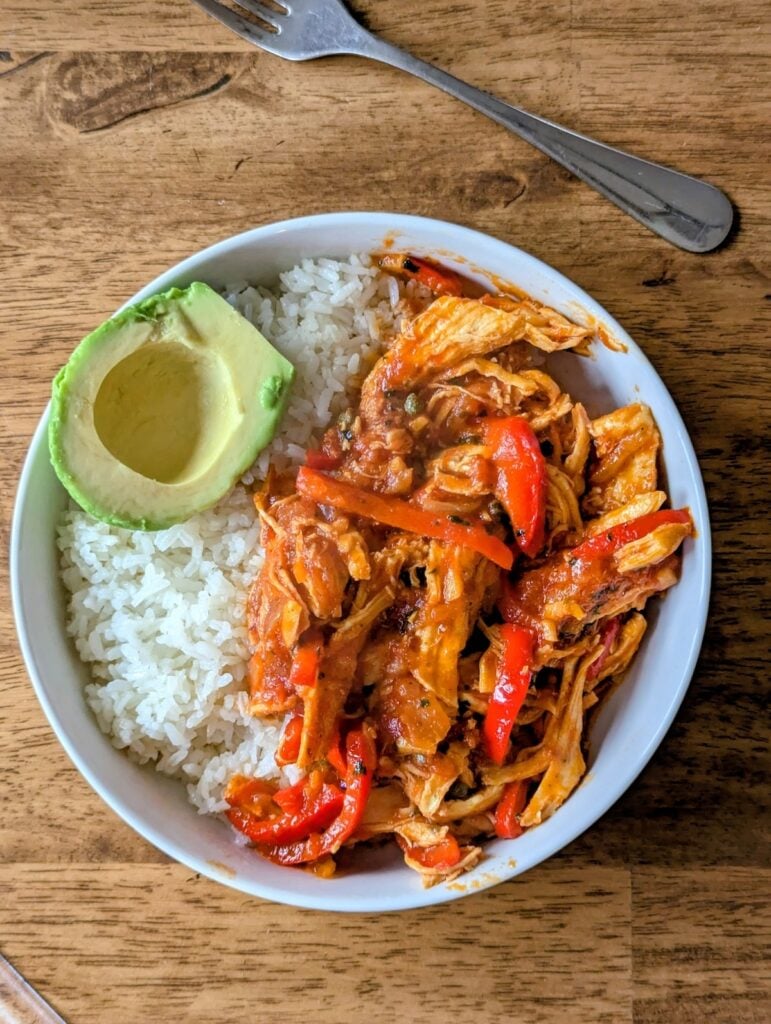
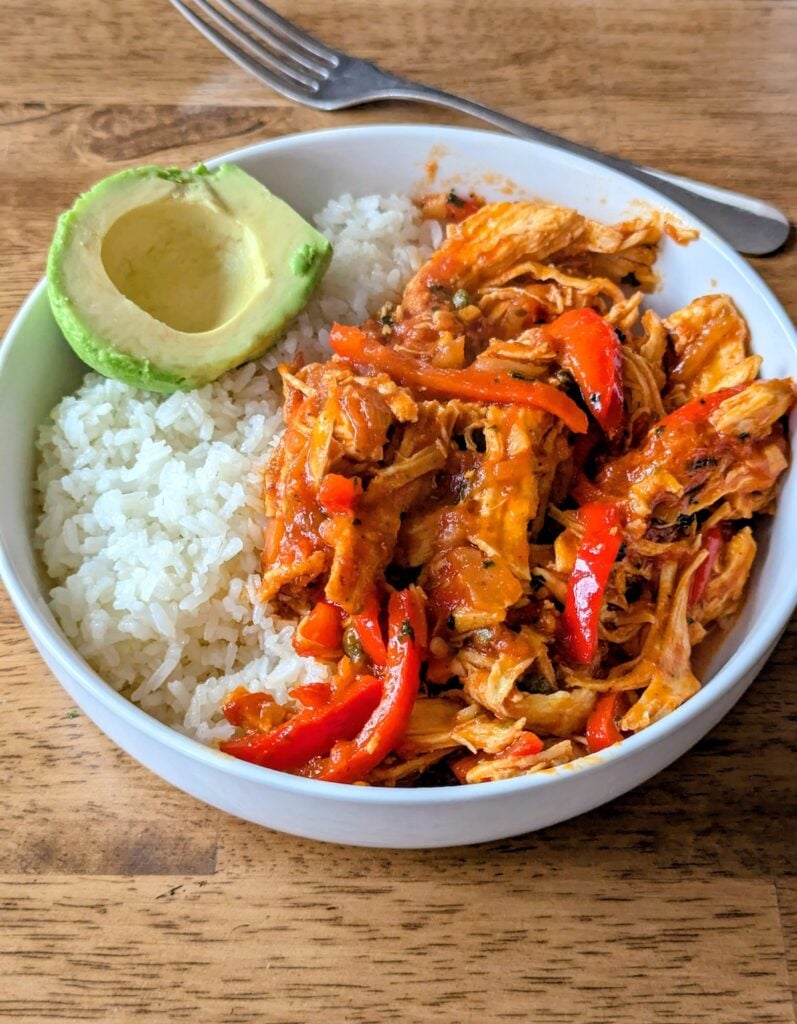
Furthermore, the versatility of the dish is a major factor in its sustained popularity. Unlike the beef version, which can sometimes result in a heavier palate experience, the chicken iteration pairs seamlessly with a wider variety of sides. While it remains standard to serve the dish over white rice with avocado—a staple combination—modern adaptations have seen the meal served over spaghetti squash, zucchini noodles, or as a filling for corn-based arepas, catering to gluten-free and low-carbohydrate dietary preferences.
Long-term Storage and Meal Planning
A critical advantage of Chicken Ropa Vieja in the modern home is its high tolerance for storage. The dish performs exceptionally well as a "leftover" meal, as the proteins continue to marinate in the sofrito sauce while refrigerated. According to food safety guidelines, the dish remains viable for up to four days when stored in an airtight container.
This characteristic makes it a high-value asset for meal planning, a practice currently seeing a surge in interest due to the rising costs of dining out. Culinary experts suggest that if the dish loses moisture during refrigeration, a small addition of chicken broth during the reheating process on the stovetop effectively restores the desired consistency without compromising the integrity of the spices.
Broader Culinary Impact
The rise of the Chicken Ropa Vieja is not merely a shortcut; it represents a broader evolution in Latin American culinary identity. It demonstrates that the essence of a dish is often found in the technique—the sofrito, the slow infusion of spices, and the care taken in the cooking process—rather than the specific type of animal protein used.
By embracing these modifications, the culinary community is ensuring that traditional flavors survive the transition into a faster-paced, more health-conscious era. As more home cooks share their experiences and variations on digital platforms, the "old clothes" of the dish are being replaced by a modern, vibrant, and highly efficient culinary standard. Whether consumed as a traditional family meal or repurposed as a quick lunch, the dish remains a testament to the adaptability of Latin American cuisine in the 21st century.
Related posts: