California Lawmakers and Advocates Push to Remove Immigration and Age Restrictions from State Food Assistance Amid Historic Budget Surplus

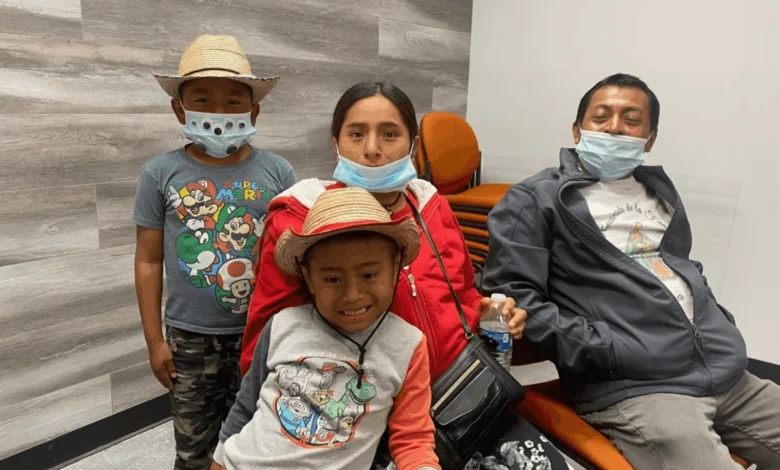
California stands as the agricultural powerhouse of the United States, producing roughly a quarter of the nation’s food supply and boasting one of the largest economies in the world. Yet, within this same state, nearly half of all undocumented immigrants—including the very farmworkers responsible for harvesting these crops—struggle with severe food insecurity. A coalition of state lawmakers, policy advocates, and community organizers are mounting an intense campaign to overhaul the state’s nutritional safety net, urging Governor Gavin Newsom to eliminate both immigration and age restrictions from the California Food Assistance Program (CFAP).
The push centers on a two-pronged strategy involving long-term legislative action and immediate budgetary pressure. While Senate Bill 464, introduced by State Senator Melissa Hurtado, seeks a permanent legislative fix to expand nutrition benefits regardless of status, the Food4All campaign—spearheaded by Nourish California and the California Immigrant Policy Center—is turning its focus toward the upcoming state budget. With California currently reporting an unprecedented budget surplus of $68 billion, advocates argue that the state possesses the financial capacity to provide equitable access to basic necessities for all residents, regardless of their documentation status.
Understanding the Current Landscape of Food Insecurity
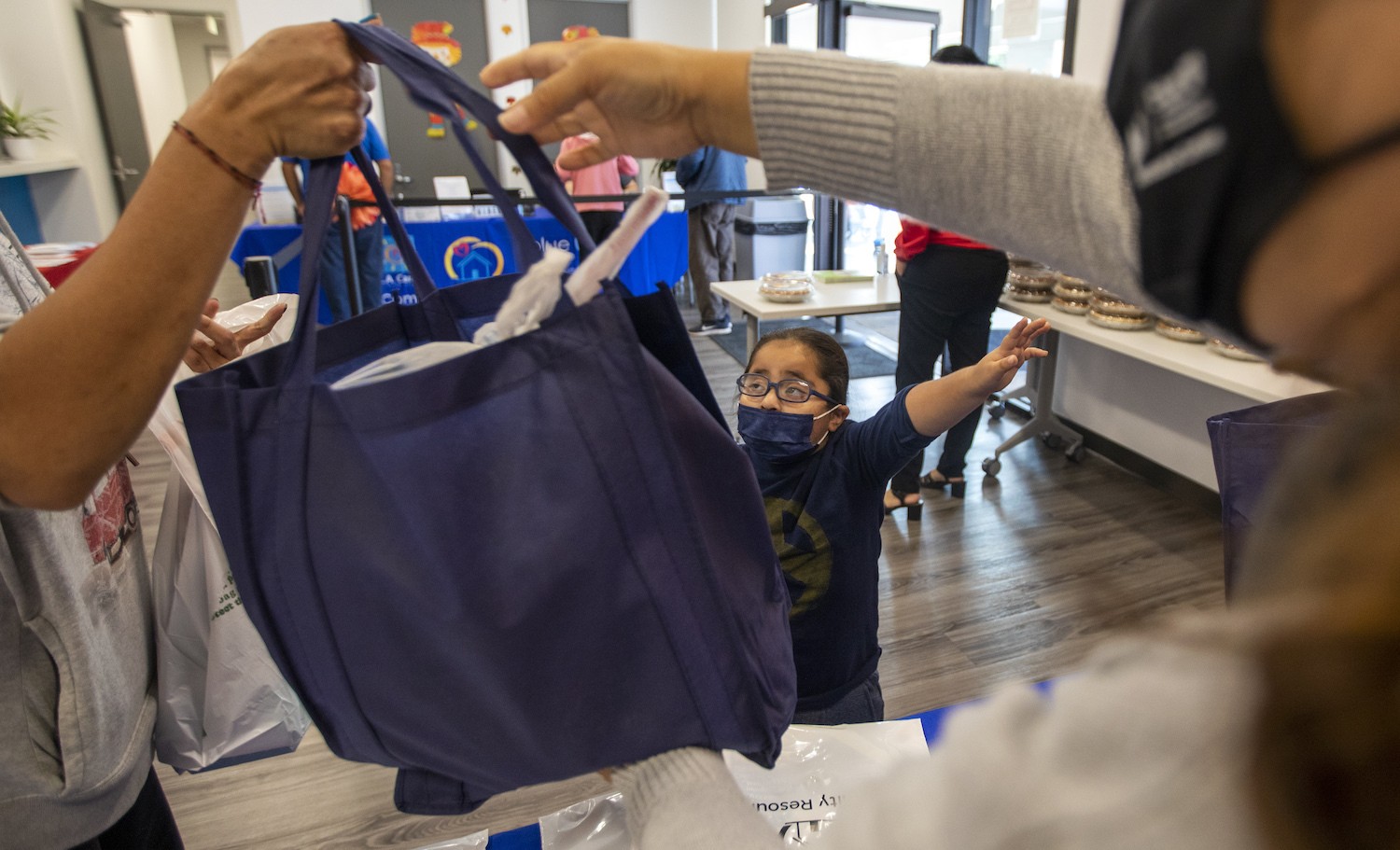
Food insecurity disproportionately impacts undocumented populations across the United States, but the crisis is acutely felt in California. Approximately 45 percent of undocumented immigrants in the state experience limited or uncertain access to adequate food. Despite their vital contributions to the agricultural, service, and hospitality sectors, these residents are systematically barred from participating in federal nutrition programs like the Supplemental Nutrition Assistance Program (SNAP), known locally as CalFresh.
Federal guidelines dictate that SNAP is reserved for U.S. citizens and specific categories of "qualified" immigrants who have maintained their status for at least five years. While the state-funded California Food Assistance Program was established to bridge this gap for legal permanent residents, refugees, and asylees who have not met the five-year residency requirement, it continues to explicitly exclude undocumented individuals.
Governor Newsom’s proposed 2022–2023 budget took a partial step by allocating funds to remove immigration barriers from CFAP, but restricted the expansion strictly to undocumented Californians aged 55 and older. Advocates argue that this incremental approach leaves out hundreds of thousands of children, adults, and families who face daily hunger, particularly in agricultural hubs like the Central Valley.
Historical Context: The Roots of Exclusion and Fear
To fully comprehend why millions of undocumented Californians remain outside the nutritional safety net, experts point to a decades-long history of exclusionary federal and state policies that have fostered deep-seated fear and institutional mistrust within immigrant communities.
The systemic barriers trace back significantly to 1996, when President Bill Clinton signed the Personal Responsibility and Work Opportunity Reconciliation Act (PRWORA). This sweeping welfare reform law fundamentally restructured the nation’s social safety net, imposing a harsh five-year waiting period on lawful permanent residents and engendering a broader culture of stigma around public assistance. Research indicates that PRWORA triggered a sharp decline in safety net participation among eligible immigrant households out of fear of repercussions.
At the state level, California voters approved Proposition 187 in 1994. Though eventually struck down by federal courts as unconstitutional, the ballot measure sought to deny undocumented immigrants access to public education and healthcare while legally obligating public servants, including teachers and healthcare workers, to report individuals suspected of lacking legal status.
Advocates note that these historical legislative actions established a persistent narrative that undocumented populations do not belong and are unwelcome to utilize public infrastructure. This psychological barrier is compounded by complex federal regulations, such as the "public charge" rule. Under the expanded guidelines enacted during the Trump administration, non-citizens who utilized certain public benefits for specified durations faced severe hurdles in adjusting their immigration status or obtaining permanent residency. Although these specific regulations were rescinded under the Biden administration, subsequent surveys indicate that roughly 75 percent of immigrant families remained unaware of the reversal, continuing to avoid vital assistance programs out of fear.
Voices from the Frontlines: The Human Cost of Hunger
The human impact of these policy exclusions is starkly visible in agricultural regions like the Central Valley, often romanticized as the nation’s "salad bowl." Senator Hurtado, whose district encompasses parts of this agricultural heartland, represents a community where nearly half of all farmworkers report experiencing food insecurity.
As the daughter of immigrants who experienced poverty firsthand, Hurtado has championed legislative efforts like SB 464 to address what she describes as a cruel contradiction. Essential workers who endure extreme weather conditions, climate change-induced wildfires, and scorching heatwaves to keep domestic supply chains functioning often cannot afford to feed their own families.
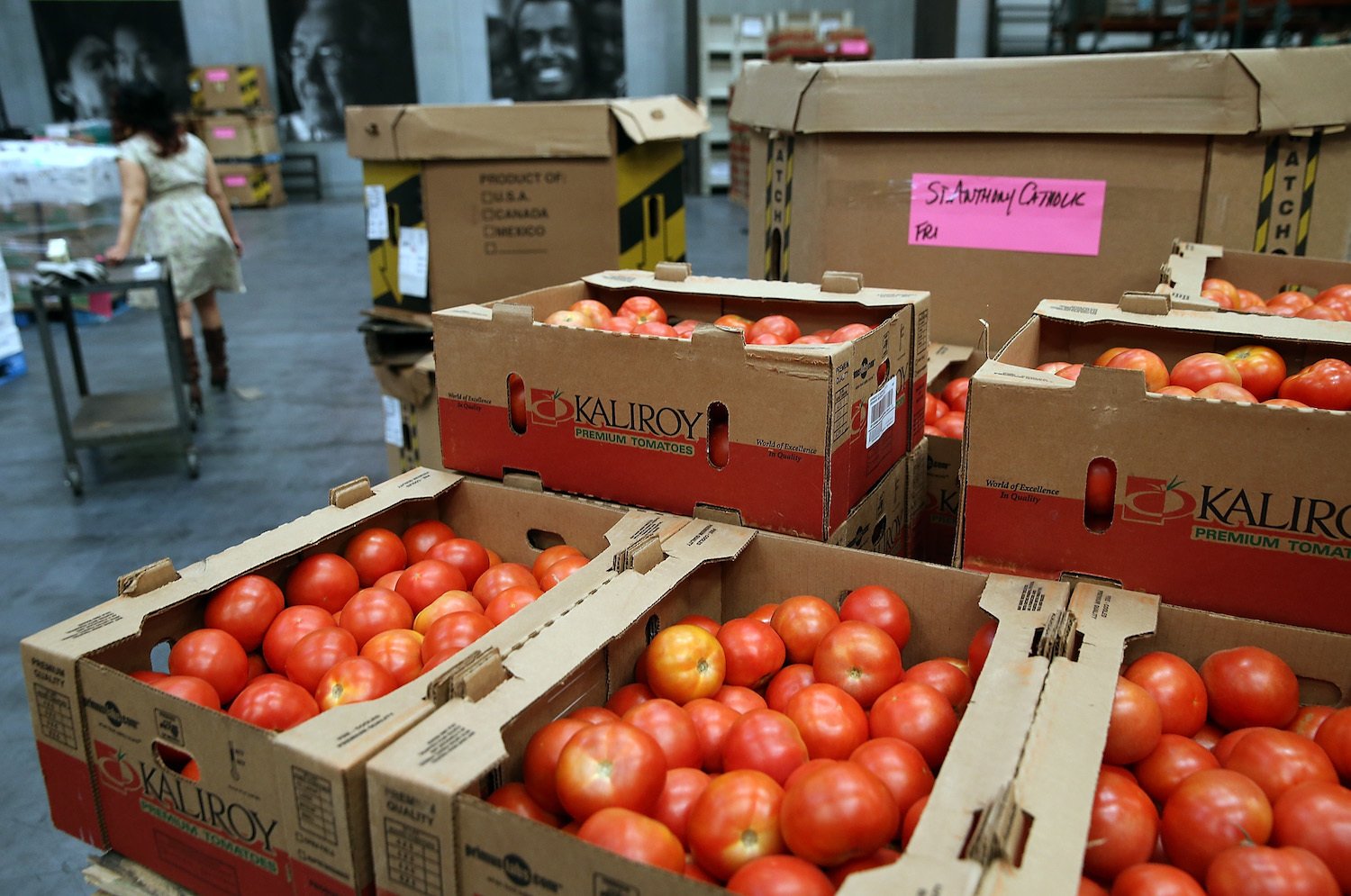
Community organizations operating on the ground corroborate these challenges. The Central Valley Immigrant Integration Collaborative in Fresno works daily to connect undocumented laborers with emergency food distribution networks. Staff members report instances of workers arriving hours before distribution sites open, driven by the fear that supplies will run out before they can secure provisions for their children.
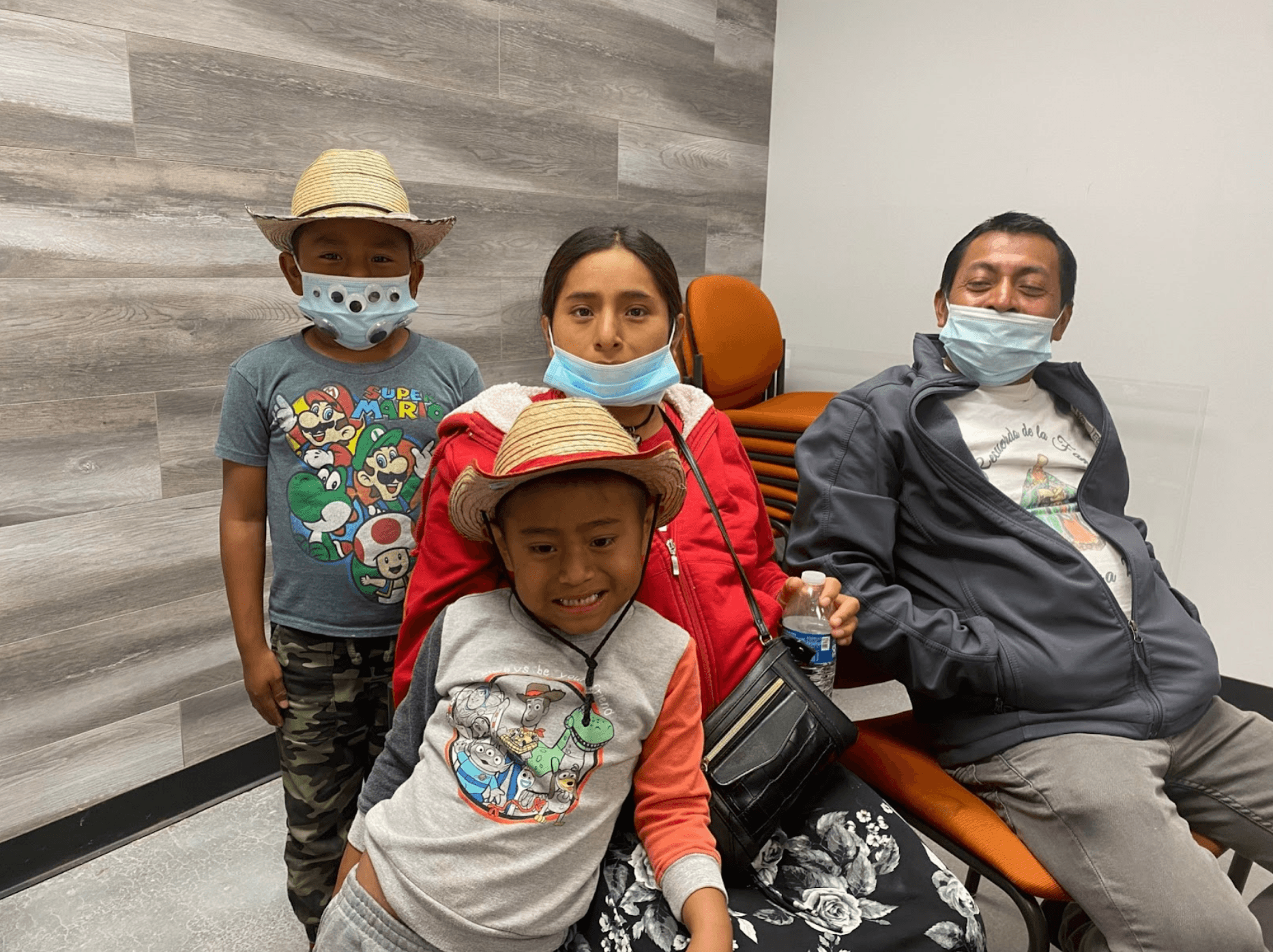
Among those affected are Indigenous migrant families, such as Guillermo and Augustina, who relocated from the Mexican state of Guerrero to work in California’s strawberry fields. Speaking the Mixtec language rather than English or Spanish, the couple navigates a complex agricultural labor market marked by seasonal wage fluctuations and complete exclusion from traditional benefits. During off-season months when daily working hours dwindle, purchasing fresh produce becomes financially impossible, forcing families to rely exclusively on inexpensive staples like beans, rice, and corn flour.
While Guillermo expressed that state-funded food assistance would drastically improve his family’s well-being, he voiced persistent anxieties regarding potential policy reversals. The fear that government assistance could be retroactively penalized or used against their children in future immigration proceedings remains a formidable deterrent to enrollment. Furthermore, linguistic barriers present an ongoing obstacle, as many outreach materials and agency representatives fail to provide translation services for Indigenous language speakers.
Political Dynamics and the State Budget Debate
As the legislative session progresses, attention has turned decisively toward the executive branch and the finalization of the state budget. With a historic $68-gigantic surplus at his disposal, Governor Newsom faces competing demands from lawmakers regarding how best to allocate state funds.
Proposals range from short-term relief measures, such as issuing direct gas rebate checks to help residents cope with rising fuel costs, to long-term structural investments supported by the Food4All coalition. Advocates like Betzabel Estudillo of Nourish California argue that while one-off stimulus payments offer temporary relief, they fail to address the root causes of systemic poverty and food insecurity.
"You can’t eat a gas rebate," Estudillo noted, emphasizing the necessity of utilizing the surplus to build permanent infrastructure that guarantees universal access to basic human needs.
In response to inquiries regarding the broader expansion of CFAP, representatives for the governor’s office pointed to a series of progressive investments made during Newsom’s tenure. These include expansions of Medi-Cal eligibility to low-income undocumented residents regardless of age, increased funding for pro bono legal services, universal transitional kindergarten, and college savings account deposits for low-income families. However, the administration’s official statements have repeatedly stopped short of committing specific budgetary allocations to remove immigration caps entirely from the California Food Assistance Program across all age groups.
Conclusion and Future Outlook

The debate over food assistance access in California highlights a fundamental tension between the state’s progressive self-image as a sanctuary for immigrants and the persistent structural limitations embedded within its public welfare architecture. As community organizers, legal advocates, and legislative champions continue to press for comprehensive reform, the outcome of the upcoming budget negotiations will serve as a critical indicator of California’s willingness to translate rhetoric regarding equity and human rights into durable policy change. Eliminating administrative roadblocks for undocumented residents remains a monumental legislative hurdle, but for the hundreds of thousands of workers fueling the state’s economy from the ground up, the resolution of this debate carries immediate, daily consequences for their survival and health.