Double Crust Toffee Apple Pie: A Modern Evolution of the Traditional Holiday Dessert

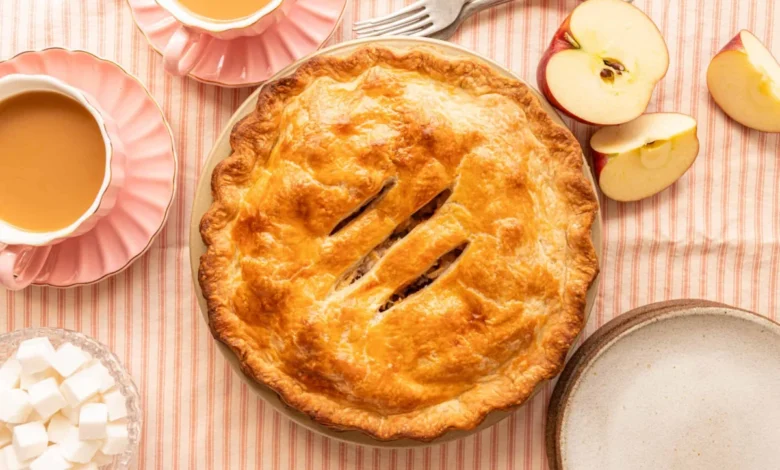
The culinary landscape of the American holiday season is deeply rooted in tradition, with the apple pie serving as an enduring centerpiece of Thanksgiving and Christmas gatherings. However, recent trends in artisanal baking have begun to reshape these classic staples, moving toward flavor profiles that balance traditional fruit acidity with complex, confection-based additives. The emergence of the Double Crust Toffee Apple Pie represents a significant departure from standard pastry norms, incorporating heat-treated toffee bits into the traditional apple-cinnamon matrix. This innovation, while seemingly a niche modification, reflects broader shifts in consumer preferences toward textures that bridge the gap between fruit-forward desserts and indulgent, candy-infused confections.
The Evolution of the Apple Pie Narrative
Historically, the apple pie has maintained a relatively static composition since its introduction to North America by European settlers. The core components—a flour-based pastry crust and a filling of sliced, spiced apples—have undergone only minor regional variations over the centuries. Culinary historians note that the inclusion of secondary ingredients, such as pecans, cranberries, or cheddar cheese, has historically been the primary method of experimentation.
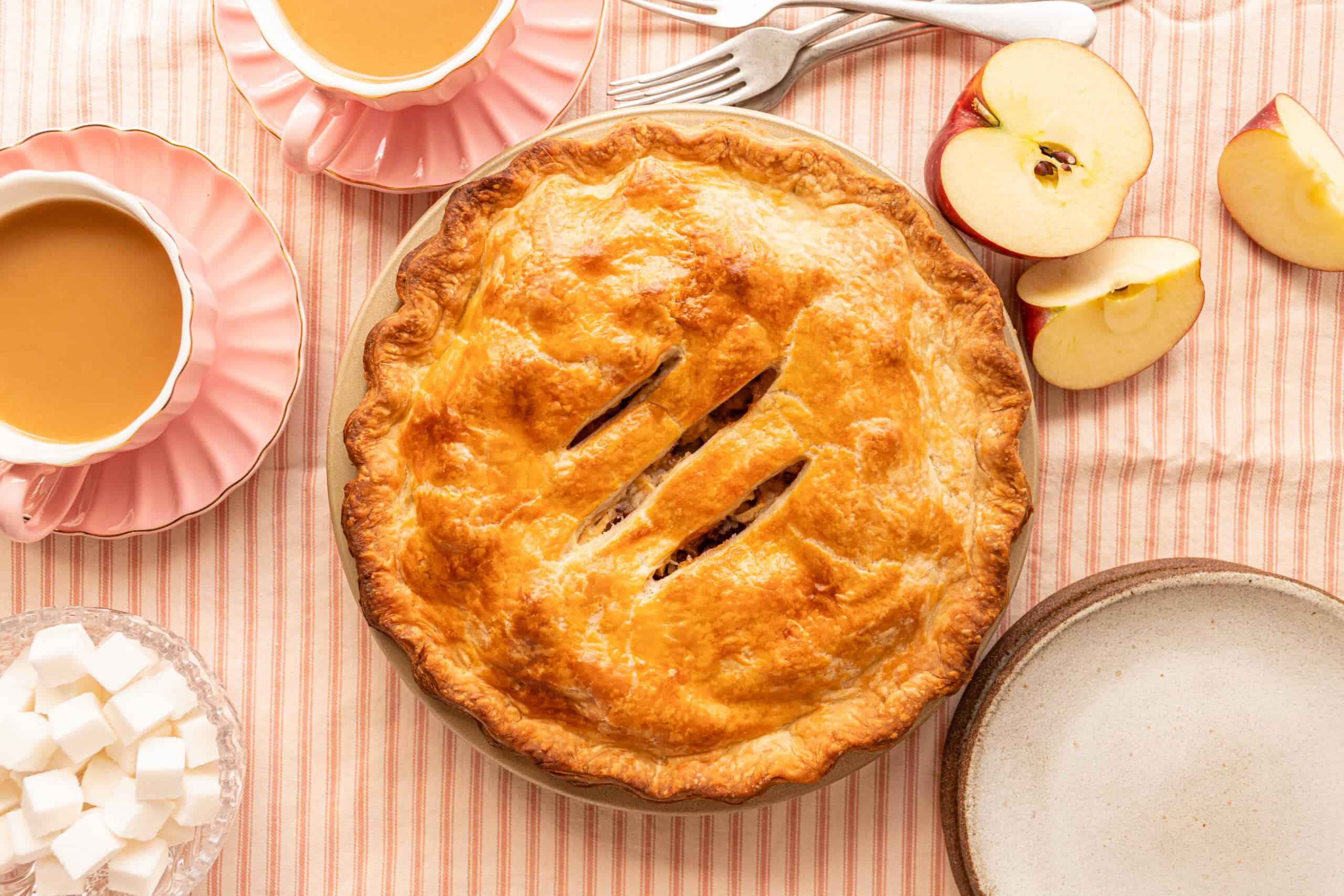
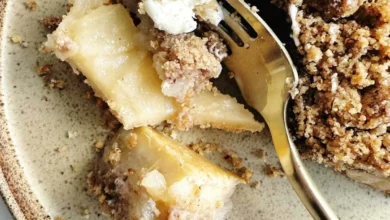
The integration of toffee into this framework marks a new chapter in this evolution. Toffee, a confection characterized by the high-heat reduction of sugar and butter, offers a distinct chemical reaction when baked within a pie. Unlike caramel, which retains a degree of moisture, toffee acts as a structural component that undergoes a unique melting and re-solidifying process. As the pie bakes, the toffee bits liquefy and blend with the juices of the apples, creating a viscosity in the filling that is absent in conventional versions. Once cooled, the toffee creates pockets of brittle sweetness that provide a sensory contrast to the tender, baked fruit.
Technical Specifications and Ingredient Profiles
The preparation of a modern Double Crust Toffee Apple Pie requires a meticulous approach to ingredient chemistry. Professional bakers emphasize the necessity of using firm, tart apple varieties to ensure structural integrity during the baking process. Varieties such as the Cosmic Crisp, Fuji, and Golden Delicious are favored for their ability to maintain shape under heat, preventing the filling from reaching an unappealing, applesauce-like consistency.
The structural success of the pie rests heavily on the pastry crust. The adoption of the "grated butter" technique—in which sticks of butter are chilled to sub-zero temperatures before being processed through a box grater—is now considered a industry best practice. This method ensures that small, distinct shards of fat remain intact within the flour mixture. Upon entering the high-heat environment of an oven, these fat pockets vaporize, creating the distinct, airy layers characteristic of a high-quality flaky crust. The addition of toffee does not disrupt this process; rather, it complements the buttery profile of the crust, as the fat content in the toffee aligns with the lipid-heavy composition of the pastry.

Chronology of Holiday Baking Preparation
Professional food preparation timelines for the holiday season suggest a systematic approach to ensure both freshness and efficiency. For those planning to incorporate the Double Crust Toffee Apple Pie into a large-scale holiday meal, the recommended workflow is as follows:
- Four Weeks Prior: Preparation and freezing of the raw pie dough. The dough can be stored in disc form or pre-rolled and placed in the pie tin.
- Two Days Prior: Final assembly of the pie, including the filling of sliced apples, spices, and toffee bits. The assembled, unbaked pie can be frozen, which is often cited by culinary experts as a method to improve the final texture of the crust by allowing the gluten to relax thoroughly.
- One Day Prior: Baking the pie. Cooling is a critical phase; a minimum of six to eight hours is required for the filling to set. This prevents the "runny" filling common in novice attempts at double-crust pies.
- Service Day: Reheating the pie to approximately 300°F (149°C) for ten minutes to restore the crispness of the crust and the fluidity of the toffee-infused juices.
Nutritional and Economic Context
From a nutritional standpoint, the addition of toffee increases the sugar and caloric density of the traditional apple pie. A standard serving of this dessert contains a higher concentration of sucrose and butter-derived fats compared to a traditional Dutch apple pie. However, from an economic perspective, the incorporation of commercially available toffee bits has made this sophisticated flavor profile accessible to the average home baker. The availability of these ingredients in the baking aisles of mass-market grocery stores has democratized the process, allowing for professional-grade results without the need for complex, artisanal confectionery production.
Industry Implications and Consumer Behavior
The rise of such hybrid desserts indicates a shift in consumer behavior toward "elevated nostalgia." Data from recent food industry reports suggest that modern consumers are increasingly seeking out traditional foods that offer a "surprise" element—a trend often referred to in the hospitality sector as the "unexpected twist." By taking a recognizable, culturally significant dish like an apple pie and introducing a high-indulgence component like toffee, bakers are able to satisfy the desire for comfort while simultaneously providing a novel dining experience.

This trend has notable implications for the professional bakery sector as well. Pastry chefs are increasingly looking for ways to differentiate their holiday offerings from standard, mass-produced supermarket pies. The toffee apple pie provides a high-margin opportunity, as the ingredient cost is relatively low compared to the perceived value of the product. The visual appeal of a bubbling, double-crusted pie—often finished with a golden egg wash—serves as a primary marketing tool in an era dominated by visual social media platforms.
Food Safety and Storage Protocols
Proper food safety protocols for fruit-based pies are essential, particularly when dealing with large volumes during holiday events. While the sugar content in the toffee and the fruit acts as a partial preservative, food safety experts advise that the product should not be left at room temperature for longer than 48 hours. After this period, the product should be moved to a refrigerated environment.
The re-heating process is not merely a matter of temperature, but of texture restoration. The transition from a refrigerated state to a room-temperature or warmed state is critical for the toffee component. If the pie is served cold, the toffee bits remain firm and act as a textural element similar to a nut or candy chip; when warmed, the toffee contributes to the sauce-like consistency of the fruit filling. This duality allows the host to serve the pie in two distinct ways, depending on the preferences of their guests.

Concluding Analysis
The Double Crust Toffee Apple Pie serves as a successful case study in culinary adaptation. By honoring the structural integrity of the traditional double-crust method while integrating modern, indulgent flavor profiles, it bridges the gap between historical culinary standards and contemporary tastes. As holiday menus continue to evolve, the demand for such "tradition-plus" items is likely to grow, reflecting a broader movement toward high-quality, artisanal-inspired home cooking. Whether served as a standalone dessert or as part of a larger, multi-pie table, the toffee-infused apple pie stands as a testament to the versatility of one of the world’s most enduring desserts.