Yukhoe Kimbap: The Culinary Evolution of Korean Beef Tartare in Modern Gastronomy

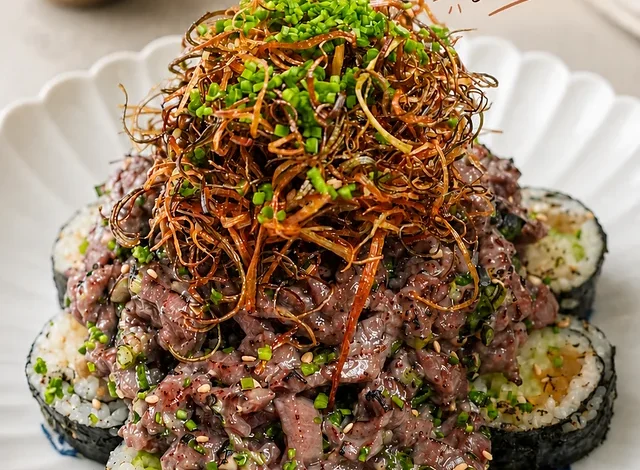
The emergence of Yukhoe Kimbap as a sophisticated fusion dish marks a significant intersection between traditional Korean preservation techniques and contemporary culinary innovation. By deconstructing the classic elements of yukhoe—the Korean style of seasoned raw beef—and reassembling them within the structure of kimbap, chefs are effectively bridging the gap between historical regional fare and the global demand for refined, bite-sized appetizers. This culinary synthesis, which gained traction through specialized supper clubs and high-end fusion establishments, reflects a broader trend of elevating humble street food into complex, multi-textured gastronomic experiences.

Historical Context and the Evolution of Yukhoe

To understand the cultural weight of Yukhoe Kimbap, one must examine the origins of its primary component: yukhoe. Historically rooted in the agrarian traditions of the Korean peninsula, particularly in the Jeonju region, yukhoe has long been revered for its emphasis on ingredient integrity. Traditionally, the dish utilizes high-grade, lean cuts of beef—typically top round or eye of round—marinated in a delicate balance of soy sauce, toasted sesame oil, garlic, and scallions. The inclusion of Korean pear, or bae, is not merely a stylistic choice; it serves a functional purpose, as the enzymes in the pear help tenderize the meat, while its high sugar content balances the savory umami profile of the beef.

The transition of yukhoe from a standalone delicacy to a topping for kimbap represents a structural departure from traditional preparation methods. In standard kimbap, ingredients are uniformly rolled inside seasoned rice and roasted seaweed (nori). By placing the raw beef externally, the Yukhoe Kimbap variation preserves the structural integrity of the meat, preventing it from being compressed by the rolling process and ensuring a distinct textural contrast between the soft beef and the crispness of the pickled danmuji (daikon radish) and fresh cucumber.

Culinary Mechanics and Ingredient Selection

The successful preparation of this dish relies on precise temperature control and the quality of the raw protein. Culinary experts emphasize that the beef must be maintained at a specific chill-point—often requiring a brief period in a sub-zero environment—to facilitate clean, uniform julienned cuts. This consistency in size is vital, as it ensures that the marinade, composed of sesame oil, soy sauce, and aromatic oils, coats the meat fibers evenly without overwhelming the delicate flavor of the beef.

Furthermore, the introduction of fried green onion as a garnish serves as an essential bridge between the raw, cool nature of the beef and the warm, seasoned rice. The frying process, conducted at temperatures near 160°C (320°F), extracts the essential oils from the alliums, creating a savory, crunchy element that mimics the profile of a refined garnish found in Michelin-starred establishments. The resulting oil is not discarded but repurposed as a flavor-enhancing agent in the yukhoe sauce, creating a closed-loop flavor profile within the dish.

Technical Preparation and Safety Protocols

The safety and quality standards associated with serving raw beef in a domestic or restaurant setting are paramount. In the context of yukhoe, the meat must be sourced from suppliers certified for raw consumption. The industry standard dictates that the beef should be prepared immediately before service to minimize bacterial growth and oxidation, which can alter the color and texture of the meat.

Professional kitchens typically follow a standardized timeline for the assembly of the dish:

- Preparation of the aromatic oils and fried components, which can be stored at room temperature.
- The julienning of vegetables, including Korean pear and pickled radish, which are kept chilled to maintain crispness.
- The seasoning of the rice, which must be cooled to room temperature to prevent the heat from compromising the texture of the nori or the raw beef.
- Final assembly, where the beef is seasoned at the absolute last moment, ensuring the enzymatic reaction between the salt and the meat remains minimal.
This strict chronology is designed to maintain the "fresh-on-fresh" contrast that defines the dish. The use of alternatives to traditional danmuji, such as ulwae jubak-jangajji (pickled oriental melon), further demonstrates the adaptability of the recipe, allowing for seasonal variations based on the availability of fermented ingredients.

Economic and Social Implications

The rise of elevated kimbap varieties like the Yukhoe version has had a measurable impact on the marketability of Korean cuisine. By presenting the dish in a format that encourages communal sharing, restaurateurs have successfully repositioned Korean food as an accessible yet high-end dining option. The reliance on high-quality, lean cuts of beef—often less expensive than prime steak cuts but requiring more labor-intensive preparation—offers a high profit-margin opportunity for food service providers while providing diners with a perception of luxury.

Analysis from the culinary sector suggests that the popularity of this dish is linked to the "experience-driven" dining trend. Because the final step—often involving a light torching of the beef for a smoky finish—can be performed tableside, the dish serves as a focal point for social media-driven marketing. This visual component is a critical factor in the dish’s proliferation across urban culinary hubs, as it satisfies the modern consumer’s desire for aesthetically pleasing, "Instagrammable" food that is simultaneously rooted in traditional, recognizable comfort food.

Broader Impact on Culinary Fusion

The integration of French culinary influence—often cited by chefs who developed these concepts in European culinary schools—with Korean traditionalism has created a new category of "Neo-Korean" cuisine. This movement does not aim to replace traditional yukhoe but rather to expand the vocabulary of Korean ingredients. The inclusion of ingredients like avocado oil or the application of light searing to raw preparations reflects a pragmatic approach to globalizing Korean flavors.

Moreover, the versatility of the leftover green onion oil and the customizable nature of the beef-to-rice ratio allow for significant kitchen flexibility. As food supply chains continue to evolve, the ability to utilize simple, high-quality ingredients to create complex, multi-sensory experiences will remain a cornerstone of successful menu development.

Expert Perspectives and Future Trends

Industry observers note that the Yukhoe Kimbap is likely the precursor to a wider movement of "deconstructed rolls." As consumer interest in raw protein preparations (such as sashimi and tartare) continues to grow, the ability to wrap these proteins in seasoned, high-quality starch-based vehicles offers a stable, portable, and visually appealing format.

While the dish requires a higher level of technical skill than traditional, fully-cooked kimbap, the barrier to entry remains relatively low for those with access to high-quality ingredients. The ongoing dialogue between traditionalists, who favor the raw, clean taste of the original yukhoe, and modernists, who enjoy the torch-seared variations, ensures that the dish remains a dynamic subject of discussion within the gastronomic community.

Conclusion

The evolution of Yukhoe Kimbap is a testament to the adaptability of Korean cuisine. By balancing the refreshing crunch of pear and cucumber with the savory depth of seasoned beef and fried alliums, the dish offers a sophisticated, layered flavor profile that defies the simplicity of its street-food heritage. Whether served as a small-plate appetizer in an upscale setting or prepared with care in a home kitchen, the Yukhoe Kimbap stands as a prime example of how traditional techniques can be reinterpreted for the modern palate without losing their cultural essence. As culinary boundaries continue to blur, this dish serves as a blueprint for the future of fusion, where the integrity of the ingredient remains the ultimate priority.
Related posts: