Black Sesame Shortbread with Dark Chocolate Elevates Traditional Holiday Baking

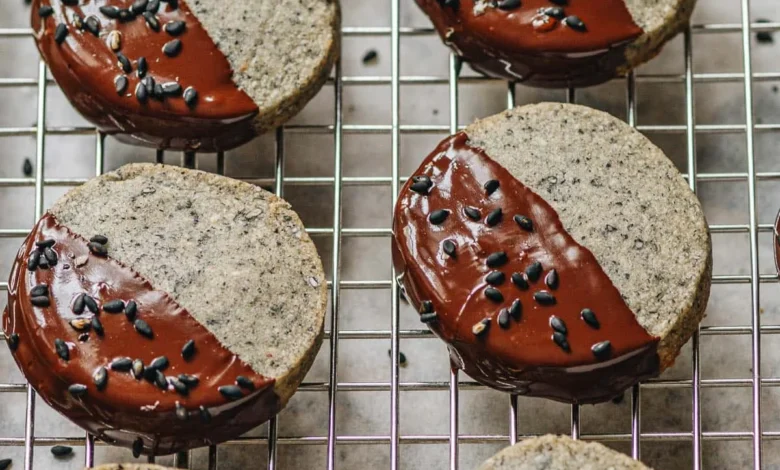
The culinary landscape of modern artisanal baking continues to embrace global flavors, with traditional Asian ingredients steadily integrating into Western pastry techniques. A prime example of this fusion is the rising popularity of black sesame shortbread cookies half-dipped in dark chocolate and finished with flaky sea salt. This sophisticated confection bridges the gap between classic European shortbread textures and the deep, earthy, nutty profile characteristic of East Asian desserts. As consumers increasingly seek out complex flavor profiles that balance sweetness with bitterness and savory notes, pastry chefs and home bakers alike are turning to nutrient-dense seeds and high-cacao chocolates to reinvent traditional holiday gift-giving and dessert curation.
Background Context and Culinary Evolution
The incorporation of black sesame seeds into baked goods draws heavily from traditional Chinese and Japanese pastry arts, where the ingredient is valued not only for its distinct, robust aroma and rich concentration of healthy fats, but also for its symbolic resonance and striking visual contrast. Historically, black sesame has been featured in sweet soups, glutinous rice balls, and pastries such as mooncakes. In recent years, independent bakeries and culinary creators have begun experimenting with these seeds in unexpected formats, such as shortbreads, babkas, and ice creams.
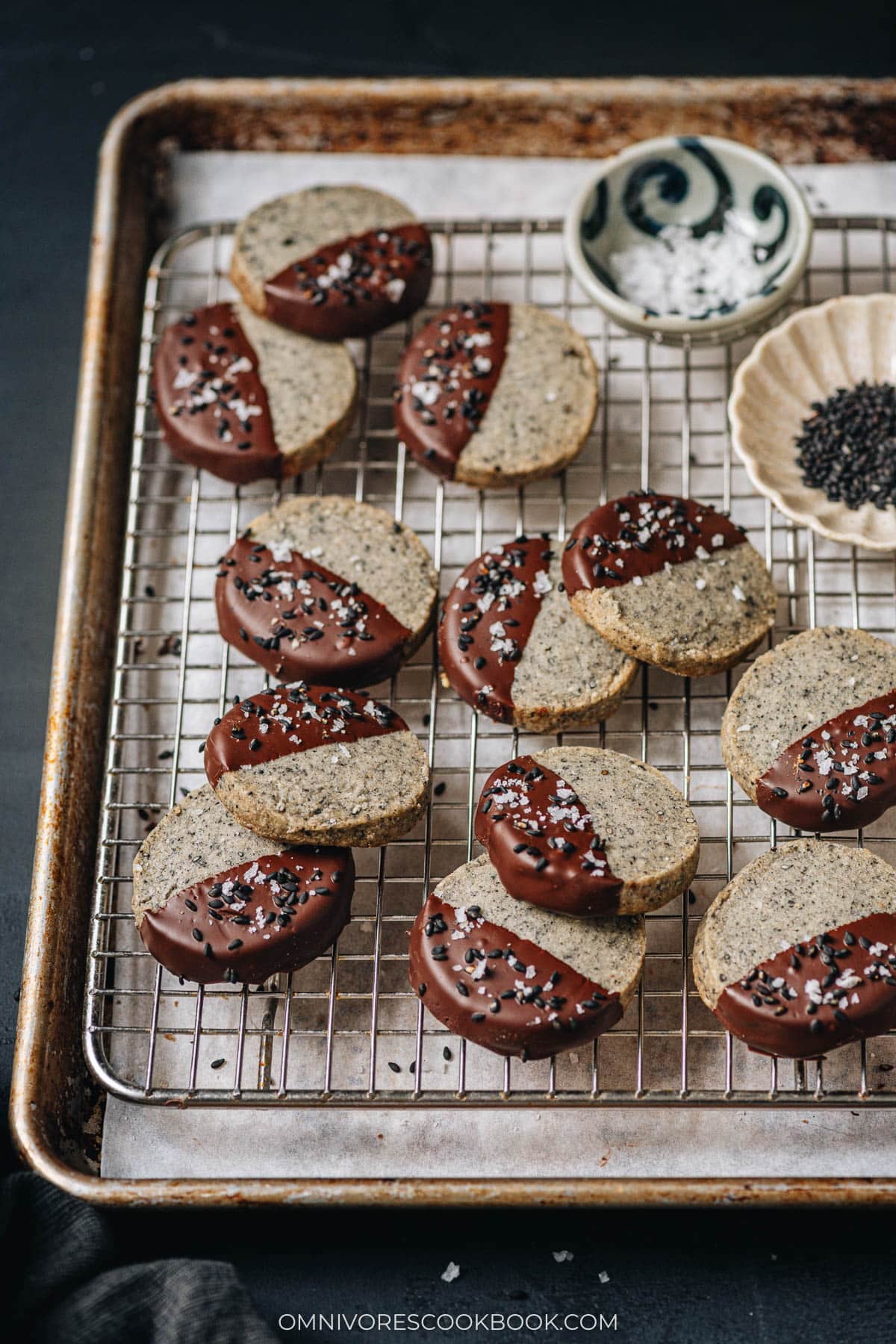
The conceptualization of the black sesame shortbread cookie often stems from a desire to move away from overly sweet, one-dimensional holiday treats. By pairing the deeply roasted, sandy texture of ground black sesame with the sharp bitterness of premium dark chocolate, bakers achieve a sophisticated balance. Furthermore, the inclusion of powdered sugar in the shortbread dough—rather than granulated sugar—ensures a fine crumb structure and crisp edges, elevating the humble cookie into a refined delicacy suitable for upscale retail settings and artisanal gift boxes.
Methodology and Technical Preparation
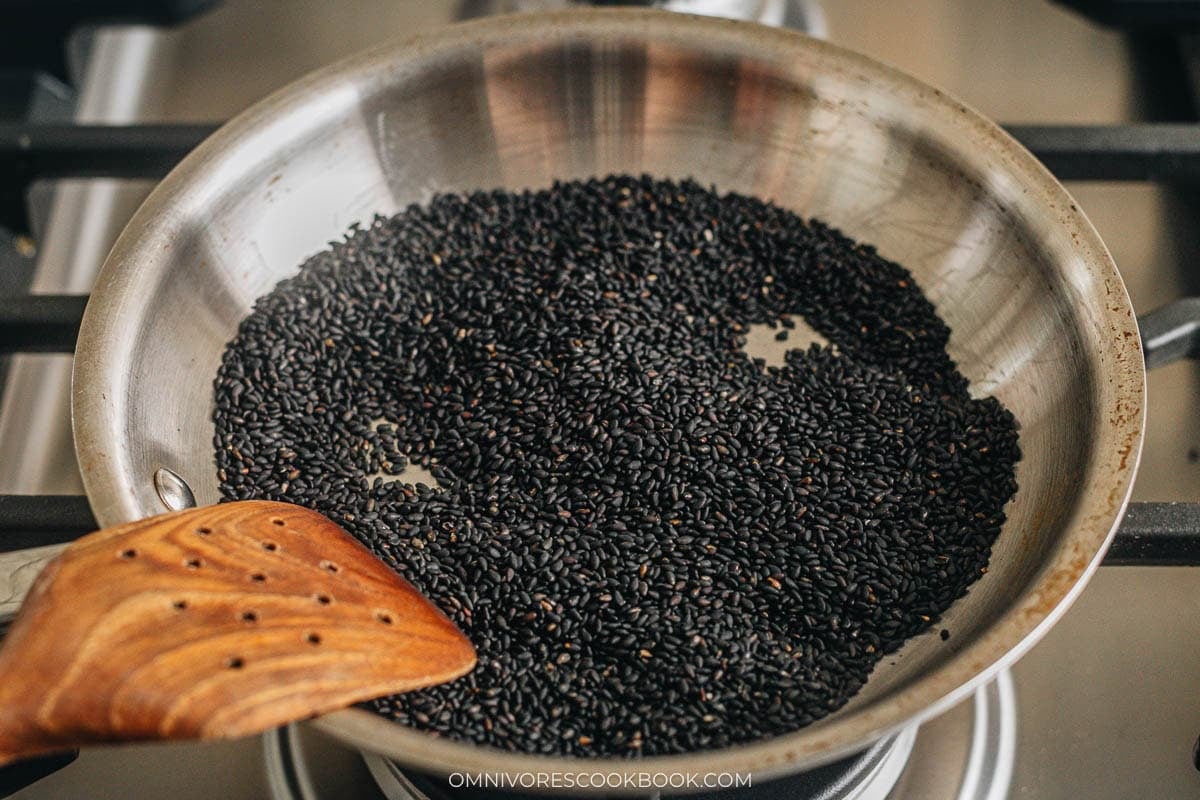
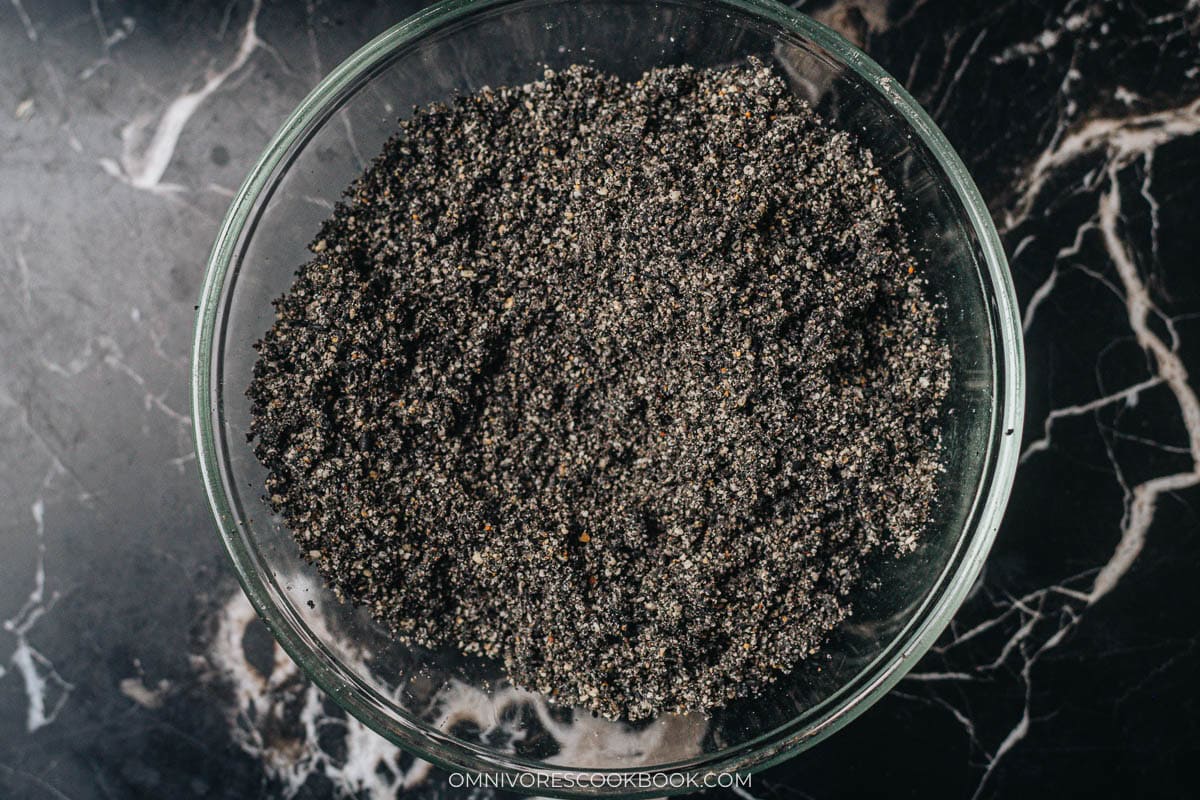
Producing a successful batch of black sesame shortbread requires precise execution and a strong understanding of ingredient behavior. The production process begins with dry-roasting raw black sesame seeds in a skillet over medium heat for two to three minutes. This critical thermal step activates the natural oils within the seeds, releasing their signature volatile aromatic compounds.
Once toasted, the seeds must be cooled and coarsely ground in a small blender or mortar and pestle. Culinary experts emphasize that the grinding process should yield a sandy texture containing a mix of fine particles and intact seed fragments, avoiding the formation of a paste that would prematurely release excess oil and compromise the dough’s integrity.
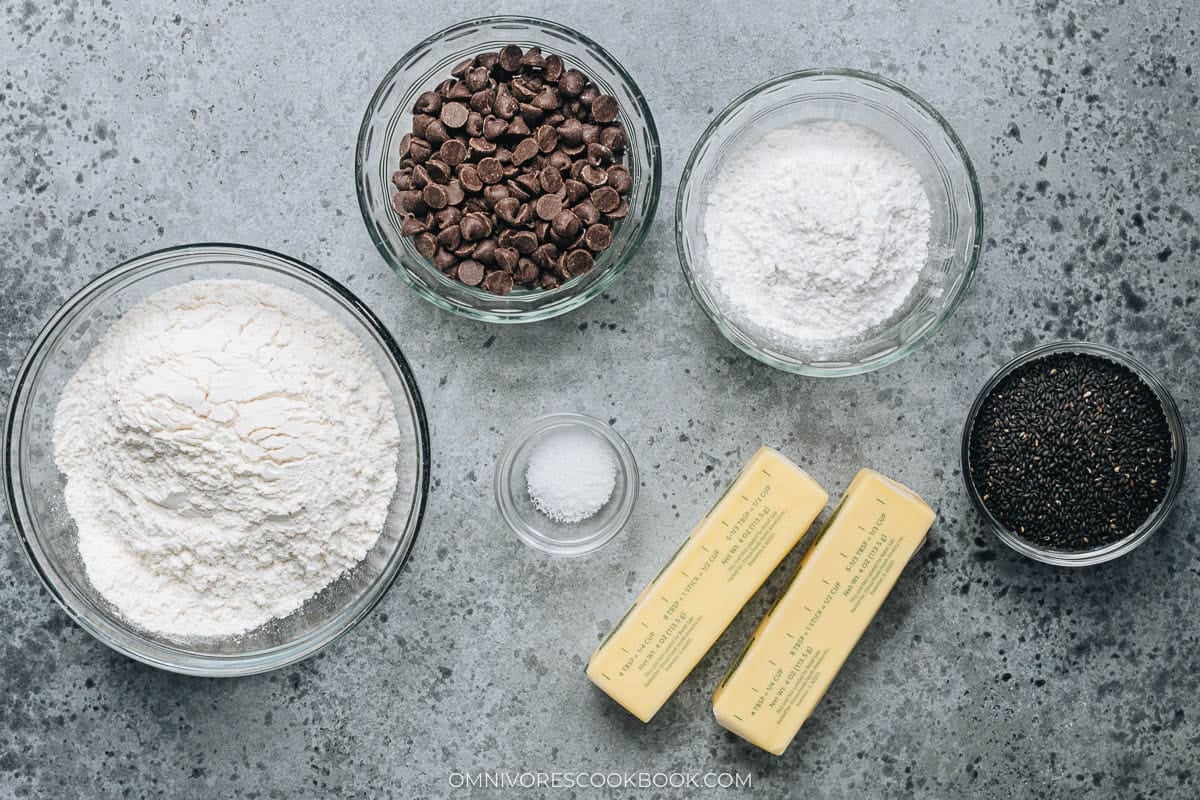
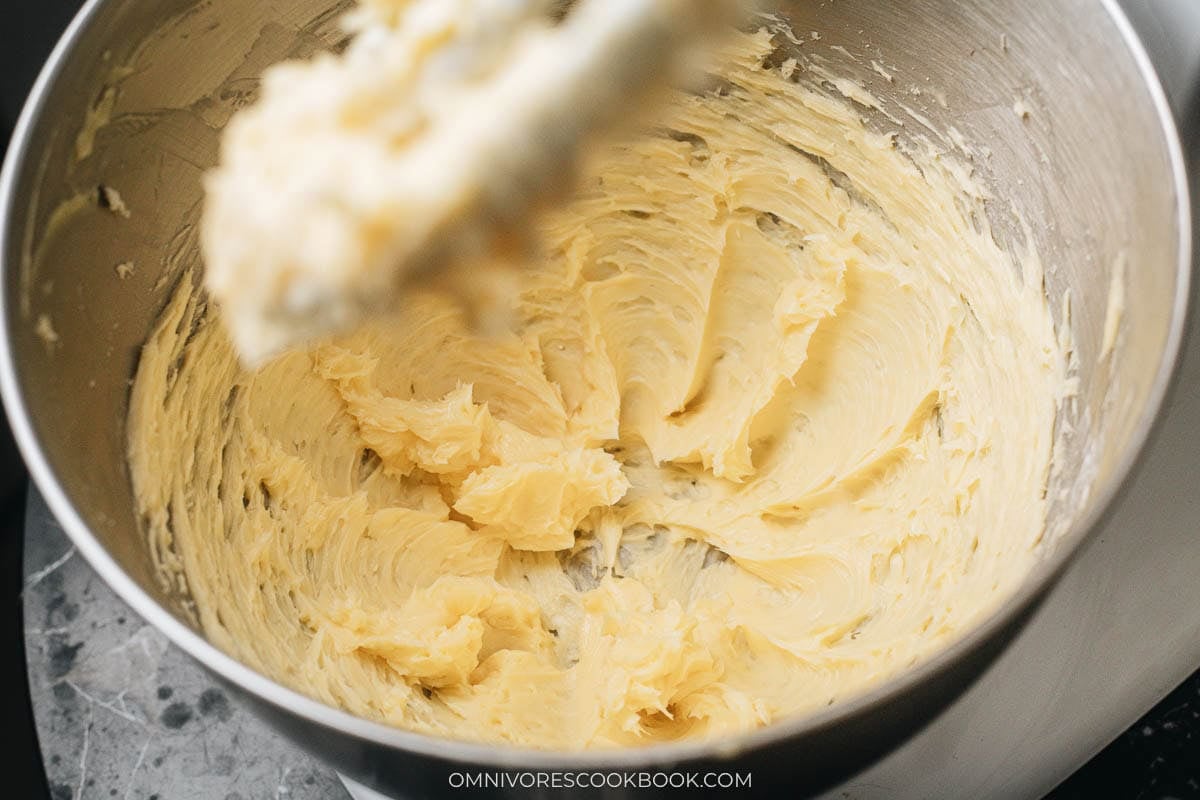
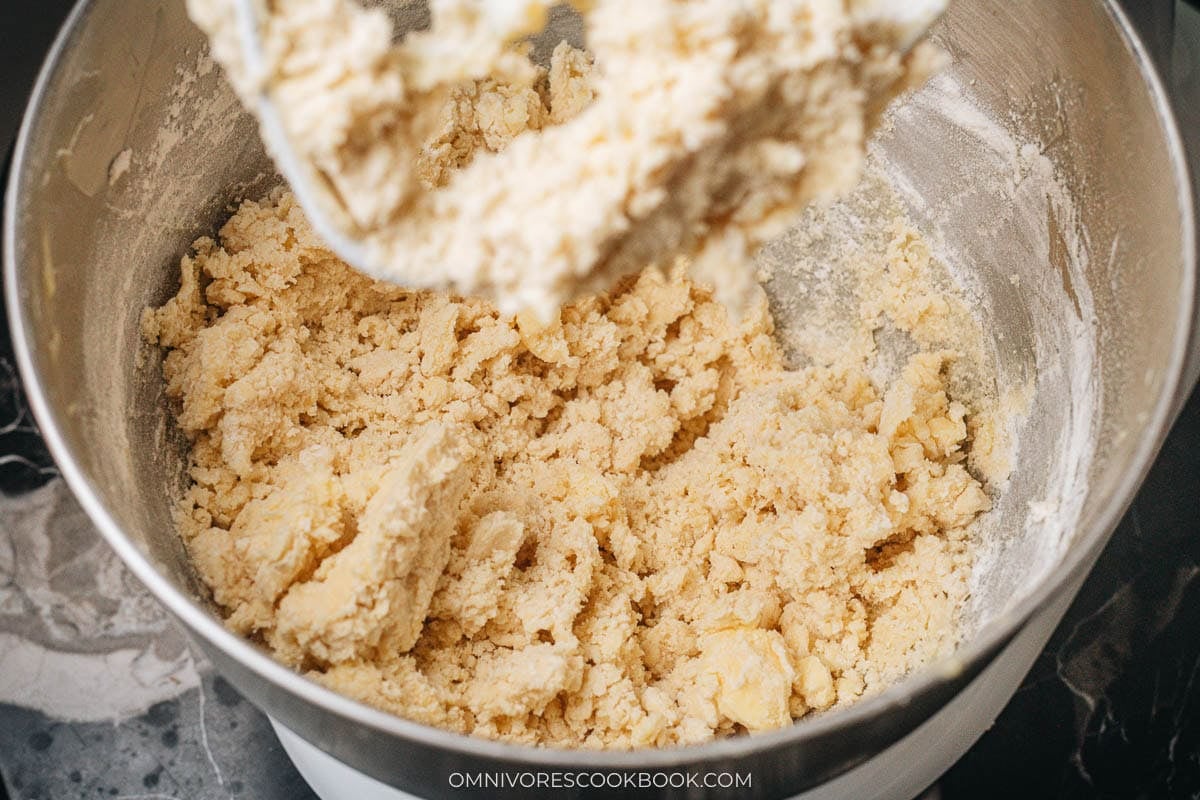
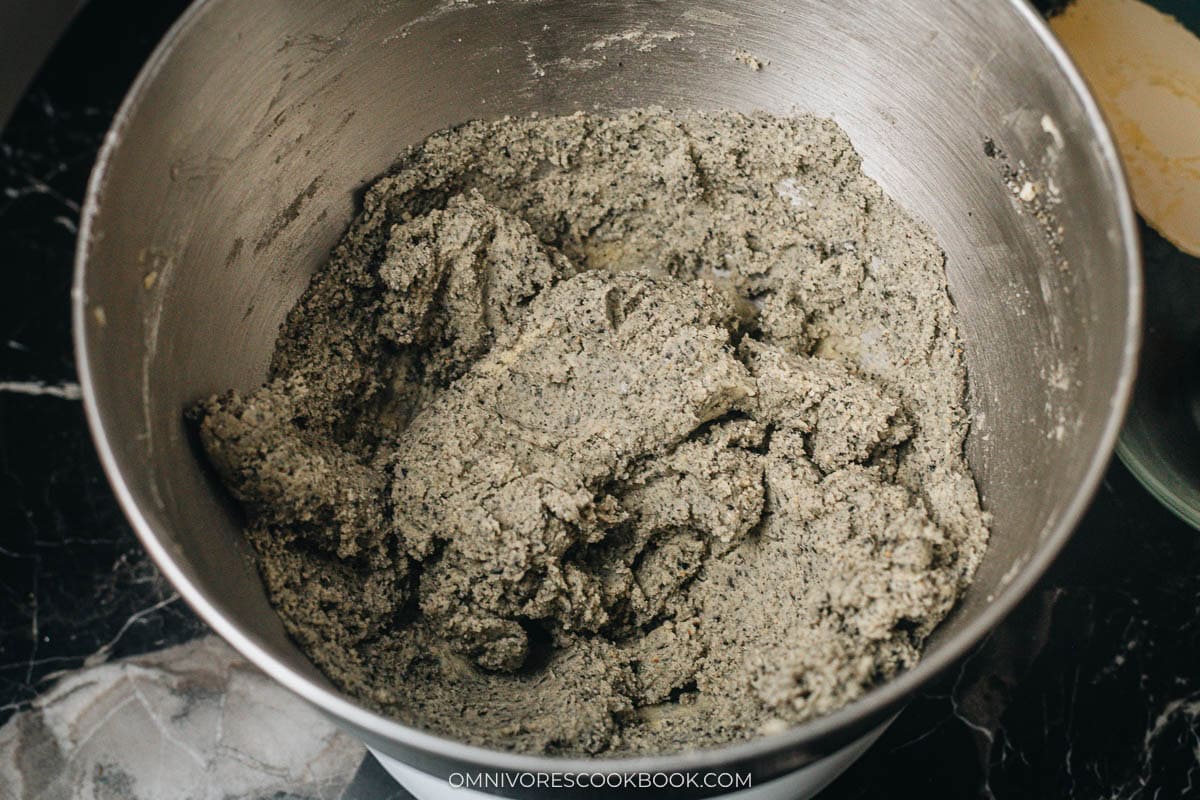
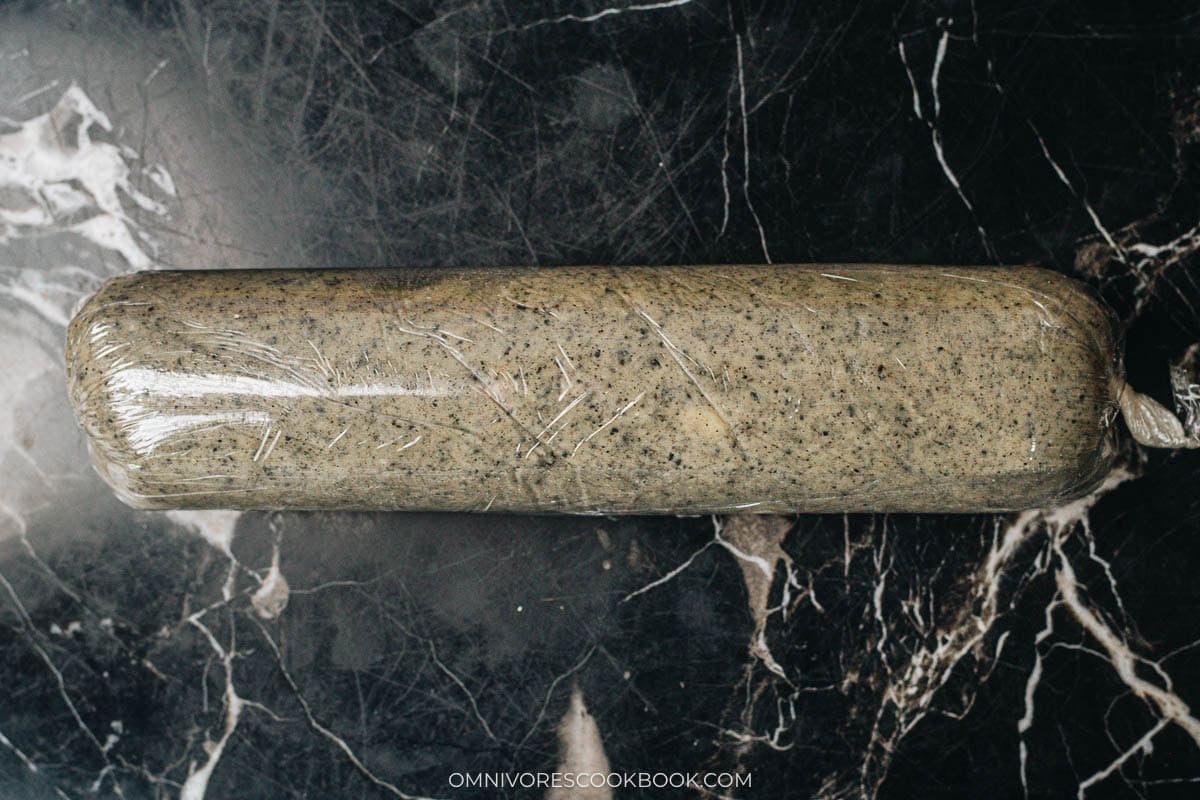
The structural foundation of the cookie relies on creaming room-temperature unsalted butter with powdered sugar until light and fluffy. This aeration process is essential for achieving the tender, crumbly mouthfeel characteristic of traditional shortbread. All-purpose flour and kosher salt are subsequently incorporated in stages to prevent gluten overdevelopment. After the ground black sesame is folded into the mixture, the dough is divided and rolled into uniform logs approximately eight inches in length and one and a half inches in diameter.
Chill Time and Baking Parameters
Temperature control is a vital factor in the chronology of shortbread production. The shaped dough logs must undergo a minimum two-hour refrigeration period to firm up completely. This resting phase allows the butter to solidify, ensuring that when the logs are sliced into quarter-inch rounds, the edges remain clean and the cookies maintain their circular geometry during baking.
The sliced rounds are arranged on parchment-lined baking sheets and baked at 350 degrees Fahrenheit (176 degrees Celsius) for approximately 15 to 17 minutes. Bakers monitor the process closely until the edges acquire a delicate, light-golden hue. Following a brief five-minute cooling period on the baking sheet, the cookies are transferred to a wire rack to reach ambient temperature, preventing the subsequent chocolate coating from seizing or melting unevenly.
Finishing Techniques: Coating and Garnishing
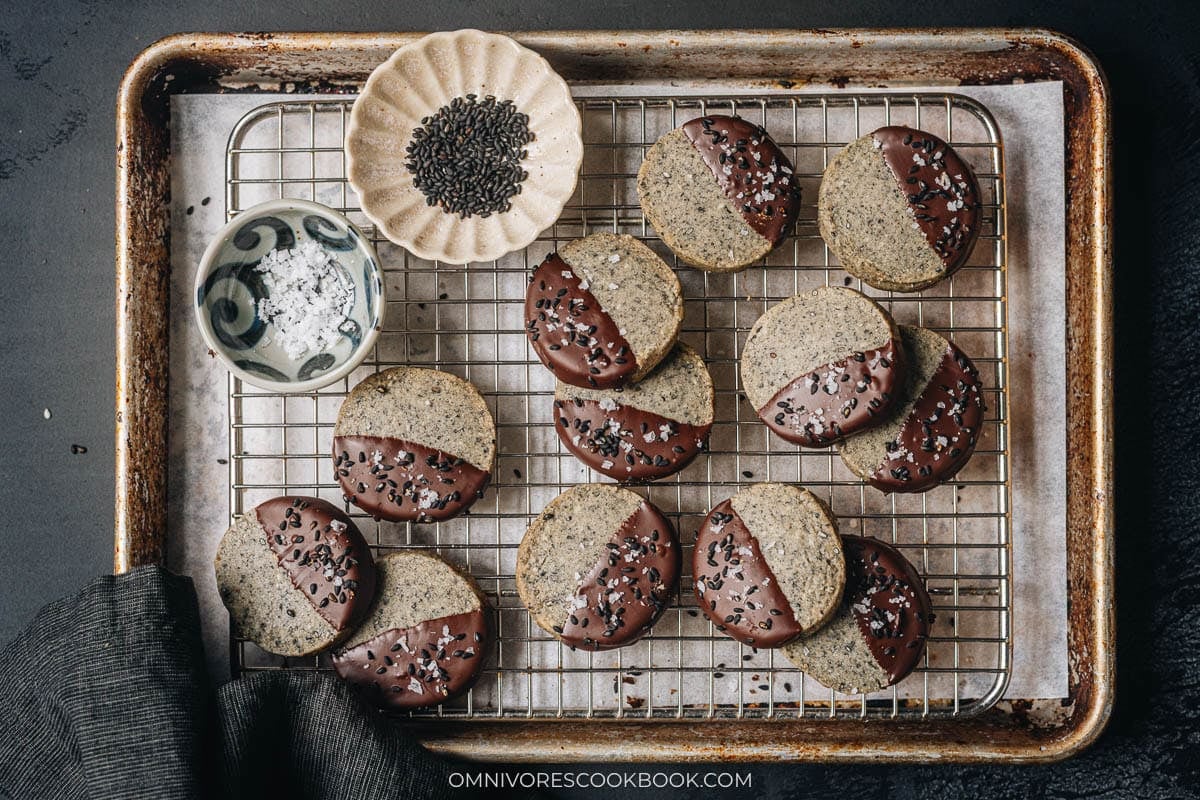
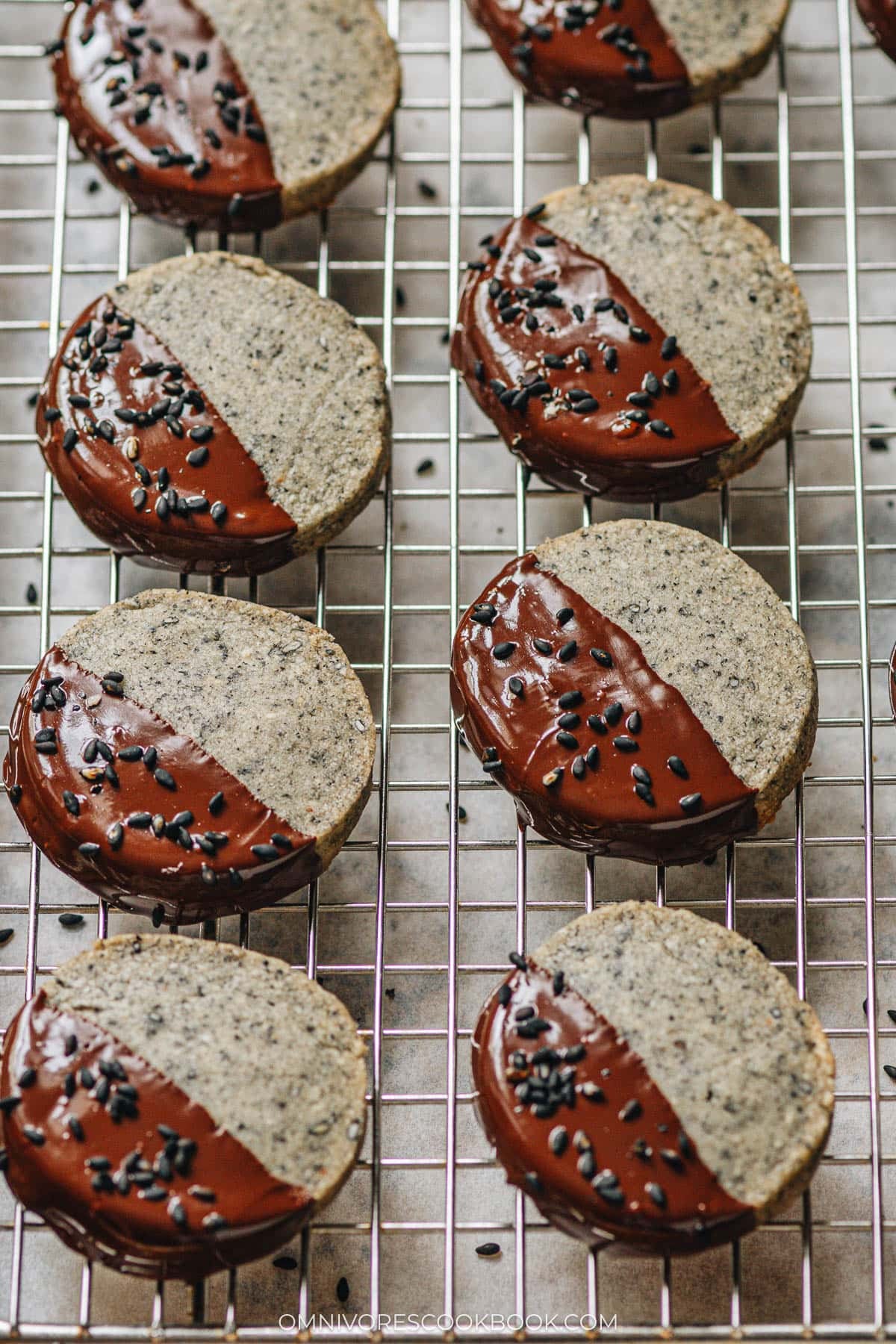
The visual and textural appeal of the finished cookie is heavily dependent on the final finishing stages. High-quality dark chocolate, chosen for its authentic bitterness, is melted via controlled microwave intervals to maintain a smooth, fluid viscosity. Cooled cookies are dipped halfway into the chocolate, allowing excess coating to drip away before the bottom edge is scraped clean against the bowl rim.
To achieve optimal aesthetic and sensory results, garnishing must follow a precise timeline. Immediately following the dip, a light scatter of reserved black sesame seeds is applied while the chocolate is fully fluid. However, the addition of flaky sea salt requires careful timing; sprinkling the salt onto excessively warm chocolate causes it to dissolve prematurely. Bakers recommend allowing the chocolate to cool and reach a tacky, semi-set state before scattering the flaky salt, ensuring that the mineral crystals remain crisp, visible, and texturally distinct.
Nutritional Profile and Dietary Considerations
Nutritional analyses of artisanal baked goods often highlight the functional benefits of specific ingredients. Black sesame seeds are a notable source of dietary fiber, plant-based protein, and essential minerals such as calcium and iron, alongside healthy monounsaturated and polyunsaturated fats.
A single serving—typically defined as one cookie weighing approximately standard dimensions—delivers roughly 126 kilocalories, 14 grams of carbohydrates, 2 grams of protein, and 7 grams of total fat, with 4 grams originating from saturated fats. The inclusion of high-cacao dark chocolate introduces antioxidants, while the low overall sugar content—averaging around 3 grams per cookie—makes the treat accessible to consumers monitoring their glycemic intake without sacrificing flavor complexity.
Storage, Preservation, and Commercial Implications
As the holiday gifting season approaches, the demand for make-ahead culinary items increases significantly. Black sesame shortbread dough demonstrates exceptional versatility in this regard; unbaked, shaped logs wrapped tightly in plastic wrap can be stored safely in a refrigerator for up to four days or preserved in a freezer for up to three months. This adaptability allows home cooks and commercial bakeries alike to streamline production schedules.
Once baked and fully set, the cookies maintain optimal quality for approximately one week when stored in an airtight container at a cool room temperature. For extended preservation, freezing the raw dough logs prior to slicing and baking is generally preferred over freezing the finished, chocolate-coated product, as fluctuating temperatures can cause the chocolate surface to develop a dull, powdery bloom.
Industry analysts note that innovative flavor combinations like black sesame and dark chocolate reflect broader consumer trends favoring adventurous, globally inspired pantry staples. By updating classic baking techniques with traditional ingredients, culinary creators continue to expand the boundaries of modern pastry arts, offering products that appeal equally to adventurous food enthusiasts and traditional gift-givers.