The Homogenization of Main Street: How Corporate Restaurant Chains are Replacing Independent Dining and Reshaping American Culture


The American culinary landscape is undergoing a profound structural transformation, driven by the aggressive expansion of corporate sit-down restaurant chains into local markets. While independent eateries have historically formed the unique cultural and economic backbone of municipal commercial districts, major casual-dining conglomerates such as Darden Restaurants, Texas Roadhouse, and Dine Brands are systematically capturing market share. Leveraging vast financial resources, standardized operations, and real estate dominance, these corporate giants are capitalizing on the vulnerabilities exposed by the COVID-19 pandemic to accelerate their footprints across both suburban strip malls and dense urban centers.
Background and Historical Context
The structural shift toward a dining monoculture is not an entirely recent phenomenon, though the COVID-19 pandemic significantly accelerated the trend. More than a decade prior to the global health crisis, data from market research firms such as the NPD Group highlighted a steady erosion of market share among independent establishments. Between 2009 and 2012, independent restaurants accounted for roughly 87 percent of total customer visit losses in the United States, with thousands of closures occurring concurrently as national chains expanded their unit counts by several thousand locations.
Historically, independent restaurants have operated on narrow profit margins, lacking the centralized supply chains, bulk purchasing power, and marketing budgets accessible to corporate chains. When economic shocks occur, independent operators absorb the financial blow directly. The pandemic functioned as a critical tipping point. According to data compiled by Yelp, approximately 60 percent of the business closures recorded during the initial phases of the coronavirus pandemic in 2020 became permanent, shuttering over 90,000 eating and drinking establishments nationwide. This sudden and unprecedented contraction of the restaurant sector created a vast inventory of vacant commercial real estate, which well-capitalized corporate groups moved quickly to acquire.
The Real Estate Battleground and Corporate Strategy
The competition for physical storefronts has emerged as the primary theater of expansion for major restaurant conglomerates. Financial analysts covering the food and beverage sector recognized early in the pandemic that large-scale operators stood to benefit exponentially from the shuttering of independent competitors. In late 2020, financial services firms like BTIG maintained aggressive buy ratings on stocks such as Texas Roadhouse, explicitly noting that independent closures would allow national brands to expand into smaller markets previously dominated by local operators.

Executives at major parent companies have openly acknowledged this strategic advantage. During quarterly earnings calls, leadership teams from brands including Applebee’s and Olive Garden have pointed to the availability of prime real estate as a primary catalyst for growth. Gene Lee, the former CEO of Darden Restaurants—parent company of Olive Garden and LongHorn Steakhouse—remarked on the company’s ability to secure premier commercial properties, noting that landlords frequently prefer the financial security and brand recognition of a corporate guarantee over an independent tenant.
By deploying aggressive capital expenditure programs, these chains have successfully annexed new territories. Market size projections from IBISWorld indicated that the full-service chain restaurant industry in the United States was poised for an 8.7 percent expansion, driving total sales past $162 billion across more than 100,000 operating units. Furthermore, corporate groups have demonstrated robust financial recovery; by the end of fiscal year 2021, companies like Texas Roadhouse reported revenues climbing 26 percent above pre-pandemic levels, prompting sustained waves of new unit development.
The Economics of Scale and Consumer Familiarity
The operational success of national sit-down chains rests on a foundation of predictability, psychological comfort, and aggressive pricing power. Industry analysts note that consumers patronizing national brands often seek a uniform culinary experience, where menu items maintain identical preparation standards, portion sizes, and flavor profiles regardless of geographic location. This consistency minimizes consumer risk, a factor that heavily influences dining decisions across broad demographic segments.
This uniformity also grants corporate operators significant leverage regarding menu pricing. While independent restaurants frequently hesitate to raise prices for fear of alienating their localized customer base, major chains retain the pricing power to implement broad, incremental menu price increases without suffering negative impacts on customer traffic. For instance, earnings reports from major steakhouse chains indicate that recent menu price increases of over three percent have generated virtually no negative pushback from diners. This insulation is bolstered by multi-billion-dollar marketing campaigns that utilize folksy advertising, familiar taglines, and localized imagery to cultivate an illusion of neighborhood integration, despite profits being funneled back to corporate shareholders rather than reinvested locally.
Cultural Implications and the Loss of Regional Identity
The rapid proliferation of national restaurant chains has triggered significant concern among sociologists, urban planners, and culinary historians regarding the erosion of regional distinctiveness. As standardized corporate concepts replace independent local eateries, commercial corridors across the United States increasingly mirror one another, presenting an identical array of national brands.
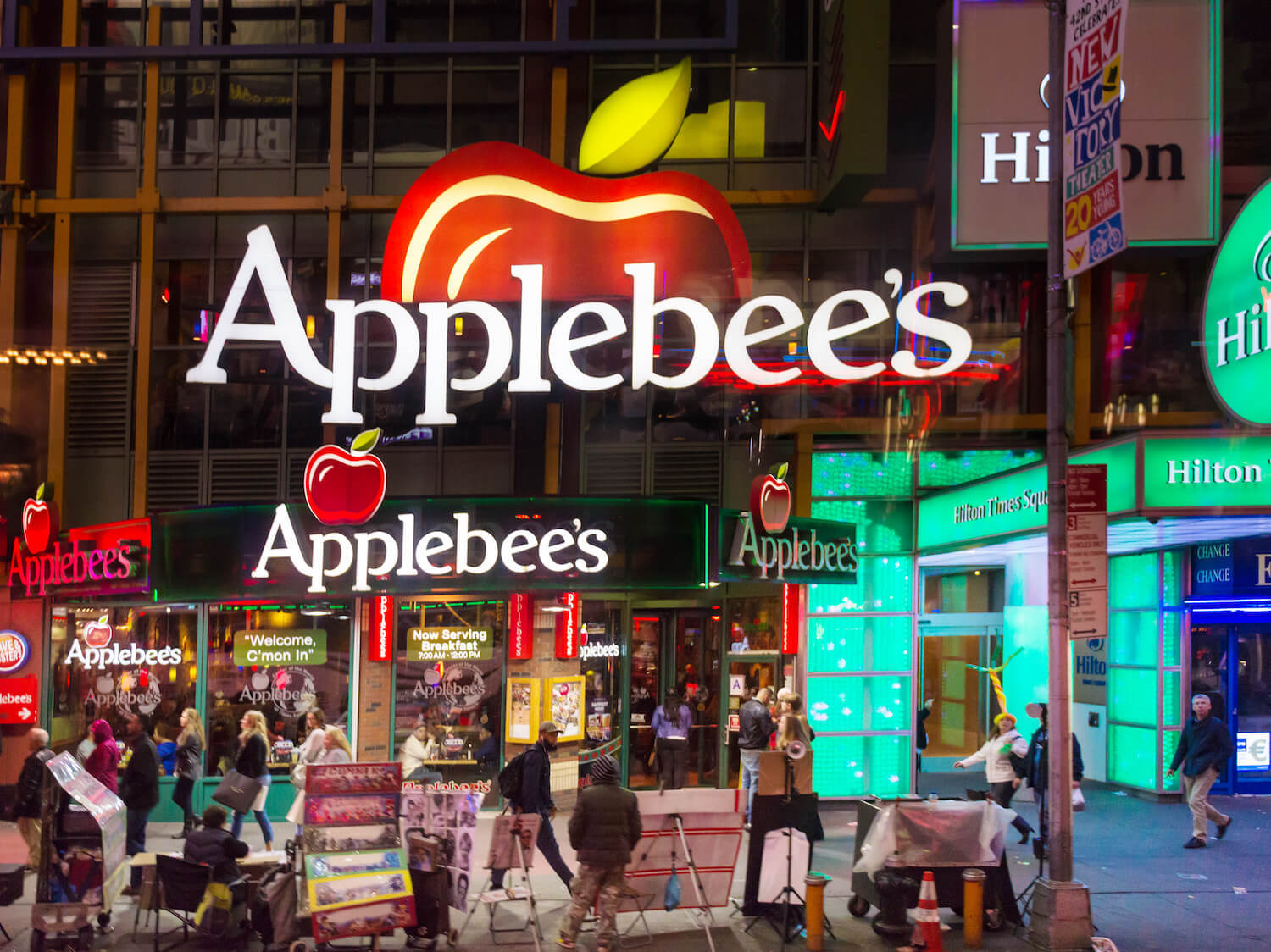
This homogenization extends beyond architectural uniformity to influence public perception of global cuisines. Observers note that heavily commercialized interpretations of international cooking—such as Americanized Italian or pan-Asian fusion—frequently supplant authentic culinary traditions in the public consciousness. When corporate chains become a consumer’s primary introduction to a specific category of food, subsequent encounters with traditional preparations can be met with aversion, as the industrial standard has successfully redefined consumer expectations.
Broader Economic and Municipal Impact
The long-term implications of this corporate consolidation parallel the disruption observed in the retail sector following the expansion of e-commerce giants like Amazon. As independent restaurants vanish from town centers and metropolitan neighborhoods, local economies lose critical economic multipliers. Independent establishments typically source ingredients from local purveyors, employ localized service labor, and retain capital within the regional economy. Conversely, corporate chains rely on centralized distribution networks and distribute financial returns to institutional investors.
Urban planning experts argue that mitigating the dominance of restaurant monoculture requires deliberate intervention at the municipal level. Potential policy solutions include the implementation of stricter zoning regulations to cap the concentration of corporate franchises within specific commercial districts, as well as the introduction of targeted tax incentives, grants, and operational support programs designed to sustain independent hospitality businesses.
Without coordinated community and legislative efforts to protect local commerce, urban centers and suburban main streets face the prospect of a completely corporate-managed dining landscape—one where regional heritage, culinary diversity, and local autonomy are superseded by standardized, algorithmically optimized dining concepts.