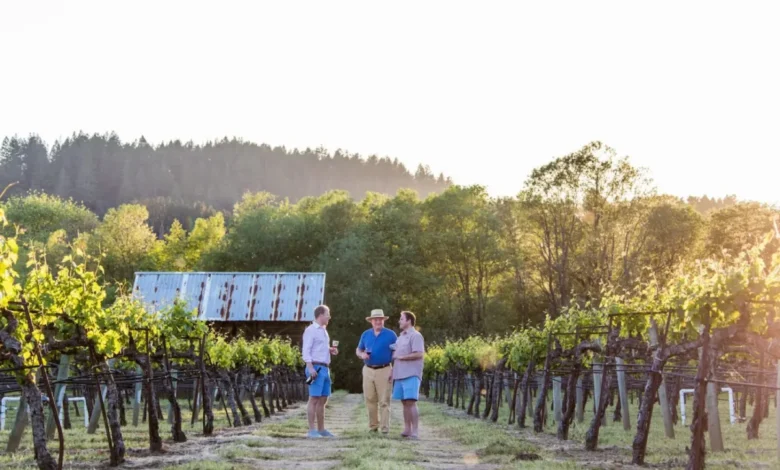
The culmination of the 2026 Decanter rankings marks a significant milestone for the American viticultural landscape, highlighting a year defined by extreme climate challenges, innovative viticultural techniques, and a continued shift toward structural elegance over sheer power. The final ten wines in the Top 50 list represent a synthesis of historical prestige and emerging, experimental winemaking. From the cooling fog-drenched slopes of the Santa Rita Hills to the volcanic soils of the Sierra Foothills, these selections underscore a maturing industry that is increasingly comfortable with its own identity.
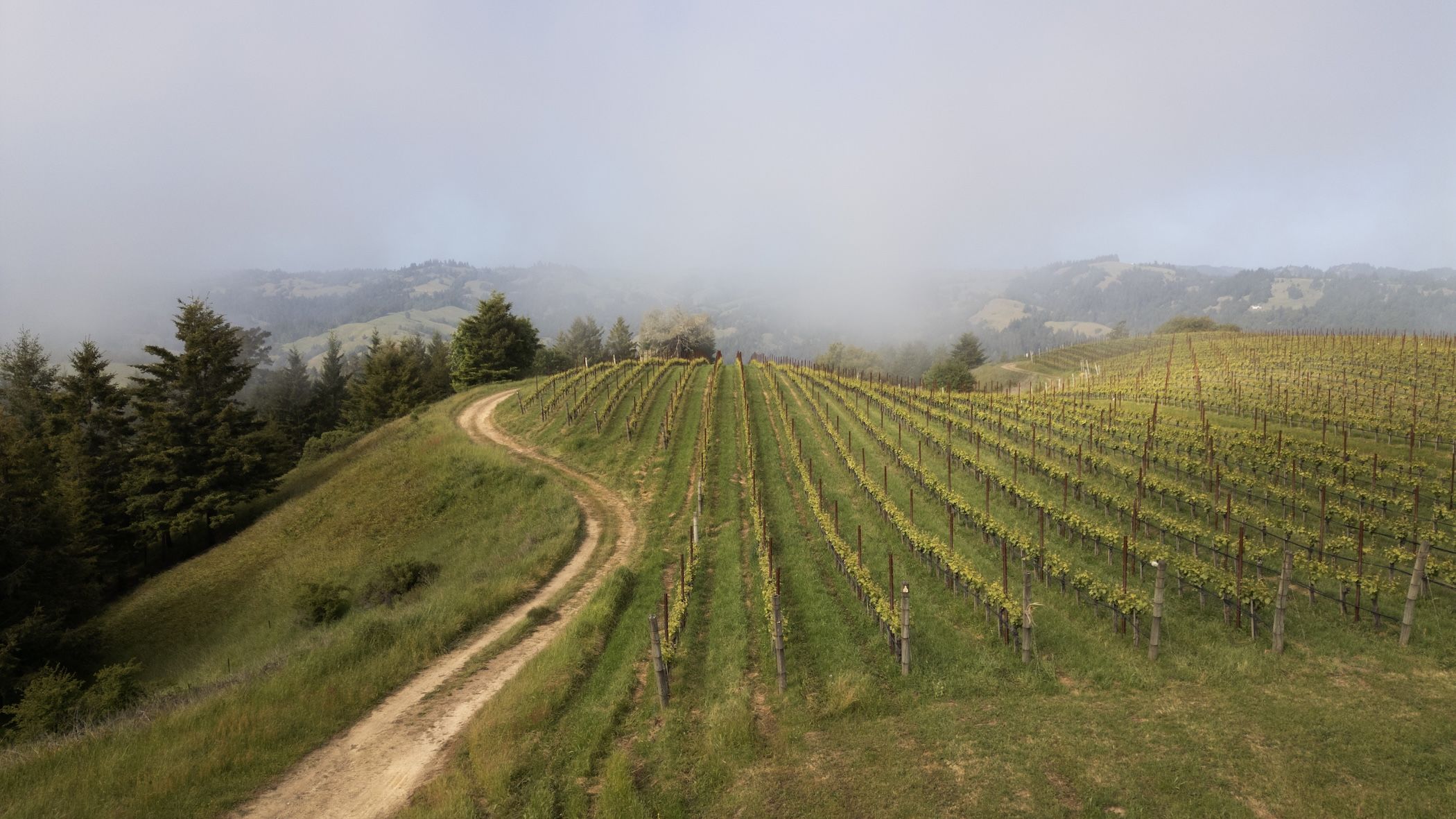
The 2026 vintage was characterized by consecutive cold springs, leading to record-low yields in several key regions. In many coastal vineyards, production dropped to as low as half a ton per acre—a fraction of typical output. This scarcity, while challenging for producers, yielded grapes with unprecedented concentration, forcing winemakers to adopt lighter extraction techniques to maintain balance. The resulting wines, particularly the top ten, exhibit a remarkable tension between intense, sun-drenched fruit and the high acidity necessitated by cooler ripening cycles.
A Legacy of Innovation and Terroir
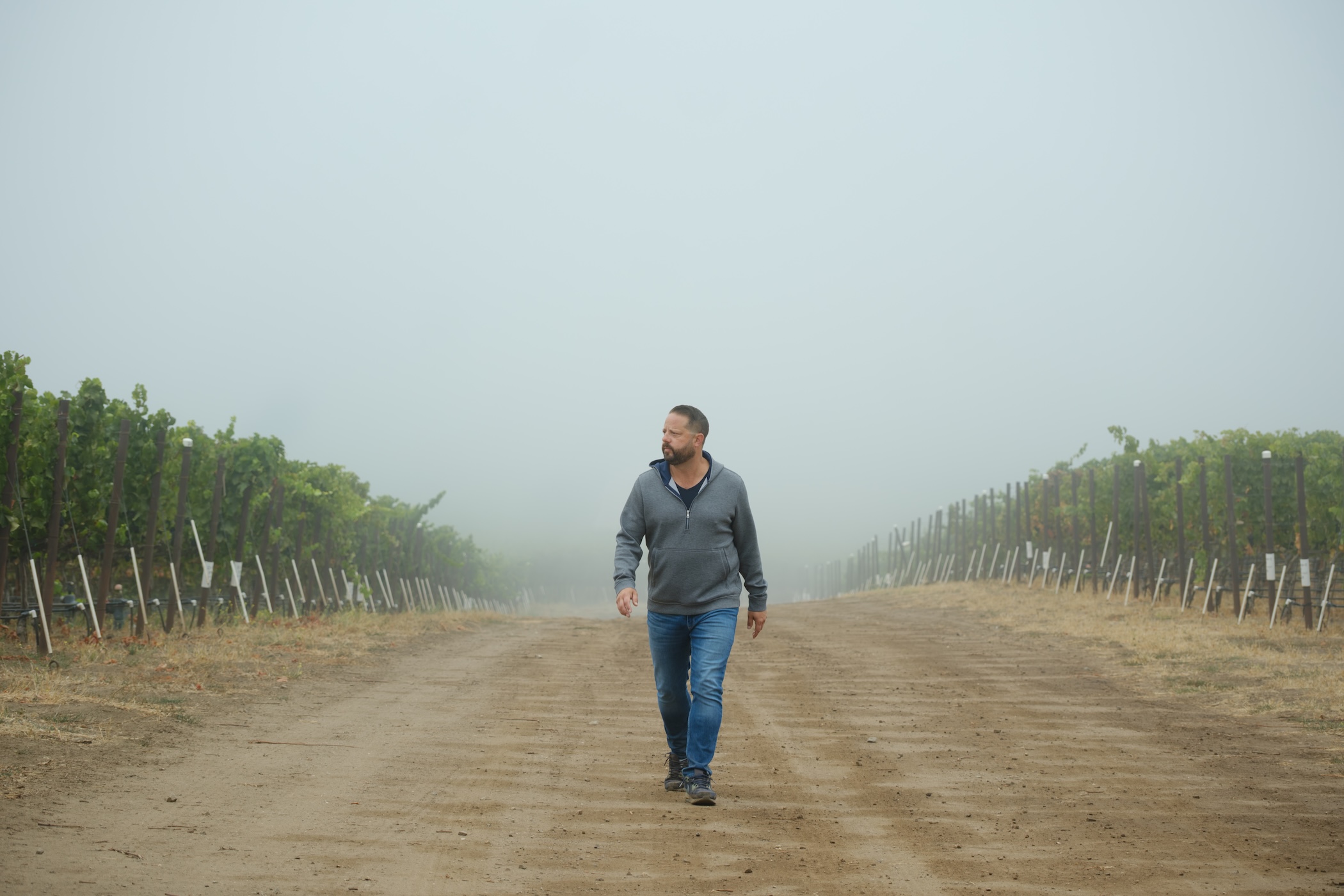
The list is anchored by producers who have successfully navigated the transition between established icons and boutique visionaries. Domaine de la Côte, directed by Sashi Moorman, claims the tenth spot with its La Côte Pinot Noir. The estate, situated just seven miles from the Pacific Ocean, serves as a case study in how micro-climates within a single AVA—Sta. Rita Hills—can produce vastly different results. Moorman’s decision to bottle the 2024 vintage exclusively in magnums reflects a long-term strategy for aging, anticipating that the density achieved in these low-yield years requires a slower oxidative environment to reach its peak.
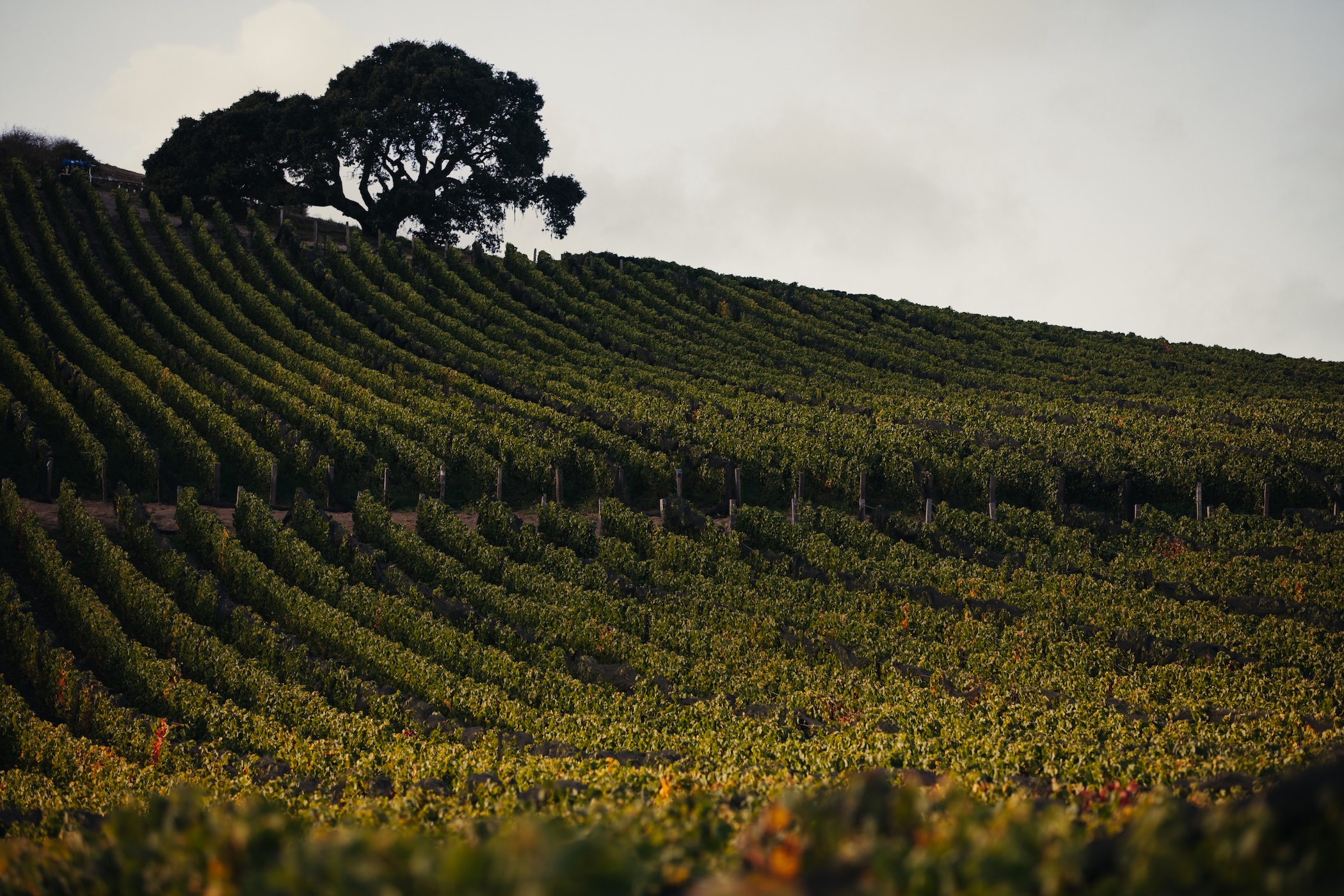
Moving into the top nine, HdV’s Comandante Chardonnay demonstrates the enduring influence of Burgundian heritage in California. Founded as a partnership between the Hyde family and Aubert de Villaine of the legendary Domaine de la Romanée-Conti, the winery has become a benchmark for Los Carneros. The 2023 Comandante, sourced from Old Wente clone plantings, serves as a tribute to the region’s history, blending French-trained winemaking precision with the unique, small-cluster fruit characteristic of the Hyde Vineyard.
Regenerative Farming and Environmental Stewardship
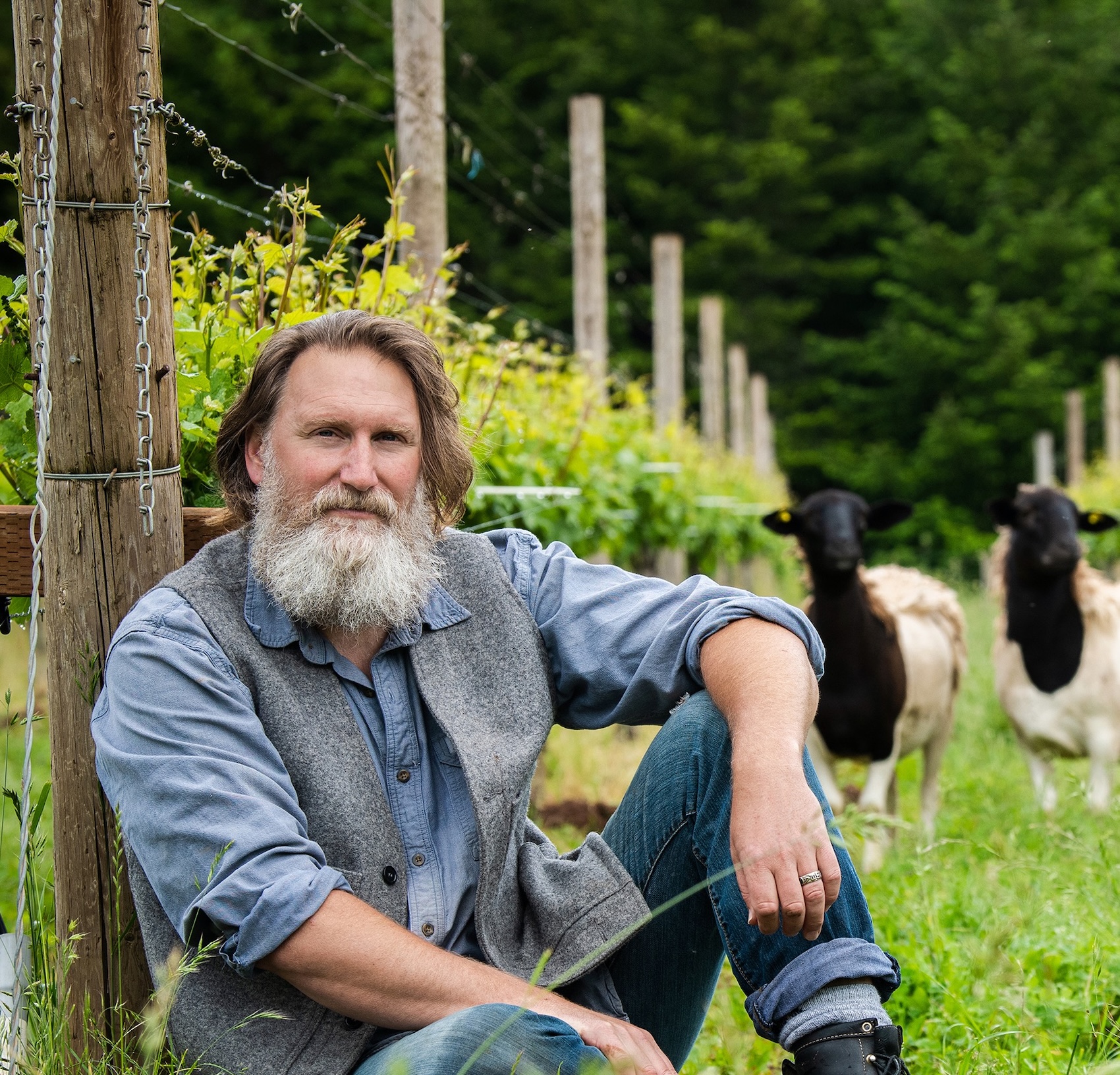
A recurring theme among the top-rated wines is the move toward "grazing-based viticulture." Antiquum Farm, led by Stephen Hagen in Oregon’s Willamette Valley, represents the eighth position with its Little Bud Pinot Noir. Hagen’s approach—utilizing a rotating ecosystem of sheep, chickens, pigs, and guardian dogs—is more than a stylistic choice; it is an attempt to optimize soil microbiology. By nurturing a healthy fungal network, the farm has allowed its vines to adapt to the challenging bellpine soils of the southern Willamette Valley, resulting in grapes with thick skins and high acidity that defy traditional expectations of the region.
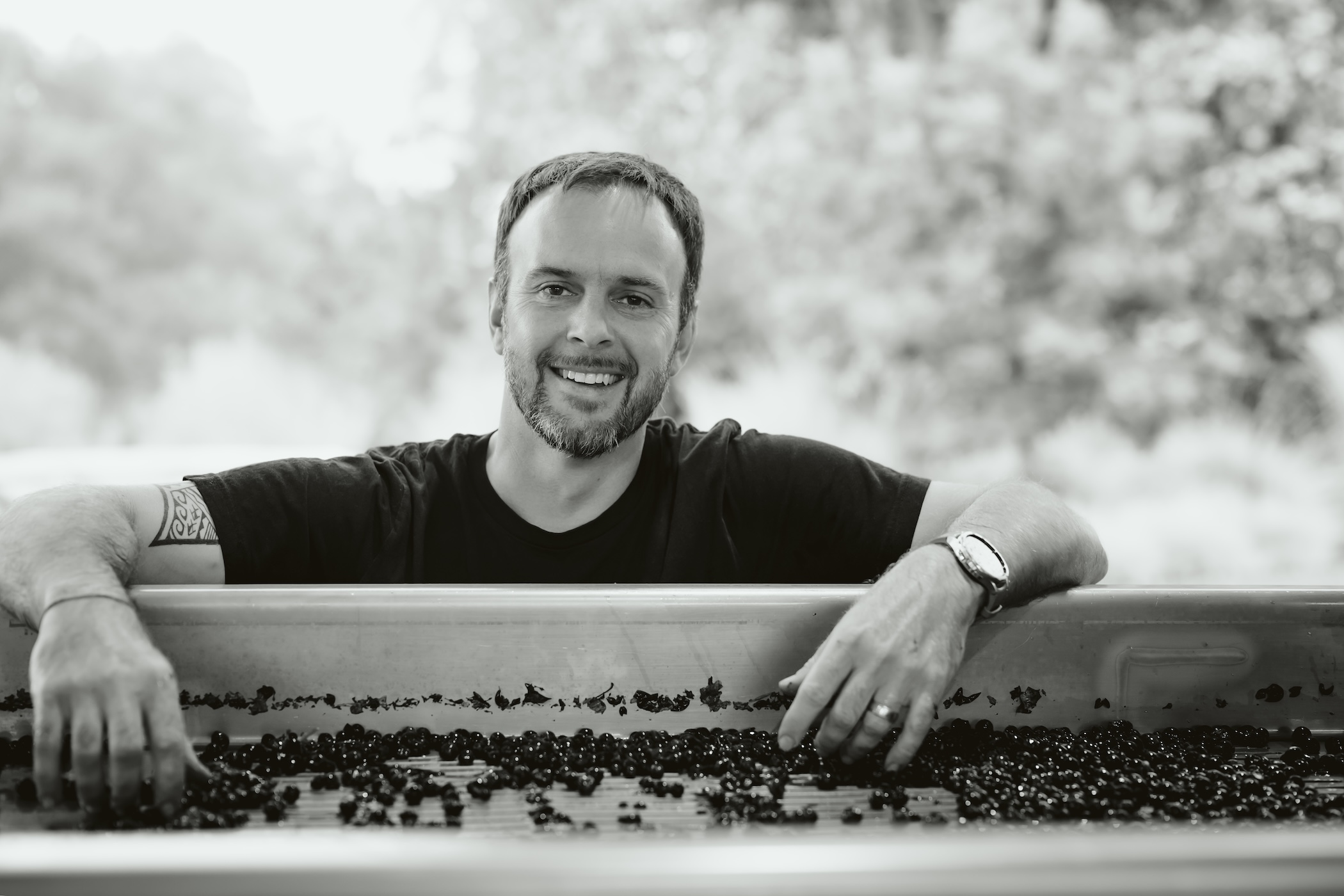
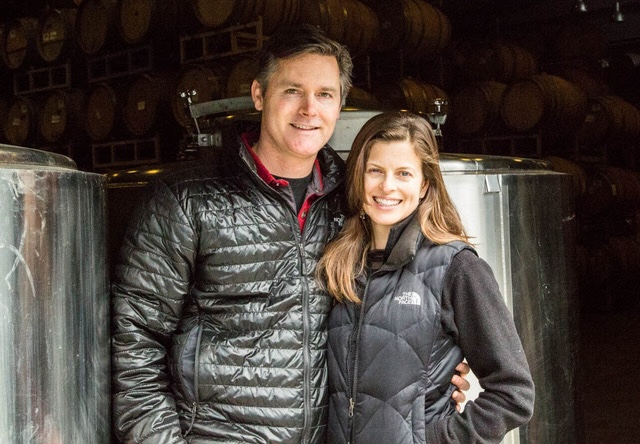
This commitment to the land is mirrored by the leadership changes at Domaine Carneros. Following a period of transition, CEO Remi Cohen and winemaker Zak Miller have elevated the estate’s Ultra Brut, securing the seventh position. As consumer preferences shift toward lower-dosage, bone-dry sparkling wines, the 2020 vintage of the Ultra Brut serves as a testament to the success of sustainable, estate-grown fruit management.
The Evolution of Syrah and Rhone Varieties
The Santa Lucia Highlands has long been celebrated for Pinot Noir, yet the inclusion of Caraccioli Cellars’ 2022 Syrah at number six signals a pivot in the region’s focus. The Caraccioli family’s decision to graft Chardonnay and Pinot Noir over to Syrah in the granitic soils of the Escolle Vineyard has paid dividends. This move reflects a broader trend in California: a search for site-specific varieties that can thrive in wind-swept, maritime-influenced climates.
Similarly, Helen Keplinger’s Sumo—a Petite Sirah-based blend from the Sierra Foothills—highlights the potential of the Shake Ridge Vineyard. Keplinger, who has built a reputation through her work with cult Napa Cabernets, uses the higher elevations of Amador County to produce a wine that is structurally powerful yet remarkably fresh. This wine, ranked fifth, serves as a bridge between the heavyweight tradition of California reds and the contemporary demand for mineral-driven, complex profiles.
Resilience and Long-Term Strategy
The top four wines highlight the intersection of historical persistence and modern refinement. Hirsch Vineyards, occupying the fourth spot with its Maritime Pinot Noir, stands as a symbol of the Sonoma Coast’s development. Founded in 1978, the estate spent decades as a source of grapes for other producers before establishing its own brand. The Maritime bottling is the culmination of nearly 30 years of site experimentation, proving that "extreme" coastal sites require both patience and technical expertise to master.
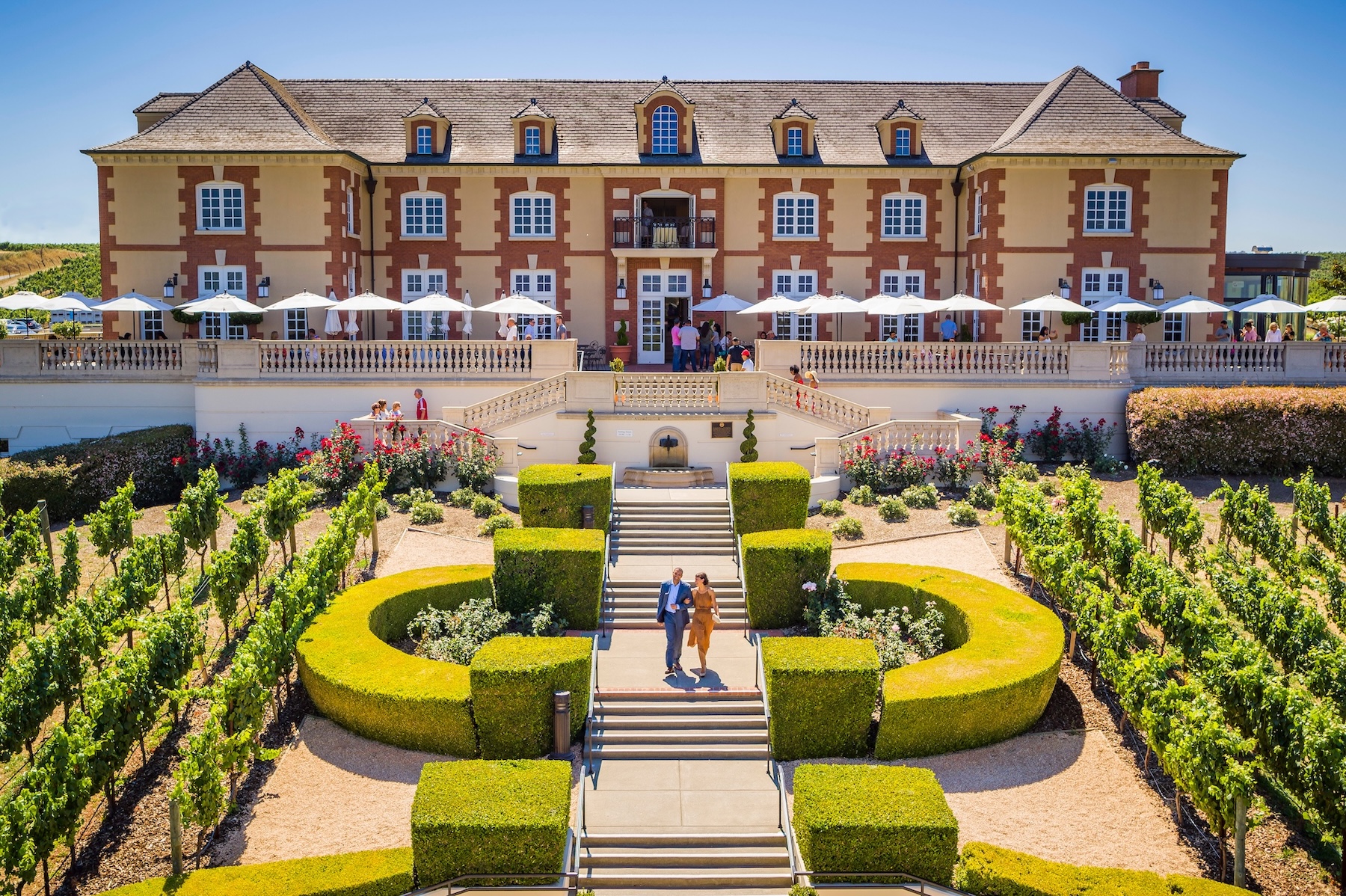
Louis M. Martini’s The Gryphon, ranked third, represents a strategic shift for the historic brand under Gallo ownership. By utilizing a blend of high-altitude vineyard sources, including the iconic Monte Rosso, the brand is effectively repositioning itself to honor the classic 1960s and 70s Napa Cabernet style. This focus on structure and energy, offered at a competitive price point, provides a necessary counterpoint to the premiumization of the Napa Valley.
The Pinnacle: A Centennial Perspective
The second spot, held by Donelan’s Obsidian Estate Syrah, showcases the agility of family-owned wineries. After the 2017 fires necessitated a total replanting of their Knights Valley site, the Donelan team re-engineered the vineyard for higher density. The 2023 release is the first from these new vines, indicating that the most successful wineries are those capable of treating natural disasters as opportunities for long-term refinement.
Finally, the top ranking is awarded to the 2023 The Montelena Estate Cabernet Sauvignon. As Chateau Montelena celebrates the 50th anniversary of the 1976 Judgement of Paris, its achievement of a 100-point score for its current estate wine provides a sense of continuity. Under the leadership of Bo Barrett and winemaker Matt Crafton, the estate continues to prove that its "daring, independent spirit" is not merely a marketing narrative but a core tenet of its production. The 2023 vintage, characterized by its structural foundation and purity, suggests that the winery is currently producing some of the most long-lived wines in its half-century history.
Broader Market Implications
The concentration of these top wines in Napa, Sonoma, and Oregon reinforces the dominance of these regions, yet the diversity of the varieties—ranging from Petite Sirah to Syrah—suggests a more nuanced market. The data from the 2026 list indicates that consumers and critics are increasingly valuing producers who prioritize:
- Site Specificity: A move away from multi-regional blending toward single-parcel or estate-specific bottlings.
- Viticultural Resilience: The adoption of regenerative farming practices to combat the volatility of climate change.
- Structural Elegance: A shift in consumer preference toward freshness, acidity, and longevity over the high-alcohol, low-acid profiles that defined the early 2000s.
For industry stakeholders, these results serve as a benchmark for the next decade of American fine wine. As the industry faces rising production costs and environmental pressures, the success of these ten wines suggests that the path forward lies in precision agriculture, a return to "classic" structural profiles, and a relentless focus on the distinctiveness of the terroir. The 2026 rankings are not merely a summary of the year’s best bottles; they are a blueprint for the future of the United States’ most prestigious viticultural estates.