Unlock the Secrets of Northern California Winemaking With the New Learn by Drinking Napa Valley Educational Course

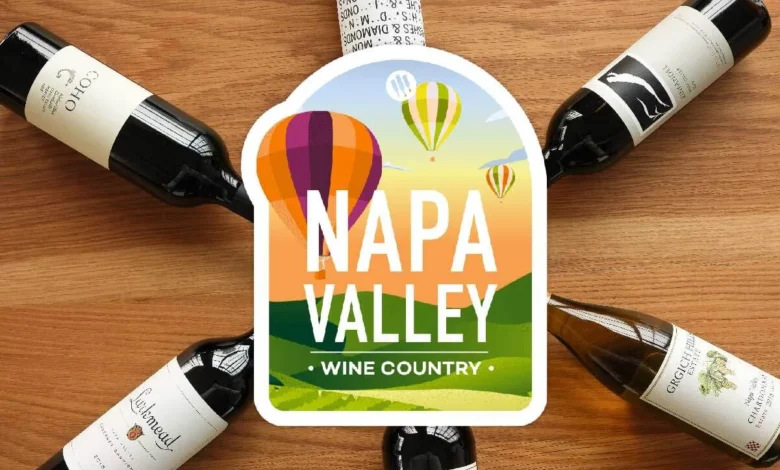
Napa Valley stands globally as a cornerstone of viticultural excellence, a narrow 30-mile strip of fertile land in Northern California that has consistently produced some of the world’s most revered and critically acclaimed vintages. For decades, this picturesque agricultural corridor has captured the imaginations of oenophiles and casual wine enthusiasts alike, driven by a unique convergence of Mediterranean climate, diverse soils, and pioneering winemaking traditions. Now, wine enthusiasts looking to deepen their appreciation beyond traditional textbook learning have a new experiential option: the newly
launched Learn By Drinking: Napa Valley educational course, developed by industry authority Wine Folly.
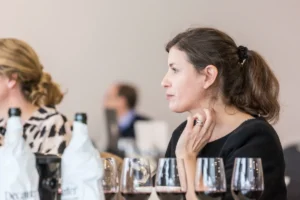
Designed to bridge the gap between academic wine study and sensory engagement, the program encourages students to utilize their own palates as primary instruments of instruction. Rather than relying solely on printed tasting notes or theoretical lectures, participants uncork bottles alongside the curriculum, correlating regional geography and climate directly with flavor profiles. This immersive approach aims to demystify one of the world’s most prestigious wine regions, offering structured insights into the topography, history, and economic factors that have shaped Napa Valley into a global powerhouse.
Historical Context and Viticultural Significance
To understand the weight of Napa Valley’s reputation, one must look back at the region’s trajectory over the past century. While winemaking in California dates back to Spanish missionary settlements in the 18th century, Napa Valley’s modern era took root in the mid-19th century when pioneers like George Yount and Charles Krug planted the region’s first commercial vineyards. However, the region faced immense historical setbacks, notably Prohibition in the 1920s, which crippled the domestic wine industry, followed by decades of gradual rebuilding.
The watershed moment for Napa Valley occurred in 1976 at the historic Judgement of Paris blind tasting. During this momentous event, a panel of elite French wine experts unexpectedly ranked a 1973 Chateau Montelena Chardonnay and a 1973 Stag’s Leap Wine Cellars Cabernet Sauvignon above premier Burgundies and Bordeaux growths. This international upset shattered the prevailing consensus that world-class wine could only be produced in Europe, catapulting Napa Valley onto the global stage and instigating a modern boom in investment, agricultural research, and winemaking sophistication.

Today, Napa Valley accounts for a fraction of California’s total wine production—roughly four percent—yet its economic footprint and cultural cachet are staggering. The region generates billions of dollars annually in tourism and agricultural revenue, driven by millions of visitors who flock to its rolling hillsides and architectural landmark estates. Yet, for many consumers, navigating the vast array of AVAs (American Viticultural Areas), price points, and varietals can prove daunting. Educational initiatives like Wine Folly’s new course seek to address this knowledge gap by providing structured, accessible pathways to wine literacy.
Curriculum Structure and Expert Instruction
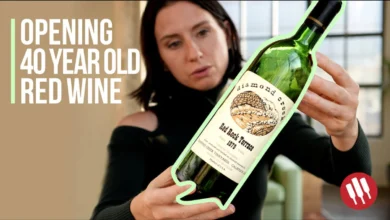
At the core of the Learn By Drinking: Napa Valley program is a comprehensive digital video series comprising approximately two hours of instructional content. The curriculum is helmed by Madeline Puckette, a globally recognized wine communicator, James Beard Award-winning author, and veteran sommelier with over a decade of hands-on experience in the trade. Puckette’s pedagogical style focuses on demystifying complex tasting techniques, teaching participants how to systematically assess wine structure, acidity, tannin levels, and aromatic complexity.
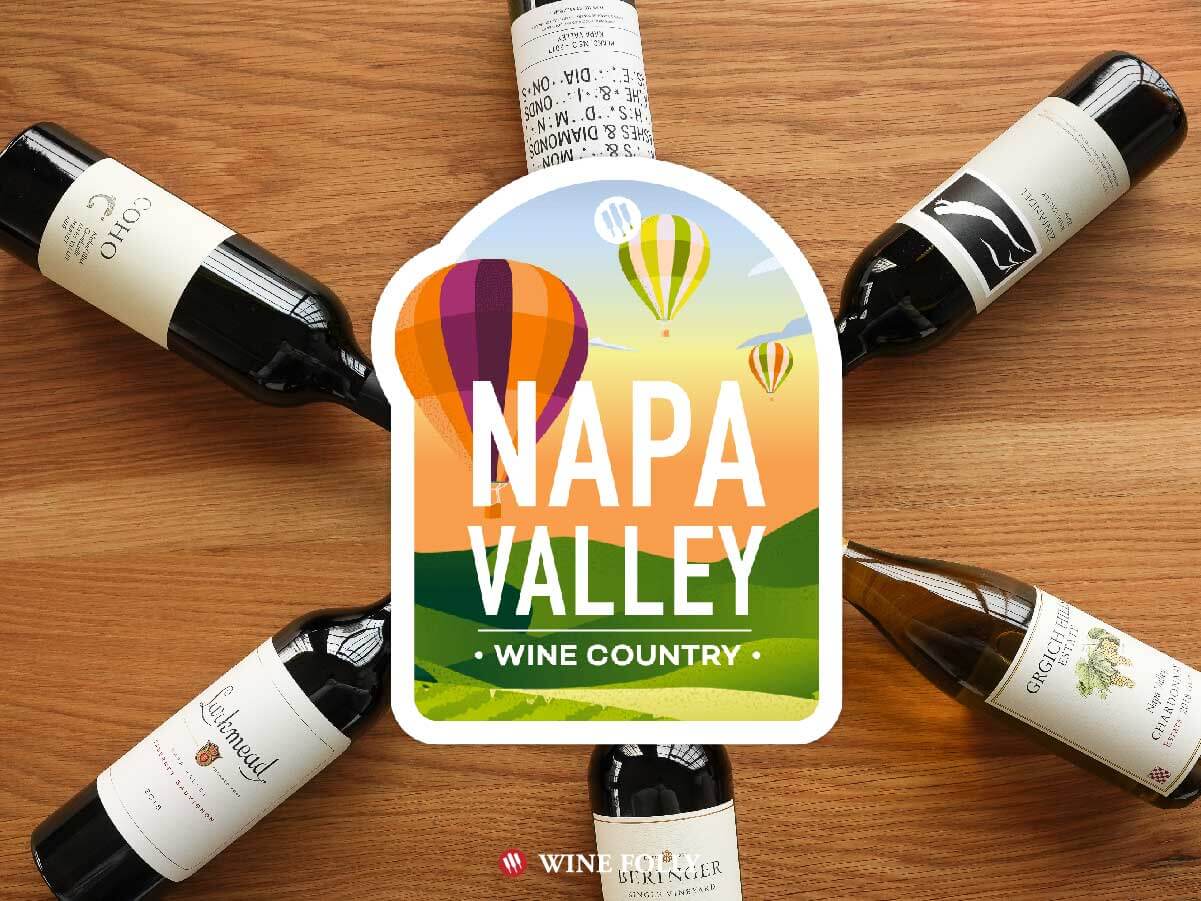
The course centers on a curated flight of six distinct wines representative of the region’s most prominent styles: Cabernet Sauvignon, Chardonnay, Merlot, Zinfandel, and a Sauvignon Blanc blend. While the physical bottles are not included in the purchase price—allowing consumers the flexibility to select bottles matching their budget and local availability—the structured tasting modules guide students through the specific markers of quality associated with each varietal.
According to industry educators, structured tasting courses that pair sensory experience with theoretical instruction significantly enhance memory retention and sensory acuity. By analyzing how Napa’s unique microclimates—influenced by morning fog rolling in from the San Francisco Bay and intense afternoon sun—impact grape ripening, students gain a holistic understanding of why certain varietals thrive in specific sub-appellations, such as Oakville, Rutherford, or Howell Mountain.
Industry Analysis and Educational Implications
The launch of experiential digital courses reflects a broader evolution in how consumers acquire culinary and beverage education. In an era marked by the proliferation of online learning platforms, consumers increasingly demand interactive, multimedia-rich formats that transcend traditional static media. The wine industry, historically characterized by traditional in-person certification bodies like the Wine & Spirit Education Trust (WSET) or the Court of Master Sommeliers, has increasingly embraced digital-first formats to reach a wider, younger, and more diverse demographic of enthusiasts.
Market analysts note that consumer interest in wine education surged during the global shifts in lifestyle habits over recent years, as home-based cooking and entertaining became focal points for many households. Programs that emphasize sensory engagement over rote memorization resonate particularly well with modern learners who prioritize experiential consumption. By integrating regional maps, meteorological context, and guided tasting strategies, courses like Learn By Drinking seek to cultivate confident, informed consumers who can navigate wine lists and retail shelves with autonomy.
Furthermore, digital education democratizes access to high-level expertise. While mentorship from a master sommelier or participation in exclusive regional masterclasses was once restricted to trade professionals or those living in major metropolitan hubs, online video series bring institutional-grade knowledge directly to domestic settings. This accessibility is viewed by industry stakeholders as a vital driver for long-term market growth, fostering a deeper appreciation for agricultural craftsmanship and regional typicity.
Broader Impact on Wine Tourism and Regional Economics
As educational platforms continue to spotlight specific wine-producing regions, local economies frequently experience ripple effects in tourism and direct-to-consumer sales. Napa Valley, while already an established tourism destination, stands to benefit from programs that foster granular appreciation for its diverse sub-appellations. When consumers understand the nuances distinguishing a cool-climate Chardonnay from the Los Carneros district versus a hillside Cabernet Sauvignon from Diamond Mountain, their engagement with the region deepens.
Winemakers and regional trade associations have long recognized that education is the most effective marketing tool for premium agriculture. Informed consumers are generally more willing to invest in artisanally produced wines that reflect rigorous farming practices, sustainable land stewardship, and meticulous cellar work. By contextualizing the human and environmental labor behind every bottle, educational initiatives help sustain the economic viability of historic wine regions facing pressures from climate change, urban development, and rising operational costs.
Ultimately, programs like Learn By Drinking: Napa Valley serve as a bridge between the agricultural realities of farming and the sensory pleasure of the dining table. As the global wine market continues to evolve, the integration of expert digital instruction with hands-on tasting promises to shape a new generation of wine enthusiasts equipped with both the knowledge and the palate to appreciate the world’s finest viticultural achievements.