Decanter Top 50 US Wines of 2026: Revealing the exceptional selections from rank 20 to 11

The Decanter Top 50 US Wines of 2026 project has reached its fourth installment, offering a comprehensive look at the elite tier of the American fine-wine landscape. As the countdown progresses toward the final reveal of the top ten, this segment highlights wines ranked from 20 to 11. Each selection in this group has achieved a score of 95 points or higher during the past 12 months, vetted by a team of US-based reviewers. This collection provides a cross-section of the industry’s current trajectory, emphasizing the prominence of historic California vineyards, the rise of cool-climate regions, and the infusion of international viticultural expertise in emerging domestic areas.
The selection underscores a significant shift in focus toward site-specific expression. Nearly half of the wines in this bracket hail from Sonoma County, reflecting the increasing prestige of the Moon Mountain District and the maturation of the Sonoma Coast as a premier cool-climate destination. The list also acknowledges the endurance of Napa Valley’s legacy estates, the influence of legendary consulting winemakers, and the experimental spirit driving the Finger Lakes region in New York.
The Evolution of Napa Valley and the Beckstoffer Legacy
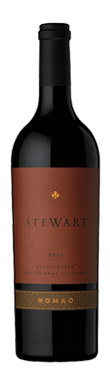
At rank number 20, the Stewart Cellars Nomad Beckstoffer Las Piedras Vineyard Cabernet Sauvignon (2023) represents the intersection of historic terroir and modern winemaking. Andy Beckstoffer remains the most influential figure in Napa viticulture, managing six heritage sites that serve as the backbone for many of the valley’s most acclaimed wines.
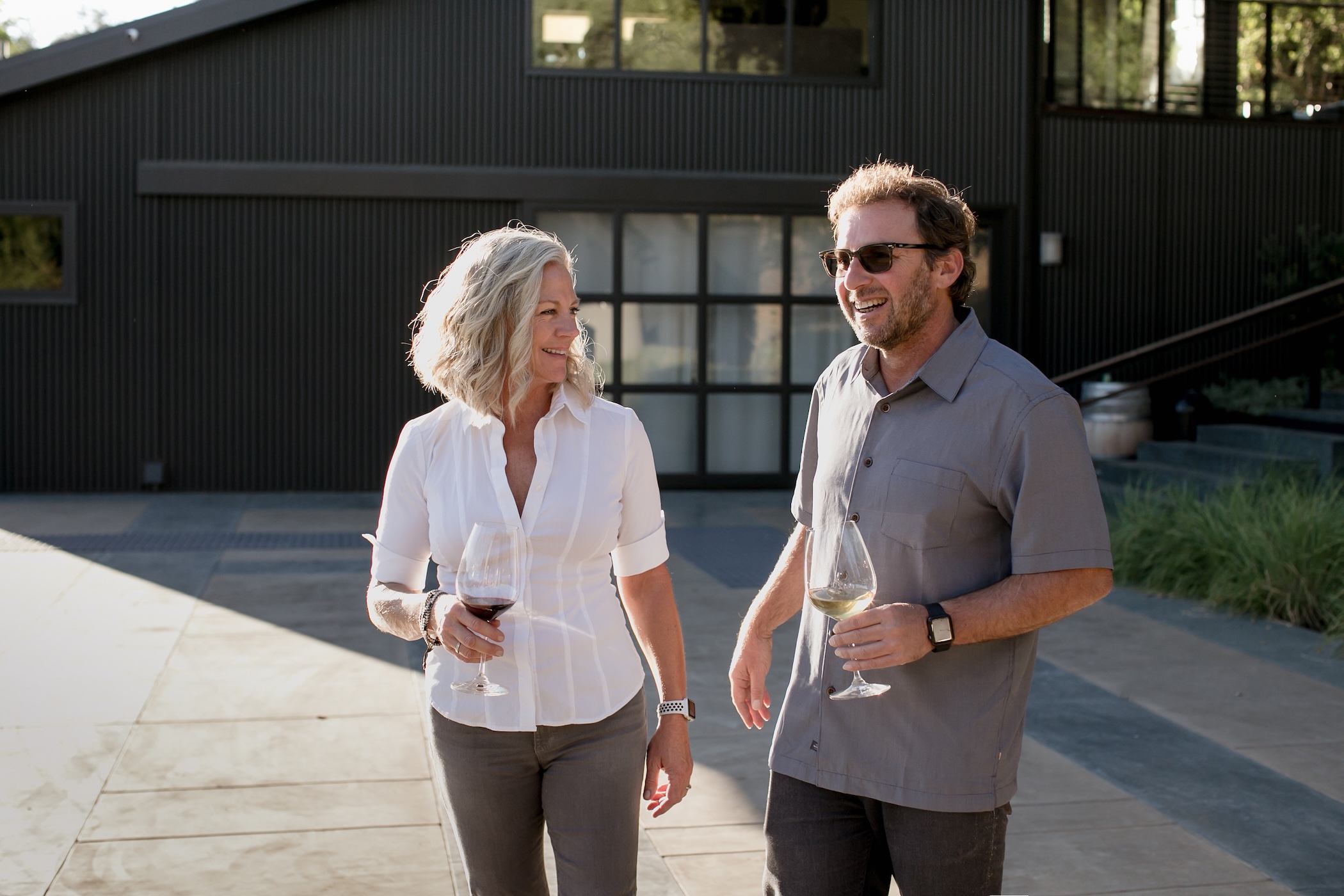
The Las Piedras vineyard, located in St. Helena, has a history tracing back to the 1840s, initially planted to Mission grapes before transitioning to fine-wine varieties in the 1860s. After acquiring the property in 1983, Beckstoffer replanted the site with two clones of Cabernet Sauvignon. Stewart Cellars, established in 2000 by Michael Stewart, has leveraged these heritage grapes to anchor their Nomad collection. Current winemaker Blair Guthrie has been credited with producing a refined, ageworthy expression that honors the site’s "little pebbles" namesake. This bottling serves as a testament to the ongoing collaboration between generational growers and boutique wineries, a dynamic that continues to define the high-end Napa market.
Mountain Viticulture and the Melka Influence
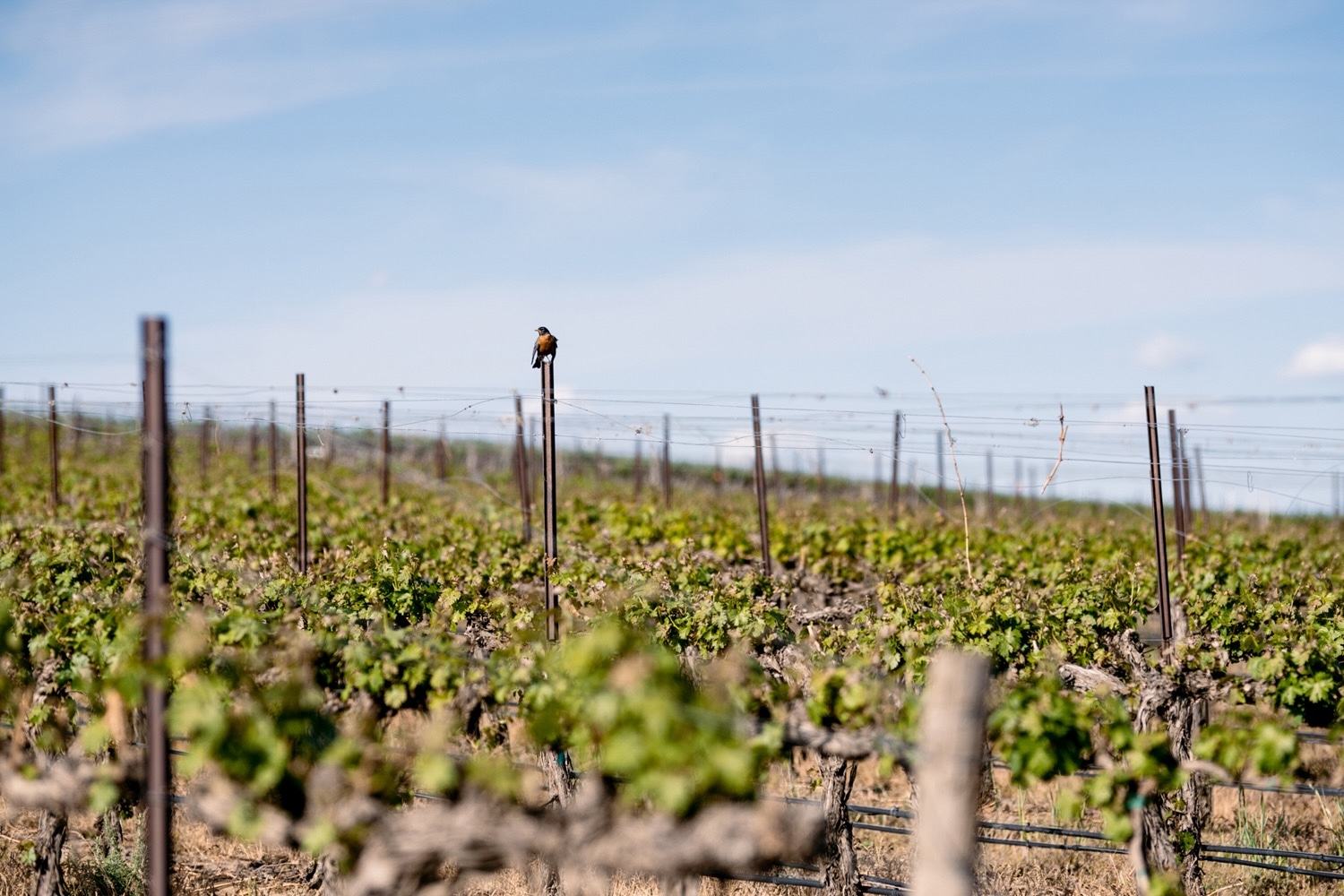
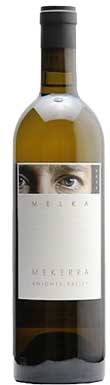
Ranked at 19 is the Melka Estates La Mekerra Vineyard Proprietary White (2023). This wine challenges the conventional narrative that California’s mountain sites are exclusively suited for red varietals. Situated in Knights Valley at elevations between 2,300 and 2,500 feet, the La Mekerra vineyard benefits from a unique combination of volcanic ash and clay soils.
Philippe and Cherie Melka, who celebrate their 30th anniversary in the industry this year, have established a reputation for precision-focused winemaking. Philippe’s consulting work for prominent estates like Lail Vineyards and Spring Mountain Vineyard has informed the technical rigor applied to his own project. The 2023 Proprietary White, which utilizes a touch of flinty Muscadelle, is designed for long-term aging—a rarity for Sauvignon Blanc. The success of this wine illustrates a broader trend among California winemakers: the movement toward high-elevation white wines that prioritize acidity and structure over the opulence often associated with valley-floor fruit.
Washington State and the Quilceda Creek Standard
The Quilceda Creek Cabernet Sauvignon (2023), positioned at number 18, reinforces the status of the Columbia Valley as a powerhouse for sophisticated, ageworthy red wine. Founded in 1978 by Alex and Jeannette Golitzin, the winery is rooted in a lineage that connects to the late Andre Tchelistcheff, a titan of California winemaking.
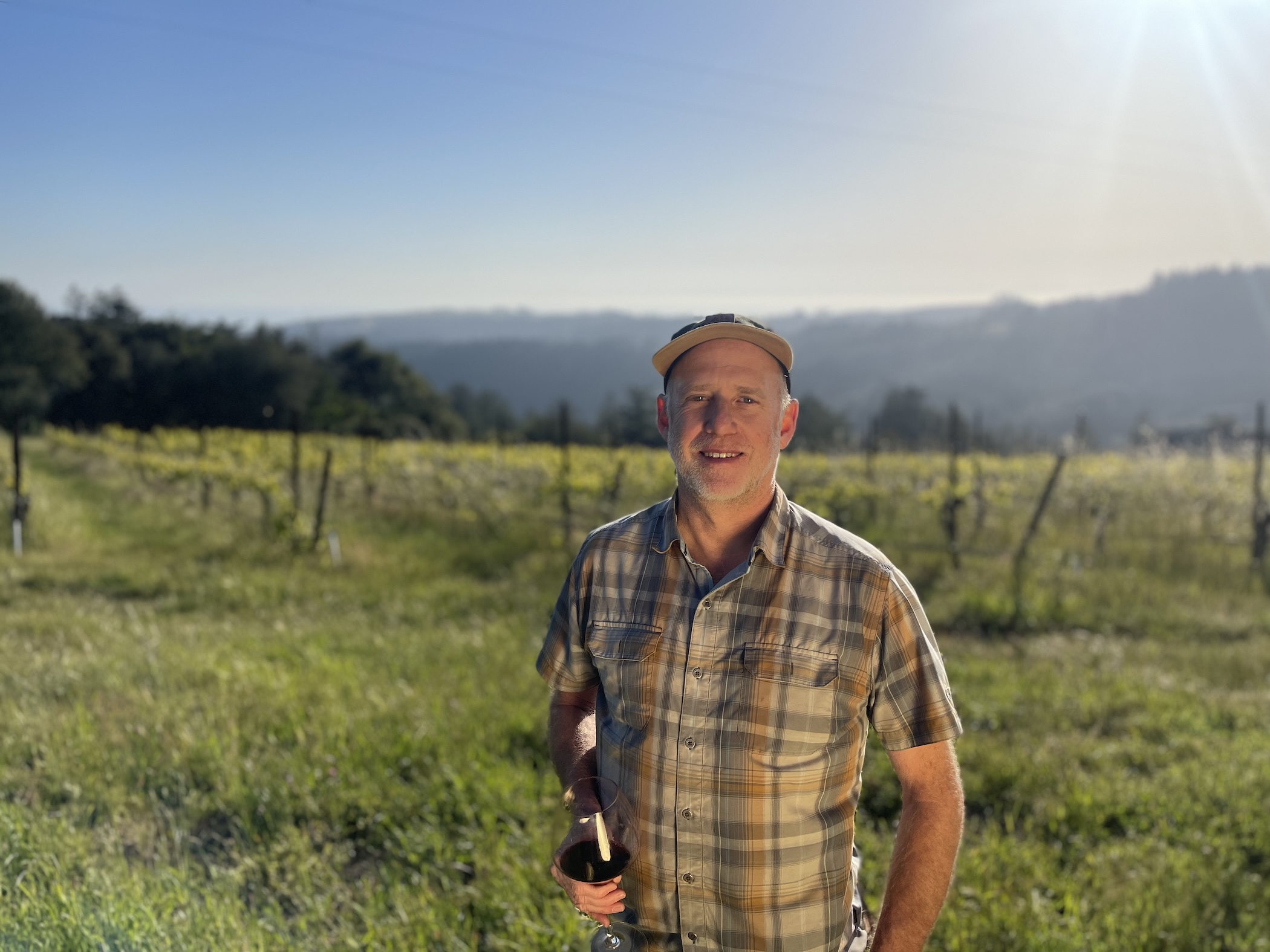
The consistency of Quilceda Creek is largely attributed to its long-term reliance on the Champoux Vineyard in the Horse Heaven Hills, a site the company has now fully acquired. Recent expansion into the Mach One vineyard, situated 50 feet above the Columbia River, has allowed the team to refine their blending process. The 2023 release, aged for 22 months in 100% new French oak, remains one of the few high-scoring wines from the region with availability beyond a private membership list, maintaining the brand’s reputation for quality and relative accessibility in the ultra-premium category.
Regenerative Agriculture at Hanzell Vineyards
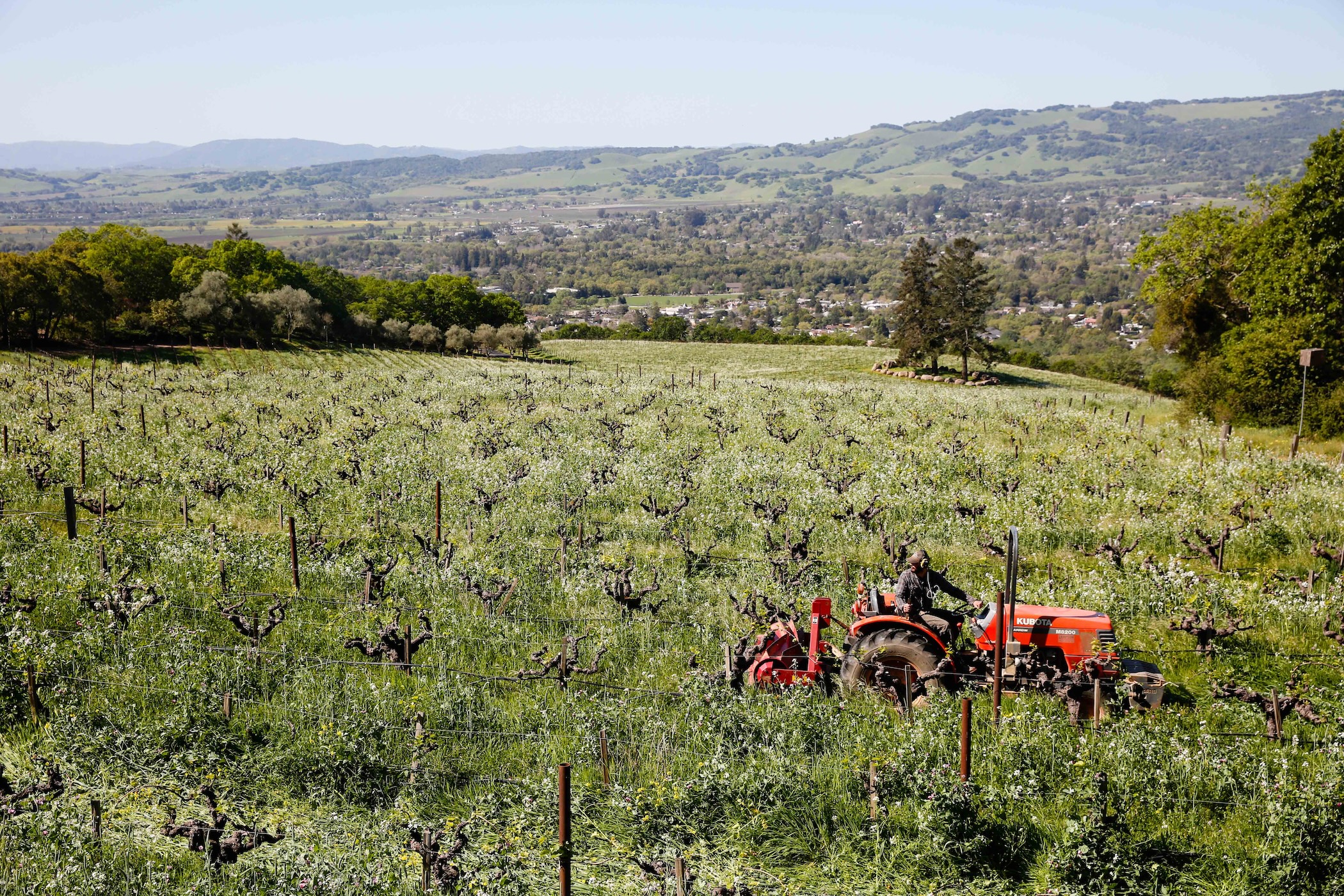
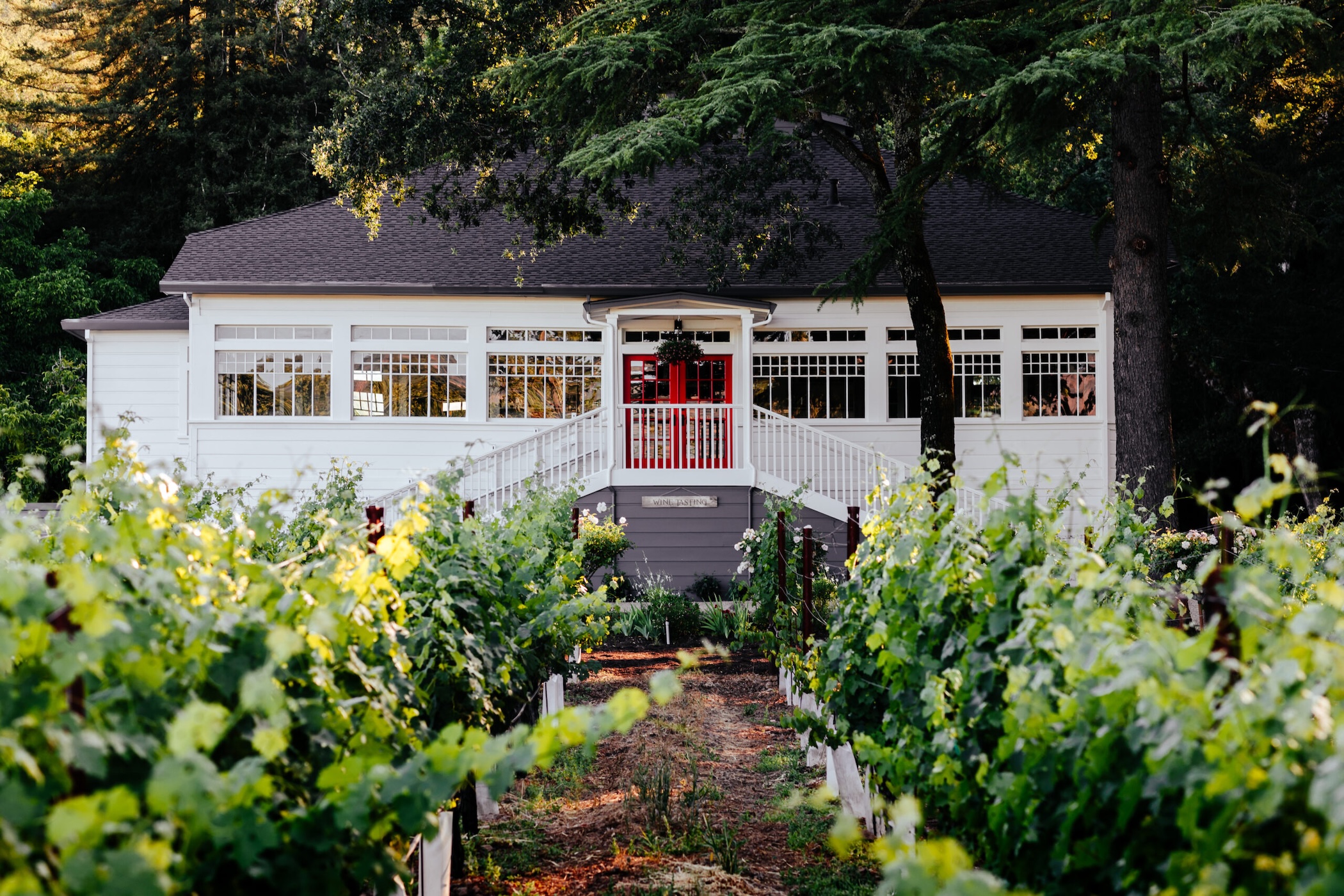
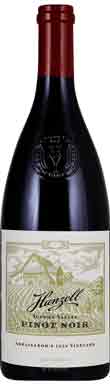
At rank 17, Hanzell Vineyards presents The Ambassador’s 1953 Vineyard Pinot Noir (2023). Hanzell has become a focal point for the conversation surrounding regenerative agriculture in Sonoma County. Under the leadership of president and director of winemaking Jason Jardine, the estate has integrated rotational grazing with cows, sheep, and poultry to enhance soil fertility, moving beyond standard organic certification.

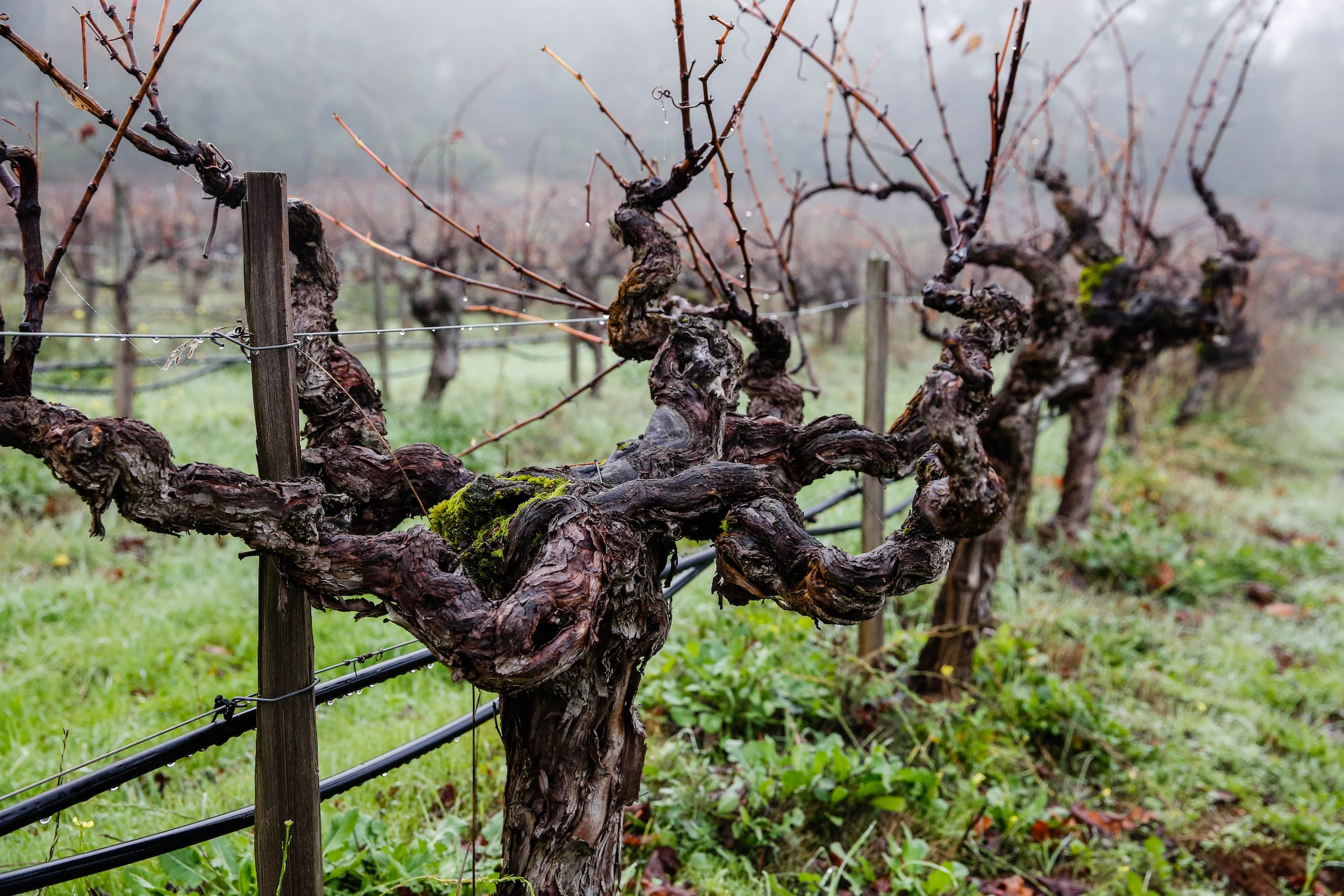
The vineyard, founded by Ambassador James D. Zellerbach, holds the title of the oldest continuously producing Pinot Noir site in North America. By utilizing lightweight glass and eliminating foil capsules, Hanzell is also actively addressing the carbon footprint of its production. The 2023 bottling, sourced from the original two-acre block, is a clear indicator that historical preservation and modern ecological stewardship are not mutually exclusive.
The Rise of the Sonoma Coast
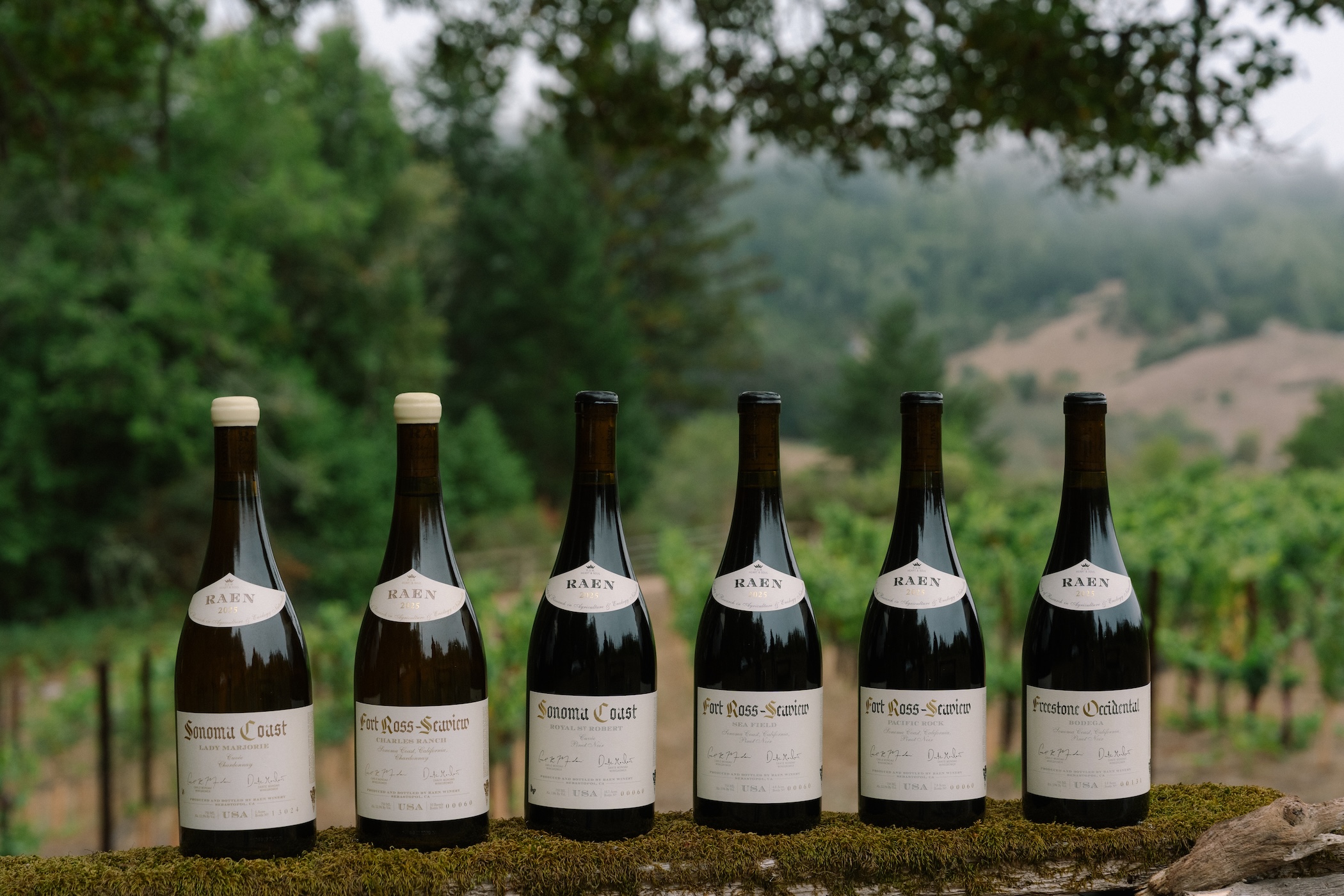
The list continues to highlight the Sonoma Coast with the inclusion of Raen, Pacific Rock Pinot Noir (2024) at number 16. The project, led by Carlo and Dante Mondavi, focuses on "Research in Agriculture and Enology Naturally." By eschewing synthetic pesticides and supporting biodiversity initiatives like the Monarch Challenge, the brothers have positioned their label as a leader in eco-conscious viticulture.
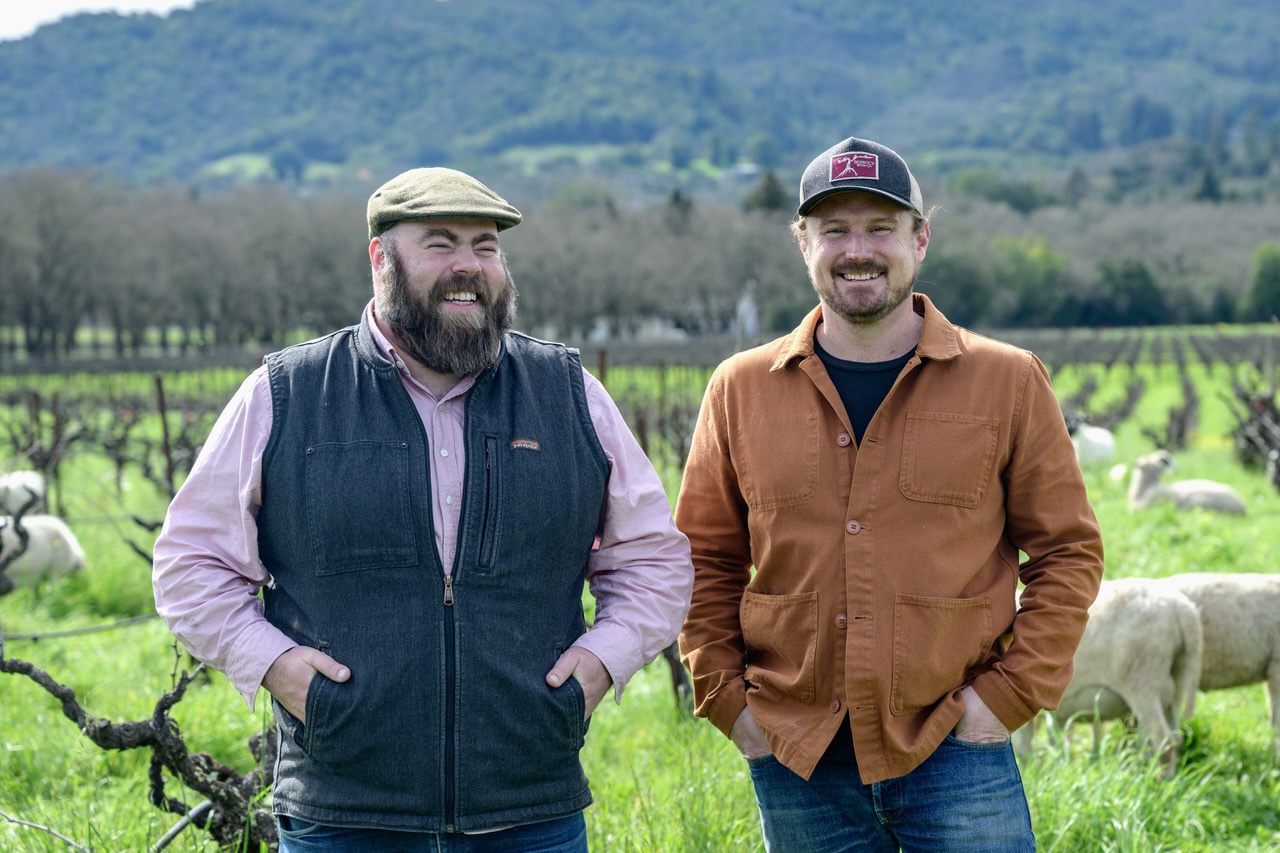
The Pacific Rock site, located on a ridge at 1,000 feet of elevation, provided its inaugural vintage in 2024. The reliance on native yeasts and 100% whole-cluster fermentation reflects a traditionalist approach to winemaking that emphasizes site transparency. Similarly, at number 15, Cobb Wines’ Diane Cobb Coastlands Vineyard Pinot Noir (2023) exemplifies the potential of the Sonoma Coast. Ross Cobb, whose resume includes stints at Williams Selyem and Hirsch, has dedicated his work to the hilltop vineyard his parents planted in 1989. The longevity of these vines and the minimal-intervention approach to winemaking have made the Diane Cobb label a benchmark for the region.
Innovation in Napa and the Finger Lakes
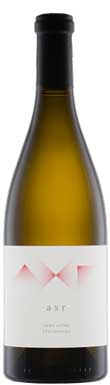
The remaining wines in this set reflect the diversity of the American wine scene. AXR’s Ritchie Vineyard Chardonnay (2024), ranked at 14, showcases the quality of 1972-planted vines in the Russian River Valley. AXR’s commitment to site-specific sourcing, overseen by Jean Hoefliger, highlights how collaboration between experienced winemakers and historic vineyard owners yields exceptional results.
At rank 13, Flora Springs’ Awakening Cabernet Sauvignon (2023) signals a new chapter for the historic St. Helena estate following its acquisition by the Boisset-Gallo team. The wine, sourced from the southeastern slopes of the valley, represents a blend of traditional power and modern precision.

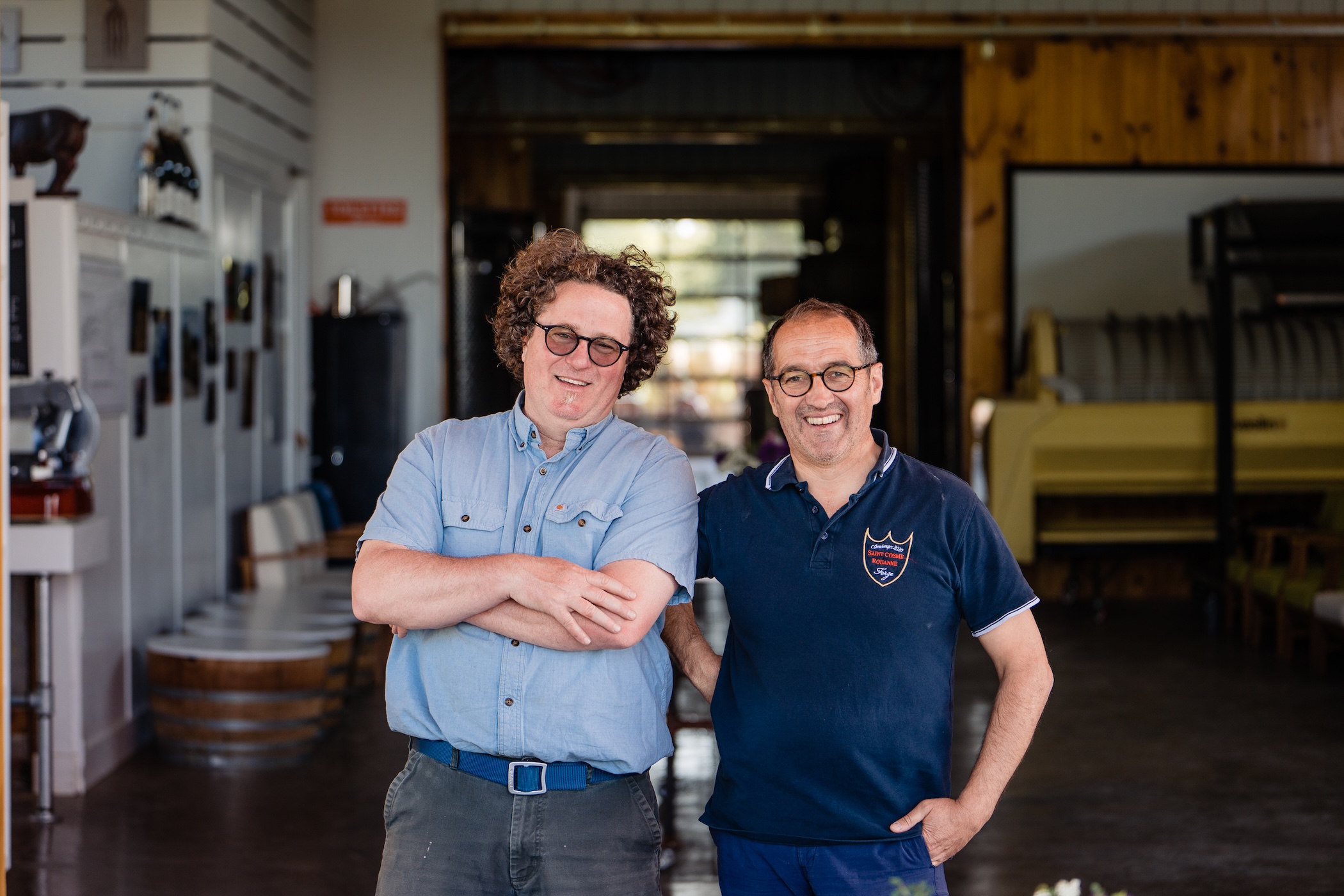
The inclusion of Forge Cellars’ Bellows Cabernet Franc (2024) at rank 12 marks a significant milestone for the Finger Lakes region. The partnership between New York growers and French winemaker Louis Barruol of Château de St Cosme is perhaps the most prominent example of international viticultural influence currently shaping the Eastern United States. The successful cultivation of Cabernet Franc on the rocky, sandy soils of Seneca Lake suggests that the Finger Lakes are increasingly capable of producing wines with the structure necessary for long-term cellaring.
Finally, at rank 11, Bedrock Wine Co.’s Evangelho Vineyard Heritage Zinfandel (2024) serves as a reminder of the importance of the Historic Vineyard Society. Located in Contra Costa County, this 1890s-planted vineyard survives on sandy soils that naturally resist phylloxera. By avoiding new oak and focusing on the character of the field blend, Morgan Twain-Peterson and Chris Cottrell demonstrate that preservation of California’s agricultural past is a viable and essential component of the future of fine wine.

Broader Implications and Industry Trends
The selections from 20 to 11 suggest that the American wine industry is currently defined by three primary forces: the intensification of regenerative farming, the exploration of cool-climate terroir, and the preservation of historic, own-rooted vineyards.

The prevalence of Sonoma County producers in this segment reflects a shift in consumer and critic preference toward wines that emphasize freshness, acidity, and mineral expression over the high-alcohol, high-extraction profiles that dominated the early 2000s. Furthermore, the presence of wines from the Finger Lakes and Washington State indicates that the definition of "fine wine" in America is no longer strictly tethered to the geographic boundaries of Northern California.
As the industry faces challenges ranging from climate change to rising labor costs, these 50 wines—specifically the ten highlighted here—provide a blueprint for resilience. By prioritizing the health of the soil, the history of the vine, and the nuance of the vintage, these winemakers are establishing a new standard for quality that balances tradition with environmental and economic sustainability. The final reveal of the top ten, scheduled for November 20, is expected to further clarify how these themes of terroir and innovation continue to evolve in the American context.