Leftover Rice Arroz con Leche Recipe Transforms Simple Kitchen Staples into a Traditional Latin American Comfort Classic

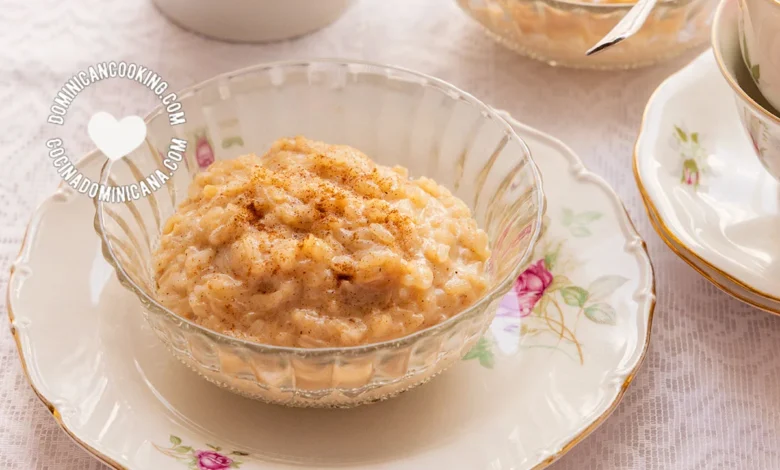
The culinary landscape of Latin America is deeply rooted in resourcefulness, where waste is minimized and humble ingredients are elevated through generational wisdom. Among these time-honored traditions is the utilization of leftover arroz blanco, or plain white rice, to create a swift and comforting iteration of the beloved dessert arroz con leche, or traditional rice pudding. Culinary educator and recipe developer Clara Gonzalez, widely known to her followers as Tía Clara, has brought renewed attention to this practice by formalizing a streamlined method that honors heritage while adapting to the demands of contemporary home cooking.
The Evolution and Background of Arroz con Leche
Rice pudding is by no means unique to a single culture; variations of sweetened rice simmered in milk span the globe from South Asia to the Iberian Peninsula and throughout Latin America. Brought to the Americas during the colonial era, European recipes merged with local ingredients, such as sugarcane and indigenous spices, to form distinct regional identities. In the Dominican Republic and broader Caribbean traditions, arroz con dulce or arroz con leche has long been a staple dessert served at family gatherings, religious celebrations, and everyday weeknight tables.
Traditionally, making rice pudding requires simmering raw grains of rice in milk and water alongside cinnamon sticks, cloves, and sugar for an extended period. This slow-cooking process allows the starch from the grain to release naturally, thickening the liquid into a creamy, luscious consistency. However, this method demands constant attention to prevent burning and can take upwards of an hour or more of active stovetop management.
Gonzalez’s adaptation addresses a common modern dilemma: what to do with the inevitable surplus of plain white rice frequently prepared as a foundation for savory midday meals in Latino households. By pivoting from raw grains to cooked leftover rice, home cooks can bypass the lengthy initial softening phase, drastically reducing overall preparation and cooking times without sacrificing the familiar flavor profile of the classic dessert.
Methodology and Culinary Innovations
The modified recipe developed by Gonzalez introduces several distinct adjustments to accelerate the cooking process while preserving the dessert’s integrity. Most notably, the utilization of pre-cooked white rice eliminates the standard 30-to-40-minute simmering phase required for raw grains to absorb liquids and soften.

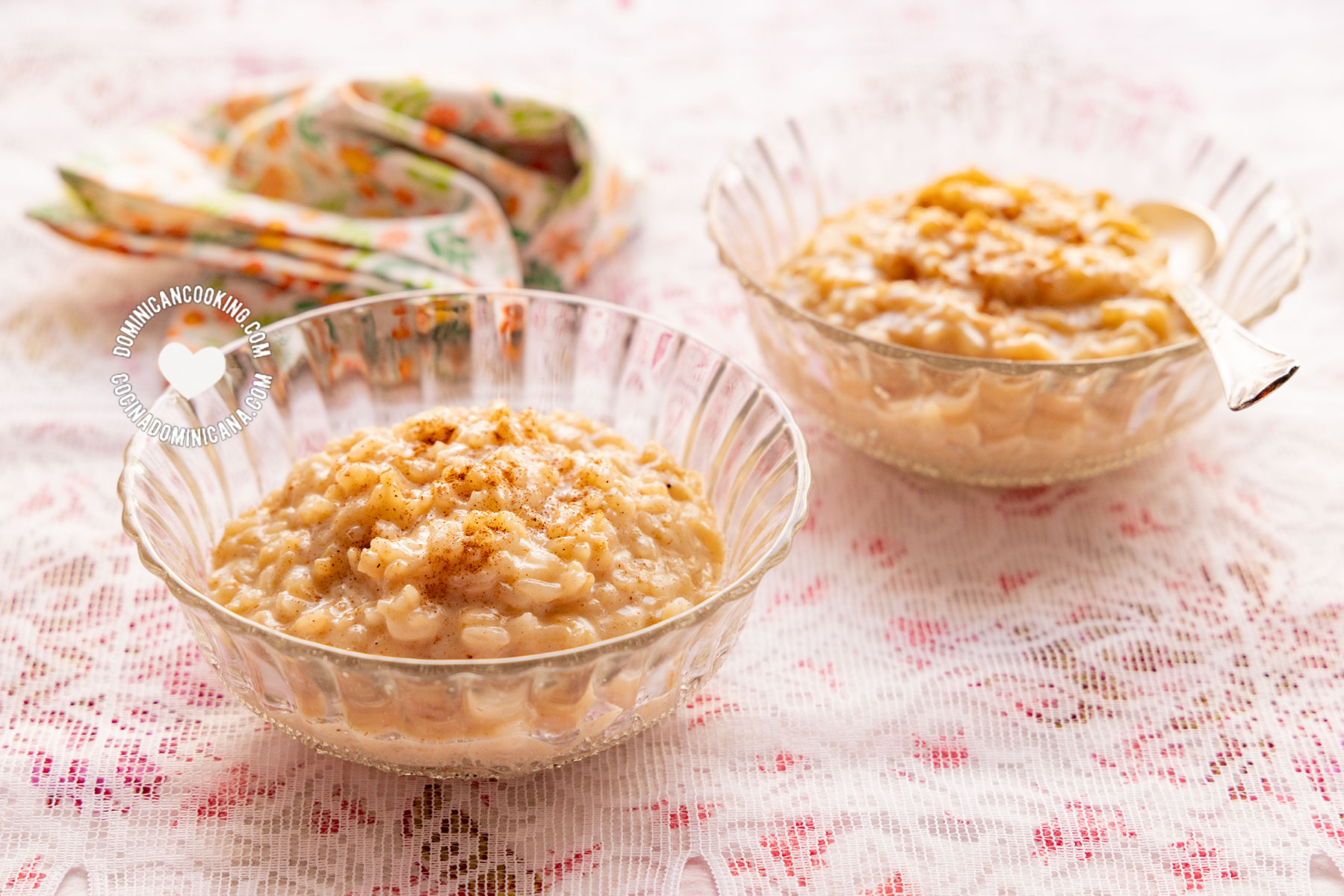
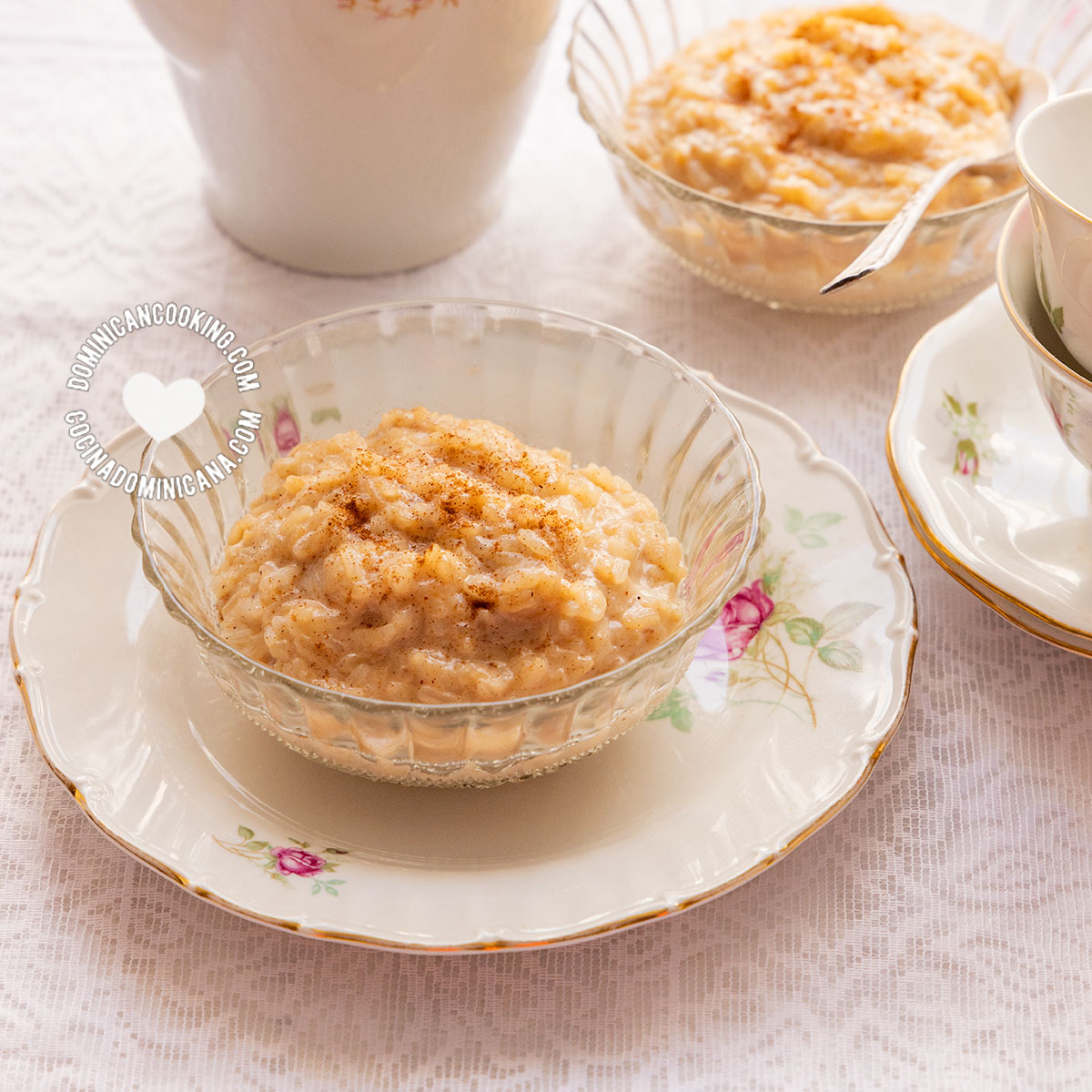
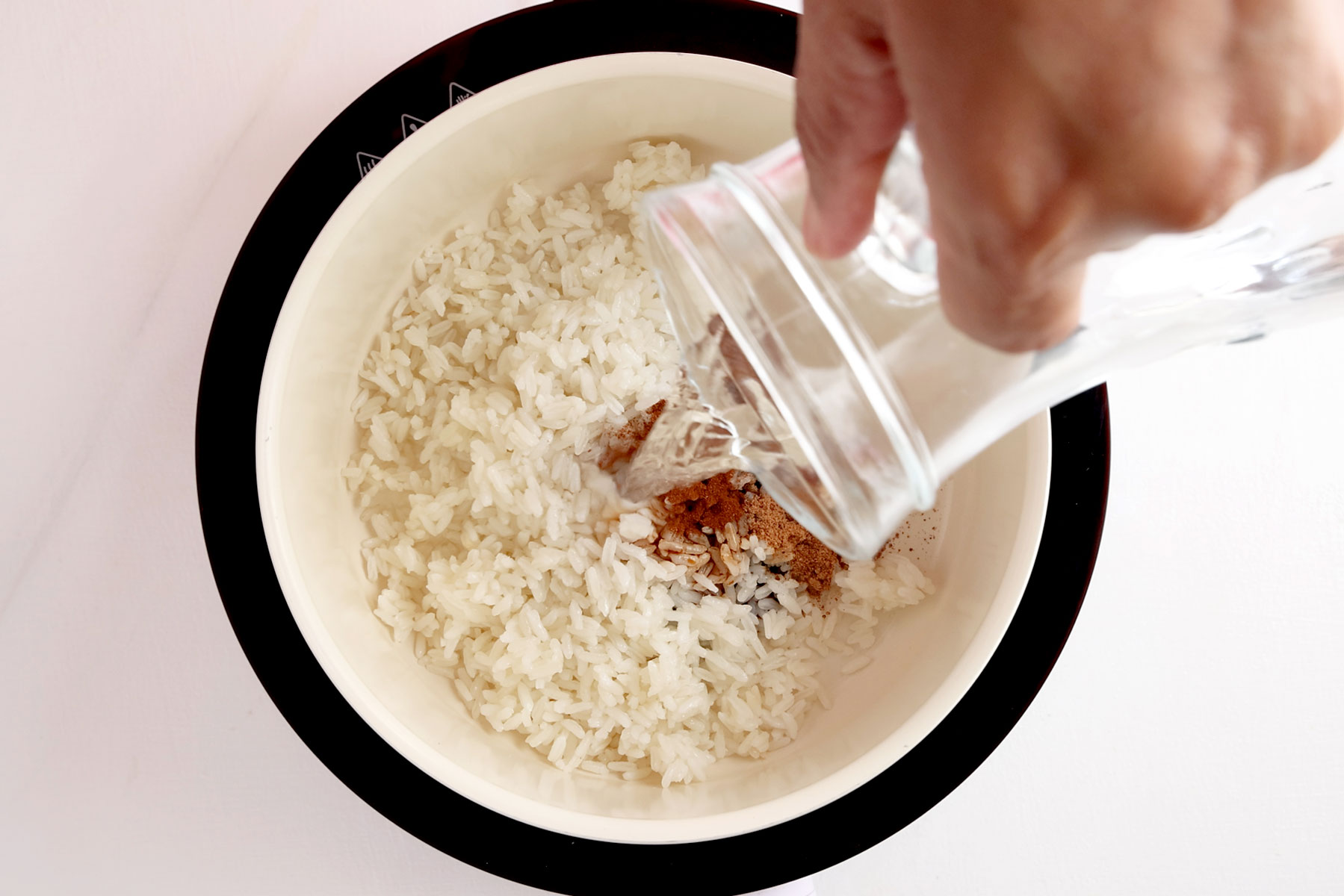
Instead of traditional whole spices that require prolonged steeping to impart flavor, Gonzalez incorporates ground spices into the mixture. This adjustment allows the aromatic notes of cinnamon and nutmeg to disperse and absorb rapidly throughout the dish. Consequently, the ground spices impart a slightly darker hue to the finished pudding compared to the pale, ivory appearance of traditional versions, but they deliver an immediate and robust flavor infusion.
Furthermore, the substitution of standard granulated sugar and fresh milk with condensed milk serves a dual purpose. Condensed milk introduces the necessary sweetness while simultaneously acting as a thickening agent, significantly shortening the time required to achieve a rich, velvety texture on the stovetop. The resulting dish yields approximately four servings from just over a cup of leftover white rice, making it an efficient option for small households looking to repurpose surplus ingredients.
Nutritional Profile and Dietary Considerations
While arroz con leche is celebrated for its comforting flavors and high satiety, nutritional analyses of traditional and modified sweet rice dishes highlight their dense caloric and carbohydrate content. According to standard recipe calculations, a single serving of this leftover-rice variation contains approximately 708 kilocalories, driven primarily by carbohydrates and dairy fats.
The nutritional breakdown for a standard serving includes:
- Calories: 708 kcal
- Carbohydrates: 116 g
- Sugars: 69 g
- Protein: 16 g
- Total Fat: 20 g (with 12 g of saturated fat)
- Sodium: 841 mg
- Calcium: 555 mg
Nutritionists and culinary experts note that while the dish provides significant amounts of calcium and iron—largely contributed by the dairy components—its elevated sugar and carbohydrate content suggests it is best consumed as an occasional treat. For individuals managing dietary restrictions such as lactose intolerance or diabetes, alternative milks and sugar substitutes can be integrated, though modifications may alter the final texture and cooking time.
Broader Economic and Cultural Implications
The popularization of repurposing leftover staples like white rice intersects with contemporary discussions surrounding food sustainability and economic pragmatism in the kitchen. Globally, food waste remains a critical challenge, with household kitchens contributing a significant share of discarded edible goods. In many traditional cultures, however, minimizing waste was born out of economic necessity rather than modern environmentalism.
In countries where rice is a daily dietary staple, large batches are routinely prepared to accompany multiple meals. Finding creative ways to transform savory side dishes into sweet courses exemplifies a sustainable culinary philosophy that has sustained households across generations. Food historians emphasize that recipes like leftover-rice arroz con leche represent the resilience and creativity of home cooks who turned potential leftovers into anticipated delicacies.
Beyond its practical applications, the dish holds strong emotional resonance for many within the Latino diaspora. Food acts as a primary vehicle for cultural memory, and simple comfort foods often evoke strong nostalgia tied to familial heritage and childhood experiences. By documenting and sharing these ancestral recipes through digital platforms, creators like Gonzalez help preserve intangible cultural heritage for younger generations who may navigate increasingly fast-paced lifestyles.
Serving Suggestions and Complementary Culinary Uses
The versatility of the finished dish allows it to be served according to individual preference, either warm directly from the stove or thoroughly chilled from the refrigerator. While Gonzalez’s traditional family recipe omits raisins—a polarizing ingredient in many rice pudding traditions—home cooks retain the flexibility to incorporate them or other mix-ins, such as shredded coconut, citrus zest, or a dusting of ground cinnamon upon plating.
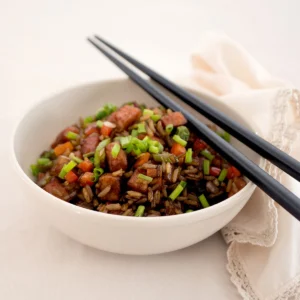
In the broader context of Dominican and Caribbean cooking, leftover white rice remains one of the most versatile ingredients in the pantry. Alongside sweet preparations like rice pudding, surplus rice is frequently utilized in savory dishes such as Chofán (Dominican-style fried rice), yellow rice variations (arroz amarillo), simple rice salads (ensalada de arroz), or pan-fried into crispy rice cakes.
As modern consumers increasingly seek out quick, budget-friendly recipes that honor traditional flavors, the adaptation of classic comfort foods using everyday leftovers offers a sustainable blueprint for the contemporary kitchen. Through practical techniques and a reverence for culinary roots, simple kitchen surplus continues to find new life on the dinner table.
Related posts: