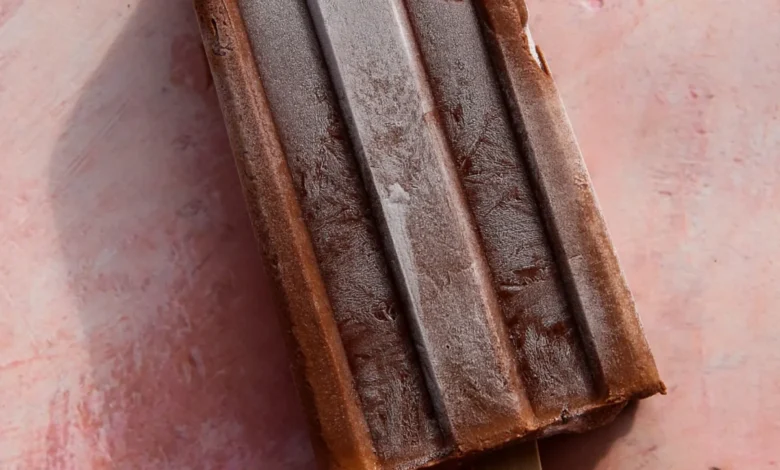
The quest for the perfect summer dessert often leads to cravings for something cool, sweet, and undeniably satisfying. In the realm of frozen treats, paletas, the beloved Mexican ice pops, hold a special place. This article delves into the creation of exceptionally easy and delicious vegan chocolate paletas, a recipe that promises a rich, creamy, and dairy-free indulgence, perfect for any occasion, especially during the warmer months. The simplicity of the preparation, requiring just a few core ingredients and a blender, makes these paletas an accessible delight for home cooks of all skill levels.
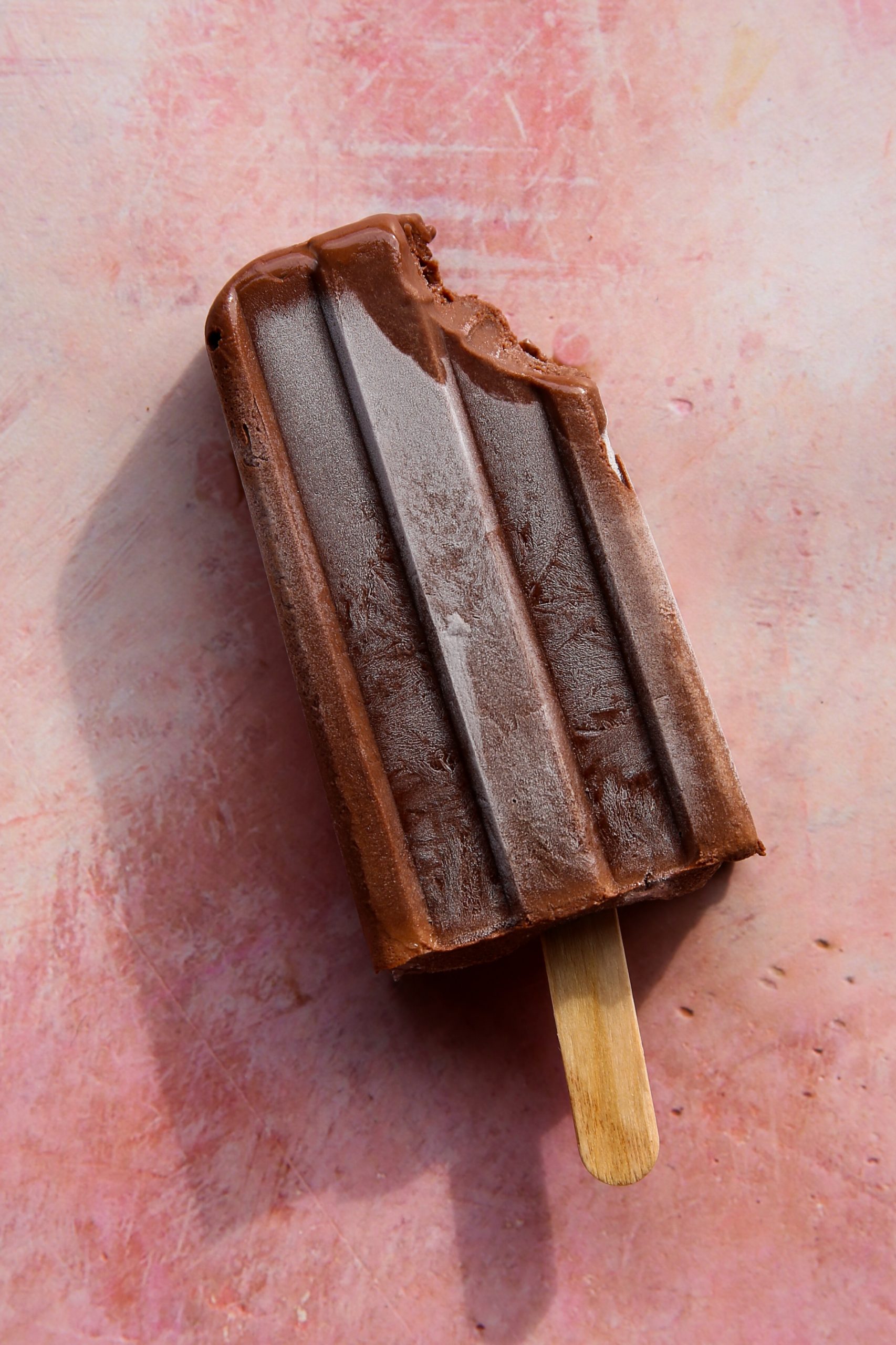
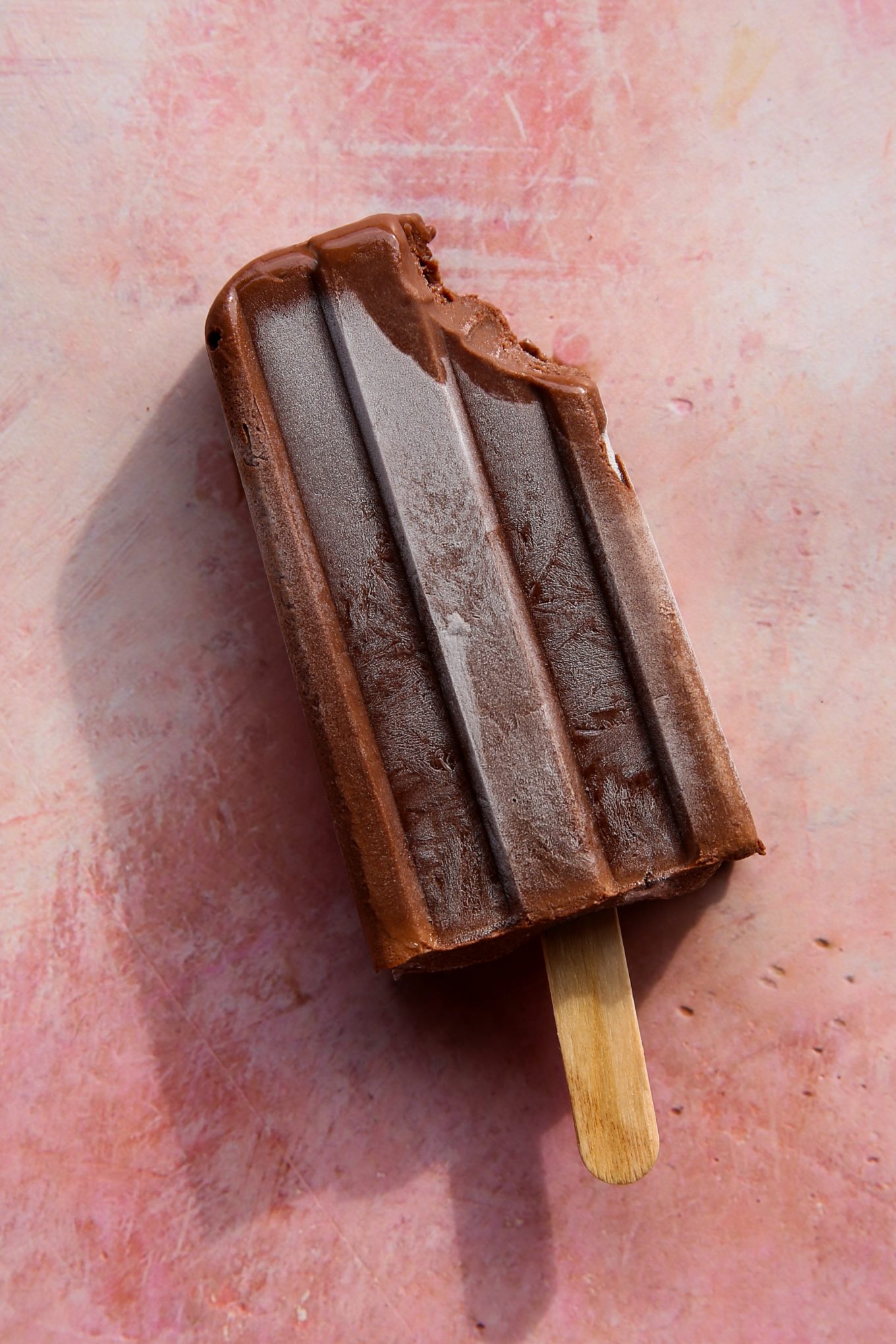
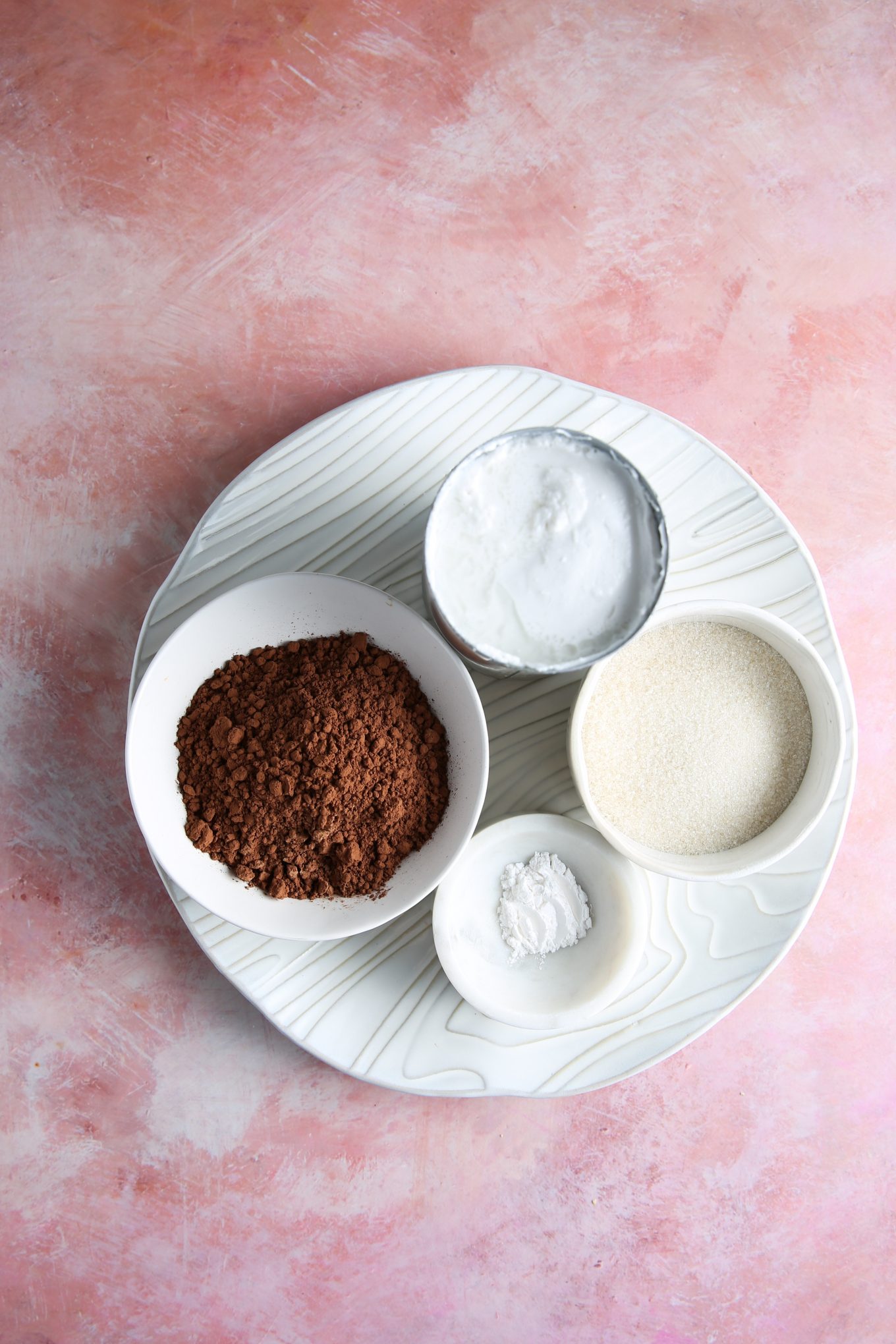
The foundation of these delightful frozen treats lies in a harmonious blend of high-quality cocoa powder, full-fat coconut milk, a touch of sweetener, and cornstarch to achieve a luxuriously smooth and creamy texture. This combination bypasses the need for traditional dairy, offering a plant-based alternative that doesn’t compromise on flavor or mouthfeel. The visual appeal is equally captivating, with images showcasing the paletas’ deep chocolate hue, invitingly smooth surface, and sometimes even tempting bite marks that hint at their irresistible quality.
The Genesis of a Simple, Delicious Treat
The core philosophy behind this vegan chocolate paleta recipe is its straightforward approach. The process begins with combining all the necessary ingredients in a blender. The key to achieving the desired creamy texture, as highlighted in the recipe’s instructional notes, is the temperature of the water used. It is crucial to use room temperature water. When coconut milk or coconut oil, both rich in fats, are combined with cold water or ice, the fats can solidify, leading to small, undesirable pockets of oil that alter the final texture. By maintaining a consistent, warmer temperature, the fats remain emulsified, ensuring a silky-smooth consistency throughout the paletas.
Once the mixture is thoroughly blended and integrated, it is then poured into paleta molds. The molds are then placed in the freezer for approximately four hours, or ideally, overnight, allowing them to set into perfectly frozen, delectable treats. This minimal hands-on time, coupled with the relatively short chilling period, positions these vegan chocolate paletas as an ideal last-minute dessert solution or a regular fixture in any summer rotation.
Understanding the Ingredients and Their Role
The selection of ingredients is paramount to the success of this recipe.
- Cocoa Powder: The quality of the cocoa powder significantly impacts the depth and richness of the chocolate flavor. Opting for a high-quality unsweetened cocoa powder will provide a more intense chocolate experience.
- Full-Fat Coconut Milk: This is the cornerstone of the paletas’ creamy texture and vegan nature. Full-fat coconut milk, from a can, contains a higher percentage of fat, which is essential for achieving that desirable smooth, almost ice-cream-like consistency once frozen. It’s important to use the entire contents of the can, including the thick cream that often separates at the top.
- Sweetener: The recipe calls for sugar, but the type and amount can be adjusted to personal preference. Other vegan sweeteners like maple syrup or agave nectar can also be used, though they might slightly alter the final texture and color.
- Cornstarch: This is the secret ingredient that elevates the paletas from simply frozen chocolate water to a truly creamy confection. Cornstarch acts as a thickener, preventing large ice crystals from forming during freezing and contributing to a smoother, more palatable texture.
A Closer Look at the Preparation Process
The blending stage is where the magic begins. All the ingredients are introduced into the blender, and the machine works its wonders to create a homogenous mixture. The visual cues during this process are important; one should aim for a smooth, lump-free liquid that has a rich, chocolatey aroma.
The crucial instruction regarding water temperature cannot be overstressed. The fats present in coconut milk are susceptible to solidifying when exposed to cold. This can result in a grainy or separated texture in the frozen paletas. By using room temperature water, the fats remain dispersed, leading to a consistently smooth and creamy final product. This scientific principle, rooted in the behavior of emulsions, is key to achieving a professional-quality result at home.
Tips and Variations for Paleta Perfection
While the base recipe is remarkably simple, several tips and variations can further enhance the paleta experience:
Tips for Optimal Texture and Flavor:
- Quality Ingredients: As mentioned, the quality of your cocoa powder and coconut milk will directly influence the final taste. Invest in good quality ingredients for the best results.
- Proper Blending: Ensure the mixture is blended until completely smooth. Any grittiness from the cocoa powder or cornstarch should be eliminated.
- Mold Selection: Using good quality paleta molds will make the de-molding process easier and can contribute to the final shape and presentation of your paletas.
- Freezing Time: While four hours is the minimum, allowing the paletas to freeze overnight will ensure they are completely solid and ready to enjoy.
- De-molding: To easily remove the paletas from their molds, briefly run the outside of the mold under warm water. This will loosen them without melting the paleta itself.
Fun Ways to Finish Your Paletas:
The basic vegan chocolate paleta is delicious on its own, but for an extra touch of indulgence, consider these finishing ideas:
- Chocolate Drizzle: Melt some vegan chocolate chips and drizzle them over the frozen paletas.
- Nutty Crunch: Roll the paletas in chopped nuts like almonds, pistachios, or walnuts for added texture and flavor.
- Coconut Flakes: A coating of toasted shredded coconut can add a delightful chewiness and tropical flair.
- Cacao Nibs: For a more intense chocolate flavor and a satisfying crunch, roll the paletas in cacao nibs.
- Edible Glitter or Sprinkles: For a festive touch, especially for celebrations, a sprinkle of edible glitter or vegan-friendly sprinkles can add a pop of color.
The Broader Context: Veganism and Frozen Desserts
The rise in popularity of vegan and plant-based diets has significantly influenced the dessert industry. Consumers are increasingly seeking delicious alternatives to traditional dairy-based treats, and recipes like these vegan chocolate paletas are at the forefront of this movement. The demand for such recipes is driven by a combination of ethical considerations, environmental awareness, and growing concerns about lactose intolerance and dairy allergies.
The accessibility of ingredients like coconut milk and cocoa powder, readily available in most supermarkets, further democratizes the creation of vegan desserts. This recipe, in particular, highlights that achieving a decadent and satisfying frozen dessert does not require complex techniques or hard-to-find items. It embodies the principle of mindful eating, allowing individuals to enjoy a sweet treat that aligns with their dietary choices without sacrificing taste or pleasure.
Nutritional Insights and Approximate Values
While precise nutritional information can vary based on specific ingredients and brands used, the recipe provides an approximate breakdown per serving (one paleta):
- Calories: Approximately 127 kcal
- Carbohydrates: 14g
- Protein: 2g
- Fat: 9g
- Saturated Fat: 8g
- Fiber: 1g
- Sugar: 10g
These values indicate that the paletas are a relatively low-calorie, moderate-carbohydrate, and low-protein treat. The fat content is primarily from the coconut milk, with a significant portion being saturated fat. However, it’s important to note that the saturated fat in coconut milk is largely composed of medium-chain triglycerides (MCTs), which are metabolized differently by the body compared to other types of saturated fats. The sugar content can be adjusted by modifying the amount of sweetener used.
Conclusion: A Refreshing Take on a Classic
The vegan chocolate paletas recipe offers a compelling solution for anyone seeking a simple, delicious, and dairy-free frozen dessert. Its ease of preparation, minimal ingredient list, and potential for customization make it an ideal choice for summer gatherings, a weeknight indulgence, or a healthy way to satisfy a chocolate craving. By understanding the science behind achieving a creamy texture, particularly the role of water temperature, home cooks can confidently replicate this delightful treat. As the culinary landscape continues to embrace plant-based options, recipes like these pave the way for guilt-free enjoyment, proving that deliciousness and dietary consciousness can go hand in hand.
Related posts: