Traditional Winter Melon Stir Fry Brings Umami-Rich Chinese Home Cooking to Modern Kitchens

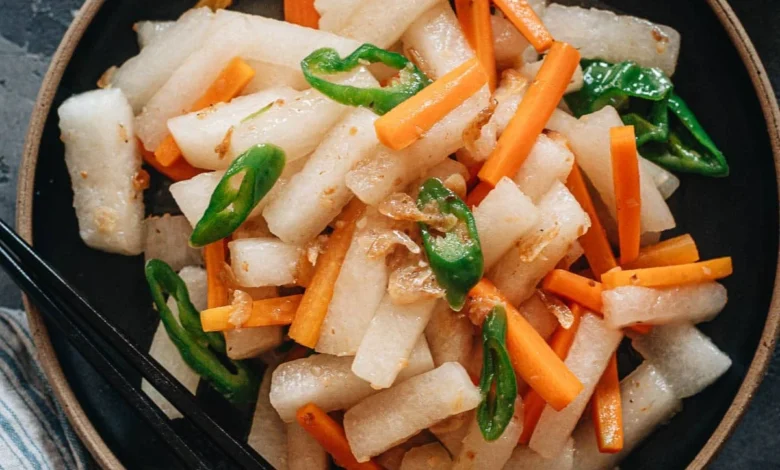
The global culinary landscape continues to embrace authentic regional home-cooking techniques, with traditional Chinese side dishes gaining significant traction among home chefs seeking quick, nutrient-dense meal components. Among these, winter melon stir-fry—a staple of northern Chinese households during colder months—has emerged as a versatile subject of culinary interest. Valued for its unique texture and ability to absorb complex flavors, this 15-minute preparation transforms a notoriously mild gourd into a deeply savory, umami-forward dish through the strategic application of dried seafood and aromatics.

Culinary Roots and Historical Background
Winter melon, scientifically known as Benincasa hispida, is a large fruit native to Southeast Asia and widely cultivated across China and India. Despite its English moniker, the gourd is actually harvested during the summer months, but its exceptionally thick waxy coating allows it to be stored for extended periods, making it a reliable source of fresh vegetable nutrition well into the winter. Historically, Chinese culinary traditions favored winter melon primarily for slow-simmered soups, prized in traditional dietary therapy for their cooling properties and hydrating qualities.
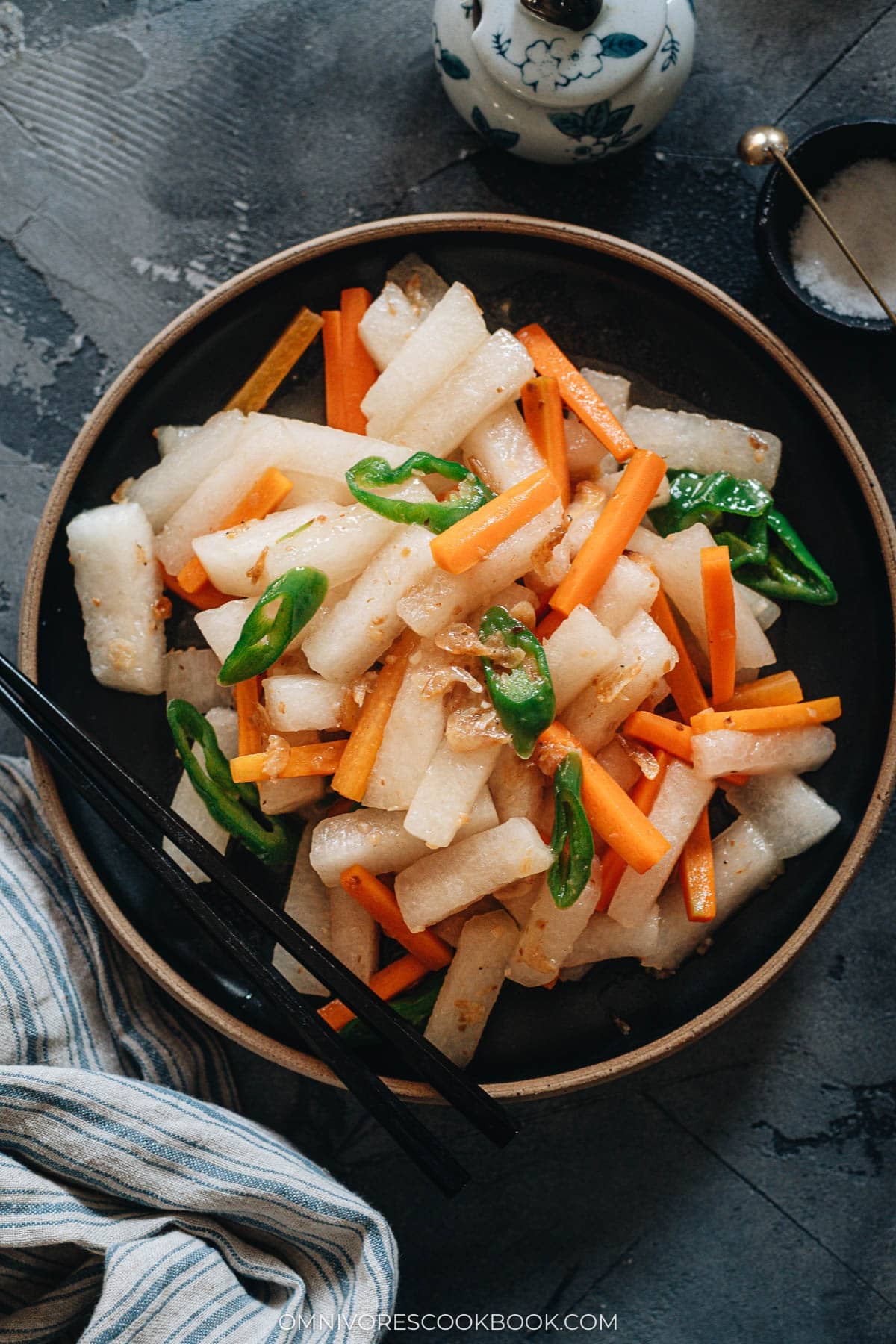
However, domestic culinary practices in regions such as Beijing evolved to incorporate fast-cooking methods, particularly stir-frying, to accommodate busy weeknight schedules. Families historically paired the neutral-tasting gourd with pantry staples like cured meats and small dried shrimp to maximize flavor without the need for complex, time-consuming sauces. This historical adaptation highlights a core principle of traditional Chinese homestyle cooking: utilizing high-umami preserved ingredients to elevate inexpensive, seasonal produce.
Anatomical Preparation and Culinary Science
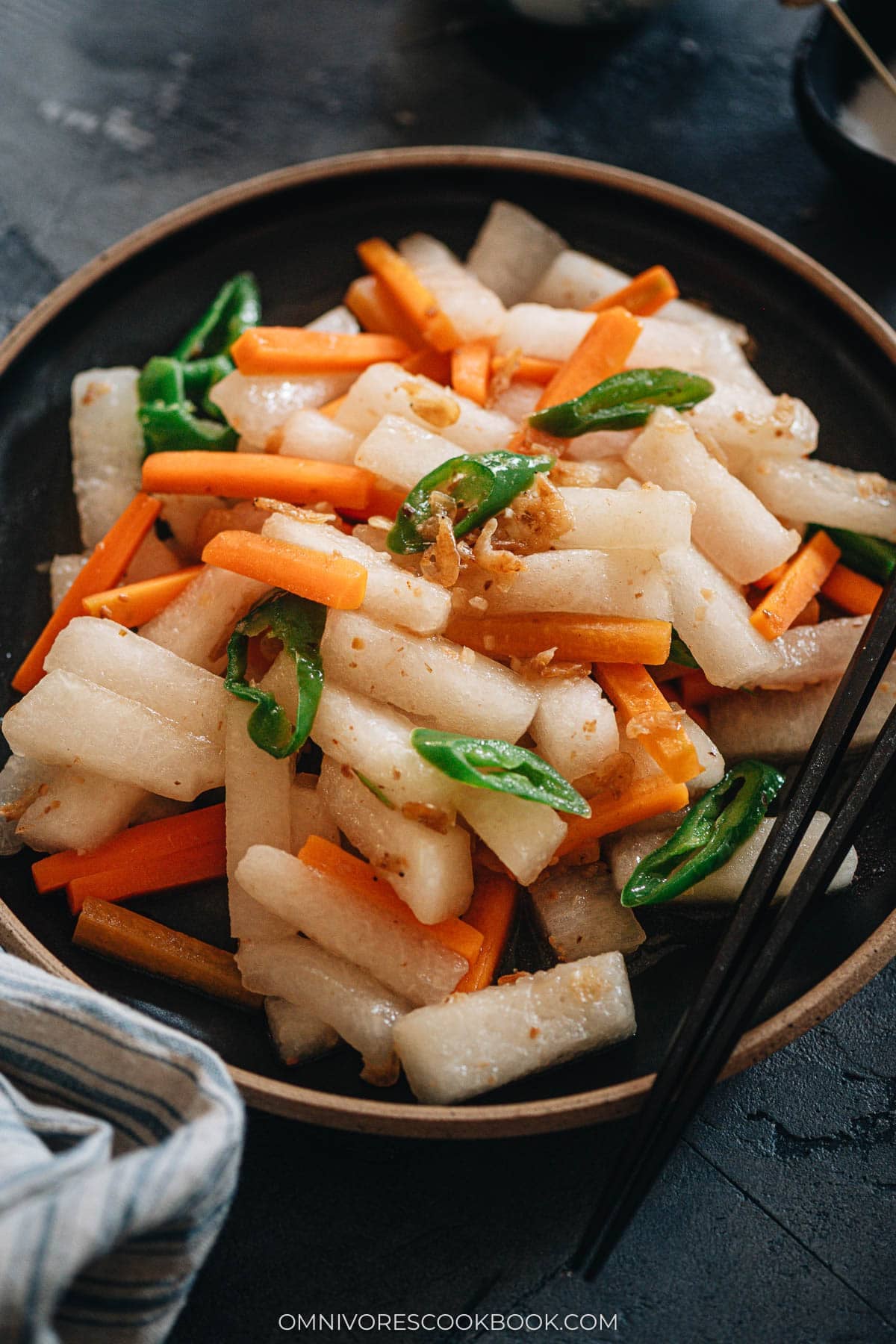
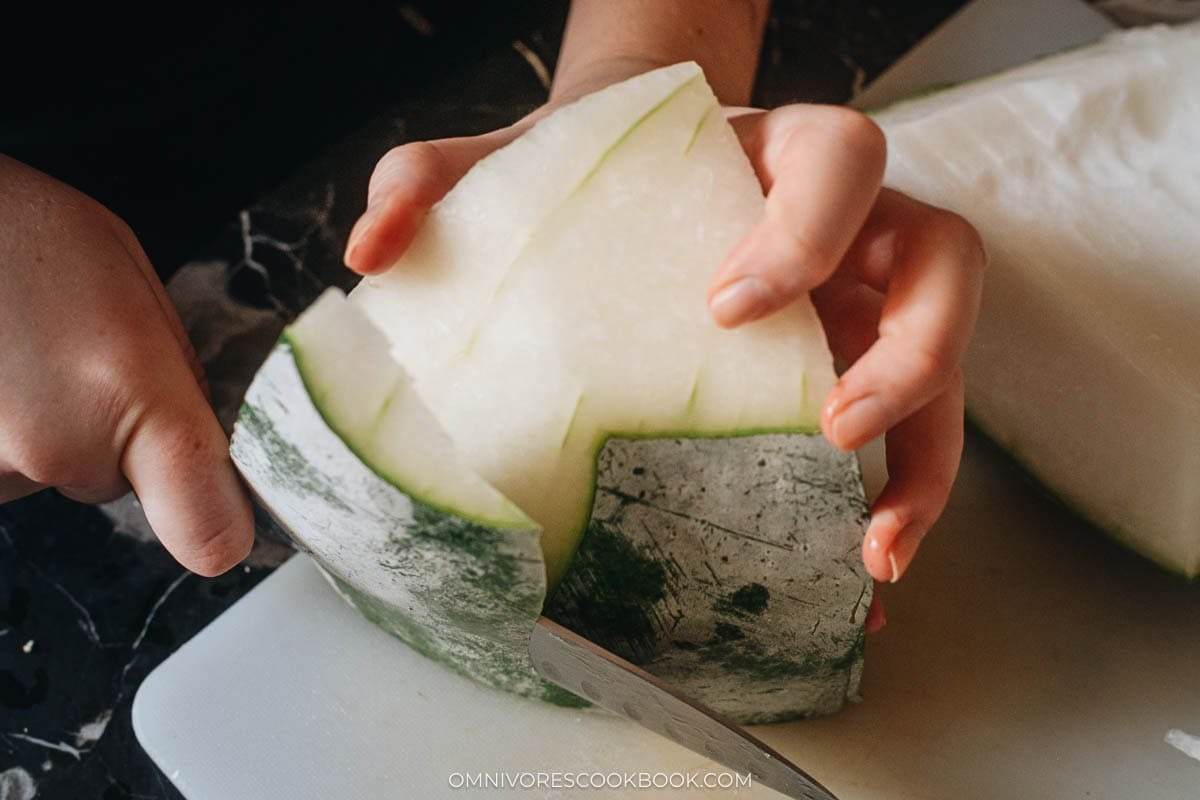
The successful execution of winter melon stir-fry depends heavily on precise preparation and a strict understanding of the vegetable’s cellular structure. Culinary experts emphasize that the flesh immediately beneath the tough outer skin contains dense, fibrous tissue that remains unpleasantly chewy if not properly removed. Consequently, professional and home kitchens alike mandate a knife-peeling technique rather than standard vegetable peelers, ensuring a depth of approximately a quarter-inch is removed.
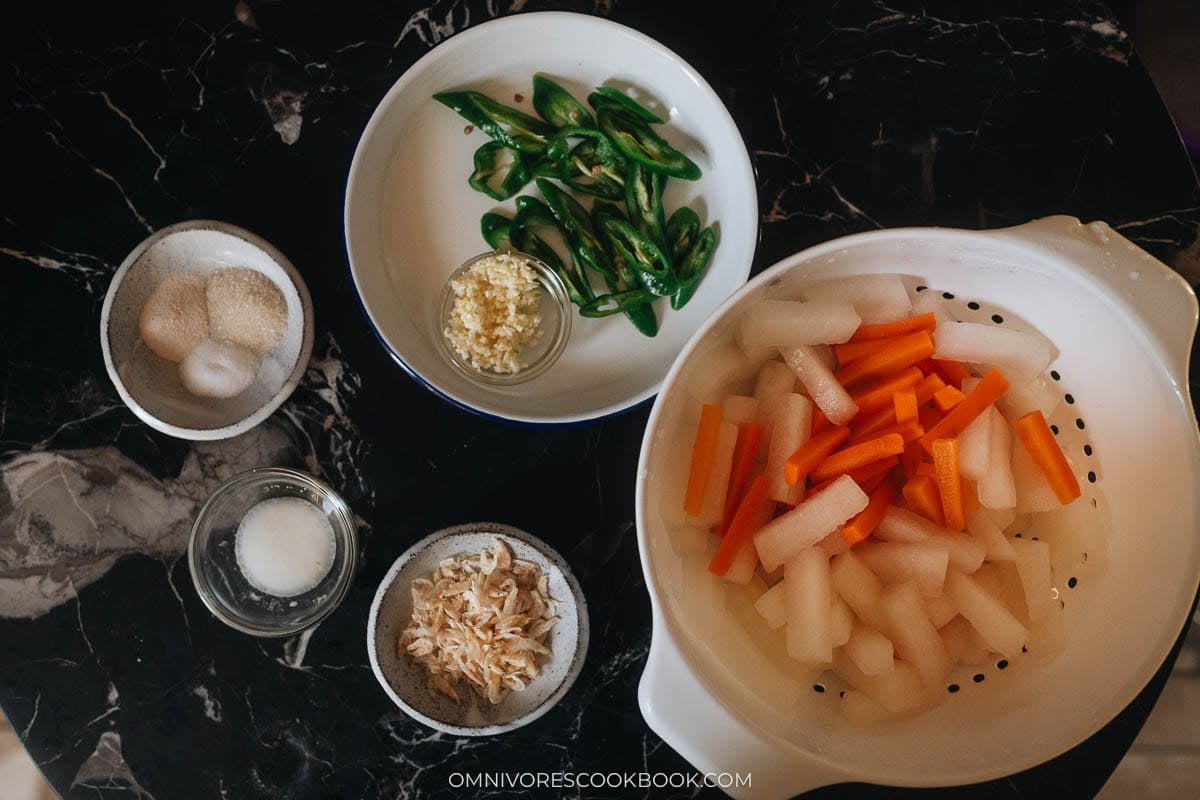
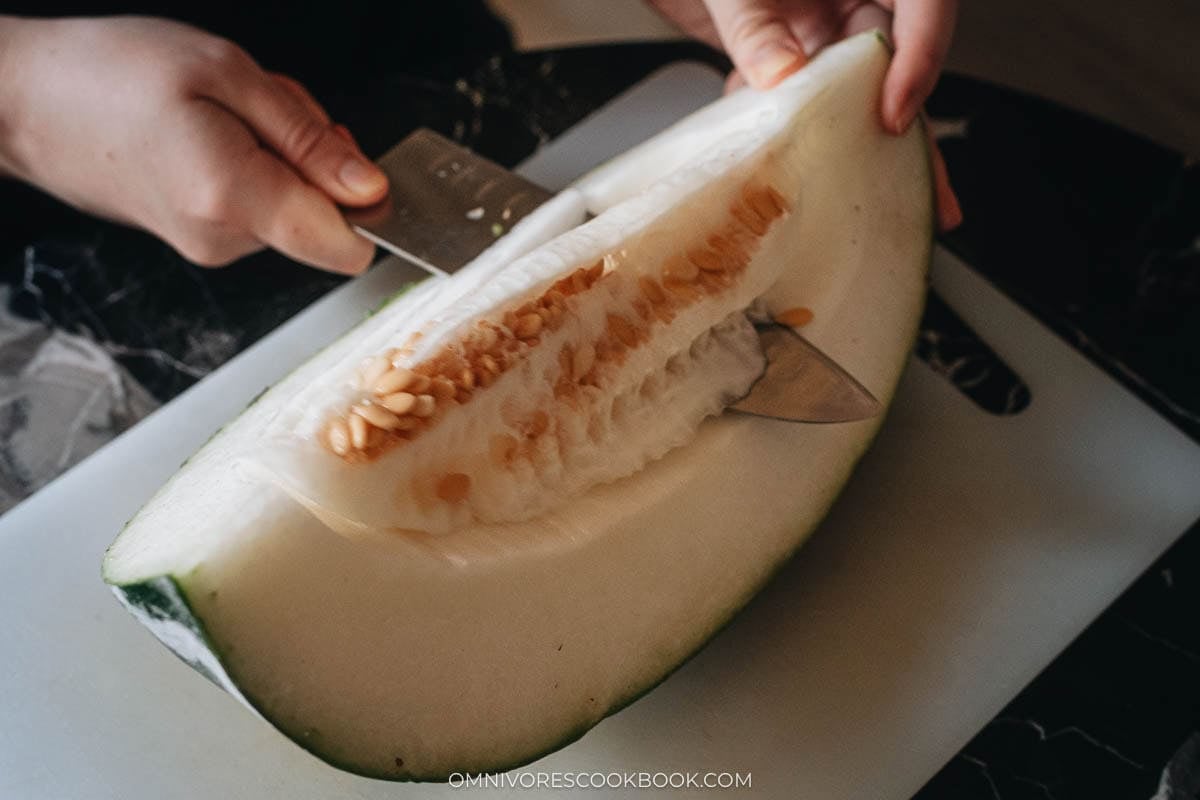
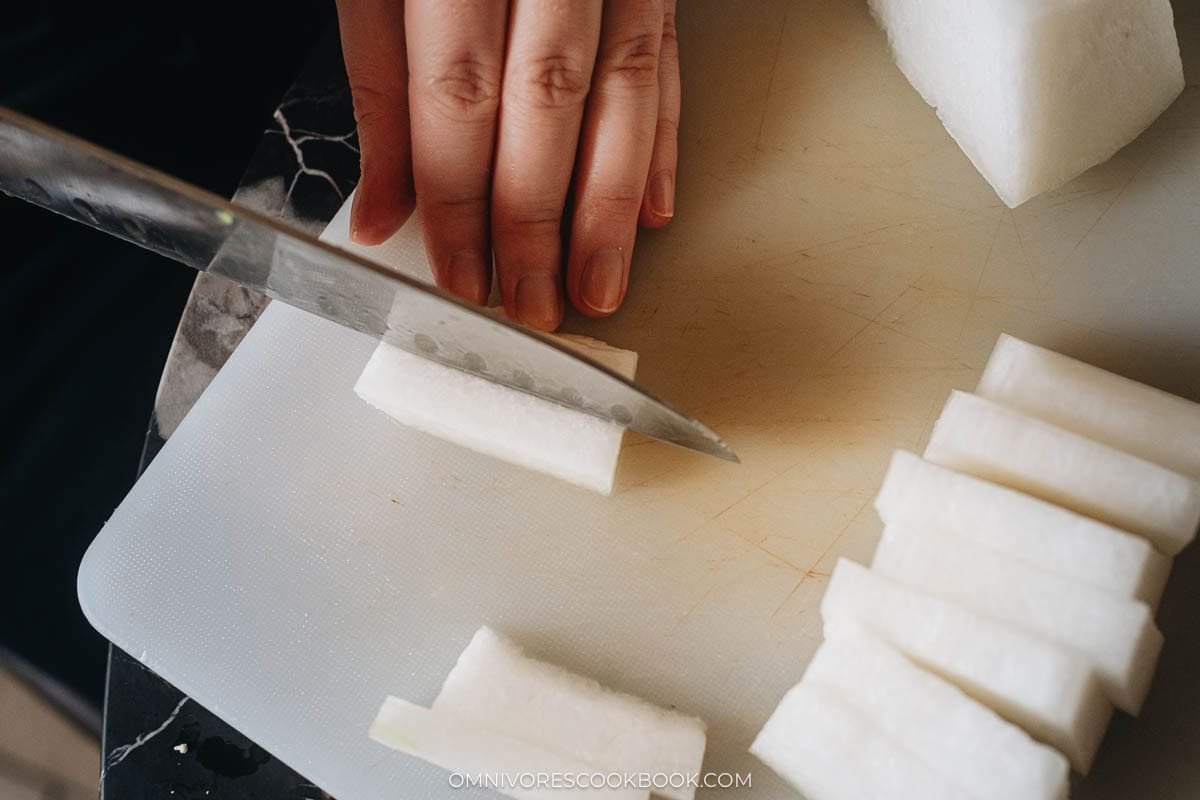
Once deseeded and cut into uniform 2-inch batons to match accompanying ingredients like carrots, the melon undergoes a crucial blanching phase. Food scientists and experienced chefs note that blanching briefly softens the rigid pectin structures within the melon cells, halting the cooking process with a cold water rinse prevents the vegetable from turning translucent and mushy during the subsequent high-heat stir-fry.
The Integration of Papery Dried Shrimp
At the core of the dish’s distinct flavor profile is the use of xiaopi, or papery dried shrimp. Unlike larger varieties of dried seafood that require hours of rehydration, these microscopic, thin-shelled shrimp are treated similarly to aromatic herbs and spices. When introduced to hot oil at the beginning of the cooking sequence, the shrimp rapidly render their residual moisture and release concentrated marine umami compounds into the fat.

Food analysts observe that this technique serves as an efficient flavor-building mechanism, bypassing the need for complex sauce reductions. For kitchens lacking access to Asian specialty markets where papery shrimp are readily available, culinary alternatives include standard dried shrimp subjected to prolonged soaking or plant-based substitutes such as mushroom powder supplemented with sea salt to replicate the desired salinity and depth.
Nutritional Profile and Dietary Implications
Nutritional analyses of winter melon highlight its exceptional health profile, particularly for individuals managing caloric intake or specific dietary restrictions. A standard serving of the stir-fry contains approximately 128 kilocalories, 4.5 grams of protein, and a mere 4 grams of fat, aligning with global dietary guidelines favoring low-calorie, nutrient-dense side dishes.
Furthermore, the natural composition of winter melon features a high water content and substantial dietary fiber—nearly 3 grams per serving—alongside significant levels of potassium and vitamin C. Because the recipe relies on natural aromatics, mushroom powder, and a light cornstarch slurry rather than heavy, oil-based emulsions or gluten-containing soy additives, the dish naturally satisfies contemporary consumer demand for gluten-free and heart-healthy culinary options.
Broader Economic and Market Trends
The growing popularity of traditional winter melon recipes reflects broader shifts in home economics and global food consumption. As international consumers increasingly seek out authentic, immigrant-rooted recipes via digital platforms, specialized Asian ingredients—once confined to regional Chinatowns—have seen expanded distribution through mainstream e-commerce channels like Amazon and regional supermarket chains.
Culinary educators and cookbook authors emphasize that recipes utilizing shelf-stable components like dried shrimp and long-storing gourds appeal directly to modern consumers looking to minimize food waste while maximizing flavor complexity. By bridging historical preservation methods with fast-paced contemporary cooking techniques, dishes like winter melon stir-fry demonstrate the enduring viability of traditional gastronomy in modern global households.