The Ultimate Guide to Making Homestyle Pork and Shrimp Wonton Soup at Home

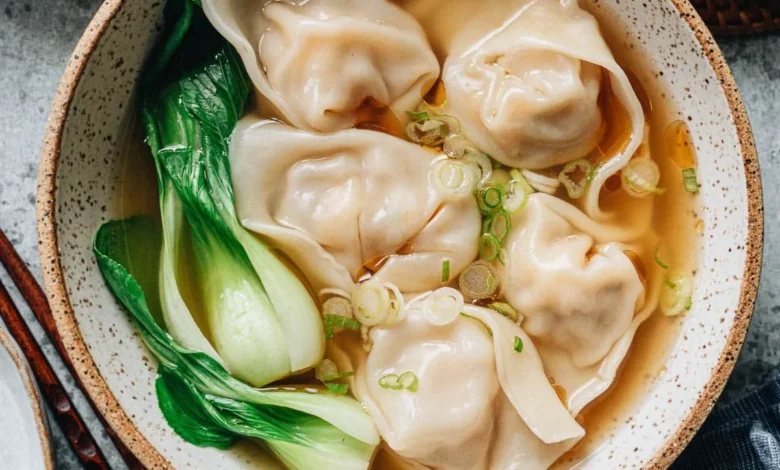
Comfort food enthusiasts and culinary historians alike have long recognized wonton soup as a cornerstone of traditional Chinese comfort cuisine. As home cooking trends increasingly prioritize approachable, freezer-friendly meal solutions, modern culinary platforms have refined classic recipes to balance authenticity with weeknight practicality. Recent updates to popular culinary guides highlight a streamlined approach to crafting homestyle pork and shrimp wonton soup, emphasizing the delicate interplay between a bouncy, handcrafted protein filling and a clear, ginger-infused chicken broth.
Historical Evolution and Culinary Context of Wonton Soup
Wontons trace their origins back centuries in China, traditionally enjoyed as a festive food or a hearty street-food staple. Over generations, regional variations emerged across the country, distinguishing the hearty, intensely savory bowls of Shanghai from the delicate, clear-broth renditions favored in Cantonese cuisine.
While street-vendor iterations often rely on deeply concentrated broths seasoned with dried seafood and seaweed, contemporary home-cooking adaptations focus on cleaner flavor profiles. By infusing premium chicken stock with fresh ginger, cooks can achieve a bright, aromatic base that complements rather than overpowers the main attraction: the wontons themselves. This evolution reflects a broader movement in global home cooking toward recipes that marry traditional flavor integrity with efficient preparation methods.
Anatomy of the Dish: Ingredients and Flavor Profile
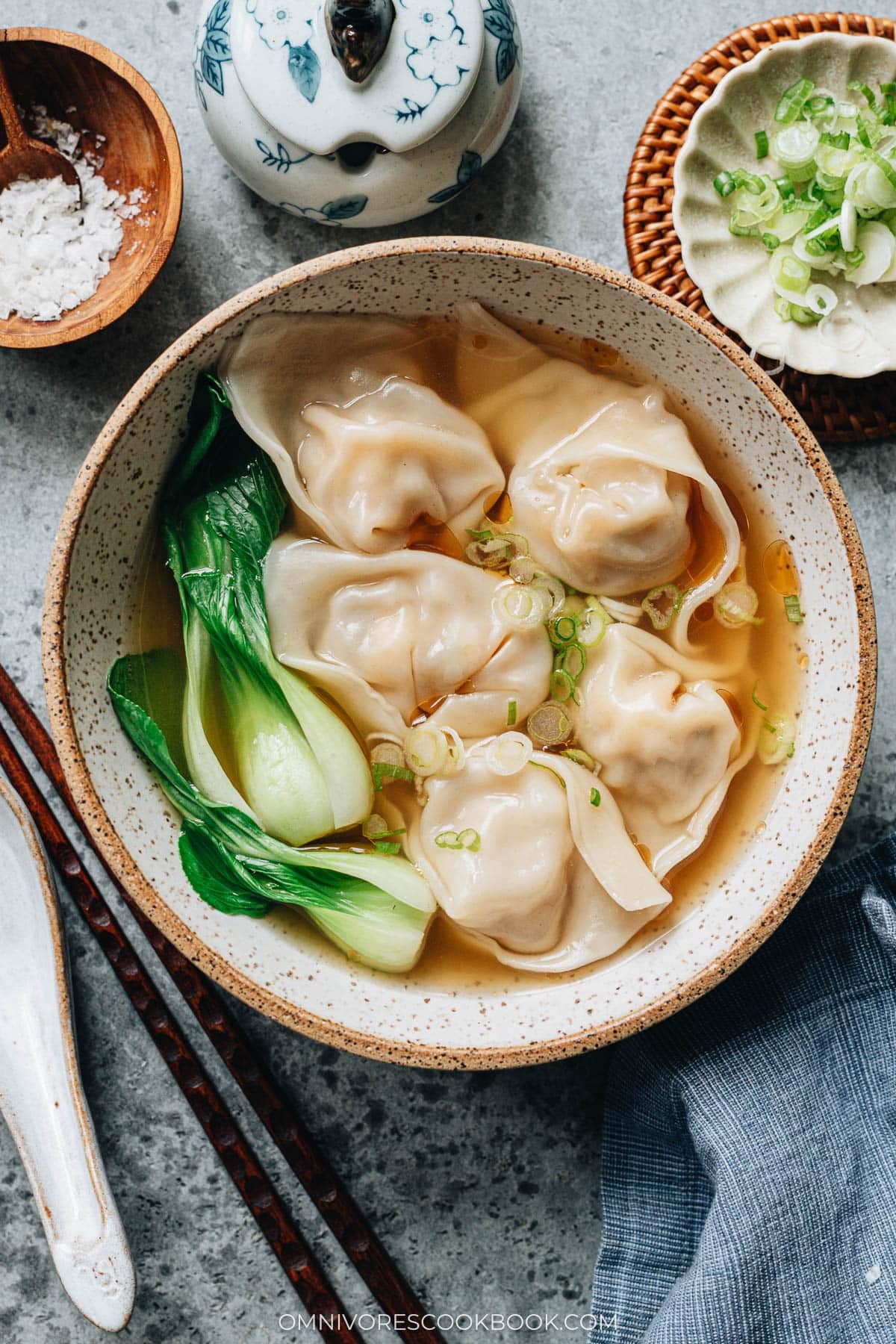
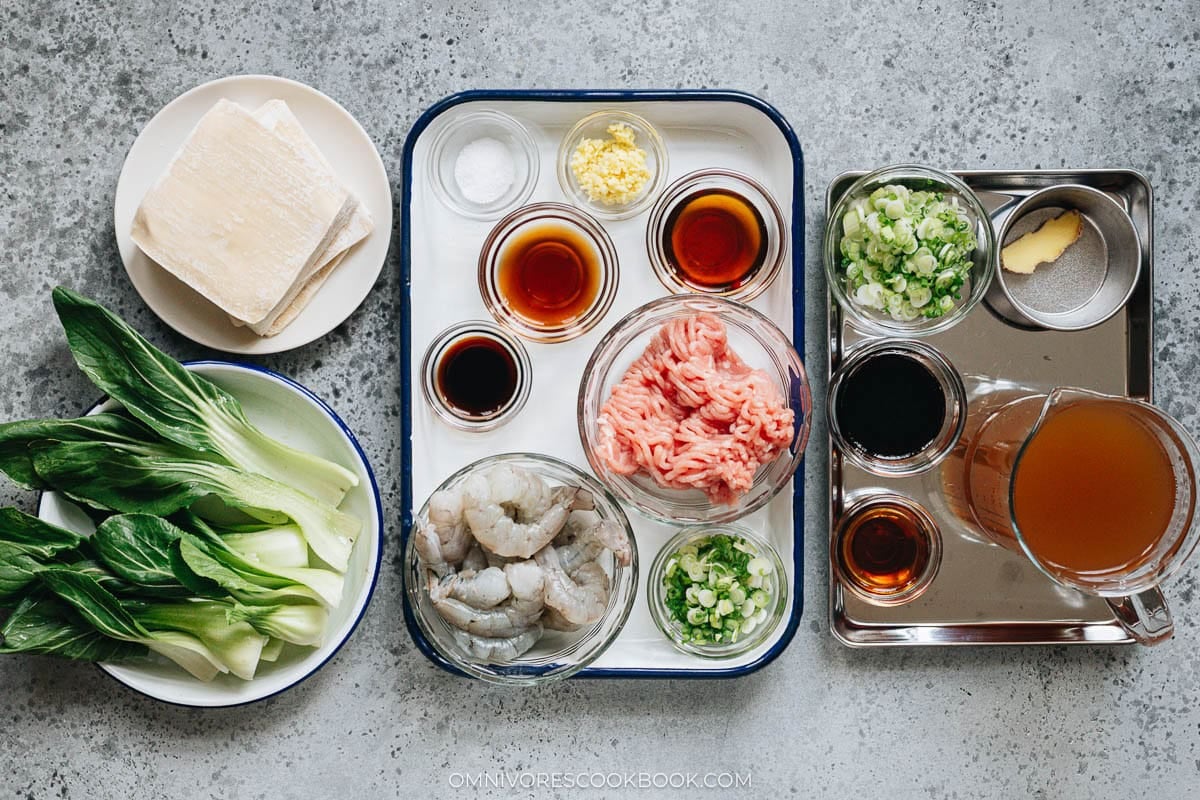
A successful bowl of wonton soup relies on precise ingredient selection, particularly regarding the protein filling and the broth base. Culinary experts consistently advocate for a dual-protein filling utilizing a 1:1 ratio of ground lean pork and finely diced shrimp.
- The Filling: Combining pork and shrimp yields a complex textural profile. The pork provides natural juiciness and rich flavor, while the diced—rather than pureed—shrimp imparts a characteristic springy or "bouncy" texture highly prized in authentic dumpling preparation. Essential seasonings include minced ginger, scallions, light soy sauce, Shaoxing rice wine (with dry sherry serving as a viable alternative), sea salt, and a touch of sesame oil.
- The Wrappers: Utilizing commercially prepared wonton wrappers significantly reduces preparation time, making the dish viable for busy weeknight schedules without sacrificing culinary quality.
- The Broth and Greens: The broth remains intentionally simple, built upon simmered chicken stock infused with fresh ginger slices and finished with drops of soy sauce and sesame oil. Blanched baby bok choy and thinly sliced green onions complete the bowl, adding vital color, crunch, and nutritional balance.
Step-by-Step Preparation and Technique
Achieving restaurant-quality wonton soup at home requires attention to folding techniques and thermal management during cooking.
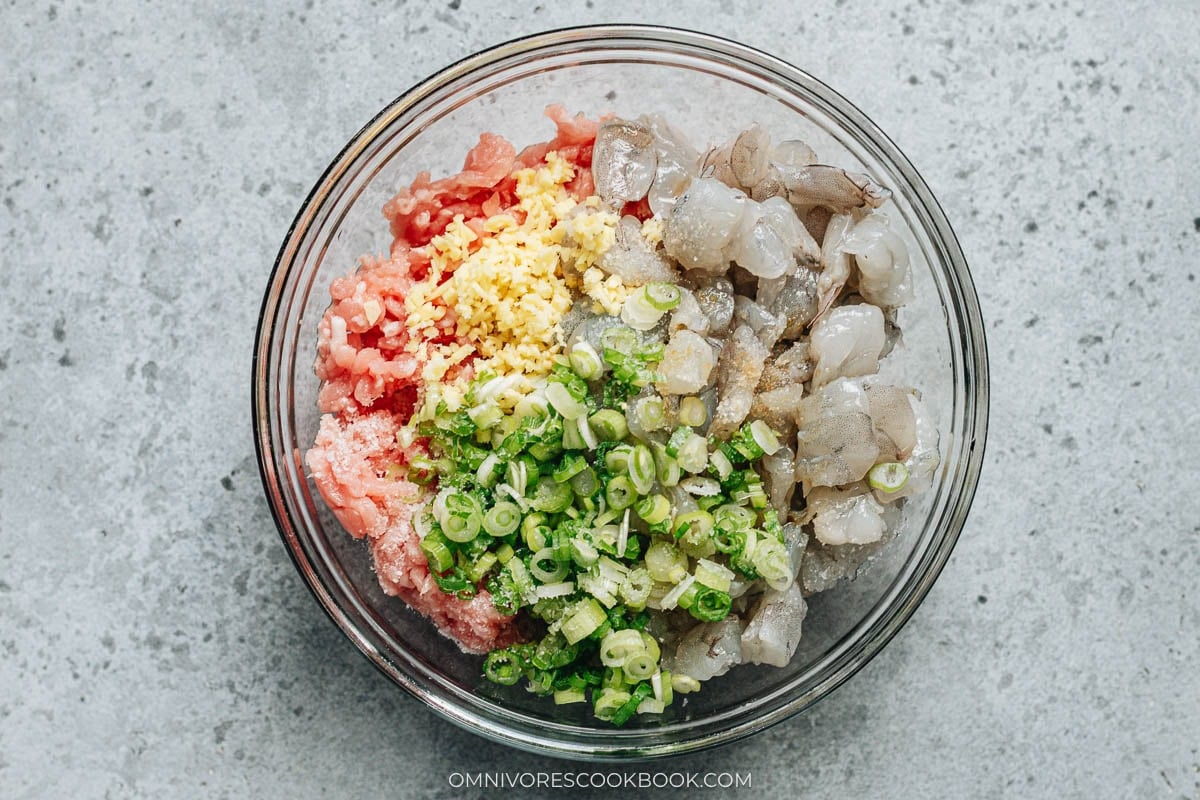
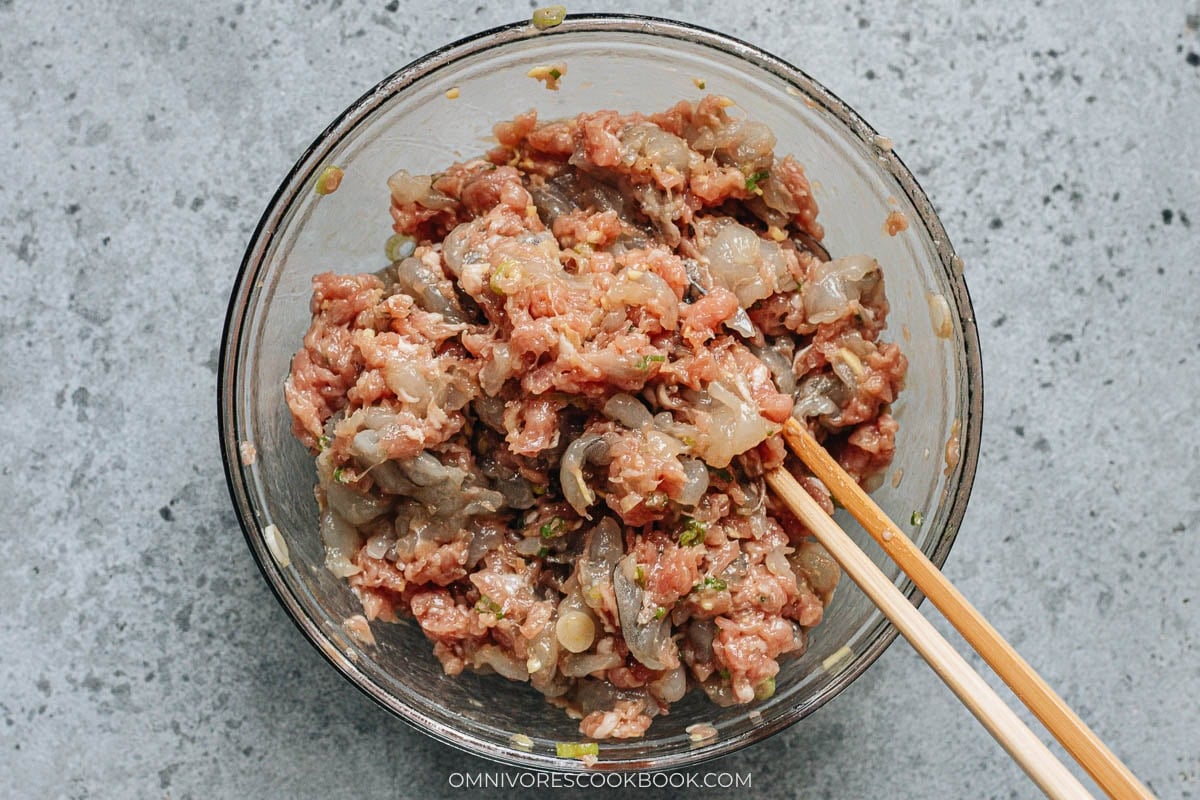
- Filling Preparation: Combine the ground pork, diced shrimp, aromatics, and liquid seasonings in a mixing bowl. Stir vigorously with a spatula or chopsticks until the mixture turns slightly sticky, ensuring the ingredients cohere properly during cooking.
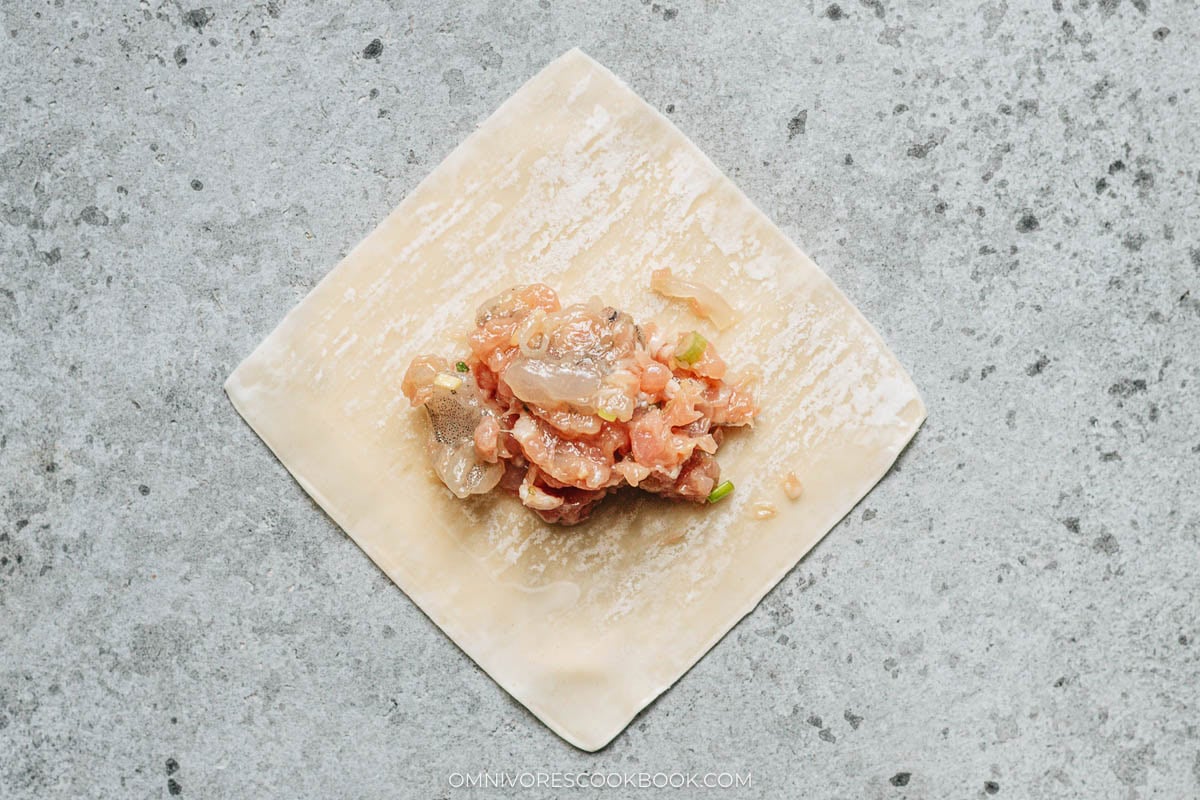
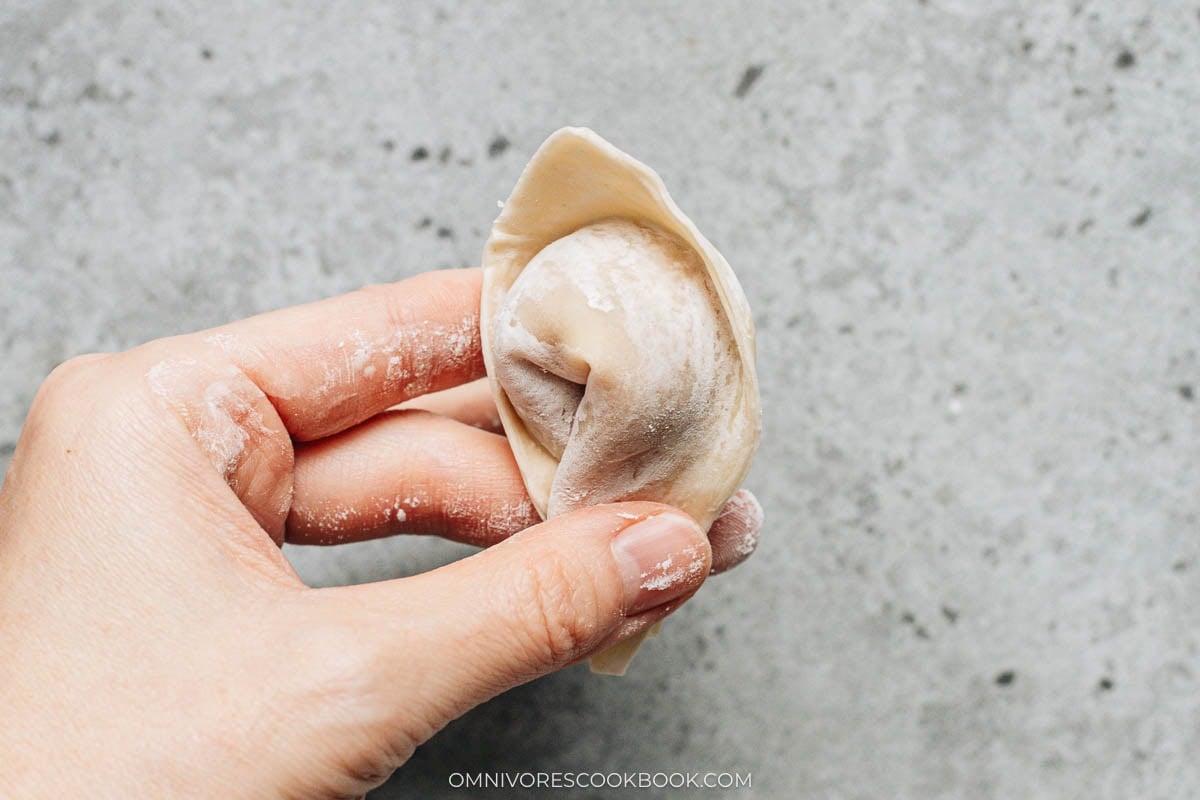
- The Wrapping Process: Maintain the moisture of the wonton wrappers by covering them with a damp paper towel. Place a small amount of filling (typically one to two teaspoons) in the center of a wrapper, moisten the edges with water, and fold it into a triangle. Squeeze out any trapped air pockets—a critical step to prevent the wrappers from bursting during boiling—before sealing the side corners together.
- Cooking Methodology: Professional culinary standards dictate boiling wontons in a separate pot of plain water rather than directly in the serving broth. This prevents the starch from the wrappers from clouding the clear soup. Wontons are submerged in a medium boil, stirred gently to prevent sticking, and cooked until they float and the internal protein is thoroughly heated—generally two to three minutes.
- Bowl Assembly: To ensure uniform seasoning, the base flavorings—soy sauce, sesame oil, and chopped scallions—are placed directly into the bottom of individual serving bowls before the hot, ginger-infused broth and cooked wontons are added.
Storage, Freezing, and Meal Planning Implications
From a nutritional and logistical standpoint, wonton soup offers high versatility for meal preparation. A standard serving provides approximately 259 kilocalories, 21.6 grams of protein, and 22.9 grams of carbohydrates, positioning it as a light yet macronutrient-dense dinner option.

Food safety and quality guidelines strongly recommend against cooking entire batches of wontons if leftovers are anticipated, as cooked wrappers tend to degrade in liquid over time. Instead, home cooks are advised to freeze uncooked wontons in a single layer on a tray before transferring them to airtight freezer bags. Properly stored, frozen wontons maintain optimal quality for up to one month and can be cooked directly from the freezer with a minor adjustment to boiling times.
Broader Culinary Impact
The enduring popularity of homestyle wonton soup underscores a shifting consumer preference toward interactive, scratch-cooking projects that yield freezer-ready convenience. By demystifying the folding and broth-making processes, culinary resources empower home cooks to replicate traditional dining experiences within their own kitchens. As families continue to seek out comforting, balanced meals that cater to both adults and children, versatile recipes like pork and shrimp wonton soup remain a timeless staple of modern domestic cuisine.