This post may contain affiliate links. Please read my privacy policy.
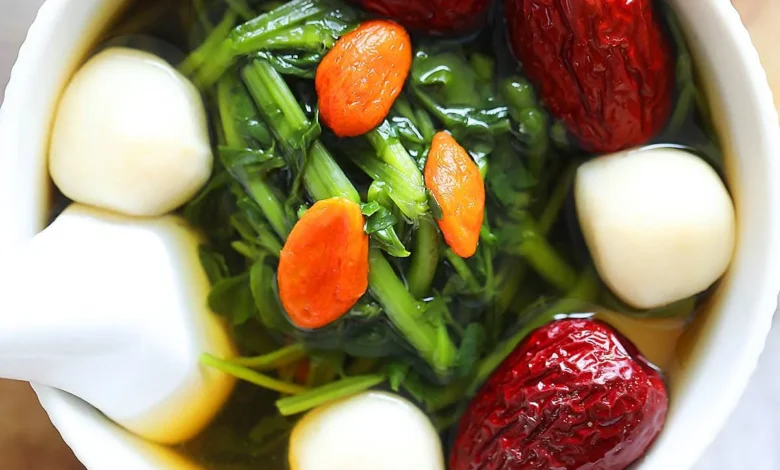
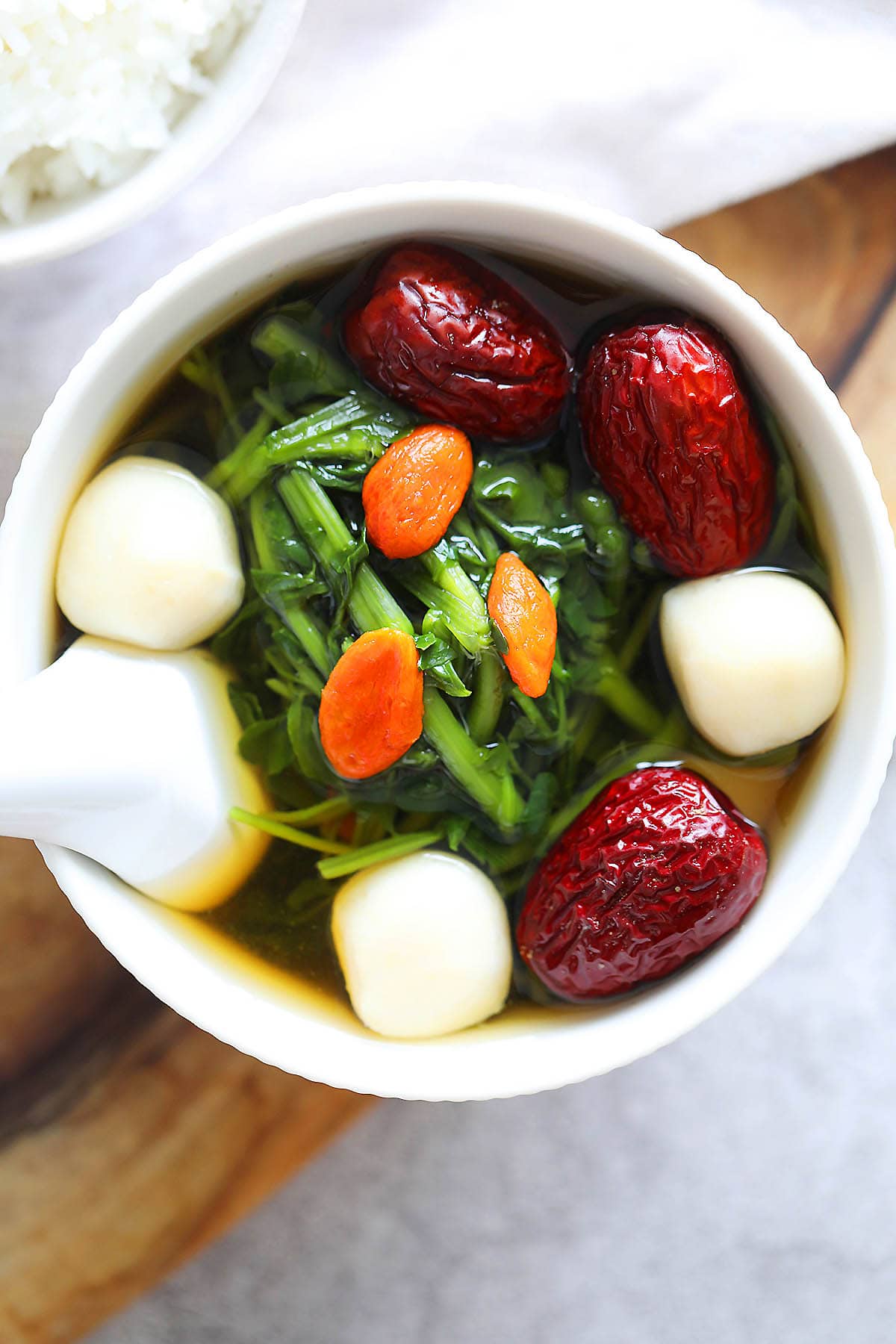
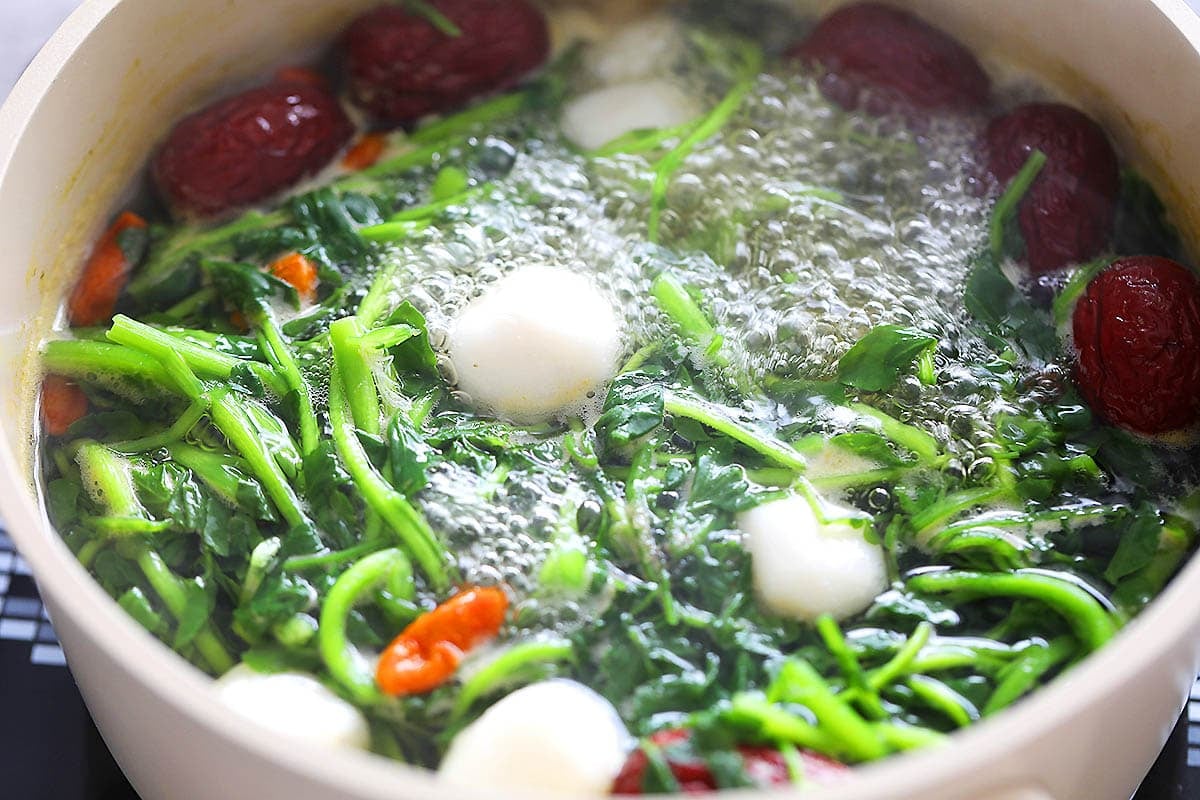
A healthy and comforting watercress soup recipe made with fresh watercress, sweet red dates, and goji berries. This easy side dish takes just 25 minutes total and keeps the broth perfectly clear, sweet, and nourishing.
Recipe Summary
- Prep time: 5 minutes
- Cook time: 20 minutes
- Total time: 25 minutes
- Servings: 3
- Calories: 132 kcal
Chinese Watercress Soup: A Culinary Tradition of Wellness
In the realm of traditional Chinese home cooking, few dishes embody the essence of comfort and restorative nourishment quite like Chinese watercress soup, known in Cantonese as Sai Yeung Choy Tong (西洋菜湯). This simple yet profoundly beneficial soup has been a cornerstone of family meals for generations, offering a light, refreshing, and revitalizing experience. While many traditional recipes involve hours of simmering pork bones to achieve a rich, opaque broth, this particular rendition offers a compelling alternative: a swift, 25-minute preparation that relies on the inherent sweetness of dried jujubes (red dates) and goji berries to perfectly complement the fresh, slightly peppery notes of watercress.
This accelerated approach to preparing Sai Yeung Choy Tong is not merely a time-saving measure; it’s a deliberate culinary strategy. By eschewing prolonged boiling, the soup retains a remarkably clean flavor profile and prevents the watercress from developing an unpleasant bitterness, a common pitfall in overcooked green vegetables. The rapid extraction of essences from the fresh greens and dried fruits results in a beautifully clear broth that is both light on the palate and deeply nourishing. This makes it an ideal accompaniment to a variety of classic Chinese dishes, including steamed fish, stir-fries like Kung Pao Chicken or Sesame Oil Chicken, and a simple bowl of fragrant jasmine rice.
Shopping Guide: The Art of Ingredient Selection for Optimal Flavor and Health
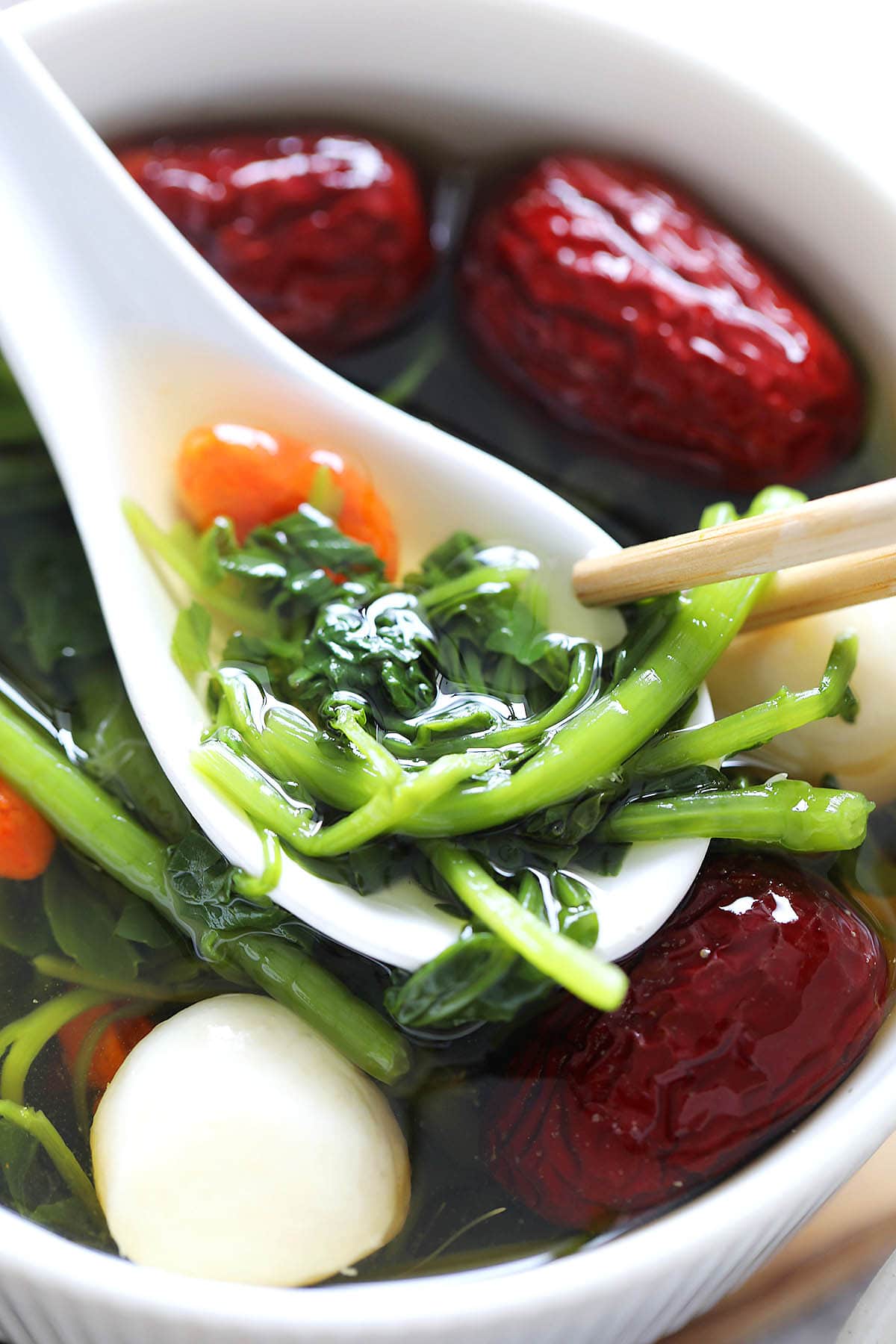
The success of any dish, especially one as subtly balanced as this watercress soup, hinges on the quality of its ingredients. Achieving a clear, sweet, and nourishing broth requires a discerning eye when selecting each component.
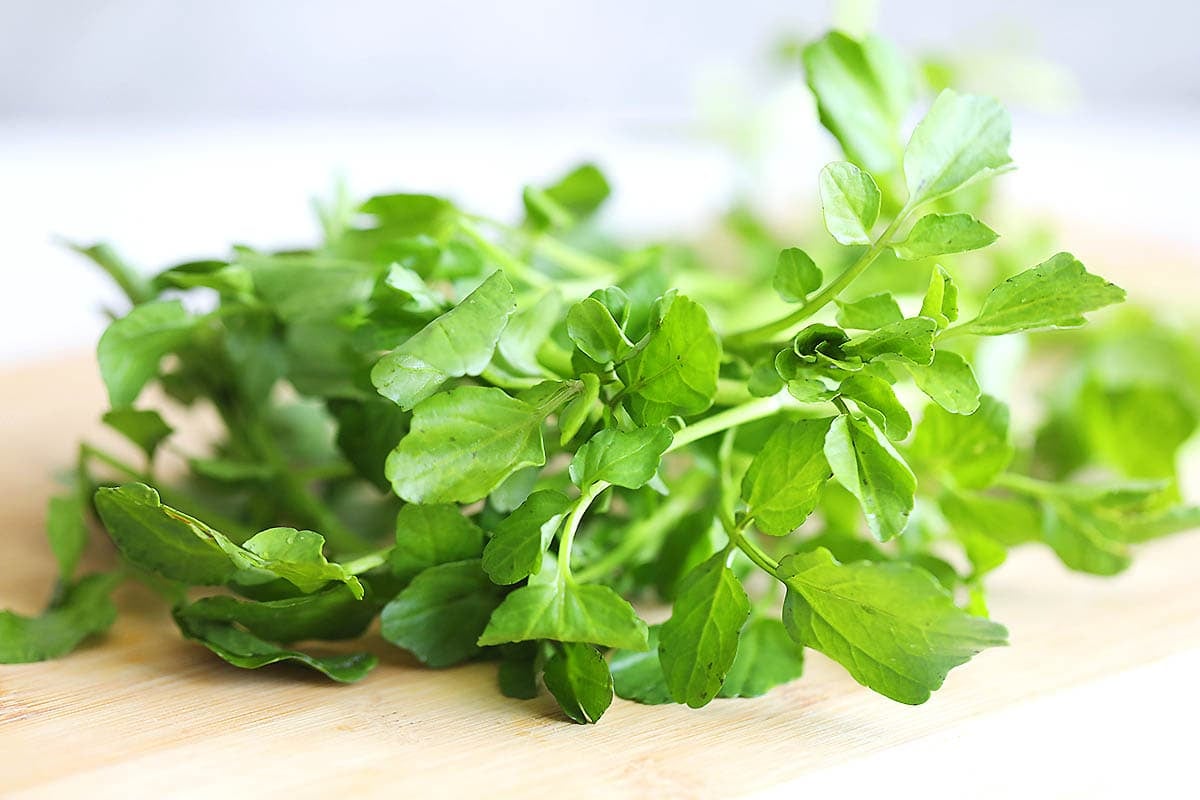
How To Choose Fresh Watercress
Watercress ( Nasturtium officinale ), the star of this soup, is a nutrient-dense aquatic vegetable celebrated in traditional Chinese medicine for its ability to "clear internal heat" and soothe the lungs. It is also an excellent source of vitamins C and K, crucial for a robust immune system. When selecting watercress, look for:
- Vibrant Green Leaves: The leaves should be a bright, lively green, free from any yellowing or wilting.
- Crisp Stems: The stems should be firm and plump, indicating freshness and hydration. Avoid bunches with limp or slimy stems.
- Absence of Flowers: While edible, watercress flowers can sometimes impart a slightly more pungent flavor. For a milder taste, opt for bunches without visible flowers.
- Cleanliness: Inspect the bunch for any signs of dirt or debris. Ideally, it should be relatively clean, requiring only a gentle rinse.
Sidenote: In traditional Chinese culture, watercress is highly regarded for its cooling properties, making it particularly beneficial during warmer months or for individuals prone to internal heat.
Buying The Best Red Dates
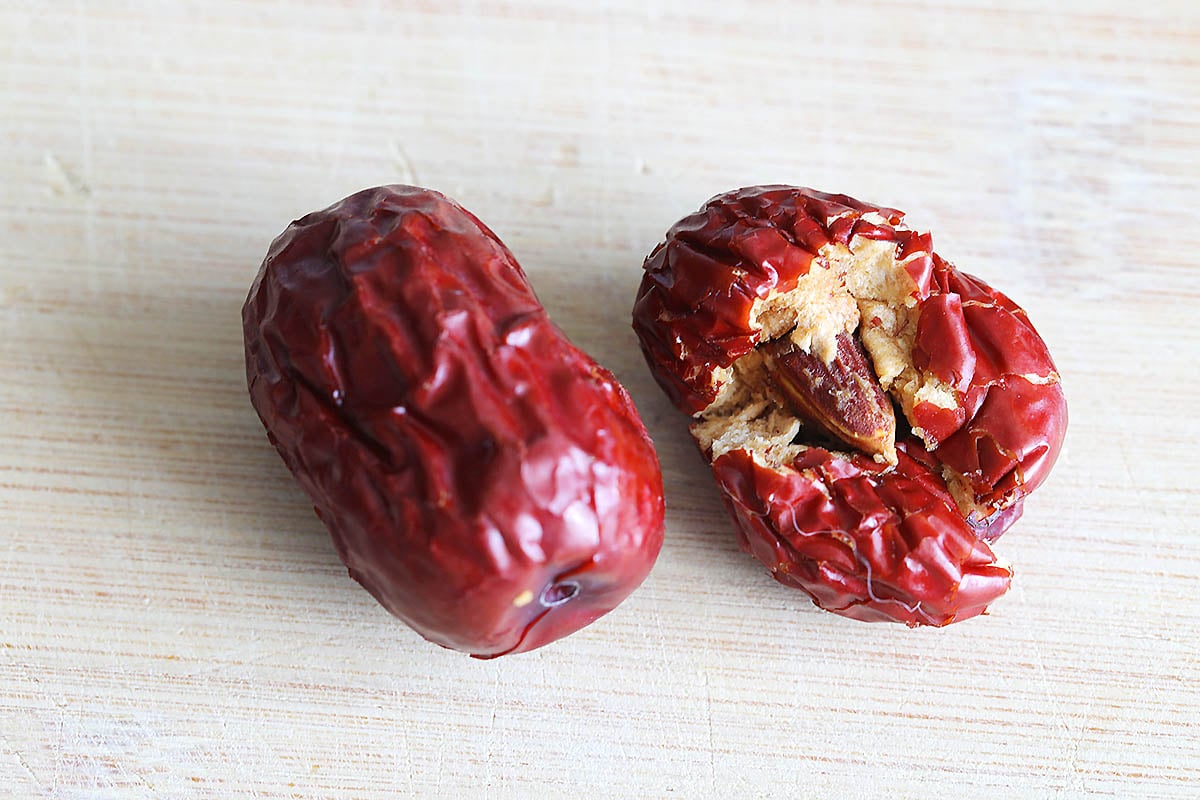
Red dates, also known as jujubes or Chinese dates, are a staple in Chinese cuisine, lending their natural sweetness and malty flavor to soups, teas, and desserts. Their inclusion in this soup contributes to the broth’s delicate sweetness and adds a layer of traditional herbal benefit. When choosing red dates:
- Deep Red Color: Look for dates that are a rich, reddish-brown color. A duller, darker hue might indicate they are old or have been improperly stored.
- Wrinkled, Not Shriveled: The skin should be naturally wrinkled, but the dates themselves should feel plump and substantial, not dry and shriveled.
- Smooth Skin: Avoid dates with cracks or blemishes.
- Aromatic Quality: Good quality red dates often have a faint, pleasant aroma.
Sidenote: Chinese red dates are revered for their ability to nourish the blood, boost energy levels, and improve circulation, making them a valuable addition to a health-conscious diet.
Spotting High Quality Goji Berries
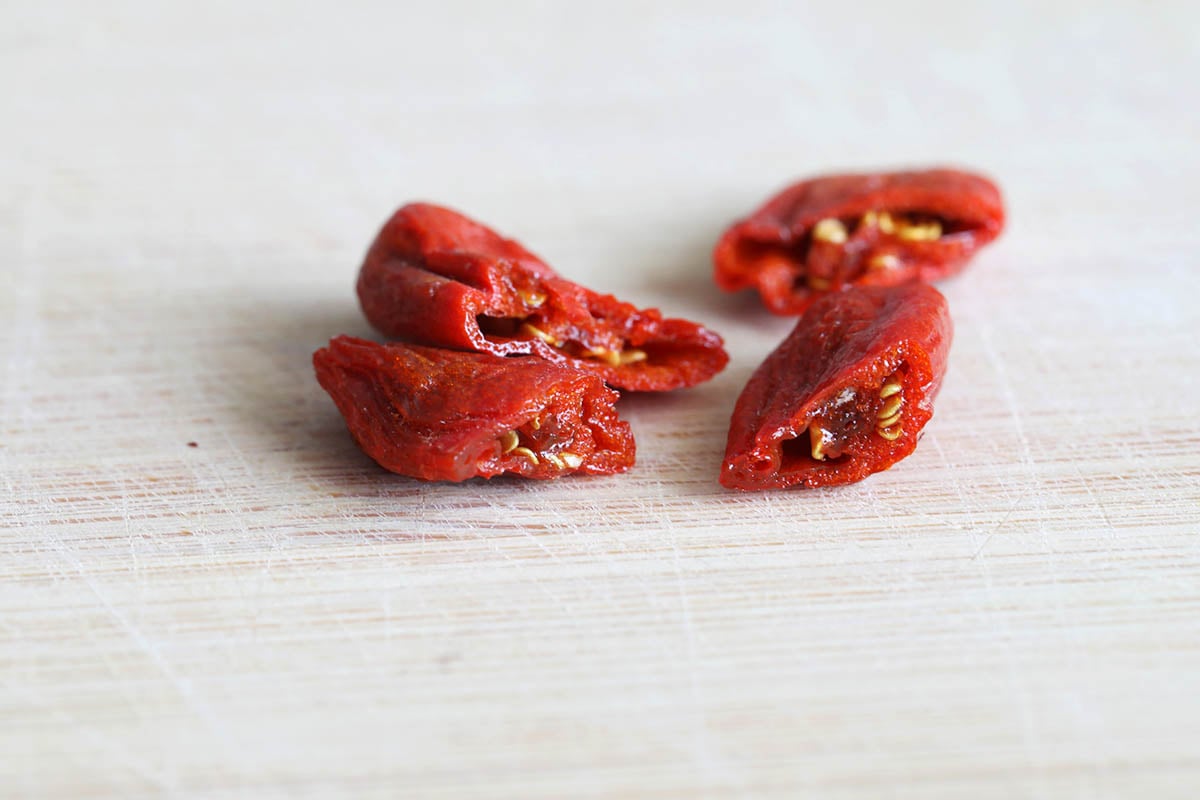
Goji berries, or wolfberries, are small, dried berries that offer a mild sweetness and a satisfyingly chewy texture. When cooked in soup, they soften and release their beneficial compounds, adding both flavor and a boost of nutrients. To identify high-quality goji berries:
- Vibrant Red-Orange Color: Look for berries that are a bright, consistent red-orange. Dull or brown berries may be past their prime.
- Uniform Size and Shape: While some variation is natural, very irregular shapes or sizes might suggest a less refined product.
- Slightly Chewy Texture: They should not be excessively dry or brittle. A gentle chewiness indicates they are still well-preserved.
- Absence of Mold or Clumping: Ensure the berries are free from any signs of mold and do not appear heavily clumped together, which could indicate moisture issues.
Sidenote: Goji berries are celebrated for their high antioxidant content, particularly those that support vision. They are also known for their anti-inflammatory properties and their ability to fortify the body’s natural defenses.
Storage Tip: To maintain the quality and flavor of your dried red dates and goji berries, store them in an airtight container in the refrigerator after opening. Exposure to air can lead to oxidation, causing them to darken and lose their natural sweetness.
Ingredients You’ll Need
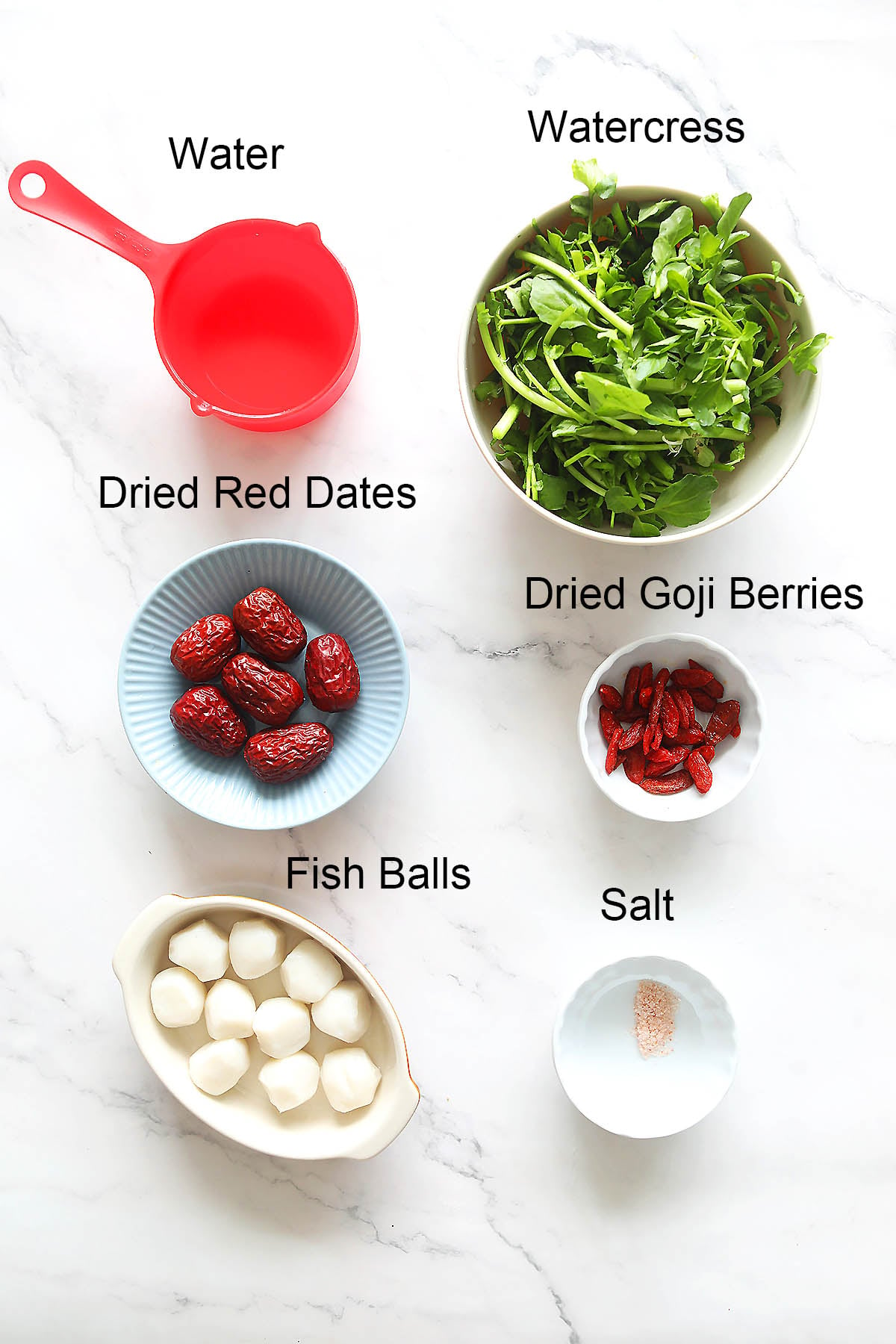
The simplicity of this soup lies in its minimal ingredient list, each playing a vital role in creating a harmonious and healthful dish.
- 1 pound fresh watercress, trimmed and washed
- 8-10 large red dates (jujubes), pitted and halved
- 1 tablespoon goji berries
- 6 cups water
- Salt to taste
- Optional: 1 cup fresh fish balls
See the recipe card below for all the ingredient details and exact measurements.
Pro Tip #1: Wash The Dried Fruits First
It is crucial to rinse the red dates and goji berries under cold water before adding them to the pot. This step effectively removes any dust or residue that may have accumulated during the drying and packaging process, ensuring a clean and pure broth.
Pro Tip #2: Go for Fresh Fish Balls
If you opt to include fish balls, prioritize purchasing the fresh, vacuum-sealed varieties found in the refrigerated section of your local Asian market. A gentle squeeze of the packaging should reveal a firm and springy texture, which guarantees they will maintain a pleasant, snappy bite after cooking. If fresh fish balls are unavailable, thawed frozen ones can be used, but ensure they are fully defrosted to prevent uneven cooking and a mushy consistency.
Pro Tip #3: Make It Plant-Based
For those following a vegetarian or vegan diet, this soup can be easily adapted by omitting the fish balls. The inherent flavors of the watercress, red dates, and goji berries are sufficiently robust to create a delicious and satisfying broth on their own.
How To Make Watercress Soup: A Step-by-Step Guide
The preparation of this nourishing soup is remarkably straightforward, making it an accessible option for even the busiest weeknights.
-
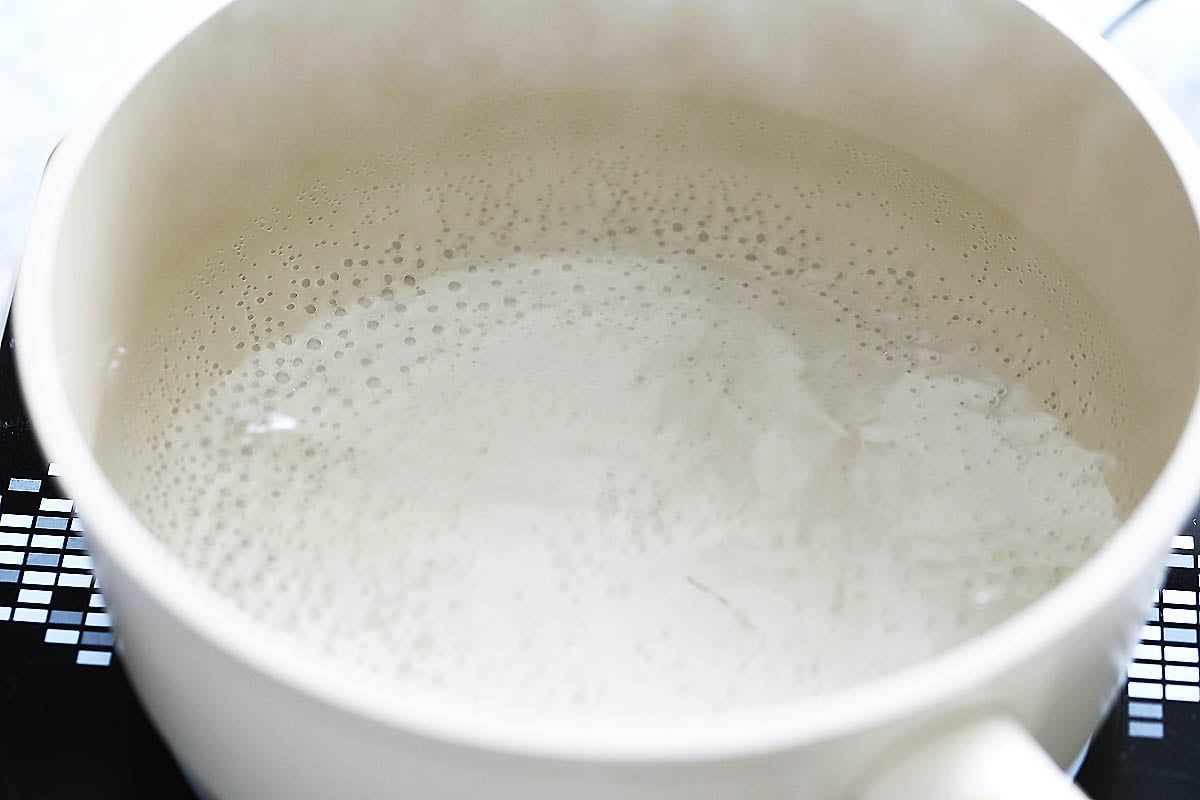
Initiate the Boil: Begin by bringing a large pot of water to a rolling boil over high heat. This initial high heat is essential for quickly blanching the greens and initiating the flavor extraction process.
-
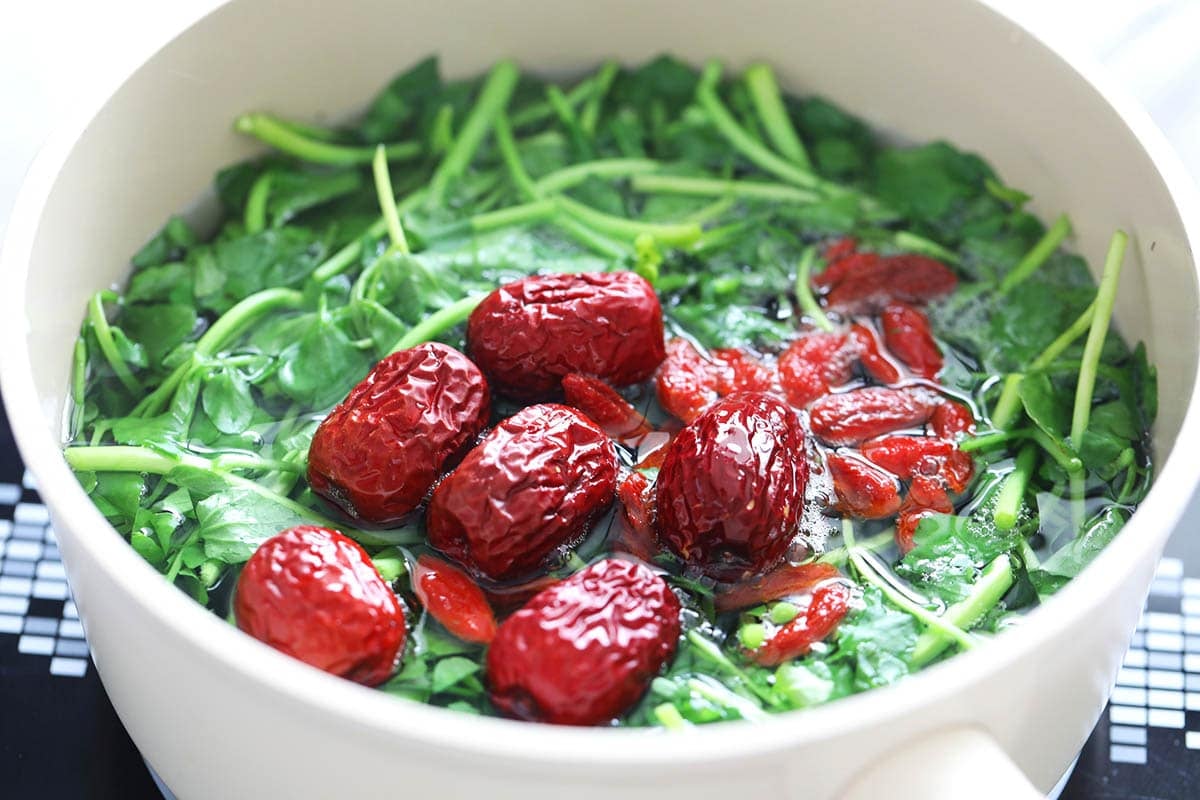
Introduce the Core Ingredients: Carefully add the washed watercress to the boiling water, using a ladle or tongs to gently submerge the greens completely. Immediately follow by adding the prepared red dates and goji berries.
Pro Tip: Resist the urge to cover the pot. Leaving the lid off allows any potentially harsh or bitter compounds from the watercress to evaporate, contributing to the soup’s overall sweetness and clarity.
-
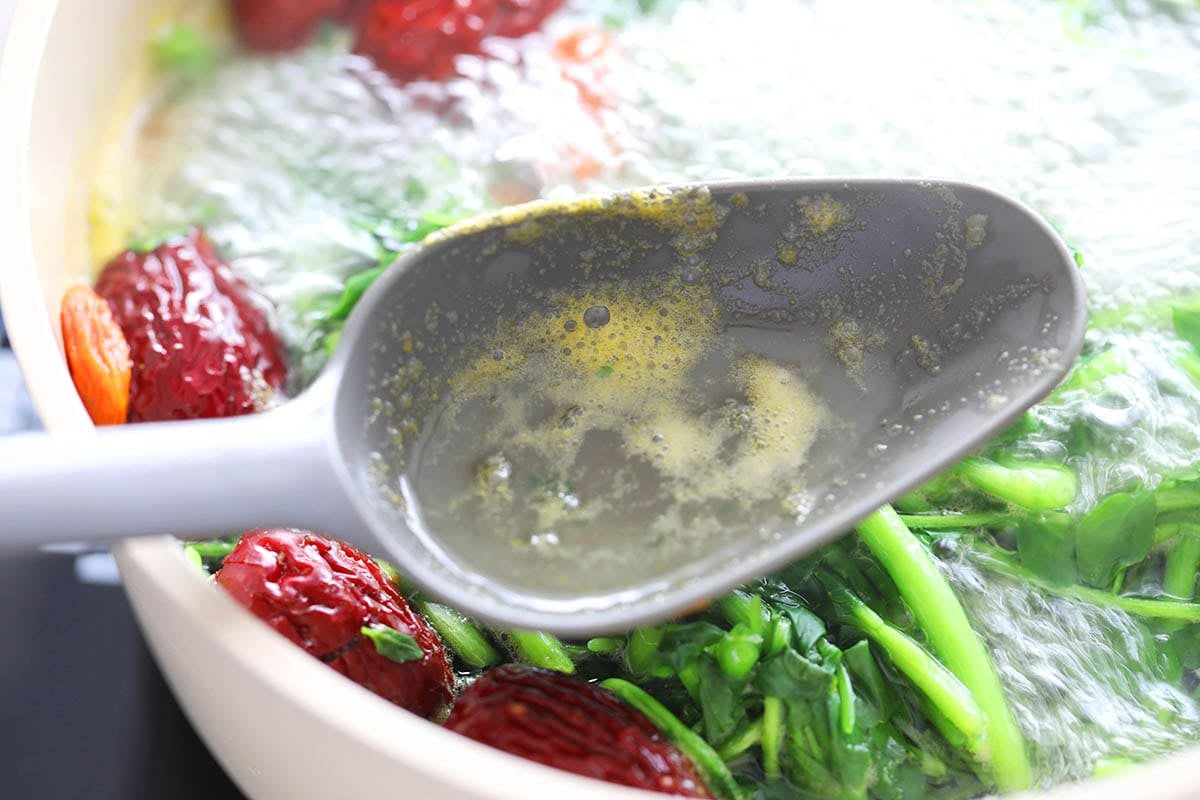
Simmer and Refine: Allow the water to return to a boil until the watercress begins to wilt and submerge. Reduce the heat to a gentle simmer. Use a skimmer or a fine-mesh sieve to remove any foam or impurities that rise to the surface. Continue to simmer, skimming periodically, until the watercress reaches your desired tenderness. For a slight crunch, aim for approximately 10 minutes of simmering. For a softer, more yielding texture, extend the simmering time to about 15 minutes.
Pro Tip: To ensure the watercress cooks evenly and remains submerged for a softer texture, monitor the water level during simmering and add a little more hot water if necessary.
-
Incorporate Optional Additions and Season: If using fish balls, add them to the simmering soup and cook for approximately 3 minutes, or until they are heated through. Season the broth with salt to your personal preference. Serve the soup hot, allowing its comforting aromas to fill the dining space.
Frequently Asked Questions
Can I eat the watercress stems?
Yes, the entire watercress plant is edible. For a more pleasant eating experience, it is recommended to slice the stems into shorter, two-inch pieces, which will soften considerably during the cooking process.
Do I need to remove the seeds from the red dates?
While not strictly necessary, de-seeding the red dates significantly enhances the ease of consuming the soup. If your dates contain pits, a simple slice down the middle will allow for their removal before cooking.
Can I add protein besides fish balls?
Absolutely. Sliced pork loin, chicken, or ribs are traditional and delicious additions. If using raw meat, it is advisable to parboil it first and skim off any scum before adding it to the soup along with the watercress and dried fruits.
Can I make this soup in a slow cooker?
Yes, a slow cooker can be used. Begin by combining the water, red dates, and goji berries on the high setting for two hours. Then, add the watercress for the final 30 minutes of cooking, and the fish balls (if using) in the last 5 minutes.
How do I store and reheat leftovers?
Leftover watercress soup can be stored in an airtight container in the refrigerator for up to two days. Reheat gently on the stovetop over medium heat until thoroughly heated. Avoid prolonged overcooking, as this can result in the watercress becoming excessively soft.
How many calories per serving?
This recipe contains approximately 132 calories per serving.
What To Serve With This Recipe
For an easy and wholesome Chinese weeknight dinner, consider pairing this watercress soup with:
- Steamed Fish Recipe: A light and flaky steamed fish complements the delicate flavors of the soup beautifully.
- Kung Pao Chicken Recipe: A classic stir-fry that offers a savory and slightly spicy contrast.
- Sesame Oil Chicken Recipe: Another popular and flavorful chicken dish that rounds out a balanced meal.
- Jasmine Rice: A staple that provides a comforting base for any Chinese meal.
I hope you enjoy this post as much as I do. If you try my recipe, please leave a comment and consider giving it a 5-star rating. For more easy and delicious recipes, explore my Recipe Index, and stay updated by subscribing to my newsletter and following me on Facebook, Pinterest, and Instagram for new updates.
Other Soup Recipes You Might Like
- [Link to another soup recipe]
- [Link to another soup recipe]
- [Link to another soup recipe]