Revolutionizing Classic Chiffon: The Unveiling of an Enriched Coconut Chiffon Cake Recipe

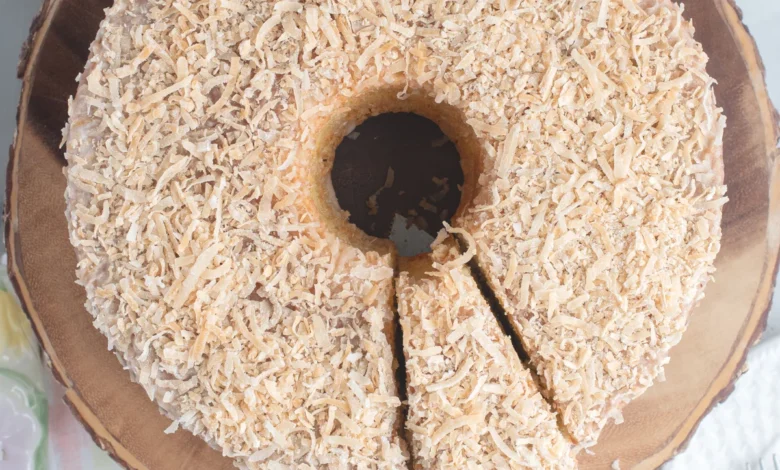
A new culinary creation, the Coconut Chiffon Cake, has emerged as a sophisticated reinterpretation of the beloved classic American dessert, meticulously crafted to deliver an unmistakable and profound coconut flavor. This innovative recipe distinguishes itself through a strategic integration of unrefined coconut oil, coconut milk, and coconut flour, each component playing a critical role in achieving both a rich taste profile and the signature moist-yet-spongy texture inherent to chiffon cakes. The development process, detailed by its creator, illustrates a thoughtful application of baking science, transforming a traditional vanilla base into a tropical sensation.
The cornerstone of this development was a robust understanding of how ingredients interact within a cake matrix. The journey began with a well-established Vanilla Chiffon Cake recipe, serving as a reliable structural and textural blueprint. The primary objective was clear: infuse the delicate chiffon with a vibrant coconut essence without compromising its characteristic lightness and tenderness. This seemingly straightforward task, however, necessitated a precise and iterative approach to ingredient substitution and balance.
The Genesis of Flavor: A Deep Dive into Recipe Development
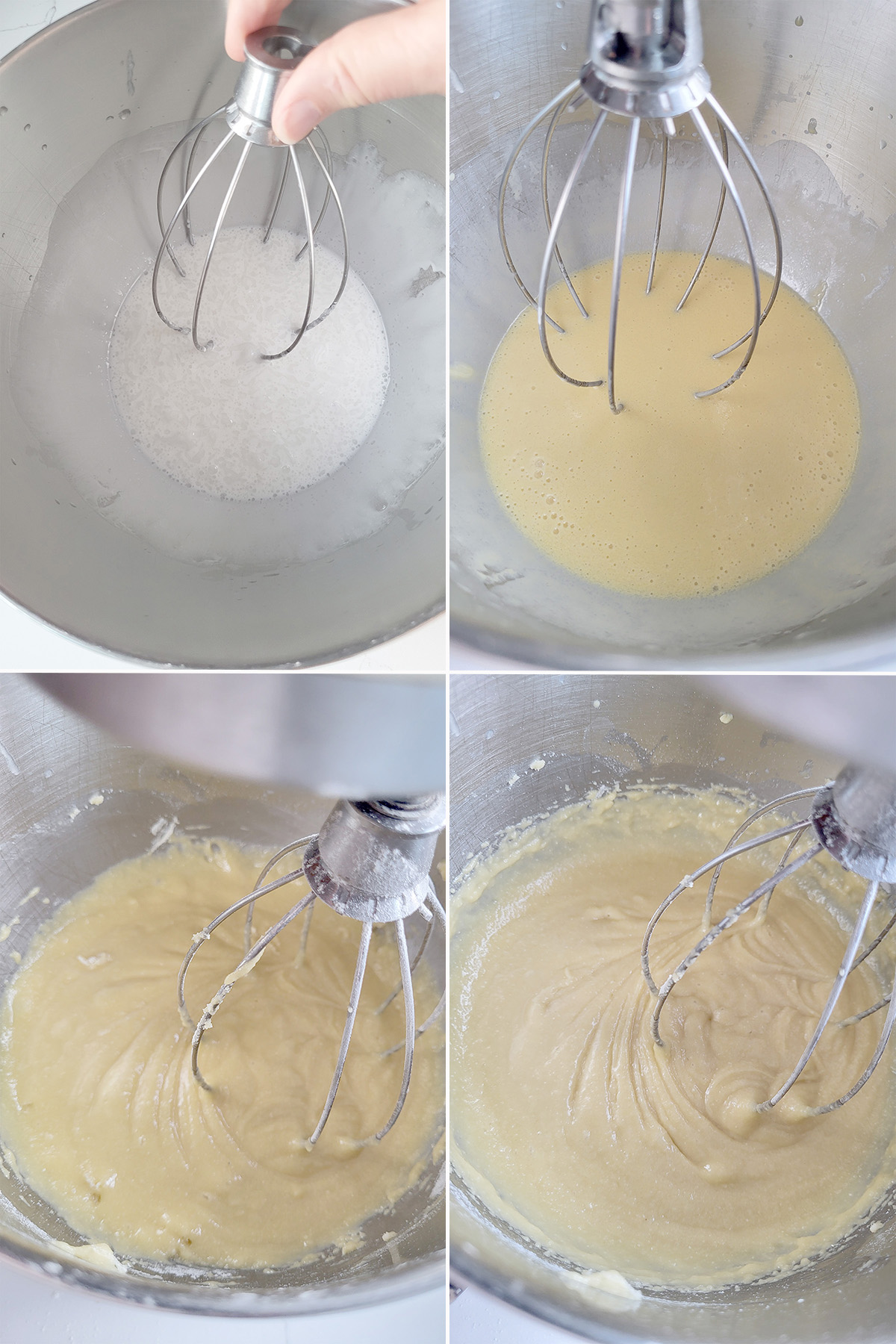
The initial phase of recipe modification focused on direct substitutions aimed at introducing coconut elements. The first significant alteration involved replacing the standard vegetable oil with unrefined coconut oil. The choice of unrefined oil was deliberate, as its unfiltered nature means it retains coconut solids, thereby contributing a more pronounced and authentic coconut flavor in addition to its function as a fat. However, unrefined coconut oil presents a unique challenge: it is solid at room temperature, unlike liquid vegetable oils. To address this, the developer initially whisked the solid coconut oil with hot tap water to achieve a melted, emulsifiable state before incorporating it with egg yolks, mirroring the process of the original vanilla recipe.
Simultaneously, efforts were made to introduce coconut flour. Known for its high absorbency and distinct texture, coconut flour was carefully integrated by replacing a portion of the cake flour. The developer exercised caution, understanding that excessive use of coconut flour could lead to a dry and dense product. Consequently, only one-quarter of the total flour weight was designated as coconut flour, with the remaining three-quarters consisting of soft cake flour, a blend intended to maintain the cake’s delicate structure while imparting flavor.
Upon baking the first test cake, the initial results were visually promising. However, a crucial taste and texture evaluation revealed shortcomings: the cake was notably dry and exhibited a coarse crumb. This outcome signaled a fundamental imbalance in the recipe’s composition, indicating a need for further refinement. The developer, drawing upon a deep understanding of baking science, identified the lack of adequate tenderizers as the root cause.
The Science Behind the Perfect Crumb: Understanding Ingredient Dynamics
Cake recipes, particularly those as nuanced as chiffon, are a delicate equilibrium between "structure builders" (like flour and egg proteins) and "tenderizers" (such as sugar and fat). In the initial coconut chiffon test, while the structural elements were robust, the tenderizing components were insufficient to counteract the highly absorbent nature of coconut flour and the subtle differences introduced by the unrefined coconut oil. Sugar, a primary tenderizer, was already present in ample quantities, making further increases undesirable for taste balance. This led the focus to the other major tenderizer: fat.
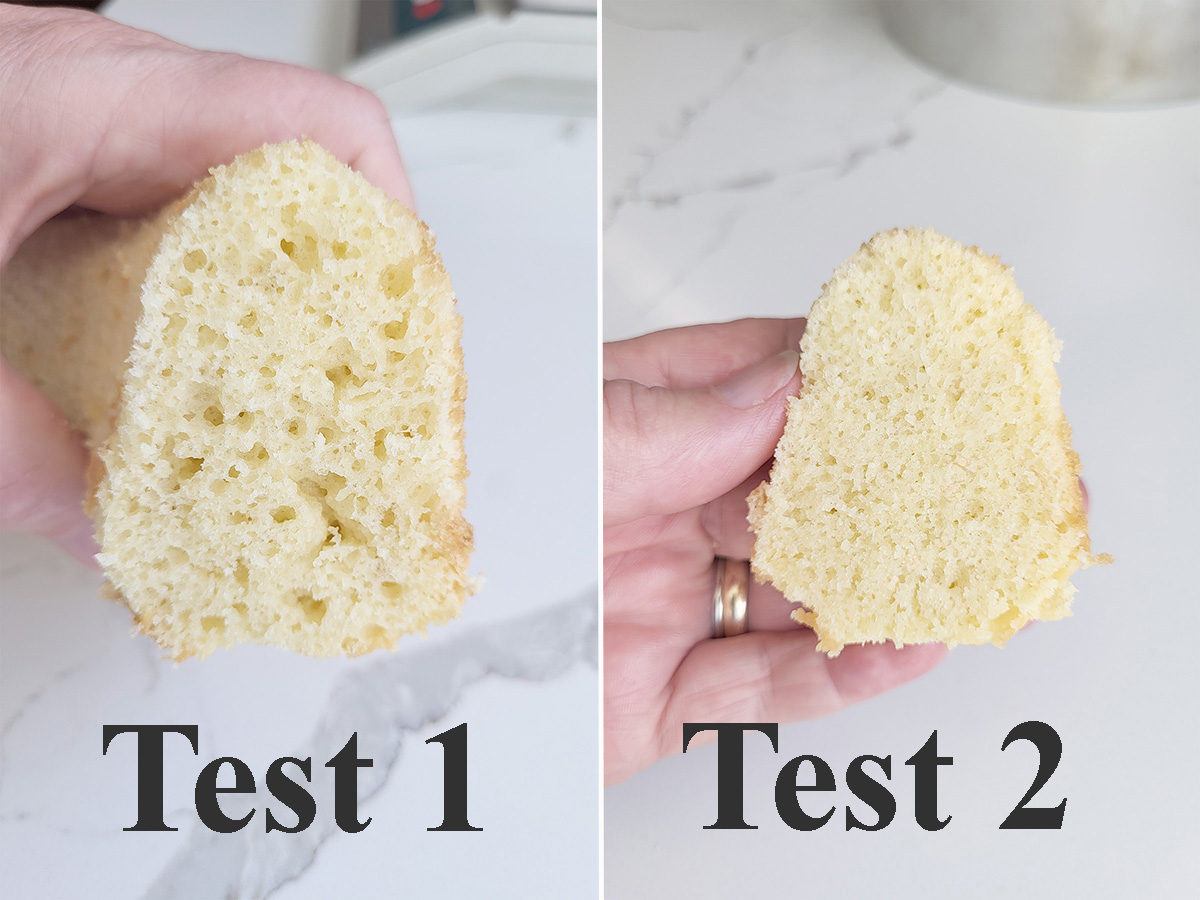
The second iteration of the recipe development involved a more substantial modification to enhance tenderness and moisture. The hot water, initially used to melt the coconut oil, was replaced entirely with coconut milk. Coconut milk, being rich in both fat and moisture, offered a dual benefit: it increased the overall fat content, thereby improving tenderness, and provided additional liquid to counteract the coconut flour’s absorbency. However, this change led to a batter that was slightly too thick. A minor adjustment was then made, re-introducing two ounces of hot water to achieve the optimal batter consistency. This meticulous balancing act between liquid and fat proved critical.
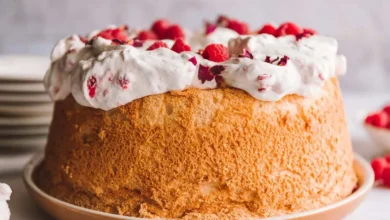
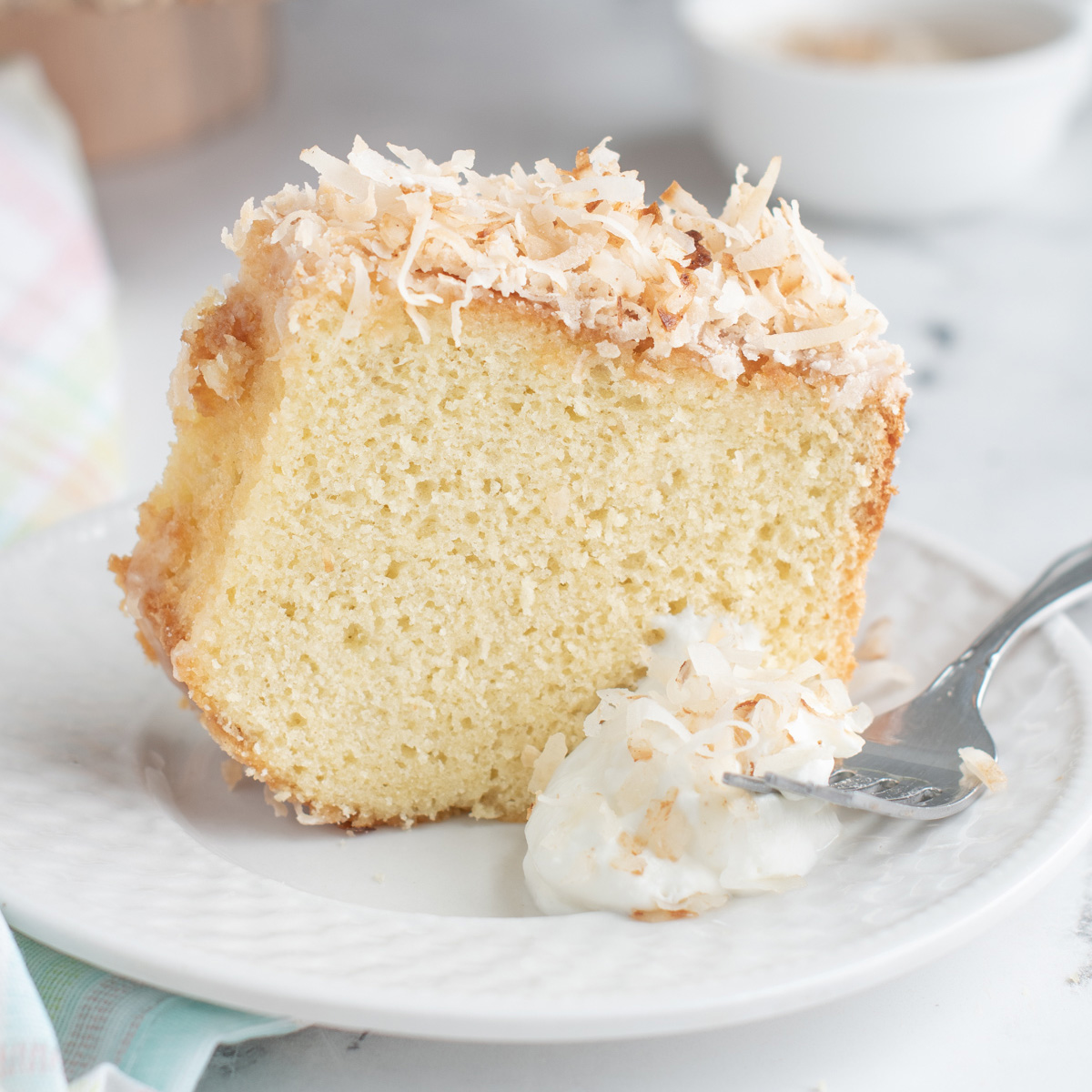
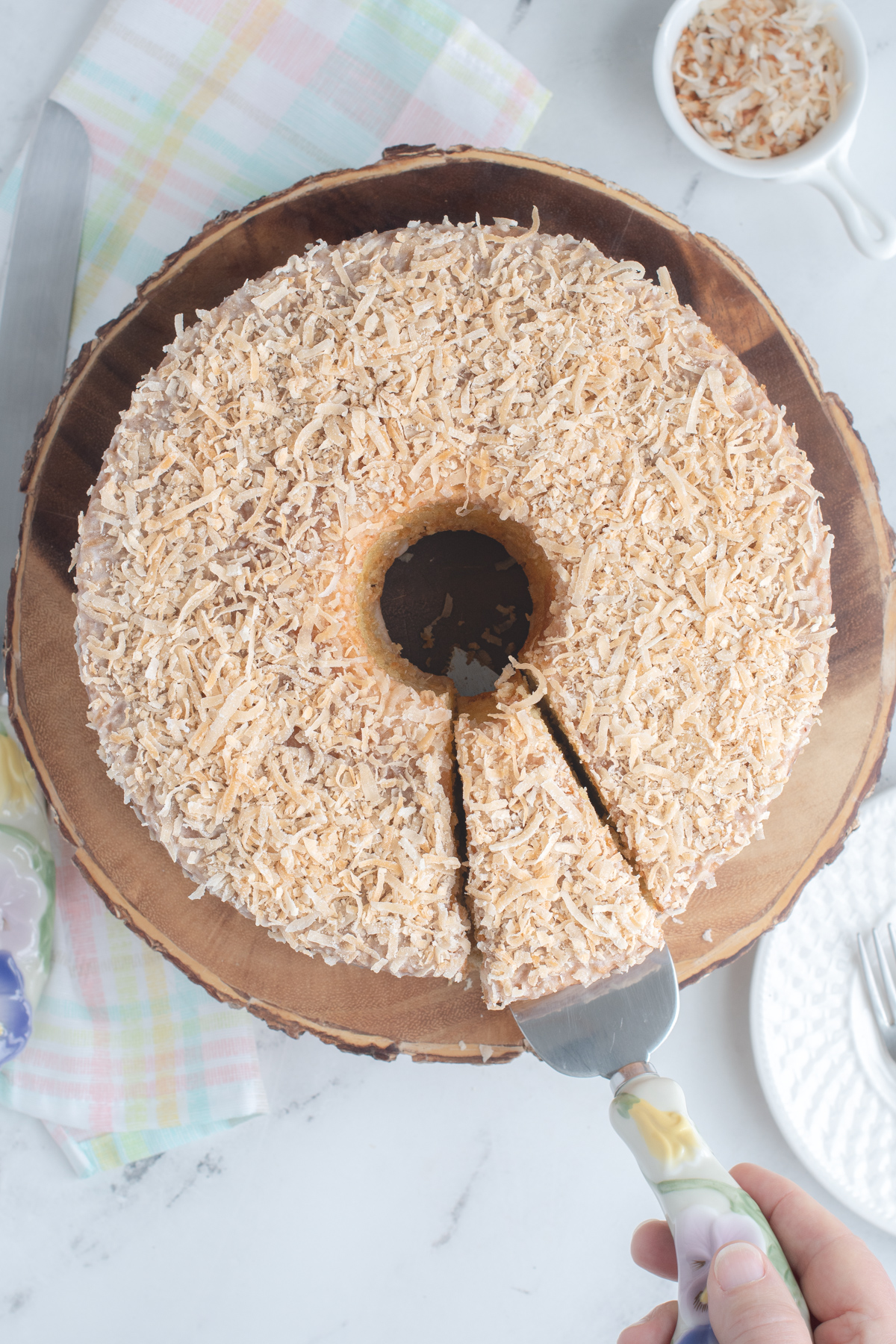
The culmination of these iterative adjustments was a resounding success. The final recipe produced a cake that was not only tender and light, embodying the classic chiffon texture, but also boasted a prominent and authentic coconut flavor. To further elevate the sensory experience, the finished cake is adorned with a coconut glaze and a sprinkling of toasted coconut, adding both visual appeal and an additional layer of flavor and texture.
Coconut’s Triple Threat: Unpacking the Key Ingredients
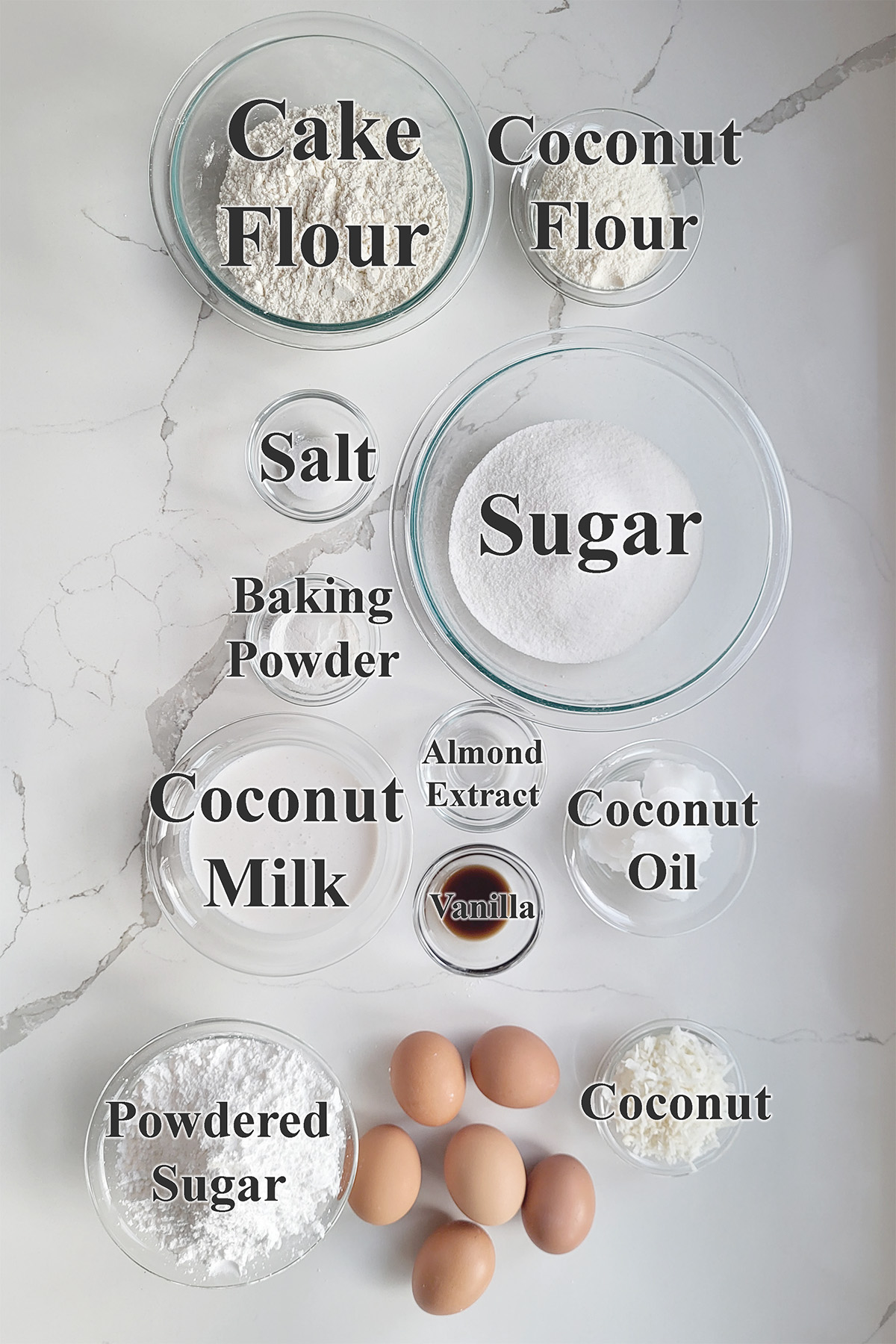
The intentional selection of specific coconut ingredients is central to the cake’s distinctive character. Each plays a unique role:
- Unrefined Coconut Oil: Unlike its refined counterpart, unrefined coconut oil retains its natural coconut aroma and flavor because it has not undergone extensive processing. This means it contains coconut solids, which contribute significantly to the overall taste. Furthermore, its solid state at room temperature influences its interaction with other ingredients, requiring initial emulsification with liquid. Its role as a fat is paramount for tenderizing the cake crumb, coating flour proteins to inhibit excessive gluten development, and contributing to a moist mouthfeel.
- Coconut Milk: This rich, creamy liquid extracted from mature coconuts is a powerhouse of flavor and fat. By replacing water, coconut milk not only intensifies the coconut flavor but also substantially increases the cake’s fat content. This added fat is crucial for tenderness, contributing to the soft, velvety texture characteristic of a well-made chiffon cake. Its liquid component also helps hydrate the flours, preventing a dry result.
- Coconut Flour: A gluten-free flour derived from dried coconut meat, coconut flour is renowned for its exceptional absorbency. It can hold a significant amount of liquid, making it a challenging ingredient to work with in baking, as too much can quickly lead to a dry, dense product. However, when used judiciously, as in this recipe where it constitutes only 25% of the total flour weight, it imparts a unique texture and a distinct, sweet coconut flavor. Its fiber content also contributes to the cake’s structure and moisture retention. The careful balance with soft cake flour, which provides a delicate gluten structure, ensures the desired lightness and avoids a gritty texture.
From the Developer’s Kitchen: Insights into Culinary Innovation
The systematic and scientific approach undertaken by the recipe developer highlights a professional dedication to culinary excellence. The developer’s internal narrative, implicit in the detailed account, emphasizes that successful recipe adaptation is not a matter of arbitrary substitutions but rather a thoughtful process guided by an understanding of ingredient functionality. The initial setback of a dry, coarse cake was not viewed as a failure but as critical data, informing subsequent, more precise adjustments.
The developer’s philosophy underscores the iterative nature of recipe creation: "Just changing recipe ingredients willy-nilly can get you in trouble. But if you understand how cake recipes work and what role each ingredient plays, you can adapt and refine any cake recipe to your taste." This statement, inferred from the detailed development notes, positions the recipe not just as a delicious dessert, but as a practical lesson in applied baking science. The ultimate goal was to integrate the coconut elements seamlessly, ensuring that the signature moist-yet-spongy chiffon texture remained intact while the coconut flavor was amplified to an "unmistakable" degree. The satisfaction derived from achieving this delicate balance, culminating in a tender, light cake with a prominent coconut flavor, reflects the developer’s commitment to both taste and technical perfection.
Broader Implications and Emerging Baking Trends
The successful development of this Coconut Chiffon Cake carries broader implications for both home bakers and the culinary landscape. It serves as a compelling case study for how a foundational understanding of baking science empowers individuals to innovate and customize recipes effectively. By demystifying the roles of structure builders and tenderizers, the recipe provides an actionable framework for adapting existing dishes to suit personal preferences or dietary considerations.
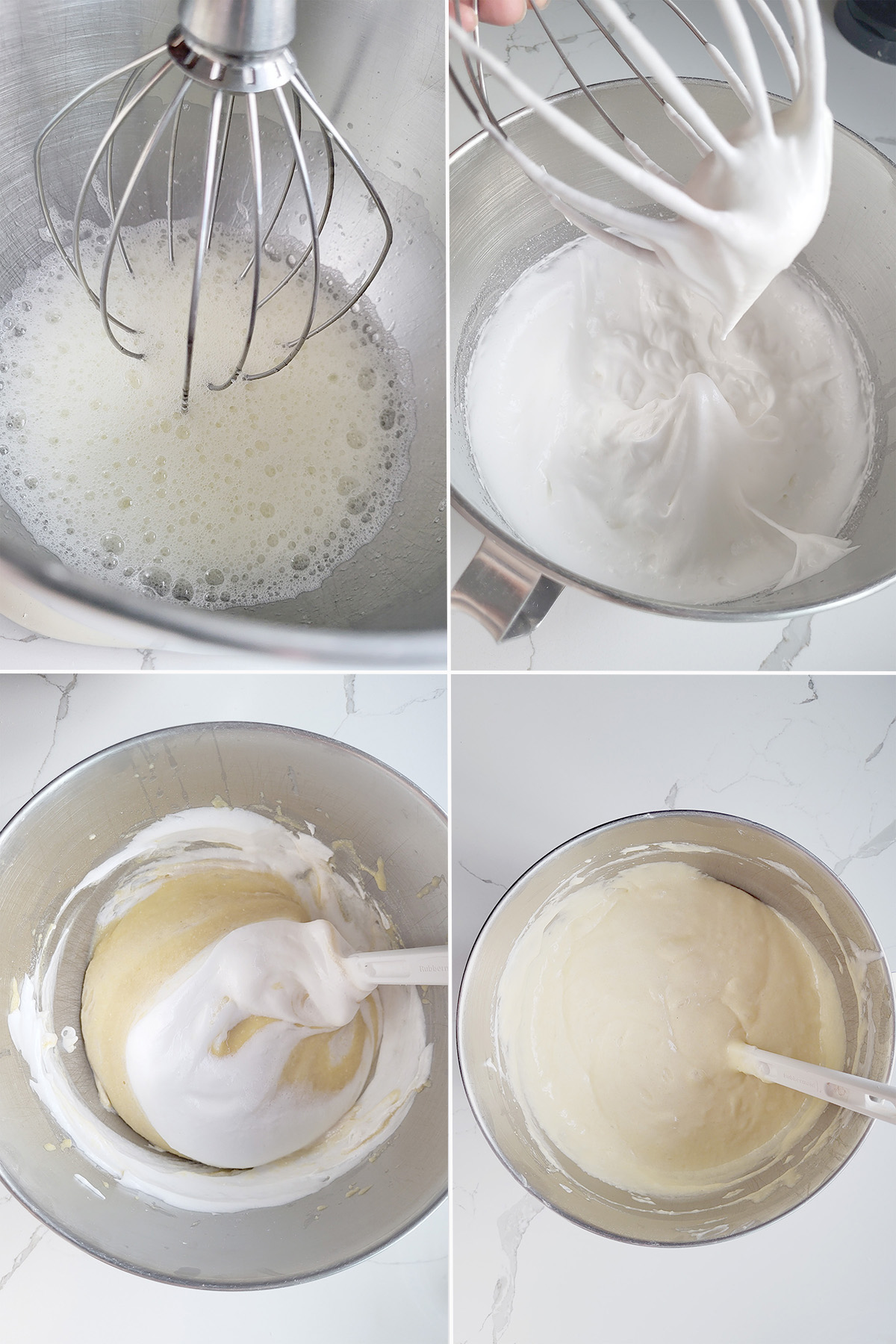
Furthermore, this recipe taps into several prominent culinary trends. The emphasis on "unrefined" ingredients speaks to a growing consumer demand for natural, less processed foods that offer authentic flavors. The triple infusion of coconut—through oil, milk, and flour—showcases a trend towards maximizing flavor impact from a single core ingredient, creating a cohesive and intense taste experience. The strategic use of coconut flour also aligns with the increasing interest in alternative flours, driven by both health-conscious choices and a desire for diverse textures and flavors in baking. This recipe demonstrates that alternative flours can be successfully integrated into complex baked goods without sacrificing quality or appeal.
The elegant finishing touches of a coconut glaze and toasted coconut also reflect the contemporary appreciation for thoughtful presentation and layered textures, transforming a simple cake into a sophisticated dessert. The overall approach—from meticulous ingredient selection to iterative testing—exemplifies a move towards more informed and intentional baking practices, encouraging enthusiasts to think beyond simple instructions and delve into the "why" behind successful recipes.
Practical Considerations for Bakers
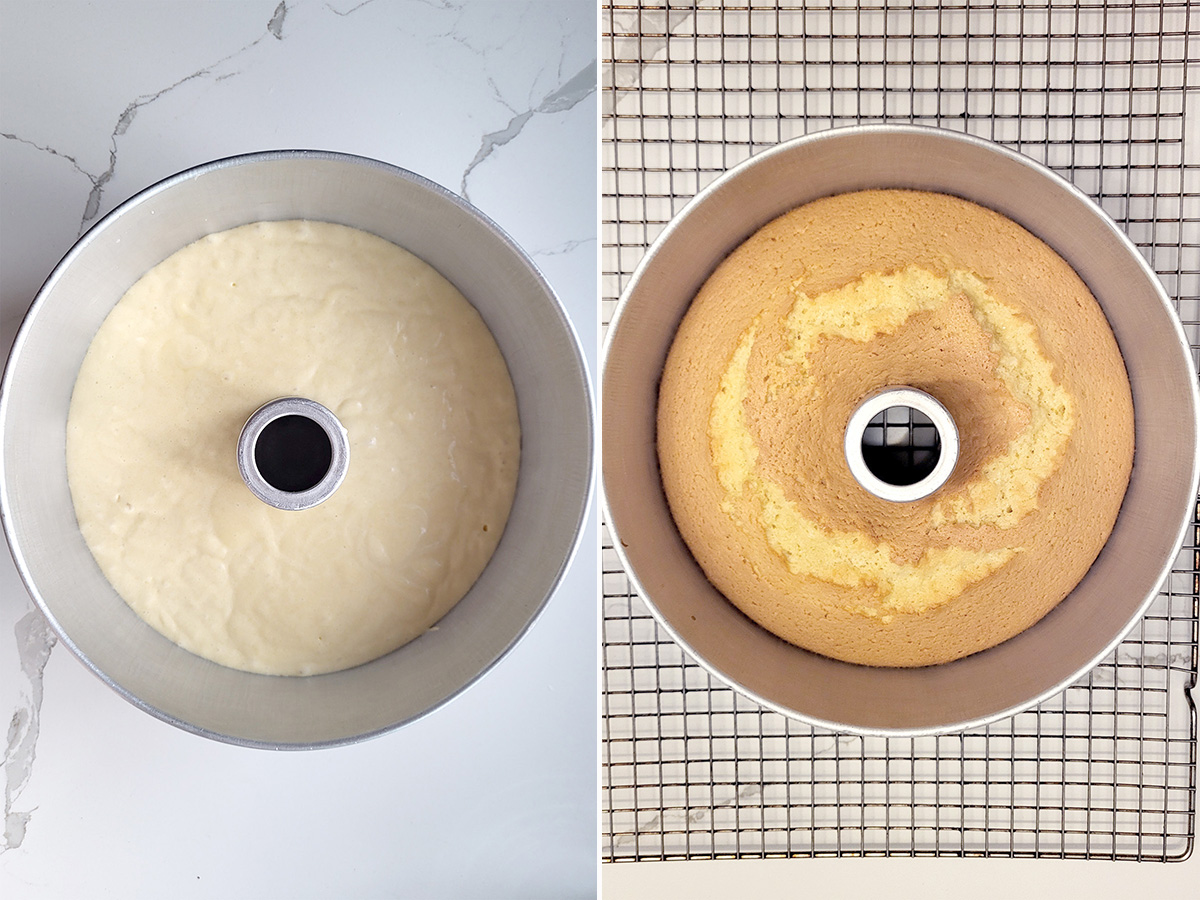
For those eager to recreate this culinary achievement, the recipe offers practical guidance. The preparation time is estimated at 30 minutes, with a baking time of 45 minutes, bringing the total active time to 1 hour and 15 minutes. This yields approximately 16 servings.
From a nutritional standpoint, each slice (1 serving) contains approximately 331 kcal. The macronutrient breakdown includes 48g of carbohydrates, 5g of protein, and 14g of fat, with 11g of saturated fat. Micronutrients include 61mg of cholesterol, 187mg of sodium, 95mg of potassium, 2g of fiber, and 36g of sugar. It also provides 89 IU of Vitamin A, 0.5mg of Vitamin C, 59mg of calcium, and 1mg of iron.
For storage, the Coconut Chiffon Cake maintains its quality at room temperature for 3-4 days. For longer preservation, leftover slices can be wrapped securely and frozen for 1-2 months, allowing for enjoyment over an extended period. The developer also provides a key tip for measuring flour by volume: the "dip & sweep" method, where the measuring cup is dipped into the flour, overfilled, and then excess is swept away, ensures consistent and accurate measurement for optimal results.
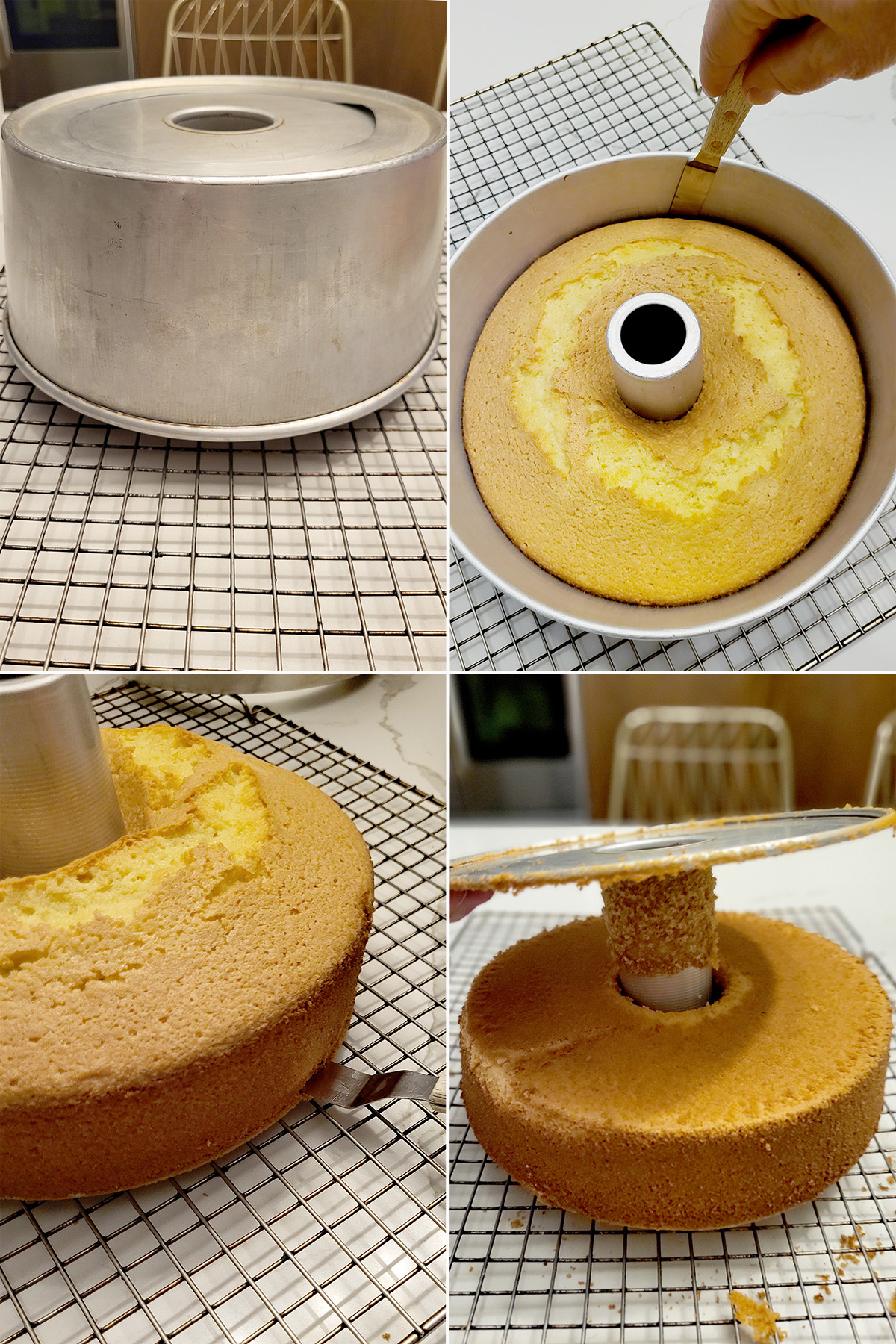
In conclusion, the Coconut Chiffon Cake stands as a testament to thoughtful recipe development, demonstrating how a scientific understanding of ingredients can elevate a classic dessert into a new, intensely flavorful experience. Through meticulous iteration and a deep appreciation for the roles of unrefined coconut oil, coconut milk, and coconut flour, this recipe not only delivers an unmistakably tropical taste but also serves as an educational blueprint for empowered home baking. Its release signifies a delicious intersection of culinary innovation and practical baking science, promising a delightful experience for coconut enthusiasts and discerning palates alike.