The Art and Science of Crafting Premium Homemade Coffee Ice Cream: A Culinary Analysis

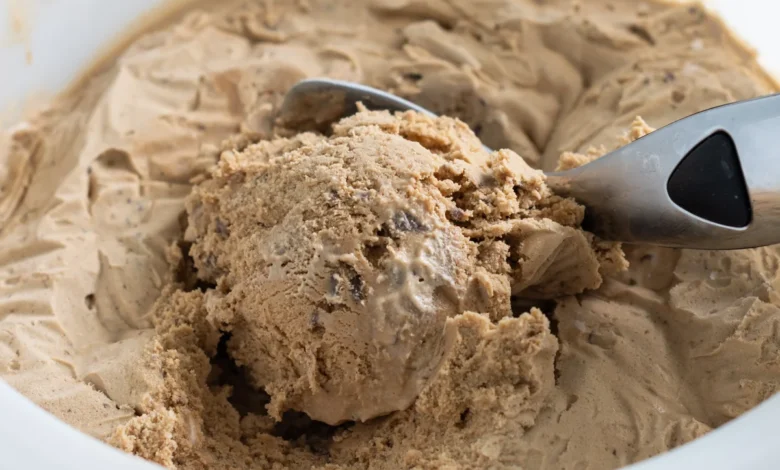
The production of high-quality coffee-infused frozen desserts requires a precise balance of chemistry, ingredient selection, and thermal management. While commercial ice cream manufacturing often relies on synthetic flavorings and stabilizers to maintain consistency, the domestic production of coffee ice cream presents a unique challenge: how to achieve a profound, aromatic coffee profile without compromising the structural integrity of the dairy custard. Recent culinary testing has revealed that the secret to a professional-grade product lies not in fresh-brewed infusions, but in the strategic application of concentrated instant espresso powder.
The Chemistry of Flavor Extraction in Dairy
At the heart of the debate between using fresh-ground coffee beans versus instant espresso powder is the interaction between dairy proteins and coffee compounds. Freshly brewed coffee is approximately 98% to 99% water. When introduced into an ice cream custard—a delicate emulsion of fat, proteins, and sugars—this excess water content is detrimental. As the mixture freezes, water molecules form large, jagged ice crystals, which disrupt the smooth, velvet-like texture essential for premium ice cream. Furthermore, the brewing process extracts tannins and organic acids that, while pleasant in a morning cup, become "muddied" when diluted by the rich, coating nature of heavy cream and egg yolks.
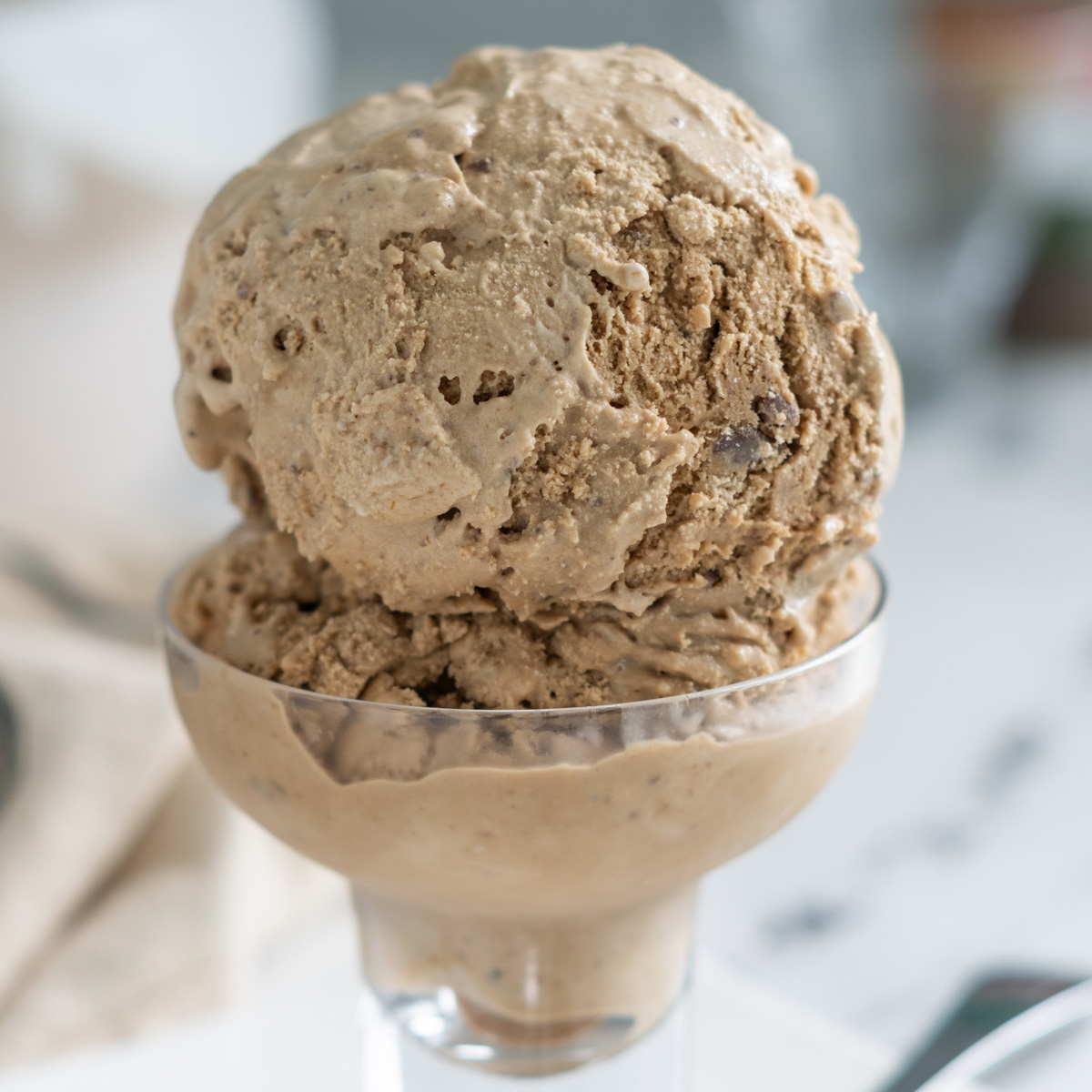
The dairy fats, in particular, act as a masking agent. Milk proteins bind to the delicate volatile aromatic compounds that provide the floral or fruity notes of specialty coffee, effectively muting the flavor. Consequently, home cooks attempting to use traditional brewing methods often find their final product lacking the "punch" they expected. In contrast, instant espresso powder provides a highly concentrated form of soluble coffee solids. Because the powder is already dehydrated, it can be incorporated directly into the custard base without introducing additional water, allowing for a higher intensity of flavor with minimal impact on the base’s viscosity.
Chronology of Development: A Comparative Study
In a series of controlled experiments conducted to determine the optimal flavoring technique, two distinct methods were evaluated over a three-day period.
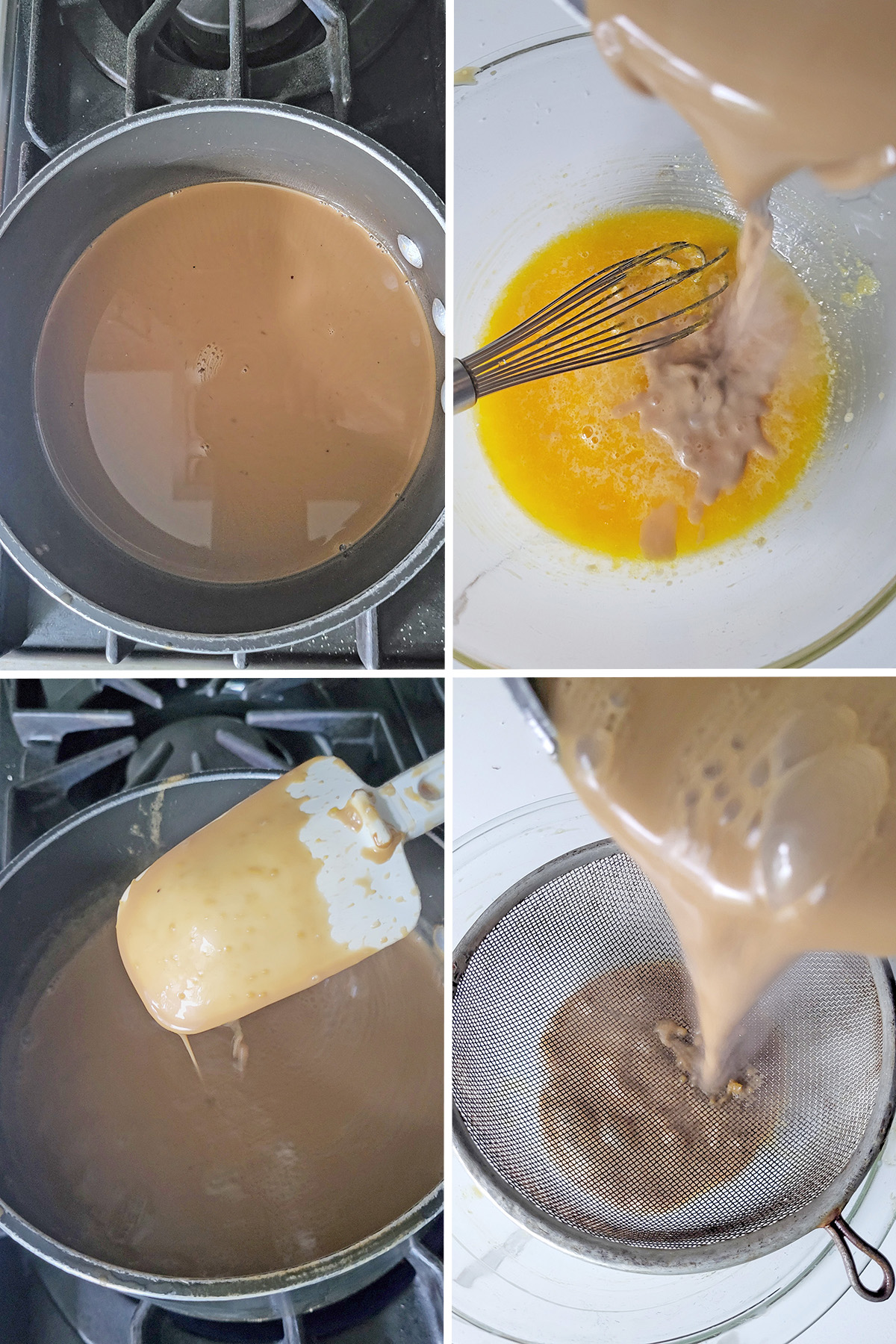
On day one, the "Infusion Method" was employed. This involved steeping coarse-ground premium coffee beans directly into a scalded milk-and-cream mixture for thirty minutes. The liquid was then strained and tempered into egg yolks to create a custard. The resulting product, once churned, displayed a subtle coffee flavor, but testers noted a lack of brightness and a slightly heavy, lingering finish that obscured the nuanced profile of the bean.
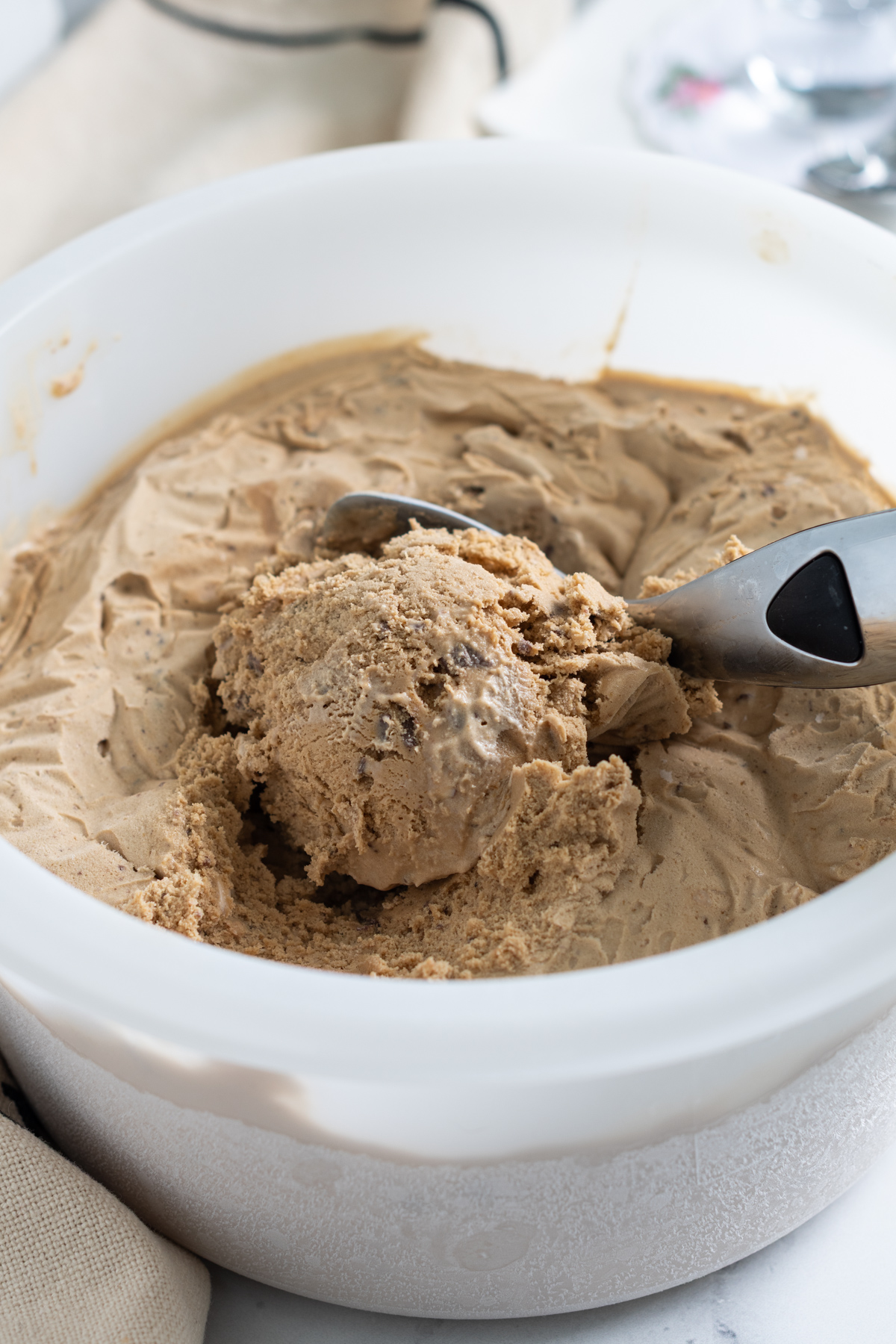
On day two, the "Espresso Powder Method" was tested. This involved dissolving high-quality, fine-grind espresso powder directly into the warm custard base immediately after the eggs had been cooked to the necessary temperature. The solubility of the powder ensured an even distribution of flavor without the need for additional steeping or straining.
On day three, a blind taste test was performed to analyze the results. Participants—consisting of culinary enthusiasts and neutral observers—unanimously favored the espresso powder batch. The primary feedback indicated that the flavor was "cleaner," "bolder," and provided a more distinct contrast to the sweetness of the custard, which had been previously dampened by the infusion method.
Data-Driven Insights for Optimal Texture
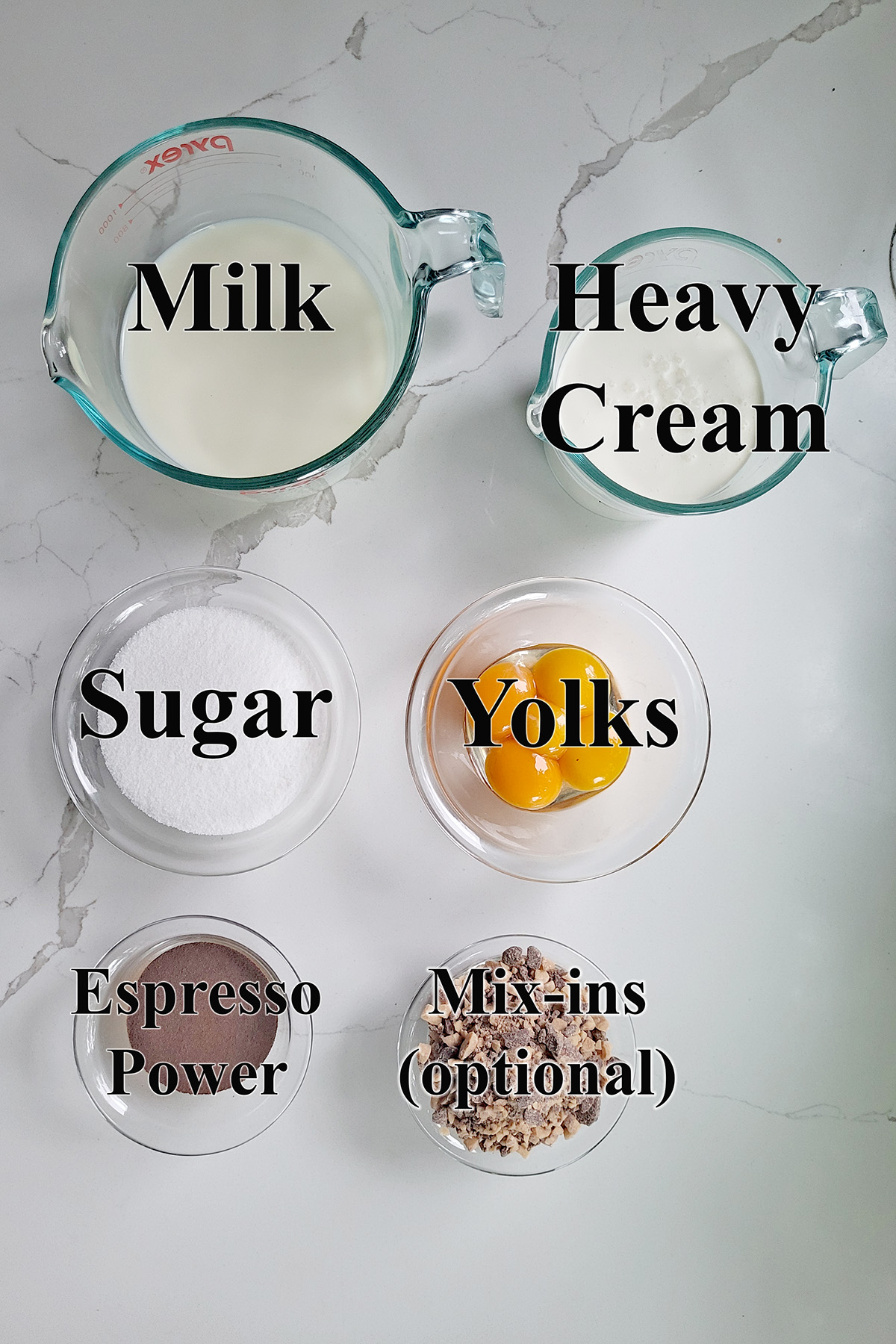
Achieving the perfect scoop is a matter of managing thermodynamic properties. The custard base, which typically includes heavy cream (36% to 40% butterfat), whole milk, sugar, and egg yolks, must be chilled to approximately 40°F (4°C) before entering the churn. The addition of instant espresso powder does not significantly alter the freezing point of the mixture, provided it is used in moderation.
According to nutritional analysis, a standard serving of this homemade custard-based ice cream contains approximately 322 kilocalories, with 20 grams of fat and 32 grams of sugar. The inclusion of egg yolks—which provide lecithin, a natural emulsifier—is critical. Lecithin stabilizes the emulsion, ensuring that the water and fat remain integrated during the churning process, which is essential for trapping air bubbles (overrun) and creating a scoopable texture.
Expert Perspectives on Mix-in Integration
The versatility of a neutral coffee base allows for significant culinary customization. Industry experts suggest that the most successful mix-ins are those that provide a textural contrast to the smooth custard.
- Toffee and Caramelized Sugars: Ingredients like Heath Bar chunks or artisanal toffee bits introduce a brittle, sugary crunch that mimics the experience of a mocha-latte pairing.
- Bittersweet Chocolate: The use of mini-chocolate chips is recommended over large chunks for better distribution. The high cocoa content provides a tannic bitterness that complements the acidity of the espresso.
- White Chocolate: Often overlooked, white chocolate serves as an effective "foil" to the bitterness of concentrated coffee. Its high cocoa butter content provides a creamy, buttery mouthfeel that rounds out the sharper edges of the espresso.
- Nuts: Toasted almonds or hazelnuts offer a secondary layer of flavor. When toasted, the Maillard reaction creates complex nutty compounds that harmonize with the roasted profile of the coffee.
Culinary Implications and Future Trends
The shift toward utilizing instant espresso for home-based artisanal production signals a broader trend in culinary science: the preference for performance-based ingredients over traditional methods that may not be optimized for specific applications. By removing the variable of water content, home cooks can achieve results that rival high-end commercial brands.
Furthermore, the storage implications are notable. Homemade ice cream lacks the industrial stabilizers found in mass-produced tubs, making it more susceptible to freezer burn—the process of sublimation where water vapor escapes the surface of the ice cream and recrystallizes. To mitigate this, practitioners recommend pressing a layer of plastic wrap directly onto the surface of the ice cream before placing the lid on the container. This creates an airtight seal that extends the quality of the product for up to three months.
Conclusion
The pursuit of the perfect homemade coffee ice cream is an exercise in managing the intersection of flavor intensity and structural physics. The evidence suggests that for those seeking a bold, bright, and authentic coffee experience, the instant espresso powder method is objectively superior. By bypassing the water-heavy infusion process, the cook maintains the integrity of the custard while elevating the coffee profile to the forefront. Whether consumed plain or customized with high-quality inclusions, the final product represents a significant upgrade from conventional domestic recipes, underscoring the importance of ingredient chemistry in modern home cooking. As the home-gourmet movement continues to grow, such techniques will likely become standard practice for those looking to replicate professional, café-style desserts in their own kitchens.