The Ultimate Guide to Seasonal Autumnal Baking and Culinary Traditions in the Modern Kitchen

The arrival of the first crisp mornings in September signals a shift in domestic culinary practices, marking the commencement of a three-month period defined by specific flavor profiles and traditional baking techniques. As temperatures decline, household kitchens undergo a transition characterized by the increased use of seasonal ingredients such as pumpkin, orchard-grown apples, and warming spices. This seasonal shift is not merely a lifestyle trend; it represents a significant uptick in consumer interest regarding home-based food preparation, baking supply retail, and the preservation of comfort-food traditions.

The Seasonal Chronology of Home Baking
The autumnal baking cycle is generally categorized into distinct phases that align with the progression of the season. From the initial cool fronts of September through the festive culmination in December, home bakers follow a structured, albeit informal, timeline. Early autumn is dominated by apple-centric preparations, often utilizing harvest-fresh fruit. As the season progresses into October and November, the focus shifts toward heavier, starch-based comfort foods and the integration of winter squashes, most notably pumpkin.

The early-season phase emphasizes simplicity and accessibility. Recipes such as apple crisps and straightforward pumpkin breads serve as the foundation of this period. These items are favored for their longevity and their compatibility with daily routines. Data from culinary consumer research indicates that during this period, there is a measurable increase in the demand for baking staples, including flour, granulated sugar, and specific spice blends like cinnamon, nutmeg, and cloves, which typically see a 30% surge in sales volume starting in late September.

Economic and Behavioral Drivers
The propensity for baking during the autumn months is driven by both environmental and psychological factors. Meteorological data confirms that as outdoor temperatures decrease, the internal domestic environment becomes more conducive to oven usage. Beyond the technical requirement for heat, there is a well-documented psychological association between the scents of baking—particularly those involving cinnamon, browned butter, and roasted squash—and domestic well-being.

Industry analysts observe that this period also coincides with the "hosting season," which begins with informal gatherings and transitions into formal holiday events. The necessity for high-volume, transportable desserts—such as the increasingly popular sheet cakes—reflects the social requirements of this time of year. Sheet cakes, specifically those incorporating apple and pumpkin, have seen a resurgence in popularity due to their high yield and ease of transportation, making them a staple for community gatherings and social events.

Categorical Breakdown of Seasonal Recipes
To navigate the extensive variety of autumn-themed desserts, professional bakers and home enthusiasts often categorize their output based on time, effort, and function.

1. High-Frequency Staples
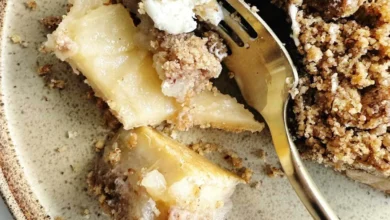
These are recipes designed for frequent, low-stress preparation. The "Sit and Stay Awhile" apple crisp remains a primary example, characterized by a reliance on textural contrast provided by oat-based toppings. Pumpkin bread with walnuts serves as a functional staple, as its shelf-life often improves after the initial 24-hour period, providing an efficient solution for multi-day consumption.

2. The Role of Seasonal Cookies
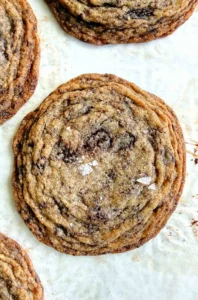
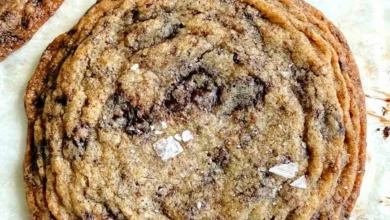
The cookie category represents the most diverse subset of autumnal baking. Recent trends emphasize the infusion of complex flavor profiles, such as the adoption of chai-spice blends in traditional sugar cookies. The utilization of browned butter in oatmeal-apple cookies and chocolate chip variations has become a standard technical requirement for achieving a depth of flavor that contrasts with the sweetness of the base ingredients. These recipes often serve as the sensory "marker" of the season, with the aroma of baking cookies frequently cited in consumer surveys as a primary indicator of the transition into the late-year period.

3. Large-Format Baking for Social Hosting
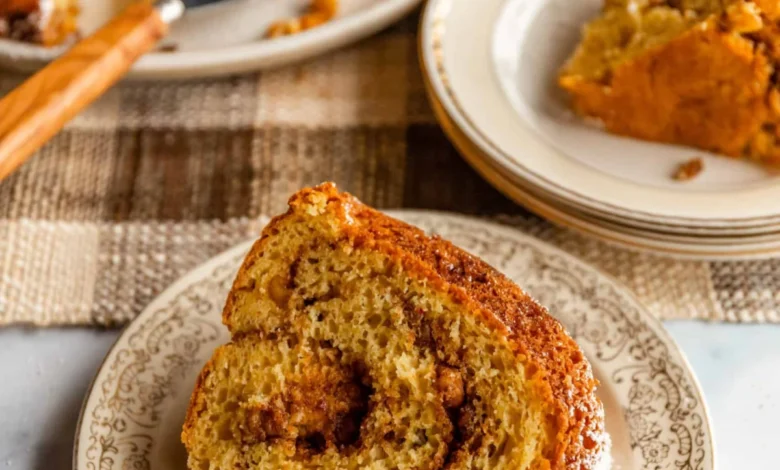
When hosting larger groups, efficiency is paramount. The shift toward sheet cakes, such as those featuring pumpkin and brown butter, addresses the need for scalable desserts. These cakes are not only logistically easier to transport but are designed to remain stable at room temperature for extended periods. Bundt cakes, often utilized for their aesthetic appeal and ability to distribute heat evenly, continue to hold a significant market share in home-baking, particularly those emphasizing traditional flavor profiles like cinnamon and spice-heavy syrups.

Advanced Projects and Technical Skill
For home bakers seeking to elevate their output, the mid-autumn period often involves more labor-intensive "project" baking. This includes overnight fermentation recipes, such as apple-fritter focaccia, which requires advanced planning and attention to hydration levels and proofing times. Similarly, the preparation of kolaches—a traditional pastry requiring precise dough management—represents a higher tier of commitment. These recipes are frequently identified as "showcase" items, intended for specific occasions rather than daily consumption.

The No-Bake Alternative
An important segment of the autumn baking market focuses on the "no-oven" approach. This is particularly relevant during the transitional weather of October, where ambient temperatures may still be high enough to make continuous oven use undesirable. Pumpkin-infused tiramisu and various blondie recipes that incorporate leftover seasonal confectionery are critical components of this strategy. These recipes allow for the inclusion of seasonal flavors without the thermal load associated with traditional baking, effectively bridging the gap between late summer and the heart of autumn.

Impact on Breakfast and Brunch Culture
A notable trend in recent years is the reclassification of "dessert-adjacent" items as breakfast staples. Recipes for browned-butter banana bread and enriched bread puddings are increasingly served in the morning hours. From a nutritional and behavioral standpoint, this reflects a shift toward indulgence in home-prepared meals. These dishes are technically complex enough to satisfy the requirements of a weekend project while remaining accessible enough to serve as a high-quality breakfast for guests.

Broader Implications and Future Trends
The rise of digital recipe sharing and the popularity of food-centric blogging have standardized these autumnal traditions across a wider demographic. The availability of detailed, step-by-step photography and instructional content has lowered the barrier to entry for novice bakers, leading to an overall increase in home-baking activity.

As the season moves toward the end-of-year holidays, the demand for specific, specialized recipes—such as those categorized under "Thanksgiving desserts" or "holiday cookies"—becomes the primary focus of the domestic culinary sector. The implications for the retail sector are substantial: grocers and specialty ingredient suppliers are increasingly using data-driven forecasting to stock high-demand items like canned pumpkin, specialty flours, and bulk spices in anticipation of this predictable surge.

Ultimately, the autumnal baking season is a structured cultural phenomenon that balances tradition with modern convenience. Whether through the simple, efficient preparation of an apple crisp or the complex, multi-day process of perfecting a seasonal bread, the act of baking during the fall serves as a vital link between seasonal change and domestic routine. As professional chefs and home cooks alike continue to innovate within these established parameters, the techniques and recipes favored today will likely continue to evolve, while maintaining the core sensory experiences that define the season.