Ten Years of Pan-Banging Chocolate Chip Cookies: The Evolution of a Baking Phenomenon Leads to a New Brown Butter Variation

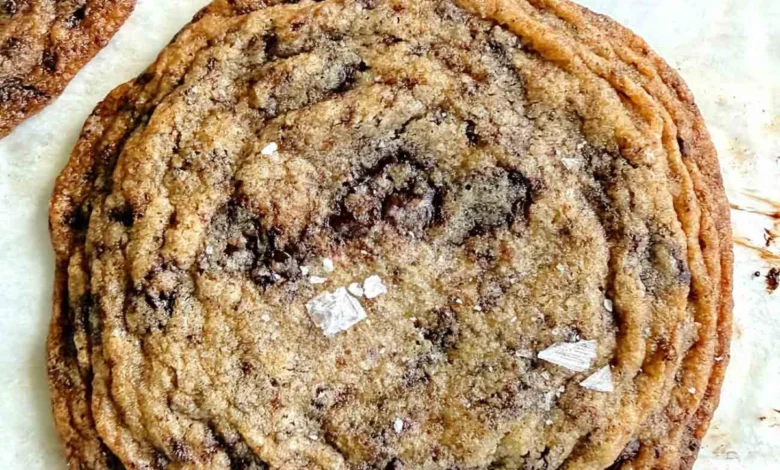
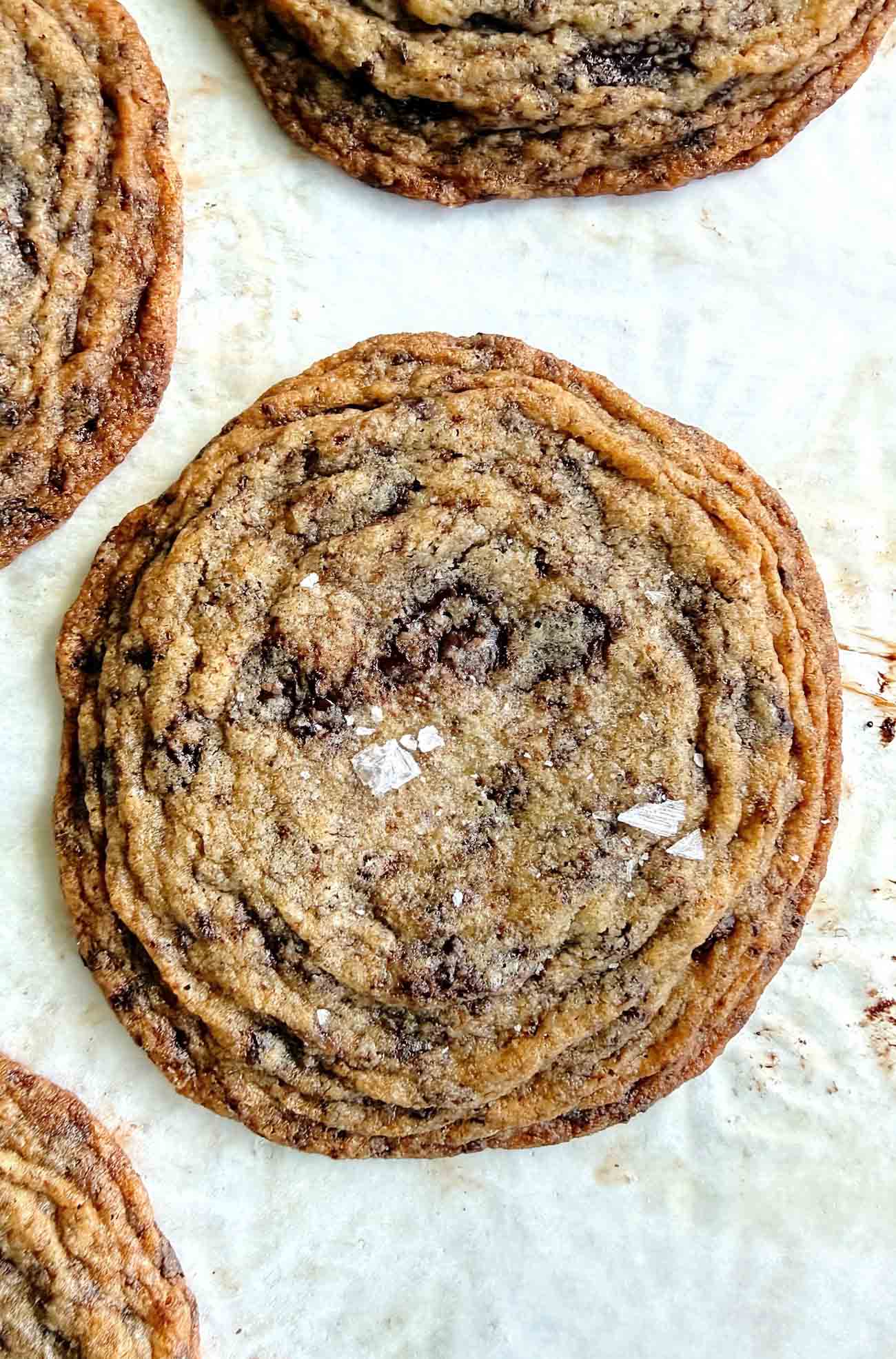
It has been a decade since the culinary world was introduced to a deceptively simple yet revolutionary baking technique that forever altered the texture profile of the classic chocolate chip cookie. First published in the Vanilla Bean Baking Book in September 2016, the original pan-banging chocolate chip cookie recipe captured the imaginations of home bakers and professional pastry chefs alike. Unlike traditional baking methods that rely on undisturbed oven time, this technique mandates that baking sheets be periodically dropped or tapped against the oven rack every few minutes during the baking cycle. This deliberate disruption causes the cookie dough to deflate in stages, forming distinctive concentric ripples along the outer perimeter while safeguarding a soft, gooey center.
Ten years after its initial publication, the recipe remains a staple in modern baking culture. To mark the milestone anniversary, the creator has officially released a long-awaited adaptation: the Pan-Banging Brown Butter Chocolate Chip Cookie. This new iteration marries the physics-defying texture of the original method with the complex, nutty aromatics of browned butter, offering a sophisticated twist on a beloved comfort food classic.
Background and the Genesis of Pan-Banging
The concept of tapping baking pans during the cooking process is not entirely novel in the culinary arts. Cooks and bakers have historically tapped pans to release trapped air bubbles in cakes, soufflés, and certain artisan breads. However, applying this physical intervention systematically to drop cookies was a paradigm shift.
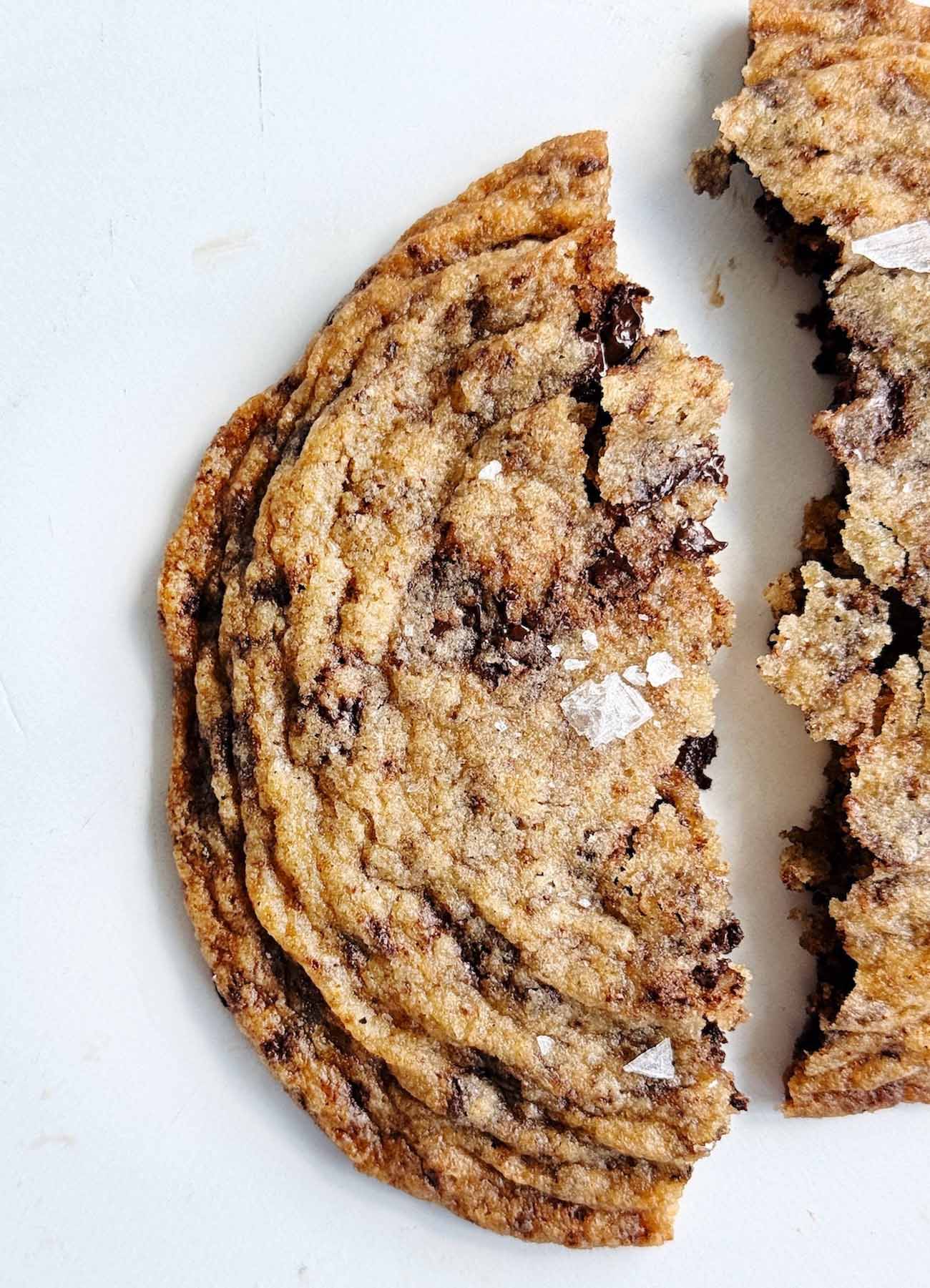
When the recipe debuted in 2016, it quickly went viral across digital food platforms, baking blogs, and social media networks. Food scientists and culinary historians noted that the repetitive thermal shock and structural collapse forced the flour, sugar, and fat matrix to settle in waves. The outer edges of the dough spread rapidly and thin out, crisping up against the hot pan, while the protected center remains dense and underbaked. The result is a dual-textured cookie that delivers both crunch and chew in a single bite.
Over the subsequent ten years, home bakers experimented independently with the base formula, often substituting standard unsalted butter with brown butter—a culinary technique wherein butter is melted and gently cooked until the milk solids caramelize, yielding a rich, hazelnut-like aroma and flavor profile. Recognizing the widespread popularity of these grassroots adaptations, the recipe’s creator undertook a formal development process to engineer an official brown butter version that honors the precise chemistry of the original pan-banging technique.
Recipe Development and Culinary Adjustments
Developing a brown butter variant for a scientifically sensitive recipe presented distinct challenges. When butter is browned, a significant amount of water evaporates through the boiling process, altering the moisture content of the fat. In baking, altering moisture levels can drastically affect spread, rise, and structural integrity.
During the initial testing phase, the recipe developer attempted to brown 100 percent of the butter called for in the formulation. However, the resulting flavor profile proved overpowering, overshadowing the nuanced sweetness of the sugars and the quality of the chocolate. Through iterative testing, a balanced formula was established: browning exactly half of the butter while leaving the remaining half in its traditional state. This hybrid approach successfully introduced the distinct nutty notes of browned butter without compromising the overall harmony of the cookie or overwhelming the palate.
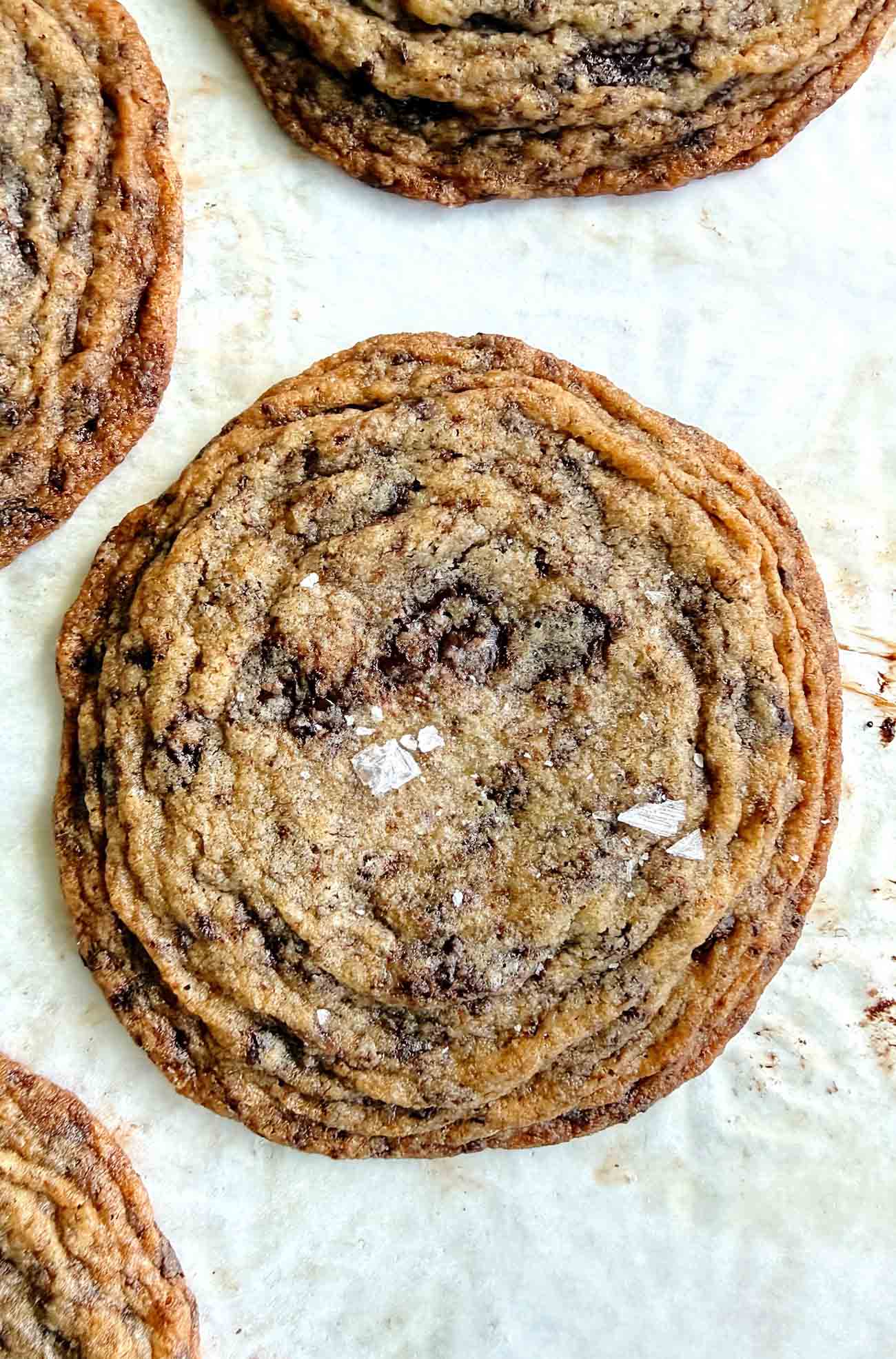
Another notable refinement in the updated recipe involves the application of flaky sea salt. While conventional baking methods often suggest sprinkling salt over cookies immediately after they emerge from the oven, this updated technique incorporates the salt prior to baking. Baking the salt directly into the dough allows the mineral crystals to partially dissolve and integrate into the cookie matrix, mitigating the sharp, jarring salinity that sometimes accompanies a heavy-handed post-bake finish.
Chronology of Milestones
- September 2016: The original pan-banging chocolate chip cookie recipe is published in the Vanilla Bean Baking Book, rapidly gaining traction among digital baking communities.
- 2017–2023: The recipe circulates widely online, inspiring countless home bakers to experiment with independent modifications, including the addition of browned butter, espresso powder, and various chocolate inclusions.
- Late 2025: Formal recipe testing begins for an official brown butter variation, focusing on moisture loss ratios and flavor balance.
- Early 2026: Initial tests using 100 percent brown butter are deemed too overwhelming; the formula is subsequently adjusted to a 50-percent brown butter ratio.
- September 26, 2026: The official Pan-Banging Brown Butter Chocolate Chip Cookie recipe is published, exactly ten years after the debut of the foundational baking book.
Technical Specifications and Baker’s Guidelines
Achieving the signature rippled aesthetic and textural contrast requires strict adherence to specific preparation and baking parameters. Culinary experts and recipe developers have highlighted several critical technical guidelines for those attempting the new brown butter variation:
- Precision Measurement: The recipe mandates that 1 cup of all-purpose flour equates precisely to 142 grams. Variations in flour density across different global regions mean that volume measurements can introduce significant error. Weighing ingredients on a digital scale remains the industry standard for replicating the intended structural outcome.
- Temperature Management of Fats: When browning butter, water content is lost. While the liquid fat can be cooled rapidly in a refrigerator, it must be allowed to return to ambient room temperature before being incorporated into the sugar and egg mixture. Introducing hot fat directly to eggs can prematurely cook the proteins, altering the emulsion.
- Dough Chilling Protocols: The dough may be refrigerated overnight to allow the starches and proteins to hydrate further, resulting in a more complex flavor profile. However, bakers must allow chilled dough to return to room temperature prior to baking; solid, cold butter fat will not spread or ripple adequately under the thermal stress of the pan-banging process.
- Cookie Sizing: The physical mechanics of the rippling effect rely heavily on mass and surface area. The cookies must be formed into relatively large portions of dough. Smaller portions will fail to produce the distinct ridged perimeter and the requisite gooey center.
- Pan and Lining Selection: Drawing on insights from prominent culinary authorities like Alice Medrich, utilizing the dull side of aluminum foil—or alternatively, high-grade parchment paper—on the baking sheet helps achieve an extra-crisp, golden-brown bottom crust.
Industry Implications and Broader Culinary Impact
The enduring success of the pan-banging method underscores a broader shift in contemporary home baking. As digital platforms continue to democratize culinary knowledge, recipes that rely on tactile engagement and physical manipulation—rather than passive observation—have found a permanent audience.
Food industry analysts note that the longevity of viral recipes often depends on their adaptability. By officially sanctioning and refining a brown butter variation a decade after the initial launch, creators can successfully revitalize legacy content, bridging the gap between nostalgic favorites and modern flavor trends. Furthermore, the emphasis on precise metric measurements and thermodynamic principles reflects a growing appetite among amateur bakers for professional-grade instruction in domestic kitchens.
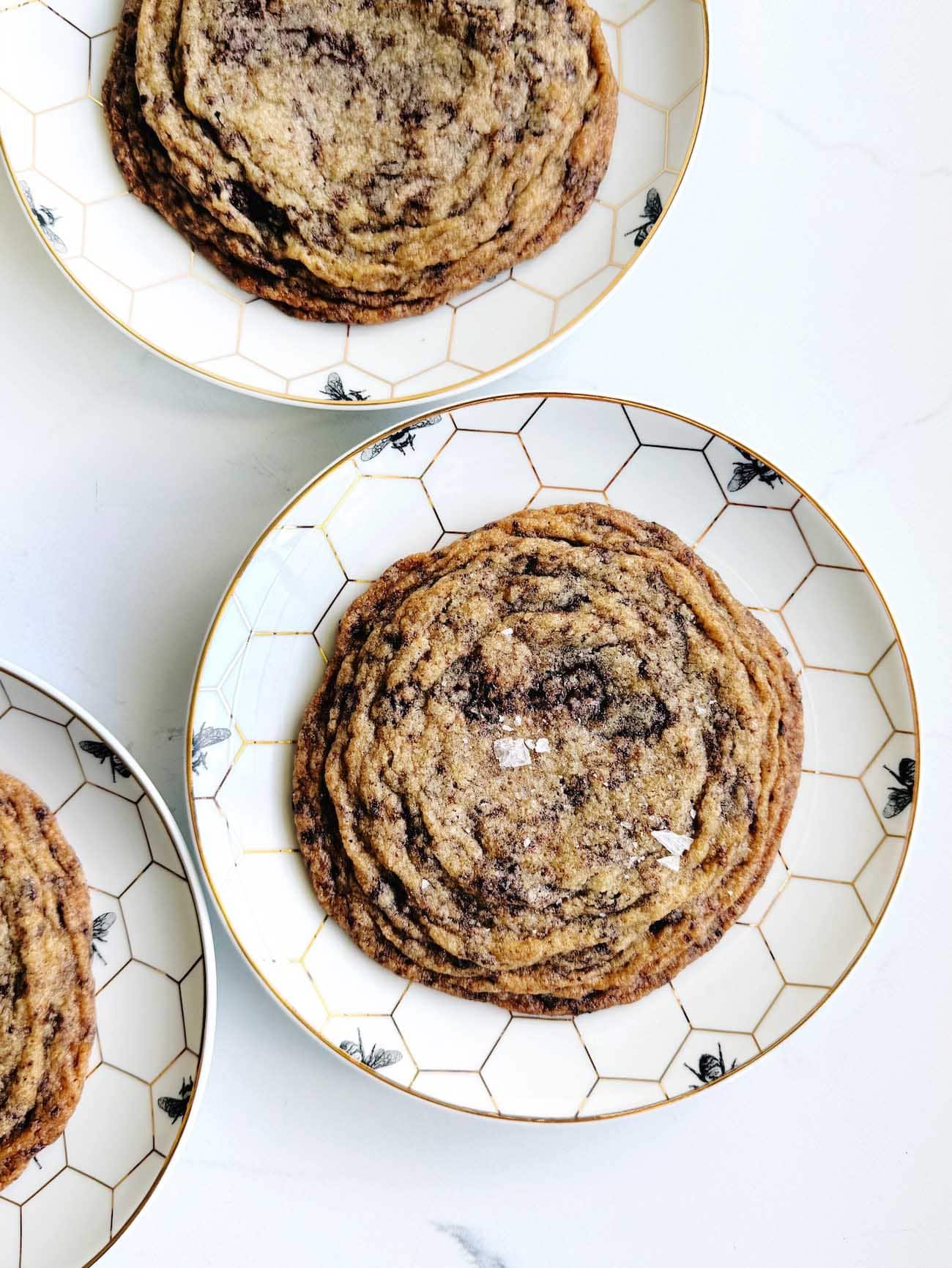
As these new brown butter cookies find their way into ovens worldwide, they serve as both a celebration of a ten-year culinary milestone and a testament to the ongoing evolution of comfort food chemistry.