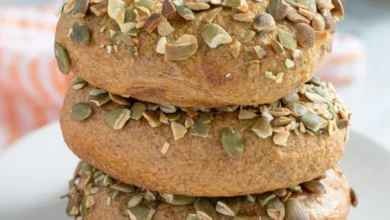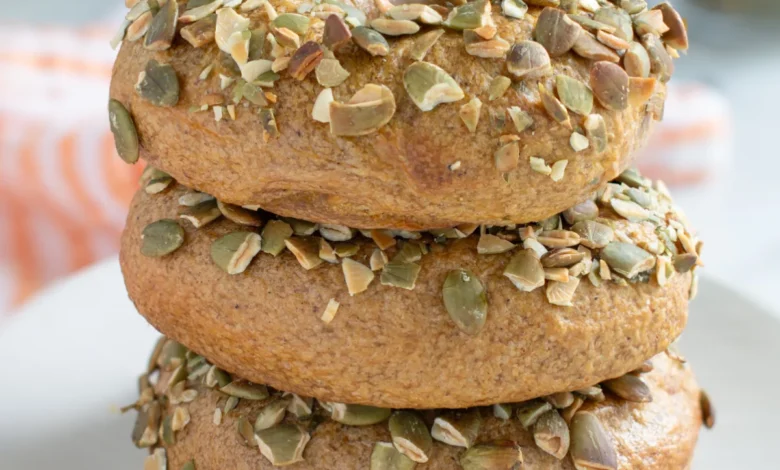
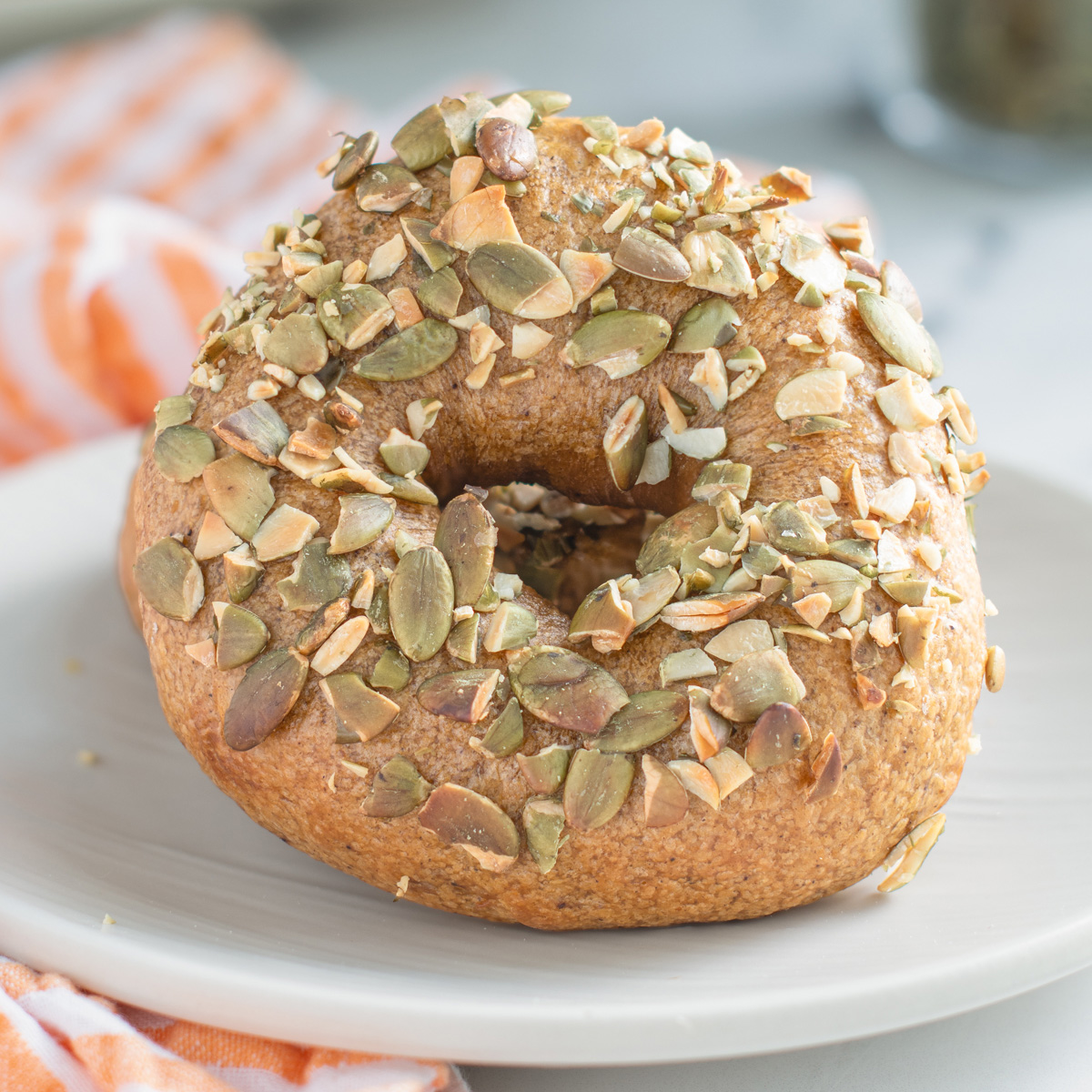
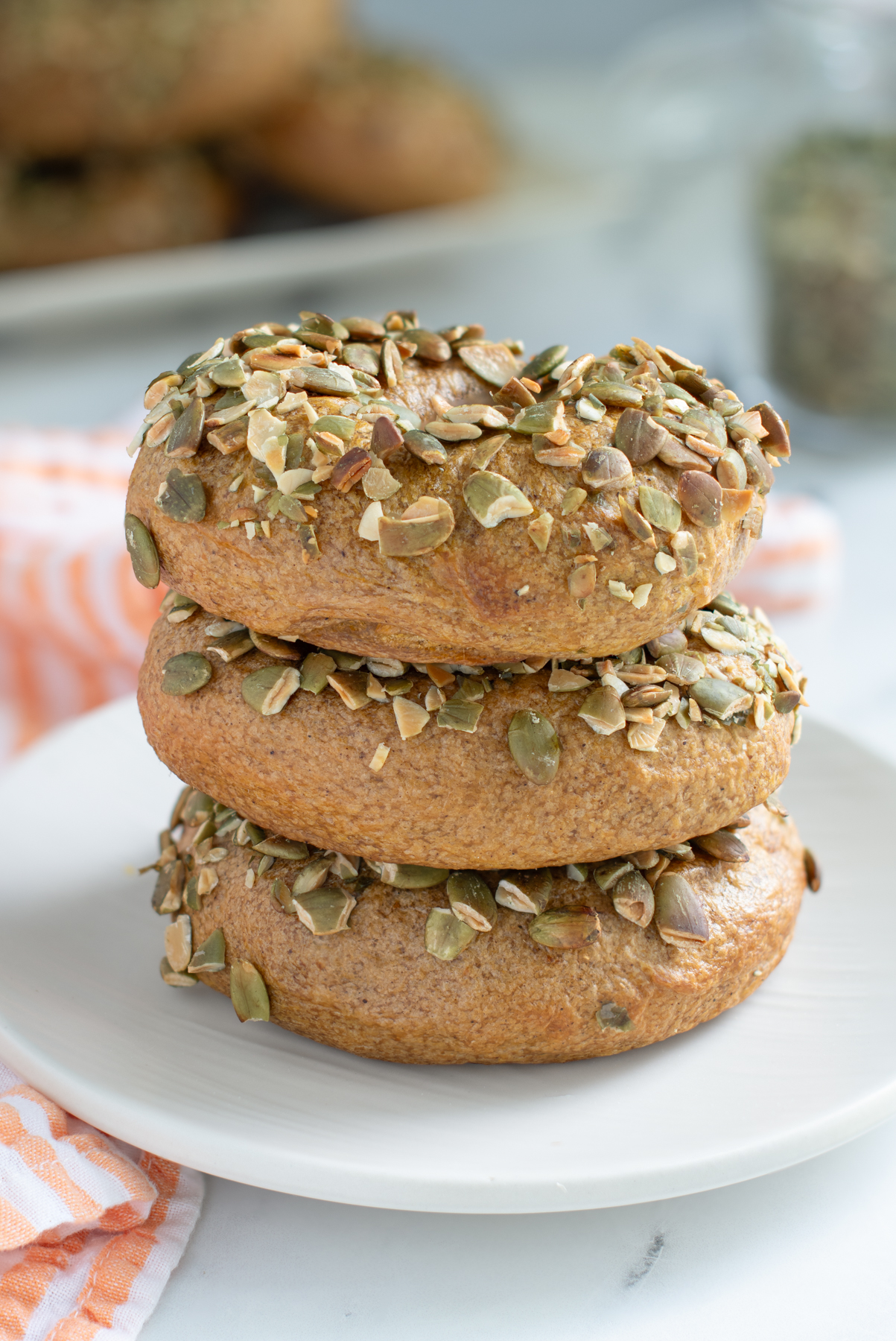
The intersection of artisanal sourdough fermentation and seasonal produce has yielded a sophisticated iteration of the classic New York-style bagel: the sourdough pumpkin bagel. Unlike mass-produced seasonal baked goods that rely heavily on artificial flavorings or commercial yeast, this preparation method utilizes the biological activity of an active sourdough starter to achieve a dense, chewy texture. By integrating real pumpkin purée and a measured blend of warming spices, bakers are increasingly moving away from the "pumpkin spice" trend toward a more nuanced, savory profile that highlights the complexity of natural fermentation.
The Science of Sourdough and Enriched Doughs
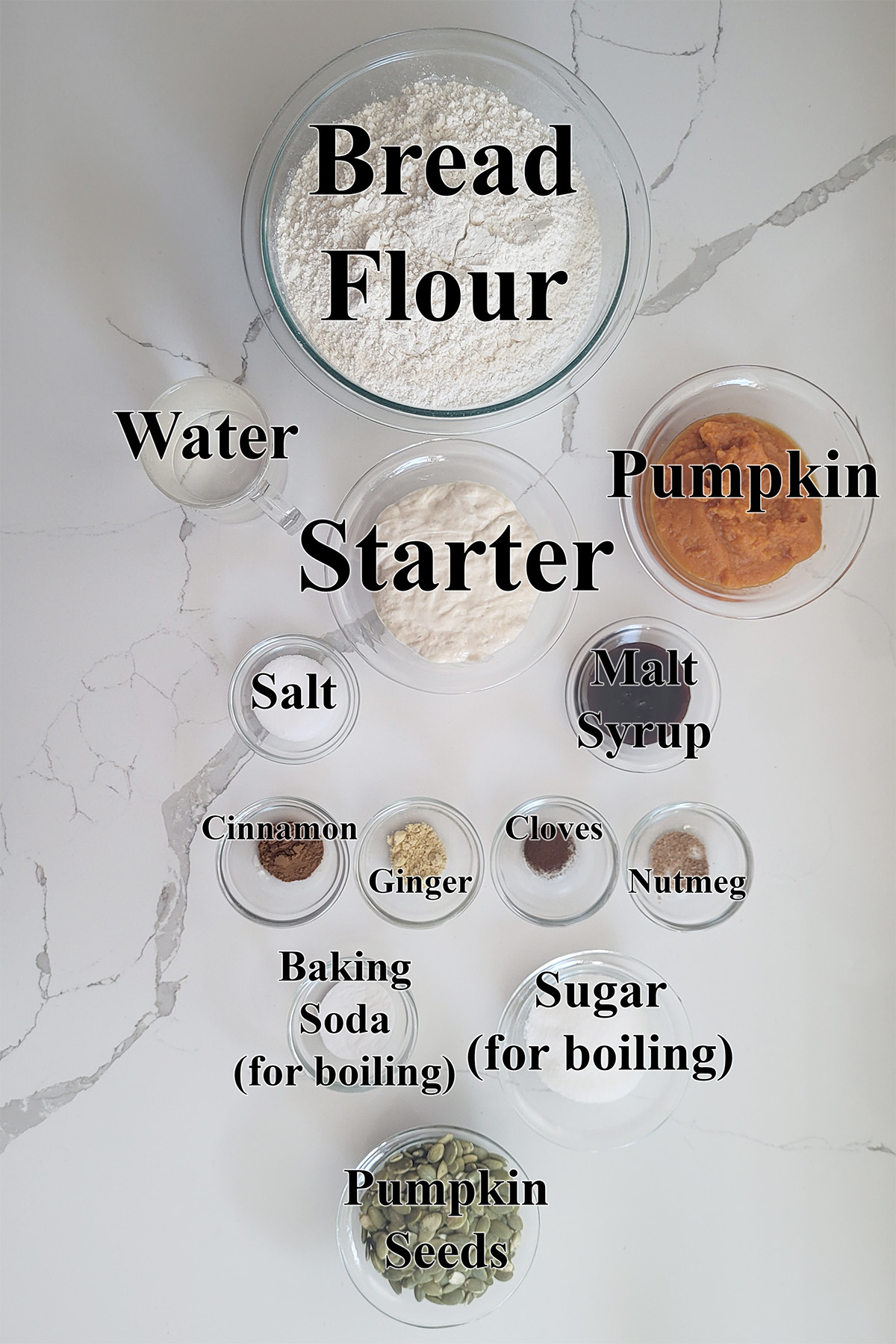
The production of a sourdough pumpkin bagel is fundamentally a study in controlled fermentation. Standard bagel recipes—often referred to as "lean" doughs—rely on a simple mixture of flour, water, salt, and yeast. However, the introduction of pumpkin purée classifies this as an "enriched" dough. Pumpkin contains natural sugars, fiber, and moisture that significantly alter the environment for the yeast and lactobacilli within the sourdough starter.
From a biochemical perspective, the addition of sugar (often provided by barley malt syrup in traditional bagel recipes) and the complex fibers found in pumpkin, acts as a retardant to yeast activity. This necessitates a longer bulk fermentation period to ensure the dough develops the characteristic structure and flavor profile associated with high-quality sourdough. The process requires a rigorous two-day schedule, allowing the natural acids produced during fermentation to break down starches, resulting in a product that is not only flavorful but potentially more digestible than chemically leavened alternatives.
Chronological Breakdown of the Baking Process
The production of these bagels follows a precise timeline that prioritizes the health of the sourdough starter. The process generally begins on day one, typically in the evening, with the feeding of the starter. A well-maintained, active starter is the primary leavening agent, eliminating the need for commercial yeast packets.
- Starter Preparation: The baker must ensure the starter is at peak activity levels, usually requiring a feeding 4 to 8 hours before mixing the final dough.
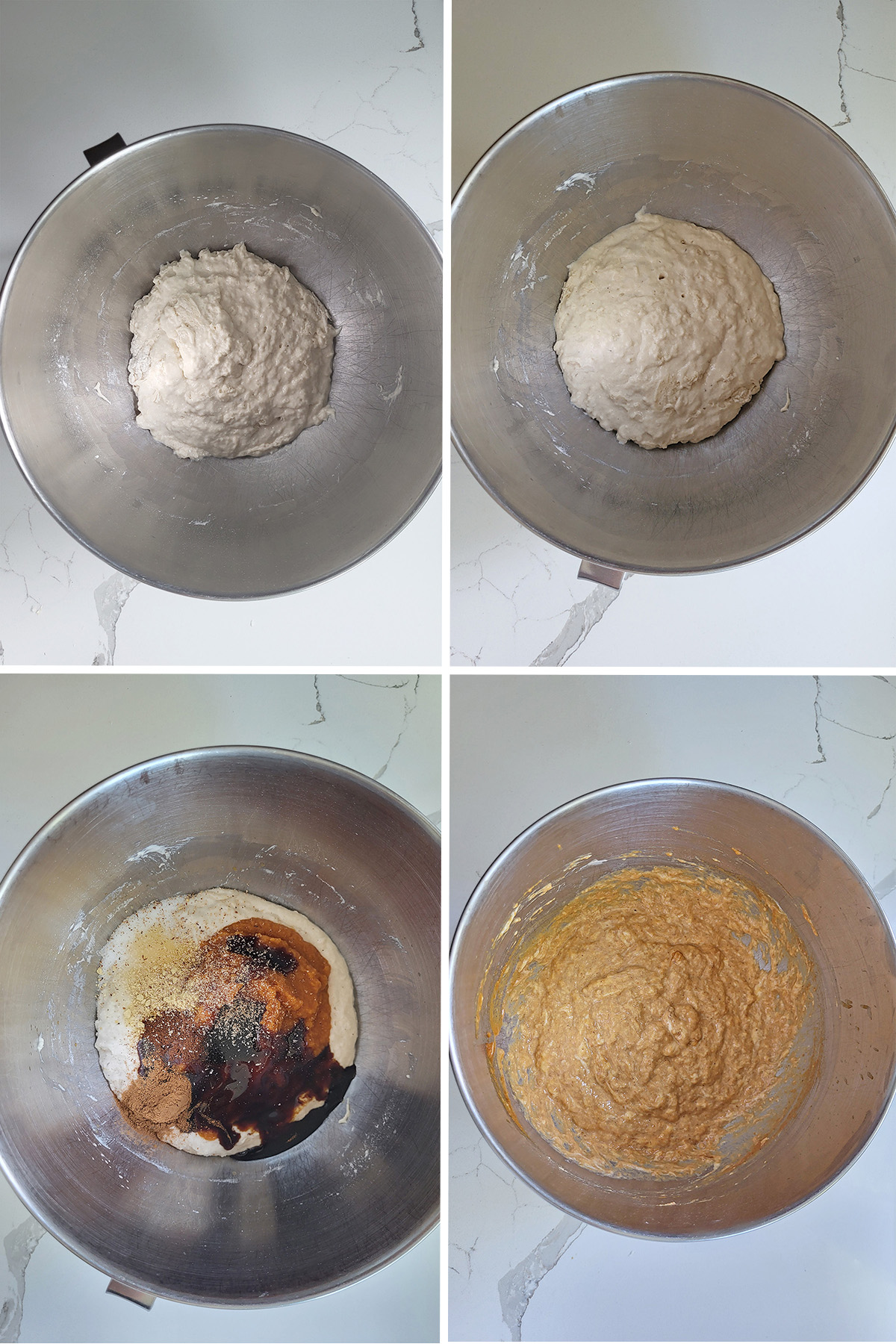
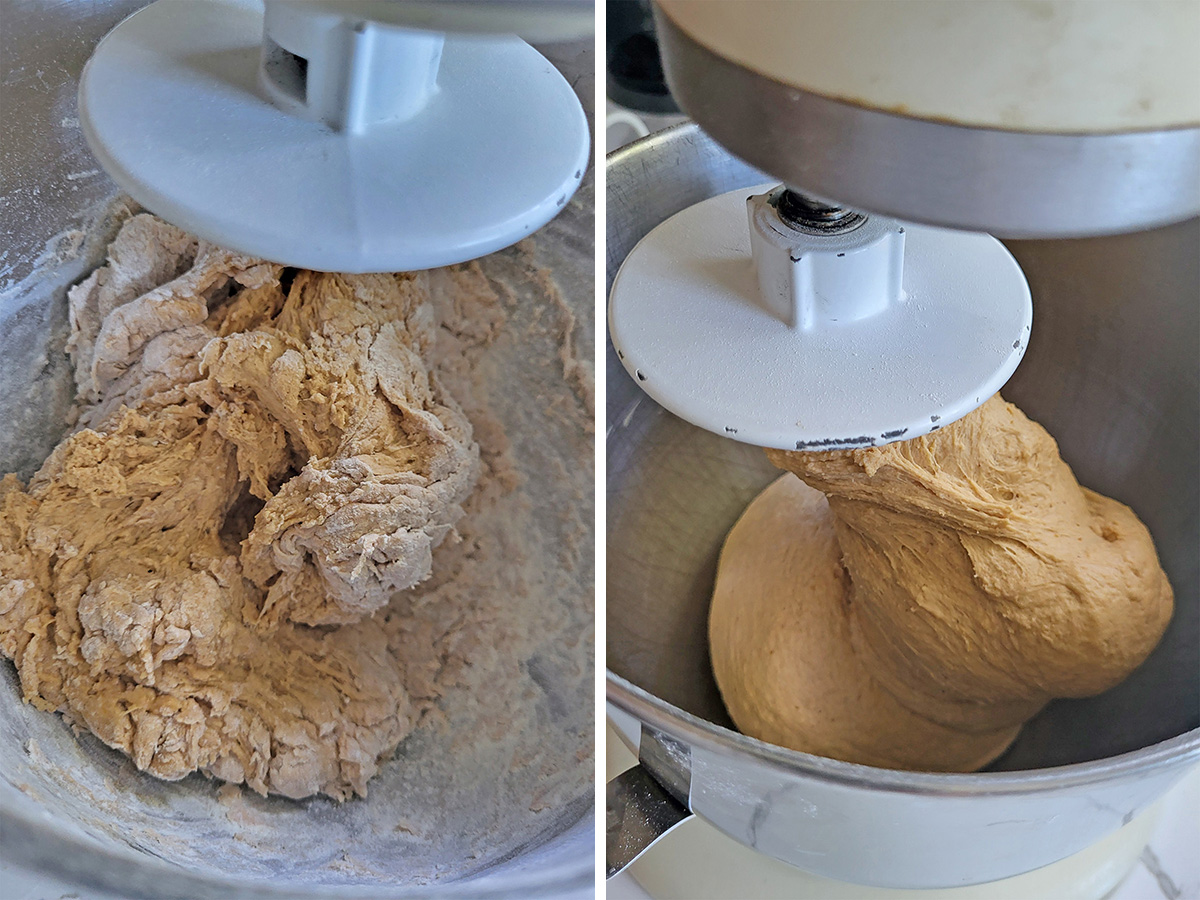
- Mixing and Kneading: The dough is combined, incorporating the pumpkin and spices. Because pumpkin adds significant hydration, the dough requires careful handling during the kneading phase to build sufficient gluten strength.
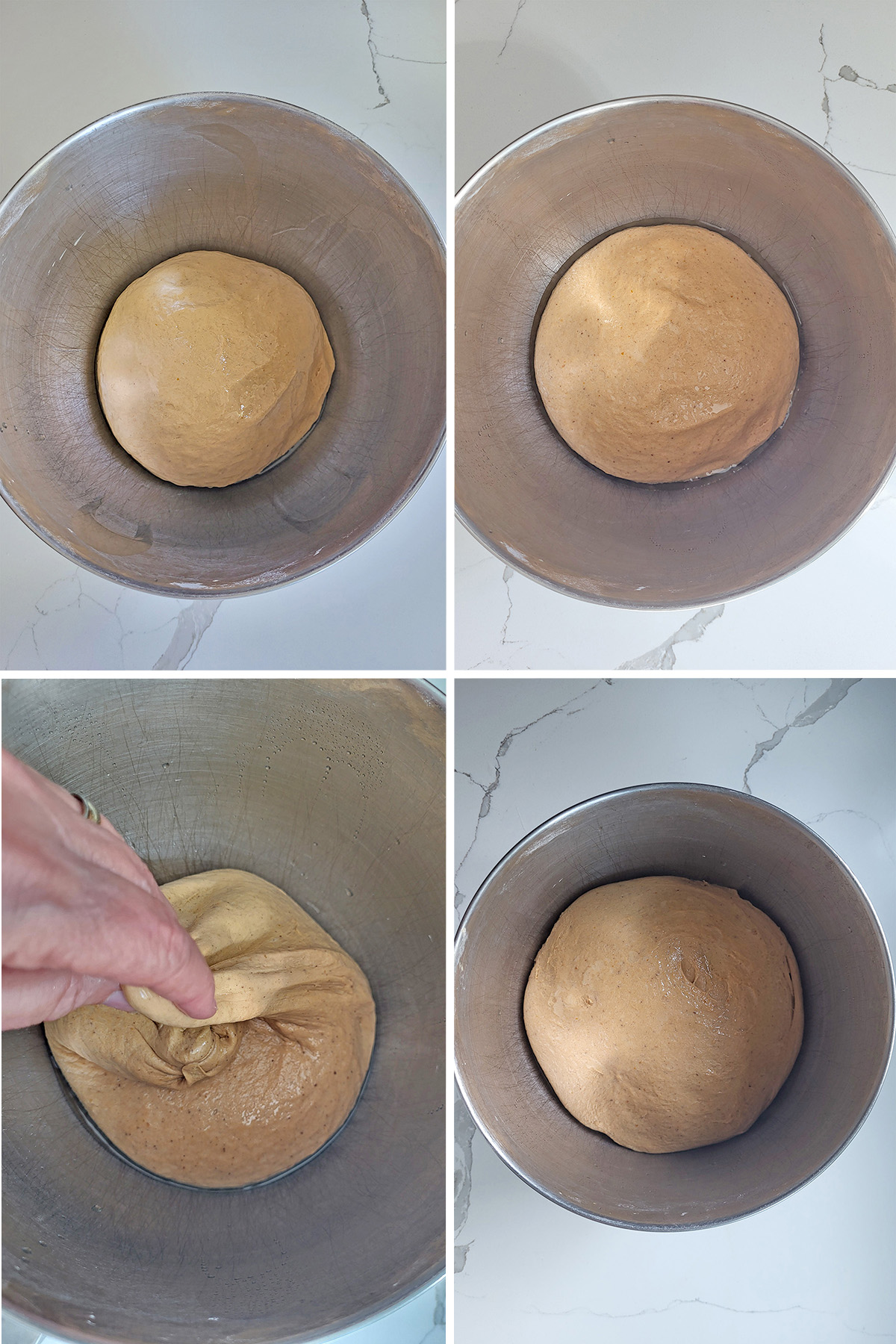
- Bulk Fermentation: During this stage, the dough undergoes a slow rise. It is during this window that the sourdough culture produces organic acids, which impart the signature "tang" that balances the inherent sweetness of the pumpkin.
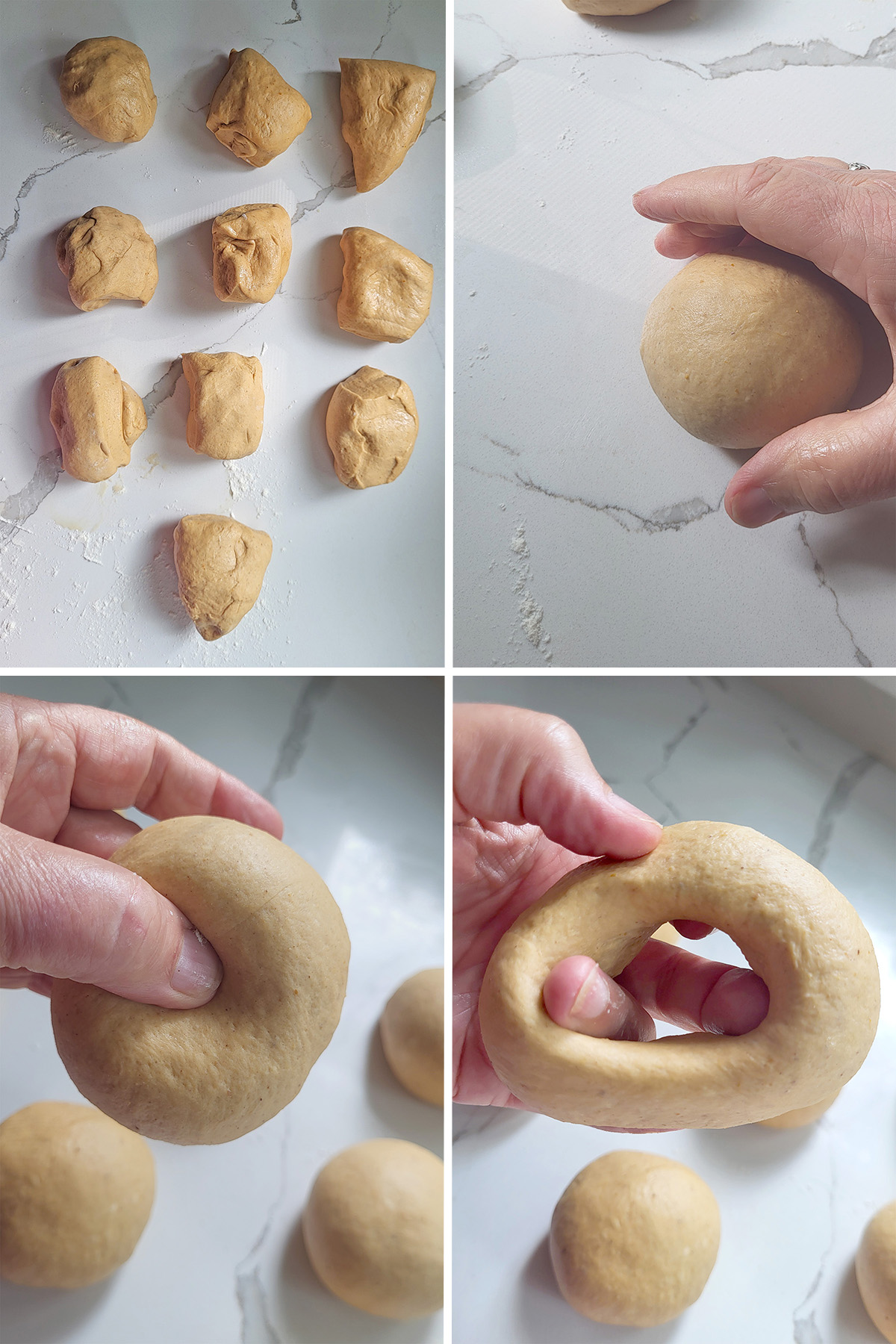
- Shaping and Cold Proof: Once the dough is portioned, it is shaped into the iconic ring form. A cold proofing stage—often overnight in a refrigerator—is critical. This period serves two functions: it stabilizes the dough for easier handling and allows for a deeper development of flavor compounds that are suppressed at room temperature.
- Boiling and Baking: Prior to entering the oven, the bagels are boiled. This is a crucial step in New York-style bagel production; the hot water bath gelatinizes the starch on the surface of the dough, creating a glossy, chewy crust that acts as a barrier during the bake. The final oven cycle sets the interior crumb.
Nutritional and Market Context
While the bagel has long been a staple of the American breakfast, the move toward sourdough versions reflects a broader consumer shift toward "slow food" and artisanal manufacturing. Nutritional data for a standard sourdough pumpkin bagel indicates approximately 331 calories, with 11 grams of protein and 58 grams of carbohydrates. While these figures vary based on specific ingredient sourcing—such as the quality of the flour or the concentration of the pumpkin purée—the inclusion of sourdough starter is often cited by culinary experts as a way to lower the glycemic index of wheat-based products compared to rapid-rise commercial breads.
The market for seasonal pumpkin-based products remains a multi-billion-dollar segment in the food industry. However, the move toward "real ingredient" baking, such as using genuine pumpkin rather than extracts, suggests a maturing consumer base. Bakers are finding that the savory application of pumpkin, paired with the earthy notes of a sourdough starter, provides a more premium experience that justifies the extended labor time of a two-day fermentation cycle.
Professional Perspectives on Artisan Baking
Industry experts observe that the rise in home-based artisanal baking, particularly concerning sourdough, was accelerated by global supply chain disruptions and a renewed interest in traditional food preparation methods. By replacing commercial yeast with a long-term fermentation schedule, bakers gain control over the texture and shelf life of the final product.
"When you introduce a dense vegetable like pumpkin into a bagel dough, you are challenging the gluten network," notes one industry analyst specializing in fermentation science. "The success of the bagel depends on how well the baker manages the hydration levels. If done correctly, the pumpkin doesn’t just add flavor; it contributes to a tender, moist interior crumb that stays fresh longer than a standard lean bagel."
Implications for Future Baking Trends
The transition toward such specialized, fermentation-heavy recipes has notable implications for both home kitchens and boutique bakeries. First, it emphasizes the importance of equipment. Because these doughs are often higher in hydration and density, the use of high-torque mixers and consistent, temperature-controlled fermentation environments has become more common among serious practitioners.
Second, the "work-ahead" nature of the two-day process is shifting how consumers view meal preparation. Rather than viewing baking as a quick chore, it is being reframed as a structured routine that fits into a modern lifestyle. By leveraging the natural fermentation schedule, bakers can essentially "pause" the process, effectively managing their time without compromising the quality of the final product.
Finally, the success of this specific recipe—balancing the sharpness of sourdough with the mellow, earthy profile of pumpkin—suggests that the next phase of the "pumpkin spice" evolution will be characterized by subtlety. As consumers become more sophisticated in their palates, the focus will likely remain on integrating seasonal produce in ways that complement, rather than mask, the fundamental quality of the base bread.
Summary of Technical Considerations
For those attempting this process, attention to detail in the boiling phase is paramount. The water bath, often supplemented with barley malt syrup, serves to caramelize the exterior during the baking process. Bakers are cautioned against over-proofing the dough; because the pumpkin contains natural sugars, the dough may ferment more rapidly if the ambient temperature is too high.
Effective storage is another critical aspect. Unlike commercially produced bagels which are often packed with preservatives to extend shelf life on store shelves, these artisanal versions are best consumed within 24 hours. Freezing, if necessary, should be done with the bagels pre-sliced to ensure ease of use.
As artisanal baking continues to integrate more complex flavor profiles, the sourdough pumpkin bagel stands as a representative example of how traditional techniques can be adapted for modern, high-quality, and nutrient-conscious food consumption. The result is a product that honors the historical roots of the bagel while embracing the seasonal diversity of contemporary agricultural ingredients.