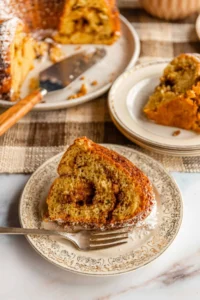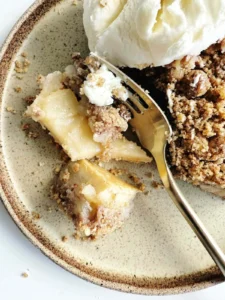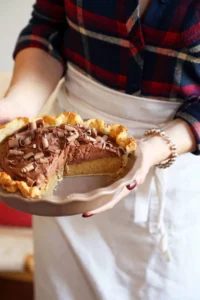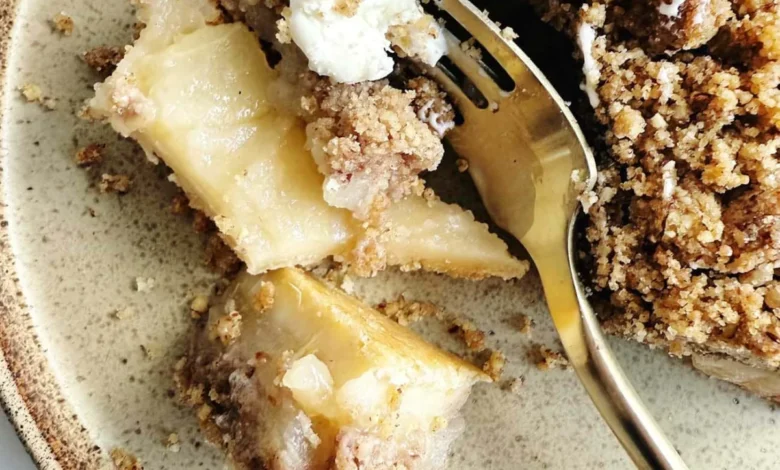
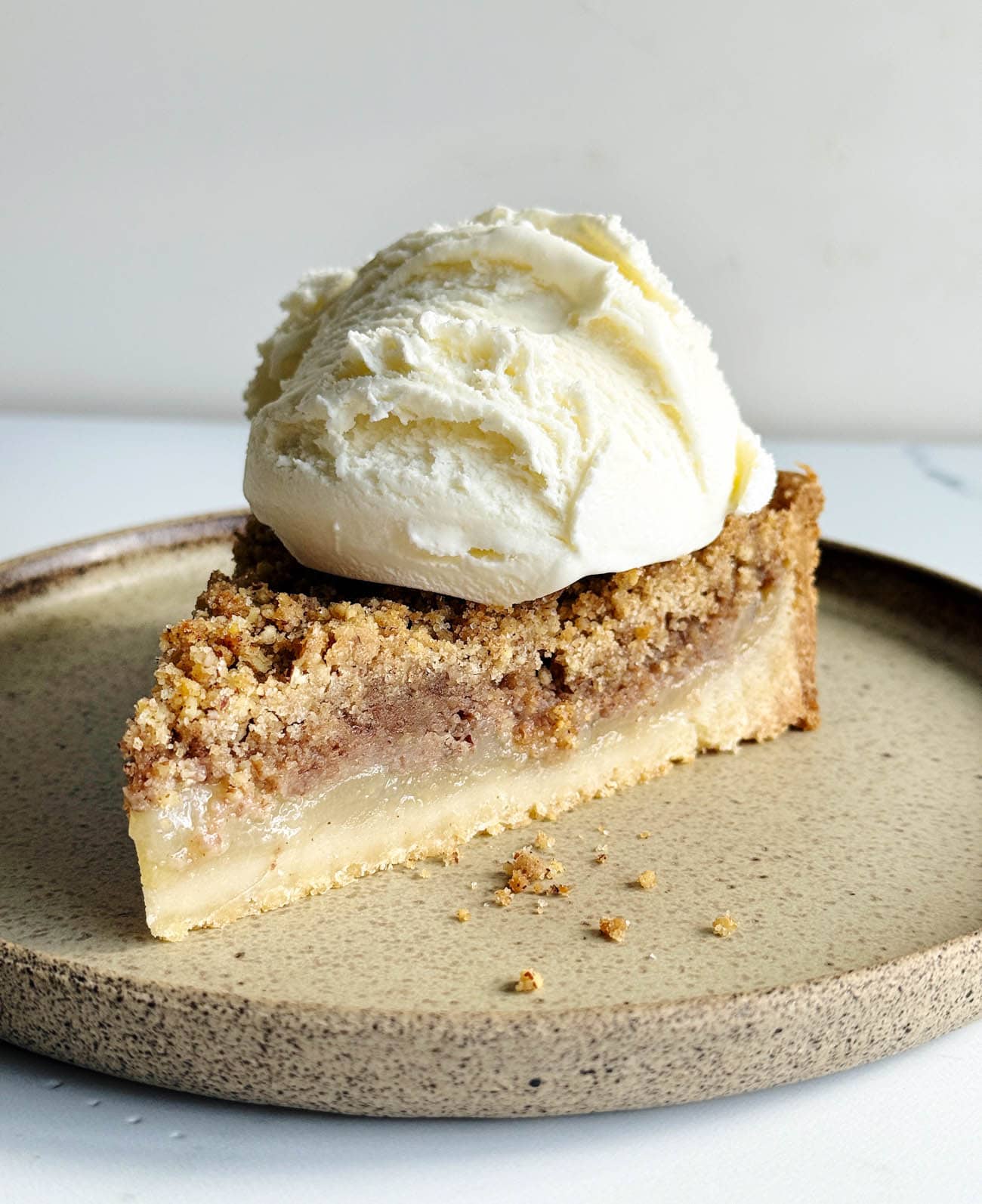
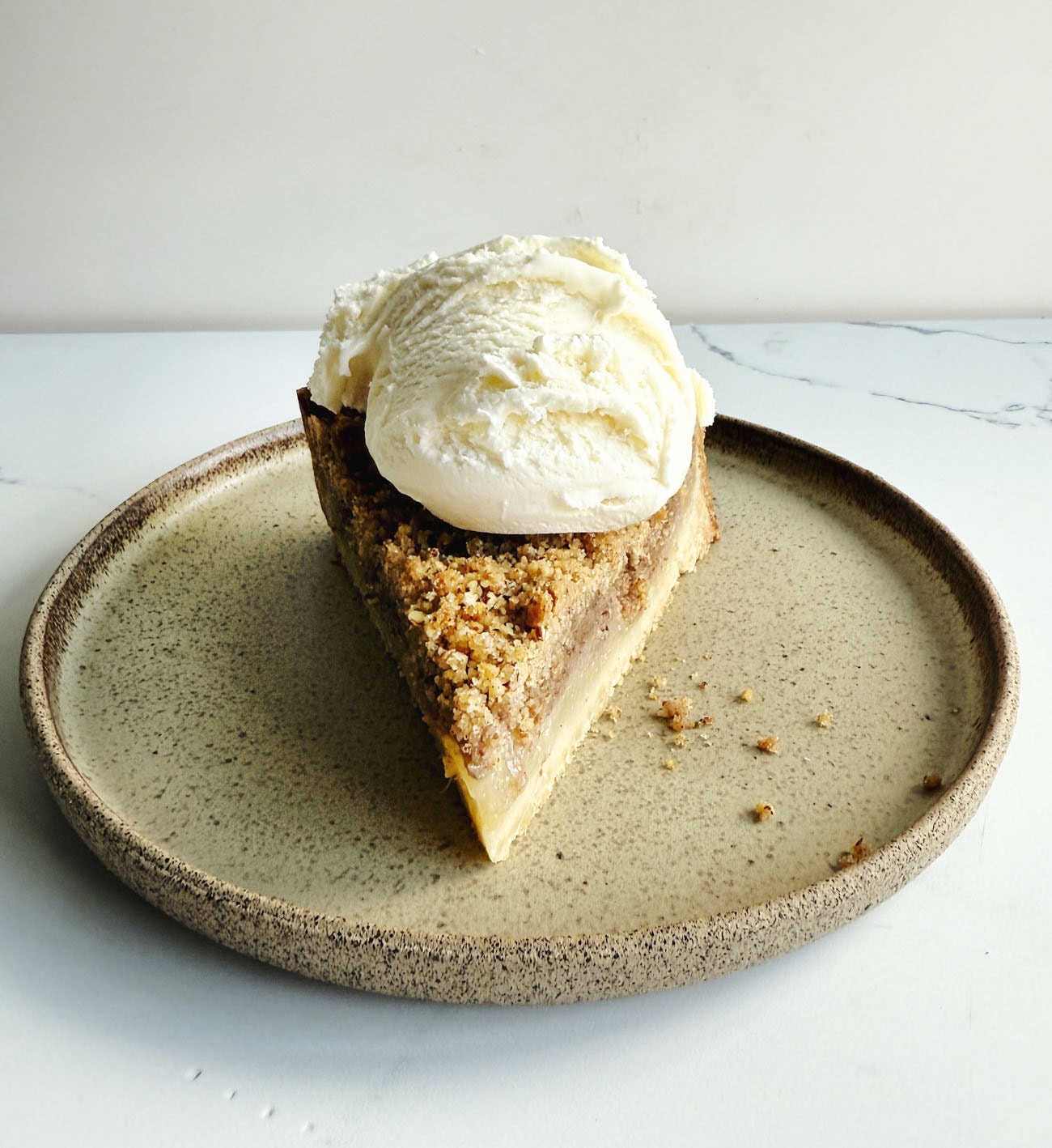
The culinary landscape of artisan baking is often built upon a foundation of shared institutional knowledge, passed quietly from one commercial kitchen to another before finding a permanent home in domestic households. Among these enduring recipes is a distinct autumn dessert: the Pecan Streusel Pear Tart. With roots tracing back to the early 2000s in the vibrant coffeehouse culture of south Minneapolis, this seasonal staple has spent over two decades undergoing careful refinement. Originally derived from the classic pastry methodologies outlined in the authoritative culinary resource Joy of Cooking—specifically within its specialized volume All About Pies & Tarts—the recipe has evolved from a commercial bakery favorite into a refined, home-tested masterpiece tailored for autumn gatherings and holiday celebrations.
Chronology and Evolution of the Recipe
The history of the tart is deeply intertwined with the Midwestern independent coffeehouse scene of the millennium’s first decade. Professional bakers working within the bustling culinary hubs of Minneapolis frequently adapted foundational baking texts to suit high-volume commercial demands, prioritizing reliability and guest appeal. The precursor to the modern Pear Tart was initially developed in a south Minneapolis coffee shop, where its balance of spiced fruit and crumbly topping proved exceptionally popular among patrons seeking comforting, autumn-inspired pastries.
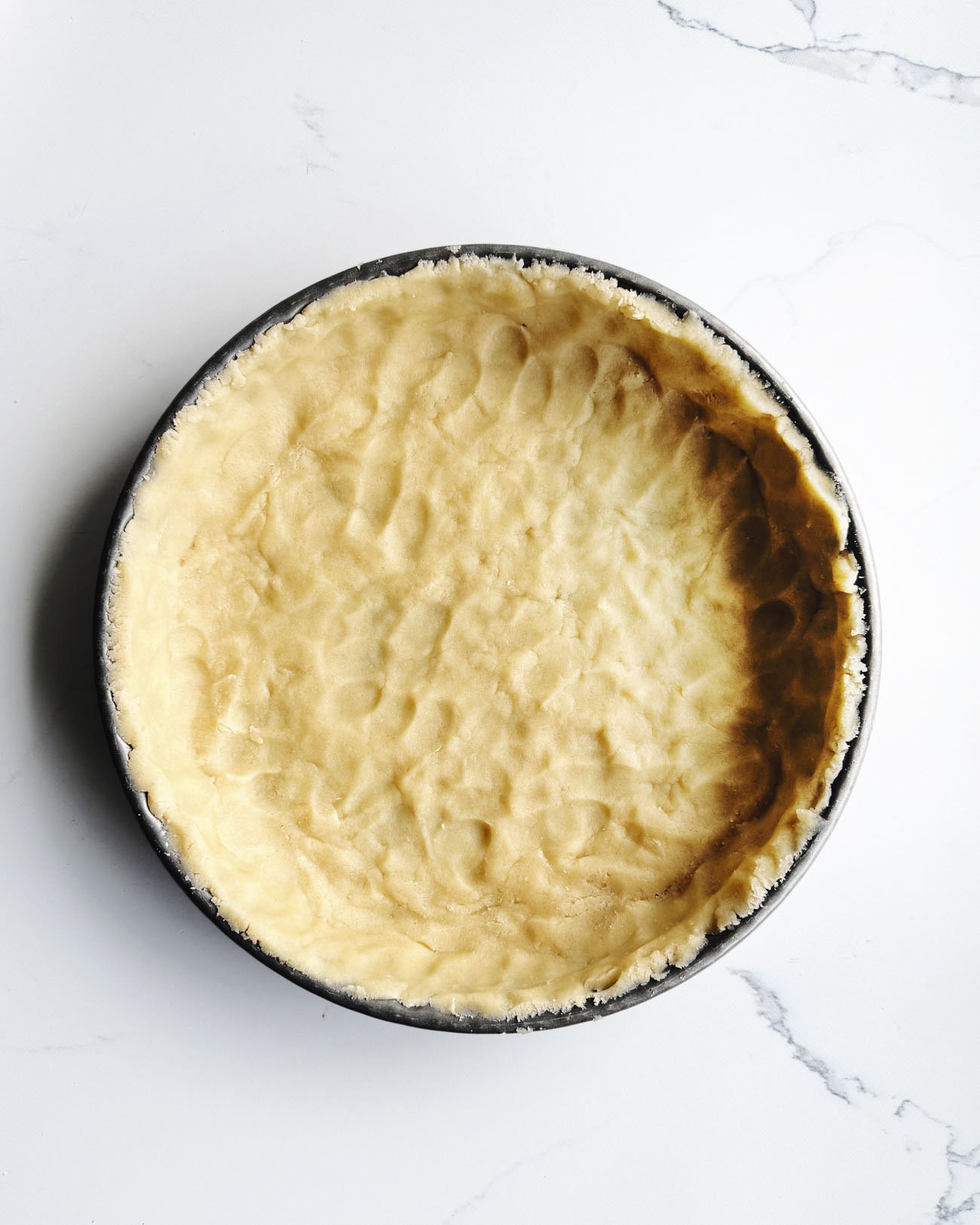
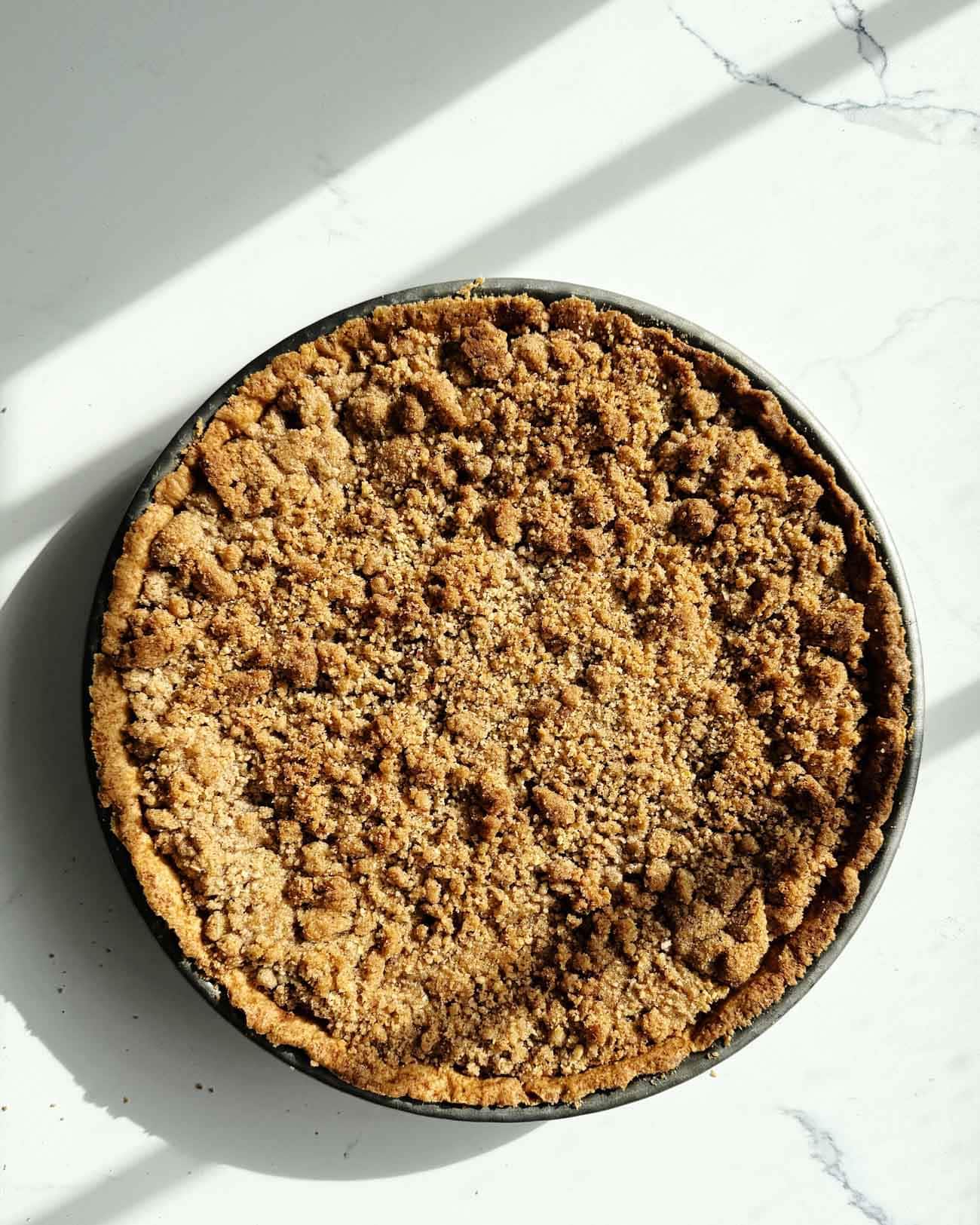
When the recipe’s creator transitioned to another regional bakery, the tart made the journey with them, serving as a signature offering during the shift from summer menus to winter comfort foods. Over the subsequent twenty years, the formulation underwent continuous iteration. Bakers recognized that standard commercial pastry crusts often posed execution challenges for home cooks, leading to the adoption of a simplified, forgiving "pat-in-the-pan" crust methodology. Further enhancements included the integration of fresh lemon juice, pure vanilla extract, and grated nutmeg to brighten the dense fruit filling, culminating in the addition of a rich pecan streusel topping that distinguishes modern iterations from their mid-century predecessors.
Anatomy of a Seasonal Dessert: Ingredients and Technique
Achieving the ideal balance of texture and flavor in a fruit tart requires careful selection of raw inputs and adherence to strict baking protocols. Culinary testing indicates that the choice of fruit is paramount; Bartlett pears are widely considered the gold standard for this specific formulation due to their unique cellular structure, which allows them to soften and release optimal amounts of juice during the baking process compared to firmer, less cooperative pear varieties.
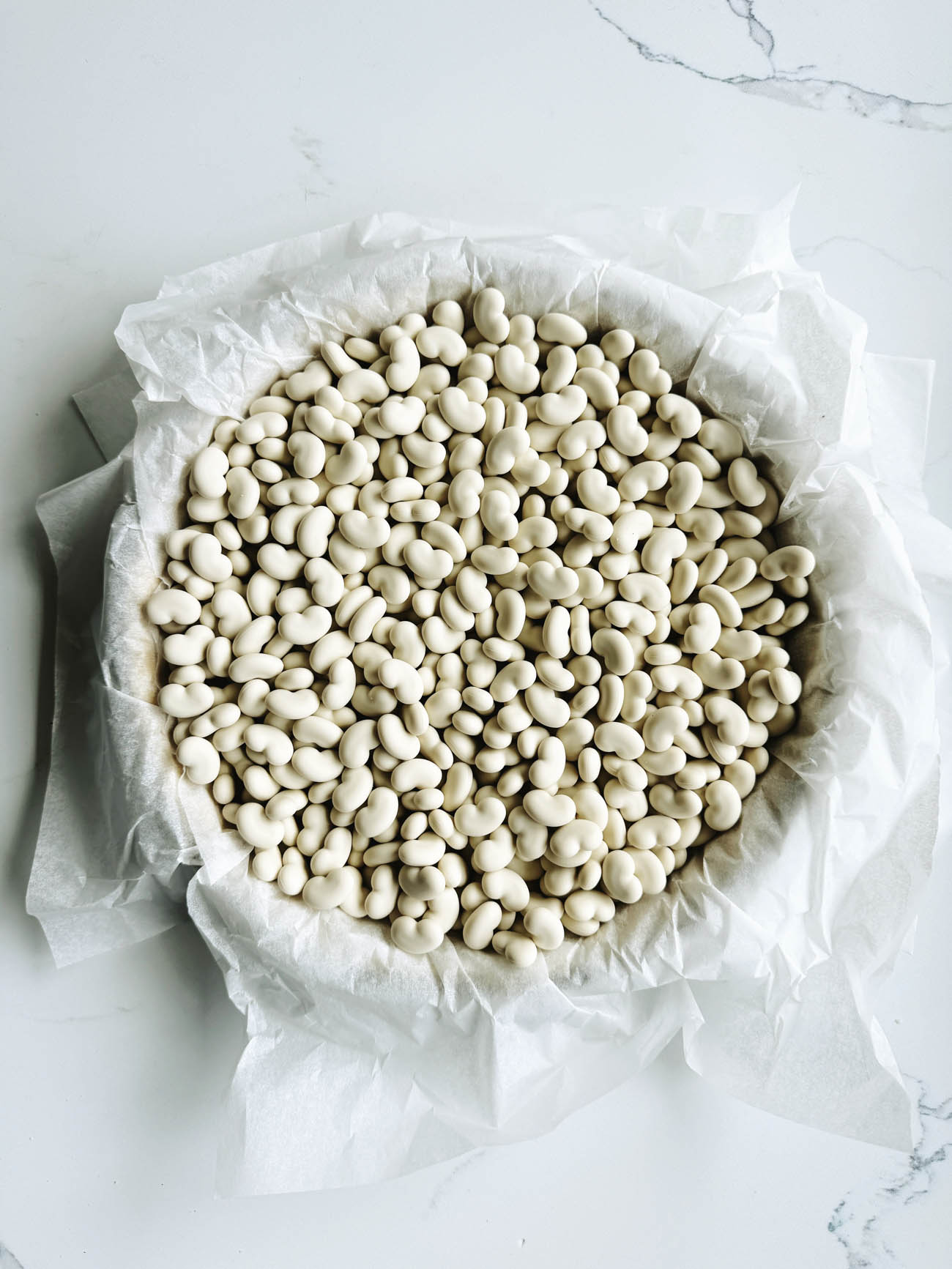
The structural integrity of the tart relies on two critical mechanical processes: the formulation of the pat-in-the-pan crust and the necessity of blind baking. Unlike traditional rolled pie doughs that require chilling and precise lamination, the pat-in-the-pan method offers home bakers a resilient foundation that can be easily patched if tears occur during assembly. However, professional bakers emphasize that blind baking—pre-baking the crust prior to adding the wet filling—is non-negotiable. Without this step, moisture from the fruit prevents the bottom pastry from rendering properly, resulting in structural shrinkage and a soggy texture. To facilitate this, contemporary bakers frequently utilize modern culinary tools, such as reusable, dishwasher-safe silicone baking beans, which distribute weight evenly across the crust to prevent bubbling while maintaining environmental sustainability by reducing single-use parchment and dried legume waste.
Broader Culinary Implications and Seasonal Trends
The longevity and continued popularity of recipes like the Pecan Streusel Pear Tart reflect broader psychological and economic trends within consumer baking culture. According to culinary historians and market analysts, periods of economic uncertainty or rapid digitalization frequently correlate with a resurgence in "comfort baking." Home cooks increasingly gravitate toward heritage recipes—dishes that carry historical narratives connecting them to local institutions, family traditions, or established culinary texts like the Joy of Cooking series.
Furthermore, the adaptation of commercial recipes for domestic use highlights a democratization of fine pastry arts. Techniques once guarded within professional commercial kitchens, such as precise blind-baking procedures and flavor balancing through acidity and spice, are now routinely disseminated via digital culinary platforms and food journalism. This knowledge transfer not only elevates the standard of home-cooked holiday meals, particularly during Thanksgiving and the broader festive season, but also sustains consumer interest in foundational print cookbooks that continue to inform modern gastronomy. As the culinary community looks toward future seasonal baking trends, the enduring success of the Pecan Streusel Pear Tart serves as a testament to the value of continuous recipe evolution grounded in classic, reliable technique.