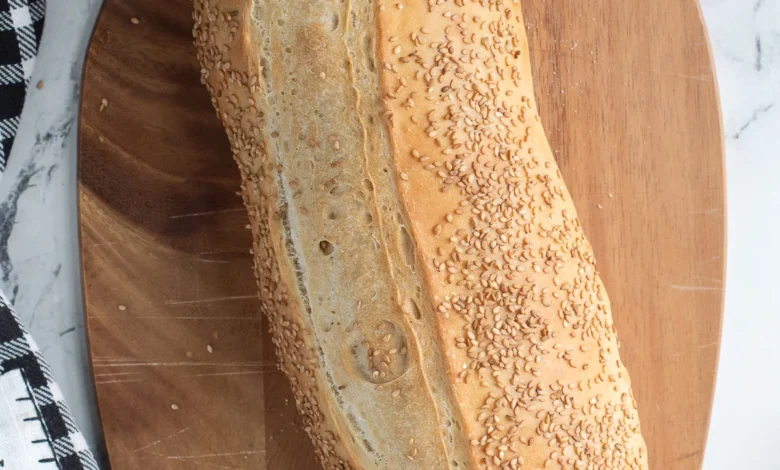
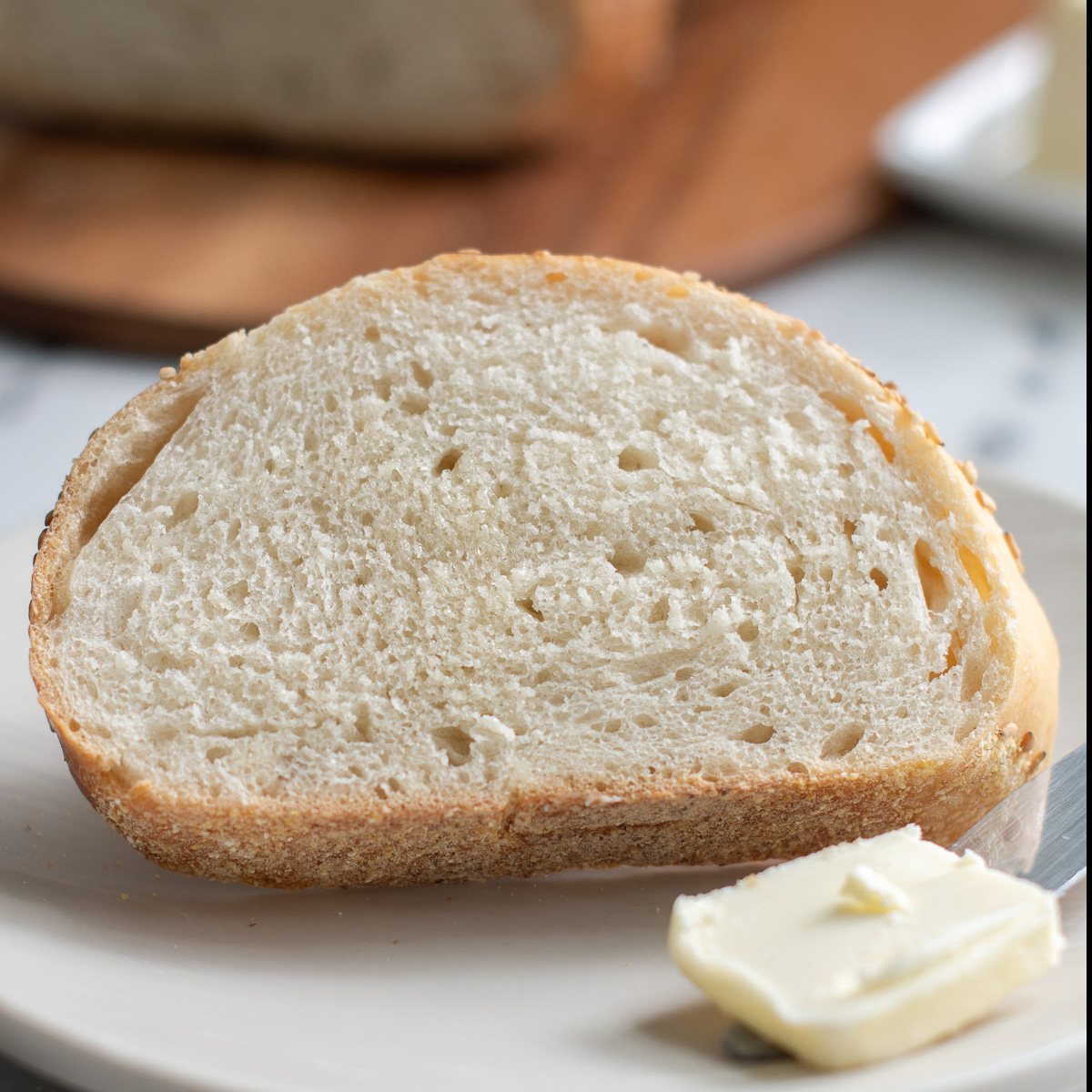
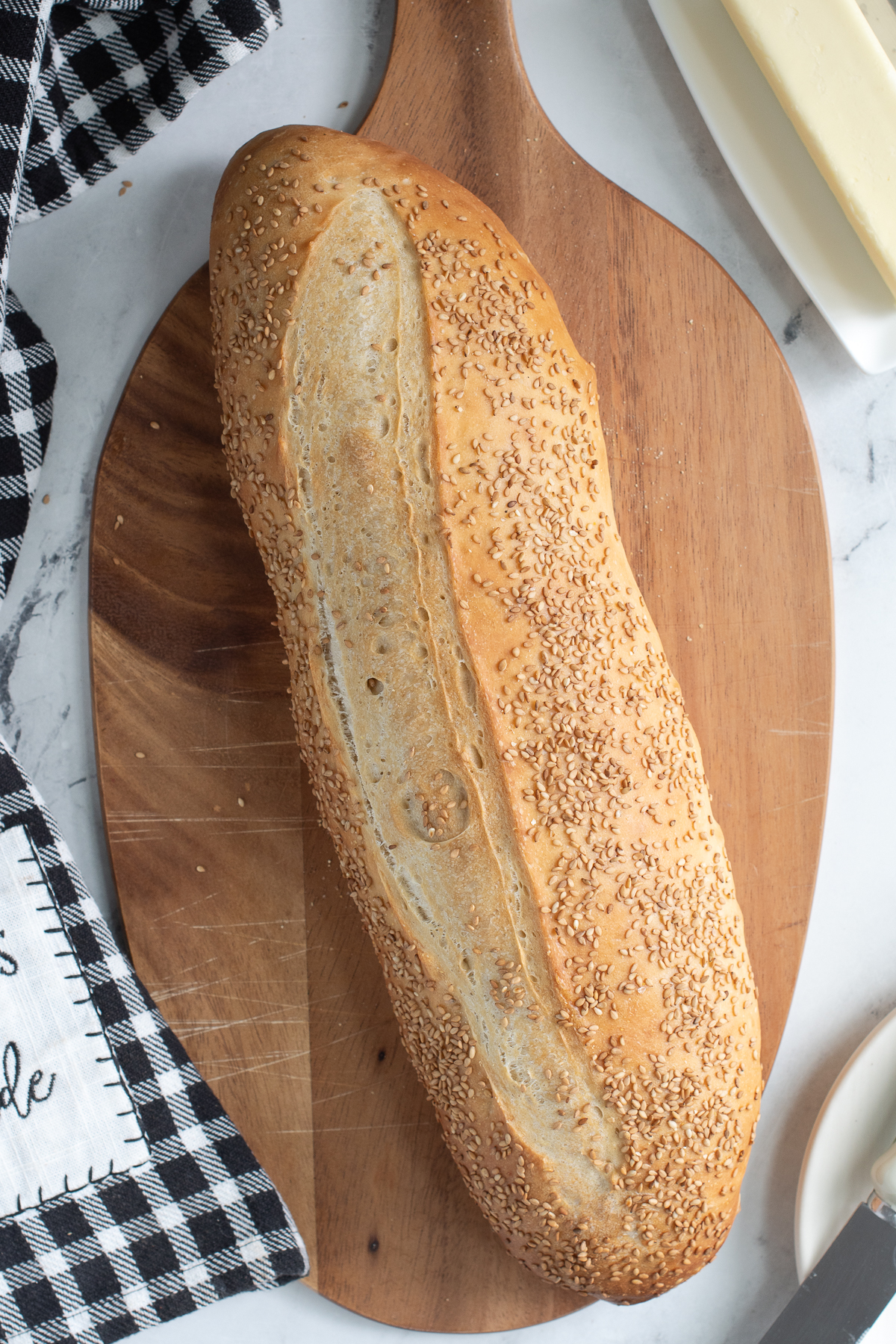
The pursuit of the perfect loaf of Italian bread—characterized by its signature torpedo shape, thin, crackly crust, and light, airy crumb—has long been a hallmark of culinary tradition in the Northeastern United States. While the term "Italian bread" is a broad descriptor, the specific style popularized in the New York and New Jersey metropolitan areas has become a distinct cultural icon, separating itself from the denser crusts of European boules or the slender, crisp architecture of a French baguette. Achieving this bakery-quality result in a domestic kitchen requires more than just high-quality ingredients; it demands a technical understanding of fermentation, hydration, and thermal management.
The Science of Cold Fermentation and Flavor Development
At the heart of producing professional-grade Italian bread lies the process of cold fermentation. Unlike rapid-rise methods that utilize high ambient temperatures to expedite the yeast’s activity, cold fermentation—typically conducted in a refrigerator over 8 to 24 hours—serves as a critical phase for flavor development. During this period, the yeast activity slows significantly, allowing for the enzymatic breakdown of starches into simpler sugars. This biochemical process not only deepens the complexity of the bread’s flavor profile, providing a subtle tang and nutty aroma that is absent in store-bought varieties, but also alters the structural integrity of the dough.
The cold environment facilitates a more manageable gluten structure. As enzymes in the flour work to refine the protein chains, the dough becomes more extensible and easier to manipulate during the shaping process. This extended timeline effectively acts as a "work-ahead" mechanism, allowing bakers to mix their dough one day and complete the final shaping and baking on the next. Data from culinary studies suggest that breads subjected to long-term, low-temperature fermentation exhibit superior oven spring—the rapid expansion of gas bubbles in the dough when first exposed to high heat—resulting in a lighter, more uniform crumb.
Chronology of the Baking Process
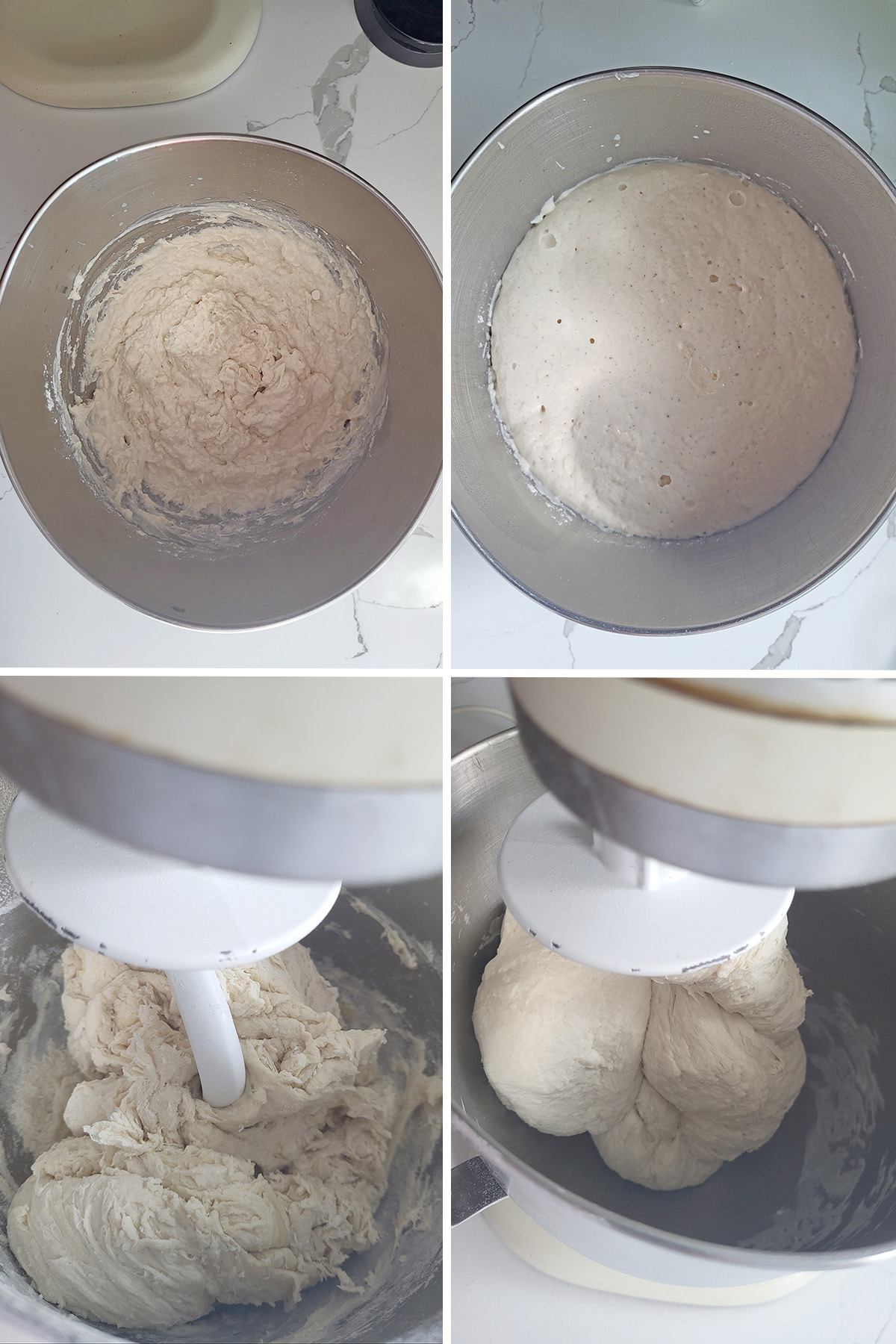
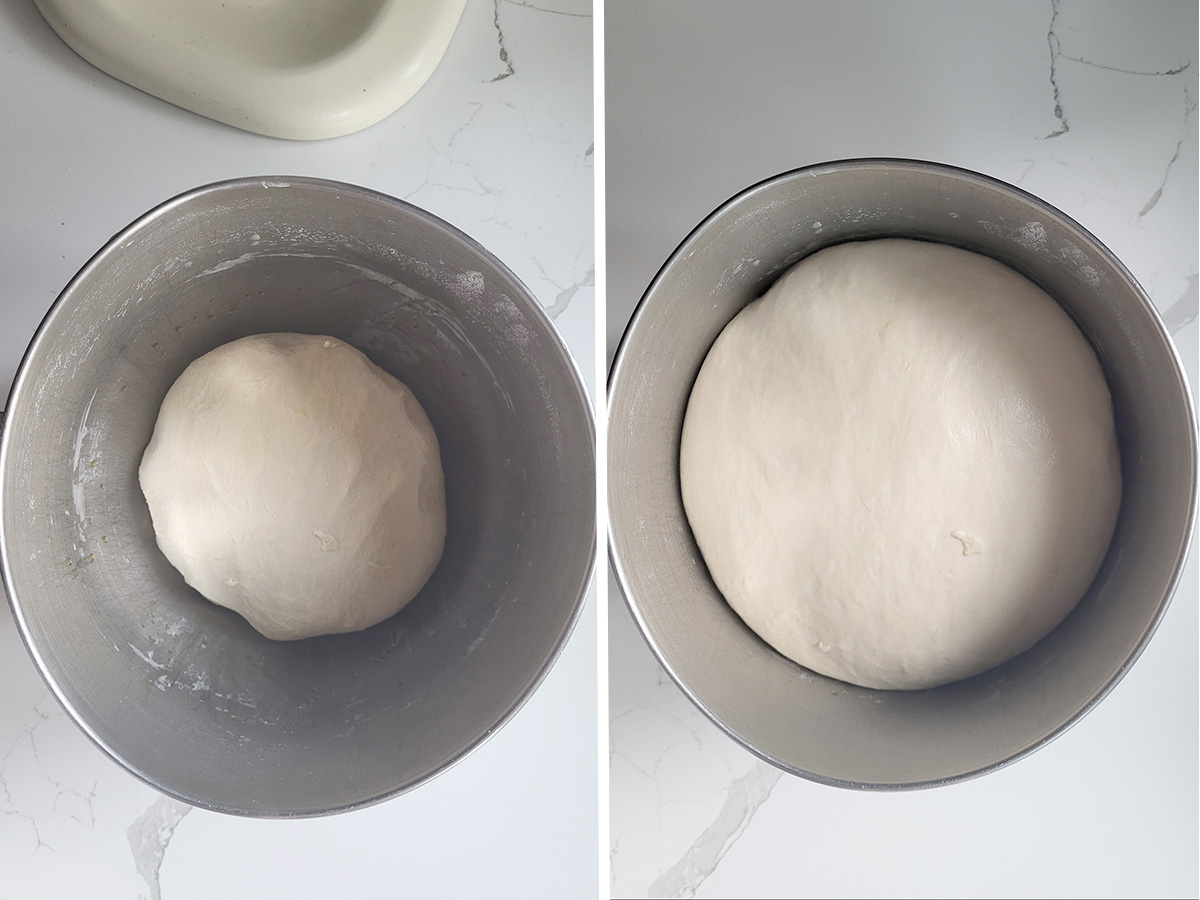
The production of this specific loaf follows a rigorous, time-tested sequence of events designed to maximize both aesthetic appeal and textural quality. The timeline begins with the preparation of the dough, which involves precise hydration ratios to ensure the crumb remains light. Once the ingredients are thoroughly incorporated, the primary bulk fermentation commences. This is followed by the refrigeration phase, which typically lasts for a minimum of eight hours.
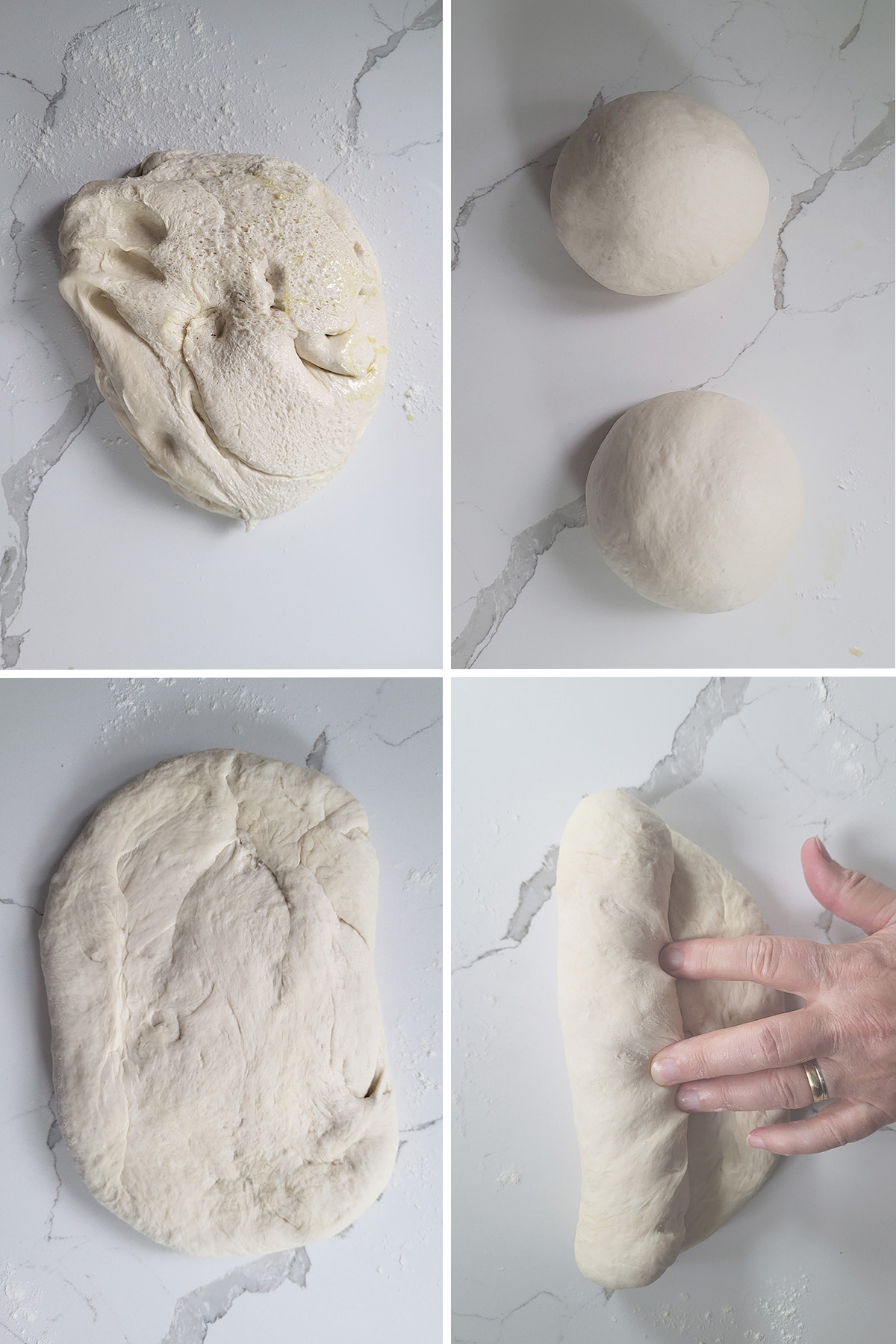
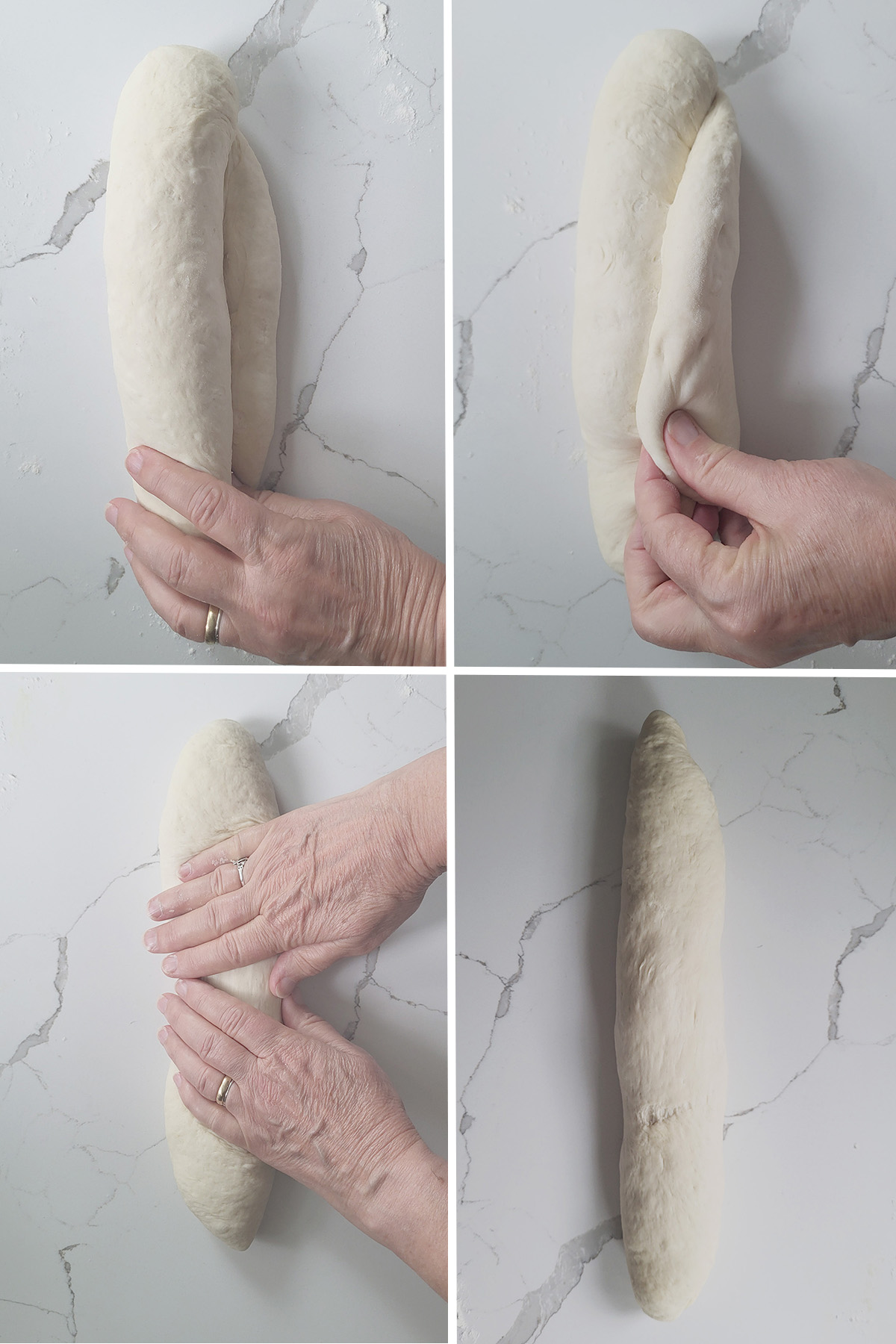
Upon removal from the cold, the dough must undergo a period of acclimatization before it can be divided into portions and shaped into the classic torpedo form. Shaping is a critical step; improper tension during this phase can lead to a loaf that spreads rather than rising upward. After shaping, the loaves undergo a secondary proofing, often on a wooden peel, which aids in maintaining the shape before they are transferred to a preheated oven. The final stage involves high-heat baking, often accompanied by steam injection, which gelatinizes the exterior starches to create that quintessential, thin, crackly crust.
Nutritional Profile and Ingredient Standards
In an era where processed foods dominate the grocery shelves, home-baked Italian bread offers a stark contrast in terms of ingredient integrity. A standard serving of this style of bread, typically measured as a single slice, provides approximately 111 calories. It is primarily composed of complex carbohydrates, with modest amounts of protein and negligible fat content.
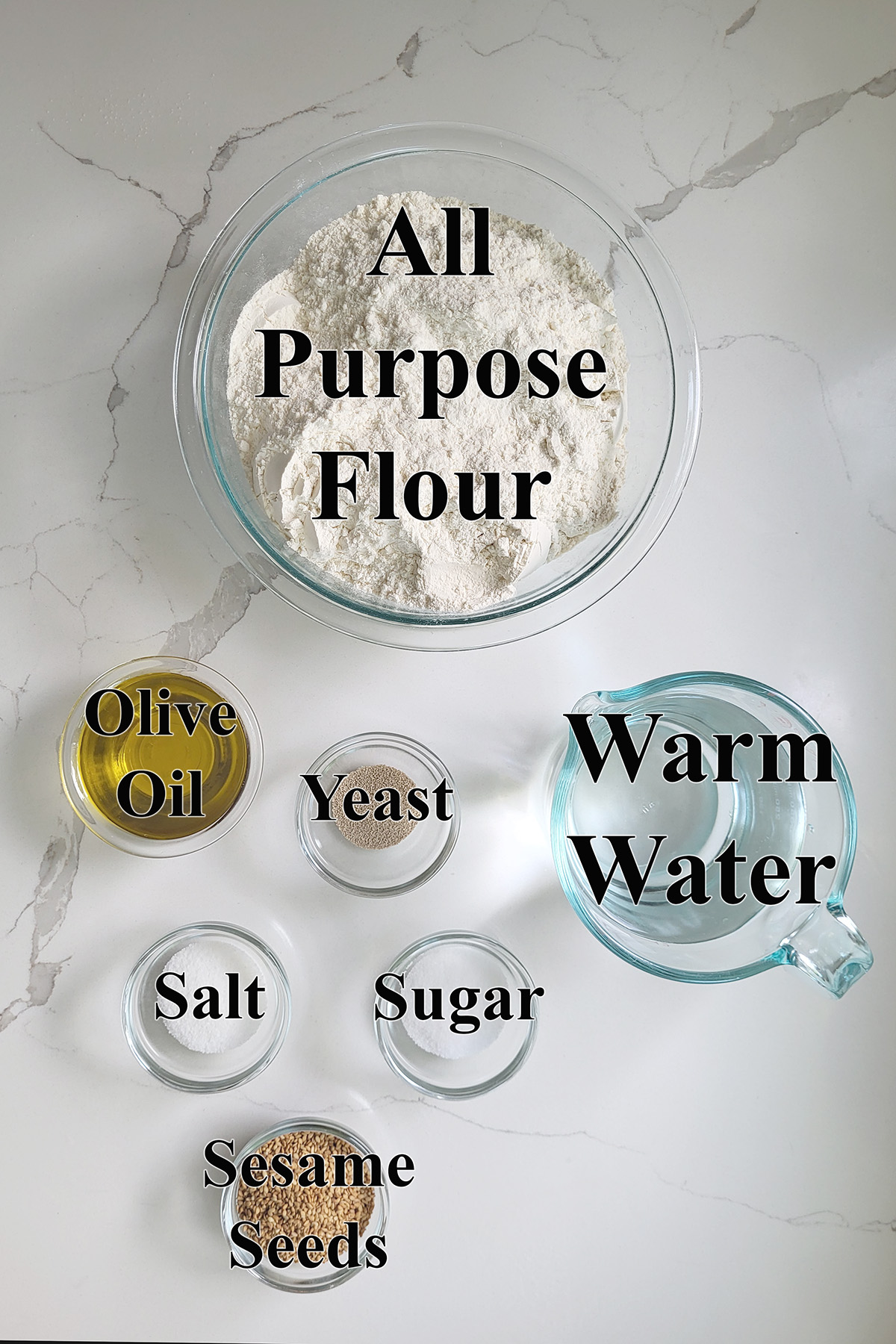
The simplicity of the recipe—flour, water, yeast, salt, and perhaps a touch of sugar or oil—highlights the importance of ingredient quality. Professional bakers emphasize the necessity of measuring flour by weight rather than volume. Using the "dip and sweep" method for measuring by volume is often cited as a source of inconsistency in home baking; however, digital scales eliminate these variances. The professional standard for this bread requires a high-protein bread flour to support the gluten network required for the airy internal structure.
Culinary Versatility and Market Impact
The cultural significance of Italian bread in the domestic sphere cannot be overstated. It serves as a foundational element of the Mediterranean-inspired diet, acting as a vessel for olive oils, a sponge for tomato-based sauces, and the structural backbone of the classic American hoagie. The versatility of the torpedo-shaped loaf is specifically engineered for the "epic sandwich," where the crust-to-crumb ratio must be balanced to withstand the moisture of condiments and cured meats without disintegrating.
Recent trends in home baking, accelerated by the availability of online educational resources, have seen a resurgence in interest regarding artisan bread techniques. This has shifted consumer expectations, with many home cooks now viewing grocery store-bought loaves as inferior in both texture and nutritional value. The "Bread Hub" movement, which focuses on providing tutorials on shaping, scoring, and oven management, has become a significant driver in the adoption of these professional techniques by non-professionals.
Technical Challenges and Troubleshooting
One of the primary challenges for the home baker is achieving the "bakery look," which is often finished with a light dusting or coating of sesame seeds. These seeds do not merely provide a nutty flavor profile; they also contribute to the textural contrast of the crust. If the crust becomes too tough or the crumb too dense, it is often a result of improper steam management within the oven.
Expert bakers note that steam is essential during the first ten minutes of the bake. Without it, the crust sets too quickly, preventing the bread from reaching its full volume. Furthermore, if the oven temperature is not correctly calibrated, the bread may over-brown before the center is fully cooked. To mitigate these issues, enthusiasts are encouraged to use oven thermometers and to monitor the internal temperature of the loaf, which should reach approximately 190°F to 200°F (88°C to 93°C) when fully baked.
Long-term Storage and Preservation
While the sensory experience of a fresh loaf is best enjoyed within hours of leaving the oven, the realities of modern consumption patterns necessitate proper storage. Because this recipe contains minimal preservatives, it is highly susceptible to staling. Room temperature storage is effective for approximately 24 hours. For longer periods, freezing remains the most viable option.
When freezing, it is recommended that the loaf be stored in an airtight environment to prevent moisture loss. Defrosting should be followed by a short stint in a 200°F oven, a process that re-crisps the crust and revitalizes the crumb. This preservation method effectively extends the life of the bread to two months, providing a sustainable solution for those who bake in larger batches.
Implications for the Home Kitchen
The rise of artisanal baking at home reflects a broader movement toward self-sufficiency and the rejection of highly processed, mass-market alternatives. By mastering the cold fermentation process and understanding the underlying principles of dough chemistry, home bakers are able to produce a product that rivals the output of local, independent bakeries.
The implications for the average household are significant: a reduction in reliance on pre-packaged goods, a deeper understanding of the nutritional content of their food, and the ability to customize bread according to personal preferences. As the culinary community continues to share data-driven insights and rigorous testing methodologies, the gap between the professional bakery and the home kitchen continues to narrow. The torpedo-shaped Italian loaf, with its balance of technical difficulty and high-reward output, remains a gold standard for those looking to refine their skills in the art of bread making.