The Ultimate Guide to Baking Tender and Craggy Oatmeal Scones for the Modern Kitchen

The pursuit of the perfect scone—characterized by a delicate, moist crumb and a rugged, golden-brown exterior—has long been a hallmark of professional pastry arts. Recent developments in home baking techniques have simplified the production of these artisanal goods, with the emergence of the oatmeal scone as a centerpiece for breakfast and brunch service. By utilizing traditional British pastry methods combined with the functional properties of rolled oats, home bakers can now achieve bakery-quality results in under 45 minutes.
The Science of Texture and Moisture
At the core of a high-quality scone is the balance between structure and hydration. Traditional English recipes rely heavily on the "cold-butter technique," a process where chilled fat is incorporated into flour to create distinct layers. When these layers hit the high heat of an oven, the water content in the butter evaporates, creating steam and forcing the dough to rise in distinct, flaky segments.
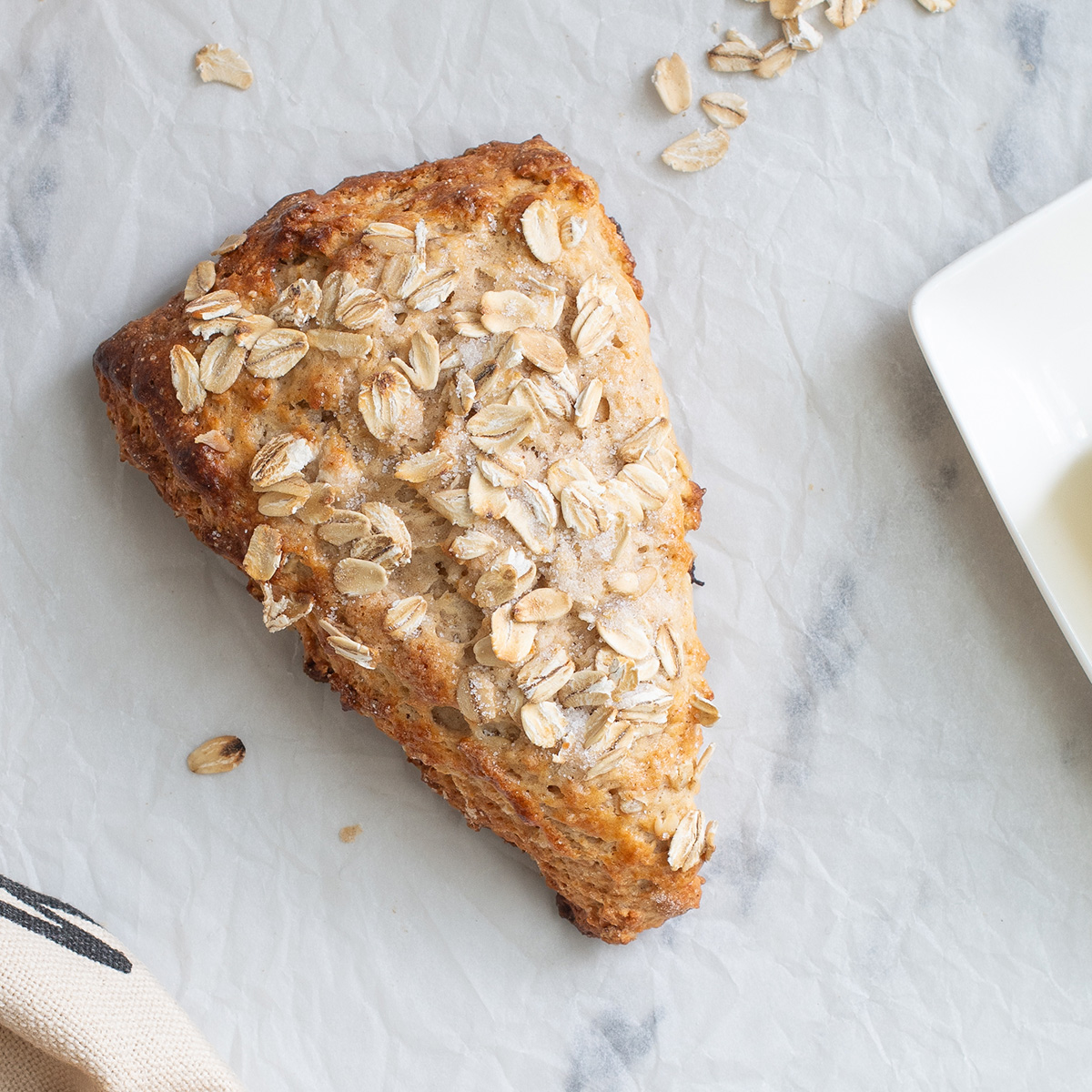
The introduction of rolled oats to this process serves a dual purpose. Beyond providing a distinct, earthy flavor profile, oats are highly hygroscopic, meaning they possess a significant capacity to absorb and retain moisture. In professional baking, this is a critical factor for shelf life. While a standard flour-only scone may become stale within hours of cooling, the inclusion of oats ensures a moist crumb that maintains its integrity for several days. The resulting product is characterized by a "chewy" bite that contrasts effectively with the tender interior, a texture profile increasingly requested in modern culinary markets.

Chronology and Development of the Recipe
The evolution of this specific oatmeal scone recipe is rooted in a seven-year tenure at a British-style tea house. The transition from commercial, high-volume production to domestic kitchens required a distillation of professional practices into accessible steps.
- Phase One: Preparation (Minutes 0–10): The initial stage focuses on the temperature of the ingredients. Professional standards dictate that the butter must remain at a near-frozen state to ensure the "craggy" texture desired by consumers.
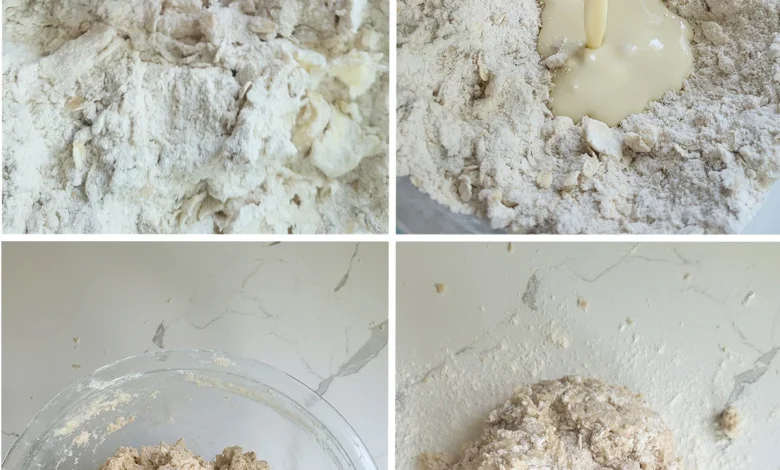
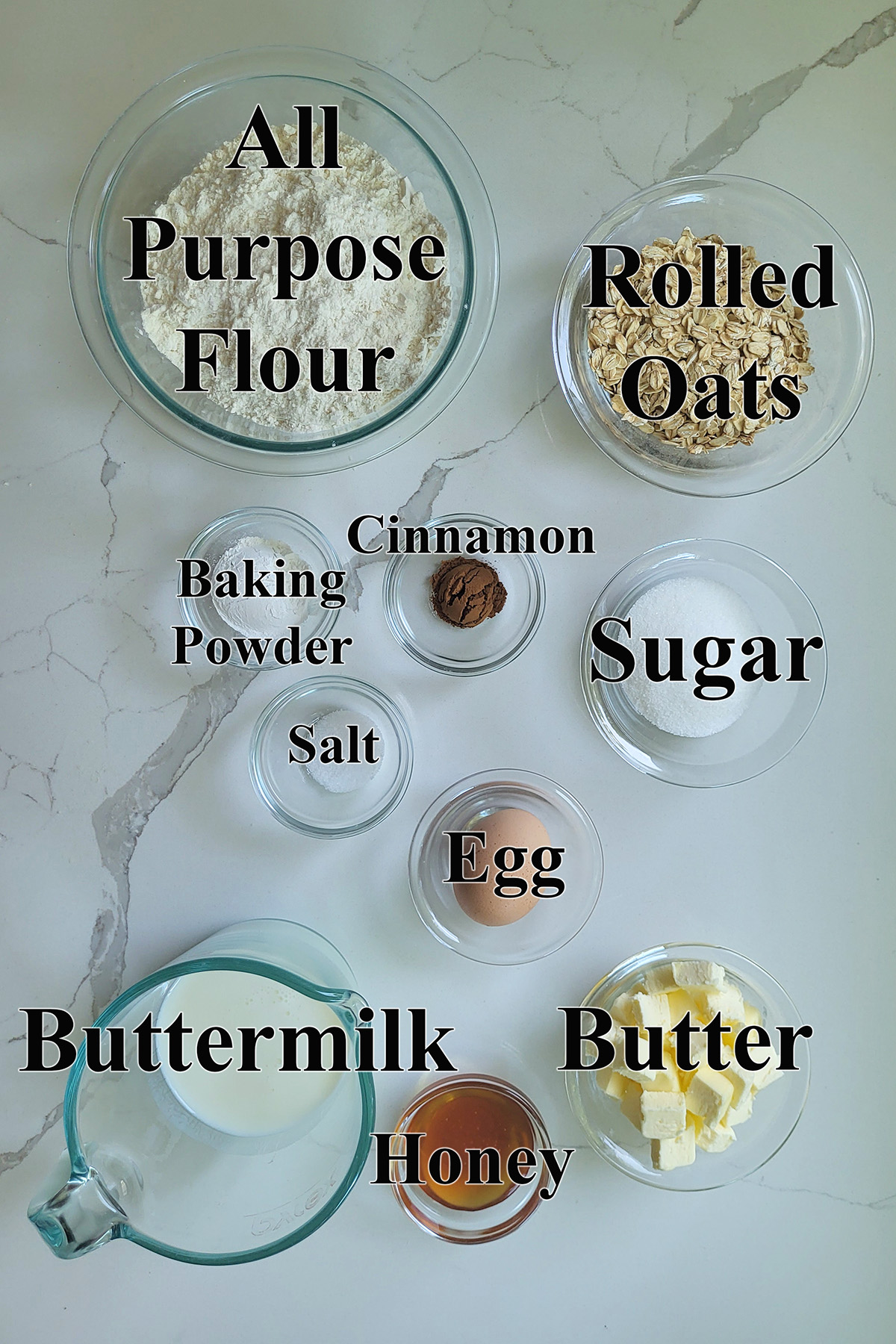
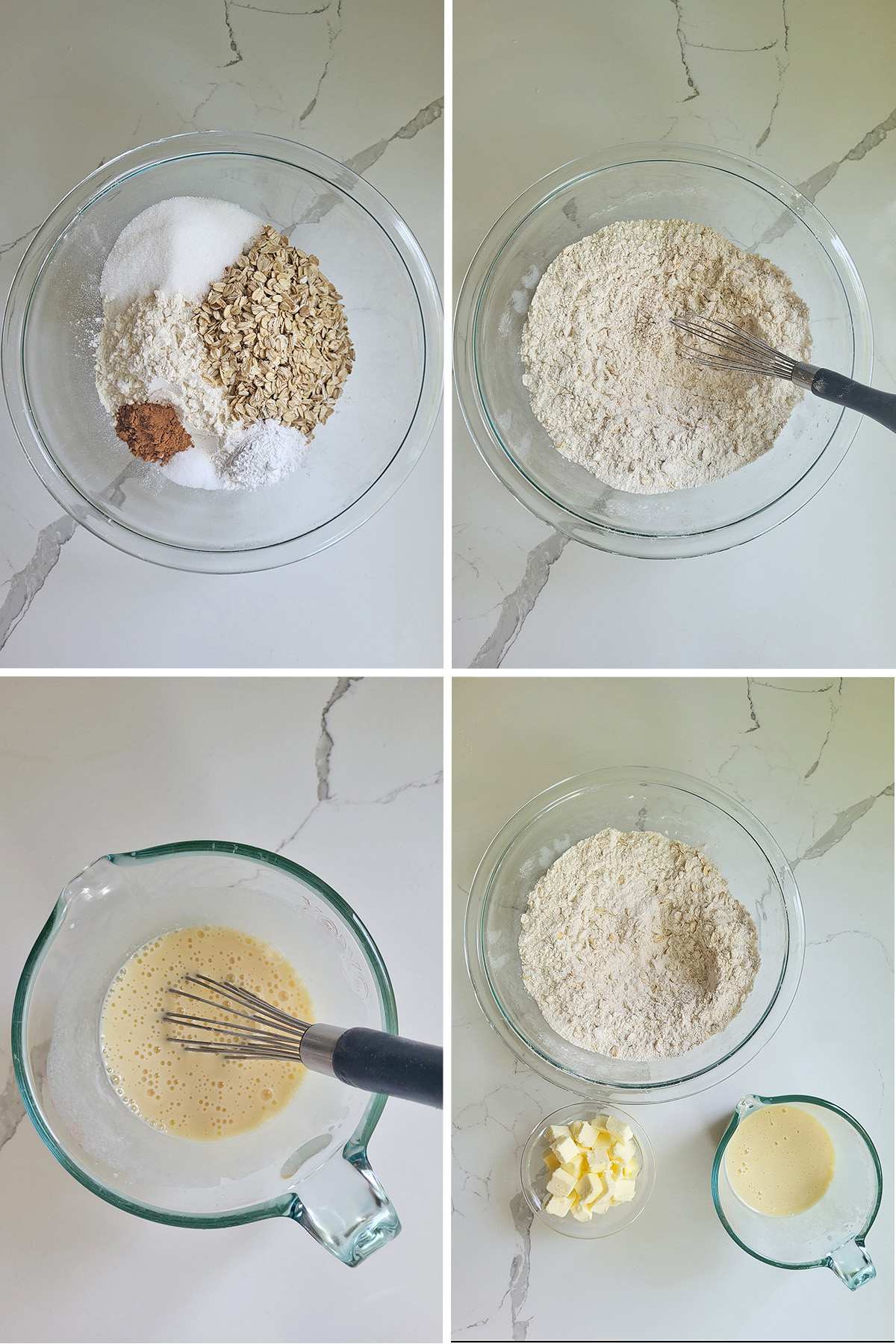
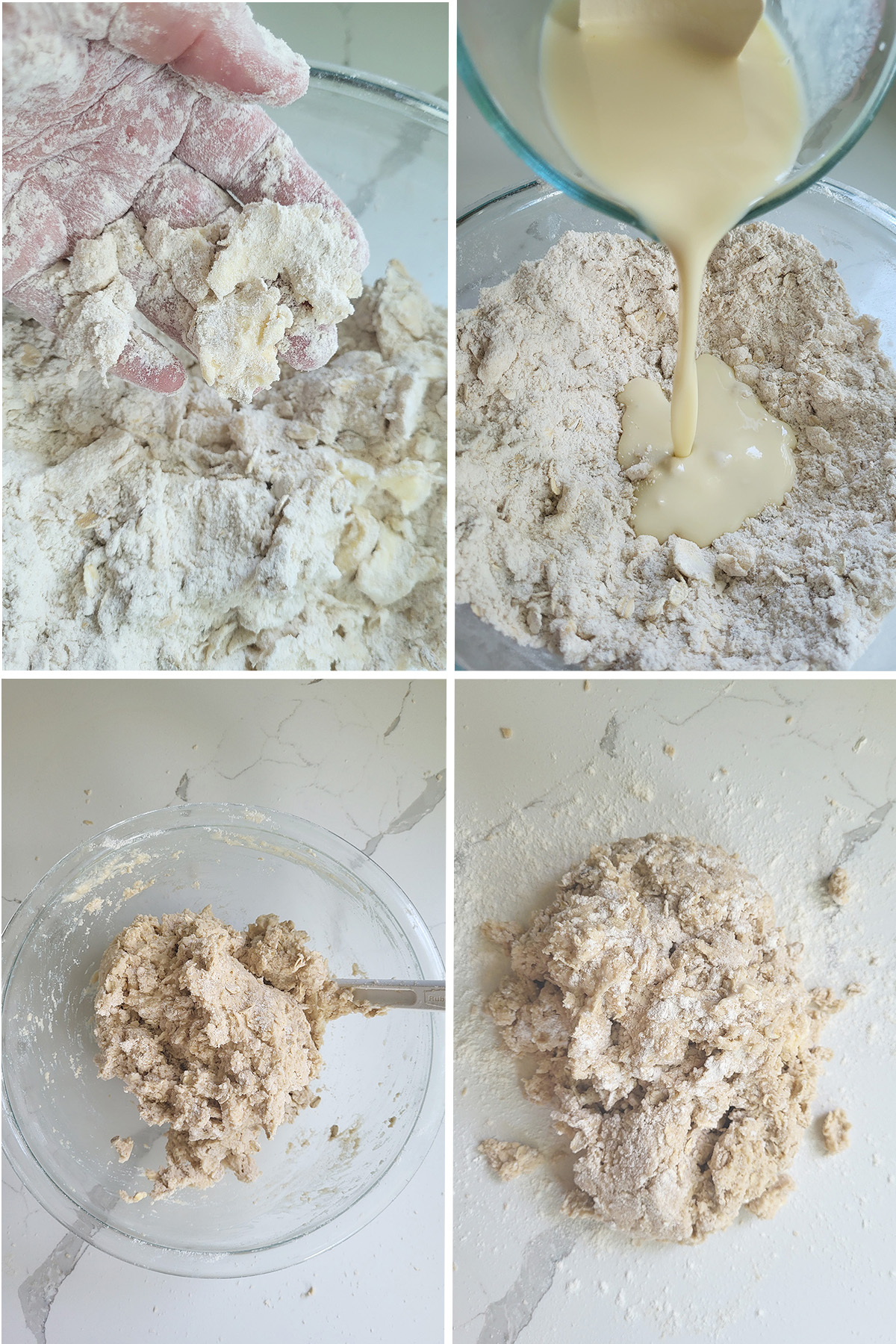
- Phase Two: Integration (Minutes 10–20): The dry ingredients, including the oats, are combined with the fat. The addition of honey serves not only as a sweetener but as an invert sugar, which further stabilizes the moisture levels within the dough.
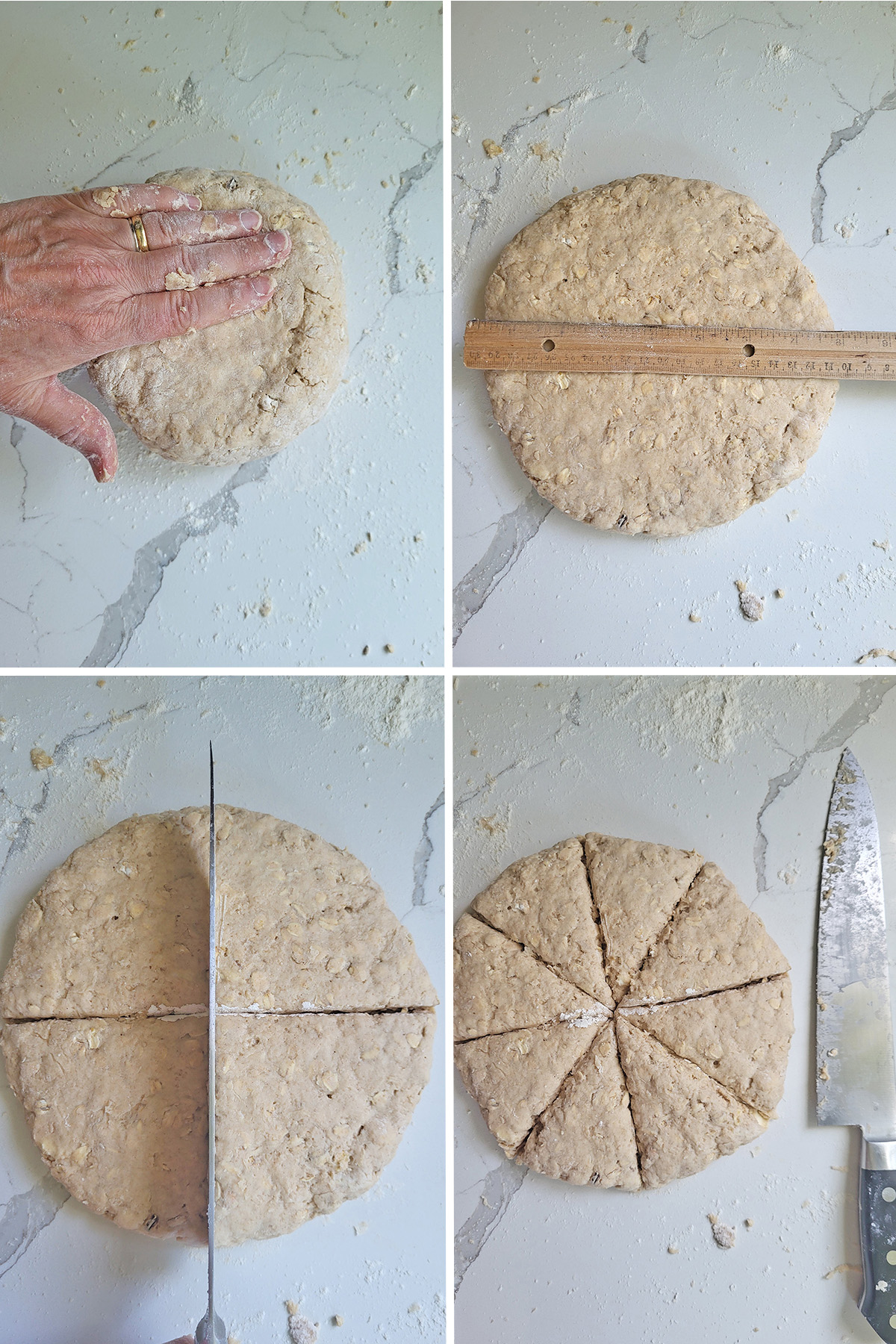
- Phase Three: Shaping and Chilling (Minutes 20–30): The dough is formed into an eight-inch circle and partitioned into wedges. For those operating under time constraints, this stage allows for a refrigeration period of up to 24 hours, facilitating a "bake-on-demand" workflow.
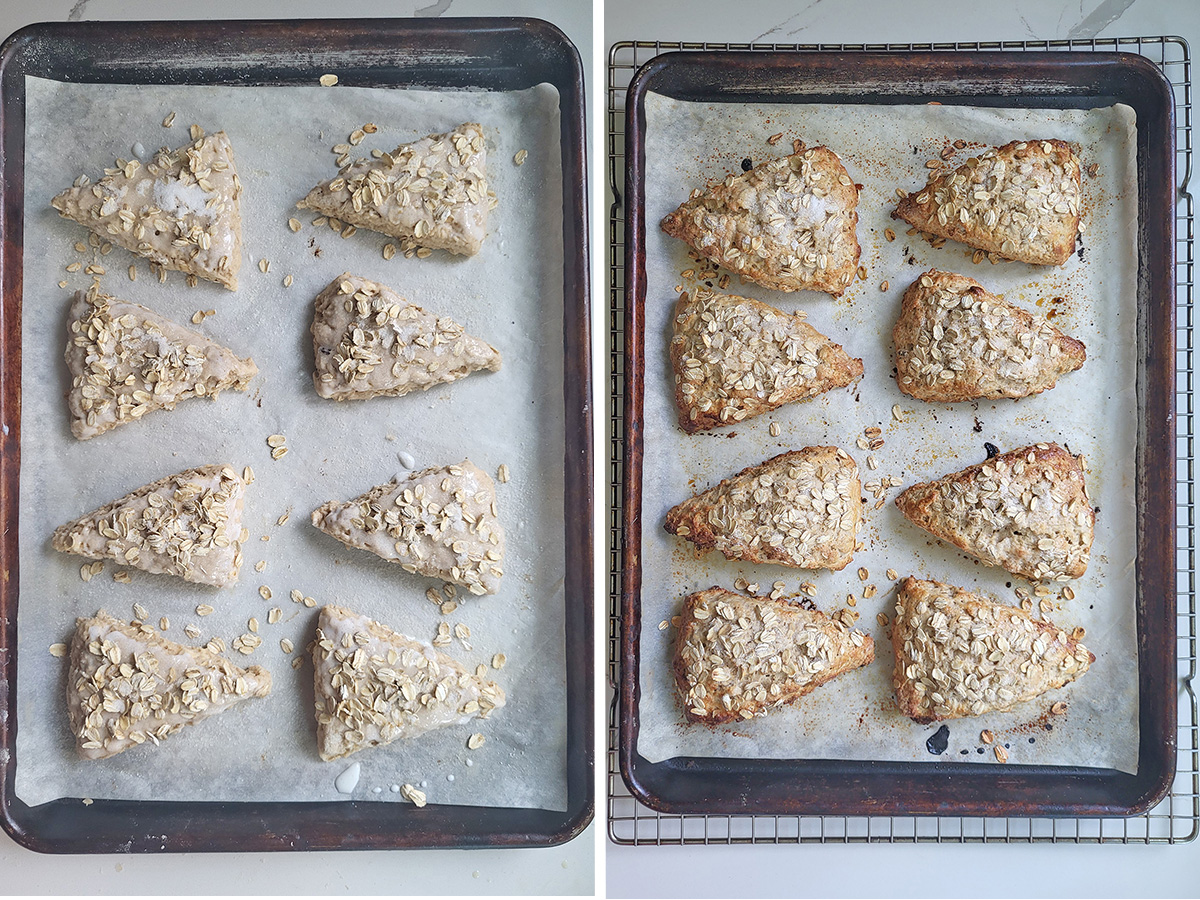
- Phase Four: The Final Bake (Minutes 30–45): A final dusting of oats and granulated sugar is applied to the top of the dough. This creates a caramelized crust—a sensory highlight that defines the "standout" quality of the scone.
Supporting Nutritional Data
The nutritional profile of an oatmeal scone makes it a viable, moderate option for a morning meal. A single serving—typically calculated as one scone—contains approximately 280 kilocalories. The fiber content, derived from the oats, contributes to the satiety levels of the consumer, while the carbohydrate count of 41 grams provides a steady energy release.
From a health perspective, the inclusion of oats offers a profile superior to standard white flour pastries. Oats are a source of beta-glucan, a type of soluble fiber linked to improved heart health. Furthermore, the moderate fat content (11 grams) is balanced by the absence of complex processed additives, reflecting a growing consumer preference for "clean-label" home-baked goods.
Professional Techniques and Workflow Efficiency
The professionalization of home baking often hinges on overcoming technical challenges, such as the management of sticky dough. A widely recognized technique among pastry chefs to maintain workflow efficiency involves the use of dry flour as a cleaning agent rather than water. When dough adheres to the skin, rinsing with water is discouraged, as it hydrates the residual gluten and creates a paste that is difficult to remove. Instead, chefs utilize a "dry-scrub" method, rubbing hands together with a dusting of flour to pull the dough away from the skin instantly. This practice prevents the over-hydration of the dough, which is essential for maintaining the tender crumb that defines the product.
The Role of Storage and Preservation
The sustainability of baked goods is a concern for both commercial bakeries and private households. To extend the life of these scones, storage must be managed with precision. If the scones are intended for consumption within 48 hours, an airtight container at room temperature is sufficient. However, for long-term preservation, freezing is the optimal method.
By freezing the scones in their pre-baked or post-baked state, the moisture is locked in. The "work-ahead" model, favored by busy households, suggests baking a full batch and storing them in a freezer-safe bag. When the consumer is ready to serve, a short cycle in a conventional oven—rather than a microwave, which can ruin the texture—is recommended to restore the exterior crunch while maintaining the interior softness.
Broader Culinary Implications
The rise of the oatmeal scone signifies a broader trend in the culinary world: the "rustification" of breakfast pastries. There is a distinct move away from the highly refined, overly sugary pastries of the early 2000s in favor of items that feature texture, grain-forward flavors, and a sense of artisanal history.
The versatility of this recipe also allows for regional variations. While the traditional pairing includes butter and marmalade—specifically citrus-based preserves like Meyer lemon—the base recipe is highly receptive to additions such as dried fruits, nuts, or even savory inclusions like herbs and aged cheeses.
Expert Perspectives on Baking Standards
In the context of modern baking, the "dip and sweep" method for measuring flour remains the gold standard for accuracy. Using a kitchen scale remains the most precise method, but for those using volume-based measurements, the dip and sweep ensures that the flour is not packed into the measuring cup, which would otherwise result in a dry, dense, and unpalatable scone.
When analyzed against global baking standards, the oatmeal scone serves as a bridge between traditional British tea culture and modern, health-conscious dietary habits. The objective of such a recipe is to provide a consistent, high-quality result that is reproducible by any home cook, regardless of their experience level. By adhering to the fundamental principles of temperature control, accurate measurement, and proper handling, the professional baker’s goal of delivering a perfect, craggy, and moist scone is achievable in any standard home kitchen.
Ultimately, the value of this recipe lies in its simplicity. It does not require high-end machinery or obscure ingredients, yet it yields a product that competes directly with artisanal bakery offerings. As food costs rise and consumers look for ways to recreate premium experiences at home, recipes that emphasize foundational techniques and high-quality staples will continue to play an essential role in the domestic culinary landscape. The oatmeal scone, with its blend of history and nutrition, stands as a testament to the enduring appeal of well-crafted, simple food.