The Enduring Elegance of Chiffon Cake: A Culinary Masterpiece Blending Airiness and Richness

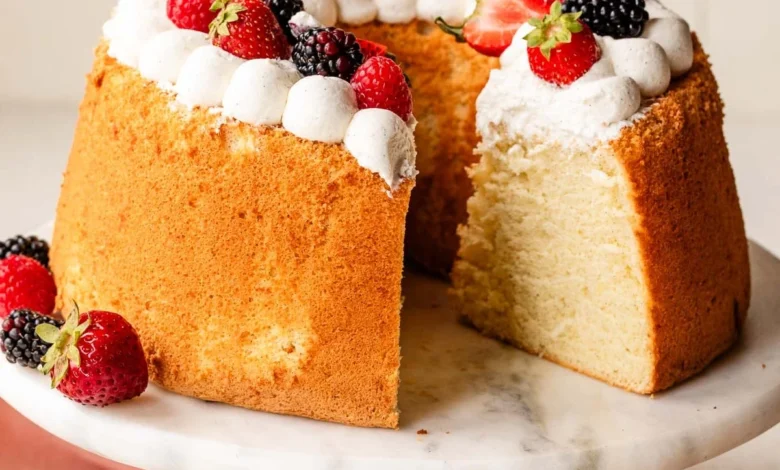
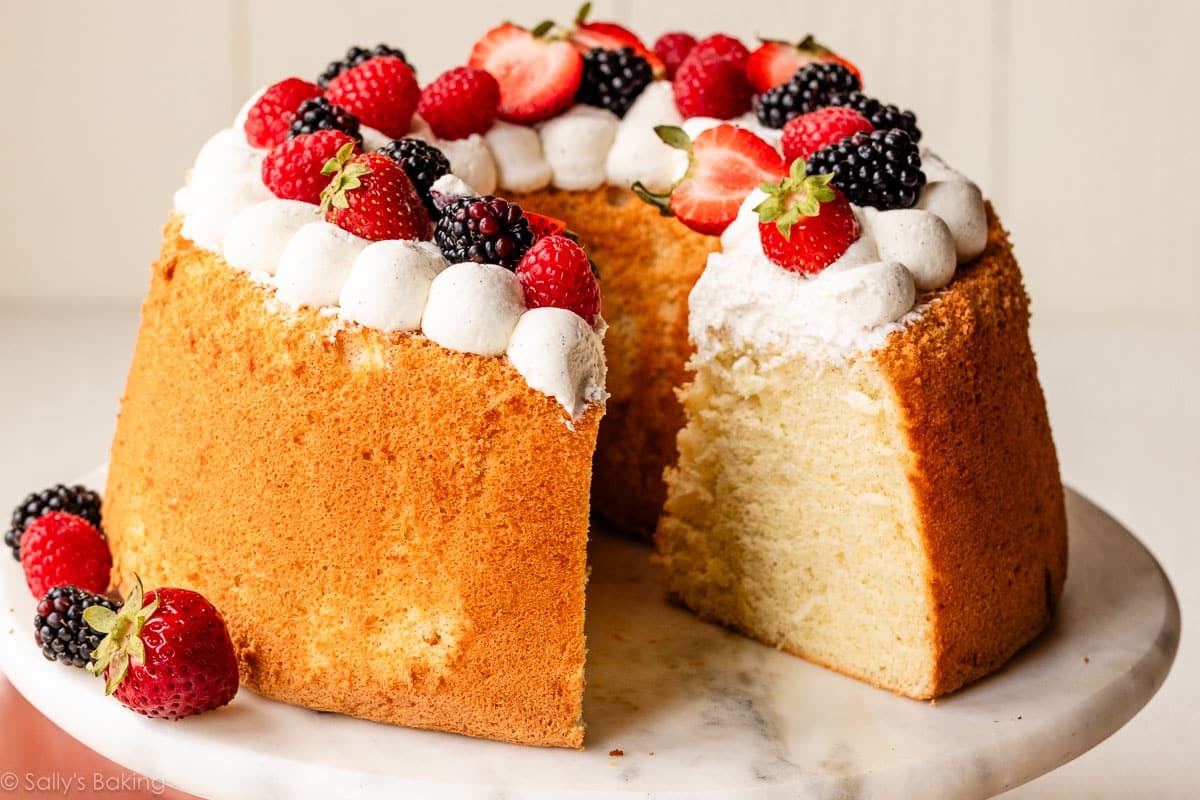
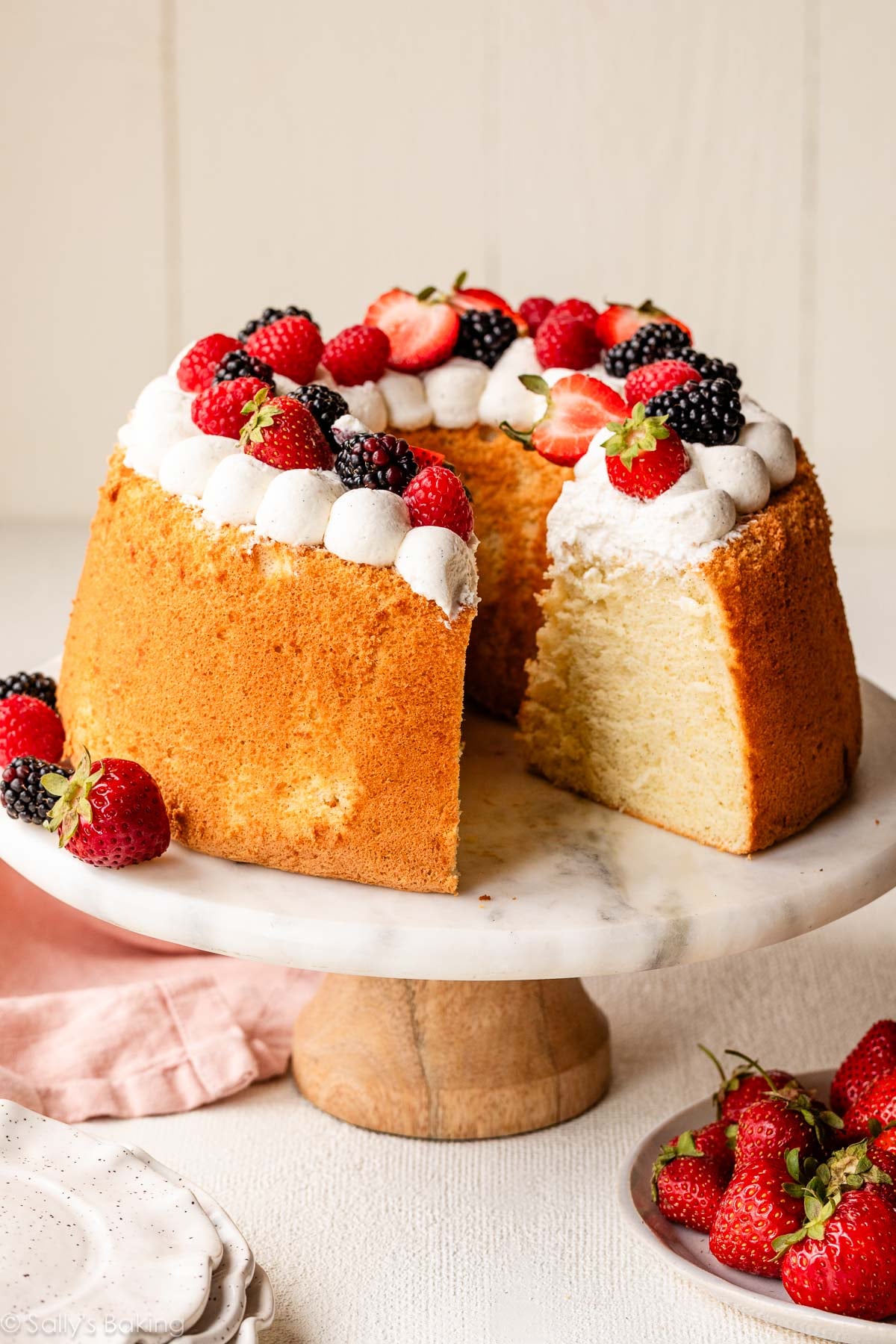
The classic chiffon cake stands as a testament to the delicate balance of culinary art and scientific precision, delivering a dessert that is at once light as air, wonderfully moist, and delicately rich. This elegant creation seamlessly marries the ethereal loftiness characteristic of an angel food cake with the tender, substantial quality of a traditional butter cake, a unique synergy achieved through the meticulous use of whipped egg whites and the strategic incorporation of oil into the batter. Whether presented unadorned with a simple dusting of confectioners’ sugar, accompanied by fresh berries and a cloud of whipped cream, or elevated into an impressive multi-layered celebration cake, its consistent tall, fluffy, and exquisitely soft texture ensures it remains a timeless favorite in the global dessert repertoire.
The Genesis and Rise of a Culinary Secret
The chiffon cake’s origins are rooted in a tale of innovation and guarded secrecy. Unlike many classic desserts with long, traceable histories, the chiffon cake was a modern invention by Harry Baker, an insurance salesman turned caterer in Los Angeles, California. Baker developed the recipe in 1927, meticulously perfecting it over two decades while keeping the precise method and ingredients a closely guarded trade secret. For twenty years, only Baker knew how to achieve the cake’s signature texture, supplying it exclusively to Hollywood’s elite restaurants and studios, a testament to its immediate appeal and perceived exclusivity.
It wasn’t until 1947 that Baker sold his secret recipe to General Mills, a move that would democratize this culinary marvel. General Mills, recognizing the cake’s immense potential, launched a widespread marketing campaign, revealing the recipe to the public through Betty Crocker publications. This strategic unveiling instantly transformed the chiffon cake from a Hollywood enigma into a household sensation, allowing home bakers across America and eventually the world to recreate its sophisticated charm. Its timing was fortuitous, aligning with a post-war era that saw an increased interest in home baking and new, exciting recipes. The chiffon cake quickly cemented its place as a staple for special occasions and everyday indulgence, celebrated for its unique attributes that distinguished it from existing cake varieties.
A Hybrid Masterpiece: Deconstructing the Chiffon Cake
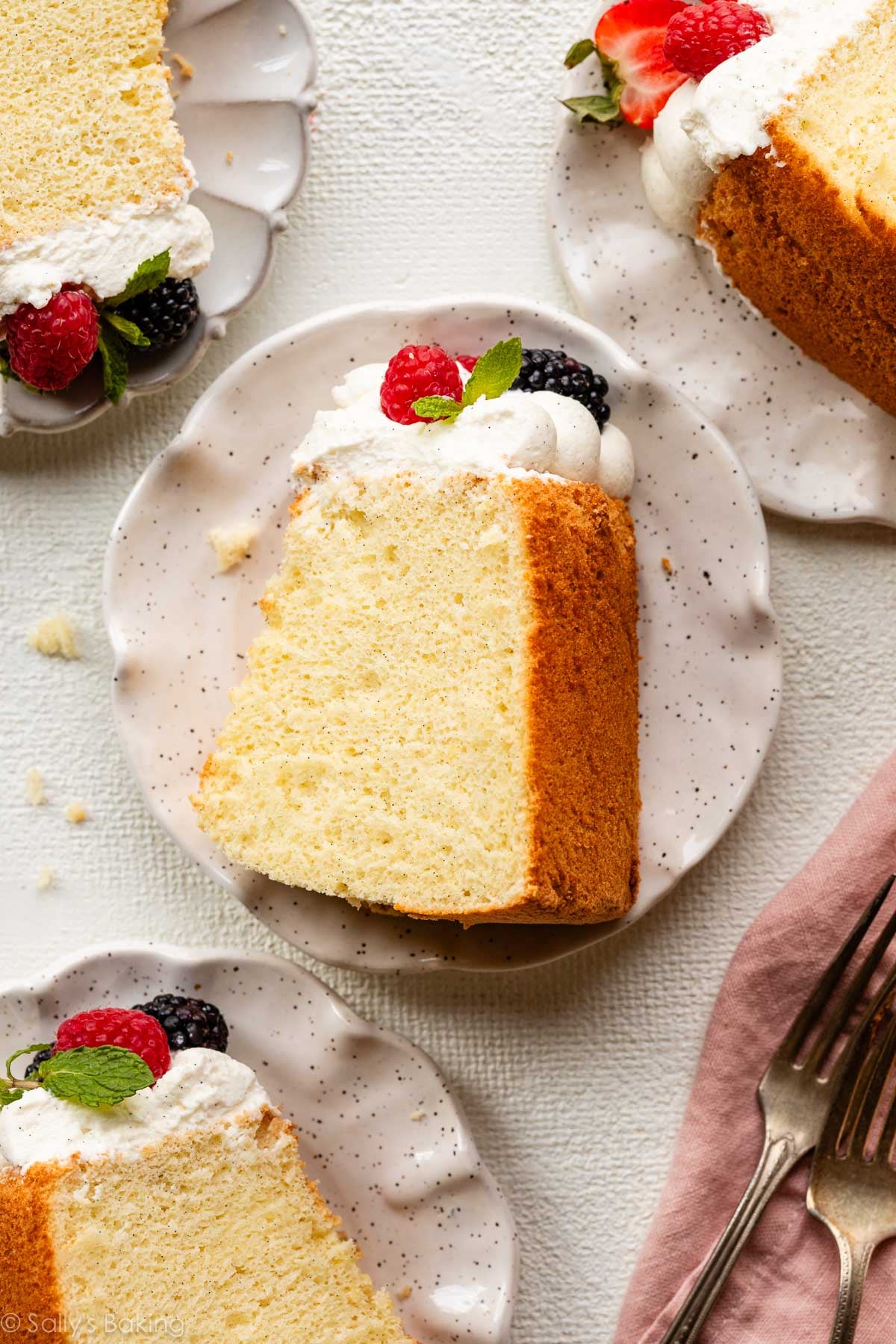
At its core, the chiffon cake is a remarkable hybrid, meticulously engineered to combine the most desirable characteristics of two distinct cake families: the fat-free, airy angel food cake and the rich, tender butter cake. This innovative blend results in an incredibly light, airy sponge cake boasting a soft, tender crumb and a surprisingly rich flavor profile, despite its often lighter texture compared to dense butter cakes.
Like its angel food cousin, a significant portion of the chiffon cake’s impressive lift and signature fluffy texture is derived from whipped egg whites, which are carefully folded into the batter. This meringue component introduces a vast amount of air, creating a stable foam that expands during baking, yielding a lofty structure. However, the chiffon cake diverges significantly by incorporating additional ingredients that contribute to its distinctive richness and moisture. Unlike angel food cake, which relies solely on egg whites, sugar, and flour, the classic chiffon recipe also includes baking powder, egg yolks, and milk. The egg yolks and milk introduce essential fats and liquids, enhancing the cake’s tenderness and imparting a richer flavor that can surprisingly mimic a buttery taste, even in the absence of actual butter.
The defining ingredient that truly sets chiffon cake apart from many other sponge cakes is the inclusion of oil. While traditional sponge cakes typically derive their structure and some moisture from eggs, sugar, and flour, oil plays a pivotal role in chiffon cake, ensuring every bite is exceptionally moist and soft. Vegetable oil, being a liquid at both room and refrigerated temperatures, contributes to a perpetually tender crumb that resists drying out. This stands in contrast to butter-based cakes, where butter solidifies when chilled, often leading to a firmer, sometimes drier texture. The oil’s presence means that chiffon cake retains its delicate, melt-in-your-mouth texture for days, even when stored in the refrigerator, making it an ideal make-ahead dessert. This unique fat profile also contributes to a lighter, less heavy mouthfeel than many butter-laden cakes, making it particularly appealing for spring and summer gatherings or for those seeking a dessert that is not overly sweet or dense.
The Science Behind the Structure: Ingredients and Their Roles
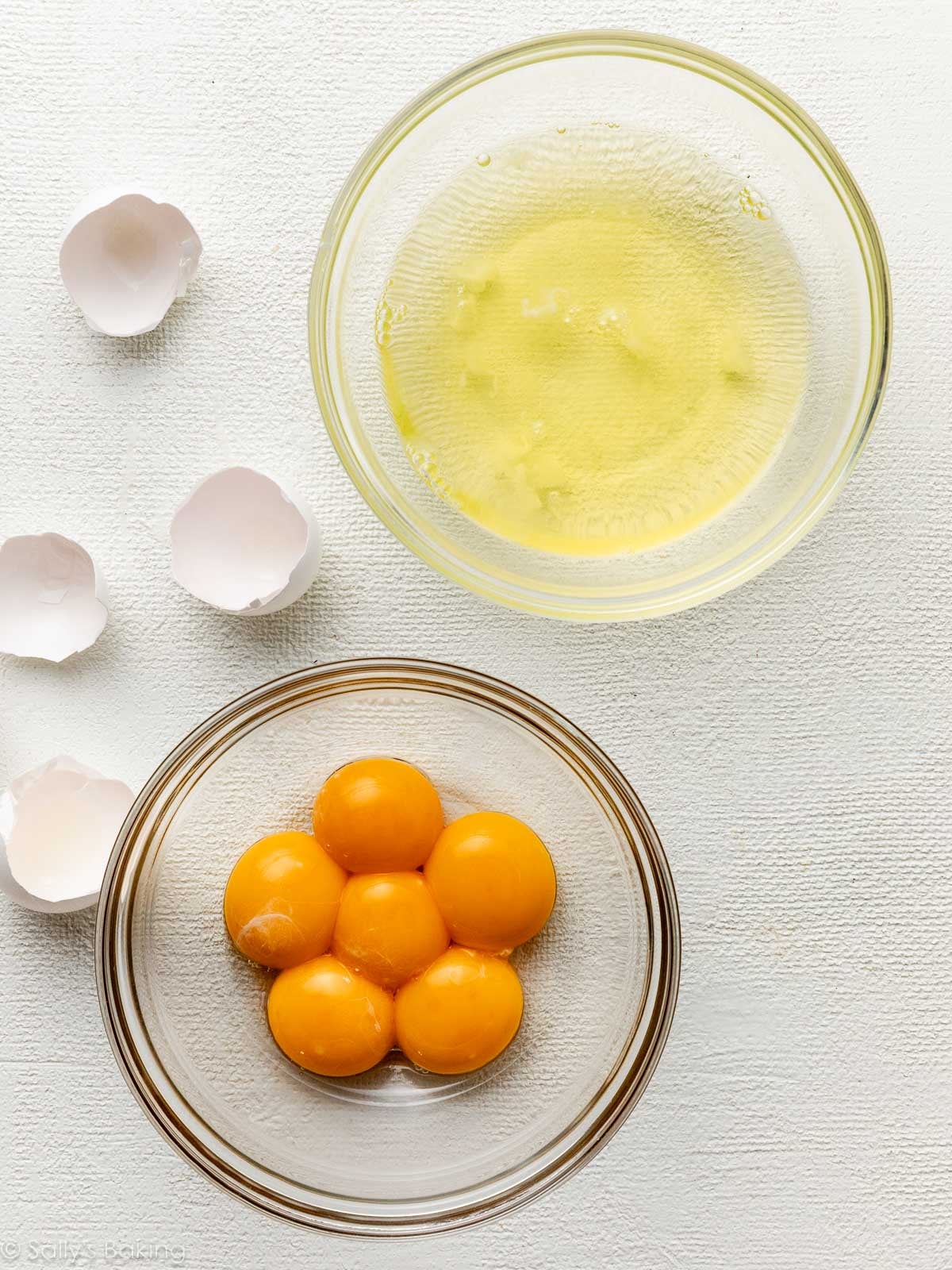
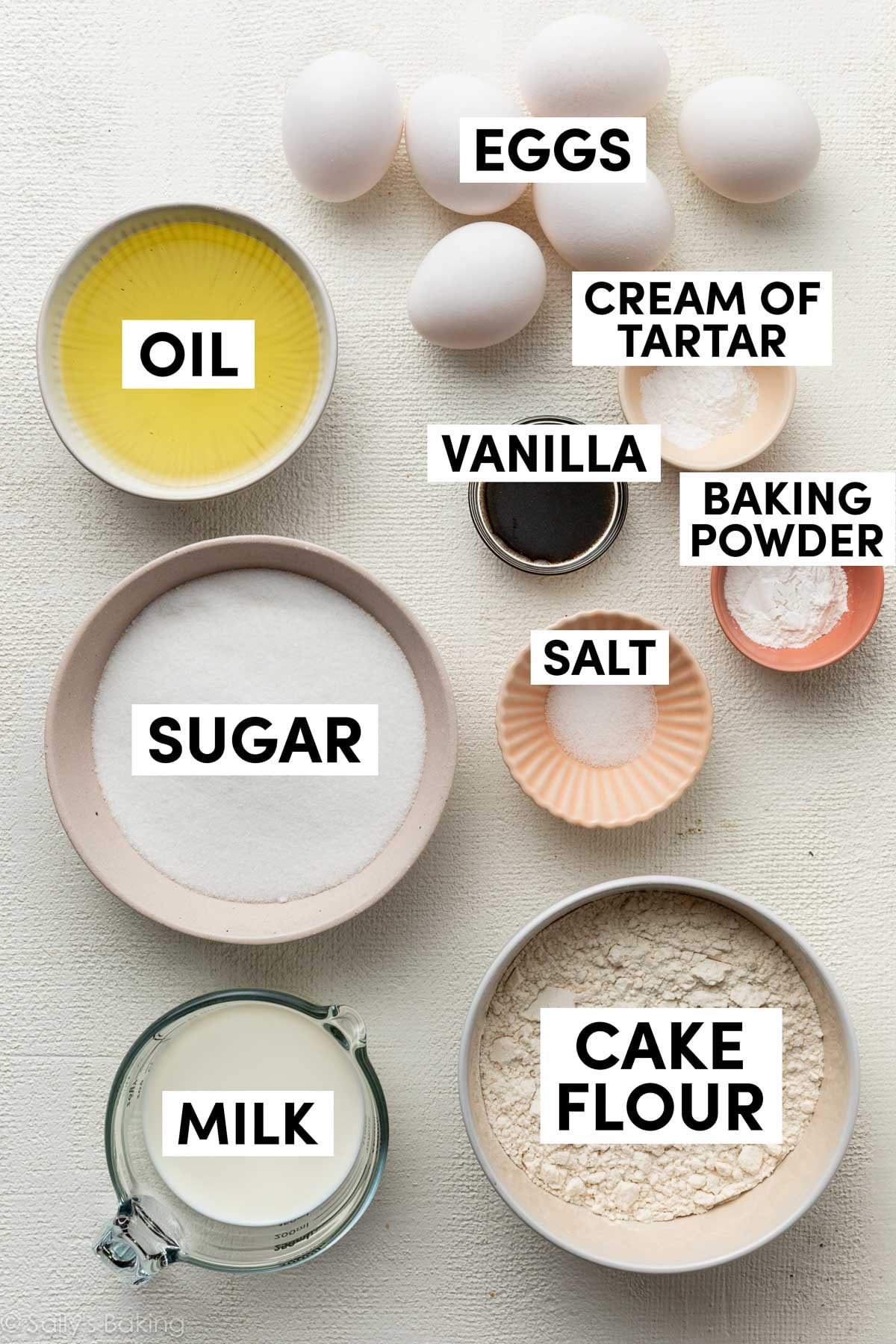
The magic of chiffon cake lies in the precise interplay of its seemingly simple ingredients:
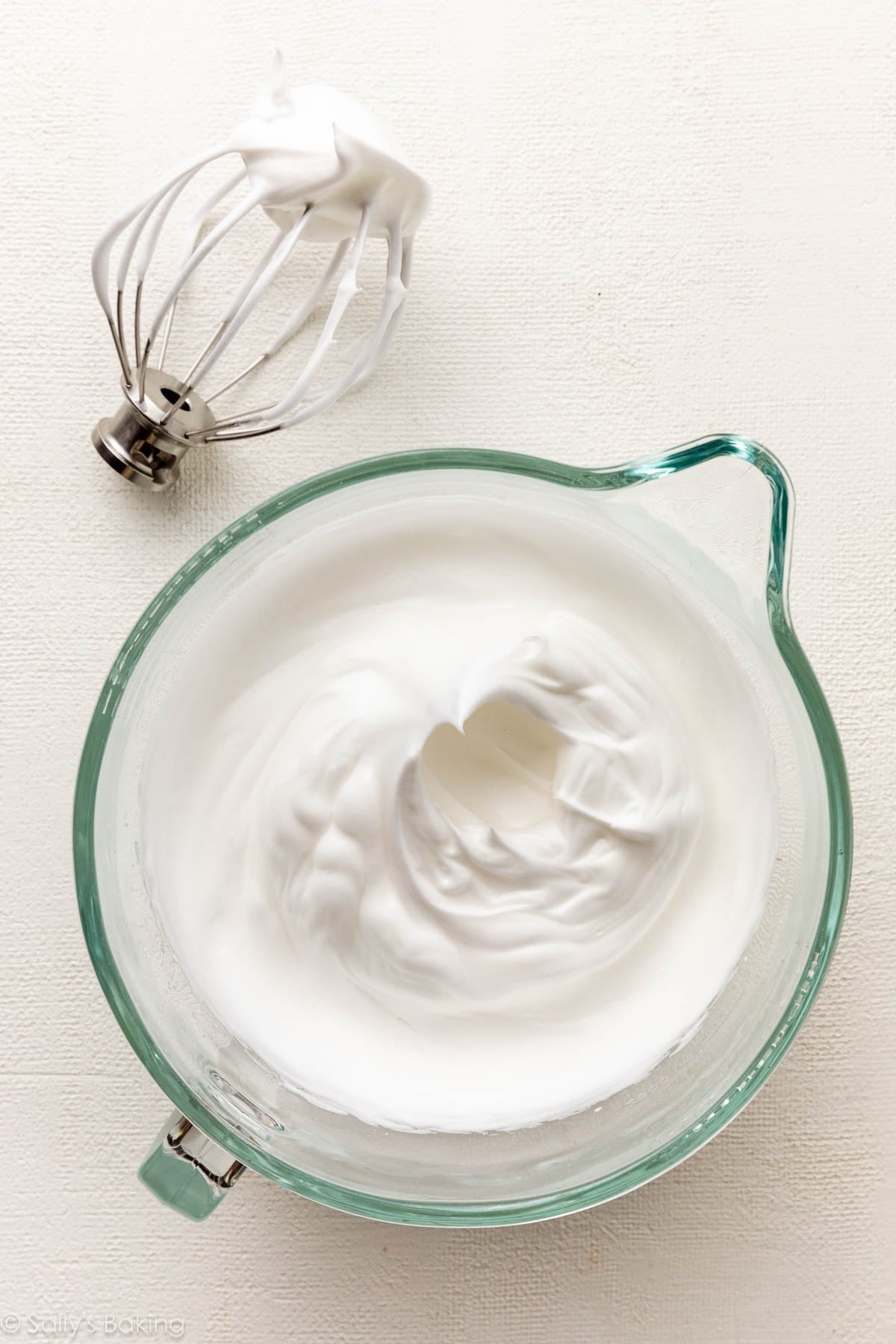
- Egg Whites and Cream of Tartar: The backbone of the cake’s structure and loft. Egg whites, when whipped, trap air, creating a stable foam (meringue). Cream of tartar, an acidic salt, stabilizes the egg whites, allowing them to achieve greater volume and a finer, more stable foam. This stability is crucial for preventing the cake from collapsing.
- Egg Yolks: Provide richness, color, and emulsifying properties. The fats in the yolks contribute to the cake’s tender crumb and depth of flavor, contrasting with the leavening power of the whites.
- All-Purpose or Cake Flour: Cake flour, with its lower protein content, is often preferred for chiffon cakes as it results in a more tender and delicate crumb. The fine milling of cake flour also contributes to the cake’s soft texture.
- Granulated Sugar: Sweetens the cake and also helps stabilize the egg whites during whipping, creating a glossy, firm meringue. Sugar also contributes to moisture retention.
- Vegetable Oil: As previously noted, oil is critical for supreme moisture and tenderness. Its liquid state ensures the cake remains soft and pliable, even when cold, differentiating it from butter-based recipes.
- Milk: Adds moisture and richness, contributing to a softer crumb and enhancing flavor.
- Baking Powder: While whipped egg whites provide significant lift, baking powder acts as a secondary chemical leavening agent, ensuring a consistently tall and airy cake.
- Vanilla Extract: Provides essential aromatic depth and flavor, a classic pairing with the delicate notes of the cake.
Culinary scientists and master bakers frequently highlight the chiffon cake as an exemplary demonstration of how fats, proteins, and leavening agents interact to produce a specific, desired texture. The emulsification of oil with the liquid ingredients, combined with the structural integrity provided by the egg white meringue, creates a batter that defies traditional cake categories, resulting in a cake that is remarkably robust yet incredibly delicate.
Mastering the Art: Key Techniques for a Flawless Chiffon Cake
Achieving the perfect chiffon cake requires adherence to several critical techniques, each playing a vital role in its signature texture and height. These steps, while seemingly straightforward, demand precision and care.
- Egg Separation: The process begins with carefully separating egg whites from yolks. Any trace of yolk in the whites can hinder their ability to whip to full volume, compromising the cake’s lift.
- Sifting Dry Ingredients: Sifting together the flour, baking powder, and half of the granulated sugar is crucial. This step aerates the dry ingredients, removes lumps, and ensures even distribution, contributing to a uniformly tender crumb. A fine-mesh sieve is indispensable for this stage.
- Whipping the Egg Whites (Meringue): This is perhaps the most critical step. Egg whites are whipped with cream of tartar until foamy, then the remaining sugar is gradually added while the mixer runs. The mixture is then beaten on high speed until stiff, glossy peaks form. The meringue must be stable enough to hold its shape but not over-whipped to the point of becoming dry or grainy. This meringue is the primary source of the cake’s airy volume and light texture.
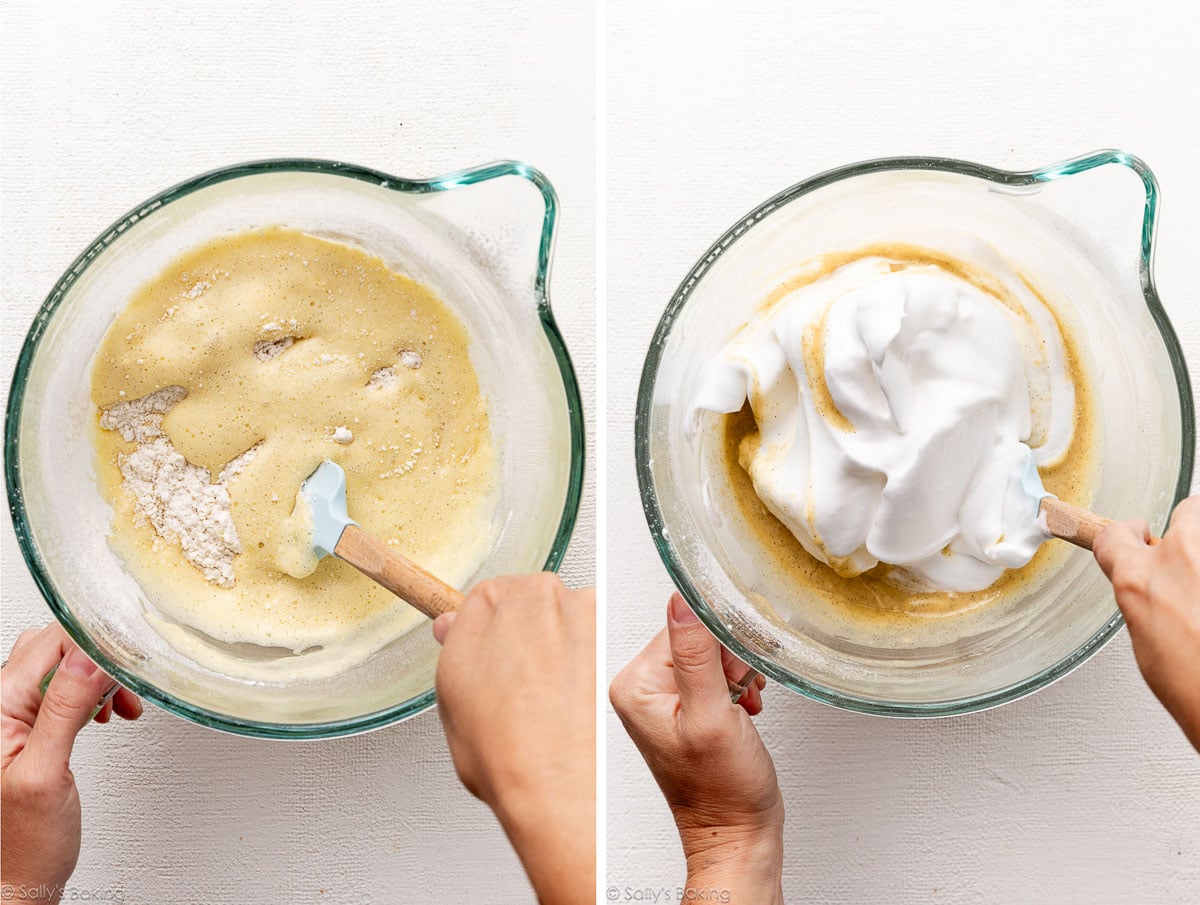
- Combining Wet and Dry Ingredients: Separately, the egg yolks, oil, milk, and vanilla are whisked together. The sifted dry ingredients are then gently folded into this yolk mixture until just combined, taking care not to overmix, which can develop gluten and lead to a tough cake.
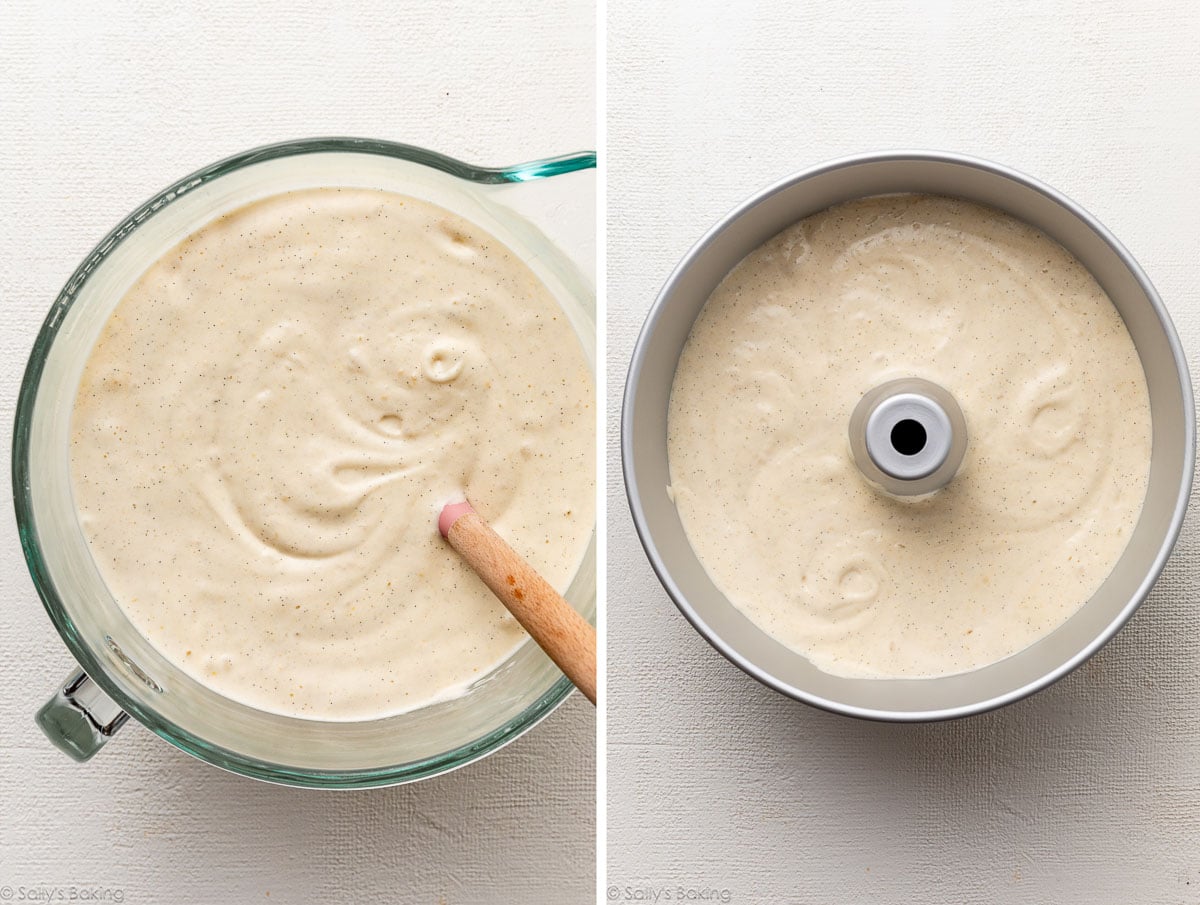
- Gentle Folding of Meringue: The meringue is incorporated into the batter in stages. Initially, about half of the meringue is folded into the heavier yolk mixture to lighten it, making it easier to incorporate the remaining meringue without deflating the delicate air cells. The remaining meringue is then gently folded in until just combined, with a few streaks of white being acceptable to avoid overmixing. The objective is to preserve as much of the trapped air as possible.
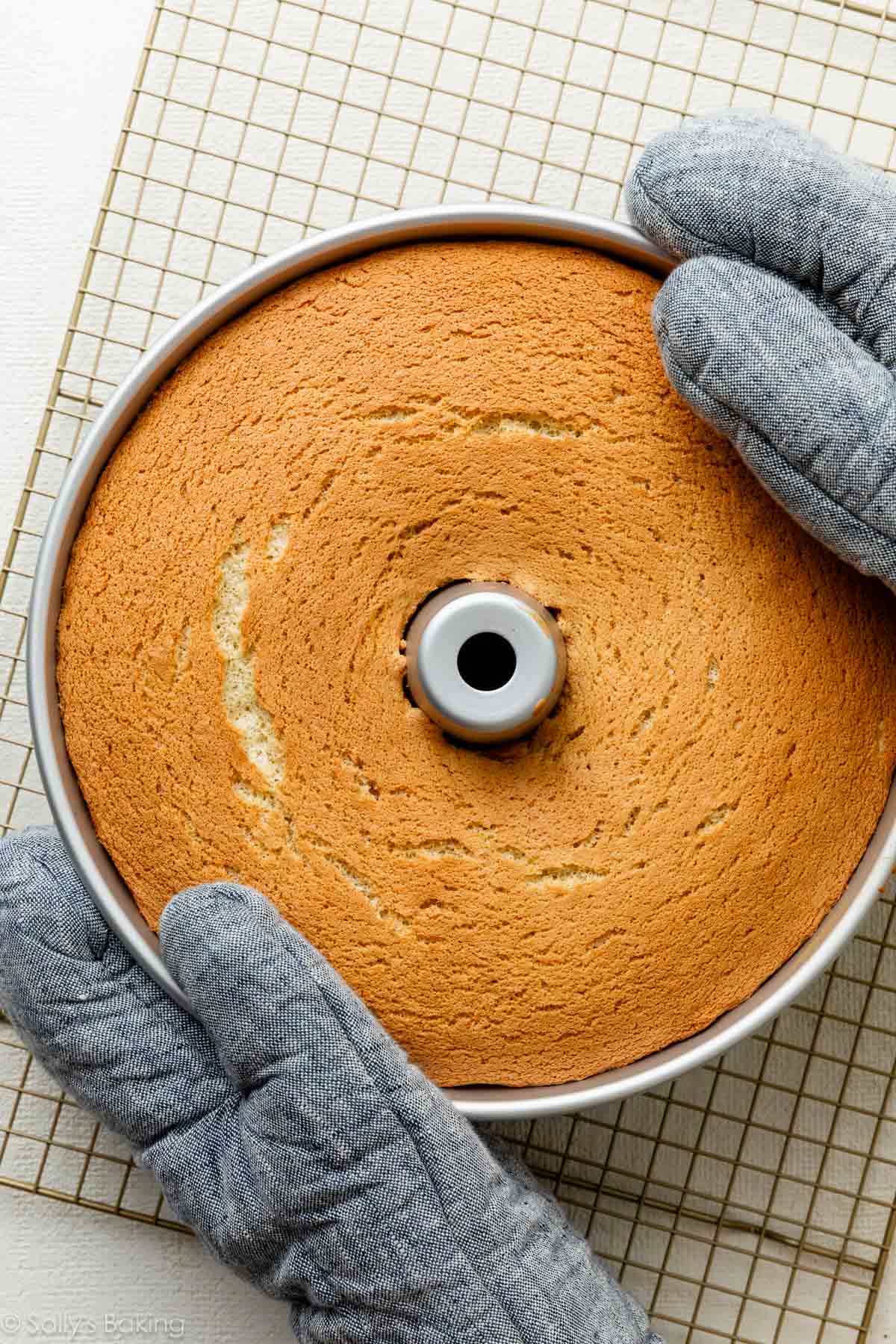
- The Ungreased Tube Pan: A unique and non-negotiable requirement for chiffon cake is baking it in an ungreased tube pan. The rough, ungreased sides provide a surface for the delicate batter to cling to as it rises, enabling it to achieve its impressive height. Greasing the pan would cause the batter to slide down, resulting in a shorter, denser cake. The central tube of the pan is equally important, allowing heat to circulate evenly through the thick batter, ensuring uniform baking from the center outwards. Using a Bundt pan is strongly discouraged due to its intricate designs, which make it exceptionally difficult to unmold a delicate chiffon cake intact.
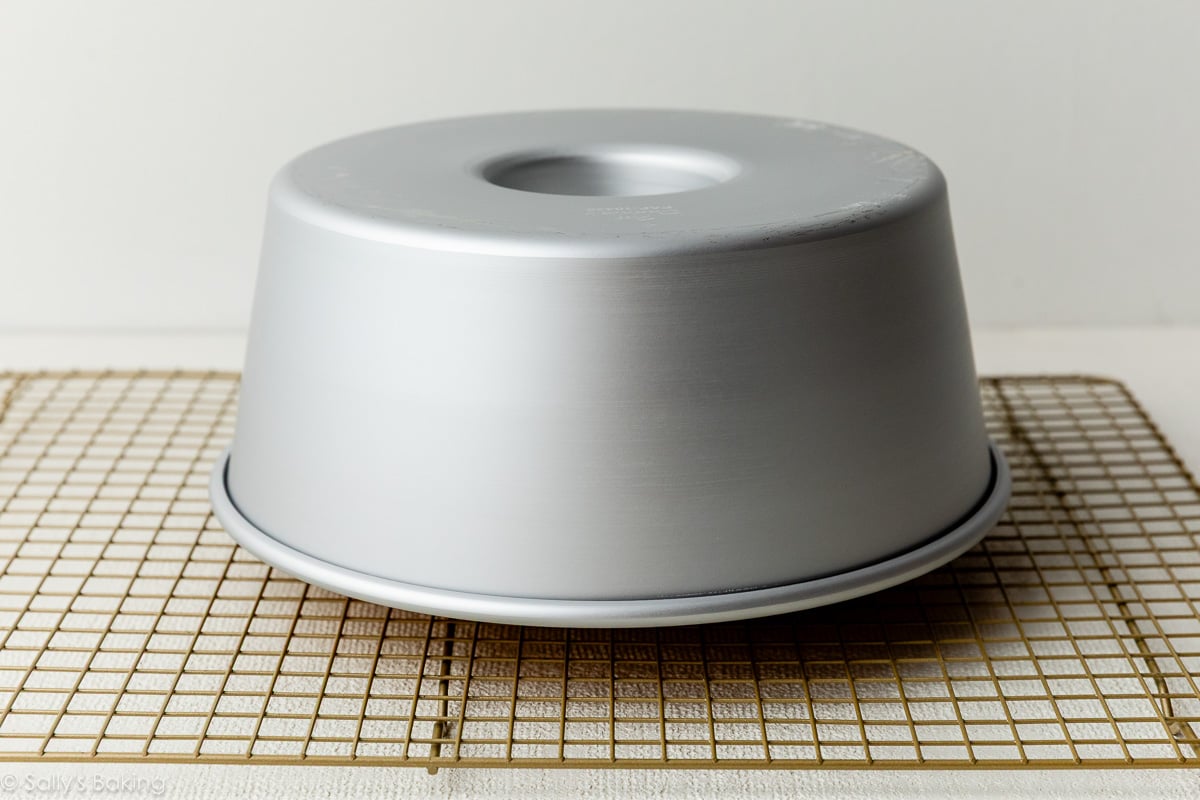
- Inverted Cooling: Immediately after baking, the tube pan containing the chiffon cake must be inverted. Many tube pans are designed with small "feet" for this purpose. Cooling the cake upside down prevents its delicate, still-setting structure from collapsing under its own weight as it cools, preserving its lofty volume. This cooling process allows the cake’s internal structure to fully set against the force of gravity.
Serving Versatility and Modern Adaptations
The classic vanilla chiffon cake is remarkably versatile, lending itself to various serving styles and flavor enhancements. On its own, with a simple dusting of confectioners’ sugar, it offers a pure expression of its delicate flavor and texture. However, it truly shines when paired with complementary elements. Fresh berries – strawberries, raspberries, blueberries – provide a tart counterpoint to the cake’s subtle sweetness, while a generous dollop of homemade whipped cream adds another layer of luxurious lightness.
For those seeking a more stable topping, a cream cheese whipped cream offers a slightly sturdier, richer alternative to classic whipped cream, akin to a light, not-too-sweet whipped frosting. This variation provides structure without overpowering the cake’s inherent delicacy.
Beyond simple adornments, chiffon cake serves as an excellent base for elaborate layered celebration cakes. Its unique balance of lightness and structural integrity makes it sturdy enough to stack without compressing. Bakers can either slice a cooled tube cake horizontally into multiple layers or bake the batter directly in three 8-inch round baking pans for a more traditional layer cake construction. This adaptability allows for endless creative possibilities, from fruit fillings and custards to various frostings, ensuring the chiffon cake can be customized for any occasion. Flavors can also be infused into the cake itself, with lemon zest, orange blossom water, cocoa powder for chocolate chiffon, or matcha powder for a vibrant green tea version being popular choices.
Expert Insights and Broader Implications
Culinary experts consistently praise the chiffon cake for its technical brilliance and broad appeal. Food historians often highlight its pivotal role in the mid-20th century, democratizing sophisticated baking techniques and introducing a unique cake type that bridged the gap between the austerity of sponge cakes and the richness of butter cakes. Its enduring popularity speaks to its inherent qualities: a dessert that feels indulgent without being heavy, impressive without being overly complicated for the home baker who follows the steps.
The challenges associated with chiffon cake, such as potential collapse, are often cited as learning opportunities for bakers. As emphasized by various baking authorities, including resources like King Arthur Baking, the key to success lies in understanding the science behind the recipe and executing each step with patience and precision. Common pitfalls, such as over- or under-whipped egg whites, aggressive folding, greasing the pan, under-baking, or neglecting the inverted cooling, all directly impact the final structure. Mastering these seemingly simple techniques ensures a consistently successful outcome, invariably eliciting delighted "You made this?!" reactions from those who taste its unparalleled texture.
In conclusion, the chiffon cake is more than just a recipe; it is a culinary phenomenon that exemplifies ingenuity in baking. Its journey from a closely guarded Hollywood secret to a universally beloved classic underscores its unique ability to offer both a luxurious experience and a surprisingly light finish. It remains a celebrated choice for any occasion, promising a delectable, airy treat that continues to captivate palates worldwide.