The Ultimate Guide to Strategizing and Executing a Stress-Free Thanksgiving Dessert Menu

As the Thanksgiving holiday approaches, the culinary focus often shifts toward the centerpiece turkey, yet the concluding course—the dessert spread—frequently presents the most significant logistical challenge for home cooks. The traditional expectation of a multi-pie display often leads to menu fatigue, over-preparation, and inefficient use of kitchen resources. To mitigate these issues, culinary professionals and home economists recommend a strategic approach to dessert planning, prioritizing efficiency, storage feasibility, and the "rule of three" to ensure both the host and guests enjoy the experience without the pressure of an overwhelming workload.

The Strategic Shift in Thanksgiving Dessert Planning
Market research from the National Confectioners Association and various home cooking indices indicates that the average American household spends approximately 30% more time in the kitchen during the Thanksgiving week than in any other week of the year. Historically, the dessert table has been dominated by traditional pies—pumpkin, apple, and pecan. However, recent trends suggest a shift toward more diverse, efficient, and "make-ahead" options.

The primary challenge for any host is the "oven bottleneck." During the final hours before the meal, the oven is typically occupied by poultry, sides, and stuffing. Consequently, desserts that require intensive baking on the day of the event often cause significant delays. Culinary experts argue that the most successful Thanksgiving menus are those that balance labor-intensive classics with low-maintenance, high-impact alternatives, such as sheet cakes, chilled desserts, or items that benefit from being prepared 24 to 48 hours in advance.

The Anatomy of the Perfect Dessert Spread
The current consensus among professional pastry chefs for a balanced holiday menu is the "Rule of Three": one traditional pie, one alternative baked good (such as a sheet cake or pudding), and one item intended for grazing, such as a curated cookie platter.

The Case for Pie
For those who prioritize tradition, the inclusion of a pie is non-negotiable. However, variety is key to preventing palate fatigue. While pumpkin remains the perennial favorite, experts suggest diversifying with textures and flavor profiles.

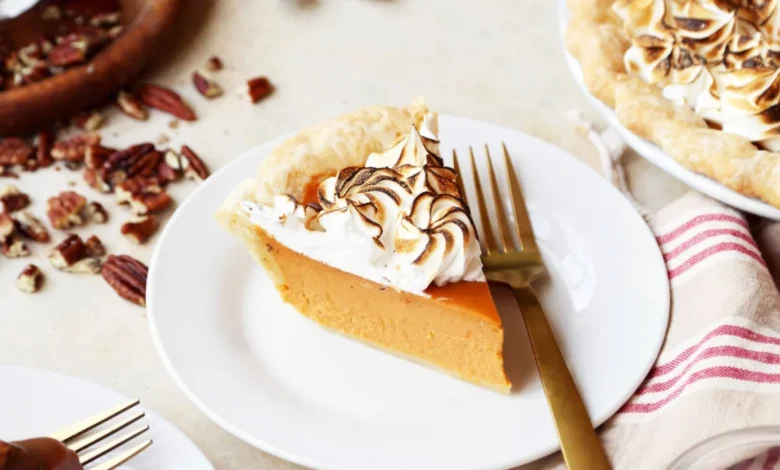
- Sweet Potato Pie: A staple in Southern culinary tradition, this offers a deeper, more earthy sweetness compared to pumpkin.
- French Silk Pie: This option is highly recommended for hosts with limited oven space, as it is a chilled dessert that requires no baking on the day of the event. Its smooth, custard-like texture provides a necessary contrast to the heavy, spiced flavors of the main course.
- Cranberry Cream Pie: The tartness of the cranberries acts as a palate cleanser, cutting through the richness of traditional Thanksgiving fats and proteins.
- Lemon Meringue Pie: Utilizing a citrus-spiced sugar cookie crust can introduce a bright, acidic note that contrasts sharply with the heavy, savory nature of the meal.
The Efficiency of Sheet Cakes and No-Bake Options
Sheet cakes have gained significant traction in recent years due to their high yield and ease of transport. A standard Texas sheet cake, for instance, can feed up to 20 guests and remains stable during transit, a vital feature for those traveling to family gatherings. Flavors like Brown Butter Pumpkin or Apple Cinnamon provide a seasonal profile without the technical difficulty associated with traditional pastry crusts.

For hosts seeking to eliminate oven reliance entirely, items like Pumpkin Spice Tiramisu offer a sophisticated, assembly-based alternative. By substituting traditional espresso-soaked ladyfingers with seasonal spices and pumpkin mousse, the host can achieve a dessert that is arguably superior after resting in the refrigerator overnight.

Chronological Execution: A Timeline for Success
A well-executed dessert menu is not the result of last-minute labor, but rather a structured timeline. Professional kitchens utilize a "mise en place" approach, which is equally applicable to the home kitchen.

- Three Days Prior: This is the ideal time to focus on inventory and shopping. Dry goods should be purchased, and any necessary specialty equipment should be cleaned and organized.
- Two Days Prior: This is the "Bake-Ahead" window. Loaf cakes, such as Cranberry Orange or Gingerbread Swirl, reach their peak moisture and flavor profile after 24 to 48 hours. These items are generally more forgiving and improve in texture when stored at room temperature or in the refrigerator.
- One Day Prior: Assemble chilled desserts. French Silk pies, cheesecakes, or puddings should be prepared at this stage. This allows them to set fully and ensures the refrigerator space is organized. Cookie dough can be prepared, portioned, and frozen, requiring only a quick stint in the oven on the day of the event.
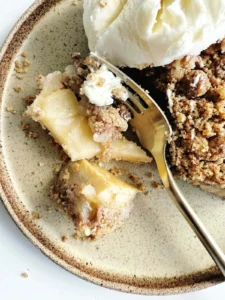
- Thanksgiving Morning: This should be the lowest-stress window. The focus should be limited to baking fresh items that require heat, such as an Apple Crisp, which is best served warm to maintain its textural integrity (the contrast between the hot fruit and the crunchy oat topping).
Supporting Data and Consumer Trends
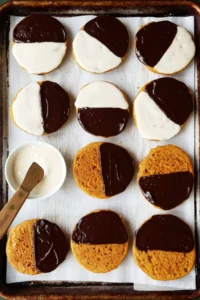
Data from the American Farm Bureau Federation consistently highlights that the cost of Thanksgiving ingredients fluctuates based on harvest yields, particularly for dairy and wheat. By selecting desserts that utilize pantry staples—such as oats, flour, and shelf-stable spices—hosts can manage their budget more effectively. Furthermore, the rising popularity of "cookie plates" as a dessert feature reflects a shift toward casual, high-socialization dining. Cookies such as Chai-spiced sugar cookies or Browned Butter Oatmeal Apple cookies are highly scalable, shelf-stable, and provide guests with a convenient, grab-and-go option that does not require formal plating or cutlery.

Broader Impact and Culinary Implications
The shift away from the "four-pie mandate" toward a more curated, strategic menu has broader implications for food waste and guest satisfaction. By limiting the dessert offering to two or three high-quality items, hosts reduce the likelihood of excessive leftovers—a common issue following the Thanksgiving feast.

Moreover, this approach acknowledges the physiological reality of the Thanksgiving meal: after consuming a large, sodium- and fat-dense dinner, guests are often unable to fully appreciate multiple heavy, pie-based desserts. A menu that includes lighter, brighter, or smaller-portion options (like cookies or chilled mousses) ensures that the final course is consumed with enjoyment rather than obligation.

Professional Recommendations for the Host
To achieve the best results, home cooks are encouraged to:

- Prioritize Texture: Ensure the menu contains a mix of textures—creamy, crunchy, and soft.
- Optimize Storage: Before committing to a recipe, confirm the availability of shelf space in the refrigerator and freezer.
- Focus on "The Hero" Ingredient: Choose one high-quality seasonal ingredient (e.g., high-quality pumpkin puree or fresh orchard apples) and build the menu around it to reduce the complexity of the grocery list.
- Embrace the "Make-Ahead" Advantage: Avoid any recipe that requires more than 30 minutes of active kitchen time on the day of the holiday.
Ultimately, the goal of the Thanksgiving dessert table is to provide a sense of completion to the day. By planning with foresight and prioritizing recipes that lend themselves to preparation in advance, the home cook can ensure that the conclusion of the event is as pleasant and relaxed as the meal itself. This strategic methodology not only preserves the host’s energy but elevates the overall dining experience for all attendees.