The Evolution of Morning Pastries: The Rise of Banana Bread Scones in Modern Baking

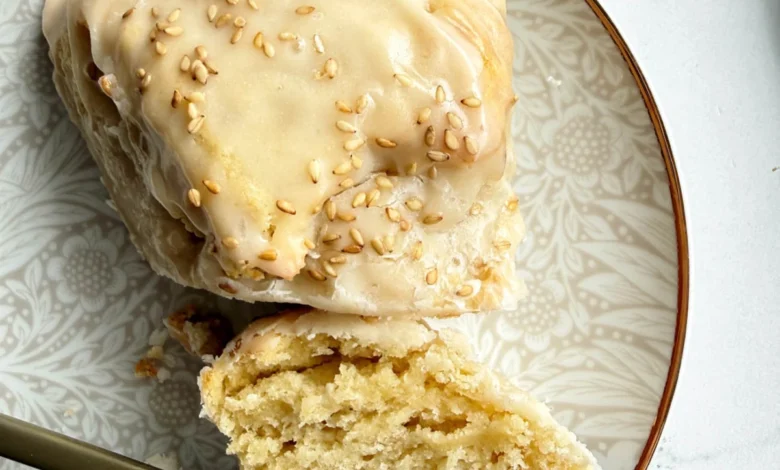
The culinary world has long grappled with the morning dilemma of choosing between the dense, comforting richness of traditional banana bread and the delicate, buttery crumb of a classic bakery scone. Recently, home bakers and professional pastry chefs alike have turned their attention toward hybrid breakfast pastries, culminating in a new standard for morning baked goods. The latest addition to this category bridges the gap between these two breakfast staples, offering a recipe designed to deliver the height and structural integrity of a traditional scone infused with the distinct, sweet flavor profile of overripe bananas.
Background and Culinary Context
Scones have historically occupied a versatile space in both home kitchens and commercial bakeries. Prized for their adaptability, they can be prepared in large batches, shaped in advance, and frozen for up to two weeks, allowing for freshly baked goods on demand. Traditional variations range from simple cream-based preparations to formulations heavy on fruit, chocolate, crystallized ginger, and various seeds and citrus zests.
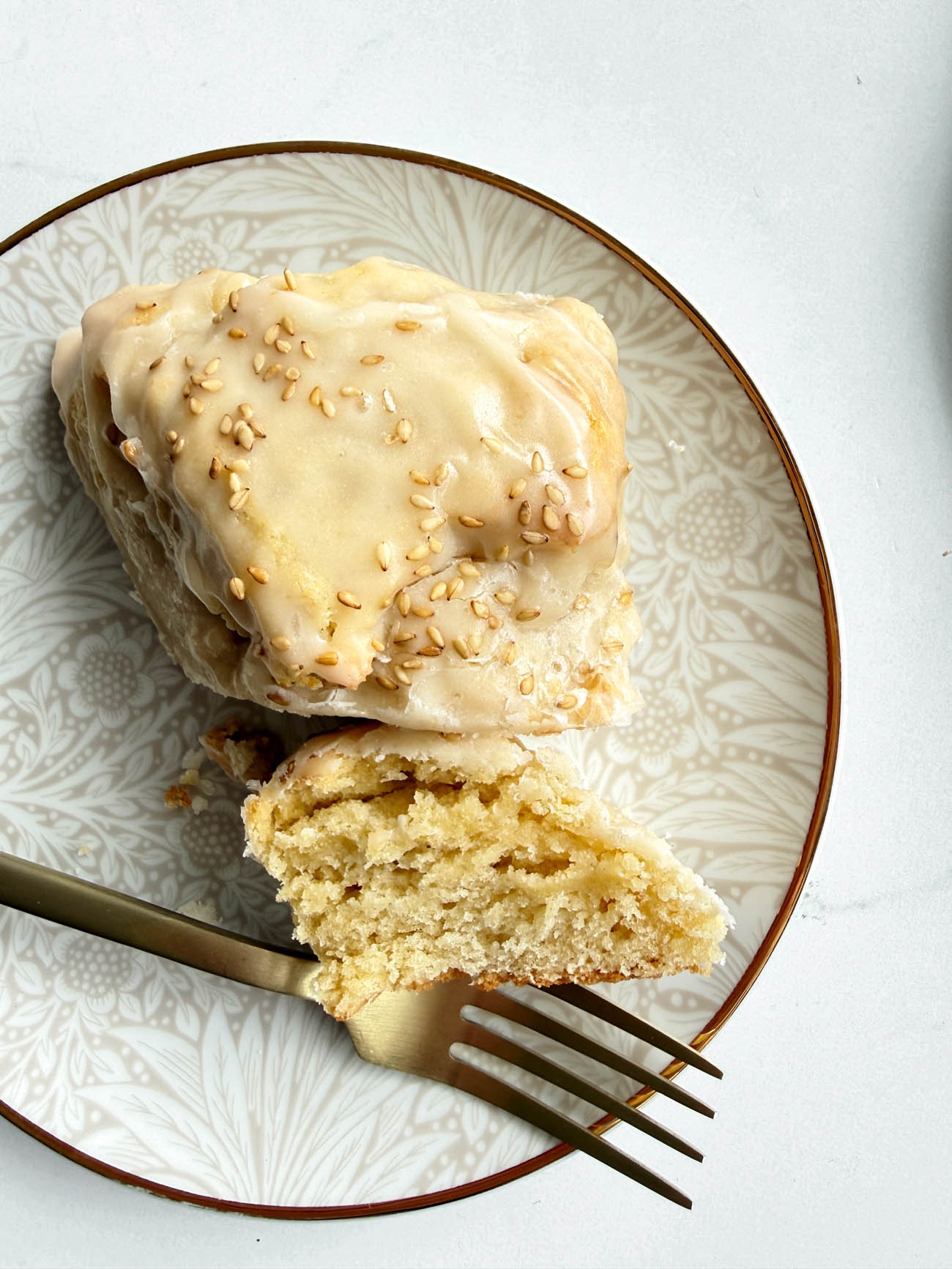
The integration of banana into scone dough, however, presents unique technical challenges. Bananas introduce substantial moisture and natural sugars, which can easily compromise the dry, flaky texture expected from a quality scone. To achieve the desired balance, modern recipe developers have adapted traditional lamination techniques—specifically, repeatedly folding the dough to create distinct structural layers. This method ensures that the pastry rises high and maintains a lofty appearance during baking rather than collapsing into a dense, cake-like consistency.
Technical Innovations in Scone Preparation
Achieving structural stability in high-moisture pastry requires careful attention to technique and temperature. Pastry experts emphasize the importance of keeping butter cold throughout the mixing process. While traditional methods frequently utilize a pastry cutter to cut butter into flour until it resembles small peas, contemporary bakers increasingly rely on stand mixers equipped with a paddle attachment. This adaptation is particularly beneficial for home bakers managing repetitive strain injuries or wrist fatigue after years of food preparation.
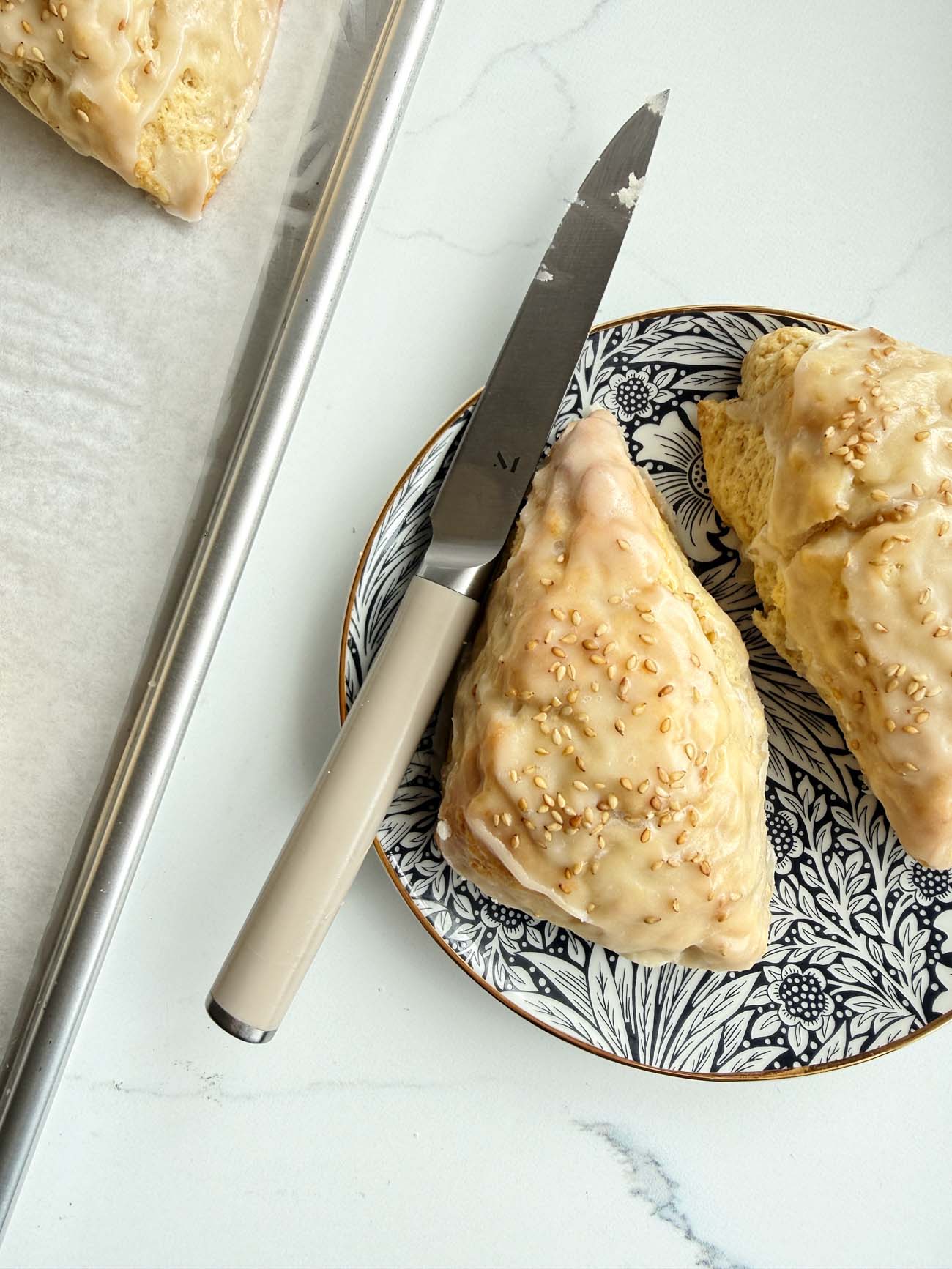
Beyond mixing mechanics, baking logistics play a critical role in the final product. A common issue during scone preparation is the tendency for the sharp points of triangular scones to sag or slip down the sides during the baking cycle. Mitigating this requires attentive monitoring and, when necessary, manual repositioning during the early stages of the bake.
Temperature control extends to the baking sheets themselves. Culinary data indicates that utilizing a double-pan setup—nestling one baking sheet directly beneath the primary pan—helps insulate the bottom of the pastries, preventing premature browning before the interior has fully set. Conversely, bakers seeking a crispier exterior can revert to a single-pan configuration.
Flavor Profiling and the Importance of Finishes
The sensory experience of a baked good relies heavily on its exterior finish. Industry standards for scones often emphasize a glaze or icing not merely for aesthetic appeal, but for moisture retention. Applying an icing layer while the pastries remain warm helps trap residual heat and steam, keeping the crumb tender for hours after removal from the oven.
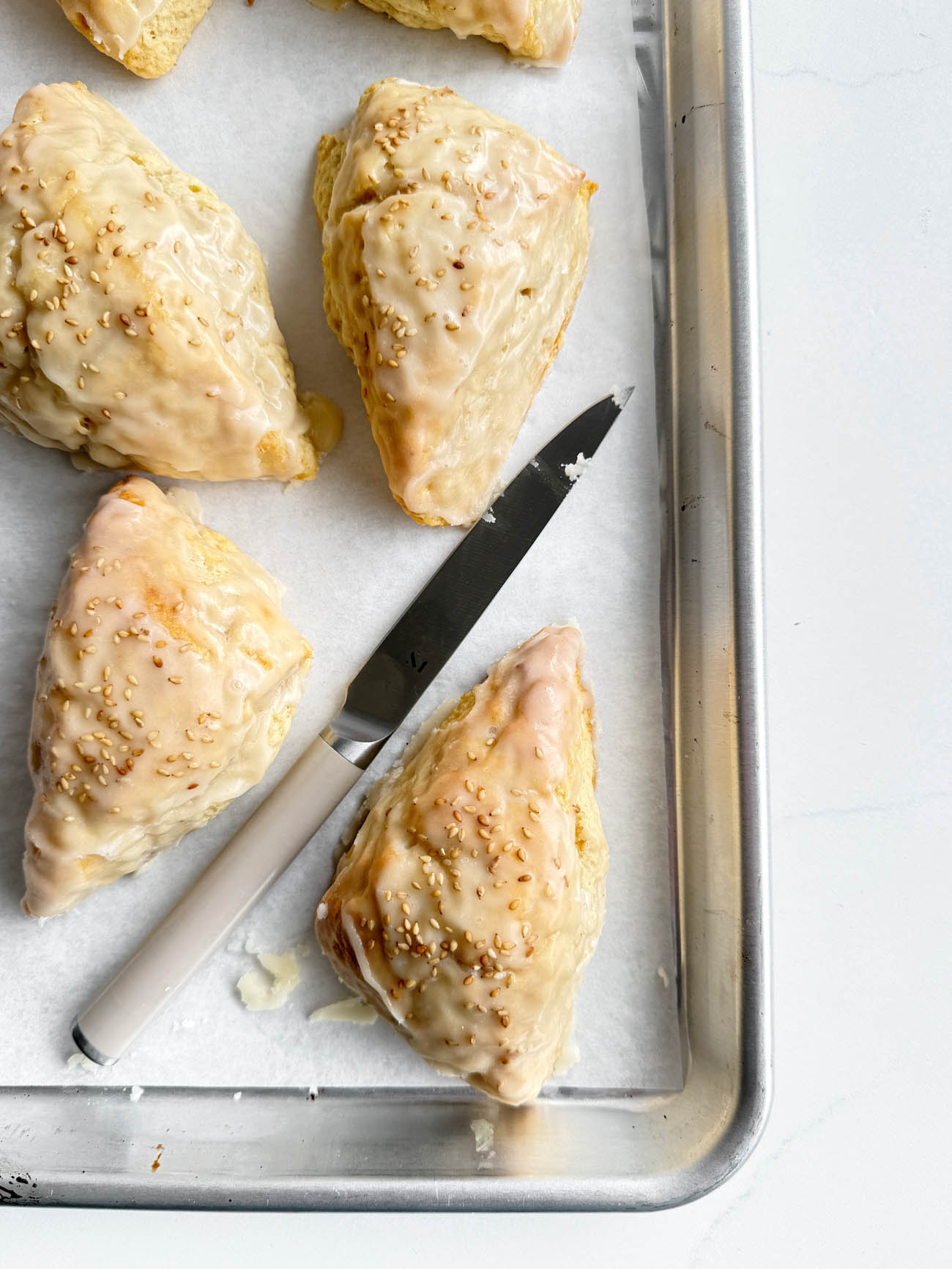
While traditional sweet glazes often rely on vanilla or citrus, modern variations increasingly incorporate savory or nutty elements to balance the inherent sweetness of the fruit base. Toasted sesame oil has emerged as a favored addition, introducing a complex, earthy undertone that complements the tropical sweetness of the banana. For those unable to source toasted sesame oil, alternative flavor profiles such as dark rum or water serve as viable substitutes, though adjustments to quantity are recommended to balance flavor intensity.
Ingredient Standardization and Flour Dynamics
Precision in baking chemistry is heavily dependent on accurate measurement standards. Discrepancies in flour measurement remain a frequent point of failure in home baking. Industry analyses demonstrate that a single cup of all-purpose flour can range from 120 grams to 142 grams depending on packing density and the measuring technique employed by the individual. To ensure reproducibility, professional recipes often establish a standardized metric equivalent—frequently designating one cup of flour as precisely 142 grams.
Furthermore, the protein content of different flour brands significantly impacts the structural outcome of baked goods. Unbleached all-purpose flours with moderate protein content, such as those produced by Gold Medal, are frequently recommended for non-yeast pastries like scones due to their ability to tenderize the crumb while maintaining structural integrity. In contrast, higher-protein formulations are generally reserved for yeasted doughs requiring robust gluten networks.
Broader Market Implications and Future Trends
The introduction of hybrid baked goods reflects shifting consumer preferences toward comfort foods that offer novelty without sacrificing convenience. As home baking continues to evolve in response to digital recipe sharing and culinary experimentation, techniques once confined to professional pastry kitchens—such as dough lamination and precise thermal management—are becoming standard practices for home cooks.
The widespread adoption of freezer-friendly, make-ahead pastry formulas also aligns with broader economic and lifestyle trends emphasizing efficiency and reduced food waste. By utilizing overripe bananas—a frequent household surplus item—in structured, long-storing doughs, bakers can maximize ingredient utility while producing artisanal-quality breakfast items at home. As the culinary landscape continues to merge classic techniques with innovative flavor combinations, the evolution of the morning scone demonstrates the enduring appeal of adaptable, technique-driven baking.