A Comprehensive Guide to Traditional Culinary Preparations and Family Gatherings for the Chinese Mid-Autumn Festival

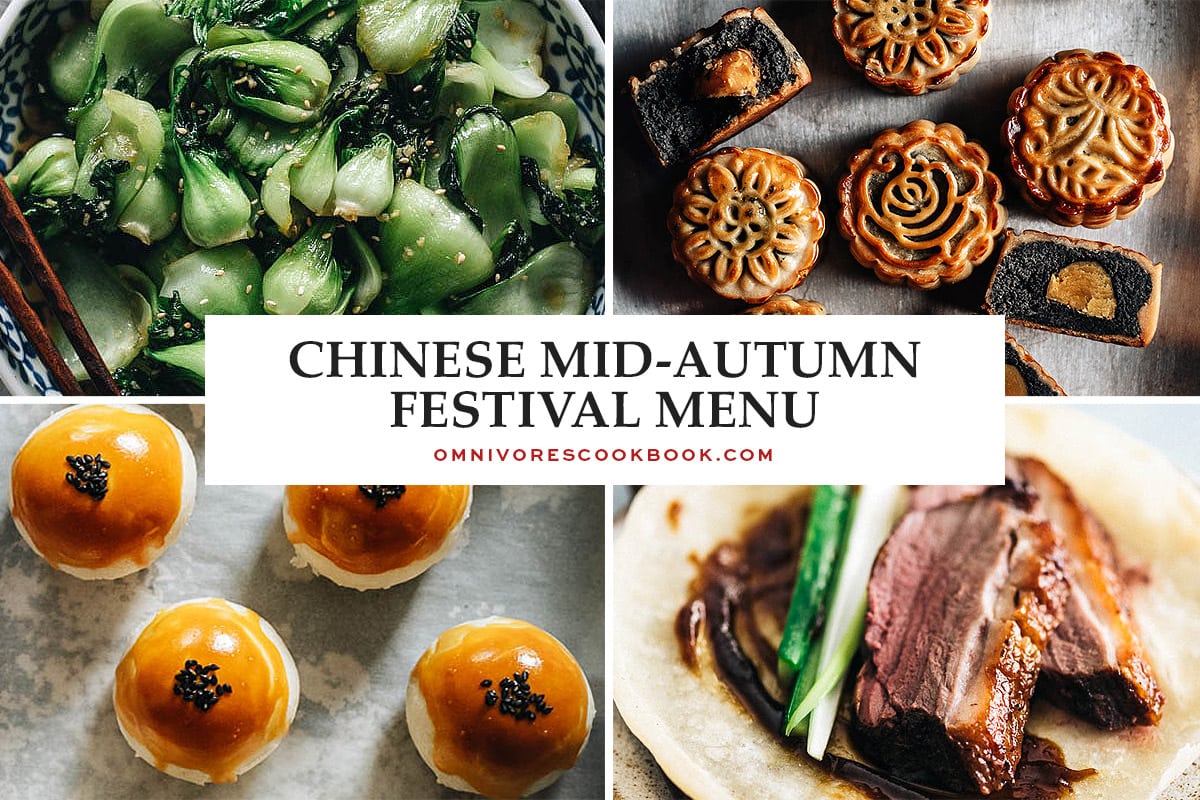
The Chinese Mid-Autumn Festival, historically known as Zhongqiu Jie, stands as one of the most culturally significant celebrations in the global Chinese calendar, second only in importance to the Lunar New Year. Falling annually on the 15th day of the 8th month of the lunar calendar—typically corresponding to September or early October in the Gregorian calendar—the festival coincides with the autumn harvest and the appearance of the year’s roundest and brightest moon. Deeply rooted in agrarian traditions of moon worship and thanksgiving for agricultural yields, the holiday has evolved into a paramount occasion for familial reunion. Anthropological and sociological analyses of the festival emphasize its core theme of unity, symbolically reinforced through circular food presentations, shared dining formats, and collective moon-viewing rituals that reinforce kinship bonds across generations.
Historical Context and Cultural Significance of the Mid-Autumn Feast
The origins of the Mid-Autumn Festival trace back over three millennia to ancient China, where emperors offered sacrifices to the moon to ensure bountiful harvests. By the Tang Dynasty (618–907 AD), these court rituals transitioned into popular cultural observances, eventually cementing the custom of families gathering under the autumnal night sky to admire the celestial body. Central to this observance is the communal dining table, carefully curated to feature whole ingredients. Culinary historians note that serving whole poultry, whole fish, and round pastries is not merely aesthetic; it carries profound linguistic and philosophical resonance. In Mandarin and various regional dialects, homophones dictate that serving an intact fish signifies a continuous surplus year-round (niannian youyu), while round objects—such as whole melons, round meatballs, and traditional mooncakes—serve as physical manifestations of family completeness and unbroken harmony.
Structuring the Menu: Chronology and Preparation Timelines
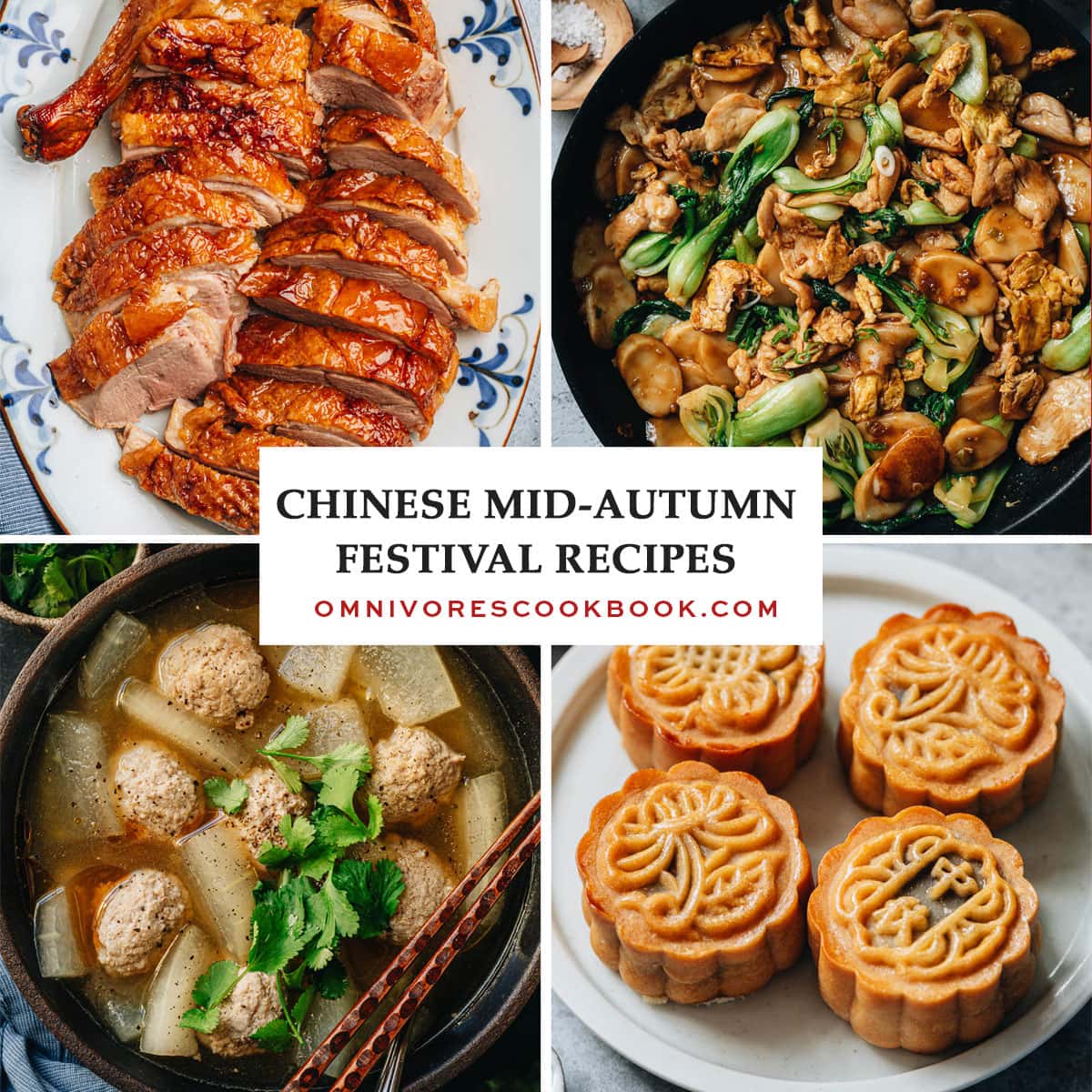
Executing a traditional Mid-Autumn banquet requires meticulous logistical planning and staging, often spanning multiple days to balance complex braising techniques with rapid, high-heat wok cookery. Culinary coordinators and home cooks typically divide the preparation schedule into distinct phases: advance staging, day-of braising, and final-minute plating.
Cold Appetizers and Advance-Prep Elements
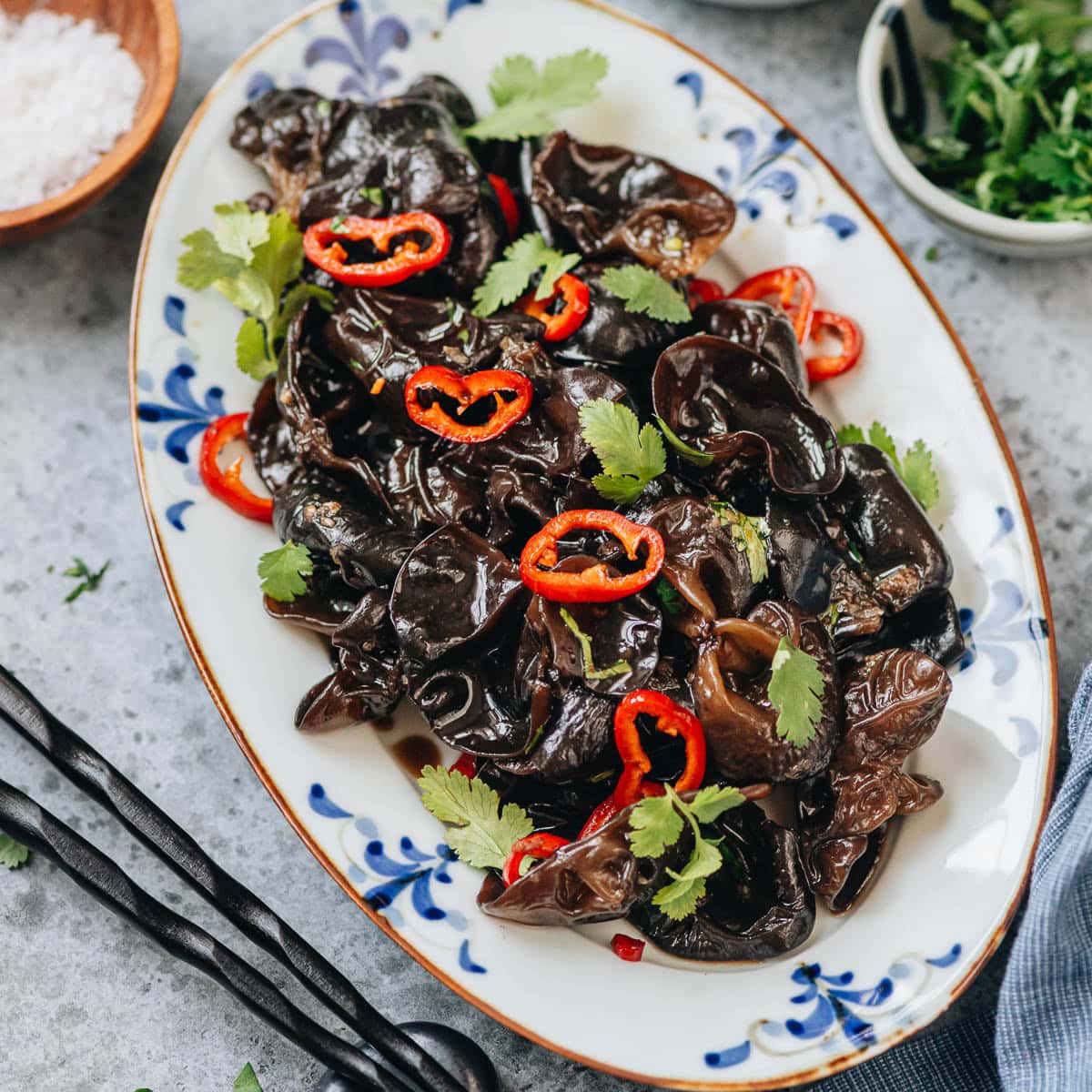
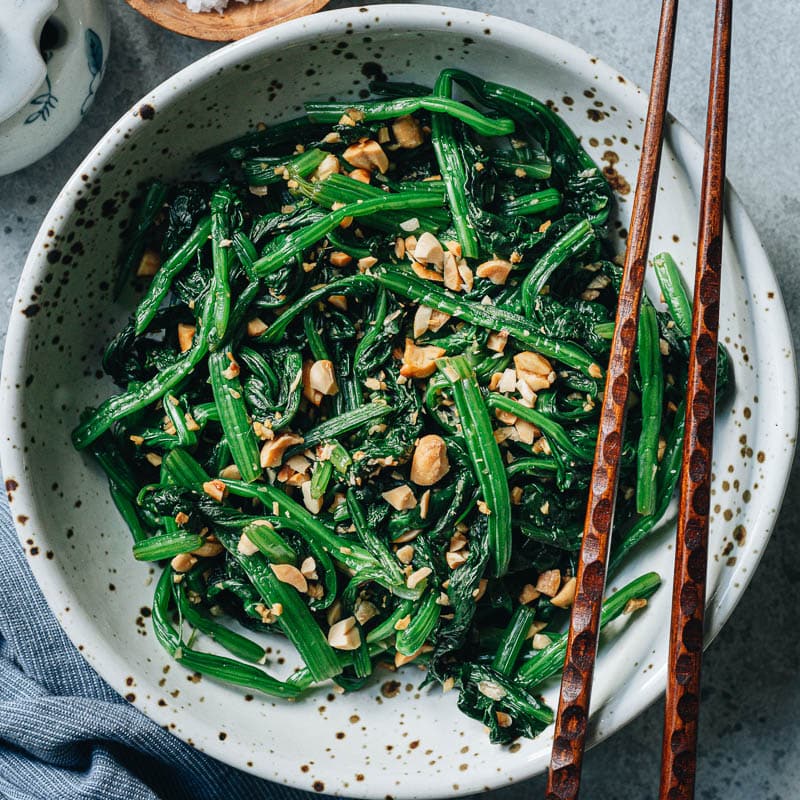
The culinary sequence begins well in advance of the seating time with cold appetizers, which perform the vital function of stimulating the palate while stabilizing kitchen workflow. Dishes such as the Wood Ear Mushroom Salad (mu’er ban) and the Chinese Spinach Salad with Peanuts require minimal active cook time—approximately 15 to 30 minutes—and can be prepared up to 24 hours prior to service. The structural integrity of rehydrated wood ear mushrooms allows them to absorb a sharp, aged dressing composed of Chinkiang vinegar, garlic, and toasted Sichuan peppercorn without losing their characteristic crisp, snappy bite. Similarly, blanched spinach tossed with roasted peanuts provides a cooling, acidic, and texturally varied counterpoint to the heavier, lipid-rich braised proteins that dominate the primary courses.
Main Course Centerpieces: Symbolism and Precision
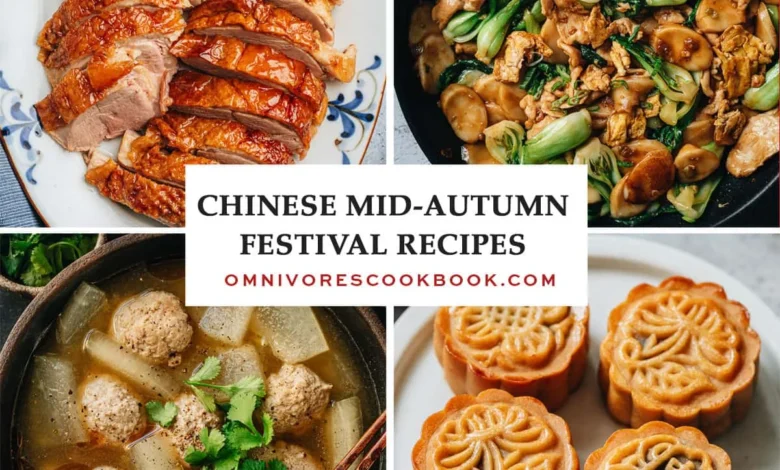
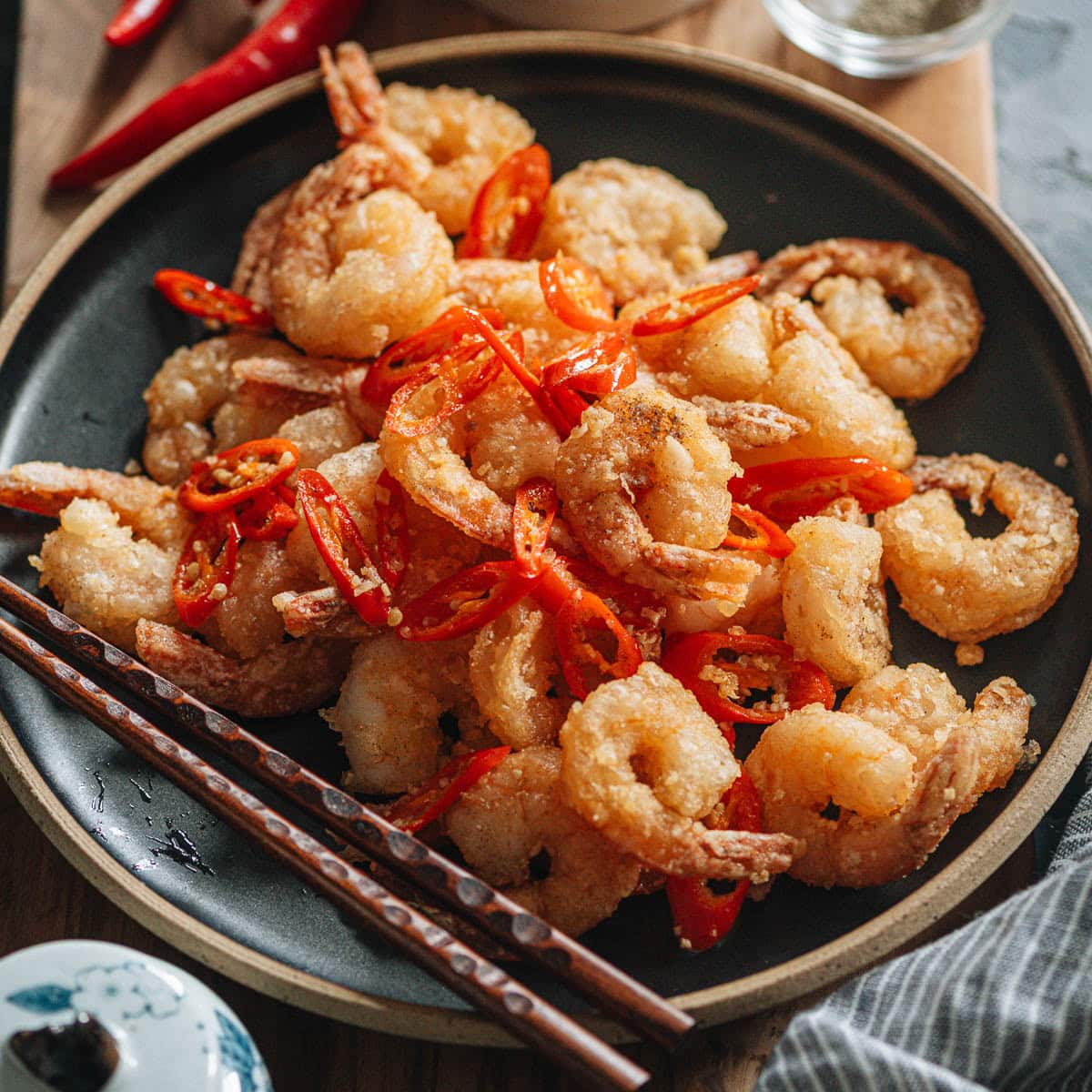
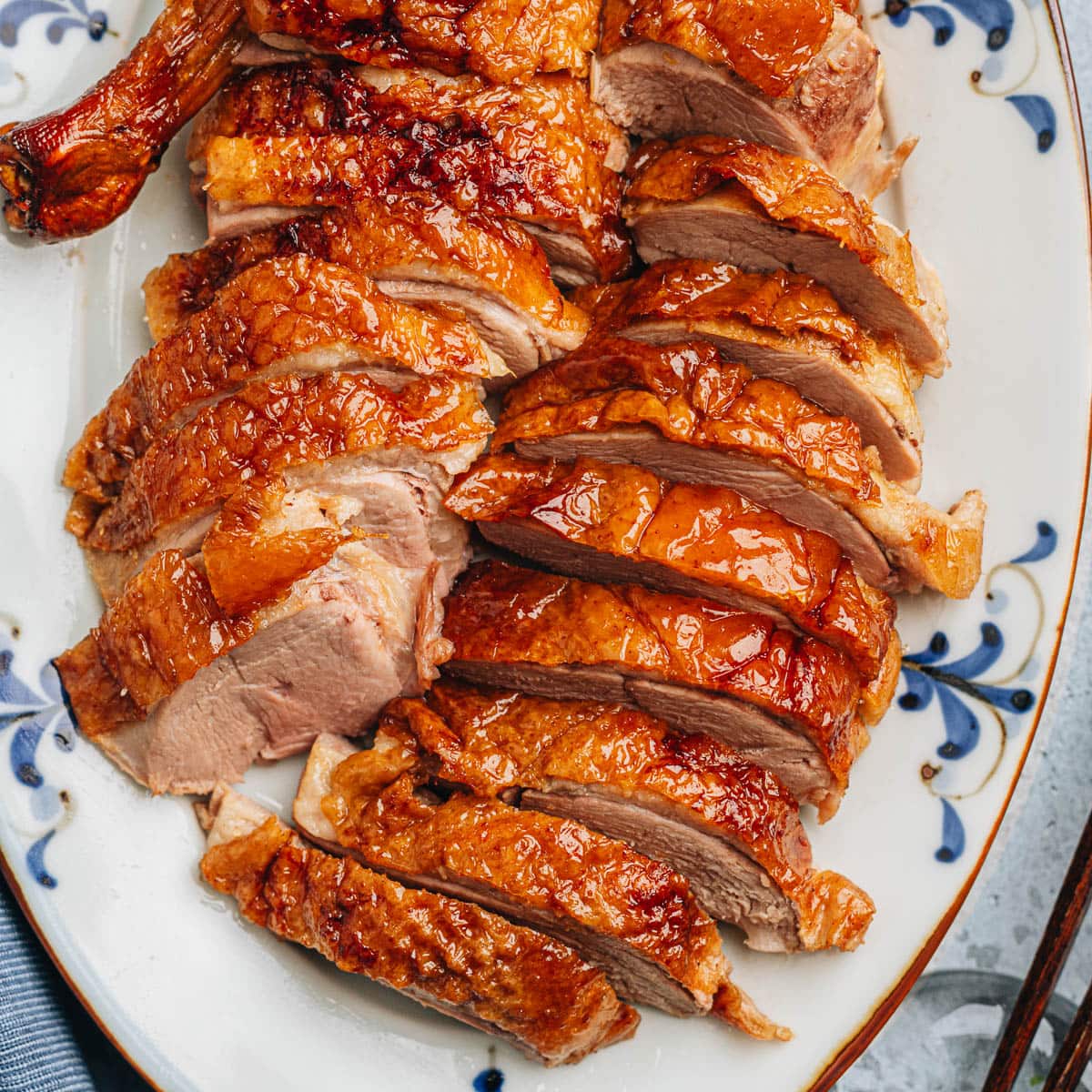
At the core of the feast are the main dishes, traditionally anchored by whole cuts of meat and seafood designed for communal sharing. The Chinese Roast Duck (shao ya) represents a centerpiece requiring significant passive preparation, involving multi-day air-drying and marinating processes to achieve a lacquered, crisp skin over tender, aromatic meat infused with five-spice and red fermented tofu.
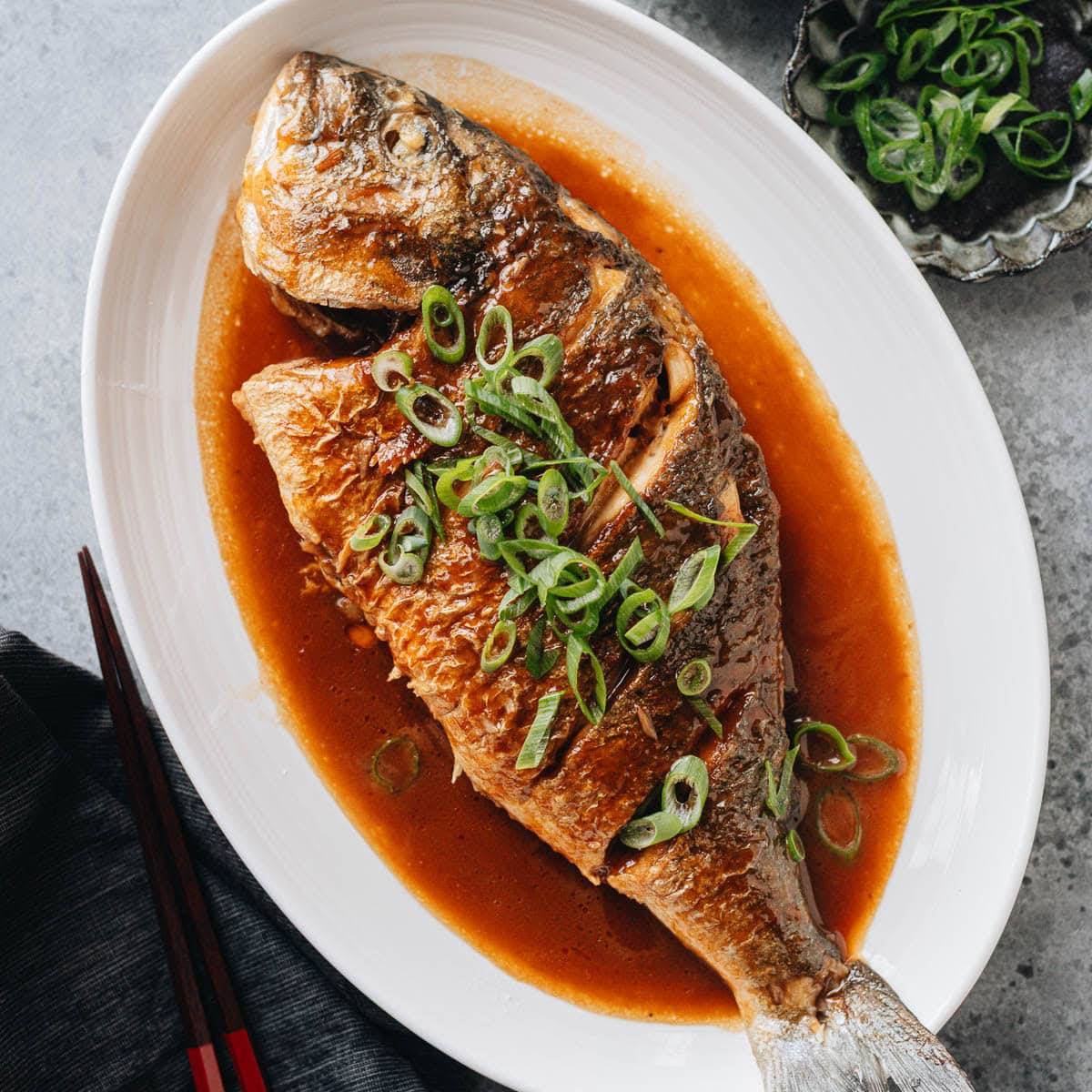
Parallel to the roast duck, the Chinese Braised Whole Fish (hongshao yu) occupies a non-negotiable position on the table. Typically utilizing a whole branzino or similar white fish dusted lightly with cornstarch, pan-fried, and subsequently simmered in a balanced reduction of light and dark soy sauces, ginger, and scallions, the dish is completed within 30 minutes. Serving the fish completely intact—from head to tail—reaffirms the cultural mandate for a prosperous beginning and a complete conclusion to the annual cycle.
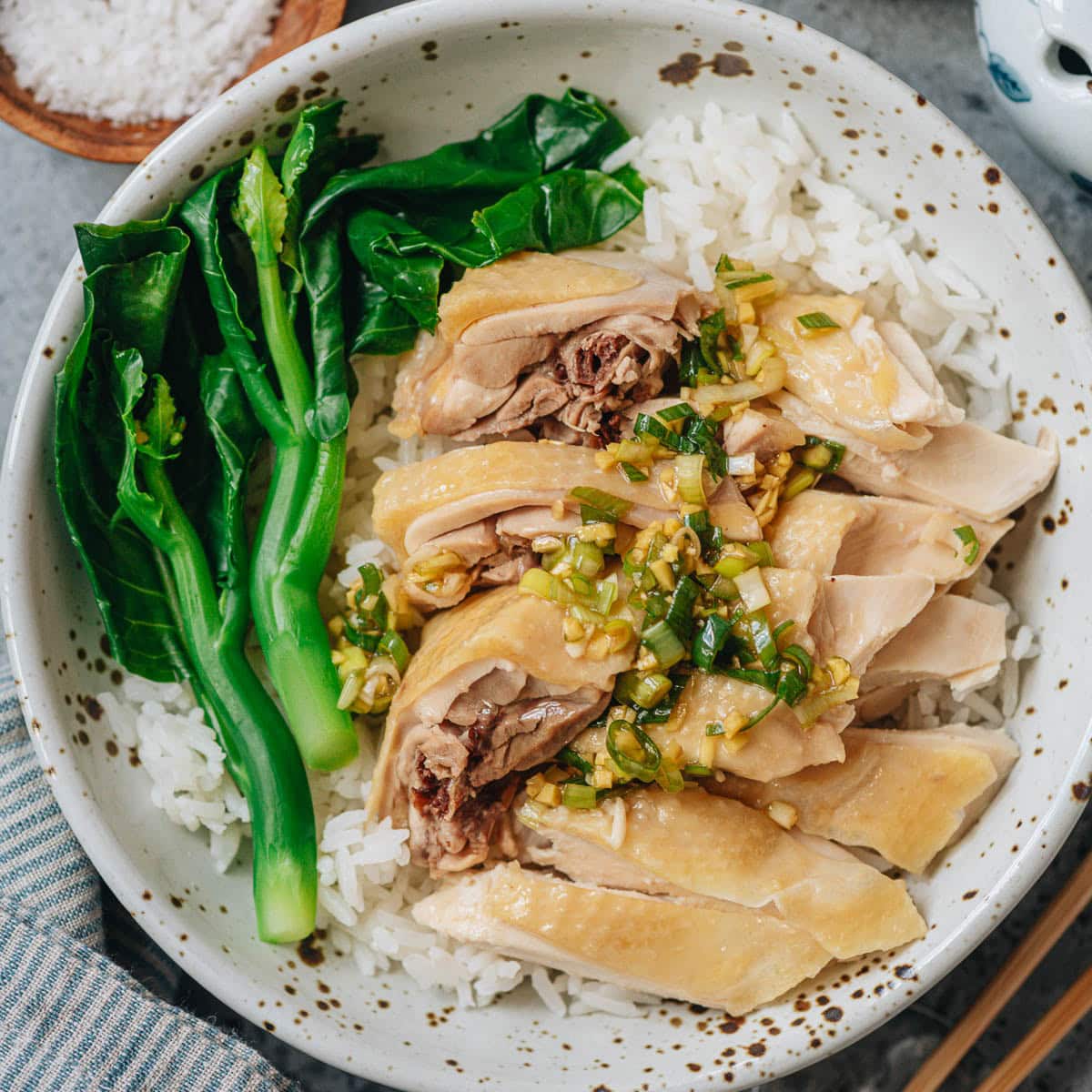
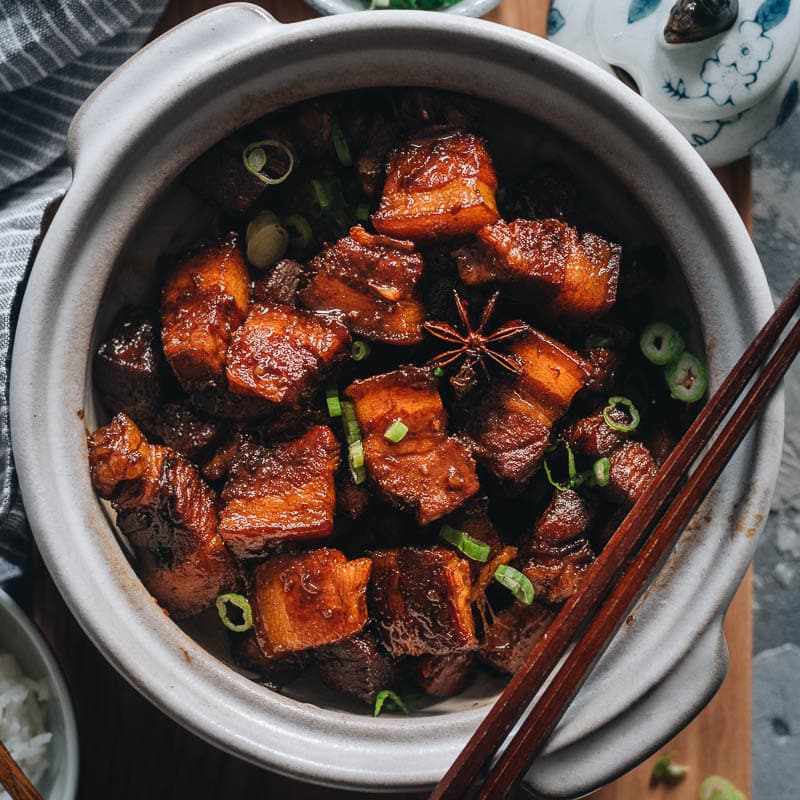
Complementary to these are the White Cut Chicken (baiqie ji) and Hong Shao Rou (Red Braised Pork). White cut chicken relies on precise low-temperature poaching of a young bird, yielding silky skin and unadorned meat served alongside a potent, fragrant ginger-scallion dipping oil. Conversely, Hong Shao Rou utilizes stratified cuts of pork belly braised slowly for over two hours in Shaoxing rice wine, caramelized sugar, star anise, and soy varieties, resulting in a glossy, melt-in-the-mouth texture that epitomizes indulgence in Shanghainese and regional Chinese gastronomy.
Accompaniments, Soups, and Palate Cleansers
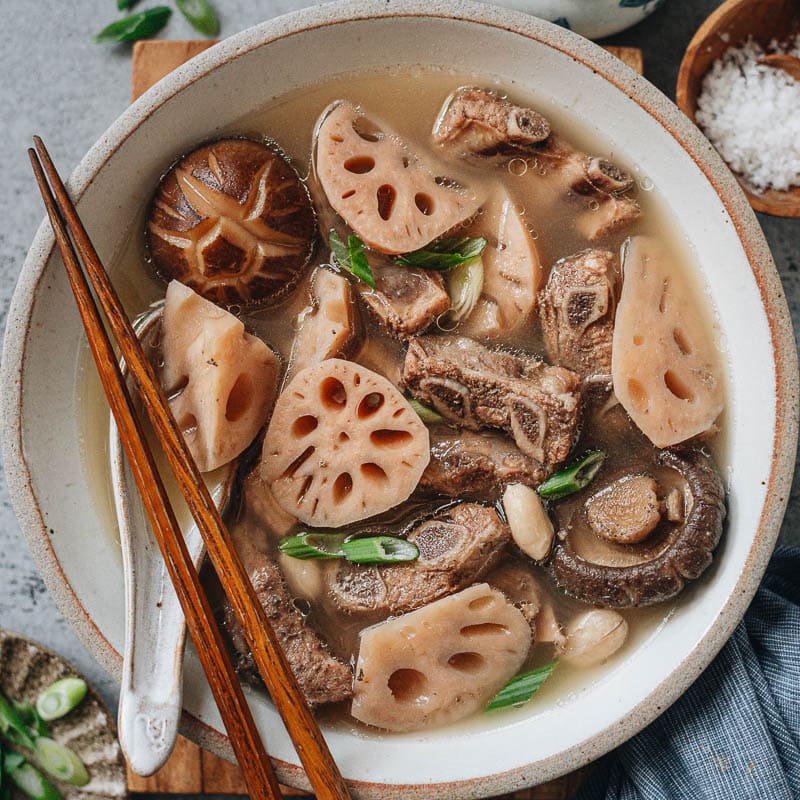
To offset the richness of the primary proteins, a well-balanced Mid-Autumn menu incorporates restorative broths and fibrous vegetable sides. The Lotus Root Soup with Pork Ribs (lianou paigu tang), simmered for nearly two hours, utilizes seasonal autumn lotus root, raw peanuts, and shiitake mushrooms to create a nourishing, restorative liquid base. This is often complemented by the Chinese Winter Melon Soup with Meatballs, featuring hand-rolled pork meatballs and translucent chunks of winter melon in a clear, ginger-infused chicken stock that acts as a natural palate cleanser between heavy courses.
Starch and vegetable integration is achieved through dishes such as the Rice Cake Stir Fry (Chao Nian Gao) and Chinese Garlic Green Beans. Sliced glutinous rice cakes (nian gao), symbolizing upward growth and economic advancement (gaosheng), are stir-fried with chicken and baby bok choy in a savory oyster sauce glaze, offering a distinctly chewy texture profile. Meanwhile, high-heat pan-blistered green beans infused with copious garlic, ginger, and a splash of Shaoxing wine provide a crisp, vibrant green element that requires less than 25 minutes of active wok execution just prior to plating.
The Confectionery Tradition: Mooncakes and Regional Sweets
No analysis of the Mid-Autumn Festival is complete without examining the production and consumption of mooncakes and related celebratory sweets. Historically exchanged as tokens of goodwill among friends, associates, and family members, mooncakes have diversified into distinct regional styles and modern variations.
Traditional Cantonese-Baked Pastries
The classic Cantonese-style mooncake, exemplified by the Red Bean Mooncake, requires up to four hours of preparation due to the rigorous creation of smooth bean pastes and alkaline water doughs (kansui). These pastries are baked in intricate wooden molds and subsequently require a designated resting period of several days to allow the golden syrup-infused crust to soften and merge structurally with the sweet filling.
Snow Skin and Alternative Mochi-Based Confections
In contemporary culinary contexts, Snow Skin Mooncakes (bingpi yuebing) and Coconut Mochi (lo mai chi) have gained significant market share. Utilizing no oven heat, snow skin mooncakes depend on a blend of glutinous rice flour, regular rice flour, and cornstarch to form a pliable, mochi-like outer shell enclosing rich custards or pastes. Served chilled, these modern iterations offer a softer, pastel-hued alternative that appeals to younger demographics. Similarly, pan-fried Sticky Rice Cake with Red Bean Paste provides a swift, 40-minute dessert option, fusing a chewy glutinous exterior with a nutty white sesame seed crust.
Socio-Economic Impact and Modern Market Analysis

Market research surrounding the Mid-Autumn Festival highlights its substantial economic footprint within the global food and hospitality sectors. Billions of dollars are transacted annually in the global market for mooncakes alone, with luxury hospitality brands, traditional bakeries, and artisanal producers competing intensely through innovative flavor profiles—ranging from traditional salted duck egg yolks and lotus seed paste to modern truffle, durian, and matcha infusions.
Despite the commercialization of holiday goods, culinary experts and sociologists observe a persistent countervailing trend toward home cooking and scratch-made festive meals. Preparing traditional multi-course banquets serves as a deliberate act of cultural transmission, allowing diaspora communities and younger generations to maintain tactile connections to heritage recipes. By orchestrating a menu that balances rigorous multi-day preparations—such as roast duck and braised pork belly—with rapid assembly dishes like garlic green beans and wood ear salads, hosts successfully bridge historical culinary arts with contemporary domestic logistics, ensuring that the foundational values of the Mid-Autumn Festival remain preserved around the family table.