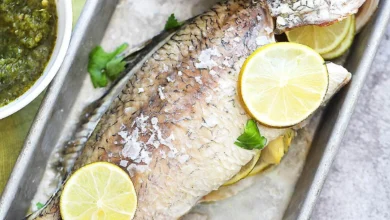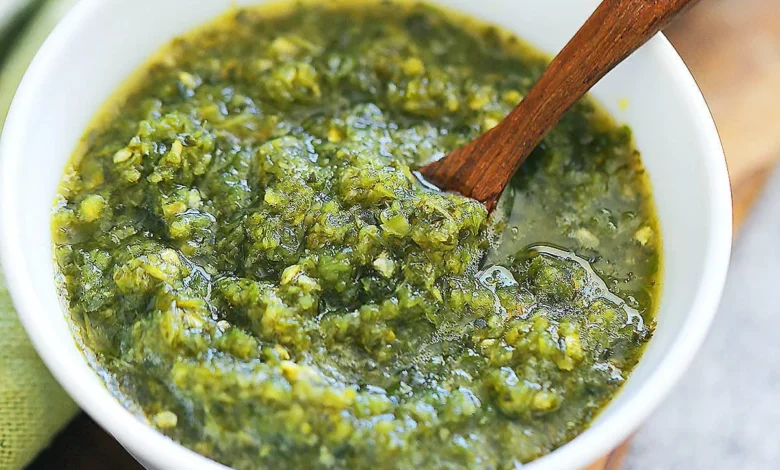
This homemade Thai seafood sauce recipe is made with fiery green bird’s eye chilies, fresh garlic, crisp cilantro, and plenty of tart lime juice. It is the perfect bright, spicy, and sour dipping sauce made in just 20 minutes total and tastes just like your favorite Thai restaurant.
For enthusiasts of Thai cuisine, the experience of savoring fresh seafood is often elevated by a perfectly crafted dipping sauce. This vibrant, zesty concoction, known as nam jim seafood in Thailand, is more than just a condiment; it’s an integral part of the culinary tradition, designed to cut through the richness of grilled fish, the sweetness of steamed prawns, and the delicate flavor of any oceanic delight. While many may be tempted by convenient bottled alternatives, the true essence of this sauce lies in the fresh, bold flavors that can only be achieved through simple, home preparation. This guide delves into the creation of an authentic Thai seafood dipping sauce, demystifying the process and highlighting the key ingredients that contribute to its iconic taste profile.
The Essence of Nam Jim Seafood
The allure of Thai seafood dipping sauce, or nam jim seafood, stems from its masterful balance of fundamental tastes: spicy, sour, salty, and a subtle hint of sweetness. This complex interplay of flavors is designed not to overpower, but to complement and enhance the natural taste of seafood. Unlike store-bought versions, which can often taste stale or flat due to preservatives and processing, a homemade rendition bursts with a bright, tongue-tingling vibrancy. This recipe focuses on achieving that perfect equilibrium without over-processing the fresh herbs into a watery pulp, delivering an authentic taste that rivals that of renowned Thai restaurants. The entire process, from preparation to resting, takes less than 20 minutes, making it an accessible yet impactful addition to any seafood meal. Its versatility is remarkable, pairing exceptionally well with dishes such as steamed fish and grilled shrimp, transforming ordinary meals into extraordinary culinary experiences.
A Connoisseur’s Guide to Ingredient Selection
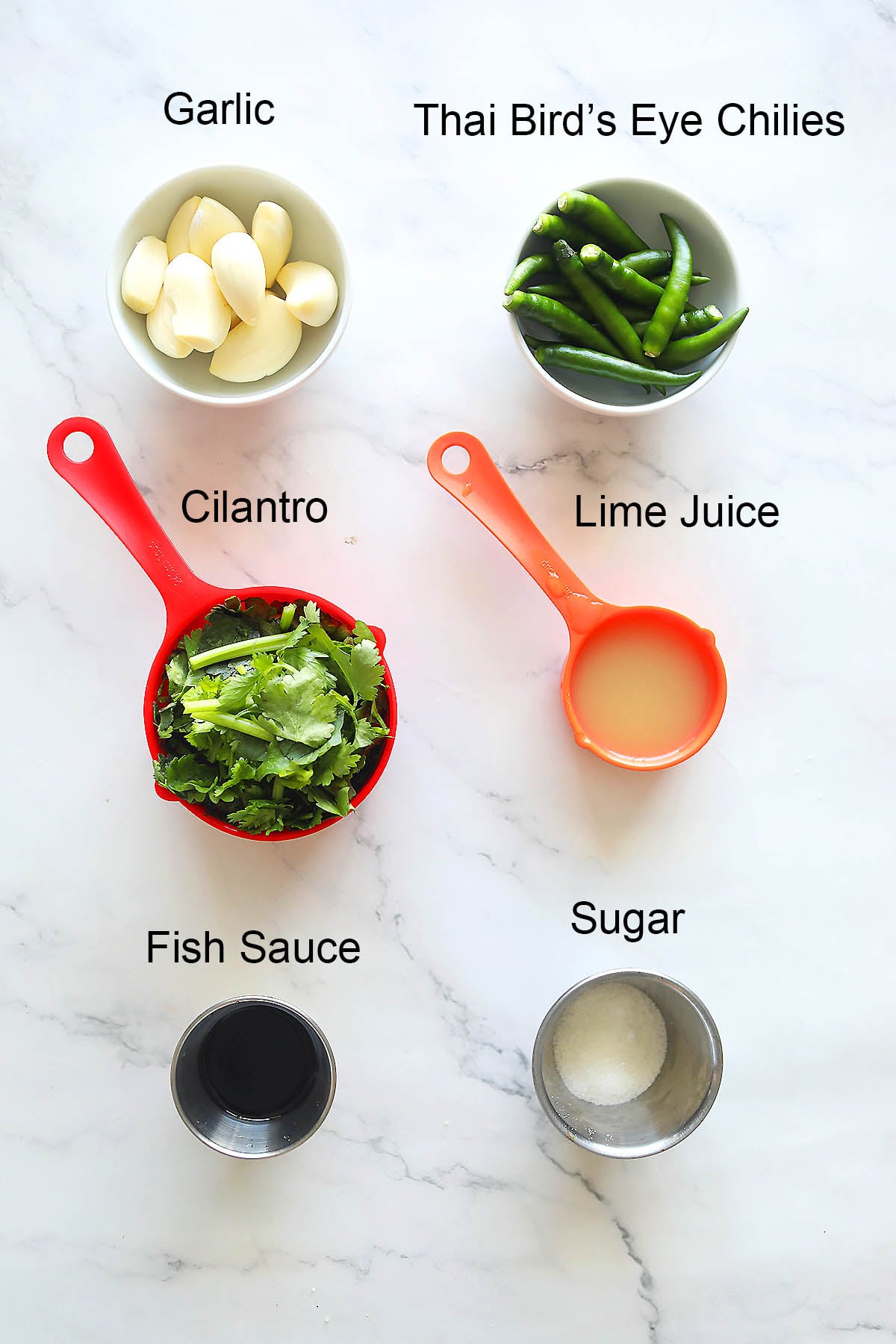
The journey to an authentic nam jim seafood begins with the careful selection of ingredients. Each component plays a crucial role in building the sauce’s signature flavor and texture.
The Fiery Heart: Green Thai Chilies
The soul of this sauce’s heat and color comes from green Thai chilies, specifically the bird’s eye variety. When selecting these potent peppers, prioritize those that are bright, firm, and unblemished by wrinkles or soft spots. The vibrant green hue is essential for achieving the sauce’s characteristic emerald appearance, while their sharp, grassy heat provides the immediate punch that defines authentic Thai flavors.
It is crucial to avoid substituting larger, milder green peppers such as jalapeños or serranos. These varieties contain a significantly higher water content and lack the intense, concentrated heat required for a true Thai dipping sauce. They can dilute the flavor and alter the texture, resulting in a less impactful condiment. Green Thai chilies are typically found in Asian grocery stores or in the international produce sections of larger supermarkets.
For those instances where fresh chilies are unavailable, frozen green Thai chilies serve as an excellent alternative. They retain their fiery essence remarkably well. Simply allow them to thaw at room temperature for a few minutes before adding them directly to the blender.
The Sweet Counterpoint: Palm Sugar vs. Granulated Sugar
Traditional Thai recipes often call for palm sugar, which imparts a unique, mellow sweetness with subtle caramel undertones that beautifully balance the sharp acidity of the lime juice. When purchasing palm sugar, look for dense blocks or rounded discs that feel firm to the touch, typically sold in clear packaging at Asian markets.
However, if palm sugar is not readily accessible, regular white granulated sugar or brown sugar can be used as a perfectly acceptable substitute. These sugars dissolve quickly and effectively, also contributing to maintaining the sauce’s vibrant green color. For optimal results with palm sugar blocks, shave them thinly with a knife before adding them to the blender. This ensures thorough dissolution and prevents the formation of unblended sugar lumps at the bottom of the sauce.
The Aromatic Foundation: Garlic and Cilantro
Fresh garlic provides a pungent depth that is indispensable to the sauce’s complexity. Its sharp bite is tempered by the other ingredients, creating a harmonious flavor profile.
Cilantro, with its bright, herbaceous notes, is equally vital. A key tip for maximizing cilantro’s contribution is to utilize not just the leaves but also the stems. Cilantro stems are packed with concentrated flavor and essential oils, offering a more robust and fresh taste than the leaves alone. Blending them into the sauce introduces a punchy, fresh dimension that effectively cuts through the intensity of the raw garlic.
The Tangy Brightness: Fresh Lime Juice
The indispensable sour element of the sauce comes from freshly squeezed lime juice. It is imperative to use juice from fresh limes, squeezed just before blending. Bottled lime juice, often made from pasteurized concentrate and containing preservatives, results in a flat, artificial taste that significantly detracts from the sauce’s intended brightness and tang. The sharp, tongue-tingling punch is a hallmark of this sauce, and it can only be achieved with freshly squeezed lime.
The Umami Backbone: Fish Sauce
Fish sauce is a cornerstone of Thai cuisine, providing a deep, savory umami foundation that ties the spicy, sour, and sweet elements together. It is a staple ingredient that is highly recommended for any enthusiast of Thai cooking. Swapping fish sauce for regular salt or soy sauce will fundamentally alter the authentic flavor profile. For the best results, opt for quality brands such as Megachef or Three Crabs Brand, known for their clean, salty finish without any harsh or unpleasant odors.
The Art of Preparation: Crafting the Sauce
Creating this authentic Thai seafood dipping sauce is a straightforward process that can be accomplished in approximately 20 minutes.
Step 1: Building the Aromatic Base
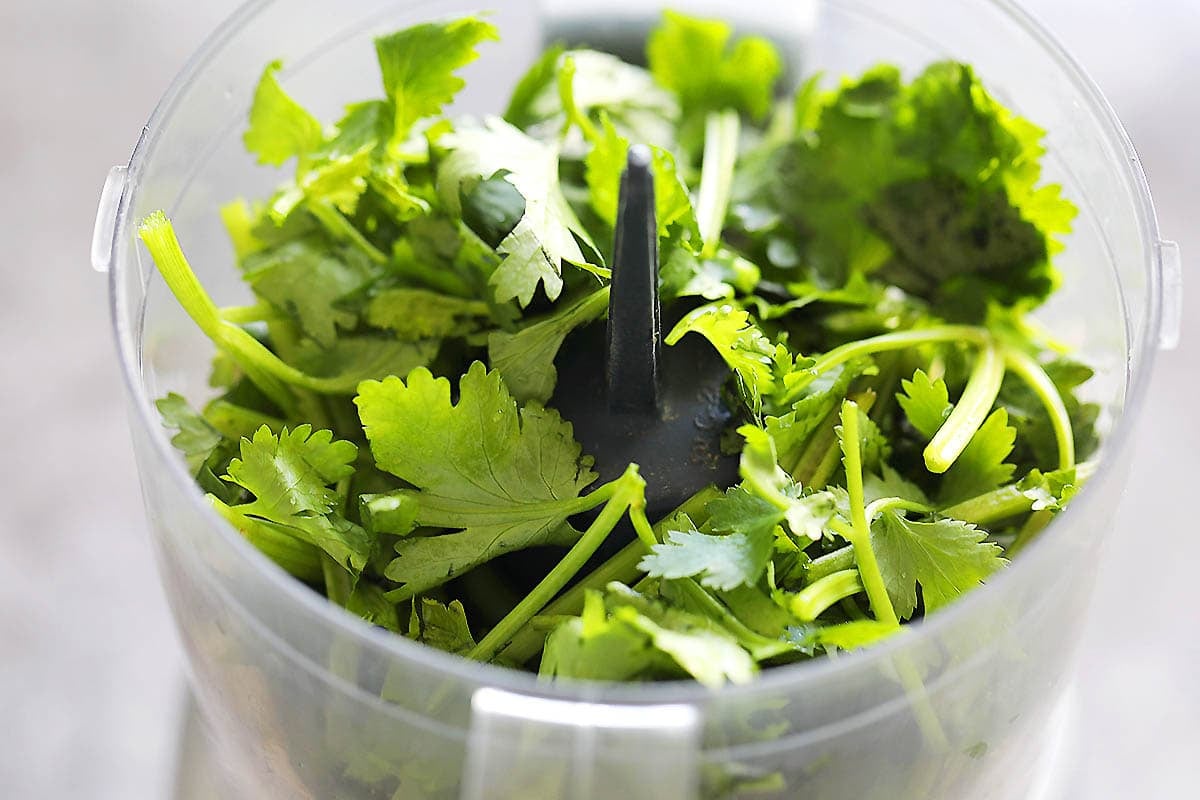
Begin by placing the peeled garlic cloves, the prepared green Thai chilies (seeds and ribs can be adjusted for desired heat level), and the roughly chopped cilantro, including the stems, into the jar of a blender or food processor. Secure the lid tightly and process on high speed for approximately 10 to 15 seconds. The objective is to achieve a finely chopped consistency, similar to a coarse paste. This initial blend ensures that the aromatics are thoroughly broken down before the liquids are introduced. For those who prefer an even finer texture, the pulsing can be repeated.
A crucial technique here is to blend the dry ingredients first. This method ensures that the skins of the garlic and chilies are uniformly minced, preventing large, floating chunks in the final sauce.
Step 2: Incorporating the Liquids and Sweetener
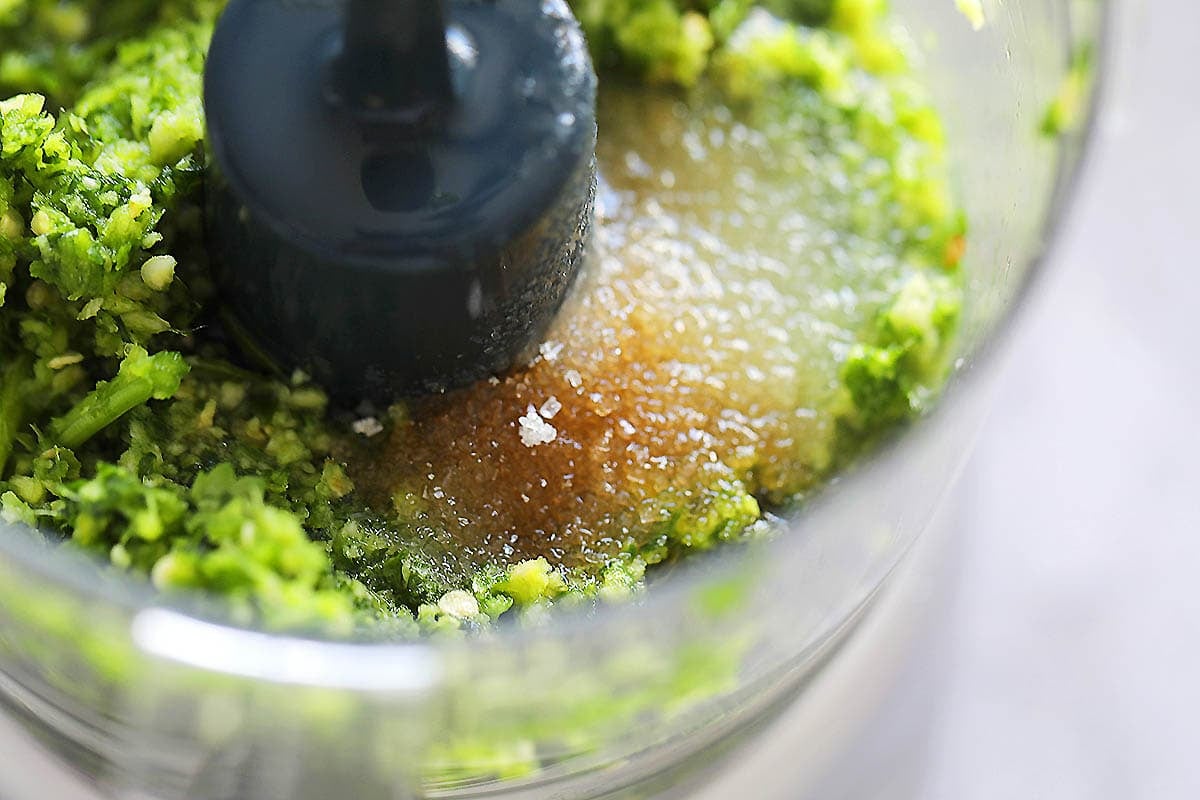
After the initial blend, scrape down the sides of the blender jar with a spatula to ensure all ingredients are incorporated. Next, pour in the freshly squeezed lime juice, the fish sauce, and the chosen sweetener (palm sugar or granulated sugar).
Blend again until the mixture is completely smooth and exhibits a vibrant green color. If using palm sugar, pay close attention to the texture during this second blending stage. The goal is to blend just long enough for the sugar to fully dissolve, avoiding any gritty residue. The time required will depend on the type of blender and the consistency of the palm sugar.
Step 3: The Crucial Resting Period
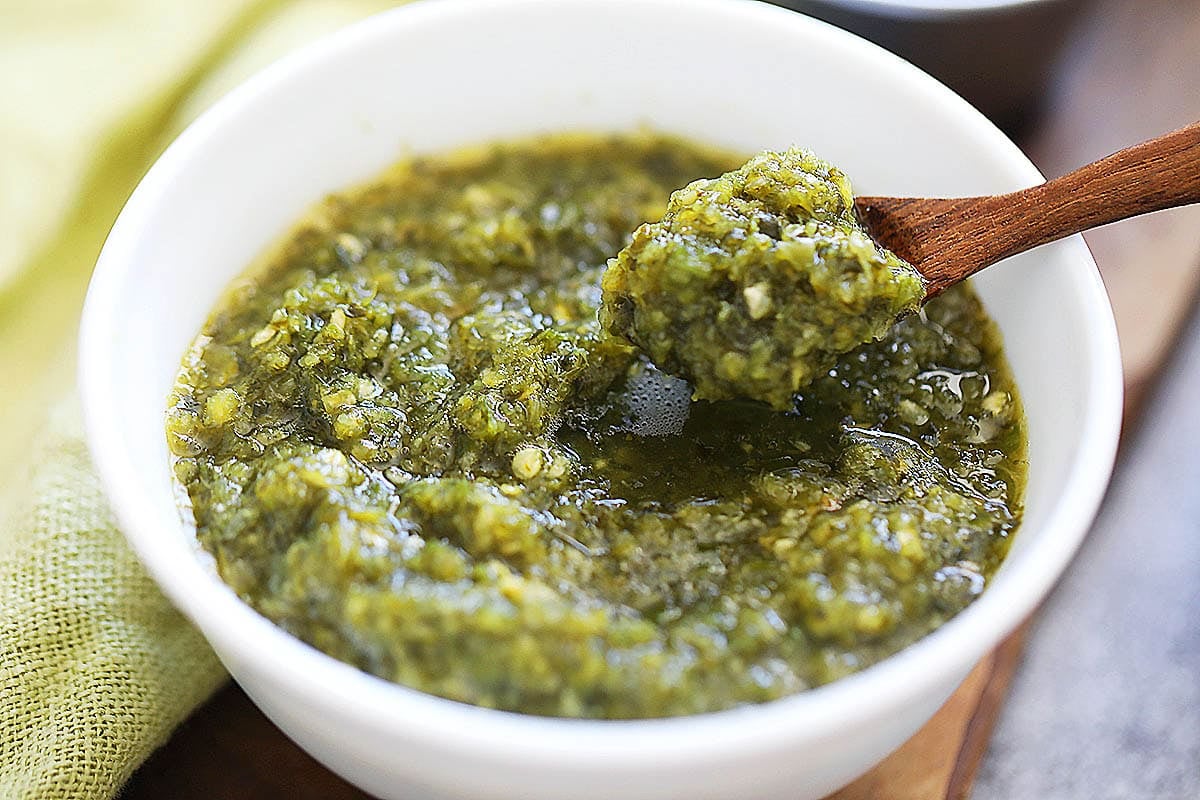
Once the sauce is smooth and uniformly green, turn off the blender. Carefully pour the nam jim seafood into a serving bowl or a clean glass jar.
Resist the urge to dive in immediately. Allowing the sauce to rest at room temperature for 10 to 15 minutes is a vital step. This brief resting period allows the intense sharpness of the raw chilies and garlic to mellow slightly, resulting in a more balanced and palatable flavor. Furthermore, the sauce will naturally loosen to its ideal dipping consistency during this time.
Storage and Longevity
Leftover Thai seafood dipping sauce can be stored in an airtight glass jar in the refrigerator for up to a week. It is important to note that the sauce is typically spicier on the first day. As it sits in the refrigerator overnight, the intense chili heat naturally mellows. The vibrant green color may darken over time due to the reaction of fresh lime juice with the other ingredients, but this does not affect its delicious taste. Before serving, give the sauce a good shake or stir to reincorporate the settled ingredients. Freezing is not recommended, as the texture of the fresh ingredients can become watery and lose their crisp bite upon thawing.
Frequently Asked Questions About Thai Seafood Dipping Sauce
Addressing common queries can further illuminate the nuances of preparing and enjoying this classic sauce.
How do I make it less spicy?
To reduce the heat, carefully remove the white ribs and seeds from the green Thai chilies before blending. Alternatively, preparing the sauce a day in advance and allowing it to rest in the refrigerator overnight will naturally mellow the chili’s intensity.
How fine should I blend the sauce?
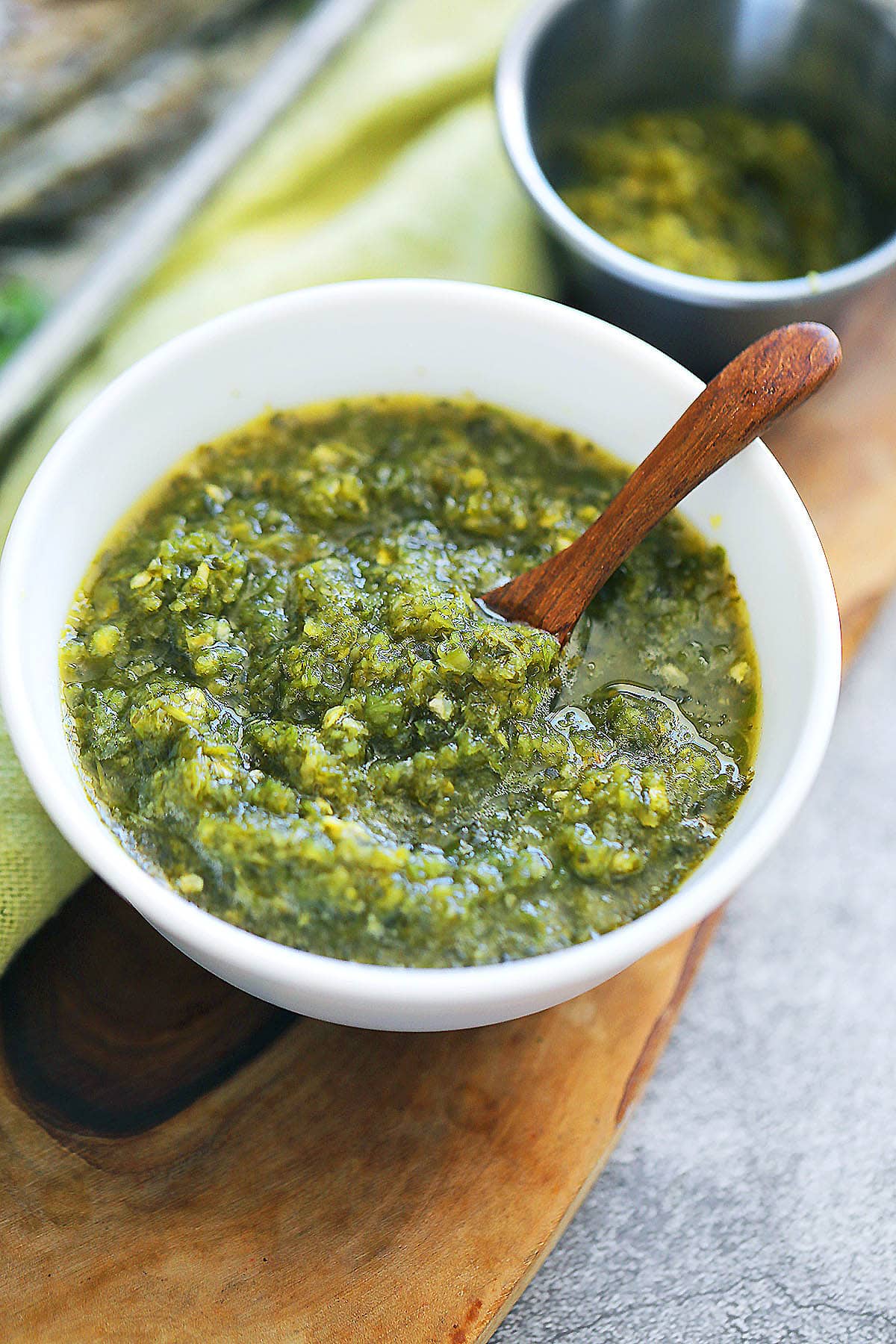
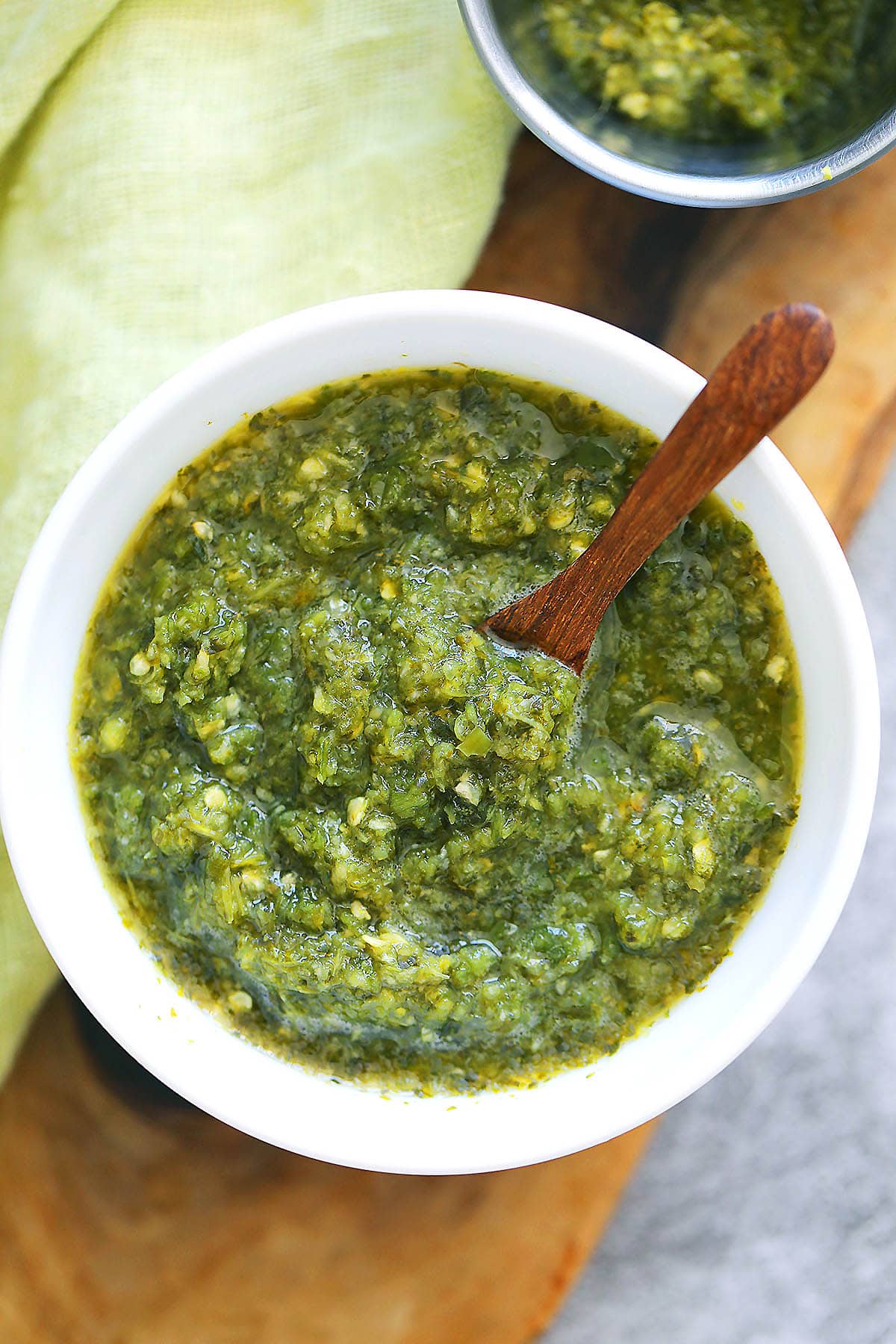
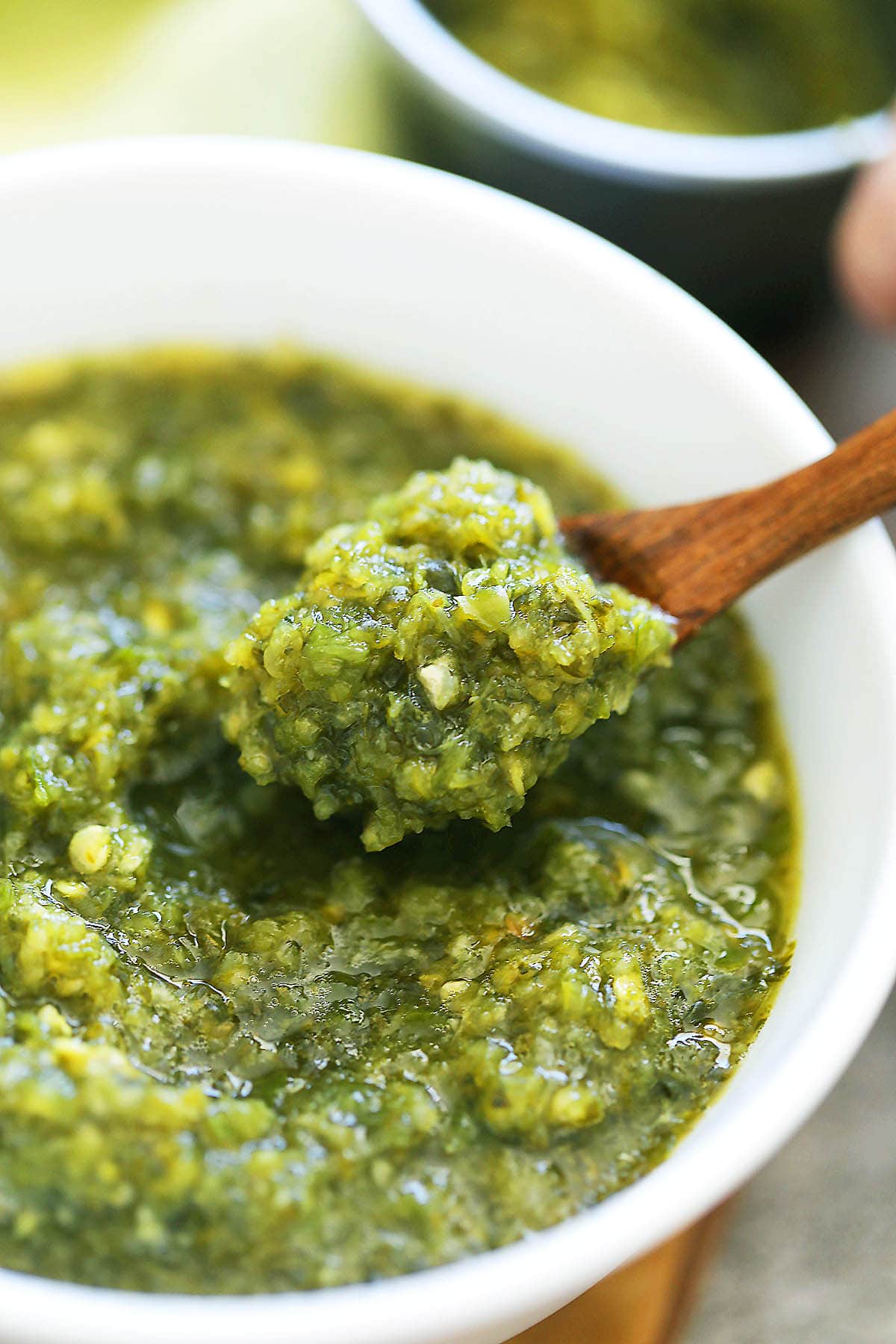
The ideal consistency is finely minced, rather than a completely smooth purée. The sauce should retain visible flecks of chili and herbs, indicating a textured, fresh preparation. Employing short pulses on the blender is key to achieving this texture without turning it into a uniform liquid.
Why is my Thai seafood dipping sauce separating?
Separation is a natural characteristic of this sauce, as it is made with fresh ingredients and contains no artificial binders. The finely minced chili and garlic particles will inevitably float or settle over time. A simple stir or shake before serving will re-emulsify the components.
Can I freeze it for later?
Freezing is generally not recommended for this sauce. Upon thawing, the fresh ingredients can become watery, diminishing the sauce’s bright, crisp texture and flavor. It is best enjoyed fresh.
How many calories per serving?
This recipe yields approximately one cup of sauce and contains an estimated 261 calories. A detailed nutritional breakdown, including carbohydrates, protein, fat, and various micronutrients, is typically provided with such recipes, though these are often approximations based on standard ingredient values.
A Culinary Staple
The creation of an authentic nam jim seafood is an accessible endeavor that rewards the home cook with a burst of vibrant, complex flavors. By understanding the role of each ingredient and adhering to simple preparation techniques, one can consistently recreate the taste of a favorite Thai restaurant. This sauce is not merely an accompaniment but a testament to the power of fresh, simple ingredients expertly balanced to elevate the dining experience, particularly for lovers of fine seafood. Its quick preparation time and remarkable flavor profile make it an indispensable addition to any culinary repertoire.