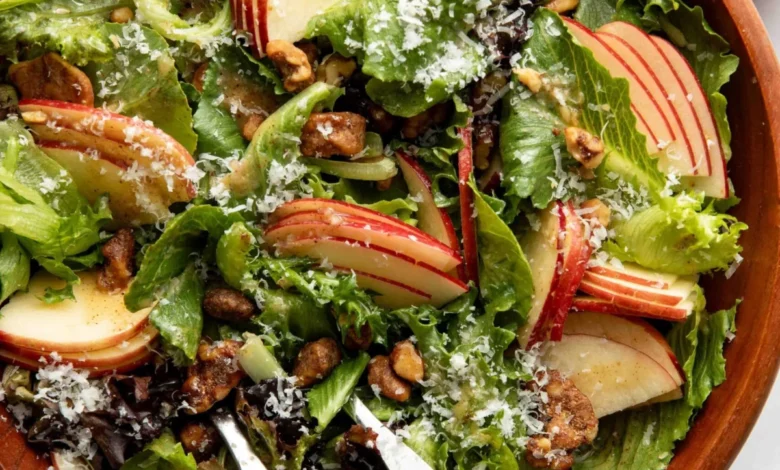
Culinary traditions surrounding holiday gatherings often center heavily on rich, comforting dishes such as roasted meats, heavy gravies, buttery mashed potatoes, and decadent desserts. However, contemporary menu planning increasingly prioritizes balance, texture, and inclusivity, driven by a growing awareness of diverse dietary preferences and restrictions among family members and guests. Enter the newly developed holiday salad featuring a signature cider vinaigrette, a recipe designed to bridge the gap between traditional comfort food and modern dietary needs. As households across the country prepare for the late-autumn and winter festive seasons, the search for a crowd-pleasing, visually vibrant green dish has become a priority for home cooks and culinary professionals alike.
Background Context of the Holiday Salad Evolution
For decades, traditional Thanksgiving and Christmas dinner tables in North America featured heavy, mayonnaise-based side dishes, gelatin molds, or exceptionally bitter green salads that frequently went ignored by younger diners and guests with selective palates. In recent years, food bloggers, recipe developers, and professional chefs have sought to modernize the holiday table by introducing salads that feature complex yet approachable flavor profiles.
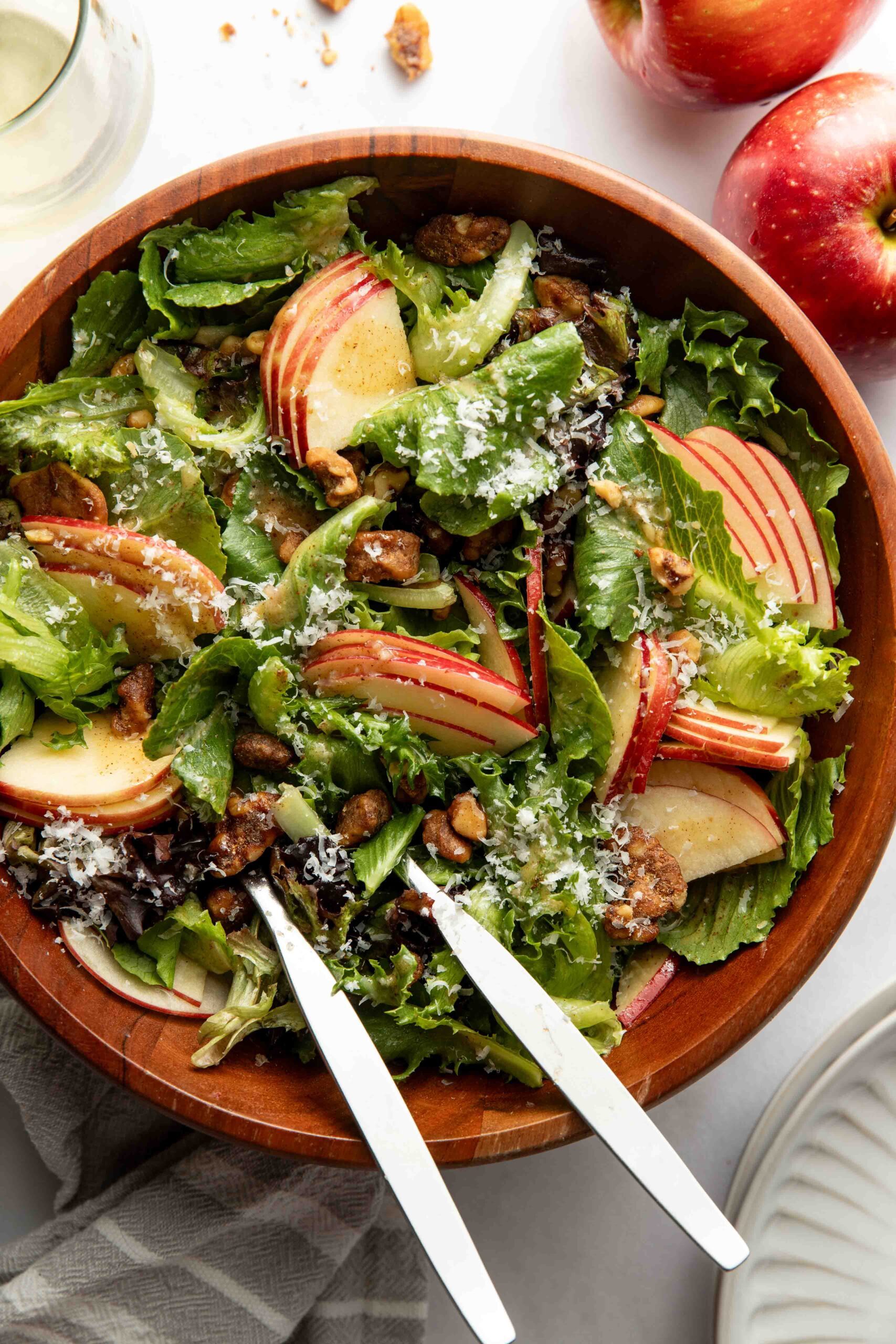
Previous staples—such as robust brussels sprout slaws, dense layered beet and kale arrangements, and bitter winter greens—while lauded by culinary enthusiasts for their nutritional density and aesthetic appeal, often faced resistance from diners who preferred milder flavors and more accessible textures. Market research and culinary trend reports indicate that modern holiday hosts now prioritize dishes that successfully appeal to a broad demographic, including children, guests with specialized dietary requirements, and traditionalists who prefer familiar flavors. The new cider-vinaigrette-dressed salad was conceived precisely to address this culinary dilemma, utilizing universally appealing ingredients such as crisp apples, grated parmesan cheese, and candied nuts or pepitas to ensure universal acceptance.
Chronology of Recipe Development and Preparation

The conceptualization and refinement of holiday-centric side dishes typically follow a rigorous testing timeline spanning the late summer and early autumn months. Recipe developers generally begin testing flavor combinations in August and September, aligning with the harvest of autumn produce such as apples, pears, and root vegetables.
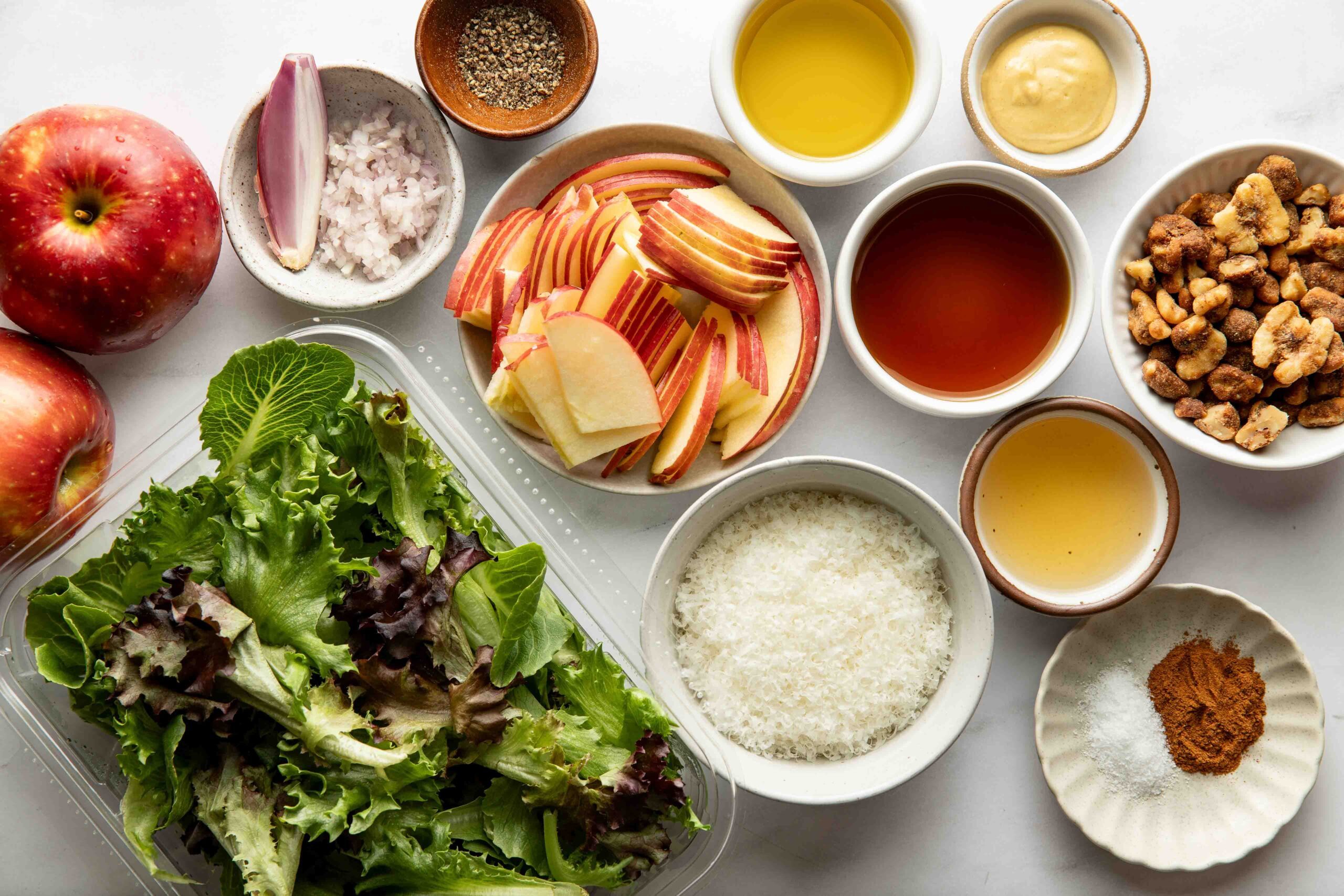
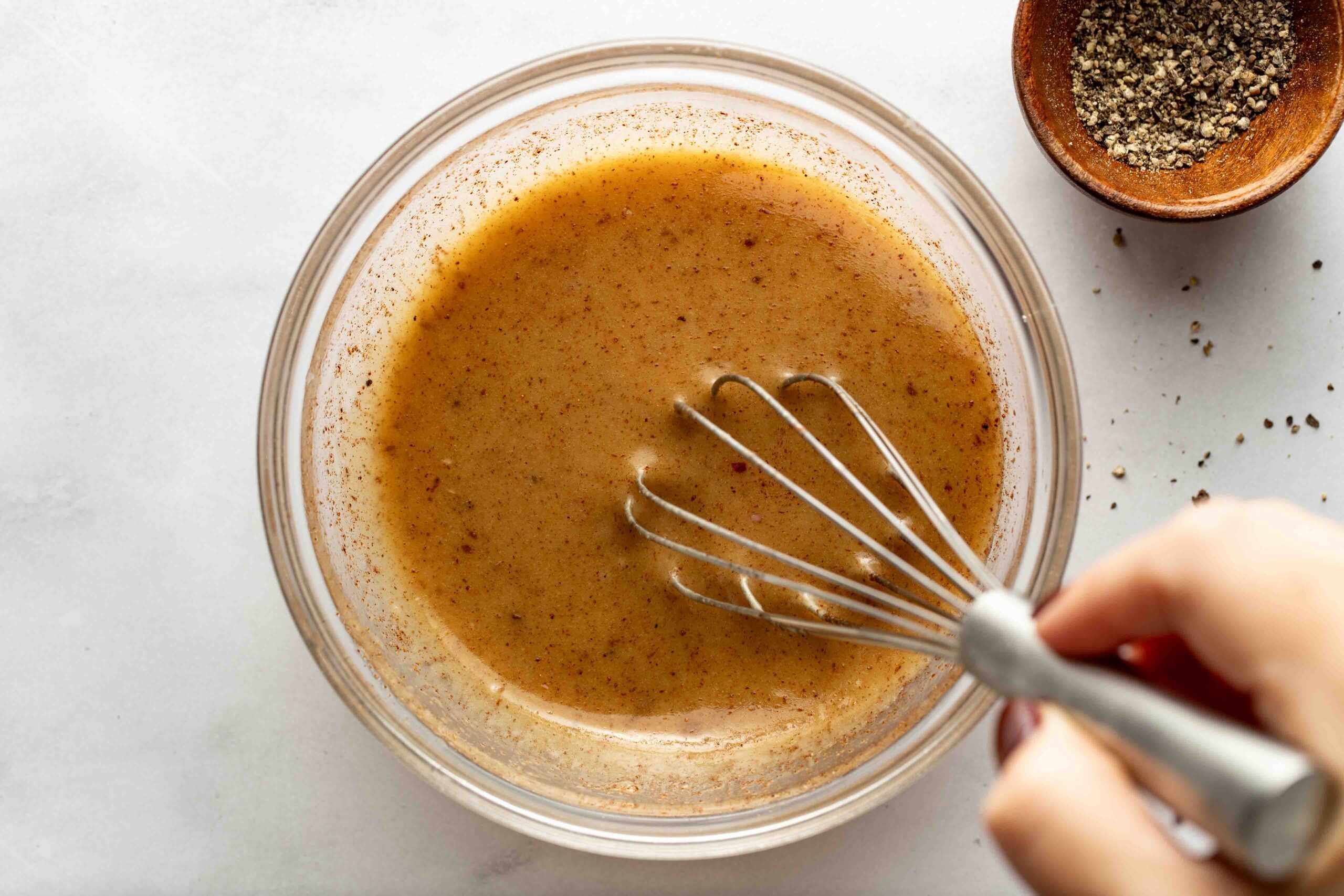
During the initial testing phase, emphasis is placed on dressing formulation. The cider vinaigrette requires a precise balance of acidity and sweetness, achieved through the combination of tart apple cider vinegar, finely minced shallots, warm ground cinnamon, and pure maple syrup. This emulsion must be stable enough to coat delicate greens without weighing them down, while also offering the flexibility of being prepared days in advance and stored safely under refrigeration.
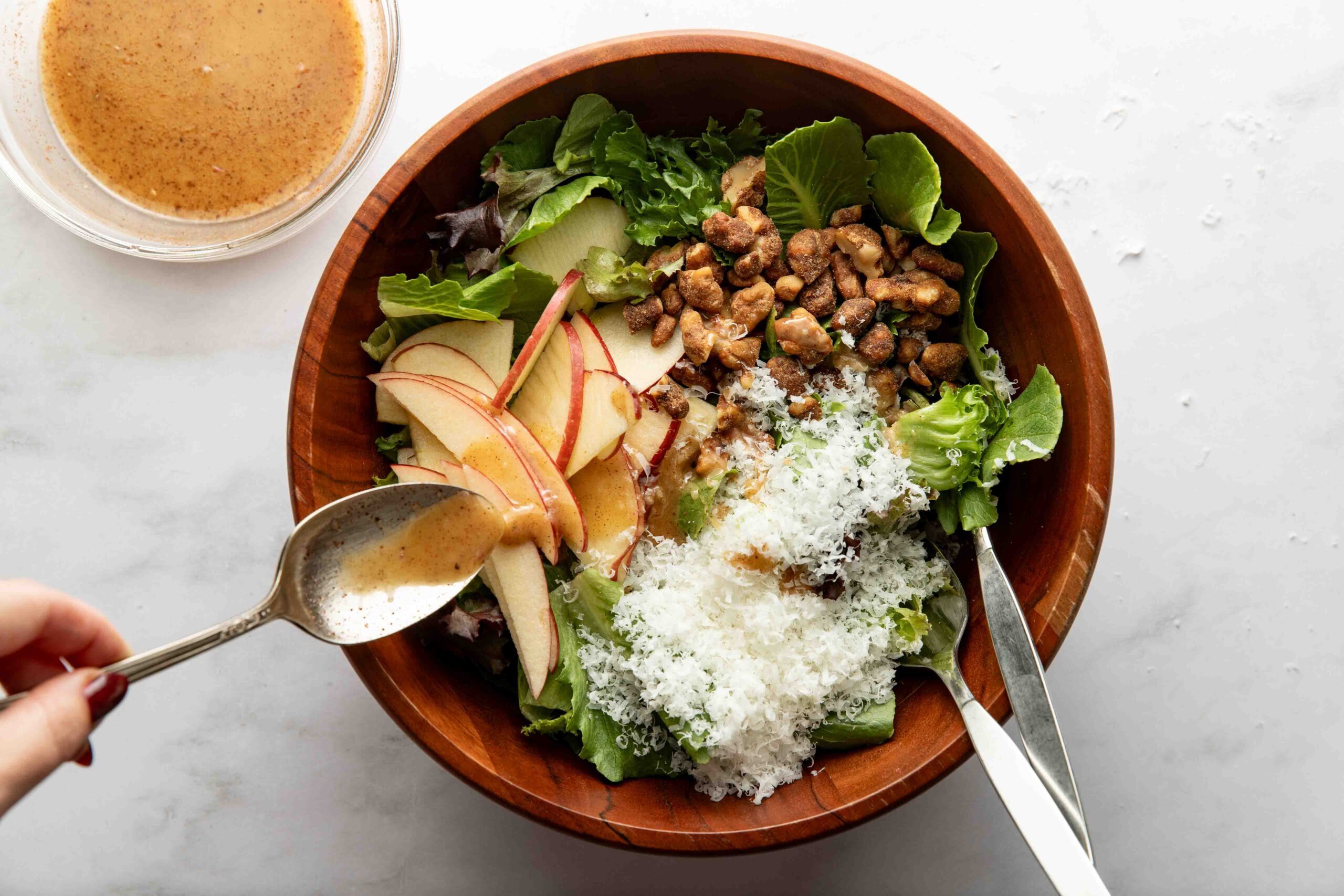
Subsequent testing focuses on ingredient longevity and visual presentation. Ingredients are chosen not only for their flavor synergy but also for their structural integrity. Thinly sliced crisp apples provide hydration and snap, while grated parmesan cheese offers a savory umami depth. To accommodate guests with tree nut or peanut allergies, recipe adaptation protocols recommend substituting traditional walnuts or pecans with candied pepitas (pumpkin seeds), ensuring that dietary accommodations do not compromise the dish’s textural contrast. The final assembly phase dictates that dressings be applied immediately prior to service to maintain maximum crunch, with a portion of the toppings reserved strictly for final garnishing to optimize visual presentation.
Nutritional and Dietary Considerations
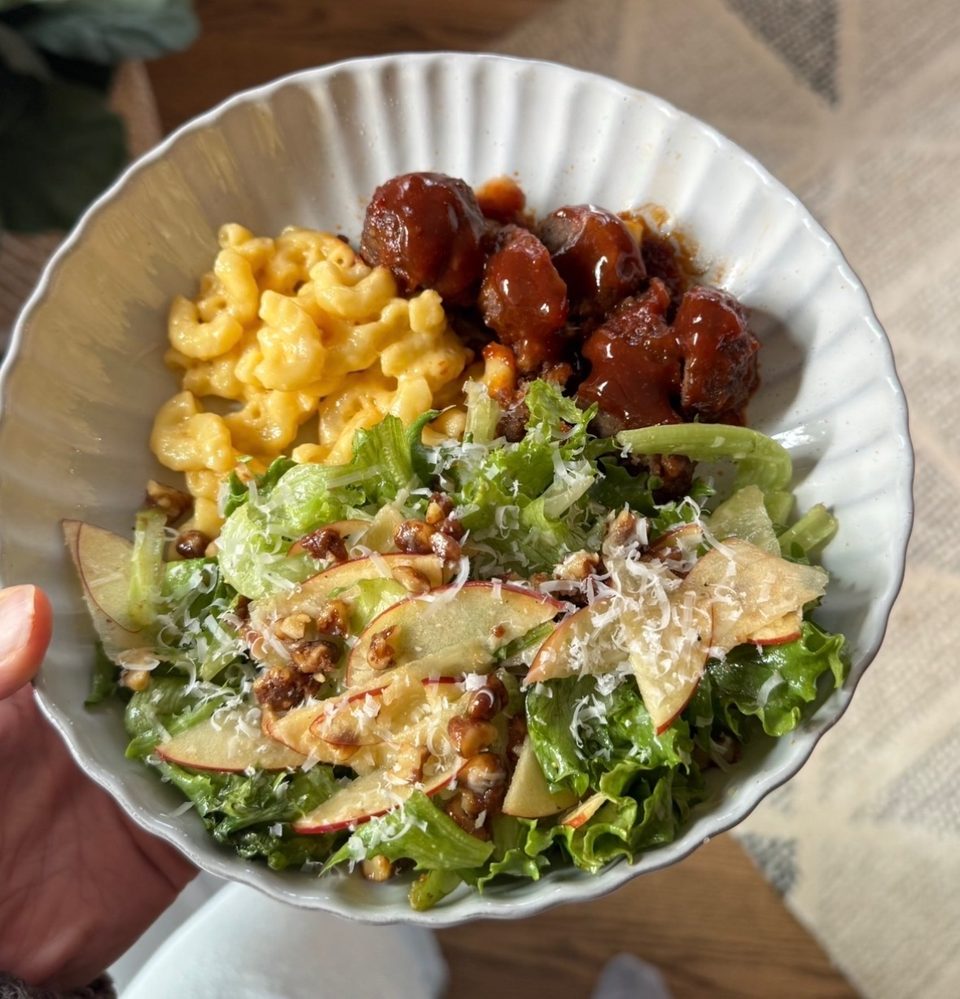
Modern holiday meal planning requires careful navigation of dietary restrictions, ranging from common allergies to lifestyle choices such as vegetarianism and gluten intolerance. Salads naturally serve as a versatile vehicle for accommodating diverse nutritional needs, provided that allergenic components are properly managed.
The inclusion of store-bought or homemade candied nuts introduces a significant allergen consideration for gatherings involving guests with tree-nut sensitivities. Food safety guidelines consistently recommend clear labeling of shared dishes or the strategic substitution of seeds, such as toasted pumpkin or sunflower seeds, to mitigate health risks without sacrificing the crunch factor essential to a well-balanced winter salad. Furthermore, incorporating calcium-rich aged cheeses like parmesan—or utilizing plant-based alternatives—allows hosts to cater to lacto-vegetarians. The light, vinegar-based dressing also provides digestive benefits, offering a sharp, acidic contrast that helps cut through the heavy fats characteristic of traditional holiday feasts.

Statements and Culinary Perspectives
Culinary experts and household hosts have increasingly emphasized the psychological and social importance of inclusive meal planning during major holidays. Food sociologists note that shared meals serve as a primary mechanism for strengthening familial and communal bonds, a process that can be inadvertently strained when specific guests feel excluded by a menu dominated by heavy or allergen-prone dishes.
According to prominent food commentators and recipe developers who specialize in seasonal entertaining, the modern host faces the dual challenge of honoring heritage recipes while embracing contemporary health consciousness. "A successful holiday table is one where every guest feels considered," notes a leading voice in seasonal home economics. "When a vegetable dish or salad achieves the rare feat of being requested repeatedly outside of the holiday calendar, it signals a successful shift toward more sustainable, everyday culinary habits." This sentiment is echoed by home cooks who report that refreshing traditional menus with lighter, brighter components contributes to overall guest satisfaction and reduces food fatigue during the multi-week holiday season.
Broader Economic and Market Implications
The seasonal surge in demand for fresh produce, specialty vinegars, artisanal cheeses, and pre-packaged candied nuts has a measurable impact on grocery retail and agricultural markets during the fourth quarter of the calendar year. Retail grocery data consistently demonstrates a pronounced spike in sales of salad greens, crisp varietal apples—such as Honeycrisp and Granny Smith—and baking spices between November and December.
Agricultural economists point out that the Thanksgiving and Christmas holidays serve as a critical economic driver for greenhouse growers, orchardists, and specialty food producers. As consumers increasingly lean toward scratch-cooking and elevated homemade side dishes rather than entirely pre-prepared convenience foods, supermarkets have responded by expanding their produce sections and stocking specialty items like shallots and maple syrup in prominent promotional displays. Furthermore, the trend toward allergen-friendly substitutions has expanded the market share for alternative seeds and nut-free toppings, creating new revenue streams for agricultural producers specializing in ancient grains and seeds.
Analysis of Holiday Entertaining Trends
The evolution of the holiday table reflects broader cultural shifts toward health, wellness, and culinary experimentation. While roast turkey, ham, and traditional stuffings remain central to Thanksgiving and Christmas dinners, the supporting cast of side dishes has undergone a significant modernization.
Data compiled by hospitality and consumer research firms indicates a steady year-over-year increase in the number of households incorporating fresh, raw vegetable preparations into their holiday menus. This shift is driven in part by demographic changes, as younger generations—namely Millennials and Generation Z—assume hosting duties and bring distinct preferences for globally inspired flavors, balanced nutrition, and aesthetic presentation.
The integration of versatile, broadly appealing salads into holiday menus ultimately demonstrates the enduring capacity of traditional celebrations to adapt to contemporary tastes. By prioritizing high-quality, seasonal ingredients and thoughtful flavor balancing, modern home cooks continue to redefine what constitutes a festive feast, ensuring that holiday meals remain vibrant, inclusive, and responsive to the evolving needs of modern diners.