Mastering the Art of Homemade Mexican Green Chile Chicken Tamales: A Culinary Tradition Rooted in History and Heritage

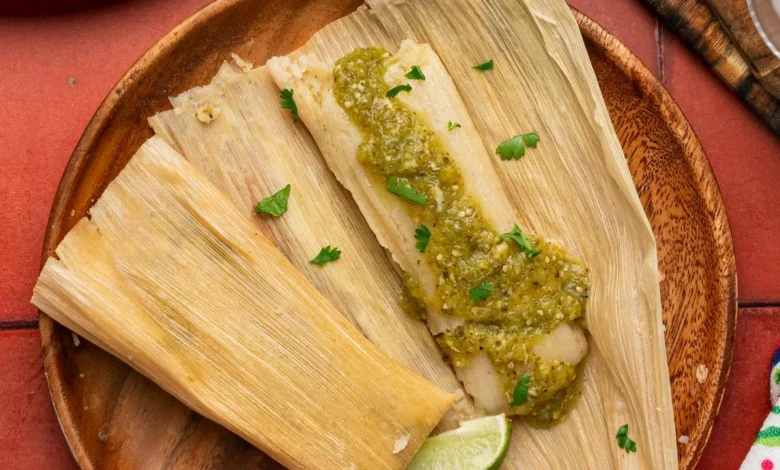
Tamales have long occupied a central place in the culinary landscapes of Latin America, serving not merely as sustenance, but as cultural artifacts deeply tied to communal celebrations, seasonal holidays, and generational heritage. While variations of this beloved dish span the geography of the Americas—from the banana-leaf-wrapped hallacas of Venezuela to the achira-leaf-wrapped tamales lojanos of southern Ecuador—the Mexican-style tamal remains the most globally recognized iteration. Among the wide array of traditional preparations, Green Chile Chicken Tamales (tamales de pollo en salsa verde) stand out for their bright, herbaceous flavor profile, striking balance of heat, and the comforting texture of soft, tender masa. Culinary historians trace the roots of the tamal back thousands of years to pre-Columbian Mesoamerica. Indigenous civilizations including the Aztecs, Mayans, Olmecs, and Toltecs prepared early versions of tamales as portable, nutrient-dense provisions for hunters, travelers, and armies. These ancient precursors frequently featured fillings of squash blossoms, beans, turkey, and flamingo, wrapped in corn husks and steamed over open fires. Following the arrival of Spanish conquistadors, the recipe evolved significantly. European settlers introduced lard, pork, and chicken, altering the fat content and flavor profile of the traditional dough, or masa. Today, the preparation of tamales is most intensely associated with major cultural events, including Christmas (Navidades), Día de Día de los Muertos, Candlemas (Día de la Candelaria), and family milestones such as weddings and baptisms. In Mexico and among diaspora communities worldwide, the process of making tamales is rarely a solitary endeavor; instead, it is traditionally approached as a collective social ritual known as a tamalada, where family members and friends gather to mix masa, roast chiles, shred meat, and assemble hundreds of tamales in an assembly-line fashion.
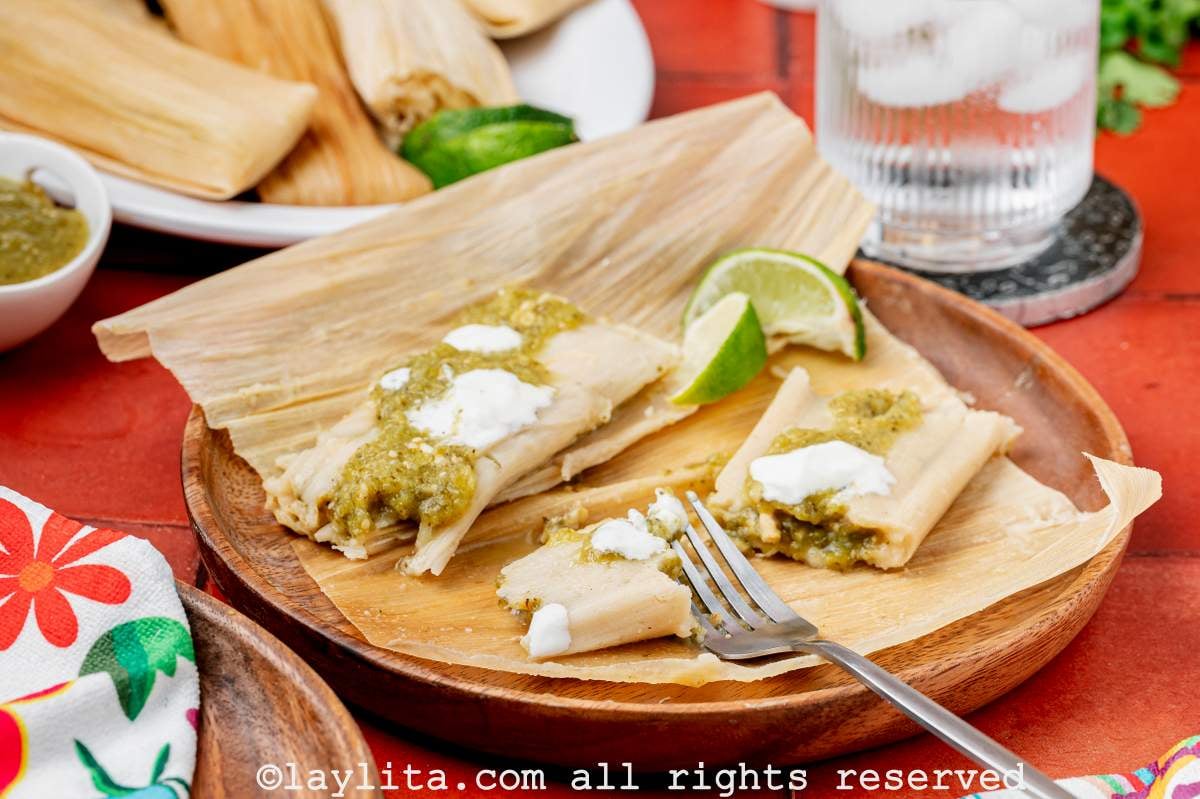
Cultural Geographies and Regional Variations of the Tamal
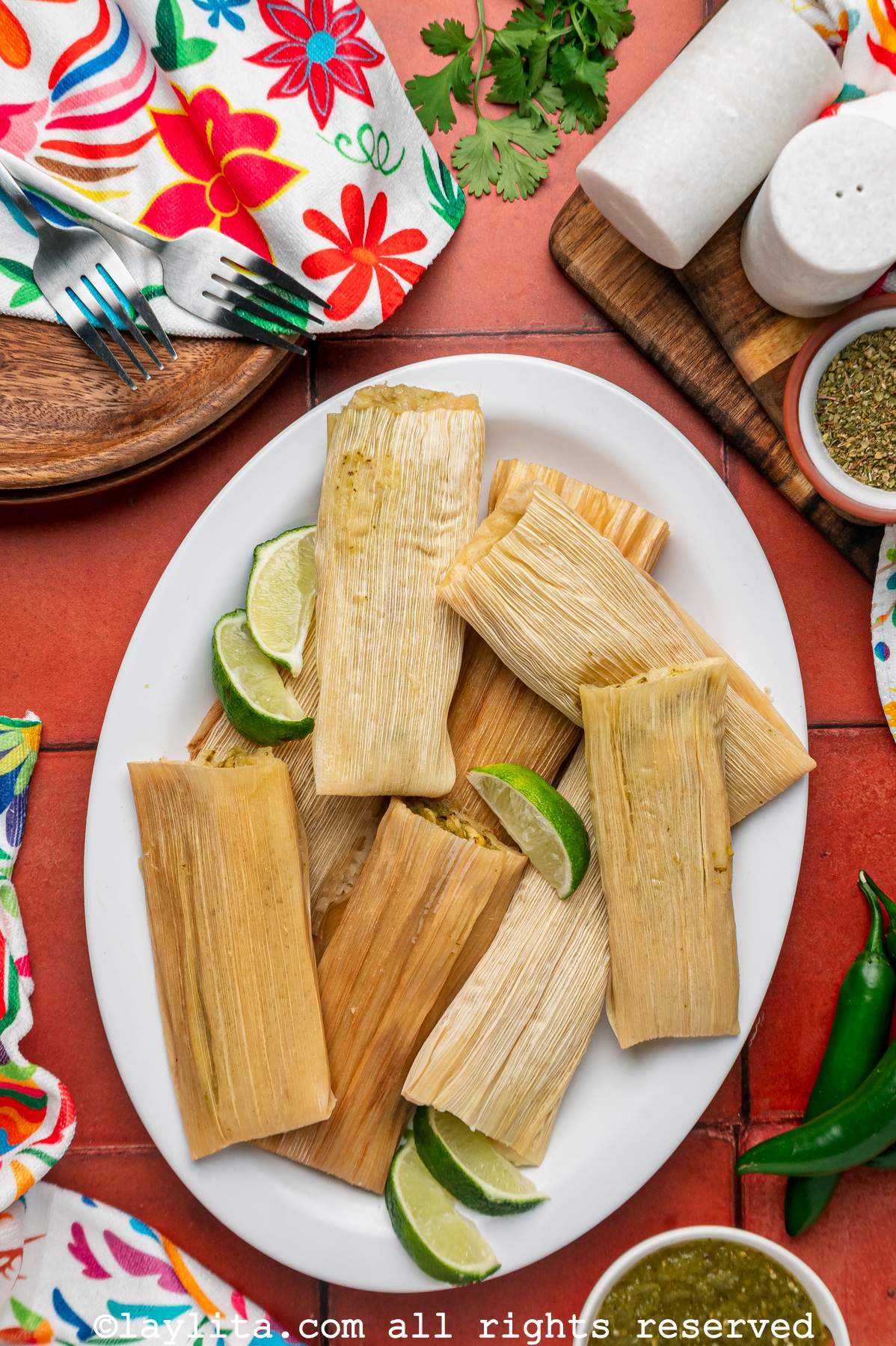
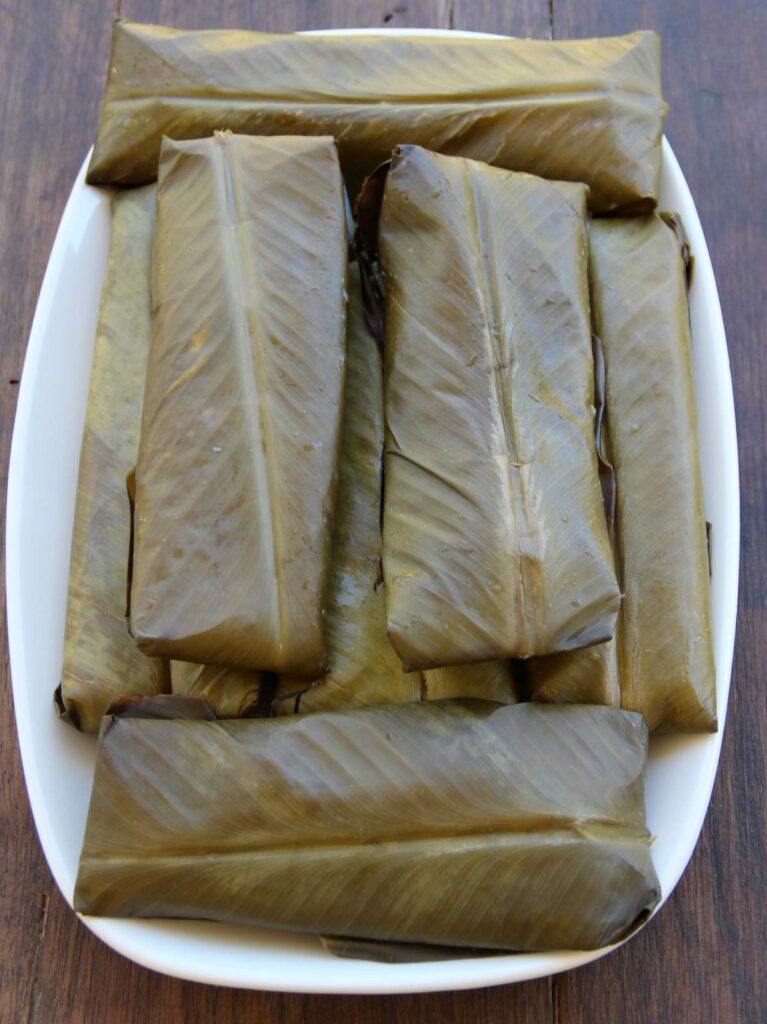
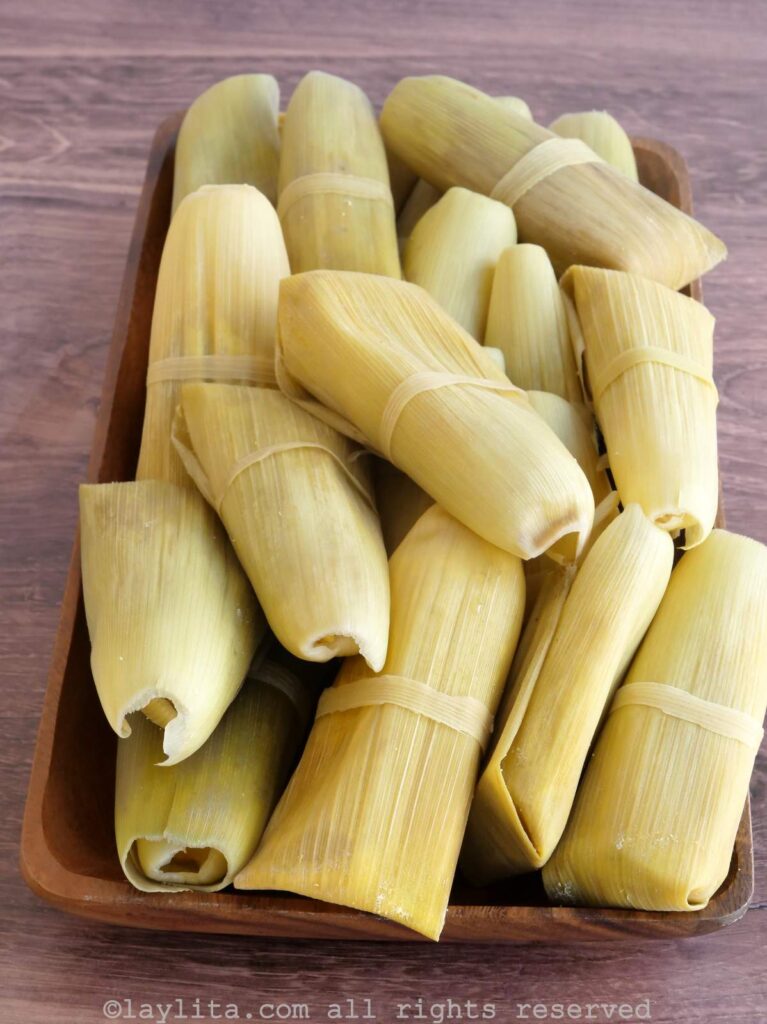
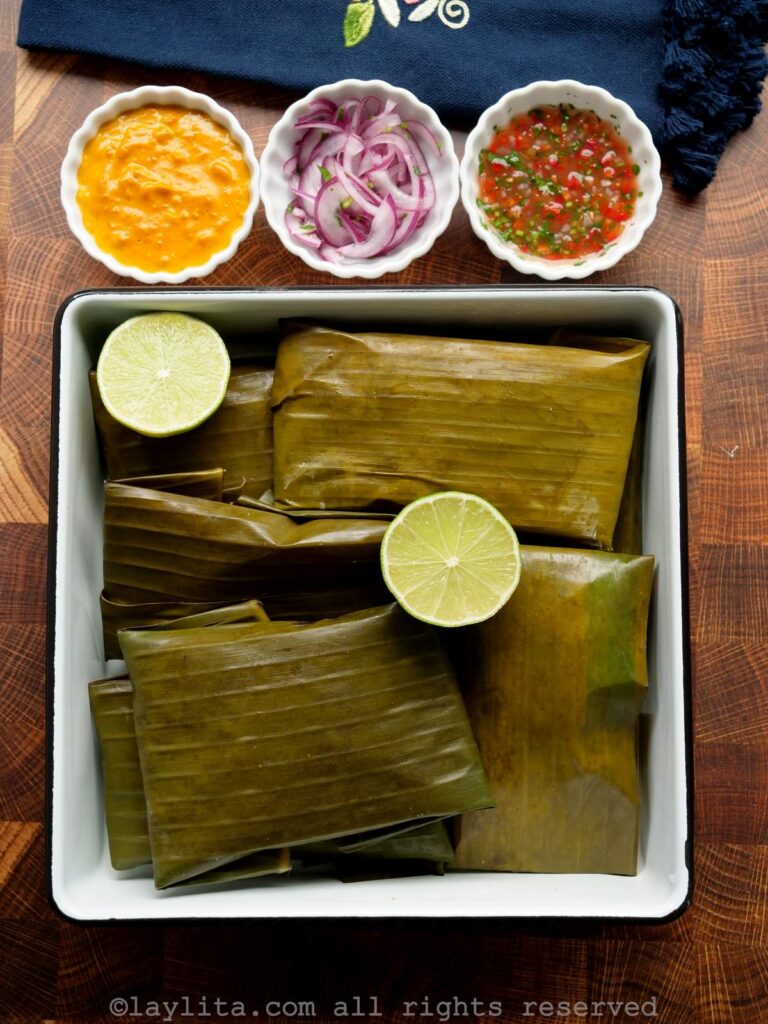
The diversity within the broader tamal family is vast, reflecting regional adaptations in ingredients, cooking techniques, and wrapping materials. In Mexico, dry corn husks are the standard wrapping medium for central and northern regions, while southern and coastal states frequently utilize banana leaves, which impart a subtle, earthy aroma to the dough. Moving southward into Central and South America, the nomenclature and composition shift markedly. In Venezuela and Colombia, the holiday table is defined by hallacas, which feature a seasoned corn dough stuffed with a complex stew of beef, pork, and chicken, complemented by olives, raisins, and capers, all enveloped in banana leaves. In the Andean regions of Ecuador, traditional preparations include humitas—sweet or savory cakes made from freshly ground sweet corn mixed with eggs, cheese, and cream, then steamed inside fresh corn husks—alongside bollos de pescado, which utilize a green plantain masa filled with fish and cooked in banana leaves. The fundamental components of a tamal are similarly adaptable. While traditional savory versions rely on dried field corn treated through nixtamalization—a process of cooking and soaking corn in an alkaline solution—modern home cooks frequently utilize instant corn masa flour, such as Maseca, to achieve consistent results. Fillings extend far beyond chicken and pork to encompass beef, cheese, roasted poblano strips (rajas), seafood, and sweet variations studded with fruits, nuts, and cinnamon. Despite these endless permutations, the structural integrity of a successful tamal hinges on two core elements: a well-seasoned, properly aerated masa and a rich, flavorful filling that maintains its moisture throughout the steaming process.
Anatomy of a Modern Recipe: Ingredients and Strategic Shortcuts
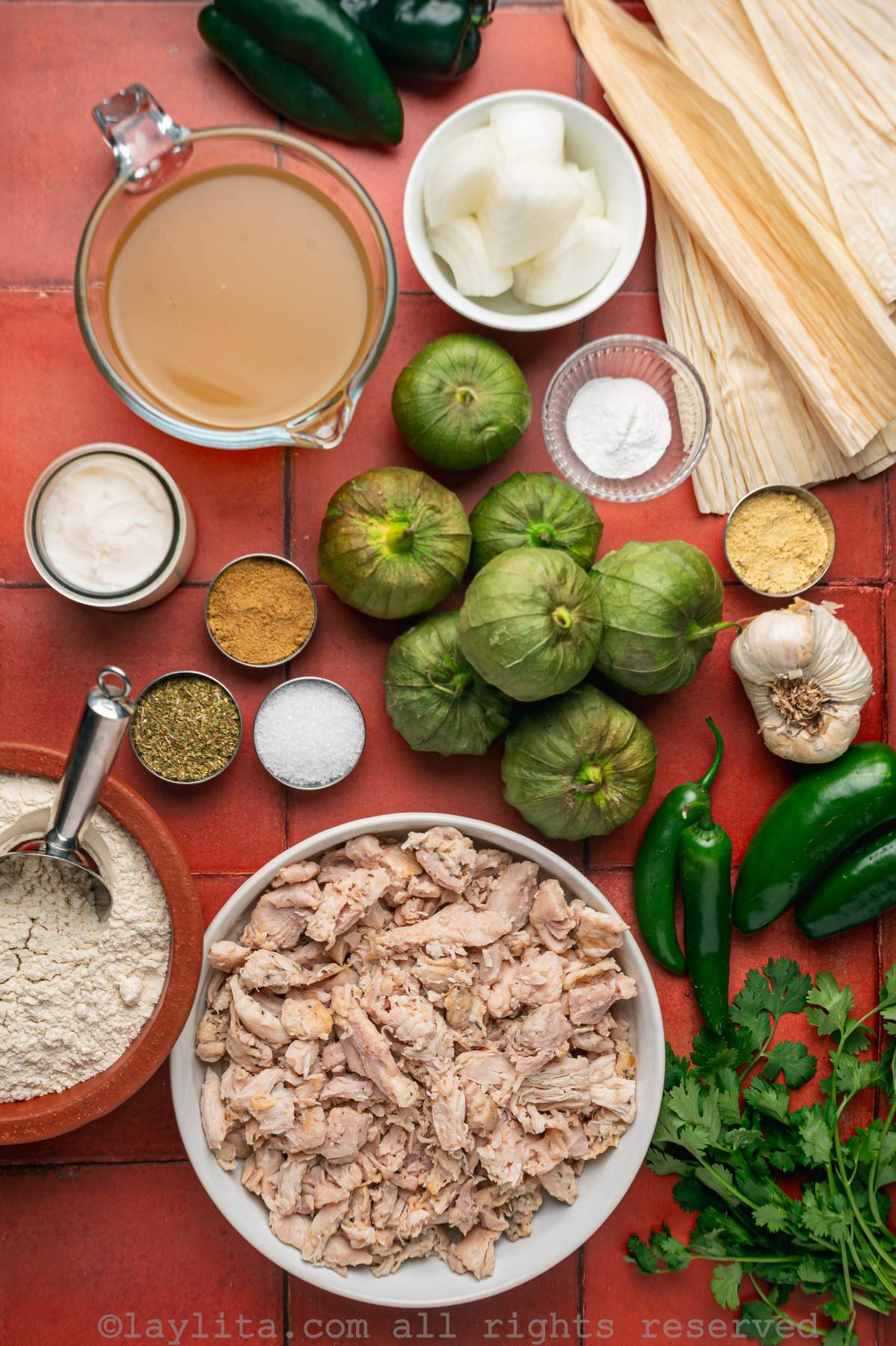
Preparing authentic Green Chile Chicken Tamales from scratch requires careful attention to ingredient selection, particularly regarding the peppers and fats used to construct the flavor base. Traditional salsa verde relies on a foundation of fresh tomatillos, which provide a distinct tartness balanced by the earthy, smoky depth of roasted poblano peppers. To achieve a nuanced level of heat, culinary experts recommend employing a tripartite blend of peppers: poblano peppers for volume and classic roasted chile flavor, jalapeños for moderate heat and pepper brightness, and serrano peppers to deliver a sharper, more immediate kick. Roasting the tomatillos, onions, and peppers under a broiler serves a dual purpose: it softens the cellular structure of the vegetables while caramelizing their natural sugars, thereby subduing the aggressive raw acidity of the tomatillos and generating a robust, complex base for the sauce. Modern home cooking has increasingly embraced time-saving optimizations without sacrificing traditional integrity. Utilizing shredded rotisserie chicken, for instance, significantly reduces preparation times by eliminating the hours typically required to boil, cool, and debone raw poultry. When simmered briefly in the freshly blended and reduced green chile sauce, the pre-cooked chicken rapidly absorbs the surrounding aromatics, resulting in tender, highly flavorful meat that resists drying out during the subsequent steaming phase.
Technical Mastery: The Science of Masa and Assembling
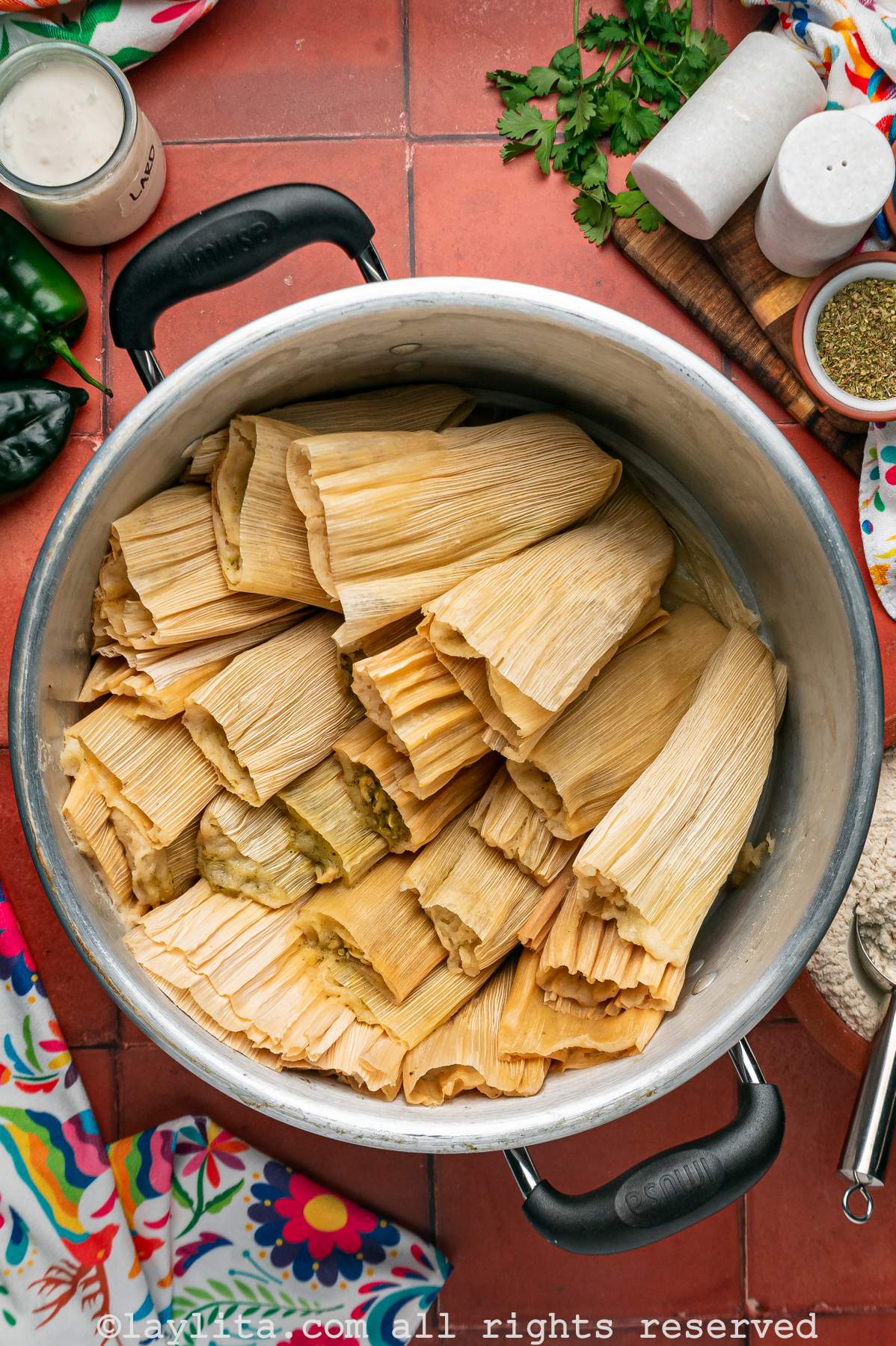
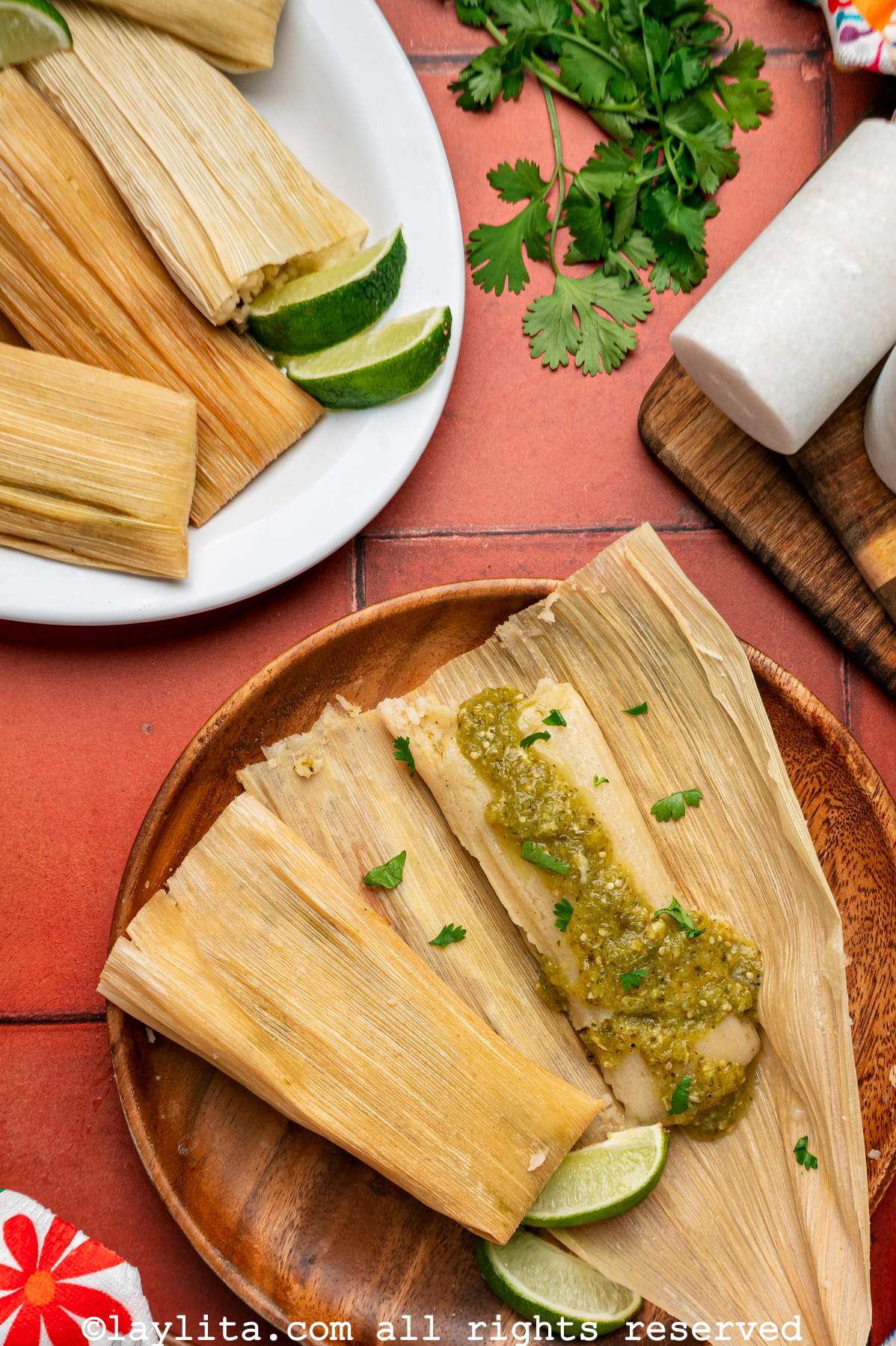
The defining characteristic of an exceptional tamal is the texture of its masa, which must strike a delicate balance between structural firmness and a soft, melt-in-the-mouth consistency. Achieving this texture requires precise mechanical intervention during the mixing process. Culinary technicians emphasize the necessity of thoroughly whipping the lard—or vegetable shortening as a dietary alternative—before introducing any dry ingredients. Beating the fat incorporates microscopic air pockets into the medium. When the nixtamalized corn flour (Maseca) and warm broth are subsequently folded in, these trapped air pockets expand during the steaming process, ensuring that the finished dough remains light, spongy, and non-dense rather than heavy or gummy. Furthermore, the green chile sauce must be reduced adequately on the stovetop prior to assembling the tamales. Excess moisture in the sauce can leak into the surrounding masa during cooking, creating a soggy texture that compromises the structural integrity of the final product. Once the components are prepared, the assembly process requires precision: softened corn husks are smeared with a thin, even layer of masa, a spoonful of the green chile chicken filling is placed in the center, and the husk is folded securely before being arranged vertically in a large tamal steamer.
Storage, Reheating Protocols, and Culinary Implications
Proper post-cooking handling ensures that the culinary investment of a tamalada yields safe and palatable results over subsequent days. Once steamed, tamales must be allowed to cool completely at room temperature to enable the starches in the masa to set properly. When stored in an airtight container within a refrigerator, wrapped securely in their original corn husks, the tamales maintain optimal quality for up to four days. Reheating can be executed via two primary methods: traditional steaming in a dedicated steamer basket until heated thoroughly to the center, or a rapid alternative involving individual tamales wrapped in damp paper towels and microwaved in short intervals. From a broader economic and cultural perspective, the enduring popularity of tamale-making underscores the resilience of traditional foodways in an increasingly industrialized global food market. As home cooks balance the demands of contemporary schedules with a desire for authentic, labor-intensive comfort foods, recipes that thoughtfully integrate time-saving innovations—such as rotisserie chicken and commercial masa flour—while preserving foundational flavor profiles and cooking techniques ensure that ancient culinary traditions continue to thrive in modern households across the globe.