The Evolution and Cultural Significance of Hojarascas: Traditional Mexican Cinnamon Cookies in Modern Gastronomy

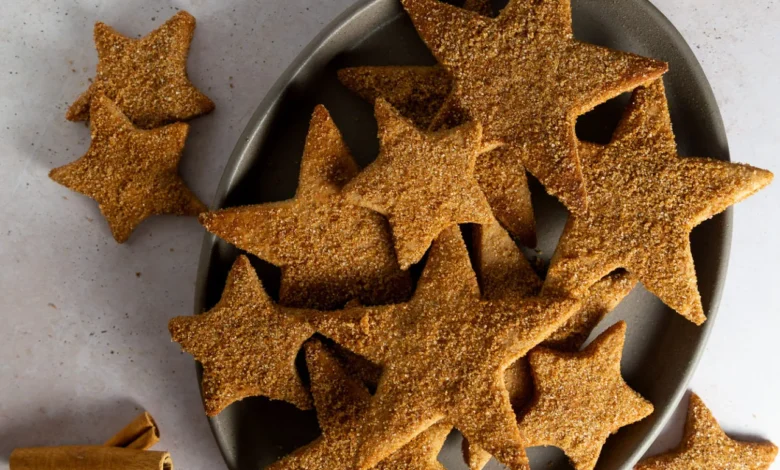
The culinary landscape of Northern Mexico, particularly in the bustling industrial and cultural hub of Monterrey, is defined by a rich tapestry of flavors that blend indigenous ingredients with Spanish colonial influences. Among the most cherished culinary traditions of this region are hojarascas—delicate, sandy shortbread cookies heavily dusted with cinnamon and sugar. While holiday seasons across Mexico traditionally prompt a surge in baking, hojarascas hold a distinct, year-round status in Nuevo León. Unlike standard sugar cookies found globally, authentic hojarascas rely on precise chemistry, specific regional fats, and deep-rooted historical techniques that have been preserved through generations of home bakers and professional pastry chefs alike.
Historical Origins and Regional Identity

The genesis of hojarascas traces back to the introduction of European baking techniques and lard-based shortbreads during the viceregal period of New Spain. Local bakers in Northern Mexico adapted European pastry methods to suit available regional resources, moving away from imported European butters in favor of locally rendered animal fats or vegetable shortenings. The name "hojarasca," which translates colloquially to fallen leaves or foliage, poetically references the exceptionally fragile, flaky, and crumbly texture of the cookie, which threatens to disintegrate into delicate shards the moment it is touched or bitten into.
In Monterrey, these cookies evolved from a seasonal winter staple into an omnipresent symbol of hospitality. Historically baked in large batches during family gatherings, weddings, and Christmas celebrations, hojarascas became a staple offering alongside hot beverages such as Mexican hot chocolate or freshly brewed spiced cinnamon tea. Culinary historians note that the reliance on simple pantry staples—flour, fat, sugar, and cinnamon—made the recipe accessible across varying socioeconomic strata, cementing its place in the working-class and elite kitchens of Nuevo León alike.
Culinary Chemistry and Preparation Techniques
The defining characteristic of a successful hojarasca is its unique mouthfeel: simultaneously sandy, melt-in-the-mouth, and remarkably tender. Achieving this texture requires a careful balance of ingredients and methodology, distinguishing the confection from standard butter cookies or American-style shortbreads.
Traditionally, the fat component is the linchpin of the recipe. While historical iterations heavily utilized pork lard for its unique melting point and savory undertone, contemporary variations frequently employ vegetable shortening to achieve a neutral flavor profile and a lighter crumb. Furthermore, innovative home bakers and modern pastry kitchens have begun experimenting with solid coconut oil as a viable plant-based alternative. Refined coconut oil provides the necessary saturated fat structure to maintain the cookie’s structural integrity while imparting a subtle lightness that allows the exterior cinnamon-sugar coating to dominate the sensory profile.
Another hallmark of authentic preparation involves the incorporation of cinnamon flavor throughout the entire structural matrix of the cookie, rather than merely coating the exterior. Traditional recipes often incorporate a concentrated cinnamon tea—brewed by boiling whole cinnamon sticks—directly into the dough mixture. This liquid infusion ensures that the warm, woody aromatics of Ceylon or Cassia cinnamon permeate every bite, working in tandem with the final rolling of the freshly baked cookies in a granulated sugar and ground cinnamon mixture while still warm.

Nutritional Profile and Dietary Adaptations
From a nutritional perspective, traditional hojarascas are calorie-dense confections primarily composed of carbohydrates and lipids, typical of holiday shortbreads. Standard single servings generally yield low protein and high fat content due to the heavy reliance on shortening or lard. However, the modern culinary shift toward alternative fats has allowed for modifications catering to dietary restrictions, including dairy-free and plant-based diets, without significantly compromising the traditional textural experience.
Nutritional analysts point out that while a single standard hojarasca typically measures a modest caloric baseline depending on size—often ranging between conservative estimates in standardized recipe databases—the caloric density increases substantially when consumed as part of a traditional holiday spread paired with whole-milk hot chocolate or champurrado.

Socioeconomic Impact and Commercialization
In recent years, the commercial trajectory of hojarascas has expanded beyond traditional home kitchens and local panaderías. Artisan bakeries across Northern Mexico and within the Mexican-American diaspora in the United States have increasingly commercialized the cookie, packaging it as a gourmet regional specialty. This commercialization has driven a renewed interest in traditional baking methods, creating economic opportunities for independent bakers who emphasize authenticity, hand-cut star shapes, and premium local ingredients.
Food industry experts observe that traditional regional sweets like hojarascas benefit significantly from digital media platforms, where step-by-step visual documentation of the rolling, cutting, and dusting processes resonates with global audiences seeking comfort food and heritage recipes. Culinary educators emphasize that the preservation of such recipes relies heavily on documenting the precise techniques—such as managing dough temperature and achieving the correct crumbly consistency—ensuring that industrial shortcuts do not overshadow centuries-old craftsmanship.

Broader Cultural Implications
The enduring popularity of hojarascas underscores a broader cultural phenomenon: the growing appreciation for regional Mexican gastronomy beyond the internationally recognized staples of tacos and enchiladas. As food culture becomes increasingly globalized, regional pastries from areas like Monterrey serve as cultural ambassadors, telling stories of migration, adaptation, and familial warmth.
Culinary sociologists suggest that the nostalgia associated with baking hojarascas plays a crucial role in maintaining cultural ties among diaspora communities. The sensory trigger of boiling cinnamon sticks and the tactile experience of shaping delicate star-like forms reinforce cultural identity across generations. Ultimately, the hojarasca remains far more than a simple holiday cookie; it is a durable artifact of Northern Mexican culinary heritage, balancing historical resilience with modern adaptability in kitchens around the world.
Related posts: