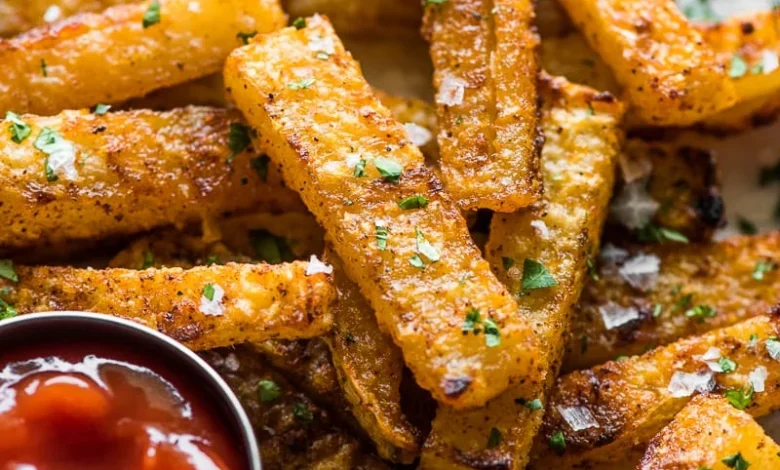
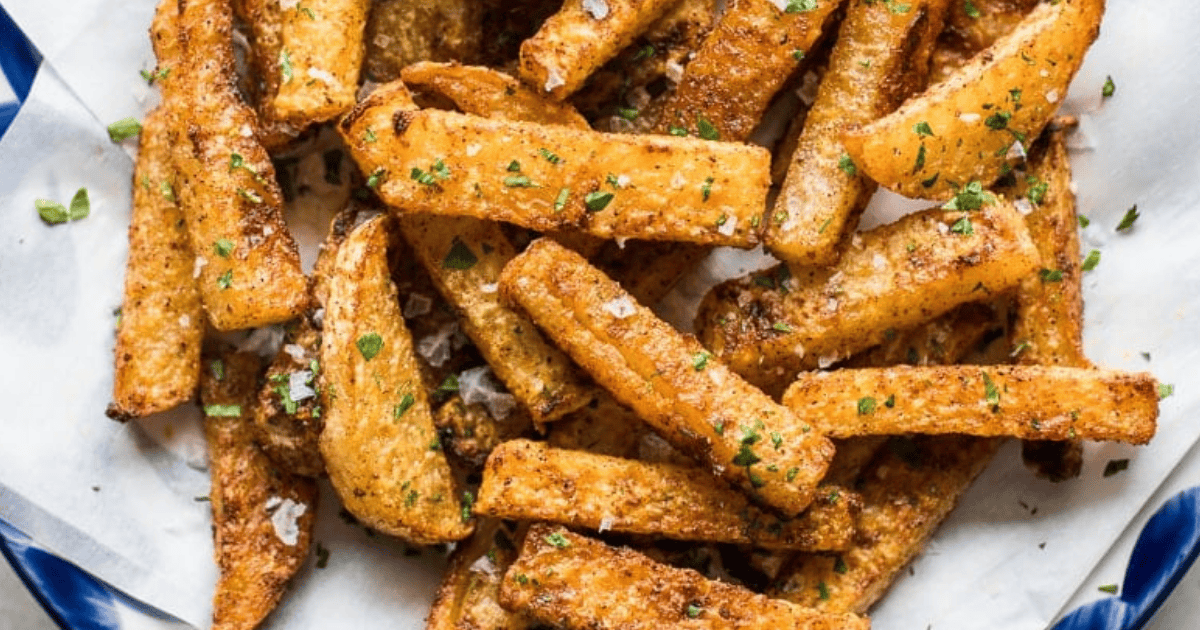
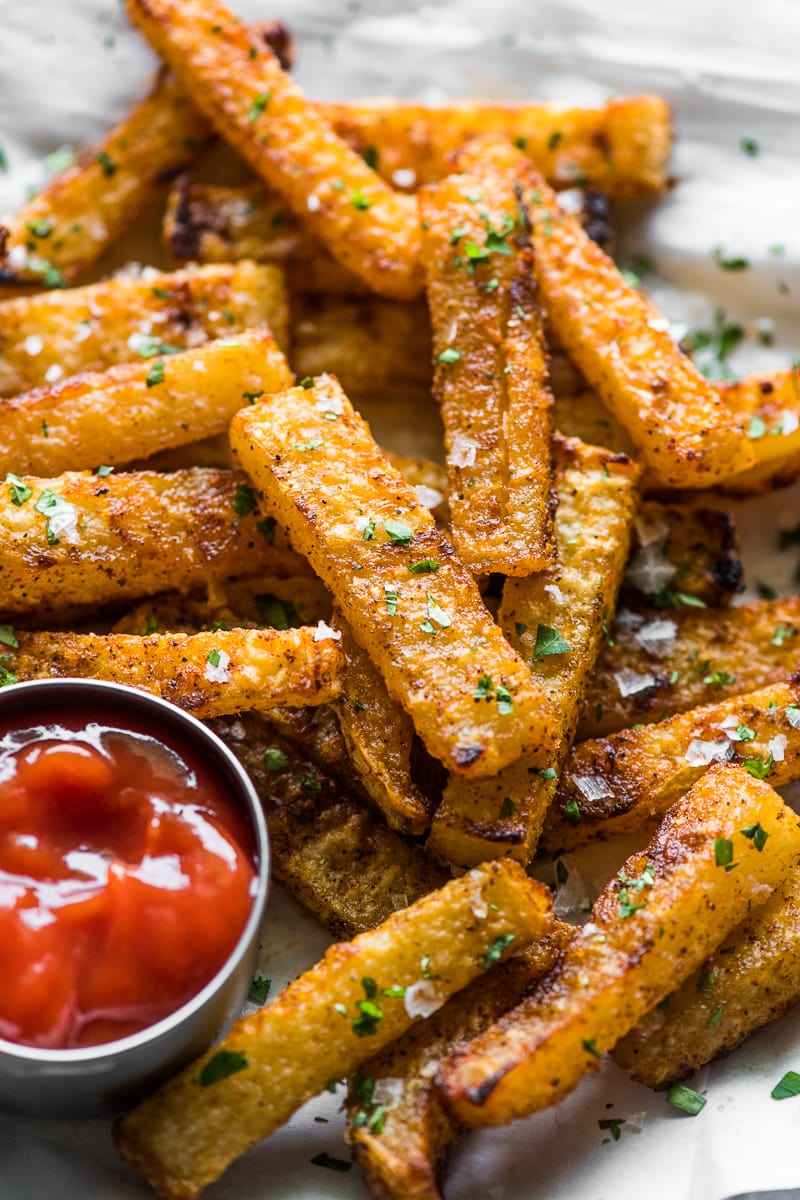
This innovative recipe for baked jicama fries presents a compelling alternative to traditional potato-based French fries, catering to a growing demand for lower-carbohydrate, health-conscious, and dietary-restriction-friendly options. The recipe, featuring just five core ingredients, promises a crispy exterior and a tender interior, making it a versatile addition to meals, snacks, or appetizers.
The genesis of this jicama fry recipe lies in the traditional preparation of jicama, a root vegetable native to Mexico. Historically, jicama has been consumed raw, typically peeled and sliced into sticks, often served with a squeeze of lime and a sprinkle of chili powder or a chili-lime seasoning blend like Tajín. This raw preparation highlights its crisp, juicy, and mildly sweet flavor, often compared to a blend of apple, water chestnut, and pear. However, the baked jicama fry transforms the vegetable by softening its texture and achieving a desirable crispness on the edges, a stark contrast to its raw state and a testament to its culinary adaptability.
Understanding Jicama and Its Culinary Potential
Jicama, scientifically known as Pachyrhizus erosus, is a starchy tuber that thrives in tropical and subtropical regions. Its characteristic rough, brown skin conceals a crisp, white, and watery flesh. Unlike potatoes, which are primarily starch and carbohydrates, jicama is notably lower in net carbohydrates and significantly higher in dietary fiber. This nutritional profile makes it an attractive option for individuals following ketogenic, paleo, gluten-free, and vegan diets. The mild, slightly sweet flavor of jicama allows it to readily absorb the seasonings it is prepared with, making it a versatile ingredient for various culinary applications.
The transformation of raw jicama into a "fry" involves a process of softening and then crisping. This typically entails peeling the tough outer skin, slicing the white flesh into fry-like sticks, and then employing a method to reduce moisture content before baking or air-frying. Microwaving or boiling the jicama sticks for a brief period softens the interior, ensuring a tender texture similar to that of a traditional French fry. Crucially, thoroughly patting the jicama dry after this initial softening stage is vital to achieving the desired crispiness, preventing a soggy outcome.
The Preparation Process: From Root to Fry
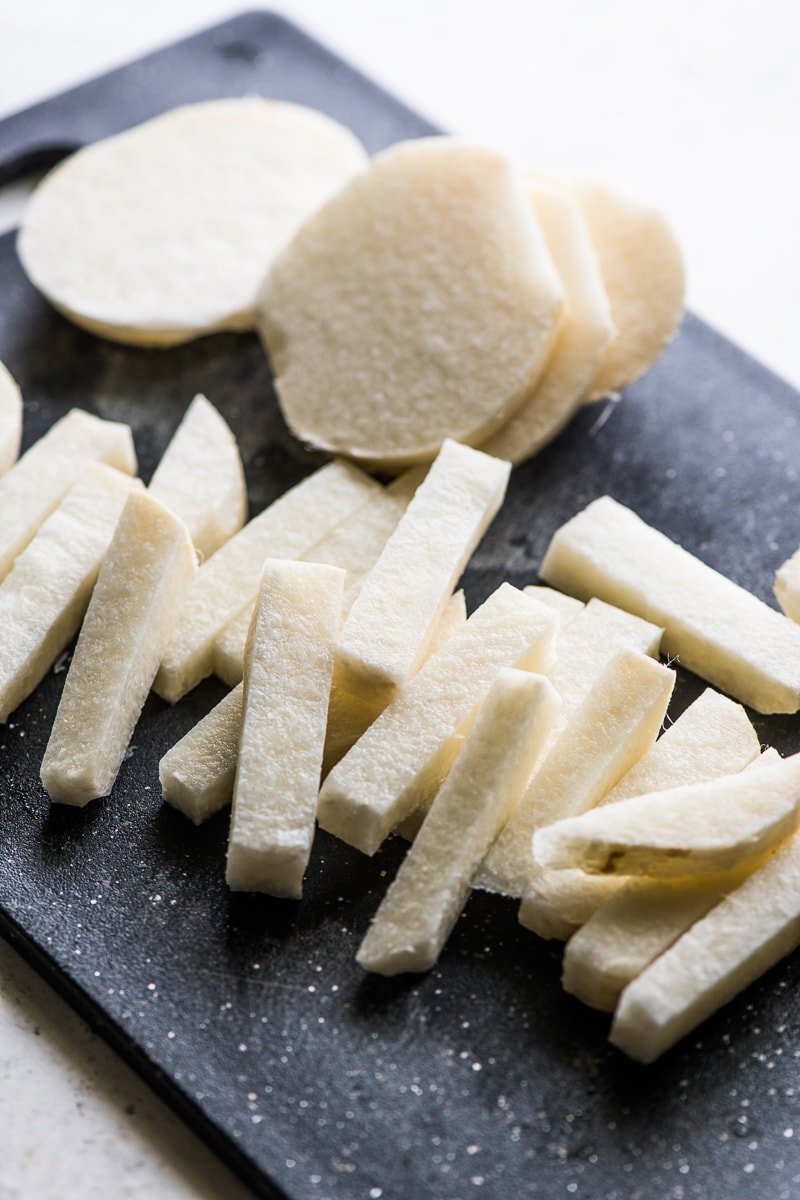
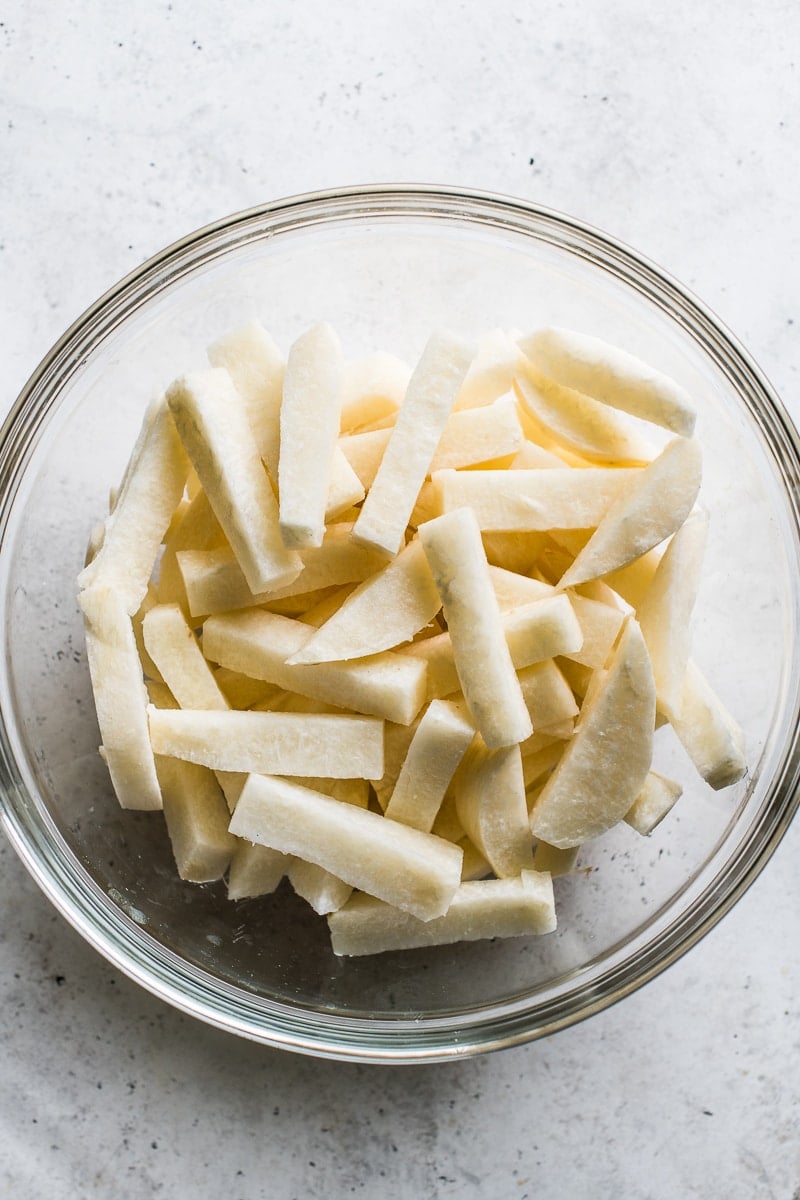
The preparation of jicama fries, as outlined in the recipe, emphasizes simplicity and efficiency. The initial step involves preparing the jicama itself. Due to its thick and somewhat tough skin, a sturdy vegetable peeler is often sufficient for smaller specimens, while a knife may be more practical for larger jicamas. After peeling, the jicama is sliced into uniform sticks, approximately ¼ to ½ inch thick, ensuring even cooking.
The critical step for achieving the characteristic fry texture involves softening the jicama. The recipe suggests microwaving the sliced jicama for approximately 10 minutes. This method effectively reduces the water content and softens the flesh, preparing it for the final crisping stage. An alternative method involves boiling the jicama sticks in water for the same duration, followed by thorough draining.
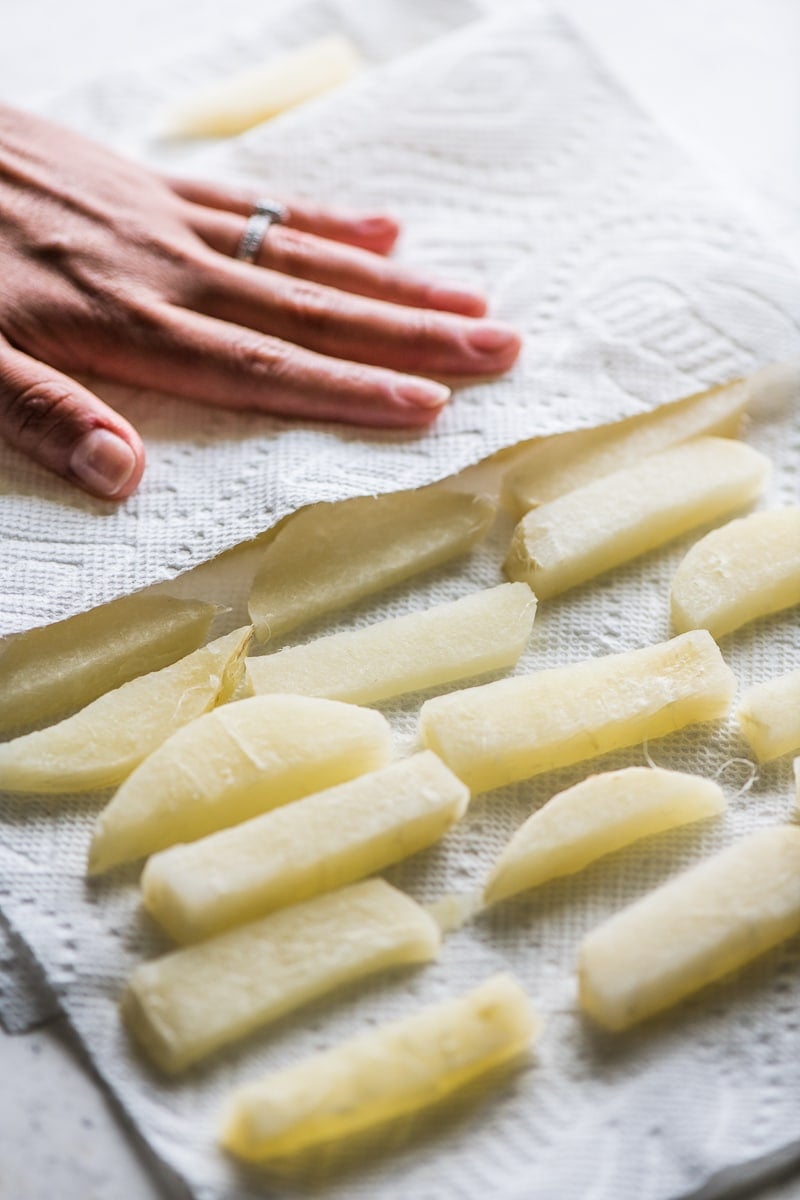
Following the softening process, the jicama sticks must be meticulously dried. This is often accomplished by patting them dry with paper towels. Removing excess moisture is paramount for achieving a crispy finish, as residual water will steam the jicama rather than allow it to roast and crisp.
Once dried, the jicama sticks are tossed with oil and seasonings. The base recipe utilizes a simple yet effective blend of garlic powder, smoked paprika, and salt. This mild seasoning profile allows the natural flavor of the jicama to subtly emerge while complementing the desired "fry" experience. However, the mild nature of jicama makes it an excellent canvas for a wide array of flavor profiles, including chili-lime, Cajun, or garlic parmesan seasonings, offering significant room for culinary creativity.

Cooking Methods: Baking and Air Frying
The recipe outlines two primary cooking methods: baking in a conventional oven and utilizing an air fryer.
Oven Baking: For oven baking, preheated oven temperatures of around 400°F (200°C) are typically recommended. The seasoned jicama sticks are spread in a single layer on a baking sheet, ideally lined with parchment paper for easier cleanup and to prevent sticking. This single-layer arrangement is crucial for promoting even cooking and crisping, preventing the fries from steaming in their own moisture. Baking time usually ranges from 20 to 30 minutes, with the fries being flipped halfway through to ensure uniform browning and crispness on all sides. The visual cues for doneness are golden-brown edges and a tender, fork-pierceable interior.
Air Frying: The air fryer presents an even more efficient method for achieving exceptionally crispy jicama fries. Its design circulates hot air rapidly, effectively drying the jicama as it cooks. Following the same preparation steps—peeling, slicing, microwaving or boiling, and patting dry—the seasoned jicama sticks are placed in the air fryer basket. Air frying at approximately 390°F (200°C) for about 10 minutes, with a mid-cook shake of the basket, is a common guideline. As with oven baking, cooking time may vary based on the air fryer model and the thickness of the jicama sticks. The objective is to achieve golden and crispy edges. Working in batches is often necessary in air frying to maintain a single layer and prevent overcrowding, which can lead to steaming.
Nutritional Benefits and Dietary Compatibility
The inherent nutritional qualities of jicama contribute significantly to the appeal of these fries. As a low-carbohydrate and high-fiber vegetable, jicama naturally aligns with several popular dietary trends.
- Keto and Low-Carb Diets: With a net carbohydrate content typically around 4-6 grams per 100 grams, jicama is an excellent choice for individuals adhering to ketogenic or low-carbohydrate eating plans, which aim to restrict carbohydrate intake to promote ketosis.
- Paleo Diet: The paleo diet emphasizes whole, unprocessed foods, excluding grains, legumes, and dairy. Jicama, being a root vegetable, fits seamlessly into this dietary framework.
- Gluten-Free: Jicama is naturally gluten-free, making it a safe and suitable option for individuals with celiac disease or gluten sensitivity.
- Vegan Diet: As a plant-based food, jicama fries are entirely vegan, aligning with ethical and environmental dietary choices.
Beyond these specific dietary categories, the high fiber content of jicama is beneficial for digestive health, promoting satiety, and aiding in blood sugar regulation. The vitamin C content also adds a nutritional bonus, contributing to immune function and antioxidant defense.
Addressing Common Challenges and Variations
A frequent question regarding jicama fries revolves around the necessity of the initial softening step. The article clarifies that this step is indeed crucial. Baking jicama directly from raw would result in a tough, crunchy texture rather than the desired tender interior of a fry. The softening process, whether through microwaving or boiling, is key to achieving the characteristic French fry-like consistency.
Sogginess is another common concern. The article attributes this primarily to excess moisture or overcrowding during cooking. Emphasizing thorough drying after softening and ensuring a single layer of fries during baking or air frying are presented as the primary solutions.
The versatility of jicama fries extends to their seasoning. While the basic garlic and smoked paprika blend is a solid foundation, the mild flavor of jicama lends itself to numerous variations:
- Chili-Lime: A popular Mexican-inspired flavor, combining chili powder, lime zest, and salt.
- Cajun: A bold blend of paprika, cayenne pepper, garlic powder, onion powder, oregano, and thyme.
- Garlic Parmesan: A savory combination of garlic powder, grated Parmesan cheese, and a touch of parsley.
- Herbs and Spices: Experimentation with rosemary, thyme, dill, or even a touch of curry powder can yield unique flavor profiles.
Serving Suggestions and Broader Culinary Impact
Jicama fries are positioned as a direct substitute for traditional French fries, making them suitable for a wide range of accompaniments. Classic pairings such as ketchup, mustard, and ranch dressing are readily suggested. However, their mild flavor also makes them a versatile companion for a broader spectrum of dips and sauces, including:
- Salsa: From mild pico de gallo to spicier varieties.
- Guacamole: A rich and creamy avocado-based dip.
- Aioli: A flavorful garlic mayonnaise.
- Spicy Mayo: A creamy blend of mayonnaise and hot sauce.
- Barbecue Sauce: A sweet and tangy condiment.
Furthermore, jicama fries are an ideal side dish for a variety of main courses, mirroring the role of traditional fries. They complement burgers, grilled chicken, and traditional Mexican dishes like carne asada. Their adaptability makes them a valuable addition to the repertoire of home cooks seeking healthier and more inclusive meal options.
The emergence of recipes like these baked jicama fries reflects a broader culinary shift towards nutrient-dense, plant-forward, and allergen-conscious eating. As consumers become more aware of the impact of diet on health and well-being, innovative approaches to familiar foods are gaining traction. This recipe not only offers a delicious and healthier alternative but also highlights the underutilized potential of ingredients like jicama in mainstream cuisine. The recipe’s simplicity, coupled with its adherence to multiple dietary requirements, positions it as a practical and appealing solution for a diverse range of dietary needs and preferences in today’s evolving food landscape.
Related posts: