The Ultimate Comfort Food Shortcut: How the One-Pot Creamy Lasagna Soup is Redefining Weeknight Cooking

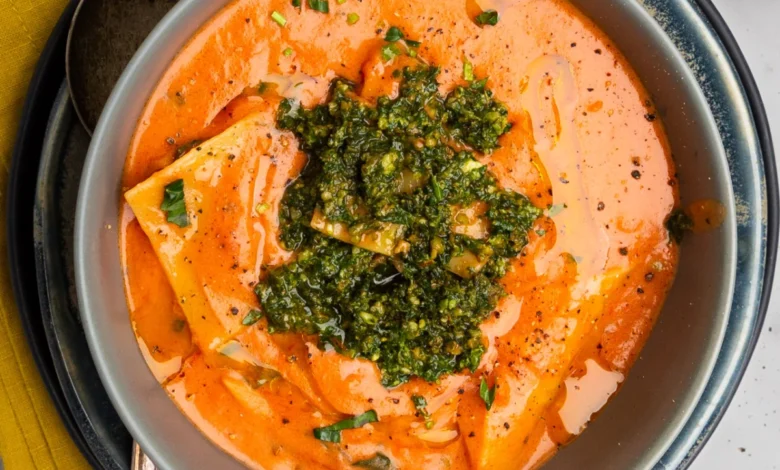
The modern culinary landscape is defined by an ongoing tension between the desire for rich, complex, traditional comfort foods and the pressing reality of limited time in the contemporary household. Few dishes encapsulate this culinary dichotomy quite like classic Italian lasagna—a universally beloved masterpiece of layered pasta, rich meat sauce, aromatic vegetables, and velvety cheese. However, the multi-step preparation required for traditional lasagna—involving boiling sheets, meticulously simmering ragus, blending ricotta mixtures, and baking—relegates the dish to weekend projects or special occasions. Enter a clever, streamlined evolution that has rapidly captured the attention of home cooks and culinary professionals alike: the one-pot creamy lasagna soup. Developed by culinary creator Alejandra Graf, this innovative recipe distills the complex flavor profile and comforting textures of traditional lasagna into a streamlined, thirty-minute soup that has sparked significant interest across digital recipe platforms and home kitchens.
Main Facts of the Culinary Innovation

The creamy lasagna soup concept rests on a deceptively simple premise: deconstructing the structural components of a baked lasagna and cooking them simultaneously within a single pot. Rather than boiling pasta sheets separately and layering them within a baking dish, this recipe utilizes broken-up lasagna noodles cooked directly in a rich, aromatic tomato and vegetable broth.
The preparation begins with a classic soffritto—finely diced onions, carrots, and celery—sautéed until translucent and lightly caramelized to build a deep, foundational umami base. Fresh garlic and tomato paste are then incorporated, deepening the savory profile before crushed tomatoes and broth or water are introduced to form the simmering base. Once the liquid reaches a rolling boil, broken pieces of lasagna pasta are added directly to the pot, where they absorb the rich flavors of the broth as they cook to an al dente texture.
The defining characteristic of the dish is its versatility and adaptability. The recipe is intentionally designed as an adaptable culinary framework rather than a rigid set of instructions. In its standard iteration, the soup delivers a vibrant, tomato-forward profile balanced by the inclusion of heavy cream or, in its increasingly popular plant-based variation, a velvety cashew cream. This dual-identity approach allows the dish to effortlessly bridge the gap between traditional meat-and-dairy comfort food and modern plant-based dietary preferences without sacrificing the luxurious mouthfeel that defines the original dish.

Chronology and Evolution of Deconstructed Comfort Foods
The rise of deconstructed comfort food recipes is not an isolated phenomenon, but rather the latest chapter in a broader evolution of home cooking trends that accelerated significantly during the early 2020s. As global populations spent extended periods at home, the demand for scratch-cooking increased, yet it was frequently counterbalanced by pandemic-era cooking fatigue. Home cooks sought recipes that offered the emotional resonance and complex flavors of labor-intensive dishes without the associated cleanup and time commitments.
During late 2023, culinary creators began experimenting widely with "lasagna soup" variations across digital platforms, seeking to capture the distinct textures of ricotta, pasta, and meat sauce in a bowl format. Alejandra Graf’s specific formulation, popularized in October 2023, refined these early iterations by focusing on a streamlined, thirty-minute timeline and a deliberate emphasis on vegetarian and vegan adaptability through the integration of cashew cream and plant-based proteins.

Chronologically, the development of the recipe followed a strict efficiency model:
- Minute 0 to 10: Sautéing the aromatic foundation of onions, carrots, celery, garlic, and tomato paste.
- Minute 10 to 15: Introducing crushed tomatoes and vegetable or meat broths, bringing the mixture to a boil.
- Minute 15 to 25: Cooking the broken lasagna noodles directly in the simmering liquid alongside optional proteins such as ground meat, Italian sausage, or lentils.
- Minute 25 to 30: Stirring in the finishing cream (dairy or cashew-based) and adjusting seasoning, immediately followed by garnishing with fresh herbs, pesto, or ricotta.
Supporting Nutritional Data and Ingredient Mechanics
Analyzing the nutritional composition of the creamy lasagna soup reveals a surprisingly balanced profile for a dish associated with heavy comfort food. According to standardized nutritional estimates provided for the baseline recipe, a single portion contains approximately 117 kilocalories, making it significantly lighter than a standard slice of baked lasagna, which routinely exceeds 400 to 500 calories per serving.

The macronutrient breakdown per serving includes approximately 5 grams of carbohydrates, 7 grams of protein, and 8 grams of total fat, with 3 grams of saturated fat. The recipe also provides modest amounts of dietary fiber (1 gram), potassium (149 milligrams), and essential micronutrients including Vitamin A (686 international units) and small amounts of calcium and iron.
These nutritional metrics can vary depending on the chosen modifications. For instance, incorporating traditional Italian sausage, ground beef, or whole dairy cream will increase the caloric density, protein yield, and fat content. Conversely, substituting plant-based proteins such as lentils, mushrooms, zucchini, or bell peppers, and finishing the dish with a vegan cashew or tofu ricotta, preserves the lighter nutritional profile while maintaining the rich, velvety texture expected from a cream-based soup.
Culinary Analysis and Dietary Inclusivity

From a technical culinary perspective, cooking pasta directly within a heavily acidic tomato broth presents distinct chemical challenges. Acid from tomatoes can slow down the gelatinization of starches in pasta, requiring careful temperature management and precise liquid-to-pasta ratios to ensure the noodles cook evenly without becoming mushy or leaving the soup overly starchy. Graf’s recipe successfully navigates this by utilizing the exact cooking time of broken lasagna sheets to naturally thicken the broth with released starches, eliminating the need for extraneous flour-based roux.
Furthermore, the adaptability of the soup addresses shifting consumer preferences toward inclusive dining. Modern households frequently comprise individuals with divergent dietary restrictions, ranging from omnivorous to vegetarian, vegan, and dairy-free. By establishing a neutral, vegetable-and-tomato base that can be customized at the individual bowl level—using standard heavy cream and parmesan for traditional diners, or cashew cream, nutritional yeast, and vegan pesto for plant-based consumers—the dish eliminates the need for multi-course meal preparation.
Broader Impact and Implications for Modern Meal Planning

The enduring popularity of recipes like the creamy lasagna soup highlights a fundamental shift in how food content is consumed, shared, and executed in contemporary kitchens. As consumers navigate increasingly busy schedules, the value proposition of any recipe hinges on its ability to deliver maximum flavor return on investment with minimal labor and cleanup.
One-pot meal formats have consequently dominated culinary media, driving engagement across food blogs, social media channels, and digital recipe repositories. By stripping away the complexity of traditional Italian baking while retaining the sensory markers—the warmth of crushed tomatoes, the earthy aroma of garlic and soffritto, and the rich mouthfeel of dairy or nut-based creams—dishes like lasagna soup provide an emotional antidote to the fatigue of daily meal planning.
As food technologists and culinary developers continue to analyze consumer trends, the emphasis on modular recipes—bases that can be endlessly adapted to whatever ingredients happen to be available in the refrigerator—will likely remain a dominant paradigm. Whether made with classic Italian sausage on a freezing winter evening or loaded with lentils, zucchini, and homemade basil pesto for a light weeknight supper, the creamy lasagna soup demonstrates that culinary innovation often lies not in inventing entirely new flavor combinations, but in reimagining timeless classics for the demands of modern life.