Pork carnitas, a cornerstone of Mexican culinary heritage, represents a sophisticated balance of technique, patience, and ingredient preparation. While traditional preparation methods rely on the use of lard to achieve the signature tender, succulent texture of the pork shoulder, modern culinary advancements have introduced efficient alternatives that maintain flavor integrity while increasing accessibility for home cooks. The shift from traditional submerged fat-cooking to refined oven-roasting methods, complemented by the scientific application of brining, has redefined how this classic dish is prepared in contemporary kitchens.
The Evolution of Carnitas Preparation
Historically, the preparation of carnitas—which translates literally to "little meats"—involved cooking pork shoulder in large copper vats of boiling lard. This method, rooted in the traditions of the Mexican state of Michoacán, ensured the meat remained moist while the external surfaces developed a characteristic crispness. However, the logistical challenges of managing large quantities of lard, combined with modern dietary considerations, have led to the adoption of "low and slow" oven-roasting techniques.
The fundamental objective in both traditional and modern methods is the breakdown of collagen in the pork shoulder (also known as the Boston butt or picnic roast). This cut is favored for its high fat content and connective tissue, which, when subjected to sustained, low-temperature heat, gelatinizes to create a tender, flavorful product. Modern professional kitchens and home culinary experts alike have transitioned toward oven-roasting at temperatures between 300°F and 325°F to achieve consistent results without the necessity of deep-frying in lard.
The Science and Strategy of Brining
A critical development in the modernization of carnitas is the integration of the brining process. In food science, brining is the process of soaking meat in a saline solution to improve moisture retention. As the pork soaks, the salt initiates a process of osmosis, drawing liquid into the muscle fibers. This ensures that even after three hours of roasting, the meat retains its succulence.
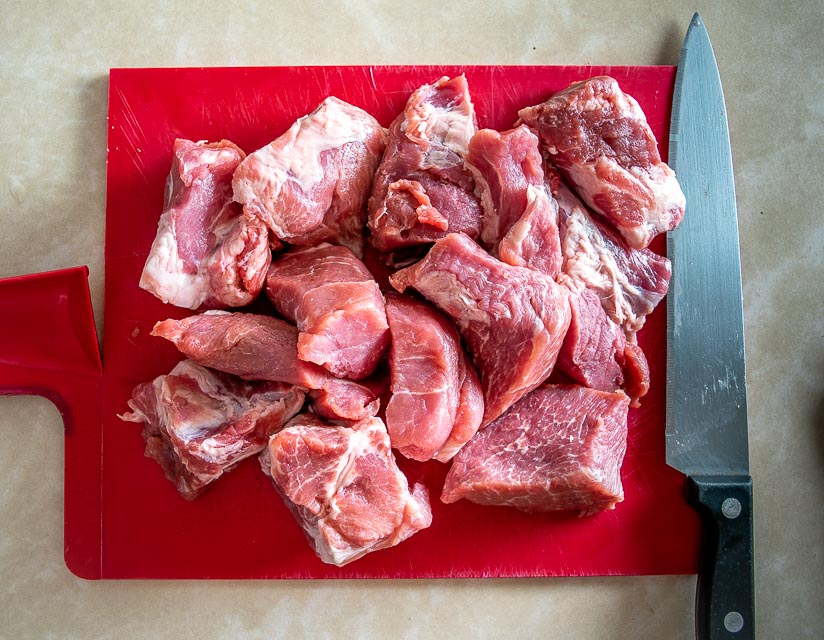
Traditional brining protocols often suggest durations of 12 to 24 hours. However, culinary research has demonstrated that by sectioning the pork shoulder into two-inch cubes, the surface area exposed to the brine increases significantly. This allows for an accelerated osmosis process, enabling a one-hour brine to provide substantial benefits in flavor penetration and moisture retention. For the home cook, this adjustment bridges the gap between professional-grade results and the practical constraints of daily meal preparation.
Chronology of the Preparation Process
The modern preparation of carnitas follows a structured timeline designed to maximize flavor development.
- Initial Preparation (0:00–0:15): The pork shoulder is trimmed and cut into uniform 2-inch pieces. Uniformity is vital to ensure that all pieces reach the desired tenderness simultaneously.
- Brining Phase (0:15–1:15): The meat is submerged in a solution of two quarts of cold water and a half-cup of kosher or sea salt. Kosher salt is preferred due to its lack of iodine or anti-caking agents, which can alter the flavor profile.
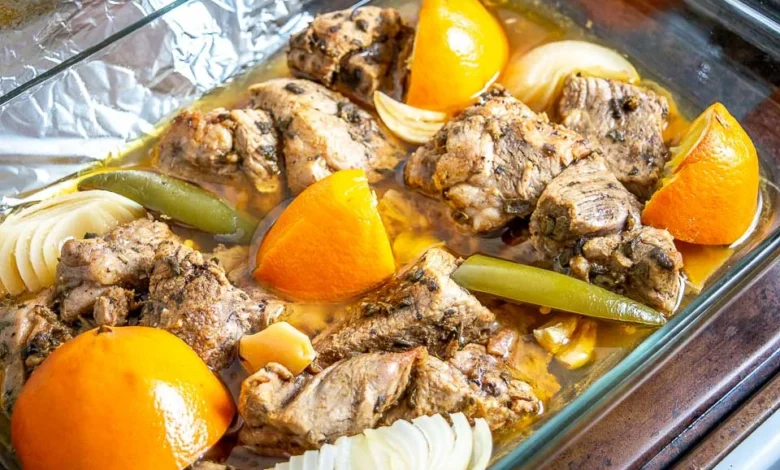
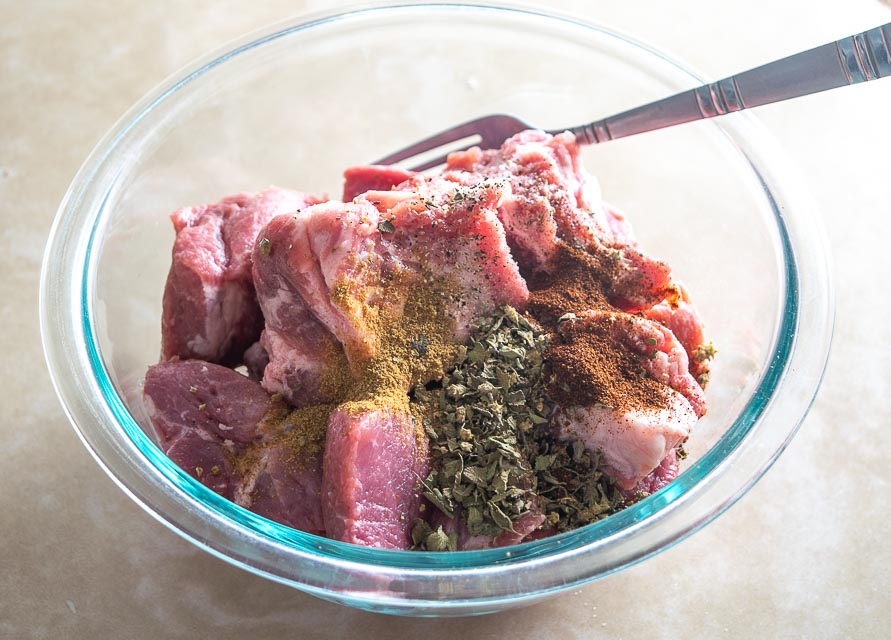
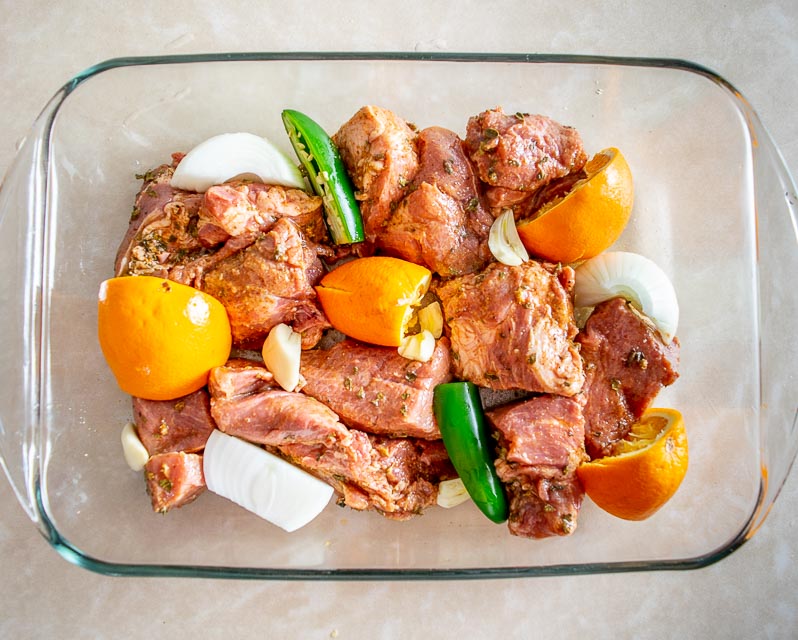
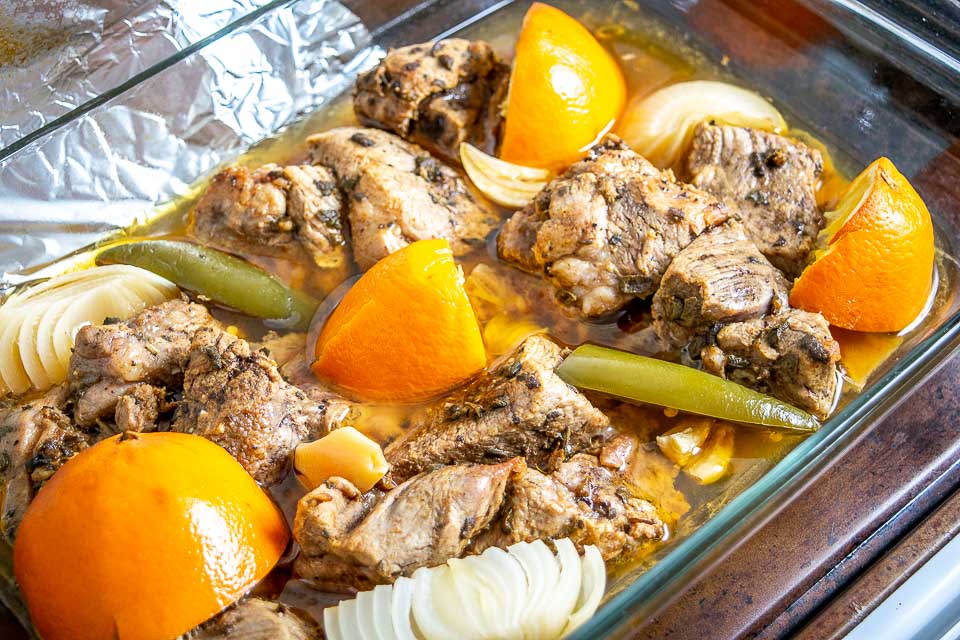
- Seasoning and Aromatics (1:15–1:30): Following the brine, the pork is patted dry and seasoned with a blend of Mexican oregano, cumin, chipotle powder, and freshly cracked black pepper. The inclusion of an orange—both the juice and the rind—serves a chemical purpose; the enzymes in the citrus assist in tenderizing the meat, while the acidity cuts through the richness of the pork fat.
- Roasting (1:30–4:30): The pork is roasted in a sealed casserole dish at 300°F. The tight seal is essential, as it creates a steam-rich environment that prevents the meat from dehydrating before the collagen can break down.
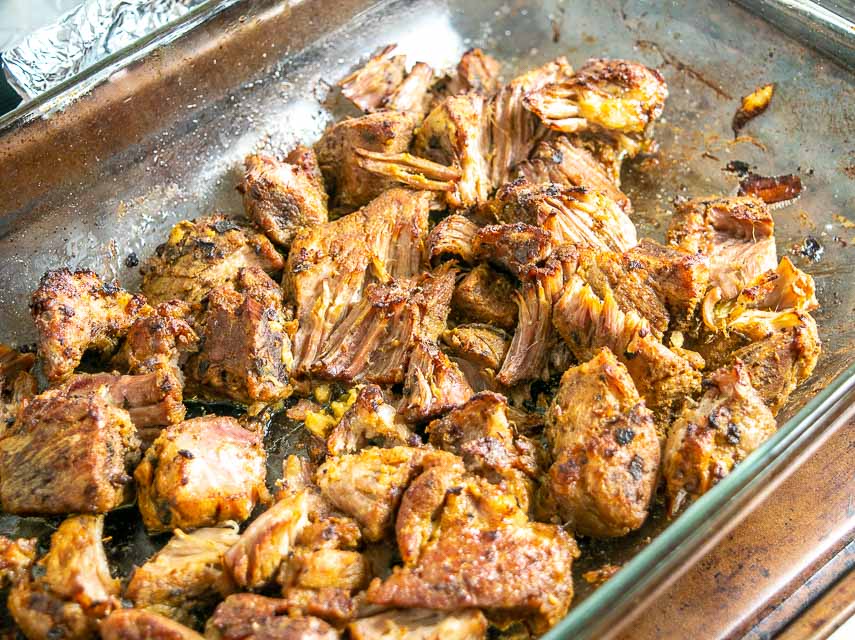
- Finishing (4:30–4:45): Once the meat reaches fork-tender consistency, the final step involves the removal of the resting liquid and a brief period under a broiler. This stage, known as "crisping," replicates the Maillard reaction—a chemical reaction between amino acids and reducing sugars that gives browned food its distinctive flavor.
Supporting Data: The Role of Resting Liquid
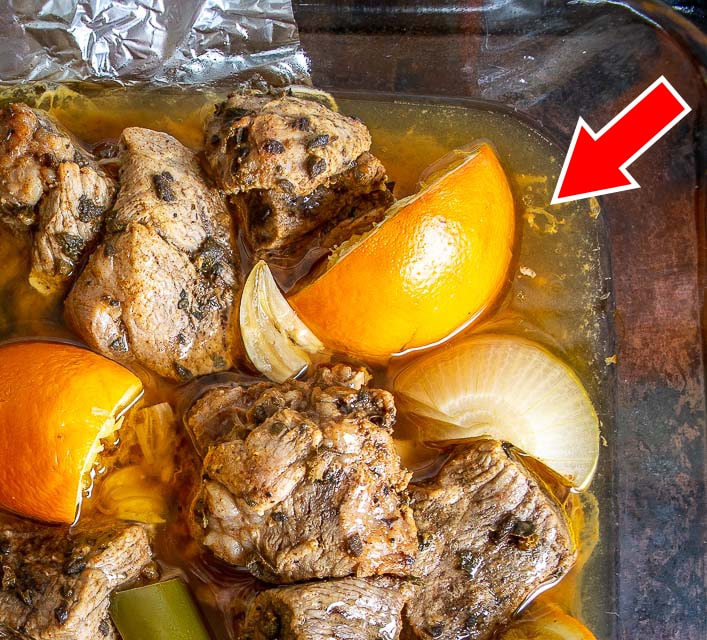
The liquid remaining in the roasting pan is a concentrated byproduct of the cooking process. It contains rendered fat, dissolved collagen (now gelatin), citrus essence, and the aromatics introduced at the start. Analysis of this liquid reveals it to be a key component in "rescuing" leaner cuts of pork. If the meat appears dry, reintroducing the resting liquid—specifically the rendered fat—during the broiling phase serves to baste the meat, resulting in a superior texture. Culinary experts emphasize that this liquid is not merely a byproduct but an essential component of the final dish’s flavor profile.
Broader Culinary Implications
The versatility of carnitas as a base protein has contributed to its enduring popularity in global cuisine. Because the meat is seasoned with a neutral yet aromatic profile of cumin and citrus, it acts as a modular ingredient. It is commonly utilized in the assembly of tacos, burritos, and grain bowls. The recent trend of incorporating carnitas into non-traditional formats, such as soups or as a topping for artisanal flatbreads, underscores the protein’s adaptability.
Furthermore, the integration of a sharp salsa verde—typically comprised of roasted tomatillos, serrano peppers, cilantro, and garlic—serves as a vital counterpoint to the richness of the pork. The acidity and capsaicin heat of the salsa perform a functional role in cleansing the palate, allowing the consumer to appreciate the complexity of the slow-cooked meat throughout the meal.
Expert Consensus on Technique
Professional chefs and culinary instructors often emphasize that the "rules" of brining and seasoning are not rigid. While the one-hour brine is a recommended baseline for home cooks, the density of the protein dictates the required duration. For instance, more delicate proteins like chicken or seafood require significantly less time than pork. This adaptability is central to modern cooking philosophy: understanding the scientific "why" behind a technique allows for greater creative freedom in the kitchen.
The transition from the traditional, labor-intensive lard-cooking method to a more efficient, brine-assisted roasting process does not constitute a loss of authenticity, but rather an evolution of the dish. By prioritizing moisture retention and flavor concentration, home cooks can achieve results that mirror the quality found in traditional taquerias. As consumer interest in authentic global flavors continues to grow, the ability to replicate such techniques at home remains a highly valued skill in the domestic culinary landscape.
In summary, the preparation of carnitas is an exercise in managing thermodynamics and chemistry. From the precise cutting of the pork to the careful monitoring of the broiler, every step is calculated to optimize the sensory experience. Whether prepared for a casual weekend meal or as part of a larger culinary project, the result is a dish that highlights the efficacy of combining time-honored traditions with modern, accessible methodology.
Related posts: